

Blurry vision is a symptom, not a diagnosis. It can come from a simple refractive error, dry eyes, digital eye strain, medication effects, an eye condition, or—less commonly in well-nourished adults—a nutrient deficiency.
The problem is especially widespread among screen users. A 2024 systematic review estimated that computer vision syndrome—which can include blurred vision, dry eyes, and eye strain—affected 69% of the populations studied, although results varied widely between studies.(1)
The right vitamins and minerals help support retinal function, corneal health, tear film health, and the eye’s antioxidant defenses. But eye vitamins do not replace glasses, eye drops, medical treatment, or a comprehensive eye exam. In fact, corrective lenses (not supplements) are hands-down the most common solution to blurry vision.(2)
But if you're searching for the "best eye vitamins for blurry vision," there are some contenders to consider. Below, we explain which nutrients matter for healthy vision, where to find them in a healthy diet, and when targeted eye supplements may be appropriate.
Key Takeaways
- Blurry vision has many possible causes, so nutrition should support—not replace—an eye doctor’s diagnosis and care.
- Vitamin A is essential for the cornea, retina, and night vision, while vitamins C and E contribute antioxidant support.
- Lutein and zeaxanthin form part of the macular pigment and help support macular health.
- High-dose AREDS2 supplements are designed for certain patients with age-related macular degeneration, not for everyone with blurry vision.
- A diet rich in leafy greens, colorful fruits and vegetables, eggs, nuts, seeds, and fatty fish provides many key nutrients for general eye health.
Disclaimer
This article is for educational purposes and is not medical advice. New, sudden, painful, one-sided, or rapidly worsening vision changes need prompt medical assessment. Speak with an eye doctor before using high-dose eye supplements, especially if you have an eye disease, take medication, smoke or previously smoked, or are pregnant.
Best Vitamins for Blurry Vision and Eye Health
Vitamin A
Vitamin A supports the cornea and helps the retina convert light into nerve signals. It is also needed to make rhodopsin, a light-sensitive protein that helps you see in dim conditions. A true deficiency can cause dry eyes and poor night vision and, when severe, corneal damage.(3)
Food provides vitamin A in two main forms: preformed vitamin A from foods such as eggs, dairy, fish, and organ meats, and provitamin A carotenoids such as beta carotene from plant foods. Sweet potatoes, pumpkin, carrots, spinach, and other leafy greens are useful food sources.
Vitamin A deficiency is not the usual explanation for blurry vision in a well-nourished adult. Too much preformed vitamin A can also be harmful, so avoid high-dose supplements unless a clinician identifies a need.
B-Complex Vitamins

Vitamins B6, B9 (folate), and B12 help the body regulate homocysteine, while vitamin B12 also supports healthy nerve function. Researchers have studied B vitamins in relation to age-related eye disease, but that does not mean a B-complex supplement prevents macular degeneration or clears blurry vision.(4)
Severe vitamin B12 deficiency can affect the optic nerve, but this is different from common day-to-day blur. Food sources include fish, poultry, eggs, dairy, legumes, leafy greens, and fortified foods. Vegans, older adults, and people with absorption problems may need individualized advice about B12.
Vitamin C
Vitamin C is a powerful antioxidant and is found at high concentrations in parts of the eye. It also supports collagen, including the structural proteins used by the cornea and blood vessels.
However, vitamin C supplements have not been shown to prevent cataracts or age-related macular degeneration in the general population. Vitamin C is one component of the disease-specific AREDS2 formula used for certain people who already have age-related macular degeneration.(5)
A healthy diet can supply vitamin C through citrus fruits, bell peppers, strawberries, kiwi, broccoli, and other colorful fruits and vegetables. For more background, see vitamin C and dry eyes.
Vitamin D
Vitamin D is being studied for its relationship with dry eye symptoms, tear quality, and inflammation at the eye’s surface. A 2024 systematic review found that supplementation improved several dry-eye measures, including tear film stability, but the studies varied and vitamin D is not a universal treatment for blurry vision.(6)
If testing shows that you are low in vitamin D, a clinician can recommend an appropriate dose. Food sources include fatty fish, egg yolks, fortified foods, and some mushrooms.
Vitamin E
Vitamin E helps protect cell membranes from oxidative damage. Nuts, seeds, vegetable oils, and foods such as almonds and sunflower seeds are good sources.
Vitamin E by itself has not been shown to help with cataracts or AMD issues. Like vitamin C, it appears in the AREDS2 combination studied for specific stages of AMD. High-dose vitamin E can interact with some medicines and may increase bleeding risk, so more is not always better.(7)
Omega-3 Fatty Acids and Tear Film Health
Omega-3 fatty acids are found in retinal cell membranes, and fatty fish such as salmon and sardines provide EPA and DHA. Chia seeds and walnuts provide ALA, which the body converts to EPA and DHA only in limited amounts.
Omega-3 supplements are often promoted for dry eye symptoms, but the evidence is mixed. In the large DREAM trial, high-dose fish oil did not improve dry-eye outcomes more than an olive-oil placebo.(8) Eating fish can still be part of a healthy diet, but eye pills should not replace an evaluation of persistent dry eyes or unstable tear film.
Read about today's top vegan omega-3 fatty acid supplements.

Carotenoids and Minerals for Eye Health
Lutein and Zeaxanthin
Lutein and zeaxanthin are carotenoids, not minerals. They accumulate in the macula, where they form macular pigment and help filter light while providing antioxidant support. The macula is responsible for sharp, straight-ahead vision—not colorblindness.
Leafy greens, peas, broccoli, corn, orange bell peppers, and egg yolks are useful food sources. AREDS2 uses 10 mg lutein and 2 mg zeaxanthin for certain patients with intermediate or late AMD; it is not a general cure for blurry vision.(9)
Screens can contribute to eye strain and temporary blur because of prolonged focusing and reduced blinking. That is different from proving that everyday screen blue light damages the retina. Breaks, blinking, correct screen distance, suitable lighting, and an up-to-date prescription are more direct ways to manage screen-related symptoms.
Read more about lutein and zeaxanthin.
Zinc
Zinc supports many enzymes in the eye and helps transport vitamin A from the liver to the retina. Oysters are especially rich in zinc, while beef, poultry, dairy, beans, nuts, and pumpkin seeds also provide it.
Routine intakes of 40–80 mg per day should not be recommended for general eye health. The adult upper limit is 40 mg per day from all sources unless zinc is being used medically under professional supervision. Long-term excess can cause copper deficiency and other adverse effects.(10)
AREDS2 contains 80 mg of zinc, but that high dose is intended for certain patients with AMD and should be discussed with an eye doctor. It is not a standard mineral supplement for anyone experiencing blurry vision.(9)
When Blurry Vision Needs an Eye Doctor
Regular eye exams matter because the right response depends on the cause. An eye doctor can check your prescription, tear film, cornea, retina, and eye pressure, while considering your medical history, medication use, and family history of eye disease.
Arrange a comprehensive eye exam if blurry vision is new, keeps returning, or interferes with reading, driving, or work. Seek urgent care for sudden vision loss or blur—especially when it comes with eye pain, flashes, many new floaters, a curtain-like shadow, weakness, numbness, severe headache, or difficulty speaking.
Dry eyes can cause fluctuating blur that briefly improves after blinking. Artificial tears or other eye drops may help some people, but persistent symptoms deserve an assessment. An optometrist or ophthalmologist may refer you to a retina specialist when the problem involves the retina or macula.
Supplements for Blurry Vision
Eye supplements work best when they address a specific need. A confirmed deficiency may improve when corrected, and an AREDS2 formula can slow progression to advanced AMD in certain patients. Neither approach means that a general multivitamin or eye health vitamin will sharpen every type of blurry vision.
Start with a diet rich in essential nutrients, then use supplements selectively. Look for transparent labels, appropriate doses, third-party quality testing, and reputable brands. Avoid stacking several products with the same antioxidant vitamins or minerals, especially vitamin A, vitamin E, and zinc.
For a broader evidence review, read our guide to vision supplements that work.
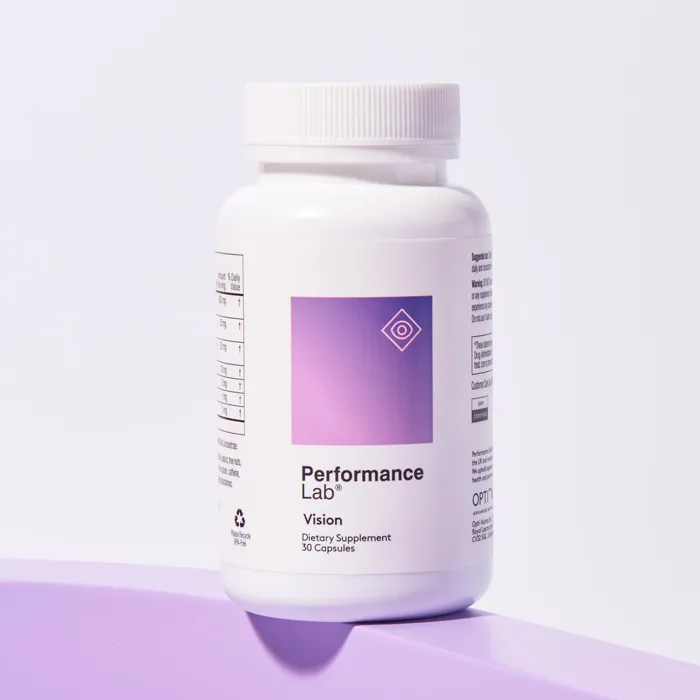
Performance Lab® Vision

Performance Lab® Vision is a vision support formula containing black currant, bilberry, lutein, zeaxanthin, astaxanthin, and saffron. It does not contain vitamins A, B, C, D, and E, and it should not be positioned as a treatment for unexplained blurry vision.
Its 10 mg lutein and 2 mg zeaxanthin match the carotenoid amounts used in AREDS2, but the complete formula is not an AREDS2 supplement. It is designed for general eye-health and macular-pigment support rather than for treating age-related eye disease.

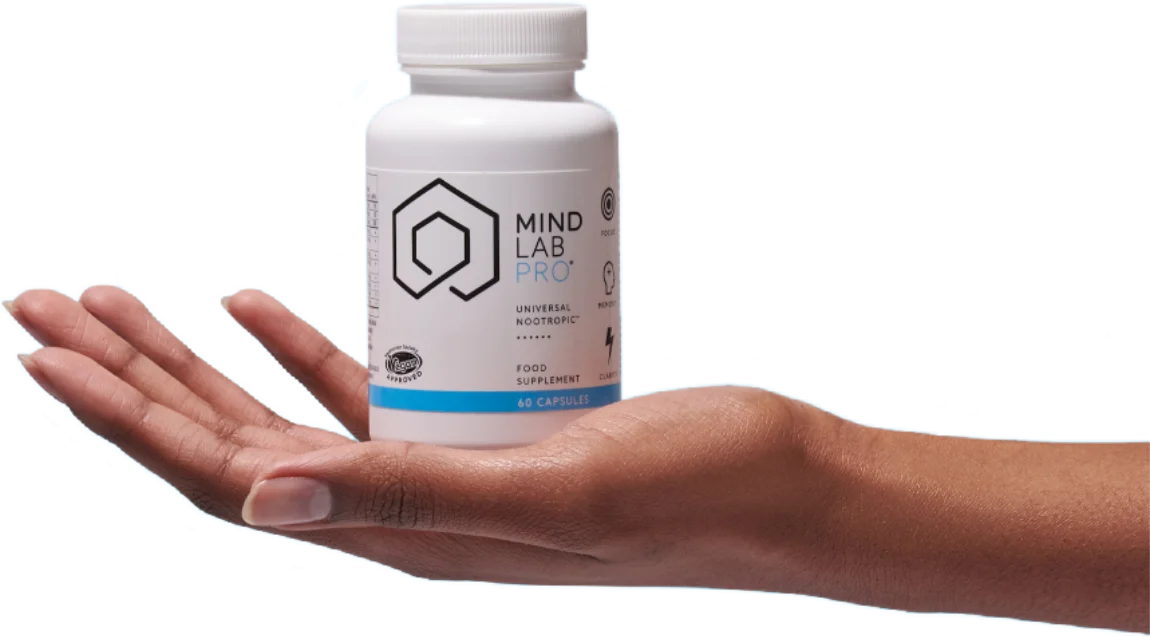
Mind Lab Pro and Visual Processing

Your eyes capture visual information, but your brain still has to process and respond to it. That is where Mind Lab Pro® fits the conversation: it is a nootropic for cognitive performance, not an eye vitamin or treatment for blurry vision.
In a double-blind, placebo-controlled study of 105 healthy adults, 30 days of Mind Lab Pro was associated with improvements in reaction-time tasks that used visual cues compared with placebo.(11) These results relate to information processing—not eyesight, eye disease, or the need for corrective lenses.

Frequently Asked Questions
Which Vitamin Deficiency Can Cause Blurry Vision?
Severe deficiencies of vitamin A or B12 can affect vision, but they are not the most common cause of blurry vision in well-nourished adults. Refractive errors, dry eye, medication effects, and eye conditions are more common possibilities. An eye exam and, when appropriate, blood tests can identify the cause.
Can Eye Vitamins Clear Blurry Vision?
Not usually. Vitamins may help when blur is related to a confirmed nutrient deficiency, and AREDS2 can slow AMD progression in specific patients. Vitamins do not correct nearsightedness, farsightedness, astigmatism, cataracts, glaucoma, or most other causes of blurry vision.
Can Dry Eyes Cause Blurry Vision?
Yes. An unstable tear film can make vision fluctuate, especially after long hours of screen use. Frequent blinking, screen breaks, and suitable eye drops may help, but ongoing dry eye symptoms should be discussed with an eye doctor.
Who Should Take AREDS2 Supplements?
According to the National Eye Institute, AREDS2 is intended mainly for people with intermediate AMD in one or both eyes, or late AMD in one eye. It does not prevent early AMD from becoming intermediate AMD, so ask your eye doctor whether it fits your diagnosis.(9)
What Foods Are Best for General Eye Health?
Build meals around leafy greens, colorful fruits and vegetables, eggs, legumes, nuts, pumpkin seeds, and fatty fish. This pattern supplies lutein, zeaxanthin, antioxidant vitamins, zinc, and fatty acids without relying on high concentrations from multiple supplements.
Summary
The best eye vitamins support normal eye structure and function, but they do not treat every cause of blurry vision. Vitamin A supports the cornea, retina, and night vision; vitamins C and E contribute antioxidant support; and lutein and zeaxanthin support macular pigment. Vitamin D and omega-3s remain active areas of dry-eye research, with mixed evidence depending on the population and product.
Prioritize a nutrient-rich diet, regular eye exams, and a diagnosis before reaching for vision support capsules. If a supplement is appropriate, choose the right formula for the right purpose—and use high-dose products such as AREDS2 only with professional guidance.
References
- Ccami-Bernal F, Soriano-Moreno DR, Romero-Robles MA, et al. Prevalence of computer vision syndrome: a systematic review and meta-analysis. J Optom. 2024;17(1):100482. doi:10.1016/j.optom.2023.100482. Link
- National Eye Institute. Refractive errors. Updated December 19, 2025. Link
- National Institutes of Health, Office of Dietary Supplements. Vitamin A and carotenoids: fact sheet for health professionals. Link
- McCusker MM, Durrani K, Payette MJ, Suchecki J. An eye on nutrition: the role of vitamins, essential fatty acids, and antioxidants in age-related macular degeneration, dry eye syndrome, and cataracts. Clin Dermatol. 2016;34(2):276-285. doi:10.1016/j.clindermatol.2015.11.009. Link
- National Institutes of Health, Office of Dietary Supplements. Vitamin C: fact sheet for health professionals. Link
- Chen Z, Zhang C, Jiang J, et al. The efficacy of vitamin D supplementation in dry eye disease: a systematic review and meta-analysis. Cont Lens Anterior Eye. 2024;47(5):102169. doi:10.1016/j.clae.2024.102169. Link
- National Institutes of Health, Office of Dietary Supplements. Vitamin E: fact sheet for health professionals. Link
- Dry Eye Assessment and Management Study Research Group. n-3 fatty acid supplementation for the treatment of dry eye disease. N Engl J Med. 2018;378(18):1681-1690. doi:10.1056/NEJMoa1709691. Link
- National Eye Institute. AREDS 2 supplements for age-related macular degeneration (AMD). Updated June 22, 2021. Link
- National Institutes of Health, Office of Dietary Supplements. Zinc: fact sheet for consumers. Updated October 4, 2022. Link
- Utley A, Gonzalez Y, Abbott Imboden C. The efficacy of a nootropic supplement on information processing in adults: a double blind, placebo controlled study. Biomed J Sci Tech Res. 2023;49(1):40297-40305. doi:10.26717/BJSTR.2023.49.007746. Link