

For anyone looking for weight loss, you’re not alone - it’s one of the most common health goals and somehow one of the hardest to achieve.
Weight loss is not only about appearance but is also a crucial component of wellness and overall health, supporting a healthier lifestyle and long-term well-being.
Most experts agree that diet and exercise profoundly impact weight and fat loss, but they’re not the only two pieces of the puzzle. If you’re looking for long-term suitable weight loss, you must consider things like sleep, stress, and even nutrient depletions.
Although coenzyme Q10 (CoQ10) is best known for its role in heart health, few people know that CoQ10 also plays a vital role in metabolic function, energy production, and fat burning.
So, while you may be cutting calories and popping back weight loss supplements, could CoQ10 be the best-kept weight-loss secret to optimal health?
This article dives into the details of CoQ10 and how it may support weight loss efforts. We’ll cover what it is, why you need it, and if it can help you shed a few pounds.
Key Takeaways
- CoQ10 is an antioxidant that supports mitochondrial energy; there’s no direct evidence it “burns fat” on its own.
- Low CoQ10 levels may correlate with fatigue; supplementation can improve exercise tolerance and recovery.
- Weight loss comes primarily from calorie deficit, activity, and nutrient balance; use CoQ10 as part of a holistic regimen.
What is Coenzyme Q10 (CoQ10)?
Coenzyme Q10, commonly referred to as just CoQ10, is a vitamin-like fat-soluble organic compound that’s naturally present in tissues of the body, with exceptionally high concentrations found in the most metabolically active tissues, such as the heart, brain cells, liver, kidneys, pancreas, and adrenal glands 1.
While you may think that being widespread in so many tissues, there would be high concentrations of CoQ10; it’s the opposite. The body stores relatively small amounts of CoQ10, roughly 500 to 1,500mg, which means that if you’re not eating a diet rich in CoQ10, levels will decline, especially with age.
But the reason we need CoQ10 for optimal function is because it plays a crucial role in energy production within the mitochondria.
Mitochondria are the power plants of our cells responsible for the majority of energy production and CoQ10 plays a critical role in converting energy from food into ATP (cellular energy) that’s used to drive all cellular functions.
Ubiquinone (CoQ10) is one of two mobile carriers that move electrons between enzyme complexes during the energy production cycle in mitochondria 2.
The bulk of energy is produced in mitochondria through oxidative phosphorylation.
While we’re not going to get into the process of oxidative phosphorylation, it’s essential to know that CoQ10 is essential for the electron transport in what is known as the mitochondrial respiratory chain, which is responsible for generating ATP in mitochondria.
Without adequate levels of CoQ10, there are no electron carriers to support the movement of electrons down the chain to produce ATP.
Without this step, the respiratory chain becomes dysfunctional, and energy production suffers, thereby reducing the efficiency of cells and interfering with energy levels 2.
Because almost all cellular processes rely on ATP, CoQ10 becomes an essential piece of the puzzle to maintaining the health and function of all organs and tissues 2.
Energy metabolism dysfunction can lead to several chronic diseases and has been suggested as a treatment for various cardiac, neurologic, oncologic, and immunologic disorders 3. Metabolic dysfunction can result from impaired mitochondrial activity, leading to increased oxidative stress, cellular stress, and cell damage.
CoQ10 is essential for cellular performance, and low levels can spell trouble. But besides ATP production, what’s it involved in and what health benefits can it potentially offer?
Coq10 Benefits for Women: Weight Loss and More
1. Supports Energy Production

Whether you’re looking for more energy to get through your workouts or to reduce the amount of coffee needed to get you through your day, CoQ10 is gold for that, providing essential energy support.
As I mentioned, it’s one of the most critical components of the cellular machinery and mitochondrial function required to generate ATP, the fundamental energy substrate used to power all cellular activities 4.
It may also support mitochondrial biogenesis, the process by which cells make new mitochondria. 14.
A CoQ10 deficiency has been linked to respiratory chain dysfunction due to insufficient production of the energetic compounds required to support cell function, ultimately leading to poor cellular efficiency and low energy.
2. Boosts Antioxidant Defenses
On top of being involved in energy production, the other critical role of CoQ10 in its reduced form, ubiquinol, is as a powerful lipophilic antioxidant (fat-soluble antioxidant) 5. It’s the only lipid antioxidant that can be made in the body.
Alpha-tocopherol (vitamin E) is considered one of the most powerful lipid-soluble antioxidants available in humans, but research finds that ubiquinol-10 is equally as effective 6.
It may also spare alpha-tocopherol when both antioxidants are present in the same liposomal membranes, thereby maintaining sufficient levels of other critical antioxidants.
But what may come as a surprise is that despite how powerful vitamin E is, cell membrane concentrations of CoQ10 can be as much as 30x greater than vitamin E 7! CoQ10 plays a role in regenerating tocopherol, and insufficient levels can lead to delayed and inefficient regeneration 4.
Studies also find that when oxidative stress levels are high from lack of dietary selenium or alpha-tocopherol, membrane concentrations of CoQ10 are increased exponentially to compensate for low antioxidant status. That's a neat piece of biological design.
CoQ10 also helps inhibit lipid peroxidation, a key process in oxidative damage to cell membranes, further supporting cellular health.
Systemic oxidative stress can lead to cell damage by harming cellular components such as DNA, lipids, and proteins, and CoQ10 potentially helps protect against this damage.
3. Improves Heart Health

If there’s one thing CoQ10 is known for, it’s heart health. It exhibits antioxidant, bioenergetic, anti-inflammatory, membrane stabilizer, and antiatherogenic functions that can be protective against a variety of chronic diseases and cardiometabolic disorders.
Such as hypertension, ischemic heart disease, cardiovascular disease, myocardial infarction, cardiomyopathies, coronary artery disease, heart failure, dyslipidemia, obesity, chronic kidney disease, and more 8.
Because oxidative stress seems to be a component of many of these diseases, CoQ10’s potent antioxidant properties can potentially mitigate oxidative stress caused by reactive oxygen species and may reduce CVD risk 9.
Beyond that, it’s also essential for supporting the energetic needs of the heart. As we said before, CoQ10 is concentrated in metabolically active tissues like the heart, which require a substantial amount of energy to initiate contractions.
Some experts suggest that myocardial failure may be due to mitochondrial malfunction and insufficient energy production, possibly due to low CoQ10 10. On top of that, the anti-inflammatory effects may help mitigate cardiovascular damage caused by pro-inflammatory molecules.
CoQ10 may also support the immune system by promoting a healthy inflammatory response. Research has confirmed that CoQ10 has benefits for reducing inflammation by regulating nitric oxide levels (a signaling molecule and vasodilator) and modulating levels of cytokines 8.
CoQ10 and Weight Loss

If there’s one little-known benefit of CoQ10, weight loss and fat loss is it.
Studies show that individuals with obesity often have lower levels of CoQ10, and body weight is a key parameter in research on CoQ10’s effects. 15.
Adipose tissue, especially visceral adipose tissue, plays a central role in obesity and metabolic regulation, and research suggests that CoQ10 may influence adipose tissue function and morphology to help mitigate obesity-related metabolic disturbances.
More Energy for Workouts
You may remember that your body produces energy from a molecule called ATP in mitochondria, which is responsible for taking nutrients like glucose and fatty acids and converting them into energy via the Krebs cycle.
Mitochondrial dysfunction is a key factor in obesity-related metabolic disorders, contributing to increased oxidative stress and impaired energy metabolism.
When energy intake is insufficient, your body relies on breaking down stored body fat for energy; triglycerides are broken down into fatty acids and acetyl CoA molecules, and enter the Krebs cycle.
And with the help of electron-binder CoQ10, these electrons can be transported through the chain to support ATP production. Genes involved in inflammation, lipid metabolism, and mitochondrial function are crucial in obesity, and CoQ10 may help modulate these pathways to support metabolic health.
But that’s not all. CoQ10 also stimulates an enzyme called AMPK, which regulates energy balance in cells and prevents fat accumulation that can lead to chronic diseases like diabetes and obesity 11.
Boost Your Energy Further with Performance Lab Energy

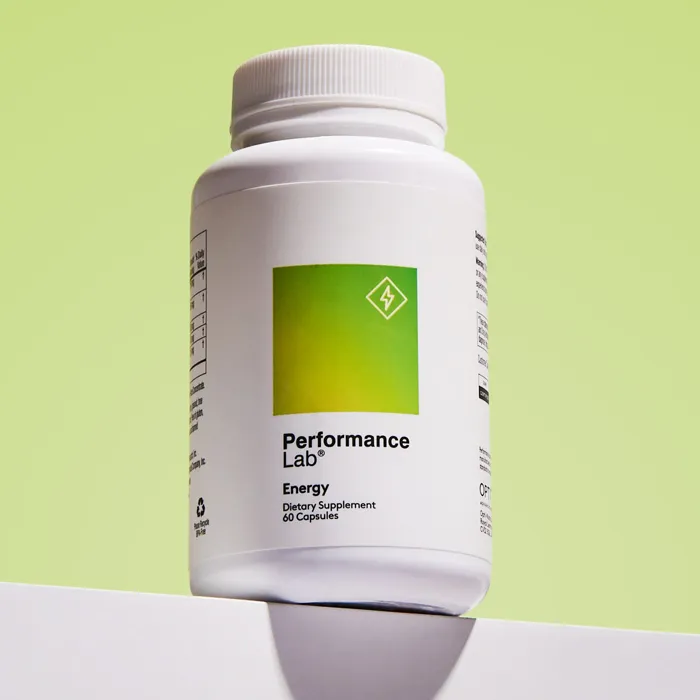
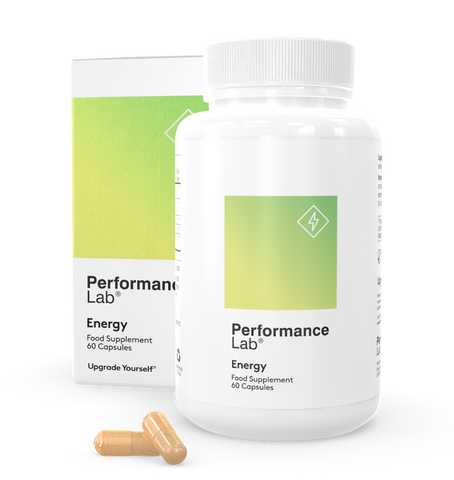
If you're looking for a quality supplement that contains CoQ10 - and many more useful energy-boosting ingredients - you should look at Performance Lab Energy.
Designed to support and enhance your own cellular energy production, this natural vitality formula combines CoQ10 with BioPQQ, magnesium, Acetyl L-Carnitine, R-Lipoic Acid, and Bioperine - all useful ingredients to help you harness your basic bodily energy.
It's stimulant-free - no need to rely on caffeine anymore! - and one of the cleanest formulas you'll find anywhere.
Potentially Ameliorates Obesity
CoQ10H2 supplementation has been shown to significantly reduce white adipose tissue (stored as fat) and improve the function of brown adipose tissue (burned for calories) by regulating lipid metabolism-related factors in animal models. 16
Although its effect in humans isn’t clear, animal studies show that CoQ10 may improve fat metabolism and prevent obesity by improving mitochondrial function and insulin sensitivity 12.
CoQ10 may also increase energy for workouts, and help regulate hormones like estradiol in obese rats. In a study on women with metabolic syndrome and NAFLD, CoQ10 supplementation led to a decrease in visceral fat volume and abdominal circumference. 17
Blood Sugar Regulation
Impaired insulin sensitivity plays a significant role in weight gain and diabetes, and CoQ10’s antioxidant properties may improve insulin binding and function. The beneficial effect of CoQ10 supplementation on glycemic control and blood sugar regulation has been observed, especially for individuals with diabetes. 18.
Both animal and human studies indicate that CoQ10 can improve insulin sensitivity, which is important for metabolic health and weight management.
For glucose to be used by cells, insulin must bind to cells and allow entry of glucose. Once inside the cell, glucose goes through a process known as glycolysis to form ATP.
However, when insulin resistance develops because of the inability of cells to respond to insulin, blood sugar levels increase, as do levels of oxidative stress and cellular damage.
Metabolic syndrome, a cluster of metabolic abnormalities associated with obesity, insulin resistance, and inflammation, increases the risk of cardiovascular and liver diseases; CoQ10 may help address these interconnected conditions.
Studies find that CoQ10 may reduce the extent of inflammation linked to insulin resistance. A 2014 study found that 150 mg of CoQ10 daily for 12 weeks in diabetic patients led to significantly lower glucose and HbA1C levels and improved insulin sensitivity and triglyceride levels 13.
CoQ10 may also help reduce muscle fatigue and support muscle function during exercise, which can be beneficial for women aiming to lose weight and improve physical performance. 19
Safety and Side Effects
Coenzyme Q10 (CoQ10) is widely recognized as one of the most commonly used supplements for supporting heart health, energy production, and overall wellness.
Clinical trials have shown that CoQ10 is generally safe and well-tolerated, with most healthy people experiencing few, if any, side effects. However, as with any essential nutrient or dietary supplement, it’s important to be aware of potential risks, especially if you have underlying health conditions or are taking prescription medications.
Warning
If you have congestive heart failure or are managing metabolic diseases, it’s crucial to consult with a healthcare professional before starting CoQ10. This is because CoQ10 can interact with certain medications, including blood thinners, blood pressure drugs, and chemotherapy agents, potentially altering their effects.
Some people may experience mild side effects, such as muscle pain or digestive discomfort, particularly at higher doses. Common side effects of CoQ10 supplementation may include mild gastrointestinal issues like nausea or diarrhea.
If you have diabetes or issues with blood glucose, you should monitor your glycemic control closely, as CoQ10 may influence blood sugar levels. Speak to your health care provider before taking.
Dosage
When it comes to dosage, most clinical studies use 100–120 mg per day, though some conditions may require higher amounts. It’s best to start with a lower dose and gradually increase as needed, always under the guidance of a healthcare professional.
To maximize absorption, consider taking CoQ10 with a meal that includes healthy fats, such as fatty fish or organ meats.
Final Thoughts
Despite all of the above, it's important to acknowledge that CoQ10 isn’t likely to result in any significant weight loss all by itself. It's not a magic weight loss pill.
While some CoQ10 studies have noted a decrease in BMI (Body Mass Index) in some patients, specifically diabetes patients, it doesn't appear to influence BMI significantly in all cases. That said, several studies have noticed a small decrease in waist circumference of overweight and obese patients. 20, 21
Where CoQ10 comes into its own, however, is its ability to boost energy levels by providing the substrate needed for mitochondria to generate ATP.
And when you combine CoQ10 with other potent compounds that support energy production, like those found in Performance Lab Energy, you’ll experience a surge in natural energy, unlike anything you’ve experienced before.
By supporting the pathways that generate energy rather than hyping you with stimulants, Energy supplies clean, jitter-free, crash-free energy to power you through your daily endeavors and exercise routines.
References
- Tran MT, Mitchell TM, Kennedy DT, Giles JT. Role of coenzyme Q10 in chronic heart failure, angina, and hypertension. Pharmacotherapy. 2001;21(7):797-806.
- Saini R. Coenzyme Q10: The essential nutrient. J Pharm Bioallied Sci. 2011;3(3):466-467.
- Bonakdar RA, Guarneri E. Coenzyme Q10. Am Fam Physician. 2005;72(6):1065-1070.
- Crane FL. Biochemical functions of coenzyme Q10. J Am Coll Nutr. 2001;20(6):591-598.
- Quinzii CM, López LC, Von-Moltke J, et al. Respiratory chain dysfunction and oxidative stress correlate with severity of primary CoQ10 deficiency. FASEB J. 2008;22(6):1874-1885.
- Frei B, Kim MC, Ames BN. Ubiquinol-10 is an effective lipid-soluble antioxidant at physiological concentrations. Proc Natl Acad Sci U S A. 1990;87(12):4879-4883.
- Turunen M, Sindelar P, Dallner G. Induction of endogenous coenzyme Q biosynthesis by administration of peroxisomal inducers. Biofactors. 1999;9(2-4):131-139.
- Zozina VI, Covantev S, Goroshko OA, Krasnykh LM, Kukes VG. Coenzyme Q10 in cardiovascular and metabolic diseases: current state of the problem. Curr Cardiol Rev. 2018;14(3):164-174.
- Singh U, Devaraj S, Jialal I. Coenzyme Q10 supplementation and heart failure. Nutr Rev. 2007;65(6 Pt 1):286-293.
- Kumar A, Kaur H, Devi P, Mohan V. Role of coenzyme Q10 (CoQ10) in cardiac disease, hypertension and Meniere-like syndrome. Pharmacol Ther. 2009;124(3):259-268.
- Lee SK, Lee JO, Kim JH, et al. Coenzyme Q10 increases the fatty acid oxidation through AMPK-mediated PPARα induction in 3T3-L1 preadipocytes. Cell Signal. 2012;24(12):2329-2336.
- Xu Z, Huo J, Ding X, et al. Coenzyme Q10 improves lipid metabolism and ameliorates obesity by regulating CaMKII-mediated PDE4 inhibition. Sci Rep. 2017;7(1):8253.
- Zahedi H, Eghtesadi S, Seifirad S, et al. Effects of CoQ10 supplementation on lipid profiles and glycemic control in patients with type 2 diabetes: a randomized, double blind, placebo-controlled trial. J Diabetes Metab Disord. 2014;13:81.
- Zimmerman MA, Hall M, Qi Q, Mehta SL, Chen G, Li PA. Ubisol coenzyme Q10 promotes mitochondrial biogenesis in HT22 cells challenged by glutamate. Exp Ther Med. 2021;22(5):1295.
- Mantle D, Kozhevnikova S, Larsen S. Coenzyme Q10 and obesity: an overview. Antioxidants. 2025;14(7):871. Link
- Xu Z, Huo J, Ding X, Yang M, Li L, Dai J, Hosoe K, Kubo H, Mori M, Higuchi K, Sawashita J. Coenzyme Q10 improves lipid metabolism and ameliorates obesity by regulating CaMKII-mediated PDE4 inhibition. Sci Rep. 2017;7(1):8253. doi:10.1038/s41598-017-08899-7.
- Casagrande D, Waib FF, Júnior JE, Jordão Júnior AA. Effects of coenzyme Q10 supplementation in women with metabolic syndrome and non-alcoholic fatty liver disease evaluated by magnetic resonance imaging. Obesities. 2024;4(2):106-117. Link
- Liang Y, Zhao D, Ji Q, et al. Effects of coenzyme Q10 supplementation on glycemic control: a GRADE-assessed systematic review and dose-response meta-analysis of randomized controlled trials. EClinicalMedicine. 2022;52:101602. Link
- Tsai IC, Hsu CW, Chang CH, Tseng PT, Chang KV. Effectiveness of coenzyme Q10 supplementation for reducing fatigue: a systematic review and meta-analysis of randomized controlled trials. Front Pharmacol. 2022;13:883251.
- Saboori S, Rad EY, Mardani M, Khosroshahi MZ, Nouri Y, Falahi E. Effect of Q10 supplementation on body weight and body mass index: a systematic review and meta-analysis of randomized controlled clinical trials. Diabetes Metab Syndr. 2019;13:1179-1185.
- Casagrande D, Waib FF, Júnior JE, Jordão Júnior AA. Effects of coenzyme Q10 supplementation in women with metabolic syndrome and non-alcoholic fatty liver disease evaluated by magnetic resonance imaging. Obesities. 2024;4(2):106-117.