
You may think feeling energised is all about willpower, but biology tells a different story. The mid-afternoon slump that most adults experience isn’t a lack of motivation, it’s driven by chemistry and biology.
And did you know that if you turn to a cup of that beautiful brown liquid known as coffee to maintain steady energy levels, you're relying on one of the most popular natural stimulants around?
In this article, we'll reveal some of the most popular natural stimulants, break down how they actually work in the body and brain, and suggest some alternative energy boosters if you want them...
Key Takeaways
- Natural stimulants like caffeine, matcha, yerba mate, and guarana boost energy by activating the central nervous system, improving alertness and focus.
- Different compounds work in different ways, from blocking fatigue signals like adenosine to enhancing blood flow and brain activity.
- While effective, stimulants can lead to jitters, crashes, or disrupted sleep depending on dose, timing, and individual sensitivity.
- Non-stimulant options, including adaptogens and cellular energy support, offer a more balanced, sustained approach to energy.
- Lifestyle factors such as sleep, hydration, nutrition, movement, and stress management remain the foundation of long-term energy.
First, What Do We Mean By Stimulants?

As I said, feeling energised is driven by chemistry. At a biological level, energy, focus, and alertness are regulated by the central nervous system, which controls how awake, motivated, and responsive you feel throughout the day.
Stimulants are substances that increase activity in the central nervous system.
They work by enhancing the signalling of key neurotransmitters such as dopamine, norepinephrine, and, in some cases, serotonin.
The result is a temporary boost in alertness and cognitive function, faster reaction times, improved concentration, and a reduced perception of fatigue. This is why stimulants are commonly used to combat tiredness, sharpen focus, or support performance under pressure.
What are Natural Stimulants?
Natural stimulants follow the same basic principle, but they are derived from plants or naturally occurring sources rather than created synthetically.
Ingredients like caffeine found in coffee beans or tea leaves and theobromine from cacao can all influence the nervous system in ways that promote wakefulness and mental clarity.
Likewise, while not technically stimulants, adaptogenic herbs can help support energy more indirectly by helping the body manage stress.
Their effects vary depending on how they interact with the body. Some natural stimulants, like caffeine, block adenosine, a neurotransmitter that promotes sleep, helping you feel more awake. Others may support the release of energising brain chemicals or improve blood flow and oxygen delivery, indirectly enhancing both mental and physical energy.
Understanding how these compounds work, and how they differ from one another, is key to choosing the right kind of support for sustained, balanced energy rather than short-lived spikes followed by crashes.
Why Do We Get So Tired in the Afternoon?
Reason 1: The secondary circadian dip or postprandial dip. Experts believe our biological clock (circadian rhythm) dips between midnight and dawn but again, on a smaller scale, between 1-3pm approximately. Some people - such as extreme morning type people - may be more susceptible to this post-lunch dip than others. Research shows it still happens if these people haven't eaten and aren't aware of the time. (1)
Reason 2: Adenosine Build-Up. At the same time, compounds like adenosine build up in the brain throughout the day, increasing fatigue and reducing alertness. Producing more of this sleep-encouraging chemical as the day goes on.
Let's take a look at some of the most popular natural stimulants available...
Popular Natural Stimulants
Coffee: the World’s Most Widely Used Natural Stimulant

Coffee is one of the most familiar and widely consumed natural stimulants, largely due to its primary active compound, caffeine. Studies show that 85% of the U.S. population enjoys at least one caffeinated beverage a day. (2)
Caffeine works by blocking adenosine receptors in the brain, reducing perceived feelings of fatigue and increasing alertness, attention, and reaction time. (3, 4)
Caffeine's impact on the above has been noted in low to moderate doses (40mg - 300mg) while its impact on physical performance metrics such as time to exhaustion and endurance have been noted at doses of 200mg or more. (5)
Caffeine, however, is not acting alone. Coffee also contains smaller amounts of other bioactive compounds, including theobromine and theophylline, which can contribute to its mild stimulating and mood-enhancing effects.
In addition, naturally occurring antioxidants such as chlorogenic acids may support overall brain and metabolic health, giving coffee a more complex profile than a simple “energy boost.”
Brewing, Coffee Type and Strength
Not all coffee delivers the same effect. For example, espresso typically contains more caffeine per millilitre than drip coffee, but a full cup of filter coffee often delivers a higher total dose. Brewing time, grind size, and even bean variety all play a role in determining strength and absorption.
Because of its fast-acting nature, coffee tends to work best in situations where you need a quick boost in alertness or focus. This might include starting your day, overcoming a mid-afternoon slump, or improving concentration before a cognitively demanding task. However, timing matters. Consuming coffee too late in the day can interfere with sleep, which ultimately undermines long-term energy.
Experts suggest consuming no more than 400mg of caffeine a day from all sources (tea, coffee, chocolate, energy drinks). Most people are fairly tolerant of caffeine but some people experience side effects such as anxiety, tremors, palpitations and more.
More: Is caffeine bad for you? A close look
ANOTHER OPTION: For those looking for a more controlled or convenient option, a crash-free caffeine pill can offer an alternative to mainlining coffee in the afternoon.
Performance Lab Caffeine 2 offers a modest 50mg of caffeine per serving, allowing you to choose your own strength. Even better, it also includes B-vitamins, l-tyrsosine and l-theanine, which help to temper any caffeine-related side effects.
Great stuff! I won't take caffeine without the L-theanine. This is the perfect blend and also has added B vitamins!Cindy S

Coffee Alternatives: Herbal Tea And Other Options
If coffee feels too intense, too jittery, or simply doesn’t suit your routine, there are plenty of alternative natural stimulants that can support energy in a more balanced way. Some still contain caffeine.
Popular options include green tea, matcha, yerba mate, guarana, and even dark chocolate, all of which contain naturally occurring compounds that promote alertness without the sharp spikes often associated with coffee.
Matcha Green Tea

Matcha tea is a special form of Japanese green tea that contains more caffeine and antioxidants than most standard green teas. Grown in the shade to give it its distinctive vibrant colour, matcha stands out for its unique combination of caffeine and L-theanine, an amino acid that promotes calm focus.
This combination of caffeine and L-theanine is colloquially known as Smart Caffeine, shown to help boost cognitive function and improve performance in cognitively demanding tasks. The theanine helps to smooth out the stimulatory effects of caffeine, leading to more sustained energy and fewer crashes. (6)
Given its higher caffeine content, it's recommended that you don't drink anymore than one or two cups of matcha tea a day.
Yerba Mate Herbal Tea

Yerba mate is a caffeinated herbal tea, traditionally consumed in South America. It contains caffeine, theobromine, and polyphenols, which together can produce alertness and a smoother stimulation profile than coffee for some users, although direct comparisons in controlled studies are limited.
Typical reported benefits include a natural boost in energy, improved mental focus, and mild appetite suppression, largely attributed to its caffeine content and bioactive compounds.
However, caution is important. Yerba mate contains approximately the same amount of caffeine as coffee and can still cause common stimulant side effects such as insomnia, anxiety, palpitations, and digestive irritation, particularly in higher doses or in caffeine-sensitive individuals. (7)
You may have heard rumours about yerba mate being linked with cancer. That's not strictly accurate. Very hot beverages (above 65°C), including very hot yerba mate, have been classified by the IARC as ‘probably carcinogenic to humans’ due to temperature-related tissue damage, rather than the drink itself. (8, 9)
Guarana

Guarana (Paullinia cupana) is a plant native to the Amazon with seeds that naturally contain high concentrations of caffeine, often higher than coffee beans by weight. It acts as a potent central nervous system stimulant and is commonly used in energy drinks, supplements, and weight-loss products for its strong alertness and fatigue-reducing effects.
Because guarana releases caffeine more gradually due to its plant matrix and accompanying compounds (like tannins), it is often perceived as longer-lasting than coffee, though the physiological effects are still primarily driven by caffeine.
Some researchers, however, suggest that its the combination of caffeine with other ingredients in guarana - such as tannins, theobromine, saponins and theophylline - that provide 'superior stimulant-like effects'. (10, 11)
Excess intake can lead to overstimulation, including anxiety, increased heart rate, and sleep disturbance.
Dark Chocolate and Theobromine

Dark chocolate contains a natural compound called theobromine, a mild stimulant in the same chemical family as caffeine.
It has a gentler, slower-acting effect on the central nervous system, and is often described as providing a subtle lift in alertness and mood without the sharp spike or crash.
Because theobromine has a longer half-life and weaker impact on the nervous system, it tends to feel smoother and less jittery, though it is still active enough to influence energy levels and focus in sensitive individuals.
A 100g bar of dark chocolate with 70-85% cocoa contains about 38mg of caffeine and approximately 500mg of theobromine, making theobromine the primary active stimulant compound.
Chocolate also contains flavanols which relax and widen blood vessels, increasing blood flow to the brain and body - providing a vascular boost that helps to improve cognitive function and brain energy.
One controlled study found that consuming 25 g of dark chocolate containing around 635 mg of cocoa polyphenols influenced brain activity during attention-demanding tasks within the first hour after intake. The increased cerebral blood flow peaked at around two hours and lasted for several hours before returning to baseline.
All of which makes dark chocolate less of a 'quick stimulant' and more of a supporting ingredient in a broader, more stable energy strategy. (12)
Not all natural energy boosters are true stimulants. Some work more indirectly, such as…
Adaptogens and Ginseng

Adaptogens are a group of herbs and plant compounds traditionally used to help the body adapt to physical and mental stress, rather than directly stimulating the nervous system like caffeine.
Instead of delivering a rapid energy spike, they are thought to support more stable energy over time by modulating the stress response, particularly through effects on the hypothalamic–pituitary–adrenal (HPA) axis.
This is why they are often positioned as “fatigue-reducing” rather than purely stimulating, with some evidence suggesting benefits for resilience, mental performance, and perceived energy under stress.
Ginseng, particularly Panax ginseng, is one of the most well-known and well-studied adaptogens, and is commonly used to support energy, focus, and overall vitality, making it a natural next step when discussing non-caffeine-based approaches to sustained energy.
A 2023 review of Asian ginseng examined 19 studies and suggested that it may have a small beneficial result on general fatigue, though more research is welcome. (13, 14)
A Warning about Natural Stimulants
A key point with natural stimulants is that “natural” does not automatically mean “safe.” Many plant-based compounds still act directly on the central nervous system, and their effects can be just as potent as synthetic sources.
Yerba mate, guarana, and similar stimulants can all increase heart rate, disrupt sleep, and contribute to anxiety or digestive issues when taken in excess. Some may interfere with other medications. In some cases, risks come not from the plant itself but from how it is consumed, such as extremely hot drinks or high-dose supplements in energy products.
The takeaway is simple: safety depends on dose, preparation, and individual sensitivity, not whether something is labelled as natural.
A Different Approach: Energy Without Stimulants via Dietary Supplements
 While natural stimulants can be effective, they all work by stimulating the central nervous system, which can sometimes lead to jitters, crashes, or disrupted sleep.
An alternative is to support how your body actually produces energy at a cellular level. This centres on the mitochondria, the structures responsible for generating ATP, the body’s primary energy source.
Supplements built around this idea aim to support more stable, sustained energy rather than short-term spikes.
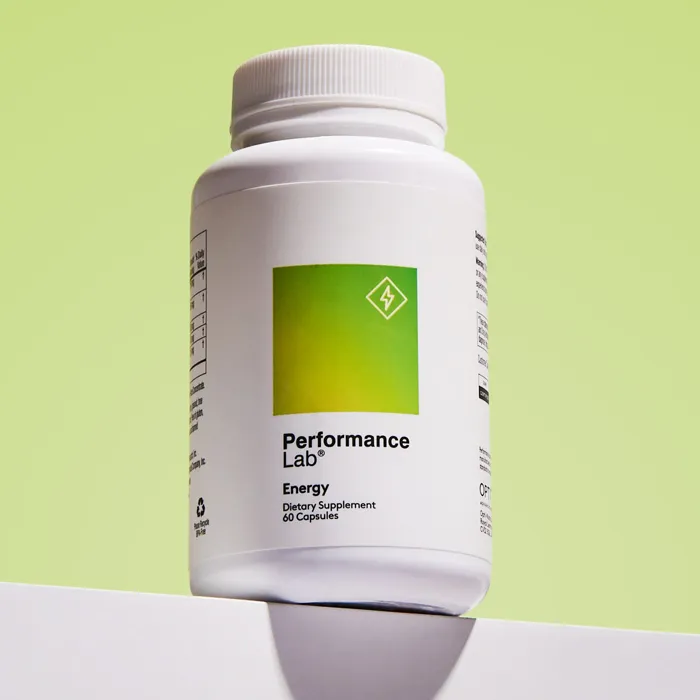
One example is Performance Lab Energy, a caffeine-free formula that combines ingredients involved in cellular energy metabolism, including CoQ10, PQQ, acetyl-L-carnitine, and R-lipoic acid. Instead of stimulating the nervous system, it’s designed to support steady energy throughout the day.
This approach may suit those looking to reduce caffeine intake or avoid the ups and downs of traditional stimulants.
Important note
Always check with your doctor before using any supplements, especially if you have underlying health conditions or are taking medication. B vitamins play a crucial role in energy production and normal energy levels, and in some cases, certain groups may need to supplement them to meet their individual health needs.
More: Exploring B Vitamins for your Health and Aging
Lifestyle Natural Energy Boosters

Stimulants aren’t the only way to support energy. In fact, the biggest drivers are often lifestyle-based, such as...
1. Quality Sleep
A good night's sleep is one of the most powerful natural energy boosters that you can get. Sleep allows the body to restore energy balance and support cellular recovery processes. (15)
Science shows us that the sleep sweet spot is between 7-9 hours. Anything less on a regular basis and you're interfering with your natural melatonin and cortisol rhythms which can leave you tired and struggling.
Link: Sleep Smarter, Perform Better: The Power of a Good Night's Sleep
2. Stay Hydrated
Yes, you know that you should drink more water but did you know that even just 1-2% dehydration can drain your energy, causing headache, fatigue and trouble concentrating? (16)
It stands to reason, therefore, that proper hydration helps you to stay focused and energetic.
We lose water every day in sweat, breathing and when we go to the toilet. Our body cannot make enough water to replace what is lost, so we must replace it in our food and drink.
Most people will need about 4-5 cups of plain water each day on top of other sources of hydration in food and drink, but the actual amount needed will differ from person to person, depending on age, lifestyle, activity, location etc... (17)
3. A Balanced Plate
A balanced diet that helps digestion, stablizes blood sugar and provides sustained energy is the next natural energy booster on our list. Nutritionists stress that your plate should be made up of:
-
Protein to stabilize blood sugar
-
Healthy fats to aid your digestion
-
Complex carbohydrates for sustained energy
-
Fiber to prevent energy crashes
Consuming smaller, balanced meals every 3-4 hours also helps maintain stable glucose levels and prevents energy crashes. Stick to this format and you'll help your metabolism working smoothly, providing consistent energy.
4. Movement
Simple movement helps to keep the blood flowing and stimulates oxygen circulation throughout the body, simultaneously triggering the release of the body's natural energizers, endorphins. Regular exercise can also bring other health benefits, such as reduced blood pressure and a stronger immune system.
Consider a post-meal walk, five minute breaks every hour, stretches, neck rolls... anything that helps you to improve circulation and stay energized.
5. Manage Stress
Chronic stress is one of the biggest drains on our energy, with cortisol (the 'stress hormone') shown to disrupt our body's natural energy production. Managing stress, therefore, is one of the best ways of staying on an even keel.
This is where adaptogens can come in. Some randomized trials of Ashwaganda, for instance, have reported cortisol reductions of around 28%, although results vary across studies and populations. (18)
Other recognized adaptogens or anti-stress compounds that may support mental health include rhodiola rosea, bacopa monnieri, and l-theanine.
Frequently Asked Questions
What are the best natural ways to boost energy levels?
The best ways to boost energy levels come from supporting the body consistently throughout the day rather than relying on quick fixes. A balanced diet made up of balanced meals, complex carbs, and healthy fats helps maintain steady energy levels and reduce energy crashes.
Including the right foods, nutrient-dense foods like leafy greens, chia seeds, and greek yogurt (great for gut health) can help support a more reliable natural boost in energy levels throughout the day.
Alongside nutrition, proper hydration and regular physical activity such as a brisk walk help the body stay hydrated, improve circulation, and naturally increase energy levels in a sustainable way. Always great for your overall health.
How do natural stimulants affect cognitive function and focus?
Natural stimulants such as caffeine, yerba mate, black tea, and dark chocolate act on the central nervous system, enhancing alertness, improving reaction time, and supporting cognitive function.
These compounds can also enhance mental focus, support cognitive performance, and help improve alertness during demanding tasks.
Other options such as herbal tea and adaptogenic herbs may not directly stimulate the nervous system but can still support mental clarity, helping with improving focus and overall productivity throughout the day.
What foods and nutrients help sustain energy and prevent energy crashes?
A balanced diet plays a crucial role in maintaining sustained energy and helping to prevent energy crashes. Eating balanced meals that include complex carbs, healthy fats, and protein helps regulate energy levels and supports more energy throughout the day.
Key nutrients such as b vitamins support energy metabolism, while adequate intake of an amino acid profile helps the body maintain optimal function. Foods like dark chocolate, greek yogurt, and whole foods rich in micronutrients can naturally help naturally boost energy levels when consumed consistently.
This combination helps maintain more consistent energy, stabilise performance, and support better energy control throughout the day.
What is the difference between caffeine and other natural energy boosters?
Caffeine is a fast-acting stimulant that works on the central nervous system, helping to increase alertness, improve reaction time, and enhance cognitive function. It is effective for a quick boost energy effect, but may sometimes lead to energy crashes if overused. It can also interfere with nighttime sleep if taken at the wrong time.
Other coffee alternatives like yerba mate, herbal tea, and dark chocolate provide milder stimulation and may help support mental focus and energy levels in a smoother way.
For those who prefer to avoid caffeine, lifestyle approaches such as quality sleep, proper hydration, and a balanced diet help maintain more consistent energy and support steady performance throughout the day.
Final Thoughts
We're lucky to have so many natural options when it comes to boosting our energy. Natural stimulants such as coffee are tried and true favorites, but they do come with some potential side effects.
If you'd prefer a crash-free caffeine-free alternative, there are dietary supplements for that too such as Performance Lab Energy.
References
- Monk, Timothy. “The Post-Lunch Dip in Performance.” Clinics in Sports Medicine 24 (2005): e15–23. https://doi.org/10.1016/j.csm.2004.12.002
- Mitchell, Diane C., Carol A. Knight, Jon Hockenberry, Robyn Teplansky, and Terryl J. Hartman. “Beverage Caffeine Intakes in the U.S.” Food and Chemical Toxicology 63 (2014): 136–142.
- Fredholm, B. B. “Are Methylxanthine Effects Due to Antagonism of Endogenous Adenosine?” Trends in Pharmacological Sciences 1 (1979): 129–132. https://doi.org/10.1016/0165-6147(79)90046-4
- Evans, J., J. R. Richards, and A. S. Battisti. “Caffeine.” In StatPearls. Treasure Island (FL): StatPearls Publishing, 2026.
- McLellan, T. M., J. A. Caldwell, and H. R. Lieberman. “A Review of Caffeine’s Effects on Cognitive, Physical and Occupational Performance.” Neuroscience and Biobehavioral Reviews 71 (2016): 294–312. https://doi.org/10.1016/j.neubiorev.2016.09.001
- Owen, G. N., H. Parnell, E. A. De Bruin, and J. A. Rycroft. “The Combined Effects of L-Theanine and Caffeine on Cognitive Performance and Mood.” Nutritional Neuroscience 11, no. 4 (2008): 193–198. https://doi.org/10.1179/147683008X301513
- “7 Scientific Benefits of Yerba Mate.” Healthline. https://www.healthline.com/nutrition/8-benefits-of-yerba-mate
- Loria, D., E. Barrios, and R. Zanetti. “Cancer and Yerba Mate Consumption: A Review of Possible Associations.” Revista Panamericana de Salud Pública 25, no. 6 (2009): 530–539. https://doi.org/10.1590/s1020-49892009000600010
- International Agency for Research on Cancer. “IARC Monographs Evaluate Drinking Coffee, Maté, and Very Hot Beverages.” https://www.iarc.who.int/wp-content/uploads/2018/07/pr244_E.pdf
- Gurney, T., and F. Ronca. “Comment on Hack et al. Effect of Guarana (Paullinia cupana) on Cognitive Performance: A Systematic Review and Meta-Analysis.” Nutrients 15, no. 8 (2023): 2000. https://doi.org/10.3390/nu15082000
- Gurney, T., N. Bradley, D. Izquierdo, and F. Ronca. “Cognitive Effects of Guarana Supplementation with Maximal Intensity Cycling.” British Journal of Nutrition (2022): 1–21. https://doi.org/10.1017/S0007114522002859
- Sasaki, A., E. Kawai, K. Watanabe, E. Yamano, C. Oba, K. Nakamura, M. Natsume, K. Mizuno, and Y. Watanabe. “Cacao Polyphenol-Rich Dark Chocolate Intake Contributes to Efficient Brain Activity during Cognitive Tasks: A Randomized, Single-Blinded, Crossover, and Dose-Comparison fMRI Study.” Nutrients 16, no. 1 (2024): 41. https://doi.org/10.3390/nu16010041
- “Asian Ginseng.” National Center for Complementary and Integrative Health. https://www.nccih.nih.gov/health/asian-ginseng
- Kim, H. J., P. Kim, and C. Y. Shin. “A Comprehensive Review of the Therapeutic and Pharmacological Effects of Ginseng and Ginsenosides in the Central Nervous System.” Journal of Ginseng Research 37, no. 1 (2013): 8–29.
- “Tired? 4 Simple Ways to Boost Energy.” Harvard Health. https://www.health.harvard.edu/blog/tired-4-simple-ways-to-boost-energy-2018090714678
- Maughan, R. “Impact of Mild Dehydration on Wellness and on Exercise Performance.” European Journal of Clinical Nutrition 57, suppl. 2 (2003): S19–S23. https://doi.org/10.1038/sj.ejcn.1601897
- “How Much Water Should You Drink?” Harvard Health. https://www.health.harvard.edu/healthy-aging-and-longevity/how-much-water-should-you-drink
- Lopresti, A. L., S. J. Smith, H. Malvi, and R. Kodgule. “An Investigation into the Stress-Relieving and Pharmacological Actions of an Ashwagandha (Withania somnifera) Extract: A Randomized, Double-Blind, Placebo-Controlled Study.” Medicine 98, no. 37 (2019): e17186. https://doi.org/10.1097/MD.0000000000017186