

The human immune system is fascinating - and complicated! It's astonishing to think that a single nutrient may interfere with something so complex, but zinc certainly can. We may only need zinc in small amounts, but its impact on human health - especially immune health - is anything but small.
In this article, we’ll explore why zinc is so vital for immune function, who may be at risk for deficiency, and what current research says about supplementation.
Whether you’re curious about boosting your immune defenses or simply want to understand this powerful mineral better, consider this your comprehensive guide to zinc and immune health.
Key Takeaways
- Zinc is an essential trace mineral involved in hundreds of enzyme reactions and is critical for both innate and adaptive immune function.
- Even mild zinc deficiency can weaken immune defenses, slow wound healing, and increase the risk and duration of infections — especially in older adults, vegans/vegetarians, and people with digestive issues.
- The body cannot store large amounts of zinc, so a steady intake through food or supplements is important, but excessive zinc can also disrupt mineral balance and impair immunity.
- Clinical research suggests that correcting a deficiency with appropriate zinc supplementation can improve immune markers and may shorten the duration of colds.
- A clean, bioavailable supplement like Performance Lab® Zinc can help close common dietary gaps while staying safely within recommended daily limits.
All About Zinc

Zinc is an essential mineral that is found in cells throughout our bodies. It is considered a trace element, meaning it is required in only small amounts for good health.
That doesn’t mean it’s not important, however - far from it. Zinc is necessary for the activity of over 300 enzymes that aid in metabolism, digestion, nerve function, and many other processes.
We can’t make zinc ourselves, so we must gain it through diet or supplementation.
As you’d imagine given its wide ranging role in the body, zinc has several crucial functions. They include:
-
Helping our immune system to fight off invaders, such as viruses and bacteria
-
Making DNA, RNA and proteins
-
Helping the body to grow and develop properly during pregnancy, childhood and adolescence
-
Helping wounds to heal
-
Zinc is fundamental to skin health, as well as for a healthy sense of smell and taste.
-
It plays an important role in male and female fertility and reproduction.
For our purposes in this article, we’re going to focus on number one in our list - zinc’s role in supporting the human immune system. But first, let me answer a few questions that you may have.
Qu: How much zinc do we need?
A good question. According to the National Institutes of Health Office of Dietary Supplements, we need:
-
Adult women: 8mg daily
-
Pregnant women: 11mg daily *
-
Breastfeeding women: 12mg daily *
-
Adult men: 11mg daily
Zinc status is often assessed by measuring serum zinc or plasma zinc concentration, but both biomarkers have limitations, as levels can fluctuate due to factors like infection, inflammation, or time of day, and may not always reflect true body zinc status.
Please see your doctor for advice if you are pregnant or breastfeeding, or if you worry that you have a zinc deficiency.
The Upper Tolerable Limit for zinc is 40mg per day for adult men and women. This does not apply to people with zinc deficiencies, who may need to take high dose supplements. (1)
Qu: What foods contain zinc?

-
Oysters are particularly high in zinc, with other shellfish like crab and lobster also providing a good amount.
-
Red meat, pork, and poultry, also provide decent amounts of zinc.
-
Whole grains, eggs, dairy provide some zinc.
-
Breakfast cereals are often fortified with zinc
-
Nuts and seeds, specifically pumpkin seeds, cashews, and hemp seeds, are high in zinc.
-
Legumes like lentils, chickpeas, and beans are significant plant-based sources of zinc.
Qu: Who may need to supplement with zinc?
-
Vegetarians, vegans or people who don’t eat meat may be at risk for a lack of zinc, made worse because a key ingredient in a plant-based diet (phytates) may further restrict zinc absorption.
-
Likewise, people who have digestive disorders or who have had gastrointestinal surgery may not be able to absorb zinc well.
-
Women who are pregnant or breastfeeding may need more zinc to help their baby develop healthily and to make breast milk. Please speak to a doctor first before taking any supplements when pregnant or breastfeeding. (2)
-
Aging and zinc deficiency are closely linked, as zinc status tends to decline with age, contributing to impaired immune responses and increased susceptibility to infections in the elderly.
Even marginal zinc deficiency in older adults can negatively impact immunity and accelerate immunosenescence (age-related decline in immune system function).
Zinc deficient patients, such as those with chronic illness, malabsorptive issues, or older adults, should have their zinc status monitored regularly to ensure adequate levels and prevent complications.
The World Health Organisation recognises zinc deficiency as a contributor to global disease, affecting nearly two billion people worldwide. (3, 4)
Qu: What does a zinc deficiency look like?
Another good question. In infants and children, a zinc deficiency causes slow growth, loss of appetite, potential future reproductive issues, frequent infections and more. In children and adults, it can also cause a loss of smell and taste and mild anemia.
Severe zinc deficiency can impair immune function, slow wound healing, and hinder DNA synthesis, leading to a range of health problems. Even mild zinc deficiency or marginal zinc deprivation can negatively affect immune cell function, making the body more susceptible to infections and slowing recovery from illness or injury.
In pregnancy, it can cause complications and premature births.
Severe zinc deficiency is, thankfully, typically rare. However, marginal zinc deficiency - where zinc levels are only slightly below optimal - can still impair immune function, especially in older adults.
Zinc Metabolism and Homeostasis: Why Balance is Important

Zinc metabolism and homeostasis (a stable internal environment) are fundamental to maintaining proper immune function and overall health.
The human body contains about 2-3 grams of zinc, distributed across tissues such as muscle, bone, skin, and organs. However, the body cannot store large amounts of zinc, so a steady supply through diet or zinc supplementation is essential.
Zinc absorption primarily takes place in the small intestine, where specialized zinc transporters play a critical role, ensuring dietary zinc enters the bloodstream efficiently. Once inside the body, zinc homeostasis is tightly regulated by a network of zinc transporters and zinc-binding proteins.
The importance of a balanced zinc homeostasis
As we've heard, zinc deficiency is known to cause a significant impairment of the bodies' immune function. However, high or excessive zinc levels can also impair the immune system just as much as a deficiency. Excessive zinc intake may also interfere with the absorption of other essential minerals, such as copper, leading to copper deficiency and further impairing immune function.
Both zinc deficiency and excess can result in zinc altered immune function, disrupting immune balance and increasing susceptibility to infections.
This is why maintaining balanced zinc homeostasis is so important for proper immune function. (5)
For individuals with impaired zinc absorption, zinc supplementation may be an effective way to restore healthy zinc status.
Choose a Quality Supplement: Performance Lab Zinc

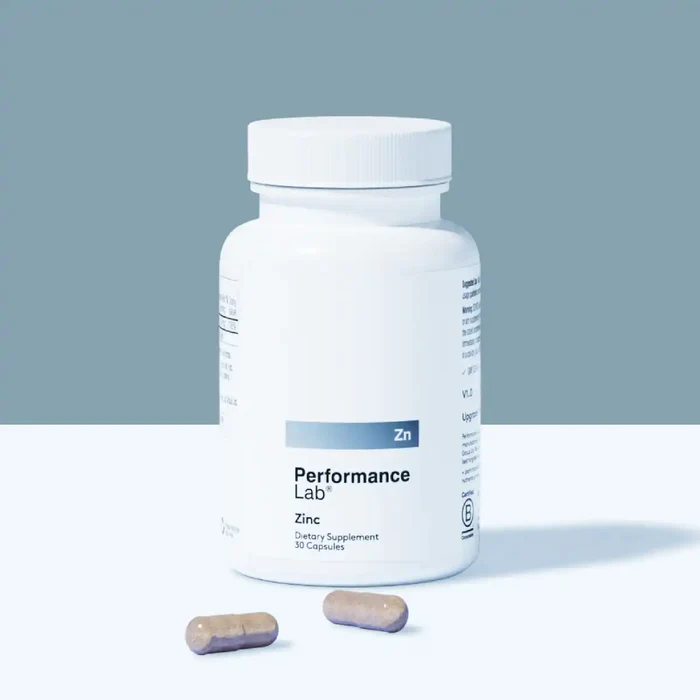
Performance Lab Zinc is a quality plant-based highly bio-available version of zinc. It includes 15mg of zinc made with our pioneering NutriGenesis manufacturing process - enough to potentially prevent any deficiency, but still well under the Upper Tolerable Limit.
It stands out as one of the best zinc supplements for its clean label, being free of GMO and non-irradiated, as well as being allergen and synthetic additives-free.
Effect of Zinc in Immune System Function

Now it's time to delve deeper into zinc's role in immune system function and health.
Zinc is involved in nearly every step of immune function, which is why a zinc deficiency or a shortage of zinc can weaken your body’s immune response significantly. I'm going to talk in more detail about this shortly, but as a quick summary:
-
Zinc is essential to both the innate and adaptive immune systems.
-
It influences the function of immune T cells, B cells, and natural killer cells.
-
Zinc acts as a signaler to help fine-tune immune responses.
-
Influences cytokine production, helping to modulate inflammation.
-
Supports wound healing
-
May shorten the duration of the common cold.
Let’s take a look at that in more detail…
Zinc and Innate and Adaptive Immunity
Zinc is needed for the development and normal function of the two branches of the immune system - the innate immune system and adaptive immune system.
-
The innate immune system is the first line of defence against germs, using cells such as granulocytes (e.g., neutrophils, eosinophils, basophils), monocytes, macrophages, dendritic cells, and natural killer (NK) cells.
Zinc is necessary for the normal functioning of cells mediating innate immunity, supporting their ability to protect against infections. Zinc deficiency reduces the immune system's ability to eliminate pathogens.
-
The adaptive immune system is able to remember pathogens and produce antibodies. It offers a more targeted approach to invaders. B cell development, activation, and antibody production are key components of the adaptive immune response.
Together, the innate and adaptive immune systems fight bacteria, viruses and more. The immune system relies on zinc for the activation of immune cells, such as T cells (adaptive) and natural killer cell (innate).
Evidence shows that a zinc deficiency depresses BOTH the innate and adaptive immune systems.
ZINC DEFICIENCY MEANS…
-
If you are zinc deficient, the immune cells of the innate immune system can become sluggish and produce fewer of the reactive molecules that neutralise pathogens. Zinc deficiency also dysregulates the release of important signalling chemicals (pro-inflammatory cytokines) that help coordinate the immune response.
-
Zinc helps the T cells of the adaptive immune system function properly, helping them to multiply when needed, survive and communicate with other immune cells. It also influences the signals T cells receive through their receptors — basically, how they “decide” what to do when they detect a threat. This T cell activation is crucial for a strong immune response. Without enough zinc, your adaptive immune system becomes weaker, slower, and less coordinated. (6, 7)
Zinc Deficiency Makes you More Susceptible to Infections
As you might expect, if your immune system doesn’t function as well as it should because of a zinc deficiency, you are likely to be more susceptible to infections.
In fact, research shows that a human zinc deficiency causes an increased risk of infections of longer duration. That's likely because zinc, known for its antiviral properties, plays a key role in defending the body against viral infections. Zinc inhibits viral replication and certain inflammatory pathways, which helps limit the severity and duration of infections.
Meaning that if you are zinc deficient:
-
You are more likely to catch an infection
-
Any infection you do catch is likely to last longer. A double whammy! (8)
Zinc and infectious disease
Zinc deficiency has been shown to make people more susceptible to infections, and decreases resistance to viral infection. A study of patients in a hospital’s infectious disease ward showed that zinc was one of the most common deficiencies seen. (9)
Zinc Reduces Oxidative Stress and Inflammation
Zinc is an antioxidant as well as an anti-inflammatory agent. Studies have shown it is very effective at decreasing ROS - reactive oxygen species. Too much ROS can cause oxidative stress, which can cause inflammation and damage DNA, RNA, proteins and lipids.
Chronic inflammation and oxidative stress are contributing factors for many chronic diseases such as diabetes, inflammatory bowel disease, cancer and more, as well as aging.
Zinc plays a significant role in regulating cytokine expression and suppressing inflammation. It also influences endothelial cells, which are crucial for vascular health and play a key role in inflammatory responses. (10, 11, 12)
Zinc Deficiency and the Elderly

In the developed world, nearly 30% of the elderly population is believed to be zinc deficient. Zinc deficiency is linked to chronic inflammatory diseases and can exacerbate conditions like rheumatoid arthritis and diabetes.
In fact, many researchers now believe that age-related conditions and diseases such as the above - plus atherosclerosis, age-related macular degeneration (AMD) and impaired cognitive function - may be due to zinc deficiency. (13)
Zinc Supplementation in the Elderly
In one study of zinc supplementation in the elderly, results showed that infections decreased by 66% following supplementation. Markers of oxidative stress also fell, as did inflammatory cytokines (signalling molecules which trigger inflammation in response to infection or injury.) An overproduction of these cytokines can cause chronic inflammation and disease. (14)
Zinc Supports Wound Healing

It’s fair to say that zinc plays a vital role in every phase of wound healing. From membrane repair to coagulation, immune defense, tissue re-epithelialization (creating a protective barrier over the wound), to the formation of new blood vessels and the final scar formation.
Zinc is also essential for maintaining the skin barrier, which is crucial for protecting wounds from infection and supporting proper healing.
Like I say, every. single. step.
Zinc deficient subjects, therefore, may suffer from delayed or impaired wound healing, which is a recognized health complication associated with inadequate zinc intake. (15)
The Effect of Zinc Supplementation on Wound Healing
Zinc supplementation has been shown to improve wound healing in people with a zinc deficiency. The result of supplementation on people without a prior deficiency is inconsistent, however, with a lack of quality clinical studies on the topic.
Studies on wound healing and zinc supplementation
-
A randomized trial in malnourished patients with chronic pressure ulcers noted a significant reduction in ulcer size after 12 weeks of supplementation. Patients were given a formula supplemented with protein, zinc, arginine, and vitamin C. It is not clear how much of a role zinc alone played in this study. (16)
-
A study of 90 non-diabetic patients with 'uncomplicated wounds' compared wound healing between groups given a zinc-containing fluid and a control group given normal saline. Those given the zinc fluid had significantly improved healing. (17)
-
In contrast, six small studies featuring patients with venous or arterial ulcers noted no improvement in wound healing after oral zinc supplementation. Again, however, studies were small and of poor quality. (18)
In short, studies seem to be fairly consistent when it comes to people with a zinc deficiency - supplementation helps, at least when it comes to wound healing. However, large quality clinical trials are needed to conclusively assess whether supplementation helps people without any prior zinc deficiency.
Role of Zinc in Cell Signaling
Zinc is not just a structural component or a cofactor for enzymes - it also acts as a crucial signaling molecule within immune cells. The role of zinc in cell signaling is especially important for the activation, proliferation, and differentiation of immune cells, with zinc ions acting as intracellular messengers.
Research using zinc deficient mice has shown that a lack of zinc leads to impaired T cell activation, reduced cytokine production, and weakened immune responses. (19)
Similarly, in humans, zinc deficiency can result in decreased immune cell signaling, making individuals more vulnerable to infections.
In vitro zinc supplementation has been shown to restore immune function in zinc deficient cells, highlighting the effect of zinc on immune cell signaling and the potential benefits of zinc supplements for immune health. (20, 21)
Protect Your Immune System with Performance Lab Immune
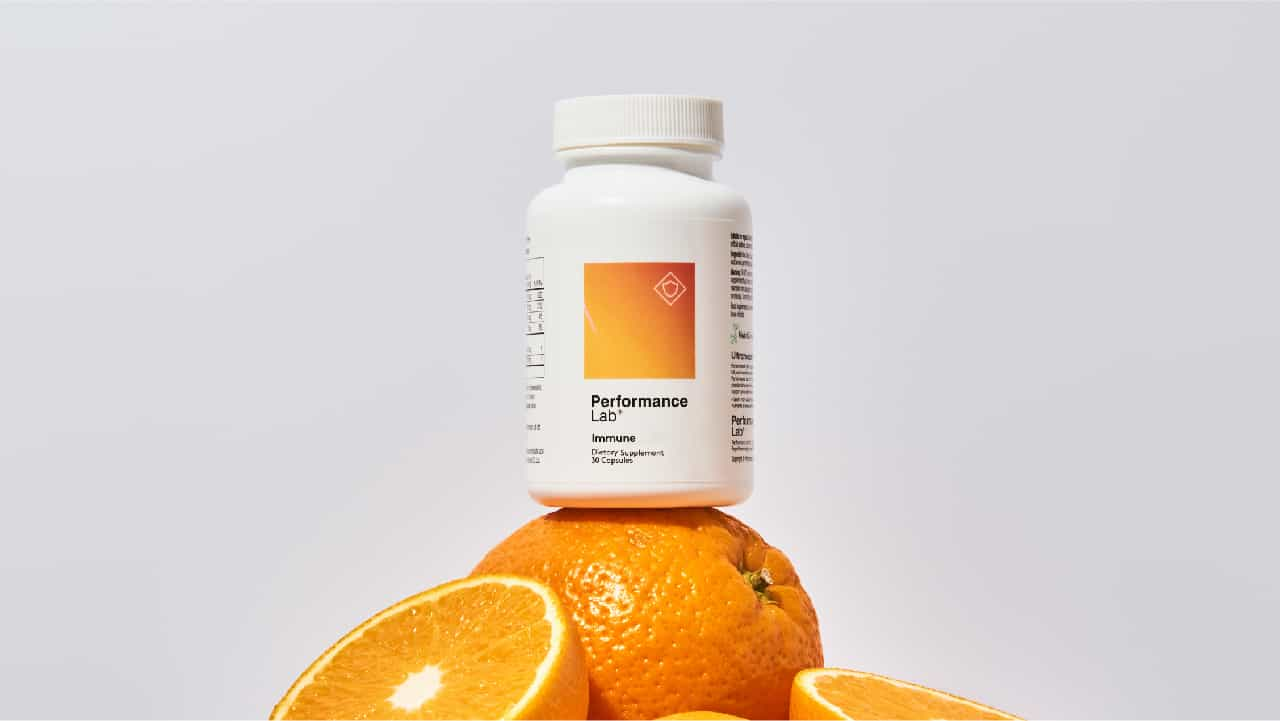
If you're looking for a quality supplement to boost your zinc levels gently - while also supporting your immune system - Performance Lab Immune is tailor made for you. It includes 5mg of zinc alongside selenium, vitamin C and vitamin D3. All are important nutrients for immune health.
Immune also includes Setria Glutathione, a patented form of the master antioxidant, as well as Lc-Plasma probiotic which helps to activate not one, not two, but FIVE different types of immune cells.
It's a great choice for quality immune support.
Zinc and the Common Cold

Zinc has been shown to help reduce the duration of the common cold. Some research also suggests it may reduce severity of symptoms too, especially a cough, though not all research supports that. Note that it doesn’t seem to prevent the cold in the first place, however.
-
In one study, 50 volunteers were recruited within 24 hours of developing cold symptoms. They took zinc lozenges or placebo every 2-3 hours. The zinc lozenges group had the shorter overall duration of cold symptoms, and considered their colds less severe according to several subjective measures. (22)
-
A meta-analysis of 17 clinical trials confirmed that zinc helps to reduce the duration of the common cold in adults, though not in children. Adverse effects such as bad taste and nausea, however, were more common in the zinc group than the placebo group. Large quality clinical trials are welcome to examine this further. (23)
Final Thoughts
There's no doubt that our zinc status is a critical indicator of immune system health and function, with low levels of zinc or zinc deficiency hampering both innate and adaptive immune cells.
Ideally, you'd be able to get enough zinc from your diet but certain groups such as vegans and vegetarians and older adults may struggle.
Zinc supplementation may help those wanting to top up their levels and we'd recommend Performance Lab Zinc. If you have a medical deficiency, of course, please seek medical advice.
Unfortunately, there isn't yet a conclusive body of research to prove that zinc supplementation is useful for people without a zinc deficiency in the first place. Research is patchy and often sub-par, with results inconclusive.
But if you want to top up your zinc levels (on the off chance it helps) and take additional steps to strengthen your immune defenses, we'd recommend a targeted supplement like Performance Lab Immune.
References
- National Institutes of Health. Zinc: Fact Sheet for Consumers.
- Mocchegiani E, Romeo J, Malavolta M, Costarelli L, Giacconi R, Diaz LE, Marcos A. Zinc: dietary intake and impact of supplementation on immune function in elderly. Age (Dordr). 2013;35(3):839-860.
- Baddam S, Maxfield L, Shukla S, et al. Zinc Deficiency. In: StatPearls [Internet]. Treasure Island, FL: StatPearls Publishing; 2025.
- National Institutes of Health. Zinc: Fact Sheet for Consumers.
- Wessels I, Maywald M, Rink L. Zinc as a Gatekeeper of Immune Function. Nutrients. 2017;9(12):1286.
- Hojyo S, Fukada T. Roles of Zinc Signaling in the Immune System. J Immunol Res. 2016;2016:6762343.
- Kim B, Lee WW. Regulatory Role of Zinc in Immune Cell Signaling. Mol Cells. 2021;44(5):335-341.
- Fraker PJ, King LE. Reprogramming of the Immune System During Zinc Deficiency. Annu Rev Nutr. 2004;24:277-298.
- Dizdar OS, Baspınar O, Kocer D, et al. Nutritional Risk, Micronutrient Status and Clinical Outcomes: A Prospective Observational Study in an Infectious Disease Clinic. Nutrients. 2016;8(3):124.
- Prasad AS. Zinc is an Antioxidant and Anti-Inflammatory Agent: Its Role in Human Health. Front Nutr. 2014;1:14.
- Mittal M, Siddiqui MR, Tran K, Reddy SP, Malik AB. Reactive oxygen species in inflammation and tissue injury. Antioxid Redox Signal. 2014;20(7):1126-1167.
- Shankar AH, Prasad AS. Zinc and immune function: the biological basis of altered resistance to infection. Am J Clin Nutr. 1998;68(2):447S-463S.
- Wessels I, Maywald M, Rink L. Zinc as a Gatekeeper of Immune Function. Nutrients. 2017;9(12):1286.
- Prasad AS. Zinc is an Antioxidant and Anti-Inflammatory Agent: Its Role in Human Health. Front Nutr. 2014;1:14.
- Lansdown AB, Mirastschijski U, Stubbs N, Scanlon E, Agren MS. Zinc in wound healing: theoretical, experimental, and clinical aspects. Wound Repair Regen. 2007;15(1):2-16.
- Cereda E, Gini A, Pedrolli C, Vanotti A. Disease-specific versus standard nutritional support for the treatment of pressure ulcers in institutionalized older adults: a randomized controlled trial. J Am Geriatr Soc. 2009;57(8):1395-1402.
- Attia EA, Belal DM, El Samahy MH, El Hamamsy MH. A pilot trial using topical regular crystalline insulin vs aqueous zinc solution for uncomplicated cutaneous wound healing: Impact on quality of life. Wound Repair Regen. 2014;22(1):52-57.
- Wilkinson EA. Oral zinc for arterial and venous leg ulcers. Cochrane Database Syst Rev. 2012;(8):CD001273.
- Wong CP, Rinaldi NA, Ho E. Zinc deficiency enhanced inflammatory response by increasing immune cell activation and inducing IL-6 promoter demethylation. Mol Nutr Food Res. 2015;59(5):991-999.
- Daaboul D, Rosenkranz E, Uciechowski P, Rink L. Repletion of zinc in zinc-deficient cells strongly up-regulates IL-1β-induced IL-2 production in T-cells. Metallomics. 2012;4(10):1088-1097.
- Prasad AS. Zinc in human health: effect of zinc on immune cells. Mol Med. 2008;14(5-6):353-357.
- Prasad AS, Fitzgerald JT, Bao B, Beck FW, Chandrasekar PH. Duration of symptoms and plasma cytokine levels in patients with the common cold treated with zinc acetate: a randomized, double-blind, placebo-controlled trial. Ann Intern Med. 2000;133(4):245-252.
- Science M, Johnstone J, Roth DE, Guyatt G, Loeb M. Zinc for the treatment of the common cold: a systematic review and meta-analysis of randomized controlled trials. CMAJ. 2012;184(10):E551-E561.