
Iodine is one of those nutrients that doesn’t always get the attention it deserves, but it plays a starring role in keeping your body running smoothly.
From powering your metabolism to supporting brain development and protecting cells, iodine is essential for your health at every stage of life. And there may be consequences for not getting enough.
Which is why data that shows iodine status is falling in the United States and other industrialized nations is worrying.
In this article, we’ll break down why iodine matters, how much you need, where to get it, and the ways it supports your body and mind.
Key Takeaways
- Iodine is essential for producing thyroid hormones that regulate metabolism, energy levels, and body temperature.
- Many modern diets fall short of iodine due to reduced use of iodised salt and lower seafood intake.
- Low iodine intake may contribute to fatigue, weight changes, brain fog, and thyroid imbalance.
- A daily intake of around 150 mcg helps support thyroid health without exceeding safe limits.
- Clean, precisely dosed iodine supplements can help bridge dietary gaps safely and consistently.
What is Iodine and Why is Iodine Important?
Iodine is a trace mineral found in some foods, and needed by the body to make all-important thyroid hormones.
Iodine is an essential building block for the thyroid hormones thyroxine (T4) and triiodothyronine (T3), helping to support healthy thyroid function. These hormones control the body's metabolism, essentially determining how you convert food into energy. In fact, they influence every cell and every organ in your body.
Without iodine, your body simply couldn't make enough of these crucial thyroid hormones. We're going to talk in more detail about the benefits of this trace element shortly.
How Much Iodine Do we Need?
Iodine is an essential mineral and we only need very small amounts for vital functions. The Food and Drug Administration says:
-
Adults need 150mcg of iodine a day.
-
Pregnant women need 220mcg a day.
-
Breastfeeding women need 290mcg a day. (1)
Where Can You Find Iodine?

There are several sources of iodine. They include:
-
Certain foods. Some foods, including some dairy products, are fortified with iodine. Iodine is also found naturally in seawater, which is why shrimp, seaweed and seafood tends to be high in iodine.
-
Iodized salt. Iodine was added to table salt in the U.S. in 1924. Before that, iodine deficiency was common in parts of the U.S. and Canada.
-
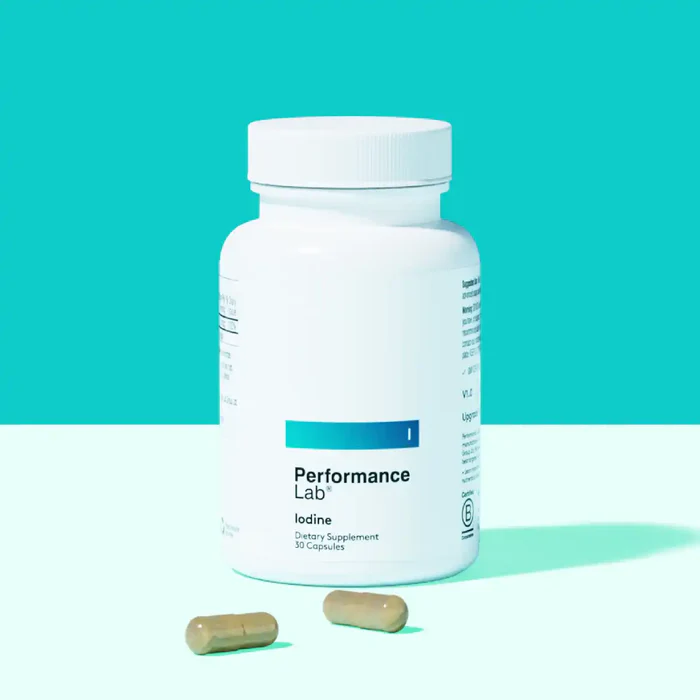
Dietary Supplements. Iodine is often included in daily multivitamins such as Performance Lab NutriGenesis Multi. It is also available in standalone supplements, such as Performance Lab Iodine.
Who May Be At Risk of Low Iodine or Not Enough Iodine?

Figures show that 30% of the world's population is at risk of an iodine deficiency.
Here's where it impacts us...
Before the 1920s, the United States experienced significant iodine deficiencies. Then iodine was added to table salt... and problem solved.
Until now.
Data shows us that iodine status in the U.S. appears to be falling again, especially among women of childbearing age. Scientists blame changes in agricultural practices - less iodine content in food, for instance - and dietary patterns among industrialized nations for the fall. This downward trend has been seen in the UK and Australia, as well as the U.S. (2, 3)
A Word about Salt
According to the NIH, most Americans still gain most of their salt intake from canned goods and processed foods - but these are not likely to use iodized salt. Likewise, specialty salts such as sea salt, Himalayan salt, kosher salt and fleur de sel do not contain iodine either. As such, none of these will help with your iodine intake. (4)
On top of that, certain groups of people may be at particular risk of an iodine deficiency or suboptimal levels. They include:
-
People who don't eat iodized salt.
-
People following a vegan or vegetarian diet where they don't eat any (or much) seafood, dairy or eggs.
-
Pregnant women. Iodine contributes to brain and bone development in a fetus, and pregnant women need almost 50% more iodine than usual. Surveys show many pregnant women in the U.S. don't get quite enough iodine. Please see a healthcare provider for advice on pre-natal supplements and foods. (5)
-
People who live in iodine-deficient areas and eat mostly local food. Areas at higher altitudes and far from the sea naturally contain little iodine.
A Note on Goitrogens
Goitrogens - such as cruciferous vegetables (broccoli, cauliflower, brussels sprouts, cabbage), soy and some other plant foods - can interfere with the body's use of iodine. This shouldn't be a problem if you gain adequate amounts of iodine and eat these in a reasonable amount.
However, if you only gain marginal amounts of iodine and eat a lot of goitrogens, this could impact you negatively. (6)
Benefits of Dietary and Supplemental Iodine
Iodine is crucial for the body in several different ways, such as:
1. Offers Thyroid Support.

As I mentioned, iodine is a key component of the key thyroid hormones, T4 and T3. Perhaps the easiest way to appreciate what this means for your health is to examine the role that thyroid hormones play in our body. These hormones:
-
Regulate your metabolic rate, the rate at which your body uses calories for energy. This influences weight gain and weight loss, as well as energy levels.
-
Influence how fast food makes its way through your digestive tract.
-
Raise or lower your body temperature.
-
Slow down or speed up your heart rate.
-
Influence brain development, especially during pregnancy and infancy.
-
Control the contraction of muscles.
-
Regulate the normal death of cells, which has a knock-on effect on skin and bone maintenance.
Pretty important, huh?
So if your body can't make these hormones effectively because there isn't enough iodine in your system, you're in big trouble. Scientific term.
Sufficient iodine intake not only helps to create enough thyroid hormone for all of the above, but may also help prevent thyroid conditions such as underactive thyroid (hypothyroidism) and enlarged thyroid gland (goiter). (7)
2. Cognitive Development in Pregnancy.

I mentioned before that women need more iodine when they're pregnant to help proper fetal and infant growth and brain development.
Pregnant women remain a population group vulnerable to iodine deficiency, particularly in industrialized countries where less and less iodine-rich food is consumed. Studies in the UK, New Zealand, China and more, for instance, have shown that dietary intake of iodine during pregnancy often falls short of official recommendations. (8, 9, 10)
And it may have consequences.
Studies show critical neurological impairment or brain damage in children whose mothers had severe iodine deficiency during pregnancy.
"Iodine deficiency disorders are the single greatest contributor to preventable brain damage in fetuses and infants and arrested psychomotor development in children." (11)
However, there may also be consequences for a mild lack of iodine.
"Growing evidence suggests that even mild to moderate iodine insufficiency during pregnancy and lactation may adversely affect neurodevelopmental outcomes in offspring." (12)
Iodine deficiency isn't always due to dietary insufficiency but may also indicate a broad lack of awareness about iodine nutrition. For instance, studies in the UK, Norway and Australia, all high-income countries, have documented poor knowledge of iodine's importance among pregnant women - and the resulting poor levels consumed. (13- 15)
It's not a stretch to assume the same lack of awareness here in the U.S..
More research is needed on the consequences of mild iodine deficiency during pregnancy. What we do know, however, is that supplementation either before or early in pregnancy has been shown to help achieve adequate levels. (16)
Please speak to a healthcare practitioner about the need for prenatal vitamins if you are pregnant. Note too that excessive iodine intake or high doses of iodine when pregnant can be just as dangerous as deficiency. (17)
3. Cognitive Function in Adulthood
Iodine also supports ongoing cognitive functions like memory, concentration, and learning throughout life. Too little iodine, for instance, can cause underactive thyroid or hypothyroidism, which in turn may influence cognitive function and memory.
Overt hypothyroidism, for instance - a severe form of hypothyroidism - has been shown to interfere with attention and concentration, memory, general intelligence, language, executive function, perceptual function and psychomotor function. Memory issues, in particular verbal memory, are often signs of this condition. (18, 19)
In a joint report by the World Health Organization and UNICEF examining iodine deficiency in Europe, the authors wrote that one of the positive effects of mitigating iodine deficiency in communities and individuals was the 'reduction in mental deficiency' as well as the 'subtle retention of mental potential, not easily measured on IQ tests.' (20)
Another report, this time from China, concluded that iodized salt may help older adults with their brain health.
"Our results indicate that iodized salt intake may reduce the risk of cognitive impairment in older adults living in coastal or inland areas, and the protective effect of iodized salt intake is greater in coastal areas than in inland areas." (21)
4. Regulation of the Metabolism.
Thanks to its support of thyroid hormones, iodine is instrumental in helping to control the body's metabolic rate, determining how your body uses energy, regulates body temperature and manages weight.
5. Antioxidant Support
Iodine is considered an 'ancestral antioxidant', a naturally occurring compound in traditional foods that helps to protect the cells from damage by neutralizing free radicals. It supports the body’s own antioxidant enzymes, and calms down inflammation so cells stay in a healthy balance.
It also plays a role in the immune system and immune health. It can directly influence certain immune cells and immune function, helping the body respond appropriately to infections and inflammation. (22, 23)
6. Skin Health
Adequate iodine intake supports normal thyroid hormone production. Thyroid hormones influence skin regeneration and moisture; when thyroid hormone levels are low (often because of iodine deficiency), symptoms can include dry, flaky skin. Several medical nutrition sources note that poor thyroid function from low iodine can lead to dry skin. (24)
Signs of Low Iodine
Signs of low iodine or underactive thyroid can be tiredness, weight gain, depression, constipation and goitre, an enlarged thyroid gland or lump in your neck.
Other symptoms of iodine deficiency can include confusion, dry skin, hoarseness, puffy skin, thinning hair, and infertility. A deficiency can also include complications when pregnant. (25)
Fibrocystic Breast Disease
Iodine deficiency can also cause fibrocystic breast disease, where breast tissue is overly sensitive to estrogen and may become lumpy and painful. According to the NIH, very high doses of iodine supplements may help reduce symptoms and pain associated with fibrocystic breast disease, but more research is needed to confirm this. (26)
Best Iodine Dietary Supplements
 You can find iodine supplements in various forms, from natural like kelp or seaweed, to synthetic compounds such as sodium iodide and potassium iodide. You can also find liquid drops or Nascent Iodine supplements.
Other iodine supplements may also be mixed with other vitamins and minerals, such as in a multivitamin. Some prenatal supplements contain iodine, but not all, so do check the packaging.
On the whole, iodine is absorbed quite well. If you do choose standalone iodine supplements, make sure they don't contain super high amounts of iodine as too much brings an increased risk of complications.
We would recommend Performance Lab Iodine. It offers 150mcg of iodine - a full day's serving size. It helps top up your levels without using dangerously high doses of the mineral.
The iodine is made with our pioneering NutriGenesis manufacturing process, which makes nature identical nutrients with high bioavailability.
Like the rest of our range, Performance Lab Iodine is a super clean formula, being free of GMOs, allergens, synthetics and more.
Best Multivitamin Containing Iodine
Performance Lab® NutriGenesis Multi
The world's most advanced multivitamin formula.
Shop Now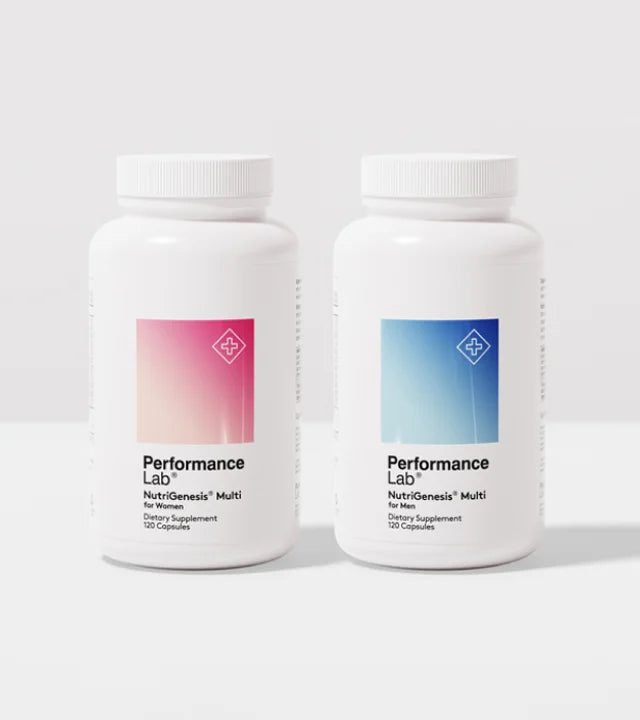
If you'd rather top up your iodine alongside other nutrients, Performance Lab NutriGenesis Multi - with tailored formulas for men and women - is a great choice.
A clean formula, Performance Lab NutriGenesis Multi also offers 150mcg of iodine a day, alongside other important vitamins and minerals such as vitamins A, B, D and E, selenium, magnesium and more.
Our NutriGenesis manufacturing process again produces nature-identical nutrients.
The Risks of Too Much Iodine
Can too much iodine be harmful? Unfortunately, yes.
Too much iodine can cause some of the same symptoms as too little - such as an enlarged thyroid gland (goiter) and potentially thyroid gland inflammation and even thyroid cancer.
Taking large amounts of iodine can also cause stomach upset and stomach pain, burning in the mouth and throat, nausea, vomiting and more.
That's why there is a set daily upper limit for iodine. NOTE: This limit doesn't apply to people receiving iodine under the guidance of a health care professional.
The upper tolerable limit for adults is 1,100 mcg of iodine a day. This same limit applies to pregnant or breastfeeding women too.
Performance Lab Iodine contains 150mcg - the recommended daily dose and nothing more. The same is true for our multivitamin, Performance Lab NutriGenesis Multi for men or women.
A little iodine goes a long way. (27)
Can Iodine Supplementation Interact with Other Medication?
Yes, iodine supplements can potentially interfere or interact with other medicines, such as antithyroid medications, drugs for high blood pressure, and certain diuretics. Speak to your doctor before taking iodine supplements if you are taking any of these medications.
Final Thoughts
Iodine may be easy to overlook, but it plays a vital role in keeping your body and mind functioning at their best, contributing to your overall wellness.
From offering thyroid support via thyroid hormones that regulate metabolism, heart rate, and body temperature, to aiding brain development in pregnancy, protecting cells as an antioxidant, and supporting healthy skin, adequate iodine is essential at every stage of life.
While most people can get enough from a balanced diet, iodized salt, seafood, dairy, or high-quality nutritional supplements, certain groups, such as pregnant women, vegans, or those avoiding iodized salt, need to pay extra attention.
Too little or too much iodine can cause health issues, so striking the right balance and consulting a healthcare professional when needed is the simplest way to ensure you’re supporting your overall health.
References
- National Institutes of Health, Office of Dietary Supplements. Iodine: Fact sheet for consumers. https://ods.od.nih.gov/factsheets/Iodine-Consumer/
- Hatch-McChesney, A., & Lieberman, H. R. (2022). Iodine and iodine deficiency: A comprehensive review of a re-emerging issue. Nutrients, 14(17), 3474. https://doi.org/10.3390/nu14173474
- Lee, K. W., Cho, M. S., Shin, D., & Song, W. O. (2016). Changes in iodine status among US adults, 2001–2012. International Journal of Food Sciences and Nutrition, 67(2), 184–194. https://doi.org/10.3109/09637486.2016.1144717
- National Institutes of Health, Office of Dietary Supplements. Iodine: Fact sheet for health professionals. https://ods.od.nih.gov/factsheets/Iodine-HealthProfessional/#h3
- National Institutes of Health, Office of Dietary Supplements. Iodine: Fact sheet for consumers. https://ods.od.nih.gov/factsheets/Iodine-Consumer/
- Cleveland Clinic. Iodine deficiency. https://my.clevelandclinic.org/health/diseases/23417-iodine-deficiency
- Cleveland Clinic. Thyroid hormone. https://my.clevelandclinic.org/health/articles/22391-thyroid-hormone
- Bath, S. C., Steer, C. D., Golding, J., Emmett, P., & Rayman, M. P. (2013). Effect of inadequate iodine status in UK pregnant women on cognitive outcomes in their children: Results from the Avon Longitudinal Study of Parents and Children (ALSPAC). The Lancet, 382, 331–337. https://doi.org/10.1016/S0140-6736(13)60436-5
- Brough, L., Jin, Y., Shukri, N. H., Wharemate, Z. R., Weber, J. L., & Coad, J. (2015). Iodine intake and status during pregnancy and lactation before and after government initiatives to improve iodine status in Palmerston North, New Zealand: A pilot study. Maternal & Child Nutrition, 11, 646–655. https://doi.org/10.1111/mcn.12055
- Yu, Z., Zheng, C., Zheng, W., Wan, Z., Bu, Y., Zhang, G., Ding, S., Wang, E., Zhai, D., & Ma, Z. F. (2020). Mild-to-moderate iodine deficiency in a sample of pregnant women and salt iodine concentration from Zhejiang Province, China. Environmental Geochemistry and Health, 42, 3811–3818. https://doi.org/10.1007/s10653-020-00640-0
- Choudhry, H., & Nasrullah, M. (2018). Iodine consumption and cognitive performance: Confirmation of adequate consumption. Food Science & Nutrition, 6(6), 1341–1351. https://doi.org/10.1002/fsn3.694
- Ma, Z. F., & Brough, L. (2025). Effect of iodine nutrition during pregnancy and lactation on child cognitive outcomes: A review. Nutrients, 17(12), 2016. https://doi.org/10.3390/nu17122016
- Charlton, K., Yeatman, H., Lucas, C., Axford, S., Gemming, L., Houweling, F., Goodfellow, A., & Ma, G. (2012). Poor knowledge and practices related to iodine nutrition during pregnancy and lactation in Australian women: Pre- and post-iodine fortification. Nutrients, 4, 1317–1327. https://doi.org/10.3390/nu4091317
- O’Kane, S. M., Pourshahidi, L. K., Farren, K. M., Mulhern, M. S., Strain, J. J., & Yeates, A. J. (2016). Iodine knowledge is positively associated with dietary iodine intake among women of childbearing age in the UK and Ireland. British Journal of Nutrition, 116, 1728–1735. https://doi.org/10.1017/S0007114516003925
- Garnweidner-Holme, L., Aakre, I., Lilleengen, A. M., Brantsæter, A. L., & Henjum, S. (2017). Knowledge about iodine in pregnant and lactating women in the Oslo area, Norway. Nutrients, 9, 493. https://doi.org/10.3390/nu9050493
- Prado, E. L., & Dewey, K. G. (2014). Nutrition and brain development in early life. Nutrition Reviews, 72(4), 267–284. https://doi.org/10.1111/nure.12102
- Skeaff, S. A. (2011). Iodine deficiency in pregnancy: The effect on neurodevelopment in the child. Nutrients, 3(2), 265–273. https://doi.org/10.3390/nu3020265
- Samuels, M. H. (2014). Psychiatric and cognitive manifestations of hypothyroidism. Current Opinion in Endocrinology, Diabetes and Obesity, 21(5), 377–383. https://doi.org/10.1097/MED.0000000000000089
- Thvilum, M., Brandt, F., Almind, D., et al. (2014). Increased psychiatric morbidity before and after the diagnosis of hypothyroidism: A nationwide register study. Thyroid, 24, 1–7. https://doi.org/10.1089/thy.2013.0555
- World Health Organization & UNICEF. Iodine deficiency in Europe: A continuing public health problem. https://iris.who.int/server/api/core/bitstreams/16ea7006-affd-4bc6-ad2d-d9718d6d9e32/content
- Wu, M. N., Liu, W. F., Li, F. D., Huang, Y. W., Gu, X., Zhai, Y. J., Zhang, T., Xu, L., & Lin, J. (2023). Association between iodized salt intake and cognitive function in older adults in China. The Journal of Nutrition, Health & Aging, 27(11), 1005–1011.
- Hatch-McChesney, A., & Lieberman, H. R. (2022). Iodine and iodine deficiency: A comprehensive review of a re-emerging issue. Nutrients, 14(17), 3474. https://doi.org/10.3390/nu14173474
- Aceves, C., Mendieta, I., Anguiano, B., & Delgado-González, E. (2021). Molecular iodine has extrathyroidal effects as an antioxidant, differentiator, and immunomodulator. International Journal of Molecular Sciences, 22(3), 1228. https://doi.org/10.3390/ijms22031228
- Healthline. 10 signs and symptoms of iodine deficiency. https://www.healthline.com/nutrition/iodine-deficiency-symptoms
- Healthdirect Australia. Iodine and your health. https://www.healthdirect.gov.au/iodine#why
- National Institutes of Health, Office of Dietary Supplements. Iodine: Fact sheet for consumers. https://ods.od.nih.gov/factsheets/Iodine-Consumer/
- National Institutes of Health, Office of Dietary Supplements. Iodine: Fact sheet for health professionals. https://ods.od.nih.gov/factsheets/Iodine-HealthProfessional/#h3