
Iodine may be a trace mineral, but its impact on human health is anything but small.
Best known for its essential role in thyroid hormone production, iodine influences metabolism, energy levels, brain development, and many other processes that keep the body functioning normally.
While iodine deficiency was once thought to be largely solved in many developed countries, changing diets, reduced use of iodized salt, and increased nutritional demands in certain life stages have brought the issue back into focus.
This guide breaks down what iodine is, why it matters, who may need more of it, and what the science says about iodine supplementation, so you can make informed choices about supporting your iodine intake.
Key Takeaways
- Iodine is an essential trace mineral required for thyroid hormone production, which influences metabolism, energy levels, and brain development.
- Despite iodized salt programs, mild iodine insufficiency is still common due to changing diets, reduced salt use, and higher needs during pregnancy and lactation.
- Certain groups, including pregnant women, people avoiding iodized salt, and those following plant-based diets, may be at higher risk of low iodine intake.
- Research shows iodine supplementation can effectively raise iodine levels when intake is inadequate, without disrupting normal thyroid function when used appropriately.
What is Iodine?
Iodine is a trace mineral that plays a big role in the body. Its main role is as a building block for thyroid hormones T4 (thyroxine) and T3 (triiodothyronine).
Thyroid health is critical for your metabolism, allowing the body to convert food into energy. These crucial hormones affect every single cell and organ in your body, and without iodine, we wouldn’t be able to create them.
The pituitary gland regulates thyroid function by releasing thyroid stimulating hormone (TSH), which stimulates the thyroid to produce these hormones. Iodine is required for thyroid hormone synthesis, which is essential for normal growth and fetal development.
We'll discuss the health benefits of iodine in more detail shortly.
Sources of Iodine

-
Iodine is found naturally in soil and in the ocean. Seafood is therefore naturally high in iodine. Seaweed is one of the best food sources of iodine.
-
Dairy products may also contain iodine, as do some fortified foods (breads, cereal, milk). Eggs contain iodine, while the iodine content in dairy products varies based on the cows' diet and cleaning practices. Plant-based beverages, such as soy and almond milk, typically contain small amounts of iodine. Most fruits and vegetables are poor sources of iodine, and their iodine content depends on soil iodine levels.
-
Iodized salt (also referred to as iodised salt) is a primary way of adding iodine to your diet. Consuming iodized salt is recommended to prevent iodine deficiency, and sodium iodide is one of the forms used to iodize salt. Iodine deficiency used to be common in the United States before iodine was added to table salt in the 1920s. The World Health Organization and American Thyroid Association recommend consuming iodized salt to prevent iodine deficiency and support thyroid function.
-
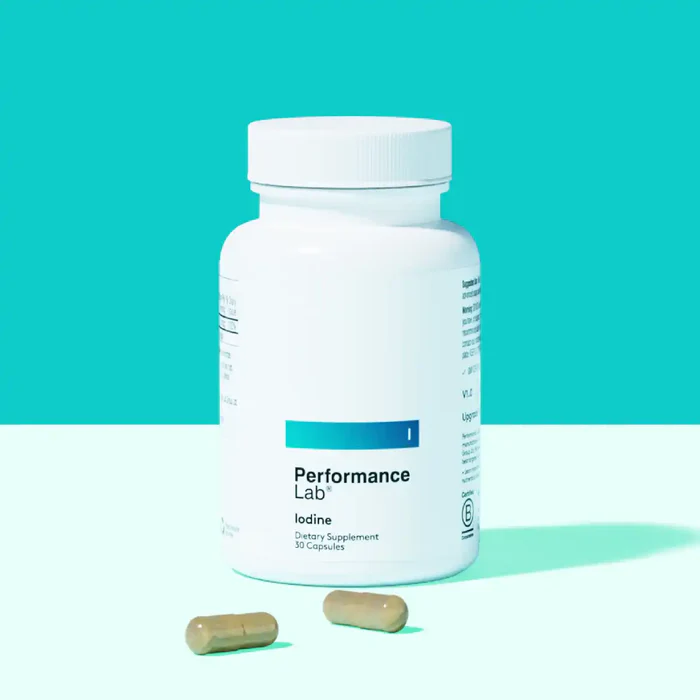
Dietary supplements containing iodine are also available, such as Performance Lab Iodine.
NOTE: Cruciferous vegetables (such as broccoli, cabbage, and kale) contain goitrogens, which can interfere with iodine uptake, especially in people with marginal iodine status.
Worth Noting...
Processed foods and canned goods are unlikely to use iodized salt. Special salts such as Himalayan salt and sea salt don’t contain iodine either. (1)
How Much Iodine Do We Need?
The good news is that a little iodine goes a long way. As an essential mineral, we only need tiny amounts to ensure vital functions. Recommended dietary intake (RDI) levels are established to ensure adequate daily nutrient consumption for different age groups and conditions. The recommended amount of iodine is:
-
150mcg a day for adults
-
220mcg a day for pregnant women
-
290mcg a day for breastfeeding women.
The iodine RDA is higher during pregnancy and lactation due to increased needs for fetal development. These recommendations are based on Dietary Reference Intakes (DRIs) established by the Food and Nutrition Board. (2)
Iodine Deficiency: Who May Lack Iodine?

A third of the world’s population remains at risk of an iodine deficiency. The Iodine Global Network provides global iodine status data and highlights the ongoing need for monitoring and intervention.
We’re not immune in the U.S. either. While adding iodine to table salt in 1924 helped to reduce iodine deficiencies in the past, data shows that iodine status is falling again.
Changes in agricultural processes and dietary patterns among industrialized nations are considered to blame. Essentially, our food may not be as mineral-rich as it used to be. The same trend has been noted in Australia and the UK. (3, 4)
In addition, certain groups of people may be at increased risk of suboptimal iodine levels, or even iodine deficiency. They include:
-
Anyone following a vegetarian or vegan diet that doesn’t eat seafood, eggs or dairy.
-
Anyone not eating iodized salt.
-
Pregnant women need more iodine, and studies show many don’t get enough. Adequate thyroid hormone is required for normal fetal development, and iodine deficiency can lead to congenital anomalies. Infants who are exclusively breastfed depend on maternal iodine sufficiency for optimal development. More on this below. Please seek advice from a healthcare provider on prenatal supplements. (2)
-
People who live in areas where the soil lacks iodine, and who eat mostly local foods.
If this is you, you may struggle to gain enough iodine in your diet or daily life. A quality iodine supplement may help to top up levels.
Symptoms of Iodine Deficiency

There are various symptoms of iodine deficiency. They can include:
-
Tiredness
-
Dry skin
-
Confusion
-
Weight gain
-
Constipation
-
Enlarged thyroid gland, known as a goiter. Essentially, a lump in your neck.
-
Depression
-
Puffy skin
-
Thinning hair
-
Potential infertility
-
Potential pregnancy complications.
-
Inadequate thyroid hormone production due to iodine deficiency can result in hypothyroidism, leading to developmental delays. (5)
If you have concerns about poor iodine status, ask your healthcare provider for tests to determine iodine status.
Assessing Iodine Status
Understanding your iodine status is key to ensuring you’re getting enough of this critical nutrient for thyroid hormone production and overall health.
The most reliable way to assess iodine status is through urinary iodine measurements, as more than 90% of dietary iodine is excreted in the urine. The most common method is a spot urine test, which provides a quick snapshot of your current iodine levels.
For a more accurate picture, especially in research or clinical settings, multiple spot urine samples or 24-hour urine collections may be used to better reflect your average iodine intake.
Health Benefits of Dietary Iodine and Iodine Supplements
Let's take a look at the health benefits of iodine, and what science says about supplementation.
Iodine and Thyroid Health

Iodine is a key ingredient in thyroid hormones, T3 and T4. These are important hormones that help to:
-
Regulate your metabolism. This determines how you use calories for energy, influencing energy levels plus your weight.
-
Influence brain development, especially in pregnancy.
-
Speed up or slow down heart rate.
-
Lower or raise body temperature.
-
Control how your muscles contract, among other things.
Both insufficient and excessive iodine intake can contribute to thyroid disease, including hypothyroidism, goiter (enlarged thyroid gland), and thyroiditis. Excessive iodine intake can also affect individuals with overactive thyroid.
Individuals with autoimmune thyroid disease may experience adverse effects with iodine intakes considered safe for the general population and should consult a healthcare provider before supplementing. (6)
What does Iodine Supplementation mean for Thyroid Health?
A 2016 study gave adults with mild iodine deficiency 150mcg of iodine a day for six months. At the end of the study, people taking the iodine supplement had much higher iodine levels in their urine compared with those who took a placebo. Showing that the iodine from the tablet was absorbed and used by the body.
Another marker of iodine status in the blood also improved, suggesting better overall iodine nutrition. Importantly, thyroid hormone levels stayed within the normal range, indicating that the supplement increased iodine levels without disrupting normal thyroid function. (7)
Importance of Iodine in Pregnancy

Iodine in pregnancy is crucial to help proper fetal brain development, and may contribute to later intelligence in children.
Maternal iodine status and maternal thyroid function are critical here, as during early pregnancy the fetus relies on maternal iodine alone.
Chronic iodine deficiency is now fairly uncommon in the United States, but mild to moderate iodine insufficiency may still affect fetal development.
-
A meta-analysis of more than 6,000 mothers and children from the UK, Netherlands and Spain, for instance, found that verbal IQ of children (aged 1.5 to 8 years old) was lower if their mothers had low iodine status in their first trimester. (1)
-
Another meta-analysis showed that people living in iodine-sufficient and iodine-deficient areas had a 13.5 IQ point difference on average between them. (8)
Surveys in the UK, New Zealand and other industrialized nations suggest many pregnant women may consume insufficient iodine, even if they do not show any symptoms of deficiency. The National Health and Nutrition Examination Survey confirmed the same for the U.S. (9)
While we know severe iodine deficiency has significant impact on baby's brain development in the womb, more research is needed to ascertain the exact consequences of mild to moderate iodine deficiency.
Some scientists suggest the mother’s body may compensate for low iodine by passing it to the baby instead, while others (and some studies) say it subtly and negatively influences brain development.
What everyone agrees on, however, is that adequate iodine consumption is best for mother and child.
Iodine Supplementation Recommendations
Both the American Thyroid Association and American Academy of Pediatrics recommend that women who are planning a pregnancy, are currently pregnant or are breastfeeding should take a daily supplement with at least 150mcg of iodine a day and eat iodized salt. (The recommended daily allowance of iodine when pregnant is 220mcg).
Randomized clinical trials have evaluated the effects of iodine supplementation on maternal and child health outcomes. Iodine supplementation during pregnancy has been shown to effectively increase urinary iodine concentration, contributing to adequate intake, and is associated with decreases in maternal thyroid volume.
However, the use of iodine-containing dietary supplements by pregnant and lactating women in the United States appears to be low compared to current recommendations.
The best time to take iodine supplements is believed to be before pregnancy or during early pregnancy, though some studies have shown improvements after supplementation in the second trimester too. (10- 13)
Please seek advice from a health professional when it comes to pre-natal vitamins. Note too that not all pre-natal vitamins include iodine. In fact, a 2019 survey of prenatal vitamins concluded that nearly a quarter (24%) of the bestselling prenatal vitamins on the market did not include iodine. (14)
Iodine and Breastfeeding/ Lactating Women
Lactating women have unique iodine requirements, as they need to provide enough iodine not only for their own thyroid hormone synthesis but also for their infants through breast milk. The recommended dietary allowance (RDA) for iodine during lactation is 290 mcg per day, reflecting the increased demand during this critical period.
However, studies have shown that nearly half of lactating women (47%) may not provide sufficient iodine to their infants through breast milk alone. (1)
Maternal iodine supplementation is often necessary to achieve optimal iodine nutrition for both mother and baby. As mentioned above, the American Thyroid Association recommends that lactating women take a daily supplement containing 150 mcg of iodine, in addition to consuming iodized salt and iodine-rich foods like dairy products and seaweed.
Can Iodine Supplementation Aid Healthy Weight?
Adequate iodine intake may help you maintain a healthy weight as thyroid hormones regulate metabolism. A deficiency in iodine can lead to underactive thyroid (hypothyroidism), resulting in slowed metabolism and potential weight gain. (15)
Antioxidant Support
Iodine is often described as an 'ancestral antioxidant', which means it can help to protect cells from dangerous free radicals that would otherwise cause damage to cells and skin. It can also help the body respond to infections and control inflammation. (16, 17)
Iodine and Cognitive Function in Adults
As well as brain development in babies and children, iodine supports memory, learning and concentration throughout life. Severe underactive thyroid, for instance - potentially caused by an iodine deficiency - can interfere with executive function, memory, concentration, language and general intelligence. Verbal memory is often affected in particular.
A joint report by the WHO and UNICEF argued that mitigating iodine deficiency among groups and communities meant the 'subtle retention of mental potential'. (18, 19)
A report from China concluded that iodized salt may help to reduce the risk of cognitive impairment in older adults. (20)
Types of Iodine Supplements

There are several different types of iodine supplements, depending on whether you prefer synthetic, natural, multivitamins or standalone dietary supplements.
-
Inorganic iodine: Most iodine supplements provide iodine in the form of inorganic iodide (such as potassium iodide), which has been shown in research to be highly absorbable and reliably increase iodine status in humans. Sodium iodide is another common form used in supplements. Supplemental iodine is available in various forms to help individuals meet their iodine needs. It is important to note that very large, acute doses of iodine can cause severe symptoms such as burning of the mouth, throat, stomach pain, fever, nausea, vomiting, diarrhea, weak pulse, and even coma. (21)
-
Natural sources like kelp (seaweed-derived iodine) contain iodine that the body can absorb, but because the iodine is bound within complex plant structures, its bioavailability can be lower. The iodine content may also vary widely depending on species and processing, which can affect how much iodine is actually delivered. (22)
-
Other niche forms, such as nascent iodine, are marketed as highly bioavailable, but there is limited clinical evidence comparing them with traditional iodide forms.
-
Many multivitamins also contain iodine, and some (but not all) prenatal vitamins also include the mineral.
-
Our standalone iodine supplement, Performance Lab Iodine, contains 150mcg of iodine - your daily recommended allowance in one capsule. It has the benefit of being a biological nutrient form while standardizing the amount of iodine available, designed to be highly bioavailable. Let’s discuss that a bit more…
Performance Lab Iodine

As I said, Performance Lab Iodine contains 150mcg - the daily recommended amount for adults (and the amount often used in clinical trials).
Here's where it's different to other supplements on the market - the iodine is made with our pioneering NutriGenesis manufacturing process.
The NutriGenesis process creates true biological nutrient forms that closely mirror natural food nutrients while being engineered to be highly bioavailable, offering several advantages over standard supplements.
Performance Lab Iodine is also one of the cleanest supplements on the market, being free of GMO, allergens and synthetic additives, plus non-irradiated.
Tips for Choosing the Best Iodine Supplement
-
Look for reputable manufacturers with a proven history of creating great supplements
-
Look for real customer reviews
-
Look for independent third-party certificates or testing. Performance Lab Iodine, for instance, is third-party tested and certfied Vegan by the Vegetarian Society.
-
Avoid supplements with mega high doses of iodine, unless directed by your doctor. 150mcg to 300mcg is ideal.
Risks of Excessive Iodine
Too much iodine can be just as dangerous as too little.
Large amounts of iodine can cause iodine toxicity, stomach upset, nausea, and vomiting, as well as enlarged thyroid gland, inflammation, even thyroid cancer and fibrocystic breast disease. Acute iodine poisoning is rare and usually caused by doses of many grams.
The Upper Intake Limit for Iodine Supplements
The Upper Intake Limit for iodine in adults (including pregnant and breastfeeding women) is 1,100mcg a day. This is the maximum dose that is considered unlikely to cause negative side effects in the general population. We would advise you not to exceed this and, in fact, to stay well below this unless instructed differently by a doctor. (23)
See Benefits and Risks of Iodine Supplements
Iodine Timing Cheat Sheet

-
Take iodine once daily; consistency is more important than the exact time.
-
Can be taken with or without food; empty stomach may slightly improve absorption, but it’s not essential.
-
Morning is easiest for most people to make it part of a routine.
-
Iodine absorption is generally not heavily affected by other vitamins and minerals in a multivitamin. Avoid taking at the exact same time as high doses of calcium or iron, however, which can slightly reduce absorption.
-
For pregnant women, follow your prenatal vitamin schedule - daily intake matters more than timing.
-
Stick to the recommended daily amount; too much iodine can have harmful effects. You want optimal iodine levels without excess.
Other Health Benefits of Iodine
Iodine has antimicrobial properties, making it useful for wound healing and preventing infections, and may also help reduce the risk of fibrocystic breast disease.
Final Thoughts
Iodine is a foundational nutrient that supports thyroid health, metabolism, cognitive development, and overall wellbeing, yet many people may not consistently get enough through diet alone.
Research shows that iodine supplementation can effectively increase iodine levels when intake is low, particularly for at-risk groups such as pregnant women, people avoiding iodized salt, and those following plant-based diets.
At the same time, balance matters, as excessive iodine can be harmful. Choosing a moderate, well-formulated supplement like Performance Lab Iodine, sticking within recommended intakes, and seeking professional guidance when needed can help ensure you get the benefits of iodine without unnecessary risk.
When used thoughtfully, iodine supplementation can be a practical way to support optimal health in a modern diet.
We recommend Performance Lab Iodine, or if you prefer a quality multivitamin that also contains the same amount of iodine, Performance Lab NutriGenesis Multi.
References
- National Institutes of Health, Office of Dietary Supplements. Iodine: Fact sheet for health professionals. https://ods.od.nih.gov/factsheets/Iodine-HealthProfessional/#h3 .
- National Institutes of Health, Office of Dietary Supplements. Iodine: Fact sheet for consumers. https://ods.od.nih.gov/factsheets/Iodine-Consumer/ .
- Hatch-McChesney, A., & Lieberman, H. R. (2022). Iodine and iodine deficiency: A comprehensive review of a re-emerging issue. Nutrients, 14(17), 3474. https://doi.org/10.3390/nu14173474 .
- Lee, K. W., Cho, M. S., Shin, D., & Song, W. O. (2016). Changes in iodine status among US adults, 2001–2012. International Journal of Food Sciences and Nutrition, 67(2), 184–194. https://doi.org/10.3109/09637486.2016.1144717 .
- Healthdirect Australia. Iodine and your health. https://www.healthdirect.gov.au/iodine#why .
- Cleveland Clinic. Thyroid hormone. https://my.clevelandclinic.org/health/articles/22391-thyroid-hormone .
- Ma, Z. F., Venn, B. J., Manning, P. J., Cameron, C. M., & Skeaff, S. A. (2016). Iodine supplementation of mildly iodine-deficient adults lowers thyroglobulin: A randomized controlled trial. The Journal of Clinical Endocrinology & Metabolism, 101(4), 1737–1744. https://doi.org/10.1210/jc.2015-3591 .
- Bleichrodt, N., & Born, M. P. (1994). A meta-analysis of research on iodine and its relationship to cognitive development. In J. B. Stanbury (Ed.), The damaged brain of iodine deficiency (pp. 195–200). New York, NY: Cognizant Communication Corporation.
- Caldwell, K. L., Makhmudov, A., Ely, E., Jones, R. L., & Wang, R. Y. (2011). Iodine status of the U.S. population, National Health and Nutrition Examination Survey, 2005–2006 and 2007–2008. Thyroid, 21(4).
- Skeaff, S. A. (2011). Iodine deficiency in pregnancy: The effect on neurodevelopment in the child. Nutrients, 3(2), 265–273. https://doi.org/10.3390/nu3020265 .
- Candido, A. C., Azevedo, F. M., Silva, D. L. F., Ribeiro, S. A. V., & Castro Franceschini, S. D. C. (2023). Effects of iodine supplementation on thyroid function parameter: Systematic review and meta-analysis. Journal of Trace Elements in Medicine and Biology, 80, 127275. https://doi.org/10.1016/j.jtemb.2023.127275 .
- Bath, S. C., Steer, C. D., Golding, J., Emmett, P., & Rayman, M. P. (2013). Effect of inadequate iodine status in UK pregnant women on cognitive outcomes in their children: Results from the Avon Longitudinal Study of Parents and Children (ALSPAC). The Lancet, 382, 331–337.
- Brough, L., Jin, Y., Shukri, N. H., Wharemate, Z. R., Weber, J. L., & Coad, J. (2015). Iodine intake and status during pregnancy and lactation before and after government initiatives to improve iodine status in Palmerston North, New Zealand: A pilot study. Maternal & Child Nutrition, 11, 646–655.
- Patel, A., Lee, S. Y., Stagnaro-Green, A., MacKay, D., Wong, A. W., & Pearce, E. N. (2019). Iodine content of the best-selling United States adult and prenatal multivitamin preparations. Thyroid, 29(1), 124–127.
- Lecube, A., Zafon, C., Gromaz, A., Fort, J. M., Caubet, E., Baena, J. A., & Tortosa, F. (2015). Iodine deficiency is higher in morbid obesity in comparison with late after bariatric surgery and non-obese women. Obesity Surgery, 25(1), 85–89.
- Hatch-McChesney, A., & Lieberman, H. R. (2022). Iodine and iodine deficiency: A comprehensive review of a re-emerging issue. Nutrients, 14(17), 3474. https://doi.org/10.3390/nu14173474 .
- Aceves, C., Mendieta, I., Anguiano, B., & Delgado-González, E. (2021). Molecular iodine has extrathyroidal effects as an antioxidant, differentiator, and immunomodulator. International Journal of Molecular Sciences, 22(3), 1228. https://doi.org/10.3390/ijms22031228 .
- Thvilum, M., Brandt, F., Almind, D., et al. (2014). Increased psychiatric morbidity before and after the diagnosis of hypothyroidism: A nationwide register study. Thyroid, 24, 1–7. https://doi.org/10.1089/thy.2013.0555 .
- World Health Organization, & UNICEF. Iodine deficiency in Europe: A continuing public health problem. https://iris.who.int/server/api/core/bitstreams/16ea7006-affd-4bc6-ad2d-d9718d6d9e32/content .
- Wu, M. N., Liu, W. F., Li, F. D., Huang, Y. W., Gu, X., Zhai, Y. J., Zhang, T., Xu, L., & Lin, J. (2023). Association between iodized salt intake and cognitive function in older adults in China. The Journal of Nutrition, Health & Aging, 27(11), 1005–1011.
- Aquaron, R., Delange, F., Marchal, P., Lognoné, V., & Ninane, L. (2002). Bioavailability of seaweed iodine in human beings. Cellular and Molecular Biology, 48(5), 563–569.
- Blikra, M. J., Henjum, S., & Aakre, I. (2022). Iodine from brown algae in human nutrition, with an emphasis on bioaccessibility, bioavailability, chemistry, and effects of processing: A systematic review. Comprehensive Reviews in Food Science and Food Safety, 21(2), 1517–1536. https://doi.org/10.1111/1541-4337.12918 .
- Harvard T.H. Chan School of Public Health. Iodine. The Nutrition Source. https://nutritionsource.hsph.harvard.edu/iodine/ .