

Key Takeaways
- Turmeric’s benefits mainly come from curcumin, and absorption improves a lot when paired with black pepper (piperine). (1)
- Its antioxidant and anti-inflammatory effects may support joint comfort, mood, and cellular health, though studies are inconclusive and results vary from person to person. (2, 3, 15)
- Today's standardized turmeric supplements are convenient, but sticking to 250–500 mg daily is ideal to minimize the risk of side effects.
- Some research suggests curcumin can support gut health and overall wellness even without enhanced absorption.
- Ask for a green light from a nutritionally-informed doctor for turmeric, more so if you're on medications, have health issues, or are pregnant.
Today, we'll be looking into the health benefits of turmeric. You'll learn why it's more than just a spice. It's actually a delivery system for curcumin, a heavily studied natural compound for supporting wellness.
Growing research suggests that turmeric benefits both cognitive well-being and physical performance by reducing inflammation and supporting bodily processes at the cellular level. (2, 3)
But there are some questions to be answered, such as:
- What is the best way to take turmeric?
- Can you take it daily?
- How much turmeric is ideal?
Let's start from the beginning.
What is Turmeric?

Turmeric is a spice made from the dried roots of the curcuma longa plant. It's actually related to ginger — belonging to the same Zingiberaceae family.
Turmeric is a signature ingredient in curries and other dishes in Asian and Middle Eastern cuisines. It's particularly popular in Indian cuisine.
But it's not just the spicy aroma turmeric gives to foods.
The golden spice, as it's also called, has been used in traditional medicine for millennia for various health purposes. These include digestion, joint health, and skin disorders.
This begs the question: which of these uses are backed by modern science?
What Health Benefit is Turmeric Promising the Most?

Turmeric is an Antioxidant and Anti-Inflammatory
Arguably the most talked about benefit of turmeric is its anti-inflammatory and antioxidant properties. (12).
Turmeric has been shown to increase antioxidant activity, helping your body defend itself from harmful free radicals. The ones that can aggravate inflammation.
Inflammation is behind many chronic conditions, including(6):
- Heart disease
- Rheumatoid arthritis
- Metabolic syndrome
Now, turmeric is not considered a medication, nor is it meant to treat any condition. But, natural compounds like its curcumin appear to support the body in regulating inflammatory responses.
It's Good to Know
One way curcumin in turmeric works is by turning down pro-inflammatory molecules such as the COX-2 enzyme and NF-kB. These are almost like the "turn on dial" for inflammation.
See also: What is the Difference Between Turmeric and Curcumin?
Joints, Mood, Metabolism, Cellular Functions
Many of turmeric's benefits are thought to come from its capacity to modulate inflammatory processes. These include:
- Normal detoxification processes
- Healthy mood
- Post-exercise tissue repair and other cellular processes
And while there's a lot of research behind turmeric overall, not all of it is high-quality. In fact, strong human studies are still limited and inconclusive. This means we don't yet completely understand its full scope of effects.
Other health goals turmeric may help with include:
- Joint Health: A 2025 systematic review and meta analysis suggests turmeric has the potential to ease joint discomfort, but it also emphasizes the need for more quality studies. (8)
- The Liver, Metabolic Health, and Heart Function: Another 2025 systematic review and meta-analysis published in the Journal of Endocrinology, Diabetes & Metabolism found that turmeric may support blood sugar levels and heart health. (13) This is supported by other recent scientific papers that also mention turmeric's potential to aid liver function. (9, 18)
- Brain Health: Turmeric can positively influence brain-derived neurotrophic factor (BDNF), which is important for neuronal survival and growth. Turmeric can also balance feelings of well-being by supporting dopamine and serotonin in the brain. (10, 15, 16, 19)
Effects are often subtle and show up over weeks with consistent use. Remember that your experience may vary.
So, how should you use turmeric for its potential health benefits?
How You Take Turmeric Matters, Too

Orthopedic surgeons Dr. Paul Zalzal and Dr. Brad Weening argue that turmeric should be paired with black pepper to be effective, as piperine increases the absorption of its active compound, curcumin, by 20x in some cases. (7) This view is shared by many experts.
That said, other studies suggest that curcumin supplements don't always need to be absorbed into the blood to provide benefits.
Instead, curcumin stays in the gut, where it may exert effects on the intestinal lining, gut microbiome, and gut inflammation — this, in turn, may support system-wide wellness. (5)
In other words, taking turmeric without black pepper may be suitable in certain contexts, possibly when the focus is specifically on gut function.
Can You Take Turmeric Every Day?
Yes, you can take turmeric every day, just remember that moderation is key. The best way to get it is through your diet.
You can also take turmeric supplements or curcumin extracts. Provided they are high-quality, these supplements are not only convenient, but also tested for purity and contain precise dosages in each serving.
A truly good turmeric supplement needs to be:
- Sticking to clinically studied and safe dosages (up to 1500 mg per day)
- 3rd party tested
- Well-received by customers
- Transparent about its ingredients and their exact amounts per serving
- Following strict FDA Good Manufacturing Practices (GMP)
- Showing third-party certifications like USP, NSF or ConsumerLab seals
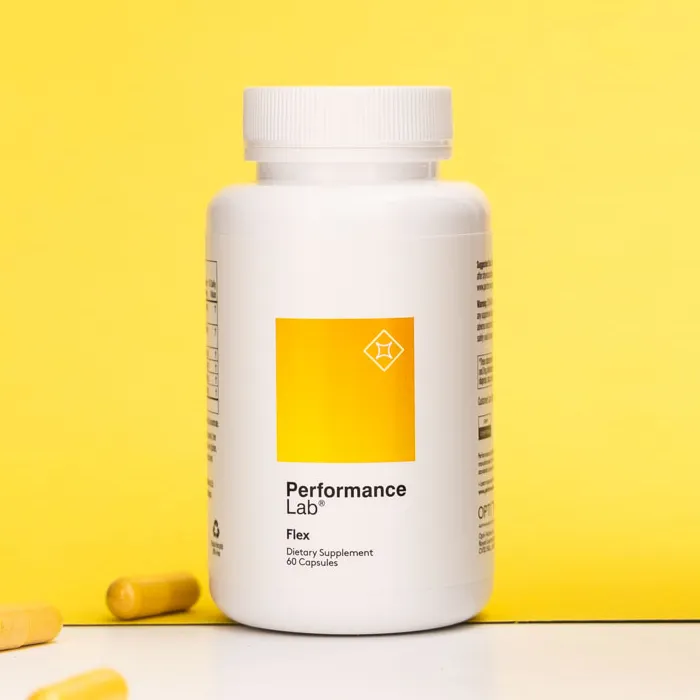
If you are looking to support your joints with turmeric, our recommendation for a high-quality supplement is Performance Lab® Flex.

It combines a gentle 250 mg of CurcuWIN® curcumin from turmeric and AprèsFlex® Boswellia serrata with other natural ingredients for multi-pathway joint support.
Smart Consistency vs. High Doses
While supplements can be helpful, not all are created equal, and some might provide "too much of a good thing".
Dr. Will Bulsiewicz, an American board-certified gastroenterologist, explains that more is not necessarily better with turmeric. He recommends daily, consistent intake over high-dosed supplements, which, he says, could cause problems if you over-do it. (11)
Supplements often contain far higher concentrations of curcumin (up to 95%) compared to the whole spice (between 2-9%), so you don't necessarily need much for it to work. (20, 21)
How Much Turmeric is too Much?
Studies have shown that it's safe in doses up to 1500 mg or more per day. However, we prefer to stick to significantly lighter amounts for healthy, long-term support. Such as 250-500 mg per day.
Making Turmeric Practical
Want to incorporate turmeric into your routine? Consider making turmeric tea from its fresh roots, golden milk, or simply adding ground turmeric to savory meals like rice, soups, and roasted vegetables.
Who Should Not Use Turmeric?

- People on medications like blood thinners, diabetes medications, and those preparing for surgery (high doses of turmeric in the supplement form can interact with these medications)
- Those with kidney stones or gallbladder problems
- Pregnant or nursing women at supplemental doses
- Individuals with GERD who notice aggravating symptoms
- Anyone with any kind of liver issues (consult your doctor first!)
Though studies have safely and successfully used turmeric in people with IBS, it's best to ask your doctor for a green light if you have this condition. (17)
Turmeric's Side Effects: Are They Common?
Turmeric's side effects are not very common and often mild when they do occur. In rare cases, turmeric extracts have been found to cause liver problems, sometimes when taken in excessive amounts on top of being combined with black pepper. (4)
Turmeric has been suggested to provide whole-body support through its antioxidant and anti-inflammatory effects, but it may be particularly helpful in supporting brain function and healthy joints.
Evidence for turmeric's effects for headaches is limited. For general wellness, turmeric with ginger or in tea may have soothing properties.
Science isn't clear on this, and people have mixed responses. Turmeric's anti-inflammatory properties might aid the digestive system but high doses can make things worse for some people.
Summary
Most of turmeric's potential benefits are attributed to curcumin, a plant compound that influences cellular functions. Human studies, though inconclusive and lacking in quality, link turmeric to joint comfort, brain health, metabolic support, and gut wellness.
Effects are often subtle and require consistency. It goes without saying, but turmeric may not be suitable for everyone. Dosage and how you take it are big factors that influence real-world results.
If you seek a hassle-free way to support your body with high-quality turmeric, check out Performance Lab® Flex for healthy joints. It delivers 250 mg of highly absorbable CurcuWIN® curcumin, staying well within safe, clinically studied daily ranges.
References
- Esmaeli, M., Dehabadi, M. D., & Ghanbari, A. (2025). Molecular targets and therapeutic implications of curcumin in hepatocellular carcinoma: a comprehensive literature review. Cancer cell international, 25(1), 335. https://pmc.ncbi.nlm.nih.gov/articles/PMC12495814/
- El-Saadony, M. T., Yang, T., Korma, S. A., Sitohy, M., Abd El-Mageed, T. A., Selim, S., Al Jaouni, S. K., Salem, H. M., Mahmmod, Y., Soliman, S. M., Mo'men, S. A. A., Mosa, W. F. A., El-Wafai, N. A., Abou-Aly, H. E., Sitohy, B., Abd El-Hack, M. E., El-Tarabily, K. A., & Saad, A. M. (2023). Impacts of turmeric and its principal bioactive curcumin on human health: Pharmaceutical, medicinal, and food applications: A comprehensive review. Frontiers in nutrition, 9, 1040259. https://pubmed.ncbi.nlm.nih.gov/36712505/
- Yuan, J., Pi, C., Shen, H., Zhou, B., Wei, Y., Dechsupa, N., & Zhao, L. (2025). Potential therapeutic benefits of curcumin in depression or anxiety induced by chronic diseases: a systematic review of mechanistic and clinical evidence. Frontiers in pharmacology, 16, 1638645. https://pubmed.ncbi.nlm.nih.gov/40918536/
- National Institute of Diabetes and Digestive and Kidney Diseases. (2025). Turmeric. In LiverTox: Clinical and research information on drug-induced liver injury. https://www.ncbi.nlm.nih.gov/books/NBK548561/
- Peters, E. (2014, September 24). Oral curcumin may protect gut function. VCU News. https://news.vcu.edu/article/oral_curcumin_may_protect_gut_function
- Yacine, A., Zain Ali, M., Alharbi, A. B., Qubayl Alanaz, H., Saud Alrahili, A., & Alkhdairi, A. A. (2025). Chronic Inflammation: A Multidisciplinary Analysis of Shared Pathways in Autoimmune, Infectious, and Degenerative Diseases. Cureus, 17(4), e82579. https://doi.org/10.7759/cureus.82579
- Talking With Docs. (2025, April 20). Should you take turmeric every day? Here’s what doctors say [Video]. YouTube. https://www.youtube.com/watch?v=Ne3LJmfozX4
- Wai, H. S., Pathomwichaiwat, T., Suansanae, T., Nathisuwan, S., & Rattanavipanon, W. (2025). Effect of turmeric products on knee osteoarthritis: a systematic review and network meta-analysis. BMC complementary medicine and therapies, 25(1), 292. https://pubmed.ncbi.nlm.nih.gov/40731001/
- Epelde F. (2025). Effects of Turmeric and Turmeric Plus Piperine Supplementation on Lipid Profiles in Adults with Cardiometabolic Risk Conditions: A Systematic Review and Meta-Analysis of Randomized Controlled Trials Following PRISMA Guidelines. Pharmaceutics, 17(12), 1609. https://doi.org/10.3390/pharmaceutics17121609
- Singh, A., & Sharma, N. (2026). Curcumin, an anti-inflammatory drug: a key player in treating depression. Natural product research, 1–19. Advance online publication. https://doi.org/10.1080/14786419.2026.2613762
- The Diary Of A CEO. (2026, January 1). The poo doctor: This cheap spice fixes a damaged gut! [Video]. YouTube. https://www.youtube.com/watch?v=5Tr7AhkOEj4
- Saleh, Z., Asgari, M. R., Ghorbani, R., & Babamohamadi, H. (2025). A Triple-blind randomized controlled trial on the effects of turmeric versus ginger on inflammatory biomarkers in patients with COVID-19. Scientific reports, 15(1), 30793. https://pubmed.ncbi.nlm.nih.gov/40841392/
- Bahari, H., Sharifi, M., Nejad Shahrokh Abadi, Z., Shahraki Jazinaki, M., Golafrouz, H., & Asadi, Z. (2026). Antihypertensive Effects of Curcumin/Turmeric Supplementation in Prediabetes and Diabetes: A Systematic Review and Meta-Analysis of Randomised Controlled Trials. Endocrinology, diabetes & metabolism, 9(1), e70145. https://doi.org/10.1002/edm2.70145
- Dehzad, M. J., Ghalandari, H., Nouri, M., & Askarpour, M. (2023). Antioxidant and anti-inflammatory effects of curcumin/turmeric supplementation in adults: A GRADE-assessed systematic review and dose-response meta-analysis of randomized controlled trials. Cytokine, 164, 156144. https://doi.org/10.1016/j.cyto.2023.156144
- Jiao, H., Wang, X., Zhang, D., Zhou, S., & Gao, F. (2025). Curcumin and neuroplasticity: epigenetic mechanisms underlying cognitive enhancement in aging and neurodegenerative disorders. Frontiers in aging neuroscience, 17, 1592280. https://pmc.ncbi.nlm.nih.gov/articles/PMC12367793/
- Sarraf, P., Parohan, M., Javanbakht, M. H., Ranji-Burachaloo, S., & Djalali, M. (2019). Short-term curcumin supplementation enhances serum brain-derived neurotrophic factor in adult men and women: a systematic review and dose-response meta-analysis of randomized controlled trials. Nutrition research (New York, N.Y.), 69, 1–8. https://doi.org/10.1016/j.nutres.2019.05.001
- Jafarzadeh, E., Shoeibi, S., Bahramvand, Y., Nasrollahi, E., Maghsoudi, A. S., Yazdi, F., KarkonShayan, S., & Hassani, S. (2022). Turmeric for Treatment of Irritable Bowel Syndrome: A Systematic Review of Population-Based Evidence. Iranian journal of public health, 51(6), 1223–1231. https://doi.org/10.18502/ijph.v51i6.9656
- Mokgalaboni, K., Mashaba, R. G., Phoswa, W. N., & Lebelo, S. L. (2024). Curcumin Attenuates Hyperglycemia and Inflammation in Type 2 Diabetes Mellitus: Quantitative Analysis of Randomized Controlled Trial. Nutrients, 16(23), 4177. https://doi.org/10.3390/nu16234177
- Spanoudaki, M., Papadopoulou, S. K., Antasouras, G., Papadopoulos, K. A., Psara, E., Vorvolakos, T., Solovos, E., Chrysafi, M., Psallas, M., Mentzelou, M., Ourda, D., & Giaginis, C. (2024). Curcumin as a Multifunctional Spice Ingredient against Mental Disorders in Humans: Current Clinical Studies and Bioavailability Concerns. Life (Basel, Switzerland), 14(4), 479. https://doi.org/10.3390/life14040479
- Tayyem, R. F., Heath, D. D., Al-Delaimy, W. K., & Rock, C. L. (2006). Curcumin content of turmeric and curry powders. Nutrition and cancer, 55(2), 126–131. https://doi.org/10.1207/s15327914nc5502_2
- Dei Cas, M., & Ghidoni, R. (2019). Dietary Curcumin: Correlation between Bioavailability and Health Potential. Nutrients, 11(9), 2147. https://doi.org/10.3390/nu11092147