

When the sniffles and coughing start, we reach for the vitamin C tablets and let them do their magic. But other than getting vitamin C this way, how else can we ensure we get enough to prevent illness?
While the sun is important for providing vitamin D, it does not provide vitamin C; vitamin C must be obtained from food or supplements, such as fruits and vegetables that provide vitamin C.
In this article, find out all you need to know about vitamin C, where it comes from, and its benefits for our health.
What is vitamin C?

Vitamin C, also known as ascorbic acid, is one of the essential vitamins required for good health and has several vital functions.
It is most commonly known for its role in supporting a robust immune system to help you fight off illness, especially infections like the common cold. Vitamin C is available in several forms, both natural and synthetic.
Vitamin C also possesses potent antioxidant power, which plays a crucial role in neutralizing free radicals caused by pollution, UV rays, and stress.
Its role in skincare is particularly lauded. It can minimize cell damage and may help prevent premature aging, promoting healthier, more resilient skin.
It is also required to produce collagen, a fibrous protein that provides structural integrity and elasticity. It is found throughout the body in the skin, blood vessels, cartilage, tendons, and ligaments.
Another important job of vitamin C is to help make hormones and neurotransmitters that enable the body to function optimally. Deficiency in vitamin C can lead to several health problems (more on that shortly), so it is important to ensure adequate intake through diet or supplements.
Key Takeaways
- Vitamin C is an essential nutrient that supports immune function, antioxidant protection, collagen production and healthy brain signaling.
- Unlike vitamin D, your body cannot make vitamin C from sunlight, so you must get it from vitamin C rich foods and supplements.
- Citrus fruits, berries, peppers, cruciferous vegetables and potatoes are leading dietary sources of vitamin C.
- Because many people struggle to consistently meet daily needs from diet alone, a mix of whole foods and smart supplementation can help maintain optimal vitamin C status and long term health.
Where does vitamin C come from?

Vitamin C is often confused with vitamin D, which your body produces when skin is exposed to the sun’s UV rays. However, it is important to note that the sun's UV rays, specifically UVB rays, trigger a chemical reaction in the skin that encourages vitamin D synthesis, not vitamin C.
The sun's primary contribution to human health is its ability to stimulate the production of vitamin D, while vitamin C must be obtained from food sources.
Fruits and Vegetables High in Vitamin C
Foods high in vitamin C include:
-
Citrus fruits (oranges, lemons, grapefruit, kiwi)
-
Strawberries
-
Bell peppers
-
Tomatoes
-
Broccoli
-
Cabbage
-
Cauliflower
-
Potatoes
-
Pineapple
-
Brussels sprouts. (5)
A Word about Citrus Fruits

Citrus fruits, such as oranges and lemons, are good sources of vitamin C. They can be enjoyed in drinks, dishes, or salsas to boost both flavor and nutrient content.
The vitamin C content in these foods can be affected by storage and cooking methods, with many high-vitamin C foods best consumed raw to preserve their nutrients.
Vitamin C is also available in other forms, such as dietary supplements and derivatives used in skincare, which can help people meet their needs if dietary intake is insufficient.
Vitamin C is generally not toxic, but large amounts or too much vitamin C can lead to unwanted side effects like stomach upset, so it’s best to aim for a balanced diet that includes a wide range of vitamin C-rich foods and/ or supplements with modest doses.
Avoid taking more than 2,000mg of vitamin C per day. (1, 2)
Vitamin C and Sun Exposure

A quick word about vitamin C and sun exposure - and this may be where the confusion between vitamin C and D comes from. Research shows that vitamin C may help to limit the damage caused by ultraviolet or UV light exposure.
Vitamin C isn't a sunscreen - you'll still want to apply that - but its antioxidant properties help neutralize free radicals caused by UV light, protecting skin cells from sun-induced damage.
That said, excessive sun worshipping or exposure to pollutants such as ozone and cigarette smoke may actually lower vitamin C levels, primarily in the skin's outer layer, the epidermis.
Studies have shown that taking vitamin C by oral supplementation effectively increases levels of vitamin C in the skin if your levels are low. (3, 4)
Do I Get Enough Vitamin C?
The recommended daily amount of vitamin C is
-
90mg for adult men
-
75mg for adult women.
-
85mg for pregnant women
-
120mg for breastfeeding women. (5)
Please speak to a healthcare professional about prenatal vitamins if you are pregnant.
Signs of Low Vitamin C
Symptoms of low vitamin C or a vitamin C deficiency may include bumpy skin, fatigue, poor wound healing, bleeding gums, easy bruising, swollen joints, weak bones, poor immunity and chronic inflammation.
While a vitamin C deficiency is relatively rare in developed countries, it still affects 7% of people in the United States today. Most people are more likely to have low levels than a genuine deficiency.
Risk factors for a vitamin C deficiency include poor diet, smoking, anorexia, alcoholism, dialysis, and severe mental illness. Stress, viral illness, fever and antibiotics may decrease vitamin C bioavailability. (6 -8)
It can be challenging to meet the recommended daily vitamin C intake through diet alone, so many people turn to supplements.
Best Dedicated Vitamin C Supplements

Your first choice when choosing a quality dietary supplement with vitamin C is whether you prefer a standalone dedicated vitamin C supplement or a multivitamin.
We offer both.
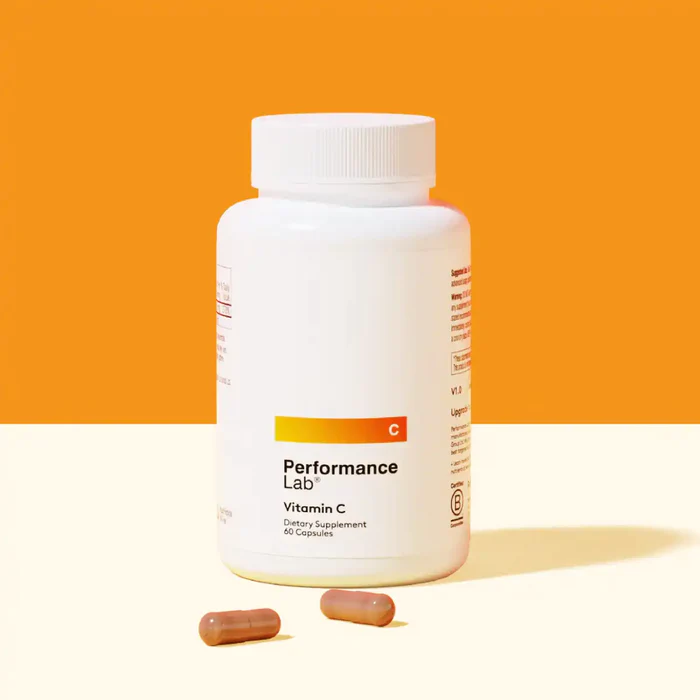
If you'd prefer a dedicated vitamin C supplement, Performance Lab Vitamin C includes 250mg of vitamin C, a generous dose but well under the Upper Tolerable Limit.
It is made with our pioneering NutriGenesis manufacturing process that creates nature identical nutrients with high bioavailability.
Shop Performance Lab® Vitamin C
Best Multivitamin with Vitamin C
The only multi I’ve used and noticed more energy and better overall wellbeing!Jerrold N
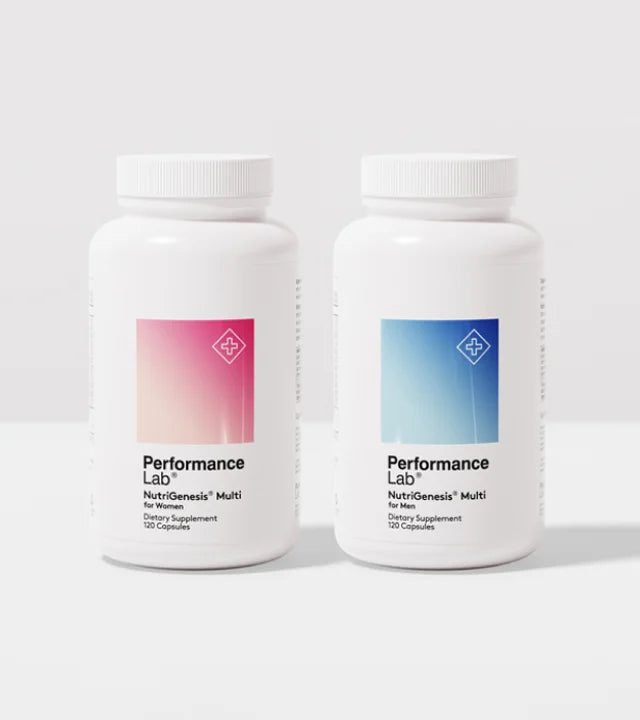
Our popular multivitamin, Performance Lab NutriGenesis Multi - with dedicated formulas for men and women - is a great choice to ensure you get your daily dose of vitamin C for enhanced overall health and better immune function.
It includes 100mg of vitamin C alongside other important nutrients such as vitamins A, B, D and E and minerals such as selenium, magnesium and more. All important for overall health.
Health benefits of vitamin C
Powerful antioxidant

Free radicals are unstable molecules in the body that cause cell damage, accelerating aging and increasing the risk for many chronic diseases. The antioxidant power of vitamin C helps support the immune system and boost the body’s natural defenses by neutralizing these unstable molecules and the effects of harmful free radicals. (9).
Lower blood pressure and risk of heart disease

High blood pressure increases the risk for heart disease, a leading cause of death globally. Vitamin C helps lower blood pressure and relax blood vessel walls by removing excess fluid and sodium from the body.
According to one study, vitamin C supplements may also help reduce the risk of heart disease by reducing LDL (bad) cholesterol and unhealthy blood fats. (10).
Immune support

Vitamin C supports the immune system by boosting the production and function of white blood cells to help the body more efficiently fight off infections. It also strengthens the skin's defense system and promotes faster wound healing. (11)
Brain function

Cell damage from free radicals and inflammation of the nervous system can contribute to the development of dementia. Multiple studies suggest that the antioxidant effects of vitamin C supplements may help protect against dementia and reduce inflammation. (12).
Skincare Routine

Vitamin C also plays a vital role in skin health. It helps protect your skin from free radicals caused by environmental stressors and supports collagen production, which keeps your skin firm and resilient.
Many people include vitamin C products in their skincare routine to boost antioxidant protection and improve skin texture. (13)
Final Thoughts
While sunlight helps provide vitamin D, it does not provide vitamin C. Vitamin C is an essential vitamin that must be obtained through the food you eat, as the body cannot make it through sun exposure. Supplements like Performance Lab Vitamin C may help.
Vitamin C is linked to numerous health benefits, such as boosting the function of the immune system, lowering blood pressure, reducing heart disease and dementia risk, and protecting against cell damage.
Ascorbic acid is the purest form of vitamin C and is widely used in supplements and skincare products. Vitamin C is also available in topical products such as creams, which can help support skin health.
If you struggle to get enough vitamin C through diet alone, you may benefit from taking a supplement.
References
- Mayo Clinic Staff. “Is It Possible to Take Too Much Vitamin C?” Nutrition and Healthy Eating, Mayo Clinic. https://www.mayoclinic.org/healthy-lifestyle/nutrition-and-healthy-eating/expert-answers/vitamin-c/faq-20058030
- Johnston, Carol S. “Biomarkers for Establishing a Tolerable Upper Intake Level for Vitamin C.” Nutrition Reviews, vol. 57, no. 3, 1999, pp. 71–77.
- Linus Pauling Institute, Oregon State University. “Vitamin C and Skin Health.” Micronutrient Information Center. https://lpi.oregonstate.edu/mic/health-disease/skin-health/vitamin-C
- McArdle, Fiona, et al. “UVR-Induced Oxidative Stress in Human Skin In Vivo: Effects of Oral Vitamin C Supplementation.” Free Radical Biology and Medicine, vol. 33, no. 10, 2002, pp. 1355–1362. https://doi.org/10.1016/s0891-5849(02)01042-0
- National Institutes of Health, Office of Dietary Supplements. “Vitamin C Fact Sheet for Consumers.” https://ods.od.nih.gov/factsheets/VitaminC-Consumer/#h2
- Healthline Editorial Team. “15 Signs and Symptoms of Vitamin C Deficiency.” Healthline. https://www.healthline.com/nutrition/vitamin-c-deficiency-symptoms
- Galimberti, Fabrizio, and Natasha A. Mesinkovska. “Skin Findings Associated with Nutritional Deficiencies.” Cleveland Clinic Journal of Medicine, vol. 83, no. 10, 2016, pp. 731–739.
- Galimberti, Fabrizio, and Natasha A. Mesinkovska. “Skin Findings Associated with Nutritional Deficiencies.” Cleveland Clinic Journal of Medicine, vol. 83, no. 10, 2016, pp. 731–739. https://doi.org/10.3949/ccjm.83a.15061
- Kim, Mi Kyung, et al. “Effect of Five-Year Supplementation of Vitamin C on Serum Vitamin C Concentration and Consumption of Vegetables and Fruits in Middle-Aged Japanese: A Randomized Controlled Trial.” Journal of the American College of Nutrition, vol. 22, no. 3, 2003, pp. 208–216.
- McRae, Marc P. “Vitamin C Supplementation Lowers Serum Low-Density Lipoprotein Cholesterol and Triglycerides: A Meta-Analysis of 13 Randomized Controlled Trials.” Journal of Chiropractic Medicine, vol. 7, no. 2, 2008, pp. 48–58.
- Huijskens, Mirelle J. A. J., et al. “Ascorbic Acid Induces Development of Double-Positive T Cells from Human Hematopoietic Stem Cells in the Absence of Stromal Cells.” Journal of Leukocyte Biology, vol. 96, no. 6, 2014, pp. 1165–1175.
- Paleologos, Michael, Robert G. Cumming, and Ross Lazarus. “Cohort Study of Vitamin C Intake and Cognitive Impairment.” American Journal of Epidemiology, vol. 148, no. 1, 1998, pp. 45–50.
- Pullar, Juliet M., Anitra C. Carr, and Margreet C. M. Vissers. “The Roles of Vitamin C in Skin Health.” Nutrients, vol. 9, no. 8, 2017, article 866. https://doi.org/10.3390/nu9080866