
Feeling tired, sluggish or short on energy can make even the simplest tasks feel harder. While reaching for coffee or an energy drink may provide a quick lift, lasting energy is about more than stimulants. Your body needs the right nutrients, enough sleep, regular movement and a balanced diet to support the complex processes that keep you feeling physically and mentally energised.
Did you know that certain vitamins and minerals play an important role in how your body produces and uses energy? And that other nutrients can actually support your cells' own energy-producing machinery?
Here's what you need to know about both, including ways to boost your energy naturally, without relying on a constant caffeine fix. And, if you want to consider it, how to choose the best natural energy-boosting supplement for you...
Key Takeaways
- Feeling tired or sluggish can have many causes, but getting enough sleep, eating a balanced diet and staying active are the foundations of sustained energy.
- B vitamins, vitamin D, iron and magnesium all play important roles in processes involved in energy production, while deficiencies can contribute to fatigue.
- Some nutrients, including CoQ10, PQQ, R-lipoic acid and acetyl-L-carnitine, support the mitochondria — the structures in your cells responsible for producing ATP energy.
- If you still need extra support after addressing the basics, a stimulant-free supplement designed to support cellular energy may be preferable to relying on repeated caffeine or sugary energy drinks.
- Persistent or severe fatigue should always be discussed with a healthcare professional to rule out an underlying cause.
Energy Boosting Vitamins and Minerals
We all know the food we eat is converted into energy, but do you know which vitamins and minerals within those foods contribute the most? Let's take a look...
B Vitamins

B vitamins contribute to various aspects of health and wellness, but especially to energy. (1)
-
B1 (Thiamine) and B2 (Riboflavin) help to convert the carbohydrates and sugars we eat into usable energy. Low levels of the latter have been associated with higher rates of anemia. B1 is found in fish, nuts, and seeds; B2 in almonds, mushrooms and wild rice. (2)
-
B3 (Niacin). Studies show inadequate intake of B3 can lead to apathy, fatigue, weakness and loss of appetite. B3 is found in meat, poultry, fish, legumes, sweet potatoes and more. (3)
-
B6 (Pyridoxine) helps to support blood flow, carrying oxygen to your cells, and supporting energy levels. It's also instrumental in producing serotonin and dopamine. You can find B6 in fish, bananas and potatoes. (4)
-
B9 (folate, commonly known as folic acid) is invaluable during pregnancy, and a lack of B9 is believed to contribute to anaemia. B9 is found in spinach and beans, and is often supplemented during pregnancy.
-
B12 (Cobalamin) helps to break down carbs and protein for a natural energy boost. A lack of B12 is associated with poor energy and exercise ability, shortness of breath and fatigue. These symptoms have been shown to improve with supplementation. B12 is mostly found in animal products (meat, fish, and dairy), so vegans and vegetarians may want to supplement. (5, 6)
We recommend: Performance Lab B Complex
Vitamin C

While vitamin C may not contribute to energy directly, its strength lies in its immune and antioxidant support. If you're not succumbing to infections, you'll obviously have more energy. You can find vitamin C in citrus fruits and vegetables.
Vitamin D

A lack of vitamin D - the sunshine vitamin - can leave you feeling tired, both physically and emotionally. In a randomized controlled trial, vitamin D supplementation significantly improved fatigue in people who were both vitamin-D deficient and experiencing fatigue.
Most of our vitamin D intake comes from the sun so you may want to supplement in the fall and winter, depending where you live. Topping up your vitamin D levels also supports your immune system. (7)
Morning light exposure also helps regulate your circadian rhythm.
We recommend: Performance Lab D3 + K2.
More: Vitamin D + Vitamin B12 for Extra Exercise Benefits
Iron

Iron deficiency anemia can cause significant fatigue. Iron helps red blood cells transport oxygen around the body, which the body then burns to generate energy. Too little iron and you may feel dizzy, lightheaded and fatigued. Speak to your doctor if you think this may be you: iron deficiency can be corrected with supplements. Sources of iron include eggs, lean red meat, peas, tofu, beans, leafy greens, and dried fruits. (8)
Our Recommendation for a Quality Multivitamin
A quality multivitamin can help you top up your levels of several vitamins and minerals at once. We recommend Performance Lab NutriGenesis Multi with 24 essential vitamins and minerals. Multi is particularly strong in B vitamins.
Performance Lab® NutriGenesis Multi
The world's most advanced multivitamin formula.
Shop Now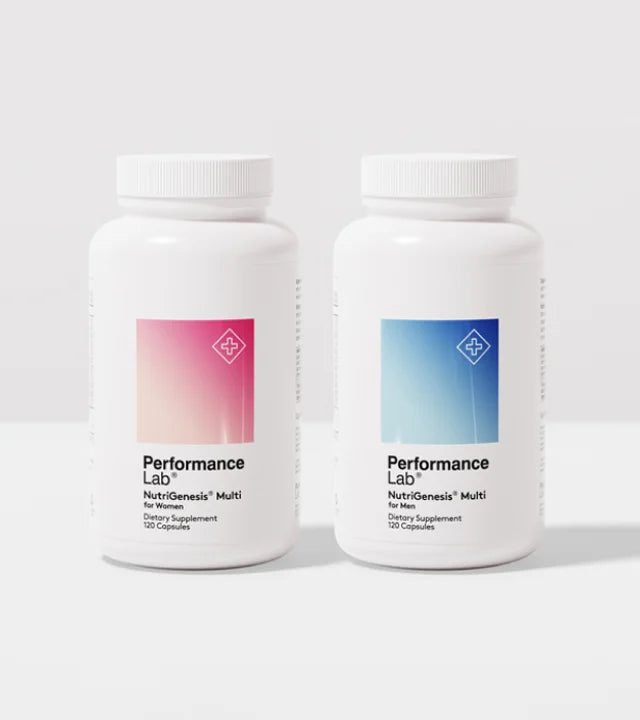
Magnesium
Magnesium is the fourth most abundant mineral in the body and is used in more than 300 biological processes, including energy production. Magnesium deficiency has been shown to impact physical performance. Symptoms of magnesium deficiency can include fatigue, loss of appetite, lethargy, muscular weakness and muscle cramps. Magnesium supplements are popular for sleep. (3)
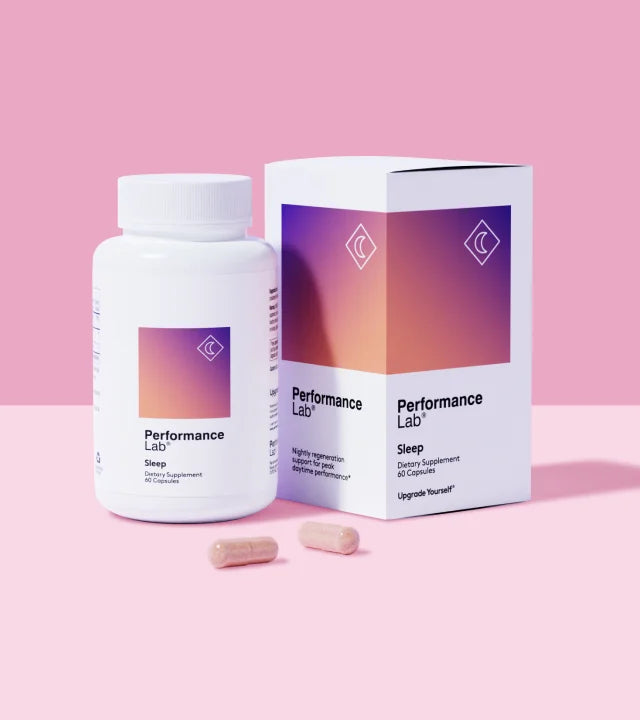
Performance Lab Sleep contains three premium forms of magnesium alongside natural melatonin from tart cherries and other sleep aids.
An immediate change in quality and consistency of sleep. I highly recommend it.Stephanie B
Don't Forget the Basics

Vitamins and other nutrients can support energy production, but the basics still matter. Before reaching for a supplement, make sure you are giving your body the foundations it needs for sustained energy.
😴 Prioritise sleep: Sleep is essential for normal daytime functioning, alertness and cognitive performance. Most adults need at least seven hours or more of quality sleep a night. Protecting nighttime sleep matters, and adding even 30 minutes can support next-day overall energy levels and sleep quality. If you nap during the day, restrict it to a 10-20 minute power nap and avoid longer naps. (9, 10)
🏃 Keep moving: Regular exercise may sound like the opposite of an energy booster, but research shows that consistent physical activity can reduce feelings of fatigue and increase energy and vitality. Aim for 150 minutes a week or 30 minutes of moderate exercise five days a week.
Movement plays a crucial role by boosting circulation, delivering oxygen to your cells, and releasing energizing endorphins that improve mood. Five-minute walking breaks and other short breaks may help with maintaining energy levels and performance through the day. (11)
🥔 Choose quality carbohydrates: Carbohydrates are an important source of fuel, particularly for active people. Choose complex carbs like whole grains, oats, potatoes, fruit, beans and other minimally processed complex carbohydrates to help maintain steady energy levels and blood sugar levels.
Complex carbs provide a steady stream of long-lasting energy rather than a quick rise followed by energy crashes. For example, oats and beans are better choices than white bread, and oats can help support stable blood sugar and avoid energy spikes.
🥑 Include healthy fats such as olive oil and coconut oil: Don't cut dietary fat too aggressively. Fats provide energy and essential fatty acids, while foods such as nuts and seeds can make a useful addition to meals and snacks.
🥚 Add protein to meals: Combining protein with carbohydrate makes meals and snacks more substantial and helps support muscle maintenance and repair, particularly if you're physically active. (12)
🍎 Pick smarter snacks: When you need something between meals, try combinations such as fruit and Greek yogurt, an apple with nut butter, oats with berries, or whole-grain toast with eggs. These energy boosting foods beat processed snacks. Dark chocolate with 70% cocoa can also offer an occasional quick boost. Pairing carbohydrate with protein or healthy fats can make a snack more satisfying.
💧 Don't forget fluids: Dehydration can contribute to poorer physical performance, particularly during prolonged or strenuous exercise. Proper hydration is essential for maintaining energy levels; you feel tired if you do not drink enough water. Even mild dehydration can reduce physical performance. Aim for at least 8 glasses daily, as hydration also supports mood and cognitive function. (13)
These natural ways to support energy rely on dietary changes and lifestyle changes rather than quick fixes, and they support overall health and help prevent fatigue. Stress management also matters for steady energy levels, because chronic stress can drain energy reserves, while yoga or deep breathing can help.
But what if your diet, nutrition, activity and sleep are on par, but you still feel a little sluggish? Or you need a bit of extra energy support to get through a busy month?
If you're dealing with severe or persistent fatigue, you should visit your doctor to rule out any underlying conditions. Otherwise, there are energy supplements that may help, but which one should you choose?
What to Look For in a Natural Energy Supplement

You've decided you want to take a supplement to help boost your energy, but what should you look for? You could take a standalone vitamin supplement or a catch-all multivitamin. Or you could opt for a new generation of natural energy boosters such as Performance Lab Energy that help raise your natural energy levels more cleanly.
Here's what we think you should look for:
-
Stim-free. While there's nothing wrong with a mild stimulant top-up now and again, it's best not to rely on one for too long.
-
Instead, look for formulas that support your body's natural energy on a cellular level. That means they target, support and encourage the mitochondria in your cells, the tiny powerhouses that create ATP energy - the energy your body uses to fuel your vitality.
-
If you do want a stimulant energy product, look for products with modest doses of caffeine that include added theanine to address any negative side effects. If you can, choose a product that also helps replenish the natural B vitamins and neurotransmitters that are depleted by caffeine. (We think Performance Lab Caffeine 2 does this perfectly) .
-
Check the ingredients list. In addition to the minerals and vitamins mentioned above, there are some great energy-boosting ingredients that you might want to look for. They include...
Best Energy Boosting 'Mitochondrial Nutrients'

-
Coenzyme Q10 (CoQ10): Protects and stimulates mitochondria; acts as a cofactor allowing mitochondria to produce more cellular ATP energy. CoQ10 is found in organ meats that many people don't want to eat, and levels fall with age. Studies suggest supplementation may help to reduce feelings of mental and physical fatigue. To supplement, we'd recommend taking it as MicroActive® Q10 combined with black pepper extract (bioperine) for better absorption. (14)
-
Pyrroloquinoline Quinone (PQQ) is an antioxidant that also protects mitochondria. It has been shown to boost the number of mitochondria, helping to boost energy production. (15)
-
R-Lipoic Acid: Protects mitochondria and strengthens their structure and performance. Recognized as an effective 'mitochondrial nutrient' alongside CoQ10 and carnitine (see below). (16)
-
Acetyl-L-Carnitine (ALCAR): An amino acid that helps to fuel mitochondria. It funnels food substrates (macronutrients) into the mitochondria, where they are broken down to produce ATP energy. ALCAR also ushers waste products out of mitochondria.
We Recommend Performance Lab Energy

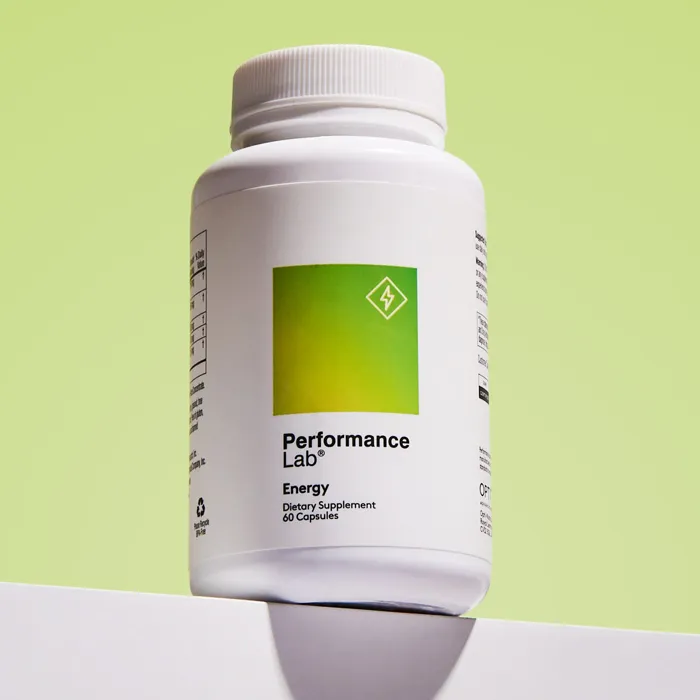
If you're looking for a natural energy supplement that targets the mitochondria in your cells and helps you to produce more of your own natural energy, we'd recommend Performance Lab Energy.
Energy includes all FOUR of the mitochondrial nutrients I mentioned above, alongside magnesium and Bioperine black pepper extract for added absorption.
For clean, stimulant-free mind and body energy at the cellular level.
What to Avoid: Jitters, Crashes and Added Sugars

Not every quick fix is a good energy strategy. Some can leave you feeling worse later, particularly when they interfere with sleep or provide plenty of calories without much nutritional value.
🍬 Go easy on sugary packaged foods
Limit sweets, candy, pastries, cookies, sugary cereals and sugar-sweetened drinks. These can add substantial amounts of free sugar without providing much nutritional value. WHO recommends keeping free sugars below 10% of daily energy intake. (20)
☕ Watch the afternoon caffeine and alcohol
If caffeine affects your sleep, avoid substantial amounts for at least six hours before bedtime. Even caffeine consumed six hours before bed has been shown to disrupt sleep in controlled research. Avoid drinking alcohol or limit alcohol at lunch to avoid a mid-afternoon slump. (19)
⚡ Be cautious with energy drinks and stimulants
Energy drinks can contain substantial amounts of caffeine, with some products providing more than 300 mg per 16 fl oz. Check the label and avoid stacking multiple caffeinated products throughout the day. (17)
A safe daily limit of caffeine is 400mg from all caffeine sources. (18)
When to see your doctor...
If your fatigue continues or worsens, this may signal an underlying medical cause. Please see your healthcare provider. If you're pregnant, please seek medical advice before taking any supplements.
Final Thoughts
If you're struggling to make it through the day without a little nap or you don't feel as energetic as you'd like to be, you may want to look at your diet, sleep patterns, exercise routine and habits. It's worth checking that you're not deficient in any of the energy-boosting vitamins and minerals mentioned above.
You may also want to try a natural energy supplement. We'd recommend you opt for one - like Performance Lab Energy - that aims to boost your own natural energy at a cellular level.
References
- Campbell. “Macronutrients, Minerals, Vitamins and Energy.” Anaesthesia & Medicine 18, no. 3 (2017): 141–146.
- Aljaadi, A. M., How, R. E., Loh, S. P., Hunt, S. E., Karakochuk, C. D., Barr, S. I., McAnena, L., Ward, M., McNulty, H., Khor, G. L., et al. “Suboptimal Biochemical Riboflavin Status Is Associated with Lower Hemoglobin and Higher Rates of Anemia in a Sample of Canadian and Malaysian Women of Reproductive Age.” Journal of Nutrition 149 (2019): 1952–1959. https://doi.org/10.1093/jn/nxz151.
- Tardy, A. L., Pouteau, E., Marquez, D., Yilmaz, C., and Scholey, A. “Vitamins and Minerals for Energy, Fatigue and Cognition: A Narrative Review of the Biochemical and Clinical Evidence.” Nutrients 12, no. 1 (2020): 228. https://doi.org/10.3390/nu12010228. PMID: 31963141; PMCID: PMC7019700.
- Huskisson, E., Maggini, S., and Ruf, M. “The Role of Vitamins and Minerals in Energy Metabolism and Well-Being.” Journal of International Medical Research (2007): 277–289.
- National Institutes of Health, Office of Dietary Supplements. “Vitamin B12.” https://ods.od.nih.gov/factsheets/VitaminB12-HealthProfessional/.
- Stabler, S. P. “Clinical Practice. Vitamin B12 Deficiency.” New England Journal of Medicine 368 (2013): 149–160. https://doi.org/10.1056/NEJMcp1113996.
- Nowak, A., Boesch, L., Andres, E., Battegay, E., Hornemann, T., Schmid, C., Bischoff-Ferrari, H. A., Suter, P. M., and Krayenbuehl, P. A. “Effect of Vitamin D3 on Self-Perceived Fatigue: A Double-Blind Randomized Placebo-Controlled Trial.” Medicine 95, no. 52 (2016): e5353. https://doi.org/10.1097/MD.0000000000005353. Erratum in Medicine 96, no. 3 (2017): e6038. https://doi.org/10.1097/MD.0000000000006038. PMID: 28033244; PMCID: PMC5207540.
- National Heart, Lung, and Blood Institute. “Iron-Deficiency Anemia.” https://www.nhlbi.nih.gov/health/anemia/iron-deficiency-anemia.
- American Academy of Sleep Medicine. “Adult Sleep Duration Health Advisory.” https://aasm.org/advocacy/position-statements/adult-sleep-duration-health-advisory/.
- Brooks, A., and Lack, L. “A Brief Afternoon Nap Following Nocturnal Sleep Restriction: Which Nap Duration Is Most Recuperative?” Sleep 29, no. 6 (2006): 831–840. https://doi.org/10.1093/sleep/29.6.831. PMID: 16796222.
- Wender, C. L. A., Manninen, M., and O'Connor, P. J. “The Effect of Chronic Exercise on Energy and Fatigue States: A Systematic Review and Meta-Analysis of Randomized Trials.” Frontiers in Psychology 13 (2022): 907637. https://doi.org/10.3389/fpsyg.2022.907637. PMID: 35726269; PMCID: PMC9206544.
- Kim, I. Y., Deutz, N. E. P., and Wolfe, R. R. “Update on Maximal Anabolic Response to Dietary Protein.” Clinical Nutrition 37, no. 2 (2018): 411–418. https://doi.org/10.1016/j.clnu.2017.05.029. PMID: 28807333; PMCID: PMC9218947.
- Shirreffs, S. M. “The Importance of Good Hydration for Work and Exercise Performance.” Nutrition Reviews 63, no. 6, pt. 2 (2005): S14–S21. https://doi.org/10.1111/j.1753-4887.2005.tb00149.x. PMID: 16028568.
- Mizuno, K., Tanaka, M., Nozaki, S., Mizuma, H., Ataka, S., Tahara, T., Sugino, T., Shirai, T., Kajimoto, Y., Kuratsune, H., Kajimoto, O., and Watanabe, Y. “Antifatigue Effects of Coenzyme Q10 during Physical Fatigue.” Nutrition 24, no. 4 (2008): 293–299. https://doi.org/10.1016/j.nut.2007.12.007. Erratum in Nutrition 24, no. 6 (2008): 616. PMID: 18272335.
- Chowanadisai, W., Bauerly, K. A., Tchaparian, E., Wong, A., Cortopassi, G. A., and Rucker, R. B. “Pyrroloquinoline Quinone Stimulates Mitochondrial Biogenesis through cAMP Response Element-Binding Protein Phosphorylation and Increased PGC-1α Expression.” Journal of Biological Chemistry 285, no. 1 (2010): 142–152. https://doi.org/10.1074/jbc.M109.030130. PMID: 19861415; PMCID: PMC2804159.
- Pagano, G., Aiello Talamanca, A., Castello, G., Cordero, M. D., d'Ischia, M., Gadaleta, M. N., Pallardó, F. V., Petrović, S., Tiano, L., and Zatterale, A. “Current Experience in Testing Mitochondrial Nutrients in Disorders Featuring Oxidative Stress and Mitochondrial Dysfunction: Rational Design of Chemoprevention Trials.” International Journal of Molecular Sciences 15, no. 11 (2014): 20169–20188. https://doi.org/10.3390/ijms151120169. PMID: 25380523; PMCID: PMC4264162.
- Nadeem, I. M., Shanmugaraj, A., Sakha, S., Horner, N. S., Ayeni, O. R., and Khan, M. “Energy Drinks and Their Adverse Health Effects: A Systematic Review and Meta-Analysis.” Sports Health 13, no. 3 (2021): 265–277. https://doi.org/10.1177/1941738120949181. PMID: 33211984; PMCID: PMC8083152.
- U.S. Food and Drug Administration. “Spilling the Beans: How Much Caffeine Is Too Much?” https://www.fda.gov/consumers/consumer-updates/spilling-beans-how-much-caffeine-too-much.
- Drake, C., Roehrs, T., Shambroom, J., and Roth, T. “Caffeine Effects on Sleep Taken 0, 3, or 6 Hours before Going to Bed.” Journal of Clinical Sleep Medicine 9, no. 11 (2013): 1195–1200. https://doi.org/10.5664/jcsm.3170. PMID: 24235903; PMCID: PMC3805807.
- World Health Organization, Healthy Diet, https://www.who.int/news-room/fact-sheets/detail/healthy-diet?