
You had a great night, but then there's the morning after... the dreaded hangover. That combination of nausea, fatigue, headache and other unwelcome hangover symptoms that ruin your day.
Maybe your own hangover cure has stopped working, or you're looking for science-backed remedies to help you feel human again.
Could a master antioxidant like glutathione be a game changer? Can glutathione alleviate hangovers?
Let's take a look at what glutathione is, how it works, and what science says about this powerful antioxidant...
Key Takeaways
- Hangovers are driven by alcohol metabolism, toxic acetaldehyde buildup, oxidative stress, and depletion of key antioxidants like glutathione.
- Glutathione plays a central role in liver detoxification by neutralizing acetaldehyde and reducing oxidative damage caused by alcohol.
- Supplemental glutathione has been shown to lower acetaldehyde levels in the body, though individual symptom relief can vary.
- Supporting the body’s antioxidant defenses may help improve recovery after drinking, alongside hydration and proper nutrition.
Introduction to Hangovers

Hangovers are an all-too-familiar aftermath of a great night out, marked by a collection of hangover symptoms such as headaches, nausea, fatigue, and dizziness.
These symptoms arise as your body works overtime to process and eliminate alcohol, with the liver playing a central role in alcohol metabolism.
When you drink, your body converts alcohol into acetaldehyde, a toxic byproduct that can trigger oxidative stress and leave you feeling worse for wear. We'll talk about this in more detail shortly.
The severity of hangover symptoms can vary from person to person, influenced by factors like the amount and type of alcohol consumed, alcohol concentration, your individual tolerance, and your overall health.
At the heart of the hangover experience are three key processes: the way your body metabolizes alcohol, the oxidative stress generated during this process, and the depletion of vital antioxidants such as glutathione.
Recent research suggests that enhancing alcohol metabolism and reducing oxidative stress may be key to alleviating hangover symptoms.
One promising approach involves the use of dietary supplements containing glutathione, which may help your body process alcohol more efficiently and recover more quickly. Understanding these underlying mechanisms is essential for finding effective strategies to manage and prevent hangovers.
We're going to examine all of this in more detail shortly, but first...
What Are Hangover Symptoms?
First, let's be clear what we're talking about - what sort of symptoms are we discussing here?
According to CNBC, American workers take an average of two sick days a year to cope with their hangovers. (1)
Typical hangover symptoms include:
-
Headache
-
Nausea
-
Fatigue
-
Dizziness
-
Stomach issues
-
Excessive thirst
-
Fuzzy head and trouble concentrating
-
Sweats and shakes
-
Poor Sleep.
If you have all of the above, expect a few hours from Hell. Why do we do it to ourselves?!
What Causes a Hangover?
Given that hangovers are pretty common, you’d expect science to know exactly why they happen, right? Well, it turns out that it’s not quite as clear as you’d think.
Why, after all the alcohol has been expelled from our body, do we still experience an alcohol hangover?
Scientists have explored different theories, but the most compelling include:
1. Dehydration.

Alcohol acts as a diuretic, meaning you pee more and lose water. And if you're drinking for several hours, you're likely not drinking much water to top it up either.
Dehydration sounds feasible, doesn't it? But, interestingly, studies don't always back it up. One study, for example, found no connection between dehydration and hangover severity. That said, it's still likely to be responsible for some symptoms, if not all, so topping up your water levels can only help.
Electrolyte imbalance may also cause fatigue and muscle cramps. (2)
2. Acetaldehyde Levels
Hangovers are likely the result of the body's alcohol metabolism, or the way in which the body processes alcohol. As I mentioned earlier, alcohol is metabolized by the liver, first broken down into a toxic byproduct called acetaldehyde - could this be responsible for our hangovers?
Let's take a quick look at the steps involved in this process.
-
Ethanol (alcohol) is broken down by an enzyme called alcohol dehydrogenase (ADH).
-
ADH transforms alcohol into acetaldehyde. Acetaldehyde is classified as a possible human carcinogen and is estimated to be 10-30 times as toxic as alcohol. The theory is that hangovers occur because of a build-up of acetaldehyde in the body. Controlled studies have shown that acetaldehyde causes skin flushing, dizziness, increased heartbeat, nausea and headaches.
Normally, acetaldehyde is quickly converted into less harmful substances, but impaired acetaldehyde metabolism can lead to alcohol metabolite accumulation. This accumulation contributes to liver disorders and alcohol associated toxicity symptoms, including hangovers. (3 - 5)
-
Luckily, for most people, acetaldehyde is fairly short-lived, broken down by another enzyme called aldehyde dehydrogenase (ALDH). Various factors, from genetic predisposition to body composition, type of drinks, length of time drinking and more, all influence how quickly ALDH can break down the toxic acetaldehyde.
-
After breakdown, it becomes a less toxic compound, called acetate.
-
Acetate is then broken down further into water and carbon dioxide, allowing the body to expel it. It's a whole process. (6)
The above path is the body's main way of processing alcohol. A secondary route is the microsomal ethanol oxidation system (MEOS).
MEOS uses a different enzyme (Cytochrome P450 2E1 - CYP2E1) to metabolize ethanol, but still creates toxic acetaldehyde. MEOS tends to become more active with chronic alcohol consumption.
Do Hangovers Get Worse with Age?
As we age, our liver metabolism changes. We may produce less ALDH, meaning acetaldehyde stays in the body for longer. Hence, we may experience worse hangovers as we get older. (7)
3. Inflammation, Oxidative Stress and Antioxidant Depletion

Scientists theorise that hangovers could also be a consequence of alcohol messing with our immune system.
As I mentioned above, excessive alcohol consumption activates cytochrome P450 2E1 (CYP2E1) - the enzyme used in the MEOS process. This produces harmful reactive oxygen species (ROS) or free radicals and depletes glutathione. We call this ethanol-induced oxidative stress.
Acute alcohol consumption disrupts redox balance and causes cellular oxidative stress, which is indicated by markers such as MDA and CYP2E1.
Chronic alcohol consumption activates these oxidative stress markers and liver oxidative stress.
What is Oxidative Stress in a Nutshell?
Oxidative stress occurs when there are too many damaging free radicals in the body compared to beneficial antioxidants, meaning the body cannot neutralize them. Leading to cell and tissue damage. GSH exerts antioxidant activity, so anything which hampers this can have significant consequences.
INFLAMMATION: Excessive alcohol consumption has also been shown to encourage the release of cytokines, the immune system's signaling molecules.
Normally, these cytokines are used to trigger an inflammatory response against infection (such as a fever). But when we drink large amounts, they're also created, potentially causing hangover symptoms such as fatigue, muscle aches, headache, irritation, fuzzy brain (technical term) and/ or nausea. (8)
A Word about Hangover Severity
Studies have shown that hangover severity is also linked to inflammatory response. The greater the biomarkers of oxidative stress and resulting inflammation, the worse the hangover. (9)
All of this can be made worse by blood sugar swings, gut irritation and lack of sleep.
Are women more susceptible to hangovers?
Men and women indeed process alcohol differently as a result of several biological factors. As a result, acetaldehyde levels may remain higher in women for longer, increasing inflammation and oxidative stress. Which means women may indeed suffer from more severe hangovers.
Glutathione’s Role in Alcohol Recovery and Hangover Symptom Relief
Those pesky free radicals I talked about earlier? You need a potent antioxidant to tackle and neutralize them, which is where glutathione comes in.
What Is Glutathione?
Glutathione is often described as a 'master antioxidant', recognized for its powerful immune support. It is found in every cell in the body and is made from three amino acids - glycine, cysteine and glutamic acid.
Glutathione has many functions, including:
-
Helping to create and repair DNA, and support DNA synthesis. (10)
-
Glutathione protects against free radicals that cause oxidative and reductive stress. (11)
-
Supporting immune function and helping to control inflammation. (12, 13)
-
Helping to regenerate vitamins C, E and A, all antioxidants or vitamins with antioxidant properties in their own right. (14)
-
Assisting with regular cell death.
-
Helping the liver and gallbladder deal with fats
-
Supporting certain enzymes to function. (15)
Low levels of glutathione are associated with a higher risk of certain illnesses and conditions, such as type 2 diabetes, cancer, Parkinson's disease and hepatitis. (16)
Given all of the above, could glutathione be useful for a hangover? Let's investigate...
Glutathione: Clinical Evidence for Alcohol Hangover Relief
The fırst thing to know when we're talking about hangovers is that while the stomach initiates alcohol metabolism, the liver is the primary organ responsible for the majority of alcohol breakdown.
As I mentioned above, this metabolism of alcohol depletes glutathione levels in the body, the liver's main antioxidant. Indeed, glutathione deficiency is central to alcoholic liver disease (ALD), with a reduction in glutathione one sign of chronic alcohol consumption.
Replacing glutathione or having GSH treatment, therefore, would seem to make logical sense.
To Note...
Everything in this article relates to orally administered glutathione - ie, supplements as opposed to injections, inhaled glutathione, topical, sublingual or other alternatives.
Let's look at some of the clinical studies that back this up...
-
Supplementing glutathione can help lower toxic acetaldehyde levels in the bloodstream.
A 2024 glutathione (GSH) study published in Nutrients magazine examined the effects of glutathione on hangover improvement in humans. Studies showed that glutathione-rich yeast extract helped to reduce blood acetaldehyde levels compared to those who took a placebo.
While this was objective evidence, data on subsequent improvements in hangover symptoms were subjective, meaning study authors couldn't conclusively link the two. Likewise, subjective improvement of hangover symptoms wasn't as pronounced, meaning other factors may still play into a hangover.
However, the study authors concluded:
"The present study shows that the administration of GSH (yeast extract containing glutathione) effectively reduces acetaldehyde levels in serum. This result suggests that this effect may contribute to the relief of hangover symptoms. These findings suggest that GSH may be an effective supplement for mitigating hangovers". (17)
-
Encourages a More Effective Breakdown of Alcohol
In an experimental study on rats exposed to alcohol, administration of glutathione enhanced the activity of key alcohol‐metabolizing enzymes, such as:
-
Alcohol dehydrogenase (ADH)
-
Aldehyde dehydrogenase (ALDH)
As we know, these enzymes are central to converting ethanol to acetaldehyde and then to the less toxic acetate, via alcohol metabolism pathways in the liver.
Animals treated with glutathione had higher ADH and ALDH activity after ethanol exposure, suggesting faster or more efficient alcohol breakdown.
Facilitating rapid alcohol metabolism may make your hangover feel less severe, though there is a danger that it limits a natural deterrent to excessive consumption. (18)
-
-
Glutathione May Help to Mitigate Oxidative Stress
The same rat study above demonstrated that glutathione-rich yeast extract helped to control hangover symptoms and alcohol metabolism in rats exposed to binge drinking.
GSH exerts antioxidant enzyme activity, which helps to inhibit ROS oxidative damage, regulating oxidative stress. This may help to temper the hepatic and neurological symptoms of hangovers and alcohol toxicity.
GSH yeast, therefore, played a role in alleviating alcohol induced behavioral patterns and boosted motor coordination.
"The findings of this study, combined with previous investigations, suggest that these compounds may alleviate the negative effects of alcohol on behavior function, emphasizing the importance of alcohol metabolism in liver in managing alcohol-induced effects." (19)
-
May Support Liver Function
Glutathione is needed to help the liver detoxify effectively. It plays a central role in supporting healthy liver function by acting as an essential substrate for glutathione S-transferase (GST) enzymes, which drive the liver’s phase II detoxification process.
These enzymes use glutathione to bind and neutralize toxic by-products, including reactive and oxidative compounds generated during alcohol metabolism.
This significantly strengthens the liver’s overall detoxification capacity, helping protect liver cells from liver oxidative stress induced by toxins and supporting efficient metabolic function. (20, 21)
Practical Implementation: When and How to Use Glutathione

There are no recognized guidelines for when and how to use glutathione as a hangover cure, but some supplement sites suggest taking glutathione 30-60 minutes before drinking, before bed, or the morning after. That’s likely to be because studies show peak absorption of N-Acetylcysteine - a precursor to glutathione - is 45–60 minutes.
Up to 500mg a day of oral glutathione is potentially safe, says WebMD. The 2024 study mentioned above used glutathione-rich yeast containing 50mg of glutathione. Our quality glutathione supplement - Performance Lab Immune - offers 250mg. More on that shortly.
Whatever supplement you choose, make sure to follow the recommended guidelines. Glutathione supplementation may elevate tissue glutathione levels, which may help mitigate alcohol-induced oxidative stress.
Alternatively, sulfur-rich foods such as beef, poultry, fish, and cruciferous vegetables (broccoli, cauliflower, kale) are believed to increase glutathione levels naturally.
Other foods naturally rich in glutathione include spinach, asparagus, avocados, and okra. However, be aware that dietary sources of glutathione tend to be poorly absorbed by the body. For this reason, you may want to consider a supplement that contains glutathione, such as Performance Lab Immune. (22, 23)
Best Glutathione Supplement
If you're looking to increase your intake of glutathione, you may want to consider a supplement. Here's the problem - many forms of glutathione supplements are poorly bioavailable with absorption issues.
That's why you either want to look for liposomal glutathione or Setria glutathione.
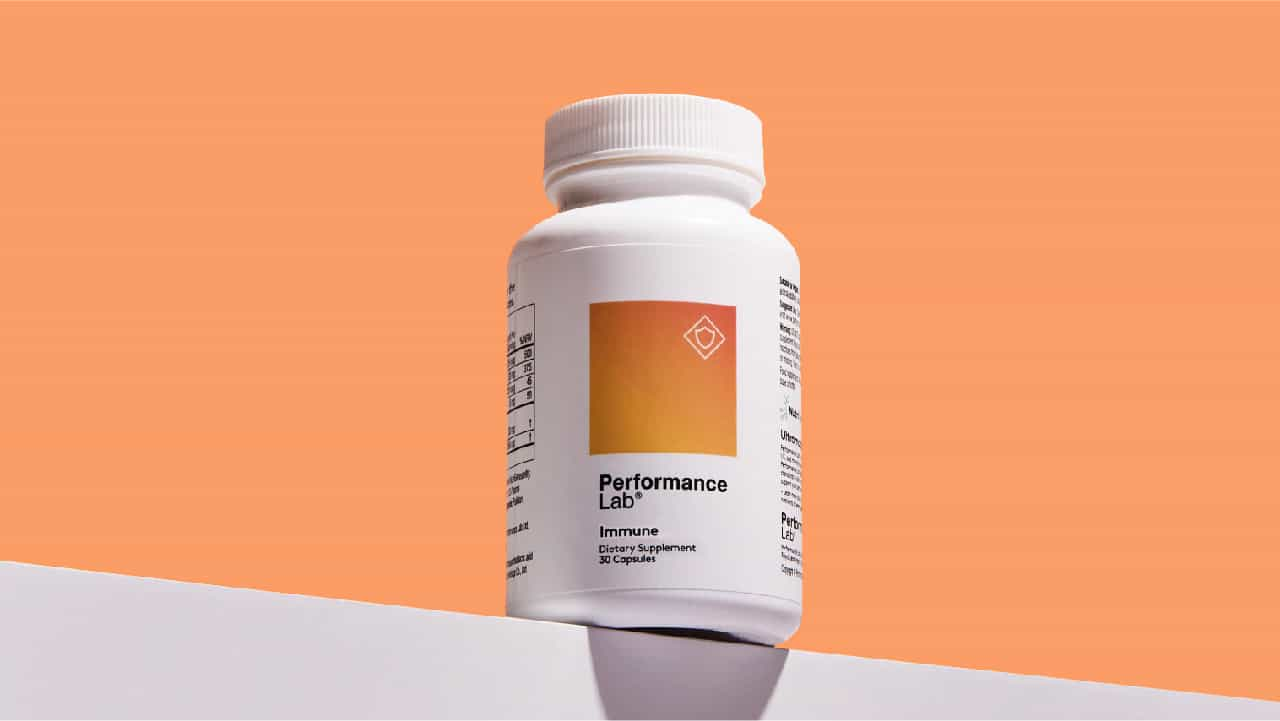
Setria glutathione - such as that found in Performance Lab Immune - is a patented quality form of highly bioavailable glutathione. A six-month study by Penn State University demonstrated that Setria GSH raised glutathione levels in the blood, as well as reducing oxidative stress. (24)
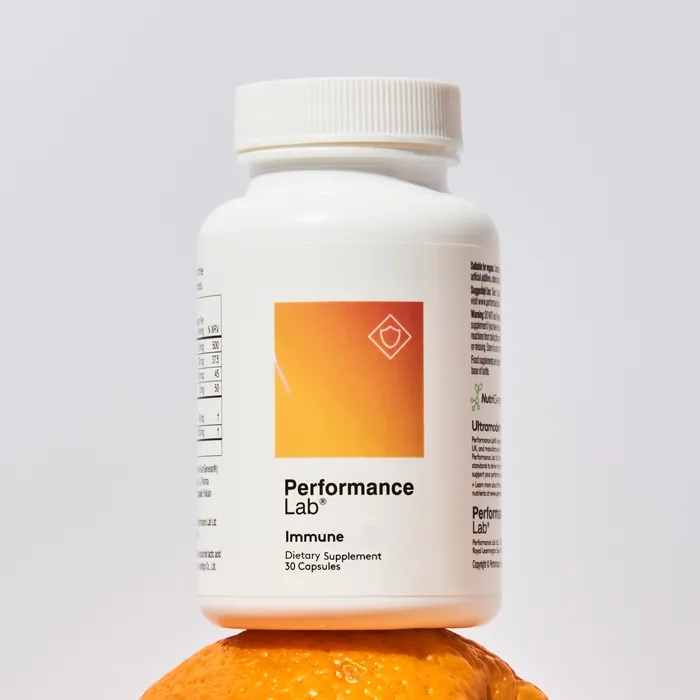
Performance Lab Immune contains 250mg of Setria glutathione, alongside LC Plasma, zinc, vitamin C, liposomal vitamin D3, and selenium. All useful ingredients when you're feeling under the weather.
Safety Considerations
Glutathione is generally considered safe for most people when taken as a supplement.
While research into glutathione is promising for various reasons, it's still early days. Which is why there is no officially recommended safe dosage of glutathione as yet.
Typical dosages for glutathione supplements or tablets range from 250mg to 1,000mg, but we'd always advise you to start with a lower dose and adjust from there. Performance Lab Immune includes 250mg of glutathione.
Potential side effects are usually associated with higher doses and may include mild digestive issues, especially when starting supplementation.
Glutathione may also react with other medications, such as blood thinners. Speak to your doctor before using if you are on any medication or have health concerns.
Alternative Methods for Hangover Improvement

While glutathione supplementation has gained attention for its potential to alleviate hangover symptoms, several other alternative methods may help improve your recovery after alcohol consumption.
Many of these approaches focus on reducing oxidative stress, supporting alcohol metabolism, and replenishing antioxidants that are depleted during drinking.
For example, consuming foods and beverages rich in antioxidants, such as ginseng, berries, and certain herbal extracts, may help regulate elevated oxidative stress and protect against alcohol associated tissue injury.
Fermented drinks like kombucha are also thought to support liver detoxification and may contribute to alleviating hangover symptoms by enhancing alcohol metabolism and reducing the build-up of toxic acetaldehyde levels.
While more research is needed to fully understand how these methods interact with individual factors like tolerance and drinking patterns, they offer valuable options for those seeking hangover symptom relief and better overall health.
Incorporating these alternatives, alongside glutathione supplementation, may help you bounce back faster after a night of drinking, supporting your body’s natural defenses against the effects of alcohol.
Final Thoughts
Research suggests that boosting your levels of the vital antioxidant glutathione may be a useful strategy for hangover prevention.
Glutathione has been shown to reduce oxidative stress and lower alcohol and acetaldehyde concentrations. It also regulates alcohol metabolism and supports the liver.
All of that said, while animal studies show promising results for glutathione in reducing hangover symptoms, human evidence is still emerging.
What makes it tricky is that the success of hangover cures or measurement via an alcohol hangover severity scale is subjective, and what works for one person may not seem to work for another. More human research is needed.
Given that glutathione is generally considered safe for most individuals when taken as a supplement, however, it may be worth a try. Performance Lab Immune is a clean glutathione supplement with no GMO, non-irradiated, allergen and synthetic additives-free.
Hydration and proper nutrition also play a significant role in managing hangover symptoms alongside any glutathione supplementation.
And.. you know... You could always avoid that last drink.
Isn't that always the one that pushes us over the edge?!
References
- American workers take an average of 2 sick days a year to nurse hangovers—here’s what that costs the economy. CNBC. March 29, 2019. Accessed online at https://www.cnbc.com/2019/03/29/us-workers-take-an-average-of-2-sick-days-a-year-to-nurse-hangovers.html
- Penning R, van Nuland M, Fliervoet LAL, Olivier B, Verster JC. The pathology of alcohol hangover. Curr Drug Abuse Rev. 2010;3(2):68-75.
- Lachenmeier DW, Sohnius EM. The role of acetaldehyde outside ethanol metabolism in the carcinogenicity of alcoholic beverages: Evidence from a large chemical survey. Food Chem Toxicol. 2008;46(8):2903-2911.
- Eriksson CJ. The role of acetaldehyde in the actions of alcohol (update 2000). Alcohol Clin Exp Res. 2001;25(5 Suppl ISBRA):15S-32S.
- Bae KY, Kim SW, Shin HY, et al. The acute effects of ethanol and acetaldehyde on physiological responses after ethanol ingestion in young healthy men with different ALDH2 genotypes. Clin Toxicol (Phila). 2012;50(4):242-249. doi:10.3109/15563650.2012.672743
- National Institute on Alcohol Abuse and Alcoholism. Alcohol’s effects on health: Alcohol metabolism. Accessed online at https://www.niaaa.nih.gov/publications/alcohol-metabolism
- Why do hangovers get worse with age? Healthline. Accessed online at https://www.healthline.com/health/why-do-hangovers-get-worse-with-age
- Your complete guide to the science of hangovers. Smithsonian Magazine. Accessed online at https://www.smithsonianmag.com/science-nature/your-complete-guide-to-the-science-of-hangovers-180948074/
- Van de Loo AJAE, Mackus M, et al. The inflammatory response to alcohol consumption and its role in the pathology of alcohol hangover. J Clin Med. 2020;9(7):2081.
- Chatterjee A. Reduced glutathione: A radioprotector or a modulator of DNA-repair activity? Nutrients. 2013;5(2):525-542.
- Luque-Ceballos JC, Rodríguez-Zamora P, López-Olivos JC, Garzón IL. Revisiting the scavenging activity of glutathione: Free radicals diversity and reaction mechanisms. Comput Theor Chem. 2023;1227:114227.
- Perricone C, De Carolis C, Perricone R. Glutathione: A key player in autoimmunity. Autoimmun Rev. 2009;8(8):697-701.
- Abnousian A, Vasquez J, Sasaninia K, Kelley M, Venketaraman V. Glutathione modulates efficacious changes in the immune response against tuberculosis. Biomedicines. 2023;11(5):1340.
- Biswas P, Dellanoce C, Vezzoli A, et al. Antioxidant activity with increased endogenous levels of vitamin C, E and A following dietary supplementation with a combination of glutathione and resveratrol precursors. Nutrients. 2020;12(11):3224.
- Glutathione benefits. Healthline. Accessed online at https://www.healthline.com/health/glutathione-benefits
- Health benefits of glutathione. WebMD. Accessed online at https://www.webmd.com/diet/health-benefits-glutathione
- Song G, Han H, Park S, et al. Effects of GSH on alcohol metabolism and hangover improvement in humans: A randomized double-blind placebo-controlled crossover clinical trial. Nutrients. 2024;16(19):3262.
- Lee HY, Lee GH, Kim DS, et al. Glutathione’s role in liver metabolism and hangover symptom relief: Dysregulation of protein S-glutathionylation and antioxidant enzymes. Biomol Ther (Seoul). 2025;33(1):117-128. doi:10.4062/biomolther.2024.182
- Lee HY, Lee GH, Kim DS, et al. Glutathione’s role in liver metabolism and hangover symptom relief: Dysregulation of protein S-glutathionylation and antioxidant enzymes. Biomol Ther (Seoul). 2025;33(1):117-128. doi:10.4062/biomolther.2024.182
- Chen Y, Han M, Matsumoto A, et al. Glutathione and transsulfuration in alcohol-associated tissue injury and carcinogenesis. Adv Exp Med Biol. 2018;1032:37-53. doi:10.1007/978-3-319-98788-0_3
- Yuan L, Kaplowitz N. Glutathione in liver diseases and hepatotoxicity. Mol Aspects Med. 2009;30(1-2):29-41. doi:10.1016/j.mam.2008.08.003
- Coppersmith V, Hudgins S, Stoltzfus J, et al. The use of N-acetylcysteine in the prevention of hangover: A randomized trial. Sci Rep. 2021;11:13397.
- 10 natural ways to increase your glutathione levels. Healthline. Accessed online at https://www.healthline.com/nutrition/how-to-increase-glutathione
- Richie JP Jr, Nichenametla S, Neidig W, et al. Randomized controlled trial of oral glutathione supplementation on body stores of glutathione. Eur J Nutr. 2015;54(2):251-263.