

Nearly a third of the world’s population has an iodine deficiency.
Recent data shows iodine status is falling in the U.S., likely because of changes in agricultural practices and dietary patterns. Simply put, there are less minerals in the soil and in our foods than there used to be. (1, 2)
Why is this such a concern? Because this trace mineral plays a big part in our health - and that of our unborn babies.
Adequate iodine intake is crucial for thyroid health, boosting energy levels, and promoting overall well-being, as well as for the brain development of babies and children. Plus, the ongoing cognitive function of adults.
This article will examine the benefits of iodine, discuss iodine supplementation and recommend what we believe is the best iodine supplement on the market today.
Key Takeaways
- Iodine is an essential trace mineral needed for thyroid hormone production, metabolism and energy, and cognitive health throughout life.
- Modern diets and declining soil mineral content mean iodine deficiency is increasingly common, even in industrialized countries.
- Pregnant and breastfeeding women have higher iodine needs, as iodine plays a critical role in fetal and infant brain development.
- Supplementation can help fill dietary gaps, but dosing matters. Too little and too much iodine can both disrupt thyroid function.
All About Iodine

Iodine is a mineral that is essential for thyroid hormone synthesis, making the important thyroid hormones triiodothyronine (T3) and thyroxine (T4), alongside the amino acid tyrosine.
Thyroid health plays several crucial roles in the body, from converting food into energy to influencing brain development in the womb and beyond, and more.
Learn about Iodine Supplementation 101
These hormones literally influence every organ and cell in your body. We’re going to examine the benefits of iodine in more depth below, but it’s worth a quick summary now.
Iodine is important for:
-
Thyroid support - helping to regulate the metabolism, weight, heart rate, body temperature and more. Inadequate thyroid hormone production can result from iodine deficiency, leading to hypothyroidism and related health issues such as goiter and developmental deficits.
-
Pregnancy and breastfeeding - iodine deficiency can cause neurological deficits in babies and children.
-
Cognitive function in adults - needed to aid concentration, learning, memory and more.
-
Antioxidant Support - iodine acts as an ‘ancestral antioxidant’ helping to protect cells. It also helps to regulate inflammation.
Learn more about Iodine Supplements Benefits and Risks
Recommended Daily Iodine Intake
-
Adults: 150 mcg of iodine.
-
Pregnant women: 220mcg
-
Breastfeeding women: 290mcg. (3)
Sources of Iodine

Sources of iodine include:
-
Iodized salt. In the U.S. table salt contains iodine and is now the most common form of iodine for most Americans. Until then, low iodine levels were common in the U.S. Note that speciality salts such as Himalayan salt don’t contain iodine.
-
Seafood and seaweed. Iodine is naturally found in the ocean. Kelp, a type of seaweed, provides a natural source of iodine, but its iodine content can vary widely, so quality testing is important for safety. Some iodine supplements are made from certified organic kelp or seaweed.
-
Fortified foods such as bread, milk and cereal
-
Eggs and dairy products (iodine content of the latter often varies, depending on the cows’ diet).
-
Supplements. Iodine supplements or multivitamins containing iodine, such as Performance Lab Iodine or Performance Lab NutriGenesis Multi are available.
Fruits and Vegetables
The iodine content of fruit and vegetables depends on the soil they’re grown in, and they are typically poor sources of iodine. Cruciferous vegetables such as cabbage, kale and broccoli can even interfere with iodine uptake. (4)
At Risk Groups for Low Iodine Levels
As I said earlier, surveys show us that iodine levels in the United States are falling, most likely due to agricultural processes and dietary patterns. So even if we’re eating the right things, we may not be getting as much of the mineral as we think.
Vegans and people who don’t eat fish or dairy, or who don’t eat iodized salt, are at higher risk for an iodine deficiency or low iodine levels. So are people who live in low iodine areas.
Pregnant and breastfeeding women might also struggle to add enough iodine to their diets due to their increased need for it.
Please see a healthcare provider if you're pregnant to discuss prenatal vitamins. You may require more iodine, but it is important that iodine intake is tailored and monitored to avoid excessive intake.
Symptoms of Iodine Deficiency
Iodine deficiency can have various symptoms including:
-
Tiredness and confusion
-
Puffy or dry skin, thinning hair
-
Constipation
-
Depression
-
Gaining weight
-
Goiter or enlarged thyroid gland, noticeable by a lump in the neck
-
Plus, potential pregnancy complications and/ or development delays. (5)
About Iodine Supplements

What should you do if you’re one of the groups above, at risk of low iodine? Or if you want to make sure you're covering all your nutritional bases?
We’d always recommend following a balanced diet before taking supplements, adding iodized salt and/ or iodine-rich foods to your daily routine. However, if that’s not possible for any reason (or food is likely to be lower in iodine where you live), you may want to consider taking iodine supplements.
The American Academy of Pediatrics already recommends that pregnant women take an iodine supplement of at least 150mcg per day. Before starting any iodine supplement, please consult a healthcare professional to determine the appropriate dosage and avoid potential risks.
Iodine in Clinical Trials
Clinical trials have shown that iodine supplementation increases iodine levels in urine, a sign that iodine tablets can be absorbed well. It does so without disrupting thyroid function. (6)
Types of Iodine Dietary Supplements
There are many types of iodine dietary supplements available on the market today. You can find standalone iodine supplements in various forms, both natural and synthetic, as well as iodine included in multivitamins and others.
Iodine supplements are often available as capsules, organic iodine drops, liquid drops, and liquid iodine supplements, providing options for different preferences and needs. Iodine is also available in two-thirds of prenatal vitamins on average. (Please do check and seek medical advice first).(7)
Iodine supplements may include:
-
Popular synthetic supplements, which often include potassium iodide and sodium iodide.
-
Natural iodine supplements, often made from kelp or seaweed, though these may not be as bioavailable. The amount of iodine in kelp supplements can vary depending on species, harvest location, season and processing. (8)
-
Nascent iodine may be marked as highly bioavailable, but there’s little clinical evidence of that so far.
-
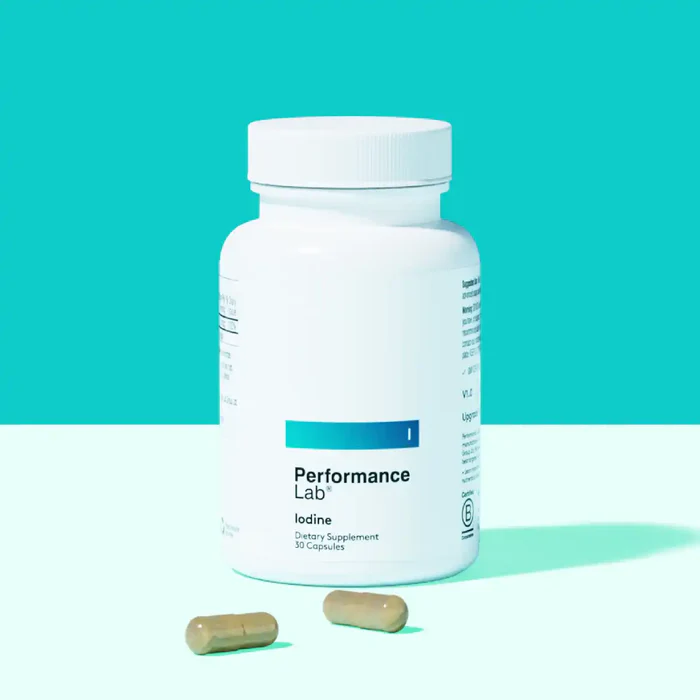
We have an alternative for you - Performance Lab Iodine, a nature-identical supplemental iodine with a guaranteed 150mcg of iodine per serving.
The Best Iodine Supplement
About Performance Lab Iodine

We think Performance Lab Iodine is pretty special. That's because it delivers a guaranteed consistent 150 mcg per capsule - the exact daily recommended amount for adults - in a form that's identical to that found in nature. Designed to be highly bioavailable. All thanks to our pioneering NutriGenesis manufacturing process.
About NutriGenesis
-
NutriGenesis creates nature-identical nutrients.
-
It's a manufacturing process that cultivates yeast and plant cultures alongside carbohydrates, proteins, enzymes and antioxidants.
-
This creates nutrients with a whole food-like profile.
-
It creates nutrients with improved bioavailability which tend to be better tolerated compared to many synthetic supplements.
Clean Vegan Formula
-
Performance Lab Iodine is vegan friendly with prebiotic capsules that contain no gelatin or cellulose.
-
It is free of GMO and non-irradiated
-
It is free of artificial preservatives and synthetic additives.
In Conclusion....
Performance Lab NutriGenesis Multi delivers nature-identical iodine in a form your body recognises easily. Unlike kelp supplements with wildly varying iodine levels, Performance Lab Iodine provides a biological nutrient form that mirrors that found in whole food in a consistent daily dose that you can trust.
Precisely 150 mcg iodine per capsule, with no guesswork, no variability.
Clean supplementation without unnecessary fillers - just the nutrient you need, no artificial fillers, allergens, or confusing blends. And no excessive doses.
Health Risks of Excess Iodine Intake
As we already know, this essential mineral is needed for optimal thyroid function and overall health. The thyroid gland relies on iodine to produce thyroid hormones.
Danger of Being Iodine Deficient
Getting enough iodine is crucial, as inadequate iodine intake can lead to iodine deficiency, which may cause thyroid dysfunction, cognitive impairment, and even increase the risk of thyroid cancer.
Danger of Too Much Iodine
However, it’s not just a lack of iodine that can cause problems - excessive iodine intake can also disrupt thyroid hormone balance, potentially leading to thyroid disorders such as overactive thyroid, hormonal imbalances, or even certain types of thyroid cancer. As well as stomach pain, nausea, vomiting and more
That’s why it’s important to aim for adequate iodine intake, not too little and not too much.
Upper Limit for Iodine
The upper tolerable limit of iodine per day for adults (including pregnant and breastfeeding women) is 1,100mcg a day. Be sure not to exceed this.
For those who struggle to get enough iodine from food alone, iodine supplements may help support thyroid health and prevent iodine deficiency.
Remember, iodine is an essential trace element, and both too little and too much can impact your thyroid function and overall well-being. Strive for balance, and consider your dietary sources and any supplements carefully to maintain optimal health.

Health Benefits of Iodine
If you’re still not sure about the full benefits of iodine, let’s examine them in more detail.
1. Iodine and Thyroid Health

As I mentioned, iodine is a crucial building block for thyroid hormones. These hormones help to:
-
Influence your metabolism and determine how your body transforms calories into energy.
-
This can have a knock on effect on weight gain (or loss) and your energy levels.
-
Influences your heart rate to speed up or slow down
-
Raises or lowers body temperature
-
Affects the contraction of muscles
-
Affects brain development of the fetus in pregnancy and children in infancy.
The immune system can also be affected by iodine status, especially in autoimmune thyroid conditions like Hashimoto's Thyroiditis, where iodine intake may influence immune responses related to thyroid health.
As you can see, iodine is important for several vital jobs in the body. Too little iodine and your body may struggle to make enough thyroid hormone.
2. Iodine in Pregnancy and Breastfeeding

Let’s discuss number six above in a little more detail because it’s a critical issue.
During the first trimester or first three months of pregnancy, a fetus cannot make its own thyroid hormones and must rely on the mother. (A baby starts making its own thyroid hormones after 12 weeks, though doesn’t make enough until 18-20 weeks). (9)
This time in early pregnancy is also when a lot of important brain development occurs - which the mother’s thyroid hormones contribute to.
“Iodine deficiency disorders are the single greatest contributor to preventable brain damage in fetuses and infants and arrested psychomotor development in children.” - scientists. (10)
Experts agree that severe iodine deficiency can cause significant damage to babies’ development, but what about mild to moderate deficiency?
Research shows it may still have an impact. For instance…
IQ studies
-
Surveys of 6,000-plus mothers and children in Netherlands, UK and Spain discovered that children’s verbal IQ was lower among those whose mothers had low iodine levels in their first trimester. (7)
-
Another meta-analysis found that people living in iodine-deficient regions, where soil and food iodine levels are low, had average IQ scores that were 13.5 points lower than those in iodine-sufficient areas. (11)
“Growing evidence suggests that even mild to moderate iodine insufficiency during pregnancy and lactation may adversely affect neurodevelopmental outcomes in offspring.” (12)
The best time to take iodine is before or during early pregnancy, though it has proved useful in the second trimester too. Iodine intake is important among breastfeeding women too. (13)
Recommended Iodine Intake in Pregnancy and when Breastfeeding
The FDA says:
-
Pregnant women need 220mcg of iodine a day.
-
Breastfeeding women need 290mcg of iodine a day. (3)
The Bad News:
-
The National Health and Nutrition Examination Survey states that many pregnant women consume insufficient iodine. (14)
-
47% of breastfeeding women likely don’t provide enough iodine to their babies via their breast milk alone. (7)
SUPPLEMENT RECOMMENDATION: The American Academy of Pediatrics and American Thyroid Association recommend pregnant and/ or breastfeeding women, or women planning a pregnancy, should take a daily supplement containing at least 150mcg of iodine a day. Plus eat iodized salt and iodine-rich foods.
Please speak to your health provider about prenatal supplements. Note that not all prenatal supplements contain iodine. (15)
3. Iodine and Adult Cognitive Function
Iodine supports learning, memory and concentration in adulthood and throughout life. Severe underactive thyroid, for example (one potential consequence of iodine deficiency) affects verbal memory, language, intelligence, executive function, and more.
UNICEF and the WHO state that preventing iodine deficiency among communities helps with the 'subtle retention of mental potential'. (16)
4. Iodine, Inflammation and Antioxidants
Some research suggests that iodine may exhibit antioxidant properties. It may also help to control inflammation as the body responds to any infection. (17, 18)
Can Iodine Help with Weight?
Thyroid hormones regulate metabolism and consequently weight gain or loss, so adequate iodine may be one element of maintaining a healthy weight. (19)
Tips for Choosing the Best Iodine Supplements for Your Needs
Assuming you're convinced of the need for an iodine supplement, here's what we'd recommend you consider when choosing one.
-
Consider the form, dosage, and quality of the product. Quality iodine supplements are produced by reputable companies in facilities that maintain high manufacturing standards.
-
Research respectable and proven manufacturers. It's essential to vet the quality and purity of iodine supplements by choosing reputable brands that are transparent about their ingredients and manufacturing practices.
-
Avoid high doses unless under medical supervision. 150mcg is the daily recommended amount for adults, but some supplements provide much higher amounts.
-
Look for third-party certificates and verifications. Performance Lab Iodine is third party tested and approved vegan by the Vegetarian Society.
-
Check the ingredient label of iodine supplements for potential allergens, fillers, or additives that could affect your health.
As a reminder, Performance Lab Iodine comes from a proven manufacturer, provides the recommended daily amount and no more, and is third-party verified and checked.
Warning
Iodine supplements can interact with certain medications, such as antithyroid medications, and can exacerbate certain health conditions, such as autoimmune thyroid disease. This information is not exhaustive and is for educational purposes only.
Always consult a physician before taking any supplement if you have or suspect you have a medical condition, or if you take prescription medication.
Final Thoughts
Iodine is essential for thyroid function, metabolism, brain health, and overall wellbeing, but modern diets can fall short. Food alone can’t always provide enough, and supplementation may be a smart choice.
Performance Lab Iodine delivers 150 mcg of nature-identical iodine per capsule in a clean, vegan-friendly formula your body recognises and absorbs efficiently. No guesswork, no fillers, just the nutrient you need to support energy, focus, and long-term health.
References
- Hatch-McChesney, A., and H. R. Lieberman. “Iodine and Iodine Deficiency: A Comprehensive Review of a Re-Emerging Issue.” Nutrients, vol. 14, no. 17, 2022, p. 3474. https://doi.org/10.3390/nu14173474
- Lee, K. W., M. S. Cho, D. Shin, and W. O. Song. “Changes in Iodine Status among US Adults, 2001–2012.” International Journal of Food Sciences and Nutrition, vol. 67, no. 2, 2016, pp. 184–194. https://doi.org/10.3109/09637486.2016.1144717
- National Institutes of Health, Office of Dietary Supplements. Iodine: Fact Sheet for Consumers. https://ods.od.nih.gov/factsheets/Iodine-Consumer/
- Cleveland Clinic. Iodine Deficiency. https://my.clevelandclinic.org/health/diseases/23417-iodine-deficiency
- Healthdirect Australia. Iodine and Your Health. https://www.healthdirect.gov.au/iodine#why
- Ma, Z. F., B. J. Venn, P. J. Manning, C. M. Cameron, and S. A. Skeaff. “Iodine Supplementation of Mildly Iodine-Deficient Adults Lowers Thyroglobulin: A Randomized Controlled Trial.” The Journal of Clinical Endocrinology & Metabolism, vol. 101, no. 4, 2016, pp. 1737–1744. https://doi.org/10.1210/jc.2015-3591
- National Institutes of Health, Office of Dietary Supplements. Iodine: Fact Sheet for Health Professionals. https://ods.od.nih.gov/factsheets/Iodine-HealthProfessional/
- Aquaron, R., F. Delange, P. Marchal, V. Lognoné, and L. Ninane. “Bioavailability of Seaweed Iodine in Human Beings.” Cellular and Molecular Biology, vol. 48, no. 5, 2002, pp. 563–569.
- National Institute of Diabetes and Digestive and Kidney Diseases. Thyroid Disease and Pregnancy. https://www.niddk.nih.gov/health-information/endocrine-diseases/pregnancy-thyroid-disease
- Choudhry, H., and M. Nasrullah. “Iodine Consumption and Cognitive Performance: Confirmation of Adequate Consumption.” Food Science & Nutrition, vol. 6, no. 6, 2018, pp. 1341–1351. https://doi.org/10.1002/fsn3.694
- Bleichrodt, N., and M. P. Born. “A Meta-Analysis of Research on Iodine and Its Relationship to Cognitive Development.” The Damaged Brain of Iodine Deficiency, edited by J. B. Stanbury, Cognizant Communication Corporation, 1994, pp. 195–200.
- Ma, Z. F., and L. Brough. “Effect of Iodine Nutrition during Pregnancy and Lactation on Child Cognitive Outcomes: A Review.” Nutrients, vol. 17, no. 12, 2025, p. 2016. https://doi.org/10.3390/nu17122016
- Brough, L., Y. Jin, N. H. Shukri, Z. R. Wharemate, J. L. Weber, and J. Coad. “Iodine Intake and Status during Pregnancy and Lactation before and after Government Initiatives to Improve Iodine Status in Palmerston North, New Zealand: A Pilot Study.” Maternal & Child Nutrition, vol. 11, 2015, pp. 646–655. https://doi.org/10.1111/mcn.12055
- Patel, A., S. Y. Lee, A. Stagnaro-Green, D. MacKay, A. W. Wong, and E. N. Pearce. “Iodine Content of the Best-Selling United States Adult and Prenatal Multivitamin Preparations.” Thyroid, vol. 29, no. 1, 2019, pp. 124–127.
- World Health Organization, and UNICEF. Iodine Deficiency in Europe: A Continuing Public Health Problem. https://iris.who.int/
- Aceves, C., I. Mendieta, B. Anguiano, and E. Delgado-González. “Molecular Iodine Has Extrathyroidal Effects as an Antioxidant, Differentiator, and Immunomodulator.” International Journal of Molecular Sciences, vol. 22, no. 3, 2021, p. 1228. https://doi.org/10.3390/ijms22031228
- Lecube, A., C. Zafon, A. Gromaz, J. M. Fort, E. Caubet, J. A. Baena, and F. Tortosa. “Iodine Deficiency Is Higher in Morbid Obesity in Comparison with Late after Bariatric Surgery and Non-Obese Women.” Obesity Surgery, vol. 25, no. 1, 2015, pp. 85–89.