

Key Takeaways: Choosing the Best Spice for Anti-Inflammatory Support
- Certain spices, in certain doses and combinations, can act as mild molecular "off dials" — turning down inflammatory agents like CRP (C-reactive protein). (1)
- Top spices include turmeric, ginger, cinnamon, cayenne pepper, cloves, garlic, and rosemary.
- Pair turmeric with black pepper and healthy fats to boost its absorption in the gut. (2, 3)
- Crush garlic and wait 10 minutes before cooking to activate its medicinal allicin. (4)
- Consistent, small daily servings of spices are better than high sporadic doses.
Many of us love the taste spices add to food. But did you know that these nutrient powerhouses also complement your biology?
The same aromatic compounds that give turmeric its golden color and ginger its spicy kick also work at the cellular level to influence your body's inflammatory pathways. (5, 6)
If you're looking to:
- Support the healthy function of gut, joints, and other bodily systems
- Optimize recovery
- Contribute to your overall wellness
Then you should consider spices featured in today's guide.
But here is the key part:
You need to use these spices in the right way in order to get the most out of them. We'll help you with that today.
This guide explores the best spices for anti-inflammatory support, how to use them (and how much), and other key factors to remember for getting the most out of spices, safely.
When Inflammation Goes "Haywire"
Inflammation (latin word inflammatio, which means "a setting on fire") is a normal biological function that helps your body deal with injuries and infections.
However, this process sometimes lasts too long, or is too extreme — remaining activated without an active threat.
This can be due to various reasons, such as lifestyle factors and autoimmune diseases. In this case, excessive and chronic inflammation can wreak havoc in the body. Scientists link chronic inflammation to many diseases, including cancer and diabetes.
The Role of Spices in Inflammation
There's no replacement for professional help and medications when it comes to dealing with inflammatory health conditions like rheumatoid arthritis. Only a licensed health professional is meant to properly diagnose and treat you.
That said, spices can play a supportive role in general wellness. They are an important part of a healthy diet — helping your body and immune system perform their normal functions.
Did you know? Epidemiological studies suggest that populations consuming spices regularly have better overall health. (29)
Got Inflammation? These are the 9 Best Spices for You
At their core, spices are concentrated sources of bioactive compounds like:
- Polyphenols
- Antioxidants
- Volatile oils
These interact with your cells and turn down inflammatory enzymes like COX-2 and others that can contribute to pain, swelling, and tissue damage. (1)
Bear in mind: because they are powerful, spices don't need to be consumed in huge amounts. Taking excessive doses (whether through diet or supplements) is not advised if you're taking blood thinners or other medications.
With that said, here are the top 9 options:
Ginger - for Digestion & Inflammation

One of the first spices to be exported from Asia, ginger has been used in traditional medicine for over 5,000 years.
Ginger has many anti-inflammatory properties. This is thanks to its active ingredients, gingerols and shogaols. These are best known for aiding your digestion, but they are also studied for something else: their anti-inflammatory potential. (6)
Ginger's natural compounds have been shown to play a supportive role in:
- Joint comfort
- Post-workout muscle recovery
- Immune system functions
Dosage? Ginger is considered to be safe for most healthy people when taken in normal dosages, which studies show are between 1-3 grams per day. (7)
How to use? You can make ginger tea, stir-fries, juices, or simply take it as a powder or supplement. If you're feeling bold enough, you can even cut a small piece of fresh ginger and chew on it. Be warned though, if you haven't tried it before, it can be too intense for some people!
Turmeric - The Gold Standard Spice

Turmeric, a bright yellow spice, is known for its anti-inflammatory properties and has been utilized in traditional medicine for millenia.
Turmeric contains multiple anti-inflammatory agents, including a special compound called curcumin. (8, 9)
Curcumin gives turmeric its golden color and appears to be the key player behind turmeric's effects.
This includes:
- Supporting normal inflammatory responses in the body
- Helping with cognition
- Aiding movement & wellness in those with joint pain.
Other potential but unconfirmed effects of curcumin include supporting weight loss, metabolism and blood sugar control, and liver function, among others.
Dosage? A common dosage range is 1-3 g of raw turmeric daily, or 500-1500 mg per day of curcumin supplements and extracts. The average Indian diet, rich in turmeric, provides about 60-100 mg of curcumin per day, which is within the dose range that the World Health Organization deems as acceptable. (10) Turmeric is generally safe for most healthy people, especially when taken in light dosages (more is not always better!). Rare and isolated reports of severe side effects exist, sometimes when turmeric is taken in high doses.
Keep this in mind, though:
- Your body can't absorb turmeric well on its own. More precisely, its active compound curcumin stays mostly in the digestive tract.
- That is, unless it is paired with black pepper which contains piperine that can significantly boost curcumin absorption. (2)
- There are also other methods and technologies that can increase curcumin absorption, often utilized in premium supplements.
How to use? As golden milk (turmeric+black pepper+plant-based or animal milk, optionally with some cinnamon and a drizzle of MCT oil for healthy fats and improved absorption). You can also use turmeric for making curries and smoothies, just to name a few.
Cinnamon - for Blood Sugar Balance

Cinnamon is a delicious and versatile spice made from the bark of Cinnamomum verum tree.
Cinnamon is not just helpful for "fighting" inflammation and general health, but it also has antimicrobial and antioxidant properties. (12, 13)
A 2025 paper published in the Aging Cell Journal mentions that cinnamon may potentially support cellular health, brain function, and perhaps its most notable effect — encouraging normal blood sugar levels. (11)
There's just one caveat to remember:
-
Be mindful of the type of cinnamon you pick. There is ceylon cinnamon and cassia cinnamon.
Ceylon cinnamon is also called "true cinnamon", known for its mild aroma, excellent safety profile, and a higher price compared to cassia cinnamon.
The cassia variant has higher levels of coumarin, a molecule that enhances cinnamon's sweet flavor, but it can also be toxic to the liver in high amounts. Experts recommend avoiding consuming high amounts of coumarin through daily cassia cinnamon use to protect your liver.
Dosage? 0.5-3 grams per day for up to 6 months appears to be safe for most people. However, the exact optimal dose range is not yet clear. (14)
How to use? Sprinkle on top of your oatmeal, add to coffee or smoothies.
Cayenne Pepper - for Supporting Pain Relief

Cayenne pepper is a source of capsaicin, a compound that gives hot peppers their spicy flavor and heat. Furthermore, capsaicin depletes "substance P" — a pain transmitter. (15)
Capsaicin can desensitize nerves, including pain sensory nerves. For this reason, people often use it in creams to help soothe minor aches.
In fact, some branded forms of topical capsaicin are approved by the FDA for treating certain types of nerve pain. (16)
As for oral intake, capsaicin might hold some promise, but studies are limited and inconclusive. When ingested in small amounts, whether through food like chilli peppers or dietary supplements, capsaicin may have small anti-inflammatory effects in your body.
Dosage and how to use? Best used as a cream on skin for specific aches or discomfort. You can also consume it in small amounts as a part of a anti-inflammatory diet. If taking supplements, typical safe dosages range from 1.2-12 mg of capsaicin. (17)
Black Pepper - for Bioavailability

Most of us don't consume black pepper on its own, but rather as a part of a meal to enhance the flavor.
It's the same way with its health effects. While black pepper is known for having anti-bacterial and anti-inflammatory properties, it works best when combined with other ingredients — complementing their effects. The most famous example is curcumin from turmeric + piperine from black pepper. (2)
However, black pepper's compounds can also interfere with the absorption of some medications if taken in high amounts (like in supplements), so make sure to talk to your doctor before taking black pepper extracts or other concentrated sources of piperine.
Dosage? If taking black pepper to enhance the efficacy of curcumin in turmeric, experts recommend taking 5 mg of piperine for every 500 mg of curcumin. (18) As for normal everyday consumption, black pepper is incredibly versatile and can work well with most salty and some sweet dishes.
How to use? Best used in small amounts by grinding it over meals.
Cloves - for Potent Antioxidant Support

Cloves are among the spices (and foods in general) with the highest antioxidant capacity in the world. Scientific research suggests that cloves may have antiviral, anti-bacterial, and analgesic (pain-numbing) effects. (19)
Many of these effects seem to come from eugenol, a type of polyphenol in cloves that can help reduce inflammation, ease discomfort, and neutralize harmful reactive oxygen species.
In turn, this may have a beneficial effect on how your body manages inflammation.
Dosage and how to use? A few servings of cloves per week naturally included in your diet is all you need. They help bring warm and spicy aroma to curries, desserts, and chutneys. You can also boil whole cloves for 5-10 minutes to make healthy tea.
Cardamom - for Potential Anti-Inflammatory Benefits & General Wellness

Native to evergreen forests of India, Sri Lanka, and Southeast Asia, cardamom (also known as "Queen of Spices) is a sweet spice abundant in anti-inflammatory plant compounds like quercetin and kaempferol. (20)
These compounds may support your body's ability to neutralize oxidative stress and reduce inflammation, aiding digestion as well as heart, liver, and respiratory health.
Dosage and how to use? It's not clear what the optimal supplement dosage of cardamom is. Like with many other spices on this list, it's best to use it with your meals. For example, you can add cardamom to teas, coffee, or oatmeal.
Rosemary - for Respiratory & Cognition-related Inflammation

Rosemary is an aromatic herb, but it's commonly used as a seasoning in Mediterranean cuisine.
It contains rosmarinic acid, which is an anti-inflammatory compound. Rosmarinic acid has been studied for its supportive role in respiratory health and cognition. (21)
How does rosmarinic acid work exactly? According to studies, it modulates pro-inflammatory pathways like NF-κB.
The activation of NF-κB is a crucial factor in the inflammatory response and is linked to many health issues.
It's been suggested that the supportive effects of rosmarinic acid may help the body in managing inflammation. (22)
Rosemary also has other antioxidants that may work together with rosmarinic acid to aid cellular processes.
Dosage? Traditional uses include 2 grams of leaves or 2-4 grams of stem, simmered in water for 10-20 minutes. Due to a lack of scientific evidence, there's no known "best" dose for rosemary at the moment. Supplements tend to use 350-500 mg of rosemary leaf per serving, but this can vary from brand to brand.
How to use? You can use rosemary for cooking Mediterranean-style dishes, brewing tea, inhaling its essential oil for wellness benefits, or taking supplements.
Garlic - for the Immune System

Last, but by no means least, we have garlic.
Multiple studies have shown the potential of garlic to support immune system functioning, circulation, and blood pressure.
It achieves these effects in many ways, including by modulating inflammatory cytokines. (23, 24)
Garlic might also play a positive role in cardiovascular and joint health. Higher doses in supplements are better studied than lower amounts found in foods, though both can work.
Dosage: 3-5 cloves of fresh garlic with meals spread throughout the day, or 600-1200 mg of garlic extract if taking a supplement. (25)
How to use? If using raw garlic, ensure you crush it or cut it into small pieces, then leave it out for 10 minutes before consumption, so that garlic's key compound, allicin, can activate upon contact with air. Garlic goes well with most savory dishes. As for supplements, make sure to follow label instructions or your doctor's advice.
What Is the Most Anti-Inflammatory Spice?

According to available evidence, the most anti-inflammatory spice might be turmeric. Its main compound, curcumin, is among the most researched health supplements. Numerous studies and tens of thousands of published papers mention curcumin on PubMed alone. (26)
The big reason why turmeric (curcumin) is so popular is because of its potential to support multiple bodily functions — delivering a wide range of effects. This includes liver health, brain function, joint comfort, and digestion.
Did you know?
While turmeric is the most popular spice for health benefits, Boswellia Serrata (Indian Frankincense) is among the most popular anti-inflammatory herbs, specifically for joints.
Boswellia can help reduce the 5-LOX pro-inflammatory marker that is rampant during chronic inflammation. (27). Some evidence shows they may work better together for joint health. (28)
As good as turmeric might be, science still doesn't fully understand how it works (and how well it works). Remember that your experience may vary.
Turmeric vs. Cinnamon: Which Is More Anti-Inflammatory?

When comparing anti-inflammatory spices from our guide, how do they stack up against each other? The truth is that often, spices work best together, or as a part of an overall varied and nutritious diet.
Let's look at the example of turmeric and cinnamon.
Turmeric is more studied for general inflammation. Cinnamon, on the other hand, is more often studied for glucose control.
If strictly focusing on joint health and general inflammation, turmeric might be more suitable. However, they are complementary, not competitors. Consider stacking them to target different aspects of the inflammatory response.
Further Reading: Top Anti Inflammatory Herbs and Herbal Supplements
Practical Application: The Best Homemade Anti-Inflammatories

Here are two practical spice formulations you can try at home to kickstart your own wellness routine:
-
The "Golden Performance Latte": A crisp, science-backed recipe using 1 cup of milk (plant-based or animal-based both work), 2 tsp of turmeric, 1 teaspoon of freshly grated ginger, 1/2 teaspoon of cinnamon, and 1/4 teaspoon of freshly ground black pepper in a healthy fat base (like 1 tbsp of coconut or MCT oil) for maximum absorption. Optionally add 1 tsp of raw honey to taste.
-
The "Recovery Tonic": 8 oz of warm water + 1-2 tbsp apple cider vinegar + 1/2 tsp fresh ginger + a pinch of cayenne for a morning metabolism and inflammation balance.
Anti-Inflammatory Sauces: Flavor with a Purpose
Many active compounds, like curcumin in turmeric, are fat-soluble. Pairing them with healthy fats in a sauce can boost their bioavailability.
If you're able to, skip the store-bought versions and do it yourself, batch prepping something like this:
1. Golden Tahini Drizzle
Best for: Roasted vegetables like cauliflower, sweet potatoes, or quinoa bowls.
- 1/4 cup Tahini (well-stirred)
- 1/2 teaspoon Turmeric (ground)
- 1/4 teaspoon Black pepper (freshly ground is best to activate the turmeric)
- 2 tablespoons Lemon juice (about half a lemon)
- 2–3 tablespoons Warm water (add one at a time to reach desired drizzling consistency)
- Optional: A pinch of sea salt
2. Ginger-Garlic Marinade
Best for: Salmon, chicken, tofu, or stir-fry vegetables.
- 1/4 cup Extra virgin olive oil
- 1 tablespoon Fresh ginger (grated)
- 2 cloves Garlic (minced)
- 1/2 teaspoon Turmeric (ground)
- 1/4 teaspoon Cayenne pepper (adjust based on heat preference)
- 1 tablespoon Tamari or soy sauce (for depth of flavor)
3. Honey-Mustard Turmeric Vinaigrette
Best for: Kale salads, massaged greens, or drizzled over roasted carrots.
- 1/3 cup Extra virgin olive oil
- 2 tablespoons Apple cider vinegar
- 1 tablespoon Raw honey
- 1 teaspoon Dijon mustard
- 1/2 teaspoon Turmeric (ground)
- 1/2 teaspoon Ground ginger (or 1 teaspoon freshly grated)
- 1/8 teaspoon Black pepper
4. A Bold Cinnamon-Cayenne Chimichurri
Best for: Grilled lean meats, roasted potatoes, or even as a bold topping for avocado toast.
- 1/2 cup Fresh parsley (finely chopped)
- 1/2 cup Fresh cilantro (finely chopped)
- 2 cloves Garlic (minced)
- 1/4 teaspoon Ground cinnamon
- 1/8 to 1/4 teaspoon Cayenne pepper
- 2 tablespoons Red wine vinegar
- 1/3 cup Extra virgin olive oil
- 1/2 teaspoon Dried oregano
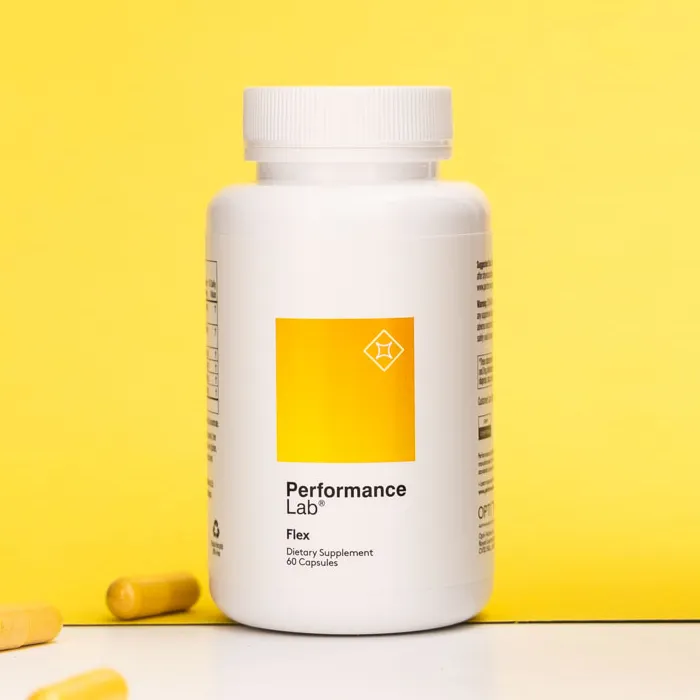
Performance Lab® Flex: Ultramodern Joint Support

Spices can be powerful. However, targeted supplementation takes things a step further in delivering specific nutrients, in specific combinations, as standardized extracts.
Natural supplements offer a convenient way to consume spices like turmeric without the hassle of preparation.
Enter Performance Lab® Flex. A 100% plant-based joint health formula with the potent turmeric spice and complementary star ingredients.
The Formula Advantage:
- CurcuWIN® Turmeric (250mg): Formulated to be 46 times more absorbable than standard curcumin, while sticking to a safe daily dose.
- AprèsFlex® Boswellia Serrata (100mg): Shown in clinical studies to aid joint health.
- Phytodroitin™ & OptiMSM®: Basic nutrients that may support normal joint & cartilage functions.
Flex is best used as a part of a broader anti-inflammatory strategy, including a healthy diet that includes spices explored in this guide.
Simply take 2 capsules per day, and optionally another 2 later in the day whenever you need additional support.
Yes, the sulfur compounds in garlic such as allicin inhibit inflammatory pathways. Crush it 10 minutes before cooking to unlock allicin before turning on the heat.
Yes, because its cinnamaldehyde blocks tissue-damaging proteins. Putting some on your oatmeal also mildly helps to balance the spike of a high-carb breakfast.
If anything, it's the opposite — bell peppers may have mild anti-inflammatory properties due to vitamin C and quercetin that neutralize cell-damaging free radicals. Especially when eaten raw.
Black pepper indeed has some anti-inflammatory properties of its own. However, it specializes in supporting the absorption of other anti-inflammatory compounds like curcumin.
Yes, the capsaicin in red pepper may have mild anti-inflammatory properties. It helps lower "Substance P", a chemical that transmits pain signals. This makes it a popular addition to pain relief creams.
To a small degree, yes. Its high capsaicin content may help ease local discomfort when applied topically. It can also modestly influence pro-inflammatory cytokines when ingested through cayenne pepper. The optimal dosage for oral consumption, however, is unknown.
Yes, chillies contain antioxidants that help with oxidative stress. Adding them to, for example, fresh salsas, may gently support your body's immune cell responses.
Yes, curry that contains turmeric has anti-inflammatory properties. Simmering it with healthy fats like coconut milk helps "unlock" key nutrients like curcumin.
There's no food that literally "flushes out" inflammation, but the following contribute to a healthy inflammatory profile:
- Antioxidant-rich berries and leafy greens
- Herbs and spices
- Olive oil and omega-3 fatty fish
At the same time, avoid "pro-inflammatory" drivers, which are pure white sugar (a.k.a refined sugars) and low-quality refined oils.
Summary of The Best Anti-Inflammatory Herbs and Spices
If you leave this guide with one key insight, it's this:
Consistency over intensity. Looking at the many potential benefits of spices, it's easy to think that more is better. But too much can actually be counterproductive.
Instead, utilizing these spices regularly in your diet or through high-quality, gentle supplements is the smart way to go.
To this end, check out Performance Lab® Flex — a high-purity, bioavailable formula for comfortable joints. It uses multiple patented ingredients, including the "gold standard" turmeric spice to complement your wellness routine.
References
- van Breemen, R. B., Tao, Y., & Li, W. (2011). Cyclooxygenase-2 inhibitors in ginger (Zingiber officinale). Fitoterapia, 82(1), 38–43. https://doi.org/10.1016/j.fitote.2010.09.004
- Khajeh Pour, S., Blanton, C., Ghimire, B., & Aghazadeh-Habashi, A. (2023). Development of a rapid, sensitive, and selective LC-MS/MS method for quantifying curcumin levels in healthy human urine: Effect of pepper on curcumin bioavailability. Food science & nutrition, 11(12), 7732–7741. https://doi.org/10.1002/fsn3.3691
- Stohs, S. J., Chen, O., Ray, S. D., Ji, J., Bucci, L. R., & Preuss, H. G. (2020). Highly Bioavailable Forms of Curcumin and Promising Avenues for Curcumin-Based Research and Application: A Review. Molecules (Basel, Switzerland), 25(6), 1397. https://doi.org/10.3390/molecules25061397
- Farhat, Z., Scheving, T., Aga, D. S., Hershberger, P. A., Freudenheim, J. L., Hageman Blair, R., Mammen, M. J., & Mu, L. (2023). Antioxidant and Antiproliferative Activities of Several Garlic Forms. Nutrients, 15(19), 4099. https://doi.org/10.3390/nu15194099
- El-Saadony, M. T., Saad, A. M., Mohammed, D. M., Alkafaas, S. S., Ghosh, S., Negm, S. H., Salem, H. M., Fahmy, M. A., Mosa, W. F. A., Ibrahim, E. H., AbuQamar, S. F., & El-Tarabily, K. A. (2025). Curcumin, an active component of turmeric: biological activities, nutritional aspects, immunological, bioavailability, and human health benefits - a comprehensive review. Frontiers in immunology, 16, 1603018. https://pmc.ncbi.nlm.nih.gov/articles/PMC12408333/
- Semwal, R. B., Semwal, D. K., Combrinck, S., & Viljoen, A. M. (2015). Gingerols and shogaols: Important nutraceutical principles from ginger. Phytochemistry, 117, 554–568. https://doi.org/10.1016/j.phytochem.2015.07.012
- Anh, N. H., Kim, S. J., Long, N. P., Min, J. E., Yoon, Y. C., Lee, E. G., Kim, M., Kim, T. J., Yang, Y. Y., Son, E. Y., Yoon, S. J., Diem, N. C., Kim, H. M., & Kwon, S. W. (2020). Ginger on Human Health: A Comprehensive Systematic Review of 109 Randomized Controlled Trials. Nutrients, 12(1), 157. https://doi.org/10.3390/nu12010157
- Prasad, S., & Aggarwal, B. B. (2011). Turmeric, the golden spice: From traditional medicine to modern medicine. In I. F. F. Benzie & S. Wachtel-Galor (Eds.), Herbal medicine: Biomolecular and clinical aspects (2nd ed., Chapter 13). CRC Press/Taylor & Francis. https://www.ncbi.nlm.nih.gov/books/NBK92752/
- Xu, Q., Lian, H., Zhou, R., Gu, Z., Wu, J., Wu, Y., & Li, Z. (2025). Curcumin and multiple health outcomes: critical umbrella review of intervention meta-analyses. Frontiers in pharmacology, 16, 1601204. https://pmc.ncbi.nlm.nih.gov/articles/PMC12176752/
- Amalraj, A., Pius, A., Gopi, S., & Gopi, S. (2016). Biological activities of curcuminoids, other biomolecules from turmeric and their derivatives - A review. Journal of traditional and complementary medicine, 7(2), 205–233. https://doi.org/10.1016/j.jtcme.2016.05.005
- Guo, Y., Zhang, Q., Zhang, B., Pan, T., Ronan, E. A., Huffman, A., He, Y., Inoki, K., Liu, J., & Xu, X. Z. S. (2025). Dietary cinnamon promotes longevity and extends healthspan via mTORC1 and autophagy signaling. Aging cell, 24(4), e14448. https://doi.org/10.1111/acel.14448
- Jafari, A., Mardani, H., Faghfouri, A. H., AhmadianMoghaddam, M., Musazadeh, V., & Alaghi, A. (2025). The effect of cinnamon supplementation on cardiovascular risk factors in adults: a GRADE assessed systematic review, dose-response and meta-analysis of randomized controlled trials. Journal of health, population, and nutrition, 44(1), 233. https://pmc.ncbi.nlm.nih.gov/articles/PMC12224812/#notes2
- Gou, H., Zhong, L., Wei, Q., & Fan, Y. (2025). The effects of cinnamon on patients with metabolic diseases: an umbrella review of meta-analyses of randomized controlled trials. Frontiers in nutrition, 12, 1683477. https://pubmed.ncbi.nlm.nih.gov/41256917/
- WebMD. (n.d.). Ceylon cinnamon. WebMD. Retrieved January 22, 2026, from https://www.webmd.com/vitamins/ai/ingredientmono-330/ceylon-cinnamon
- Chang, A., Rosani, A., & Quick, J. (2023). Capsaicin. In StatPearls [Internet]. StatPearls Publishing. Retrieved January 22, 2026, from https://www.ncbi.nlm.nih.gov/books/NBK459168/
- Laklouk, M., & Baranidharan, G. (2016). Profile of the capsaicin 8% patch for the management of neuropathic pain associated with postherpetic neuralgia: safety, efficacy, and patient acceptability. Patient preference and adherence, 10, 1913–1918. https://doi.org/10.2147/PPA.S76506
- Examine.com. (2024, March 3). Capsaicin benefits, dosage, and side effects. Examine.com. https://examine.com/supplements/capsaicin/
- Examine.com. (n.d.). Curcumin benefits, dosage, and side effects. Examine.com. Retrieved January 22, 2026, from https://examine.com/supplements/curcumin/
- Cortés-Rojas, D. F., de Souza, C. R., & Oliveira, W. P. (2014). Clove (Syzygium aromaticum): a precious spice. Asian Pacific journal of tropical biomedicine, 4(2), 90–96. https://pmc.ncbi.nlm.nih.gov/articles/PMC3819475/#s6
- Bano, S., Majumder, A., Srivastava, A., & Nayak, K. B. (2024). Deciphering the Potentials of Cardamom in Cancer Prevention and Therapy: From Kitchen to Clinic. Biomolecules, 14(9), 1166. https://doi.org/10.3390/biom14091166
- Momeni Safarabadi, A., Gholami, M., Kordestani-Moghadam, P., Ghaderi, R., & Birjandi, M. (2024). The effect of rosemary hydroalcoholic extract on cognitive function and activities of daily living of patients with chronic obstructive pulmonary disease (COPD): A clinical trial. Explore (New York, N.Y.), 20(3), 362–370. https://doi.org/10.1016/j.explore.2023.09.008
- Lee, H., Jeong, G. H., Lee, S. S., Lee, K.-B., Park, S., Kim, T. H., Bai, H.-W., & Chung, B. Y. (2025). Rosmarinosin A inhibits inflammatory response in lipopolysaccharide-induced RAW 264.7 macrophages via suppressing NF-κB and MAPK signaling pathway. Molecules, 30(18), 3752. https://doi.org/10.3390/molecules30183752
- Huang, J., Trych, U., & Marszałek, K. (2026). Unraveling Health Benefits of Garlic (Allium sativum L.): Investigating the Influence of Processing Methods. Comprehensive reviews in food science and food safety, 25(1), e70357. https://doi.org/10.1111/1541-4337.70357
- Vecchi, V., Sabbioni, G., Altieri, M. T., Breveglieri, G., Costa, S., Marchetti, F., Gugel, I., Vertuani, S., & Borgatti, M. (2025). Black Garlic: Evolution of the Chemical Composition and Broad Biological Activities. Journal of agricultural and food chemistry, 73(44), 27933–27949. https://doi.org/10.1021/acs.jafc.5c09705
- Examine.com. (2025, September 3). Garlic benefits, dosage, and side effects. Examine.com. https://examine.com/supplements/garlic/
- Lai, Y., Jiang, J., Zhang, H., & Gong, K. (2024). Bibliometric Analysis of Curcumin Based on CiteSpace: Landscapes, Hotspots, and Frontiers. Drug design, development and therapy, 18, 5743–5758. https://doi.org/10.2147/DDDT.S494758
- Mahto, K., Kuwar, O. K., Maloo, A., & Kumar, A. (2025). Therapeutic potential of Boswellia serrata in arthritis management: mechanistic insights into COX-2, 5-LOX, and NFĸB modulation. Inflammopharmacology, 33(9), 5085–5096. https://pubmed.ncbi.nlm.nih.gov/40810753/
- Sethi, V., Garg, M., Herve, M., & Mobasheri, A. (2022). Potential complementary and/or synergistic effects of curcumin and boswellic acids for management of osteoarthritis. Therapeutic advances in musculoskeletal disease, 14, 1759720X221124545. https://doi.org/10.1177/1759720X221124545
- Clinical Trial Service Unit & Epidemiological Studies Unit. (2015, August 6). Regular consumption of spicy foods linked to lower risk of death. University of Oxford, Clinical Trial Service Unit & Epidemiological Studies Unit. https://www.ctsu.ox.ac.uk/news/regular-consumption-of-spicy-foods-linked-to-lower-risk-of-death