

Key Takeaways
- Turmeric, ginger, and Boswellia serrata lead the pack in natural anti-inflammatories.
- To get the most out of these plants, you sometimes need specific dosages or "boosters," like pairing turmeric with black pepper to up its effectiveness.
- Natural anti-inflammatories like garlic and green tea provide systemic support for cardiovascular and immune health.
- While these herbs are natural, they don't work the same for everyone, so always chat with your doctor if you’re on medication or pregnant.
We all know the saying: "too much of a good thing is bad." As it turns out, inflammation perfectly fits that description.
Inflammation is a natural and vital immune response. But when it turns chronic, it can become a silent health killer. In fact, 50% of all global deaths are attributed to inflammation-related diseases. (1)
While only a doctor can treat inflammatory diseases, the role of an anti-inflammatory diet in keeping the healthy body isn't to be underestimated.
Certain dietary compounds act as molecular switches, turning off pro-inflammatory cytokines like TNF-α to promote systemic balance. This is where anti-inflammatory herbs come in.
Although most herbal extracts and natural supplements aren't conclusively proven to work, a small number of anti-inflammatory herbs have decent scientific backing that they may help some people.
These include:
- Curcumin: Helps block the inflammation-triggering NF-κB pathway.
- Ginger: Eases oxidative stress.
- Boswellia: Inhibits the pro-inflammatory 5-LOX enzyme and supports joint cartilage.
These herbs support joint health, digestion, and overall cellular protection by influencing inflammatory pathways.
But here is the key part:
Some herbal supplements are difficult to absorb, while others need to be taken in specific ways and in specific amounts in order to get the most out of them.
Curious how to unlock their full potential? This science-backed guide has you covered!
What Is Inflammation & How Herbs Can Help

Inflammation is your immune system's response to injury, infections, or harmful stimuli like damaged cells or irritants.
The goal of your body with acute inflammation is to remove the problem. It's an extremely complex and clever mechanism that allows your body to defend and heal itself.
The Chronic Inflammation Problem
However, for many of us, inflammation sometimes lasts longer than it should.
This can be due to an autoimmune disease where your body mistakenly identifies harmless molecules or healthy tissues in the body as enemies and starts attacking them, or because of other factors.
Ongoing, chronic inflammation can damage the body and contribute to health conditions like rheumatoid arthritis, diabetes, and elevated blood pressure. (2)
Did you know?
Research published in 2025 explores the theory that chronic inflammation can be triggered by "Molecular Mimicry".
This is when the immune system mistakes the body's own healthy tissue for viruses and bacteria that look almost identical to the body's cells.
The immune system tries to attack the virus, but then gets confused and keeps attacking the body even after the virus is gone.
This leads to a persistent spike in markers like C-reactive protein (CRP) and TNF-α, which affects everything from joints to brain health. (3)
Herbs found in this guide can support your body in dealing with this process.
Why Your Inflammatory Markers Matter
You might notice that some studies mention the term “inflammatory markers”, such as tumor necrosis factor-alpha (TNF-α) and interleukin-1 beta (IL-1β). (3)
In essence, these are signs of inflammation in the body. Reducing these markers might also reduce inflammation, resulting in knock-on benefits for overall health.
That’s where anti-inflammatory compounds and herbs come into play.
Clinical trials using scientific methods often compare the effects of anti-inflammatory herbs to a placebo group to measure changes in these inflammatory markers.
While they are not medications or instant fixes with therapeutic effects (e.g. reducing joint pain), herbs and natural supplements can gently support your body’s inflammatory response by helping to modulate inflammatory pathways like COX-2 and NF-κB, among others.
Without further ado, let’s now delve into the most effective options.
Top Anti-Inflammatory Herbs & Spices
|
1. HERB |
2. WHY |
|
Turmeric |
Blocks NF-κB and COX-2 pathways to ease inflammatory signals. |
|
Ginger |
Helps lower oxidative stress and works well with turmeric. |
|
Boswellia |
Inhibits the 5-LOX enzyme to support joint cartilage. |
|
Garlic |
Has sulfur compounds that reduce pro-inflammatory cytokines. |
|
Green Tea |
Delivers EGCG antioxidants to shield cells from damage. |
|
Cayenne |
Contains capsaicin that is used to reduce pain and inflammation. |
|
Borage |
Supplies GLA that may ease inflammation-related discomfort. |
1. Turmeric (Curcumin)

Turmeric is an herb from the ginger family and a staple in Indian cuisine. It's been used as a herbal remedy in traditional medicine for over 4000 years, although science has only recently been catching up on its effects.
Turmeric targets multiple inflammatory pathways. Numerous studies attribute this wide-ranging effect to its active compound curcumin, which has potential benefits for the body and brain.
Curcumin is mentioned in 40000-45000+ research papers and is one of the most studied natural supplements in the context of health. Multiple clinical trials show beneficial effects, though they are not conclusive.
A 2025 umbrella review states that while the quality of evidence has considerable room for improvement, curcumin may have positive effects on (4):
- Inflammatory markers and oxidative stress
- Joint function
- Gut health
- Musculoskeletal function
- Ulcerative colitis
With that said, curcumin works better for some than for others.
For example, multiple studies show it can relieve inflammation and increase antioxidant activity in the body. But, some experts suggest it may not be as effective in people with chronic inflammatory conditions, such as rheumatic diseases and joint swelling, though some studies do find positive results. (5, 6)
Black pepper enhances the absorption of curcumin in turmeric by up to 2000%, thanks to piperine in black pepper, which has anti-inflammatory properties of its own. Supplements that enhance curcumin absorption via phytosome-lipid technology can also work.
Optimal dosage? There's no official one-size-fits-all dosage, but for inflammation and other general purposes, curcumin is often taken in doses of 500-1500 mg per day as a supplement. WHO states that an acceptable dose is 0-3 mg per kilogram (about 1.4mg per pound). (7) It's always best to stick to the lower end of the dosage range as the long-term safety of high doses is not yet clear.
Easy turmeric recipes:
- Golden milk: warm 1 cup of milk (dairy and plant-based both work) with 2 teaspoons of turmeric, a pinch of black pepper, and sweeten with honey or another preferred sweetener. You can also add some grated ginger for synergistic support.
- Turmeric tea: steep 1 teaspoon of turmeric in hot water with lemon and honey added a bit later to preserve the nutrients from heat. Add a bit of black pepper for absorption.
2. Ginger

Ginger is most commonly used for muscle pain, joint pain (including knee pain), and nausea relief, though the degree of evidence for each of these uses varies. (26, 27)
While ginger possesses anti-inflammatory properties similar to its relative turmeric, it targets inflammation through different compounds — most notably, gingerols and shogaols. It's been shown to reduce inflammatory markers such as TNF-α and IL-1β.
This makes turmeric and ginger a popular "stack". They are often taken together for potentially synergistic effects. (26, 27)
Optimal dosage? Studies have found successful results at doses of 500-1500 mg of ginger powder per day. (8) You can also use ginger naturally in teas, stir-fried, marinades, and baked goods, although fresh or supplemental ginger might work best if looking to get the most out of its anti-inflammatory properties.
An easy ginger recipe:
- Ginger Shot: peel 1-2 inch piece of fresh ginger, put it into a blender together with juice from half a lemon, 1/4 cup of water or more if needed, 1 tsp of honey or another sweetener of choice, and optionally 1 tsp of turmeric with a pinch of black pepper. Water-rinse your mouth from lemon acidity after drinking to protect teeth.
3. Green Tea

Green tea is a popular herbal tea originating from China. Its benefits mainly come from its catechins. These are beneficial antioxidants that play a role in protecting your body from free radicals and inflammation.
The most interesting catechin is called EGCG (Epigallocatechin Gallate). Studies suggest EGCG has anti-inflammatory and antioxidant properties that support heart health, brain function, metabolic health, and overall wellness.
Optimal dosage? As little as one cup of green tea may contain around 50 mg of its key active compound EGCG. (12) However, drinking 3 to 5 cups per day may provide greater antioxidant support. (13) For supplementation, take no more than 500 mg of green tea extract per day. Drinking or supplementing excessively high amounts of green tea can have a countereffect — promoting oxidative stress instead of protecting from it. (14) Those with liver issues should avoid green tea extracts altogether.
Making healthy green tea:
- Add a pinch of loose-leaf green tea directly into a mug of hot but not boiling water (about 175°F or 80°C). Drink once the leaves have naturally sunk to the bottom. We recommend avoiding tea bags due to potential microplastic concerns.
4. Boswellia Serrata (Indian Frankincense)

Boswellia serrata is a unique, slow-growing tree that seeps a resin with beneficial compounds, called Boswellic Acids.
These acids are shown to target the 5-LOX enzyme, which, though an essential part of your immune defenses, is notorious for its involvement in chronic inflammation.
In other words?
If you struggle with joint-specific discomfort, Boswellia serrata might be one of the top supplements to try.
However, while the early data looks promising, it's important to remember that Boswellia isn't a medicine or natural remedy but rather a supportive add-on to a healthy lifestyle, and studies are still not conclusive.
Optimal dosage? Standard Boswellia supplements often contain between 1000-2400 mg of Boswellia per daily serving. Labeled formulations such as AprèsFlex in Performance Lab® Flex are designed to have more of the key boswellic acids (including AKBA), which is why the recommended dose is much lower at 100-250 mg per day. (17)
5. Garlic

Garlic is one of the most sulfur-rich foods. Your body uses these sulfurs to make glutathione, the king antioxidant that protects cells from damage and excessive inflammation.
In addition, garlic has anti-inflammatory effects of its own. These medicinal properties include supporting wound healing and immune function. Garlic is also commonly used for cardiovascular health, liver function, and joint comfort.
In part, garlic's effects appear be the result of its active component called allicin, which converts to diallyl disulfide, a potent antioxidant.
Optimal dosage? Studies tend to use doses of 300-1200+ mg of garlic supplements per day. (9, 10, 11) If eating raw garlic, the minimum dose is one clove eaten with meals two to three times per day. Chewing well helps you absorb more of allicin. You can add garlic to a variety of dishes, including sauces, soups, salads, and roasted vegetables to take advantage of its anti-inflammatory effects. If you take concentrated garlic supplements, stick to the lower end of recommended doses to avoid any potential side effects.
Easy ways to incorporate garlic into your routine:
- Simple minced garlic: Mince one or two cloves of raw garlic, let it sit for 10 minutes to activate allicin, then swallow the bits like a pill with a glass of water. If worried about garlic breath, eat an apple afterwards, which contains enzymes that help neutralize any lingering smells.
- Garlic with raw honey: Stir one finely minced garlic clove into a tablespoon of raw honey, let it sit for 10 minutes, and swallow it plain or spread it on a crisp apple slice.
6. Cayenne/Chili (Capsaicin)

Ever wondered why cayenne pepper feels so hot when you eat it? It's due to its active ingredient called capsaicin, which activates your pain receptors.
Interestingly, when capsaicin is applied topically on the skin, it helps relieve pain.
Capsaicin also sometimes finds its way into supplements due to antioxidant and anti-inflammatory effects. (15)
The potential health benefits of capsaicin extend to digestion, metabolism, joint comfort, and cardiovascular health.
Optimal dosage? There's not enough evidence to show a clear optimal dosage range. Some studies have used up to 135 mg of capsaicin per day, though this is far beyond what most supplements use. (16) A good place to start is sprinkling some cayenne pepper on your meals. If taking supplements, avoid them on an empty stomach and don't exceed dosage recommendations on the label.
Practical & simple recipes to benefit from cayenne pepper (capsaicin):
- Honeyed cayenne pepper water: Stir a pinch of cayenne pepper into 8oz of warm water with a teaspoon of raw honey to support circulation without "scorching" your throat.
- Hot avocado toast: Sprinkle a tiny pinch of cayenne onto a slice of avocado toast; the healthy fats in the avocado help prevent capsaicin molecules from stinging your tongue.
7. Borage (Borago officinalis)

Borage, or starflower, is an annual Mediterranean plant whose seeds contain beneficial anti-inflammatory oils — most notably, gamma-linoleic acid (GLA).
In some studies, GLA has been shown to have a therapeutic potential for suppressing pro-inflammatory markers called TNF-α and PGE2.
Randomized controlled trials show 36-64% improvement in joint comfort results over 6 months of consuming borage seed oil. (18)
But how does this translate to real-world uses? People use Borage for a variety of wellness goals:
- Skin conditions like eczema and atopic dermatitis
- Respiratory health
- Mood & well-being
That said, clinical evidence is limited and doesn't support all of these uses. Studies show mixed and inconsistent results — at best, the positive effects might be mild. This is why borage is further down on our list.
It's also worth noting that Borage leaves contain potential liver toxins (pyrrolizidine alkaloids), so always opt for seed oil, not leaves, when considering supplementation.
Optimal dosage? There's limited evidence on Borage's optimal dose. We've looked into some popular supplements, and many tend to use 1,000+ mg of borage seed oil per serving. Whatever your supplement of choice, be sure to follow the label instructions and talk to your doctor beforehand if you have a condition.
8. Honorable mentions: Cardamom, Rosemary, Cinnamon, Cloves, Primrose Oil
These spices and herbs are rich in antioxidants that may help your body better regulate inflammation processes. (19, 20, 21, 22, 23, 24)
For example, rosemary contains rosmarinic acid and carnosic acid that "soothe" oxidative stress. You can go with either fresh or dried rosemary, but generally, we prefer going with fresh herbs whenever possible.
You can use herbs like rosemary and garlic as a part of a varied diet to enhance flavors of savory dishes or marinades. Cinnamon can easily be used in sweet and savory dishes such as oatmeal, smoothies, curries, and baked goods to benefit from its anti-inflammatory potential.
However, some of them, like evening primrose oil, should be avoided if you're pregnant, on medications, or dealing with health conditions.
Remember that our guide is not medical advice - for that, you'll need to see a healthcare professional.
See also: Top Anti-Inflammatory Spices
Strongest Anti-Inflammatory Supplement Options
Alongside herbs, what are generally the strongest natural anti-inflammatory supplements that you can find on the market?
The following are top science-backed contenders:
- Omega-3 fatty acids (moderate to strong evidence) - these include EPA and DHA, most commonly found in fish but also in vegan sources like algae. Alongside curcumin, omega-3s are arguably the most researched anti-inflammatory supplement available.
- Vitamin D (moderate evidence) - research suggests that over a billion people worldwide might be deficient or insufficient in vitamin D. (28) One of the potential consequences is increased inflammation. On the other hand, correcting deficiency through supplementation can be a game-changer for some people.
- Zinc (moderate evidence) - zinc is an essential mineral and immune regulator that affects about 80 enzymes and hundreds of bodily processes. (25) Many people are deficient, with supplementation linked to anti-oxidant and anti-inflammatory effects.
If you're overwhelmed with the number of herbs and options, we hear you. Why not start simple — with a supplement that has multiple clinically-backed ingredients.
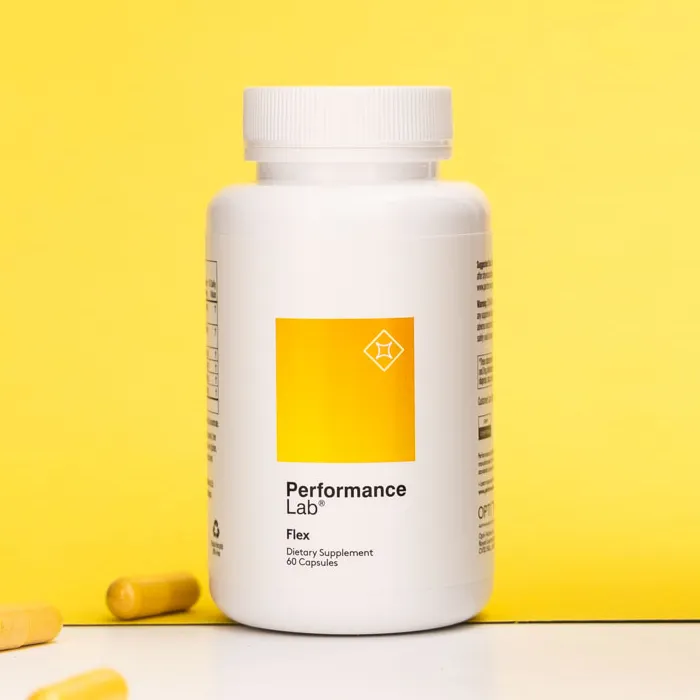
Performance Lab® Flex: The All-in-One Supplement for Inflammation & Joint Health

Consuming one herb alone is a good place to start, but it may not always be enough. Often, it takes a combination of the right supplements to really move the needle.
Finding out what works for you individually is usually the best approach. However, experimenting with herbal supplement combinations can take time and money.
With Performance Lab® Flex, you're getting a professionally developed supplement featuring a combination of botanicals and nutrients intended to support healthy wellness and joint comfort.
The "Big 4" Ingredients in Flex for inflammation and joint support:
- CurcuWIN® Curcumin: high-quality, bioavailable, and low-dose curcumin for safe, daily use.
- AprèsFlex® Boswellia Serrata: a patented Boswellia form for optimal absorption and efficacy.
- Phytodroitin™ & Corn Glucosamine: 100% vegan and plant-based.
You may ask, why Performance Lab® Flex for inflammation, and not some other supplement?
The answer is that Flex offers a number of advantages that make it stand out:
- Ease of use. No need to remember 6 different bottles or confusing herb combinations.
- Clean label. Like all Performance Lab® products, Flex is third-party tested, non-GMO, and plant-powered.
- Light ingredient doses. Some ingredients in Flex are dosed low, closer to what you'd find in nature, putting emphasis on safe consistent use and leaving more space for pairing with other Performance Lab® formulas for greater gains.
- NutriCaps®: these are prebiotic capsules from fermented tapioca intended for easy digestion, with no additives or questionable fillers added.
If you want to take your anti-inflammatory routine a step further, consider combining Performance Lab® Flex with Performance Lab® Omega-3, providing algae-derived EPA and DHA for multi-pronged wellness support.
Love this product! Easy to swallow capsule with no aftertaste.Sarah A

"Inflam-Aide" Herbal Recipe by Performance Lab®
Support your daily wellness with this Inflam-Aide tonic.
It's a clean, practical, and science-backed way to benefit from curcumin with the bioavailability of piperine and the antioxidant support of ginger and olive oil.
Ingredients
- 1 cup warm water
- ½ tsp turmeric powder
- ¼ tsp black pepper
- ½ tsp grated ginger
- 1 tsp quality extra-virgin olive oil
- 1 tsp lemon juice
- Optional: honey
Instructions: Stir ingredients briskly, drink 1–2x daily.
To bolster the support, stack it with Performance Lab® Flex for comfortable joints and Performance Lab® Omega-3 to nourish the body at the cellular level.
How Safe are Herbs & Spices?
Most herbs on this list are safe for healthy people, when taken in daily, recommended amounts.
That said, curcumin and ginger can interact with blood thinner medications. Some herbs on this list are not appropriate for pregnant women.
If you belong to sensitive groups, make sure to speak with your doctor before taking any supplement or making lifestyle changes.
Anything Else to Consider?
While the top herbs featured in this guide have decent scientific evidence and many positive user reviews, your experience may vary.
Needless to say, don't forget the foundations - sleep, exercise, overall nutrition. For many of us, it's natural to look for quick solutions, but supplements and specialized herbs only make sense after taking care of the basic steps.
To put this another way: trying to ease inflammation with herbal supplements while following a diet and lifestyle that promotes inflammation is like scooping water out of a boat while leaving the hole unplugged. You might remove some water temporarily, but you're not addressing the source of the problem, so it just keeps flooding back in.
Further Reading: How to Use Herbs to Help Fight Inflammation Naturally
FAQs
While you cannot quite "flush inflammation out", science-supported strategies for promoting normal and healthy inflammatory responses include minimizing processed foods and simple sugars, exercising regularly, sleeping well, keeping hydrated, and taking turmeric + piperine, fish oil, and other anti-inflammatory supplements.
Ibuprofen is a pain-relieving medication. Herbs and natural supplements are not medications and they're not meant to treat chronic pain or any condition. That said, natural compounds that studies have compared to Ibuprofen include turmeric and extra-virgin olive oil (oleocanthal). (29, 30) White Willow Bark is often called "Nature’s Aspirin" because it contains salicin, which relieves pain and inflammation.
Wild-caught fatty fish like sardines or salmon are often considered the most anti-inflammatory foods. They have high concentrations of EPA and DHA, which provide building blocks for "resolvins," compounds that actively switch off the inflammatory response.
According to today's science, turmeric (curcumin) appears to be the most helpful herb and spice for inflammation due to its multi-pronged benefits, though others (ginger, Boswellia, green tea) also boast decent scientific evidence.
Final Thoughts
Why not start with something simple; such as making a daily turmeric milk with a pinch of black pepper before sleep.
Introduce one or two new herbs or spices into your meals each week to gradually explore their health benefits. You can then try combining the ones that work best for you.
If you want the easiest and most straightforward approach, have a look at Performance Lab® Flex, which already does the research & heavy work for you, combining the right ingredients in high-quality forms for gentle joint support. For broader wellness coverage & synergy, consider pairing Flex with Performance Lab® Omega-3.
References
- Furman, D., Campisi, J., Verdin, E., Carrera-Bastos, P., Targ, S., Franceschi, C., Ferrucci, L., Gilroy, D. W., Fasano, A., Miller, G. W., Miller, A. H., Mantovani, A., Weyand, C. M., Barzilai, N., Goronzy, J. J., Rando, T. A., Effros, R. B., Lucia, A., Kleinstreuer, N., & Slavich, G. M. (2019). Chronic inflammation in the etiology of disease across the life span. Nature medicine, 25(12), 1822–1832. https://pmc.ncbi.nlm.nih.gov/articles/PMC7147972/
- Chavda, V. P., Feehan, J., & Apostolopoulos, V. (2024). Inflammation: The Cause of All Diseases. Cells, 13(22), 1906. https://doi.org/10.3390/cells13221906
- Yacine, A., Zain Ali, M., Alharbi, A. B., Qubayl Alanaz, H., Saud Alrahili, A., & Alkhdairi, A. A. (2025). Chronic Inflammation: A Multidisciplinary Analysis of Shared Pathways in Autoimmune, Infectious, and Degenerative Diseases. Cureus, 17(4), e82579. https://doi.org/10.7759/cureus.82579
- Xu, Q., Lian, H., Zhou, R., Gu, Z., Wu, J., Wu, Y., & Li, Z. (2025). Curcumin and multiple health outcomes: critical umbrella review of intervention meta-analyses. Frontiers in pharmacology, 16, 1601204. https://pmc.ncbi.nlm.nih.gov/articles/PMC12176752/
- Kunnumakkara, A. B., Hegde, M., Parama, D., Girisa, S., Kumar, A., Daimary, U. D., Garodia, P., Yenisetti, S. C., Oommen, O. V., & Aggarwal, B. B. (2023). Role of Turmeric and Curcumin in Prevention and Treatment of Chronic Diseases: Lessons Learned from Clinical Trials. ACS pharmacology & translational science, 6(4), 447–518. https://doi.org/10.1021/acsptsci.2c00012
- Examine. (n.d.). Curcumin. https://examine.com/supplements/curcumin/
- Amalraj, A., Pius, A., Gopi, S., & Gopi, S. (2016). Biological activities of curcuminoids, other biomolecules from turmeric and their derivatives - A review. Journal of traditional and complementary medicine, 7(2), 205–233. https://doi.org/10.1016/j.jtcme.2016.05.005
- Anh, N. H., Kim, S. J., Long, N. P., Min, J. E., Yoon, Y. C., Lee, E. G., Kim, M., Kim, T. J., Yang, Y. Y., Son, E. Y., Yoon, S. J., Diem, N. C., Kim, H. M., & Kwon, S. W. (2020). Ginger on Human Health: A Comprehensive Systematic Review of 109 Randomized Controlled Trials. Nutrients, 12(1), 157. https://doi.org/10.3390/nu12010157
- Wang, H. P., Yang, J., Qin, L. Q., & Yang, X. J. (2015). Effect of garlic on blood pressure: a meta-analysis. Journal of clinical hypertension (Greenwich, Conn.), 17(3), 223–231. https://doi.org/10.1111/jch.12473
- Ansary, J., Forbes-Hernández, T. Y., Gil, E., Cianciosi, D., Zhang, J., Elexpuru-Zabaleta, M., Simal-Gandara, J., Giampieri, F., & Battino, M. (2020). Potential Health Benefit of Garlic Based on Human Intervention Studies: A Brief Overview. Antioxidants (Basel, Switzerland), 9(7), 619. https://doi.org/10.3390/antiox9070619
- Examine. (2025, September 4). Garlic. https://examine.com/foods/garlic/
- Jówko, E. (2015). Green tea catechins and sport performance. In M. Lamprecht (Ed.), Antioxidants in sport nutrition(Chapter 8). CRC Press/Taylor & Francis. https://www.ncbi.nlm.nih.gov/books/NBK299060/
- Szulińska, M., Stępień, M., Kręgielska-Narożna, M., Suliburska, J., Skrypnik, D., Bąk-Sosnowska, M., Kujawska-Łuczak, M., Grzymisławska, M., & Bogdański, P. (2017). Effects of green tea supplementation on inflammation markers, antioxidant status and blood pressure in NaCl-induced hypertensive rat model. Food & nutrition research, 61(1), 1295525. https://pmc.ncbi.nlm.nih.gov/articles/PMC5345575/
- Radeva-Ilieva, M., Stoeva, S., Hvarchanova, N., & Georgiev, K. D. (2025). Green Tea: Current Knowledge and Issues. Foods (Basel, Switzerland), 14(5), 745. https://doi.org/10.3390/foods14050745
- Ávila, D. L., Fernandes-Braga, W., Silva, J. L., Santos, E. A., Campos, G., Leocádio, P. C. L., Capettini, L. S. A., Aguilar, E. C., & Alvarez-Leite, J. I. (2024). Capsaicin Improves Systemic Inflammation, Atherosclerosis, and Macrophage-Derived Foam Cells by Stimulating PPAR Gamma and TRPV1 Receptors. Nutrients, 16(18), 3167. https://doi.org/10.3390/nu16183167
- Lejeune, M. P., Kovacs, E. M., & Westerterp-Plantenga, M. S. (2003). Effect of capsaicin on substrate oxidation and weight maintenance after modest body-weight loss in human subjects. The British journal of nutrition, 90(3), 651–659. https://doi.org/10.1079/bjn2003938
- Examine. (2024, December 15). Boswellia. https://examine.com/supplements/boswellia/
- Ghasemian, M., Owlia, S., & Owlia, M. B. (2016). Review of Anti-Inflammatory Herbal Medicines. Advances in pharmacological sciences, 2016, 9130979. https://doi.org/10.1155/2016/9130979
- Heydarian, A., Tahvilian, N., Shahinfar, H., Abbas-Hashemi, S. A., Daryabeygi-Khotbehsara, R., & Aryaeian, N. (2023). Effect of cardamom consumption on inflammation and blood pressure in adults: A systematic review and meta-analysis of randomized clinical trials. Food science & nutrition, 12(1), 3–12. https://doi.org/10.1002/fsn3.3738
- Assaggaf, H., Hachlafi, N. E., Mrabti, N. N., Taibi, M., Elbouzidi, A., Qasem, A., Attar, A., Alshabrmi, F. M., Ming, L. C., Moshawih, S., Ardianto, C., Mrabti, H. N., & Bouyahya, A. (2025). Rosmarinus officinalis suppresses cancer cell viability and inflammatory mediators in RAW 264.7 cells: in vitro and in silico analysis. Discover oncology, 16(1), 1219. https://pmc.ncbi.nlm.nih.gov/articles/PMC12214115/
- Gutierrez-Albanchez, E., Fuente-González, E., Plokhovska, S., Gutierrez-Mañero, F. J., & Ramos-Solano, B. (2025). Enhanced Anti-Inflammatory Effects of Rosemary (Salvia rosmarinus) Extracts Modified with Pseudomonas shirazensisNanoparticles. Antioxidants (Basel, Switzerland), 14(8), 931. https://doi.org/10.3390/antiox14080931
- Jafari, A., Mardani, H., Faghfouri, A. H., AhmadianMoghaddam, M., Musazadeh, V., & Alaghi, A. (2025). The effect of cinnamon supplementation on cardiovascular risk factors in adults: a GRADE assessed systematic review, dose-response and meta-analysis of randomized controlled trials. Journal of health, population, and nutrition, 44(1), 233. https://pmc.ncbi.nlm.nih.gov/articles/PMC12224812/
- Tariq, H., Alhudhaibi, A. M., & Abdallah, E. M. (2025). Syzygium aromaticum (clove buds) as a natural antibacterial agent: a promising alternative to combat multidrug-resistant bacteria. Frontiers in microbiology, 16, 1674590. https://pmc.ncbi.nlm.nih.gov/articles/PMC12558857/
- Jin, Z., Song, Y., Abdelmoaty, A. A. A., Lin, F., Li, J., & Chen, X. (2026). Anti-Neuroinflammation Activity of Essential Oils and Fatty Acids. Food science & nutrition, 14(1), e71422. https://doi.org/10.1002/fsn3.71422
- Puzanowska-Tarasiewicz, H., Kuźmicka, L., & Tarasiewicz, M. (2009). Funkcje biologiczne wybranych pierwiastków. III. Cynk--składnik i aktywator enzymów [Biological function of some elements and their compounds. III. Zinc--component and activator of enzymes]. Polski merkuriusz lekarski : organ Polskiego Towarzystwa Lekarskiego, 27(161), 419–422. https://pubmed.ncbi.nlm.nih.gov/19999809/
- Zhou, X., Afzal, S., Wohlmuth, H., Münch, G., Leach, D., Low, M., & Li, C. G. (2022). Synergistic Anti-Inflammatory Activity of Ginger and Turmeric Extracts in Inhibiting Lipopolysaccharide and Interferon-γ-Induced Proinflammatory Mediators. Molecules (Basel, Switzerland), 27(12), 3877. https://doi.org/10.3390/molecules27123877
- Saleh, Z., Asgari, M. R., Ghorbani, R., & Babamohamadi, H. (2025). A Triple-blind randomized controlled trial on the effects of turmeric versus ginger on inflammatory biomarkers in patients with COVID-19. Scientific reports, 15(1), 30793. https://pubmed.ncbi.nlm.nih.gov/40841392/
- Palacios, C., & Gonzalez, L. (2014). Is vitamin D deficiency a major global public health problem?. The Journal of steroid biochemistry and molecular biology, 144 Pt A, 138–145. https://doi.org/10.1016/j.jsbmb.2013.11.003
- Ross S. M. (2016). Turmeric (Curcuma longa): Effects of Curcuma longa Extracts Compared With Ibuprofen for Reduction of Pain and Functional Improvement in Patients With Knee Osteoarthritis. Holistic nursing practice, 30(3), 183–186. https://doi.org/10.1097/HNP.0000000000000152
- Lucas, L., Russell, A., & Keast, R. (2011). Molecular mechanisms of inflammation. Anti-inflammatory benefits of virgin olive oil and the phenolic compound oleocanthal. Current pharmaceutical design, 17(8), 754–768. https://doi.org/10.2174/138161211795428911