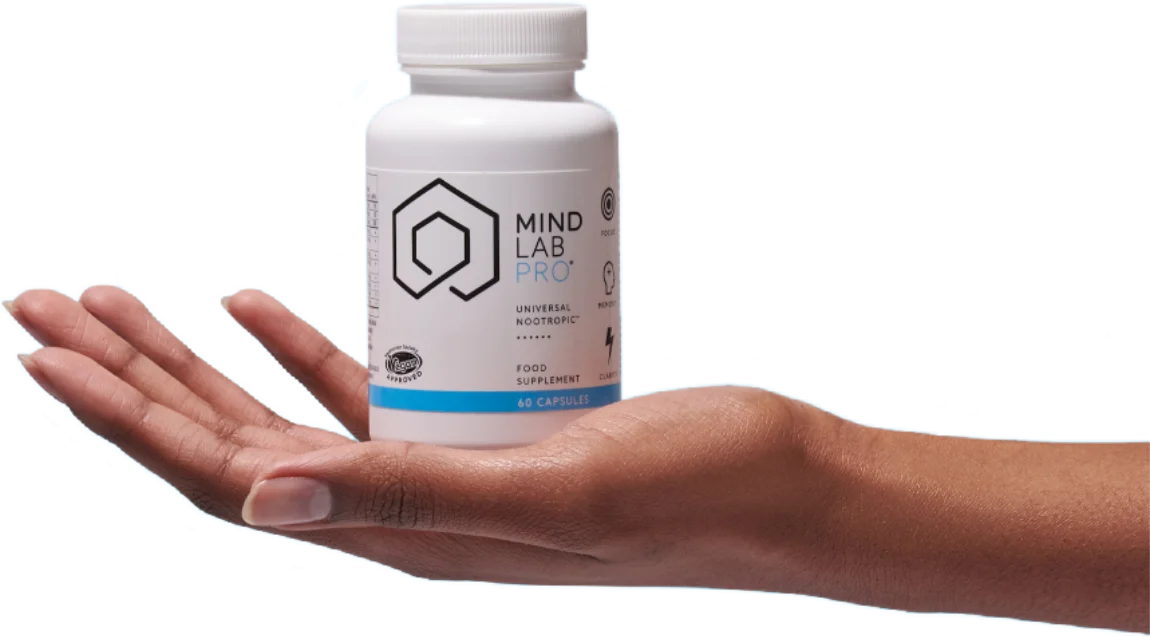


MSM (methylsulfonylmethane) is among the favorites when it comes to joint support.
The research to back up the claims of supporting immunity, soothing inflammation and relieving joint discomfort, is limited but sometimes shows modest, positive results.
But what exactly is it, and is it safe for long term use?
Before we delve into the details of MSM usage, let’s briefly go over what MSM is and the benefits of supplementation.
Key Takeaways
- MSM (also known as dimethyl sulfone or methyl sulfone) is organic sulfur commonly used for joint comfort and mobility; many take it for months at a time, though your experience can vary.
- Tolerance is generally good—start low and increase gradually to assess GI comfort. Doses of 500-4,000 mg per day are generally considered safe.
- Cycle length depends on goals, dose, and response; discuss long-term use with your practitioner.
- Stack with movement, sleep, and anti-inflammatory diet patterns for best results.
What is MSM: Supplement Overview

Methylsulfonylmethane, commonly abbreviated to MSM, is an organic, naturally occurring organosulfur compound. It looks like a white crystalline substance and is made up of 34% sulfur by weight.
MSM provides the sulfur that supports our cartilage and connective tissues and helps support the formation of essential proteins in the human body, such as collagen and keratin.
MSM is found naturally in humans, animals, and certain foods like grains, plants, fruits, and vegetables, but is also widely available as a supplement in the form of capsules or powders. Natural food sources of MSM include coffee, tea, and some dairy products, though concentrations are generally low. You'll also sometimes see it grouped alongside vitamins, minerals, and herbs for potential synergies.
You may see MSM as a standalone supplement or as a key ingredient in many joint support supplements alongside the likes of glucosamine and chondroitin, also two very popular joint supplements that work together to support overall joint and cartilage health.
MSM has a number of potential benefits and is commonly used in alternative medicine. Its effects are not exclusive to joint health either. Let’s take a look!
Related Post: Glucosamine, Chondroitin, MSM: The Ultimate Joint Health Trio
The Health Benefits of MSM
Strong scientific evidence of MSM health benefits is still quite scarce and inconclusive. More well-designed human studies will be needed to fully understand how MSM works for specific health uses. With that in mind, here are some of its potential effects and studies that corroborate them.
Anti-inflammatory properties

MSM is thought to be an anti-inflammatory agent that can offer a range of benefits, from reducing joint pain and swelling to easing symptoms of allergic rhinitis. Animal models and human clinical trials have both documented anti-inflammatory properties of MSM.
MSM may lower inflammation by inhibiting the release of certain inflammatory substances, potentially helping to control the inflammatory response, particularly for joint conditions, seasonal allergies, and muscle soreness.(1)
For instance, MSM was shown to inhibit NF-kB, a protein complex involved in inflammatory responses.(2) It also reduced the production of cytokines such as tumor necrosis factor alpha (TNF-ɑ) and interleukin 6 (IL-6), which are signaling proteins linked to systemic inflammation. Additionally, MSM may contribute to the production of glutathione, and enzymes like glutathione peroxidase, a potent antioxidant produced by your body.
A double-blind, placebo-controlled trial involving 40 physically active men found that taking 3 grams of MSM before exhaustive exercise decreased the release of inflammatory cytokines and prevented the over-stress of immune cells, compared to a placebo.(3)
May Ease Joint Pain

MSM is a popular supplement and is often labeled a staple supplement and a potential support to standard treatment and medications among those suffering from arthritic conditions such as osteoarthritis, caused by wear and tear of the cartilage.
Research has shown that MSM may help reduce aches and inflammation associated with these conditions. For instance, a pilot clinical trial involving individuals with knee osteoarthritis demonstrated that taking MSM contributed to a significant reduction in pain and improved physical function over a 12-week period compared to a placebo.(4)
Another randomized controlled study supported these findings, showing that patients with knee OA who took MSM for 12 weeks experienced small but significant improvements in physical function and total symptom scores, though the clinical significance of these findings requires further investigation.(5)
MSM has also been shown to help preserve cartilage and support the effectiveness of glucosamine and chondroitin, other key compounds found in cartilage and connective tissue.(1)
With that said, MSM is not a replacement for proper medical diagnosis. It's not meant to treat arthritis or any other condition, either. MSM may not be suitable for everyone; your results can vary.
Helps Ease Muscle Soreness

Research has shown that MSM might be a potential remedy for muscle soreness. Due to the anti-inflammatory properties combined with the antioxidant properties, MSM is a fairly helpful supplement for speedy muscle recovery after exercise. (10) MSM has been shown to decrease exercise-induced oxidation, which often cause sore muscles after a workout.
During exhaustive exercise, muscle damage occurs and oxidative stress increases. This causes athletes to experience muscle soreness and pain, hindering athletic performance and training. MSM may aid muscle recovery by reducing inflammation and oxidative stress.
In one study, 18 male participants took 50 mg of MSM powder per kg of body weight for 10 days. The results showed a reduction in exercise-induced muscle damage and an increase in antioxidant activity following an 8.7-mile run.(6)
In another placebo-controlled study, 22 healthy women who were training for a half marathon took 3g of MSM (or a placebo) in the 3 weeks before the marathon. The group taking MSM reported less muscle soreness and joint pain than the placebo group.(7)
These studies indicate that MSM may help reduce pain, muscle damage, and oxidative stress after intense exercise and may aid in quicker recovery.
Supports Immunity

Studies have shown that MSM could be beneficial for reducing oxidative stress and inflammation. Both of which can have a negative impact on our immune system. MSM provides sulfur, which supports the body's production of glutathione, a powerful antioxidant. Good levels of glutathione result in a stronger, healthier immune system.
The immune system is a specialized network of tissues, cells, and organs that protect the body against illness and disease. It can be weakened by factors such as stress, illness, a poor diet, insufficient sleep, or lack of activity. Sulfur compounds like MSM play important roles in the health of the immune system. MSM may be effective in reducing oxidative stress and inflammation that can weaken immunity by reducing levels of inflammatory compounds like IL-6 and TNF-ɑ, in turn reducing stress on the immune system.
Additionally, MSM plays a part in the creation of glutathione, the body's master antioxidant, and may help increase levels of this important compound. Having adequate levels of glutathione is crucial for the overall health and function of the immune system.
May Improve Skin Health

Keratin, a protein rich in the sulfur-containing amino acid cysteine, serves as the main structural component of hair, skin, and nails. The high sulfur content in keratin is why burnt hair emits a distinctive sulfurous smell.
MSM may benefit skin health by serving as a sulfur donor to keratin, helping to synthesize this vital protein. By supporting keratin production, MSM promotes the structural integrity of skin, making it more resilient and healthier. It can also help reduce wrinkles and manage symptoms of rosacea.
In addition to aiding keratin synthesis, MSM may help reduce inflammation, which can damage skin cells and lead to premature aging signs like wrinkles. This anti-inflammatory effect may also alleviate symptoms of problematic skin conditions like the aforementioned rosacea, which causes redness, irritation, and inflammation of the skin.
A study demonstrated that applying MSM to the skin significantly improved redness, itching, inflammation, hydration, and skin color in people with rosacea.(8) This suggests that MSM not only supports skin health through keratin enhancement but also by mitigating inflammatory skin conditions.
So, now we know what MSM is and what it does, let’s look at how best to take it to reap these benefits!
If you want to learn more about the benefits of taking MSM supplements, check out our linked guide.
How to Take MSM
Research has suggested that MSM might work better when taken alongside the likes of glucosamine and chondroitin.(1)
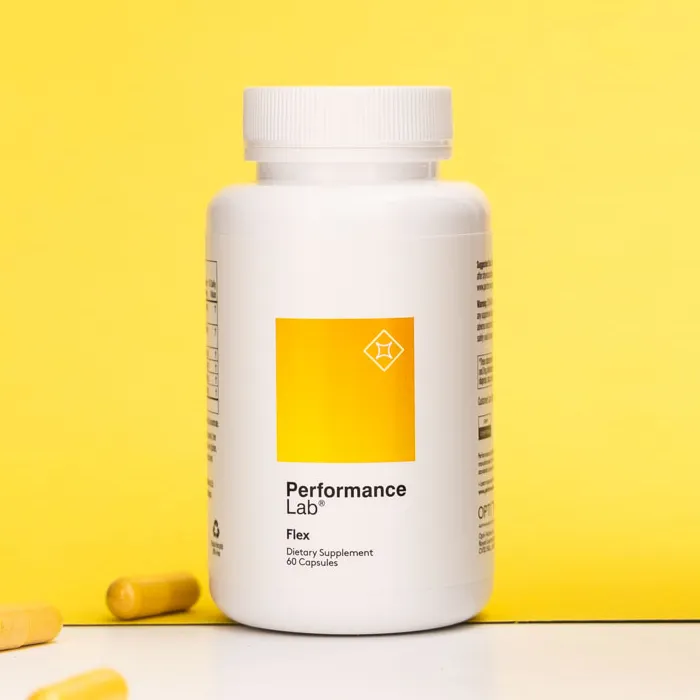
Performance Lab® Flex is an advanced joint supplement stack with plant-based joint health supporters like glucosamine, chondroitin, turmeric and Boswellia Serrata. For additional joint support, you can combine Flex with Performance Lab® Omega-3 or with a higher-dosed MSM supplement.
Safety of MSM Supplements
MSM Short-Term Use
Specific forms of methylsulfonylmethane (MSM) like OptiMSM are considered a Generally Recognized As Safe (GRAS) substance by the FDA. MSM is well-tolerated by most people at dosages up to 4 grams daily (it's always best to start with the lowest dosage to test it first). However, the FDA doesn't regulate dietary supplements as strictly as it does food and medications.
Several studies have been conducted to assess its safety profile over periods ranging from a few weeks to a few months.(9) These studies often involve various dosages to determine the optimal and safe range for human consumption. Generally, MSM is seen as safe, provided it's of high-quality and unadulterated with questionable substances.
Common Side Effects
MSM sometimes causes infrequent and mild side effects. Commonly reported ones include:
- Digestive Issues: Some users may experience nausea, diarrhea, bloating, or stomach discomfort. These symptoms are typically mild and subside as the body adjusts to the supplement.
- Headaches: A few individuals have reported mild headaches when starting MSM.
- Allergic Reactions: Although rare, some people may experience allergic reactions such as skin rashes, itching, or swelling. It's recommended to discontinue use and consult a healthcare provider if any allergic symptoms occur.
Most short-term studies conclude that MSM is well-tolerated, with side effects being minimal and often transient. The general consensus is that MSM, when taken within the recommended dosage range, poses little risk for short-term use, and possibly long-term use, though we'll welcome more research in this area.
MSM Long-Term Use
Long-term studies on MSM are less prevalent compared to short-term studies. The available evidence suggests that MSM could be safe for extended use, but this depends on many factors like the dosage and your individual sensitivity. It's wise to speak to your doctor or pharmacist if you are interested in taking MSM long-term so they can monitor how it works for you.
- You should also be cautious about (unlikely but possible) interactions with medications like aspirin that may affect blood clotting. MSM generally fares well as far as interactions go, but it's still important to inform your doctor about all your supplements if you're also on medications.
Don't use MSM if you're pregnant or nursing because there is limited research on its safety in these contexts.
Typical Duration and Design of Studies on MSM
Long-term studies typically involve a randomized, double-blind, placebo-controlled design to ensure reliability and minimize bias. Participants are usually divided into groups receiving varying dosages of MSM, with regular monitoring to assess any changes in health status, side effects, and overall efficacy.
For example, in a pilot clinical trial investigating MSM for osteoarthritis, participants took MSM for 12 weeks with positive outcomes and minimal side effects reported. However, studies extending beyond this period are limited and call for more extensive research.
The typical duration of these studies ranges from three months to a year.
Researchers focus on:
- Efficacy in Long-Term Use: Monitoring improvements in symptoms related to conditions such as osteoarthritis, joint pain, and inflammation.
- Safety and Tolerability: Regular assessments to document any adverse effects, changes in blood chemistry, and overall health.
- Quality of Life Measures: Evaluations using instruments like the SF-36 health survey to gauge participants' overall well-being and functional improvements.
Current evidence points to the safety of long-term MSM use, though additional studies would be beneficial to further investigate its long-term effects.
Dosages
When it comes to dosages, in much research, dosages of up to 4-6g daily have been used safely, though not everyone reacts to supplements the same.
If you're usually sensitive and intolerant to supplements, consider starting with a lower dose of MSM alongside other supplements for long-term use, and for the best outcome upon stacking with other joint supplements.

When taking Performance Lab Flex, you have the benefit of gentle dosages and high-quality, third-party tested ingredients. If you need more support, you can take double the daily serving or combine it with other supplements in the Performance Lab range.
Related Post: How Long Does It Take for MSM To Work?
Summary
The natural sulphur compound MSM is a helpful supplement commonly taken to help relieve joint pain and stiffness, reduce inflammation, ease muscle soreness and boost our immunity.
Effective dosages seem to fall in the range of 500-4,000 mg per day to provide benefits for most people.
For others who are sensitive and want to start low and slow, Performance Lab Flex offers 100 mg OptiMSM® alongside other research-backed herbal joint supplements intended to provide gentle, synergistic support.
References
- Butawan M, Benjamin RL, Bloomer RJ. Methylsulfonylmethane: Applications and Safety of a Novel Dietary Supplement. Nutrients. 2017;9(3):290. Published 2017 Mar 16.
- Lawrence T. The nuclear factor NF-kappaB pathway in inflammation. Cold Spring Harb Perspect Biol. 2009 Dec;1(6):a001651. doi: 10.1101/cshperspect.a001651. Epub 2009 Oct 7. PMID: 20457564; PMCID: PMC2882124.
- van der Merwe M, Bloomer RJ. The Influence of Methylsulfonylmethane on Inflammation-Associated Cytokine Release before and following Strenuous Exercise. J Sports Med (Hindawi Publ Corp). 2016;2016:7498359. doi: 10.1155/2016/7498359. Epub 2016 Oct 23. PMID: 27844051; PMCID: PMC5097813.
- Kim LS, Axelrod LJ, Howard P, Buratovich N, Waters RF. Efficacy of methylsulfonylmethane (MSM) in osteoarthritis pain of the knee: a pilot clinical trial. Osteoarthritis Cartilage. 2006 Mar;14(3):286-94. doi: 10.1016/j.joca.2005.10.003. Epub 2005 Nov 23. PMID: 16309928.
- Debbi EM, Agar G, Fichman G, Ziv YB, Kardosh R, Halperin N, Elbaz A, Beer Y, Debi R. Efficacy of methylsulfonylmethane supplementation on osteoarthritis of the knee: a randomized controlled study. BMC Complement Altern Med. 2011 Jun 27;11:50. doi: 10.1186/1472-6882-11-50. PMID: 21708034; PMCID: PMC3141601.
- Barmaki S, Bohlooli S, Khoshkhahesh F, Nakhostin-Roohi B. Effect of methylsulfonylmethane supplementation on exercise - Induced muscle damage and total antioxidant capacity. J Sports Med Phys Fitness. 2012 Apr;52(2):170-4. PMID: 22525653.
- Withee ED, Tippens KM, Dehen R, Tibbitts D, Hanes D, Zwickey H. Effects of Methylsulfonylmethane (MSM) on exercise-induced oxidative stress, muscle damage, and pain following a half-marathon: a double-blind, randomized, placebo-controlled trial. J Int Soc Sports Nutr. 2017 Jul 21;14:24. doi: 10.1186/s12970-017-0181-z. PMID: 28736511; PMCID: PMC5521097.
- Berardesca E, Cameli N, Cavallotti C, Levy JL, Piérard GE, de Paoli Ambrosi G. Combined effects of silymarin and methylsulfonylmethane in the management of rosacea: clinical and instrumental evaluation. J Cosmet Dermatol. 2008 Mar;7(1):8-14. doi: 10.1111/j.1473-2165.2008.00355.x. PMID: 18254805.
- Butawan M, Benjamin RL, Bloomer RJ. Methylsulfonylmethane: Applications and Safety of a Novel Dietary Supplement. Nutrients. 2017 Mar 16;9(3):290. doi: 10.3390/nu9030290. PMID: 28300758; PMCID: PMC5372953.
- McFarlin BK, Curtis JH, du Preez HN, McFarlin MA. Using the Rise and Fall of Oxidative Stress and Inflammation Post-Exercise to Evaluate the Effect of Methylsulfonylmethane Supplementation on Immune Response mRNA. Nutrients. 2025 May 23;17(11):1761. doi: 10.3390/nu17111761. PMID: 40507030; PMCID: PMC12157211.