

Methylsulfonylmethane (MSM) is a popular supplement used for a wide range of health goals. It is said to be particularly helpful when it comes to seeking relief from joint aches.
Not only is MSM most commonly used for joint health, particularly among those with arthritic conditions, but it’s also popular for muscle soreness, allergies, and reducing inflammation.
However, while there is a lot of positive anecdotal evidence surrounding MSM, scientific evidence supporting these uses is thin and inconclusive -- often showing small, clinically insignificant benefits. Still, due to its safety and popularity, MSM might be worth trying for some people. (1, 2, 3, 5)
You may ask, if MSM does work, how long does it take to work? The answer can vary depending on your reasons for taking it (e.g. muscle recovery vs joint pain). When referring to human studies that show positive findings, it appears MSM may take effect after about 2 weeks.
Let’s take a closer look at MSM, what it has to offer, and how long it may take until you start feeling the benefits!
Key Takeaways
- MSM is an organic sulphur-containing compound used for joint comfort and mobility; potential effects may build with consistent daily use; human studies on MSM's effectiveness and specific benefits are limited with mixed results.
- Early changes may appear in 1–2 weeks, with fuller benefits sometimes reported after 8-12+ weeks (benefits for muscle soreness may appear faster than joint and skin effects).
- Results vary by dose, extract quality, baseline activity, and supportive habits (sleep, movement); your experience with MSM may vary.
- MSM is often stacked with complementary joint nutrients like vitamin D, Boswellia, and turmeric.
MSM: A Brief Overview
Methylsulfonylmethane (MSM) is an organic, sulfur-containing compound. It is found naturally in small quantities in fresh fruits and vegetables, meat, dairy, cereals, tea, coffee, and grains. It's now commonly used in alternative medicine when it comes to seeking relief from joint pain as well as for other uses like skin health.
In the body, MSM is a key structural substance involved in the formation of essential proteins such as collagen, glucosamine, and chondroitin, which make up all cartilage and connective tissues.
While MSM is naturally occurring in many whole foods, it's generally present only in trace amounts. It's also commonly used in joint supplements and MSM powders; it easily dissolves in hot water and can be added to smoothies, fruit juices, and other beverages.
MSM is mostly used for supporting joint health and helping to reduce discomfort and inflammation, which is why you may often see it as an ingredient in many joint health supplements working alongside the likes of glucosamine and chondroitin.
MSM is thought to:
- Support healthy joints and range of motion
- Help ease muscle and joint pain
- Have anti-inflammatory properties
- Potentially help counter the effects of cartilage breakdown
- Counter the effects of free radical damage
- Provide joint-protective antioxidant benefits (1)
- Support immune function
- Promote healthy skin
All of these come with a caveat, though. Apart from anecdotal evidence, robust human studies on MSM for joints are few and far between. This means its effects aren't proven. MSM is not guaranteed to work for everyone. Your individual diet, metabolism, and genetics all affect how your body processes and responds to MSM.
Research that we do have available has explored some possible benefits of MSM as a supplement, which we'll cover now.
Potential Health Benefits of MSM

Anti-inflammatory Actions
MSM is best known as an anti-inflammatory.
It seems to affect inflammation, immune response, and help inhibit the release of cytokines and prostaglandins, which are inflammatory substances.
By helping the body's natural inflammatory response, MSM may be helpful for people with inflammatory conditions such as arthritis, joint pain, exercise-induced inflammation, and seasonal allergies, although it's not meant to treat or prevent these conditions. (1)
In addition to this, MSM is suggested to enhance levels of glutathione - a powerful antioxidant - which further helps protect us from oxidative stress.
Support Cartilage
Wear and tear of our joints is caused, in part, by the slow breakdown of our cartilage, which is known to be one of the causes of osteoarthritis.
Limited research has found MSM to reduce scores associated with pain and stiffness in this condition. While some people use MSM as an alternative to medication for joint pain relief, it is not considered a replacement for medications. (1)
MSM is also often paired together with other common joint supplements, such as glucosamine and chondroitin.
May Ease Muscle Soreness
A topic of interest for gym-goers and athletes alike, MSM has been linked to reduced muscle soreness using its anti-inflammatory and antioxidant properties.
You may have experienced muscle soreness after a tough workout before; this is caused by oxidative stress and muscle damage (which is normal when exercising!).
MSM is speculated to help speed up muscle recovery by reducing the symptoms of inflammation and exercise-induced oxidative stress. (1)
Decrease Oxidative Stress
In addition to reducing exercise-induced oxidative stress, MSM may also help mitigate general oxidative stress in the body because of its antioxidant properties. (1)
MSM: How Long Does It Take to Work?
Although inconclusive, studies that do report positive findings show MSM may take 3-12+ weeks to work, sometimes taking longer to work for joint and skin-related goals than for muscle recovery. Some research found that for certain health goals, MSM may start working as soon as within 2 days of supplementation. (7)
As MSM may support the wellness of those struggling with different inflammatory conditions, it can vary when you may see the benefits, as it largely depends on your reasons for taking it.
For example, it may not take as long to work for muscle soreness but may take longer for more joint-related pain and arthritic conditions. Science isn't clear on who MSM may work best for.
Supplements and medication can take longer to work in some people than others. Factors such as age, sex, and genetics can impact how long it takes for supplements to take effect, and whether they take effect at all.
The dosage also plays a role, with daily amounts in supplements ranging from 500 mg to 6,000 mg to achieve positive effects. Always start with a low dose of MSM and consider gradually working your way up. Consistency in using MSM may also be important to increase serum levels over time.
Though, let’s look at what existing research says about MSM!
Oxidative Stress & Muscle Damage
Research has noted that supplementing with MSM for 10 days in healthy, untrained men reduced different biomarkers of oxidation caused by exercise. (6) In this case, it took MSM 10 days to take effect for exercise-induced oxidative stress. Whether this translates into tangible real-world benefits is not clear. (2)
- While these results come from a small sample size and only a single study, there are other studies that also suggest the potential of MSM to support parameters of exercise recovery. (1)
Muscle Soreness
For muscle soreness specifically, one study noted that after 30 days of daily MSM supplementation, a reduction in muscle soreness was reported 2 days later. (2) This suggests the potential for MSM to be a supportive tool for easing muscle soreness.
- It's important to mention that this study was industry funded -- it doesn't automatically discredit its results, but it does warrant more research to support these findings. (7)
Joint Health
In relation to symptoms of mild knee pain in healthy participants, supplementing with 2,000 mg MSM daily for 12 weeks was associated with improved knee quality of life. (2)
- So, how long MSM takes to work appears to vary depending on the goal you seek to address, as well as the dosage used, with high doses of 3 grams + commonly used but it's not yet clear if this is the optimal range. However, we hope this has helped give you an idea!
Take-Home Message
MSM has been used as a supplement for the immune system, easing joint discomfort, alleviating symptoms of muscle soreness, and decreasing inflammation.
It appears to be safe and well tolerated, with mild side effects like gastrointestinal discomfort and other digestive issues possible if you're sensitive. MSM may be irritating on an empty stomach so it's worth considering taking it with food. Some people take MSM first thing in the morning, while others find taking MSM before bed or with a meal works better — you'll need to figure out what works best for you.
Before taking MSM or other supplements, make sure to speak to a healthcare professional if you have a chronic disease like arthritis or joint swelling.
For additional support, look into using MSM as part of a stack of other popular joint supplements such as glucosamine and chondroitin.
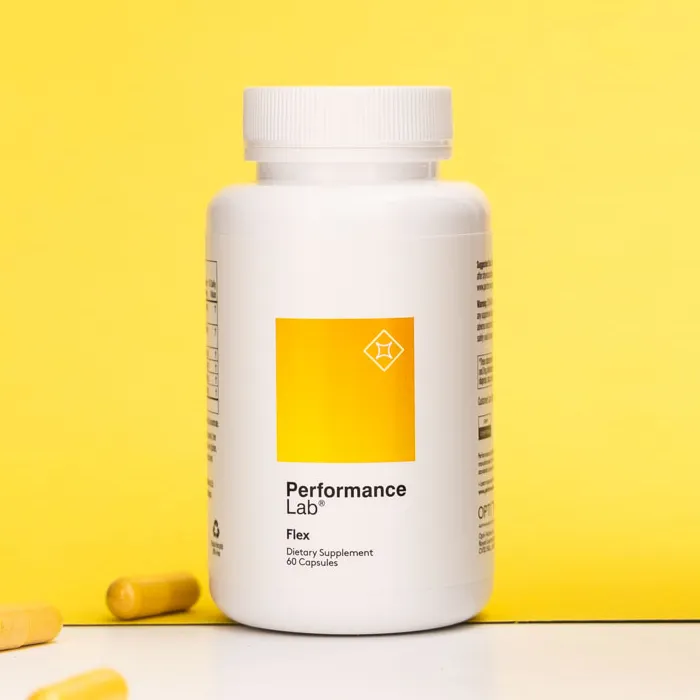
Taking MSM supplements together with our Performance Lab Flex is also worth considering. Flex combines many other studied joint supplements that may work synergistically to provide you with the best joint support.
Performance Lab Flex uses a low daily dose of 100mg OptiMSM®, which is the purest and best quality MSM available. You can pair it with your existing MSM capsule or powder supplements for a more effective dosage and synergy with other ingredients in Flex.
References
- Butawan M, Benjamin RL, Bloomer RJ. Methylsulfonylmethane: Applications and Safety of a Novel Dietary Supplement. Nutrients. 2017;9(3):290. Published 2017 Mar 16.
- K. Patel. Methylsulfonylmethane. Examine.com. 2019
- Toguchi A, Noguchi N, Kanno T, Yamada A. Methylsulfonylmethane Improves Knee Quality of Life in Participants with Mild Knee Pain: A Randomized, Double-Blind, Placebo-Controlled Trial. Nutrients. 2023;15(13):2995. Published 2023 Jun 30. doi:10.3390/nu15132995.
- Withee ED, Tippens KM, Dehen R, Hanes D. Effects of MSM on exercise-induced muscle and joint pain: a pilot study. J Int Soc Sports Nutr. 2015;12(Suppl 1):P8. Published 2015 Sep 21. doi:10.1186/1550-2783-12-S1-P8.
- Brien S, Prescott P, Lewith G. Meta-analysis of the related nutritional supplements dimethyl sulfoxide and methylsulfonylmethane in the treatment of osteoarthritis of the knee. Evid Based Complement Alternat Med. 2011;2011:528403. doi: 10.1093/ecam/nep045. Epub 2011 Feb 17. PMID: 19474240; PMCID: PMC3135791.
- Nakhostin-Roohi B, Barmaki S, Khoshkhahesh F, Bohlooli S. Effect of chronic supplementation with methylsulfonylmethane on oxidative stress following acute exercise in untrained healthy men. J Pharm Pharmacol. 2011 Oct;63(10):1290-4. doi: 10.1111/j.2042-7158.2011.01314.x. Epub 2011 Aug 1. PMID: 21899544.
- Kalman DS, Feldman S, Scheinberg AR, Krieger DR, Bloomer RJ. Influence of methylsulfonylmethane on markers of exercise recovery and performance in healthy men: a pilot study. J Int Soc Sports Nutr. 2012 Sep 27;9(1):46. doi: 10.1186/1550-2783-9-46. PMID: 23013531; PMCID: PMC3507661.