
If you’ve ever looked at the ingredients in energy drinks, you’ll notice vitamin B12 is often included, and it’s frequently marketed as a key nutrient for energy, focus, and mental performance. This has helped fuel the widespread belief that B12 itself provides an immediate energy boost, similar to caffeine.
But is that actually true?
This question often comes up in the context of energy drinks and supplements that add vitamin B12 to their formulas. However, the science behind B12 is less about instant stimulation and more about how your body produces and uses energy at a cellular level.
Does Vitamin B12 Give you Energy?
B12 does not directly provide energy. Instead it helps your body convert food into usable ATP energy and supports essential processes like red blood cell formation and oxygen transport. If you are low or deficient in B12, restoring healthy levels may improve fatigue and energy over time.
In this article, we’ll break down what vitamin B12 actually does, why it’s commonly found in energy drinks, and whether supplementing with it can genuinely make you feel more energised.
Key Takeaways
- Vitamin B12 doesn’t “give” you energy on its own; it helps convert the carbs, fats, and proteins you eat into usable cellular energy (ATP). (1)
- Most get enough B12 from food, but some are still low or deficient, which can lead to fatigue, weakness, brain fog, and other health issues. (2, 3)
- If you’re not deficient, mega-doses of B12 won’t give you an extra boost — your body simply excretes the excess.
- When B12 levels are low, restoring them through diet and supplementation can improve energy, but it usually takes consistent intake over several weeks.
- Using a high-quality multivitamin or a B-complex vitamin supplement to cover B12 and other B-vitamin gaps is a smarter long-term strategy than chasing energy-drink spikes.

What is Vitamin B12?
Vitamin B12, also called cobalamin, is part of the B-complex vitamins; eight vitamins that are essential for your overall health and bodily function.
Vitamin B12 is an important nutrient that helps your nervous system work properly.
Our bodies can’t make any of the B-complex vitamins naturally, so we have to get them from what we eat.
Dietary reference intakes (DRIs) provide guidelines for recommended vitamin B12 intake for different age groups.
Natural Sources of B12

Animal foods - such as meat, dairy products, eggs, and fish - are the primary natural sources of vitamin B12, making animal-based foods essential for meeting B12 needs in most diets.
Plant foods do not naturally contain vitamin B12, but some fortified foods and fortified cereals (including many breakfast cereals) and nutritional yeasts, are fortified with B12 to help vegetarians and vegans meet their needs.
People following a vegetarian or vegan diet, however, should be aware that they are at a higher risk of B12 deficiency due to this lack of B12 in plant foods. (4)
Most non-vegans get adequate amounts of B12 from their daily diet alone, but those that are deficient can get injections or oral doses to raise their levels. The most common form of vitamin B12 in dietary supplements is cyanocobalamin, but other forms include adenosylcobalamin, methylcobalamin, and hydroxycobalamin.
Unfortunately, the number of people who are B12-deficient seems to be growing.
A 2026 retrospective population study of 84 million B12 measurements showed a 32 % increase in B12 deficiency-linked hospitalizations from 2016 to 2023. (5)
Breaking Down Vitamin B12
Vitamin B12 is a water-soluble vitamin that is a key player in several important biological functions:
- DNA synthesis
- Erythropoiesis (red blood cell formation)
- Regeneration of bone marrow, GI lining, and respiratory tract lining
- Nervous system development and maintenance
- Prevention of anemia
A Quick Word about Cardiovascular Disease and Cognitive Function
In addition to the functions we just mentioned, vitamin B12 helps to break down homocysteine levels into another less toxic amino acid, methionine, which contributes to the integrity of the nervous and hematopoietic systems. (6)
Inadequate levels of B12 can disrupt this cycle and lead to the accumulation of homocysteine, which is toxic to neurons and poses an increased risk factor for cardiovascular disease, stroke, and cognitive decline.
Note that while elevated homocysteine is associated with an increased risk of Alzheimer's disease, systematic reviews of clinical trials comparing vitamin B12 supplementation to placebo groups have not shown a significant effect in preventing or slowing Alzheimer's disease or cognitive decline.
B12 and Fatigue

The main reason people tout B12 as an energy-boosting supplement is because of its role in blood cell formation and oxygen transport.
The body requires three key nutrients for the effective formation of red blood cells (a process known as erythropoiesis): folate, vitamin B12, and iron (1). These nutrients work together to support DNA synthesis and the production of healthy, fully functioning red blood cells.
Vitamin B12 and folate (folic acid) are especially important for the maturation of erythroblasts, the immature precursors of red blood cells. When either nutrient is lacking, DNA synthesis is disrupted, leading to impaired cell division and the production of abnormal red blood cells.
This condition is known as megaloblastic anemia, which reduces the blood’s ability to carry oxygen and can result in fatigue, weakness, pale skin, and other symptoms.
Iron is also essential for erythropoiesis because it is required for hemoglobin production. Without sufficient iron, red blood cells become smaller and contain less hemoglobin, further reducing oxygen transport and contributing to fatigue and reduced physical performance. (1, 6, 7 8)
So, Does Vitamin B12 Give You Energy?

With all of that in mind, let's get down to the main question: does vitamin B12 boost energy?
The key point in this argument is that B12 helps you convert the food you eat into energy, not that it provides you energy by itself.
For instance:
-
Carbohydrates and food containing glucose can give you direct energy on their own.
-
Vitamins like B12 help release the energy from these macronutrients.
Your body takes this energy-containing food and breaks it down into ATP. ATP is the form of energy that all the cells in your body use to power themselves to keep operating. Vitamins like B12 help this process happen and allow the ATP to be released.
Think of B12 as a group of sticks, it helps create the fire alongside matches. If there are no matches to light the sticks, the sticks cannot make fire spontaneously on their own. B12 is not a stimulant like caffeine, so it can’t suddenly cause you to feel like you have more energy.
Can B12 Dietary Supplements Help to Boost Energy?
Here's a slightly different approach to the question: While we don't expect B12 to 'give' us energy, is it worth taking vitamin B12 dietary supplements or multivitamins containing B12? Can they help to boost energy, albeit in a more roundabout way?
Well, maybe. All the B vitamins are involved in energy production, but it's not like any one vitamin can directly boost energy levels to a significant degree. With that said, fatigue can result from a dysfunction of the oxygen supply to muscles and the brain, in which B12 is involved.
Brain and Muscle Requirements
Although small, the brain consumes 3.5 mL O2 per minute and per 100g of tissue, which corresponds to about 20% of the oxygen needs of the entire body. Compromised oxygen delivery due to nutrient deficiencies or physiological damage can harm the brain and result in intellectual impairment. (9)
In comparison to the brain, resting muscle consumes about 1 ml O2 per minute and per 100g of tissue, but can increase up to 50-fold when contracting during exercise to enhance performance.
When anemia is present, i.e., low levels of the oxygen carrier hemoglobin, it results in impaired oxygen delivery, which affects not only cognitive function but also physical performance and perception of fatigue and tiredness. (10)
Research suggests that deficiencies of vitamin B12 can decrease energy and exercise tolerance, along with causing fatigue and shortness of breath. (11) These symptoms tend to disappear with B12 supplementation, but the extent will depend on the severity of the deficiency.
Simply put, without sufficient levels of B12, both energy production and red blood cell formation are impaired, leading to symptoms of B12 deficiency, such as low energy and fatigue.
So, if you want to bump up your energy levels and ensure your ATP production pathways are working optimally, getting enough B12 is essential.
A B-Vitamin Stack like our Performance Lab B-Complex may help. It provides 100% or thereabouts of all your key B vitamins, plus Inositol and Choline for extra support.
In Summary...
If you have a vitamin B12 deficiency and you consume B12, either through a supplement or natural food, you will feel like you have more energy as your levels of B12 start to regulate again. One reason why this happens is because vitamin B12 is important for making red blood cells, which carry oxygen and help against fatigue. However, this can take a couple of weeks of consistent intake of B12.
8 Signs And Symptoms You May Need More Vitamin B 12

Vitamin B12 deficiency in the United States is relatively uncommon but still affects a notable portion of the population.
Current estimates suggest that around 3.6% of adults are clinically deficient, while a much larger group, roughly 12.5%, have low or marginal levels that may still impact health. The risk increases with age.
This means that although most people meet their B12 needs, a significant minority may not have optimal levels, particularly in higher-risk groups. (12)
Watch out for these signs and symptoms of a B12 deficiency:
-
Fatigue
-
Muscle weakness or muscle spasms
-
Anxiety or depression
-
Brain fog
-
Unexplained weight loss
-
Frequent colds
-
Pins and needles
-
Cognitive impairment
-
Low blood pressure
-
Incontinence. (1)
Groups at Risk of a Potential Vitamin B12 Deficiency

Some people are at a higher risk for B12 deficiency, including those who:
-
Have celiac disease, Crohn’s disease (a gastrointestinal disorder that can impact B12 absorption), or HIV
-
Regularly take antacids, proton pump inhibitors, or other gastric acid inhibitors (these medications reduce gastric acid secretion and can interfere with vitamin B12 absorption, increasing deficiency risk)
-
Follow vegan diets (vegan diets lack sufficient vitamin B12 sources, as B12 is mainly found in animal products)
-
Are exclusively breastfed infants of women on vegan diets (these infants are at risk of B12 deficiency due to low maternal B12 intake). Vitamin B12 deficiency is also common during pregnancy and is tied to pregnancy complications. Additionally, B12 deficiency can lead to developmental delays and anemia in offspring of deficient mothers.
-
Consume excessive alcohol
-
Have immune dysfunction
-
Are older adults (see below for more on this)
-
Have gastrointestinal disorders.
National health data, such as findings from the National Health and Nutrition Examination Survey (NHANES), highlight the public health significance of vitamin B12 deficiency, showing patterns of intake and prevalence among different demographic groups.
A B12 deficiency can also be the result of:
-
Cobalamin malabsorption (intestinal diseases, gastric/intestinal resection, atrophic gastritis, pancreatic insufficiency)
-
Low gastric intrinsic factor (dietary intake deficits are less common)
-
Drug interactions. (13, 14)
In summary...
Vitamin B12 deficiency is often misunderstood as simply the result of a poor diet, but in many cases, the real issue is the body’s ability to absorb it. Unlike most other B vitamins, B12 requires a complex process involving the stomach and intestines to be properly absorbed.
Conditions such as reduced stomach acid, digestive disorders, or certain medications can interfere with this process, meaning someone can consume enough B12 yet still become deficient.
This is why B12 deficiency can occur in isolation, rather than alongside other B vitamin deficiencies, and why focusing only on dietary intake can overlook the root cause.
If alarm bells are going off suggesting that this might be you, adding in a B12 supplement or a multi with B12 may be to your advantage.
B12 and Older Adults

While a B12 deficiency isn’t as prevalent as something like vitamin D or folate, evidence suggests that 10-15% of people over the age of 60 are low in B12, likely due to loss of a protein called intrinsic factor, which is essential for the body to absorb vitamin B12. (15)
You see, unlike some other vitamins, the absorption of B12 isn’t straightforward. As I mentioned above, adequate levels of stomach acid are needed to facilitate the breakdown of B12 found in food.
Once breakdown starts, a protein called intrinsic factor, released by parietal cells in the stomach, binds to vitamin B12 in the duodenum (small intestine) and forms a B12-intrinsic factor complex that allows B12 to be absorbed in the terminal portion of the small intestine.
As such, insufficient levels of stomach acid can interfere with the absorption of B12 and can lead to a deficiency, even if dietary intake is optimal. As we age, we produce less of this stomach hydrochloric acid, meaning older adults may be at risk of a B12 deficiency.
In cases where absorption is compromised, high oral doses or very high doses (such as 1,000–2,000 mcg) of vitamin B12 may be required to correct deficiency, as these can sometimes be effective alternatives to injections. Please consult your health provider first. (16)
Interactions with Medications
If you’re taking certain medications, it’s important to know they can impact your body’s ability to absorb vitamin B12. Medications such as proton pump inhibitors (PPIs) and other gastric acid inhibitors, commonly prescribed for acid reflux or heartburn, can lower stomach acid levels. Since vitamin B12 absorption relies on adequate stomach acid to release it from food, long-term use of these medications may put you at increased risk of deficiency.
Another medication to be aware of is metformin, widely used to manage prediabetes and type 2 diabetes. Research suggests that metformin can reduce vitamin B12 absorption in the digestive tract, potentially leading to lower B12 levels over time. (18)
If you regularly take any of these medications, it’s a good idea to discuss your vitamin B12 status with your healthcare provider. They may recommend monitoring your B12 levels or suggest a dietary supplement if needed.
Health Risks from Excessive Intake
Vitamin B12 is a water-soluble vitamin, meaning excess amounts are typically excreted in urine, and toxicity is considered very low. No tolerable upper intake level has been established for B12 due to its safety profile.
However, some observational studies have linked very high supplemental intakes of B12 with potential health risks, including increased rates of certain cancers or fractures in specific populations. These findings do not establish a direct cause-and-effect relationship, but they suggest that long-term high-dose supplementation may not be necessary for individuals with adequate B12 status. (19, 20)
B12 Injections: What You Need to Know

For some people, getting enough vitamin B12 from diet or oral supplements isn’t always possible - especially if their body has trouble absorbing this essential nutrient. In these cases, vitamin B12 injections can be a highly effective solution, ensuring your body gets the B12 it needs to support healthy red blood cells, optimal nerve function, and efficient energy production.
B12 injections deliver the vitamin directly into the muscle, bypassing the digestive tract. This is particularly important for individuals with conditions that interfere with B12 absorption, such as pernicious anemia, gastrointestinal disorders like celiac disease or Crohn’s disease, or those who have undergone certain types of gastrointestinal surgery.
These injections are also sometimes recommended for older adults, whose ability to absorb B12 from food naturally declines with age.
The main goal of B12 injections is to quickly restore normal levels of vitamin B12 in the body. This helps resolve symptoms of deficiency, such as persistent fatigue, weakness, and neurological symptoms like numbness, tingling, or memory problems.
By supporting the production of healthy red blood cells, B12 injections can also help prevent or treat megaloblastic anemia - a condition where red blood cells are too large and unable to carry oxygen efficiently.
If you’re experiencing symptoms that could be linked to low B12 - especially if you have a condition that affects absorption - your healthcare provider may recommend a blood test to check your levels.
If a deficiency is confirmed, B12 injections may be prescribed as part of your treatment plan. These are typically administered in a healthcare setting by health professionals, with the frequency and duration tailored to your individual needs.
While B12 injections are safe and effective for those who truly need them, they aren’t necessary for everyone. For most healthy individuals, maintaining adequate intake through a balanced diet or a high-quality dietary supplement is sufficient to support red blood cell health, nerve function, and energy levels.
Always consult with a healthcare professional before starting any new treatment, especially if you suspect a vitamin B12 deficiency.
The recommended dietary allowance (RDA) for B12 in adults is 2.4mcg, rising to 2.6mcg for pregnant women and 2.8mcg for breastfeeding women.
B12 in Energy Drinks

Vitamin B12 is commonly added to energy drinks, which has contributed to the belief that it directly boosts energy levels. However, as explained earlier, B12 supports normal energy production at a cellular level but does not act as a stimulant or provide an immediate energy boost.
Levels of B12 in energy drinks vary widely. Many provide around 66.7% of the daily value, while some contain none at all and others are fortified at extremely high doses, sometimes exceeding 5,000% and even 40,000% of the recommended intake.
In these products, B12 is typically combined with ingredients like caffeine, sugar, amino acids, or other performance-related compounds. The noticeable “energy” effect is primarily driven by these stimulants, not the vitamin content. Vitamin C, another nutrient often included in energy drinks, is important for immune health and overall wellness.
Although vitamin B12 is essential for red blood cell formation and normal metabolic function, its role in energy drinks is supportive rather than performance-driving. For most people with adequate B12 levels, additional intake through energy drinks is unlikely to meaningfully affect energy or alertness.
Vitamin B12 also has no established tolerable upper intake level due to its low toxicity, and excess amounts are generally excreted without adverse effects. However, this does not translate into increased energy in healthy individuals, as research suggests supplementation does not significantly affect energy levels unless a deficiency is present.
For this reason, energy drinks are not a reliable or necessary way to support B12 status. A balanced diet or a quality multivitamin remains a more consistent approach, while the perceived energy boost from these drinks comes primarily from caffeine and sugar rather than added vitamins.
Supporting B12, The Healthier Way
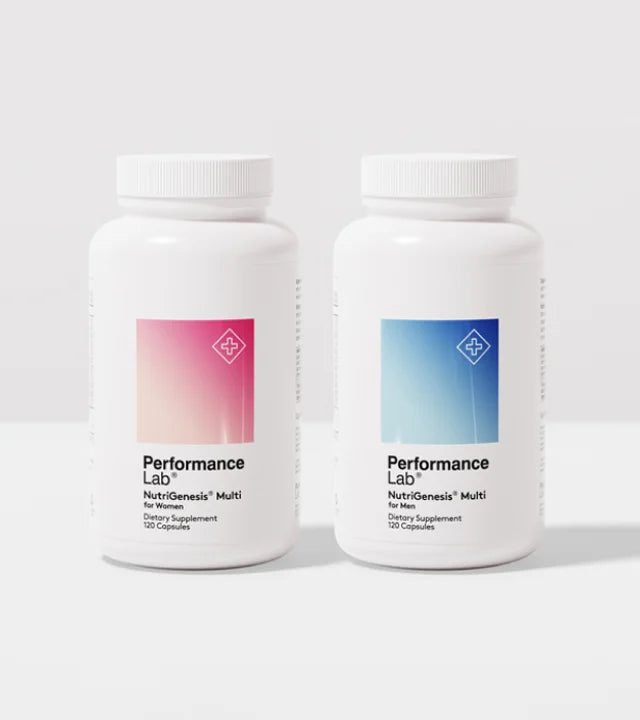
There are healthier ways to support your natural vitamin B12 intake. The best way is through a nutrient-dense diet. If you struggle to gain the full vitamins and minerals you need because of diet or lifestyle reasons, you may want to supplement with a clean and lightly-dosed multivitamin like Performance Lab® Nutrigenesis® Multi.
NutriGenesis Multi has tailored formulas for men and women and provides 24 important nutrients, helping you to top up your levels. It’s particularly strong in the B-vitamins
The only multi I’ve used and noticed more energy and better overall wellbeing!Jerrold N
Final Thoughts
B12 is a nutrient that plays critical roles in overall health and well-being. Whether it’s red blood cell production, DNA synthesis, or brain function, getting enough B12 in your diet is key to optimal performance.
However, while B12 plays an important role in energy production and supplementing to maintain normal serum concentrations can support your energy production pathways, researchers aren’t sold on B12 supplementation for boosting energy unless you’re deficient; that is, it’s not likely to increase energy levels in people with normal levels of B12.
That said, a significant proportion of people in the United States are either deficient in vitamin B12 or lacking enough B12 for optimum health. Making sure you’re taking in B12 through diet or supplementation, therefore, - especially for plant-based eaters - should be top of your list.
Vitamin B12 in its free form, as found in supplements and fortified foods, is more readily absorbed by the body. If you are already deficient in B12, then you may feel a jump in energy upon consumption as your levels begin to return to baseline. Methylmalonic acid is a sensitive biomarker used to diagnose vitamin B12 deficiency, especially in borderline cases.
If you are concerned about any possible nutrient deficiencies, you should consult your doctor. Otherwise, supporting your overall health by bridging any potential nutrient gaps with the use of a multivitamin such as Performance Lab® NutriGenesis® Multi would also be beneficial!
Shop Performance Lab® NutriGenesis Multi (Men)
Shop Performance Lab® NutriGenesis Multi (Women)
References
- O’Leary, F., and S. Samman. “Vitamin B12 in Health and Disease.” Nutrients 2, no. 3 (2010): 299–316. https://doi.org/10.3390/nu2030299
- Patel, H., and R. McGuirk. “Vitamin B12 Deficiency: Common Questions and Answers.” American Family Physician 112, no. 3 (2025): 294–300.
- de Carvalho, L. P., N. Akamine, M. S. Di Pietro, C. N. França, R. Oliveira, and R. D. Lopes. “Vitamin B12 Deficiency and Its Impact on Healthcare: A Population-Level Analysis and Call for Action.” Frontiers in Nutrition 12 (2026): 1701661. https://doi.org/10.3389/fnut.2025.1701661
- Watanabe, F. “Vitamin B12 Sources and Bioavailability.” Experimental Biology and Medicine 232, no. 10 (2007): 1266–1274. https://doi.org/10.3181/0703-MR-67
- de Carvalho, L. P., N. Akamine, M. S. Di Pietro, C. N. França, R. Oliveira, and R. D. Lopes. “Vitamin B12 Deficiency and Its Impact on Healthcare: A Population-Level Analysis and Call for Action.” Frontiers in Nutrition 12 (2026): 1701661. https://doi.org/10.3389/fnut.2025.1701661
- Lip, G. Y., D. A. Lane, T. A. Millane, and M. H. Tayebjee. “Psychological Interventions for Depression in Adolescent and Adult Congenital Heart Disease.” Cochrane Database of Systematic Reviews 2003, no. 3 (2003): CD004394.
- Smith, D., M. Warren, and H. Refsum. “Vitamin B12.” Advances in Food and Nutrition Research 83 (2018): 215–279.
- Jagim, A. R., P. S. Harty, A. R. Barakat, et al. “Prevalence and Amounts of Common Ingredients Found in Energy Drinks and Shots.” Nutrients 14, no. 2 (2022): 314. https://doi.org/10.3390/nu14020314
- Tardy, A. L., E. Pouteau, D. Marquez, C. Yilmaz, and A. Scholey. “Vitamins and Minerals for Energy, Fatigue and Cognition: A Narrative Review of the Biochemical and Clinical Evidence.” Nutrients 12, no. 1 (2020): 228.
- Acaster, S., R. Dickerhoof, K. DeBusk, K. Bernard, W. Strauss, and L. F. Allen. “Qualitative and Quantitative Validation of the FACIT-Fatigue Scale in Iron Deficiency Anemia.” Health and Quality of Life Outcomes 13 (2015): 60.
- Huskisson, E., S. Maggini, and M. Ruf. “The Role of Vitamins and Minerals in Energy Metabolism and Well-Being.” Journal of International Medical Research 35, no. 3 (2007): 277–289.
- National Institutes of Health, Office of Dietary Supplements. “Vitamin B12 Fact Sheet for Health Professionals.” https://ods.od.nih.gov/factsheets/VitaminB12-HealthProfessional
- Andrès, E., N. H. Loukili, E. Noel, et al. “Vitamin B12 (Cobalamin) Deficiency in Elderly Patients.” Canadian Medical Association Journal 171, no. 3 (2004): 251–259.
- Porter, K., L. Hoey, C. F. Hughes, M. Ward, and H. McNulty. “Causes, Consequences and Public Health Implications of Low B-Vitamin Status in Ageing.” Nutrients 8, no. 11 (2016): 725.
- Lip, G. Y., D. A. Lane, T. A. Millane, and M. H. Tayebjee. “Psychological Interventions for Depression in Adolescent and Adult Congenital Heart Disease.” Cochrane Database of Systematic Reviews 2003, no. 3 (2003): CD004394.
- Cleveland Clinic. “Hypochlorhydria (Low Stomach Acid).” https://my.clevelandclinic.org/health/diseases/23392-hypochlorhydria
- Jagim, A. R., P. S. Harty, A. R. Barakat, J. L. Erickson, V. Carvalho, C. Khurelbaatar, C. L. Camic, and C. M. Kerksick. “Prevalence and Amounts of Common Ingredients Found in Energy Drinks and Shots.” Nutrients 14, no. 2 (2022): 314. https://doi.org/10.3390/nu14020314
- National Institute of Diabetes and Digestive and Kidney Diseases. “Metformin and Vitamin B12 Deficiency.” https://www.niddk.nih.gov/health-information/professionals/diabetes-discoveries-practice/metformin-vitamin-b12-deficiency
- Brasky, T. M., et al. “Long-Term, Supplemental, One-Carbon Metabolism–Related Vitamin B Use in Relation to Lung Cancer Risk in the Vitamins and Lifestyle (VITAL) Cohort.” Journal of Clinical Oncology 35 (2017): 3440–3448.
- Meyer, H. E., W. C. Willett, T. T. Fung, K. Holvik, and D. Feskanich. “Association of High Intakes of Vitamins B6 and B12 From Food and Supplements With Risk of Hip Fracture Among Postmenopausal Women in the Nurses’ Health Study.” JAMA Network Open 2, no. 5 (2019): e193591. https://doi.org/10.1001/jamanetworkopen.2019.3591