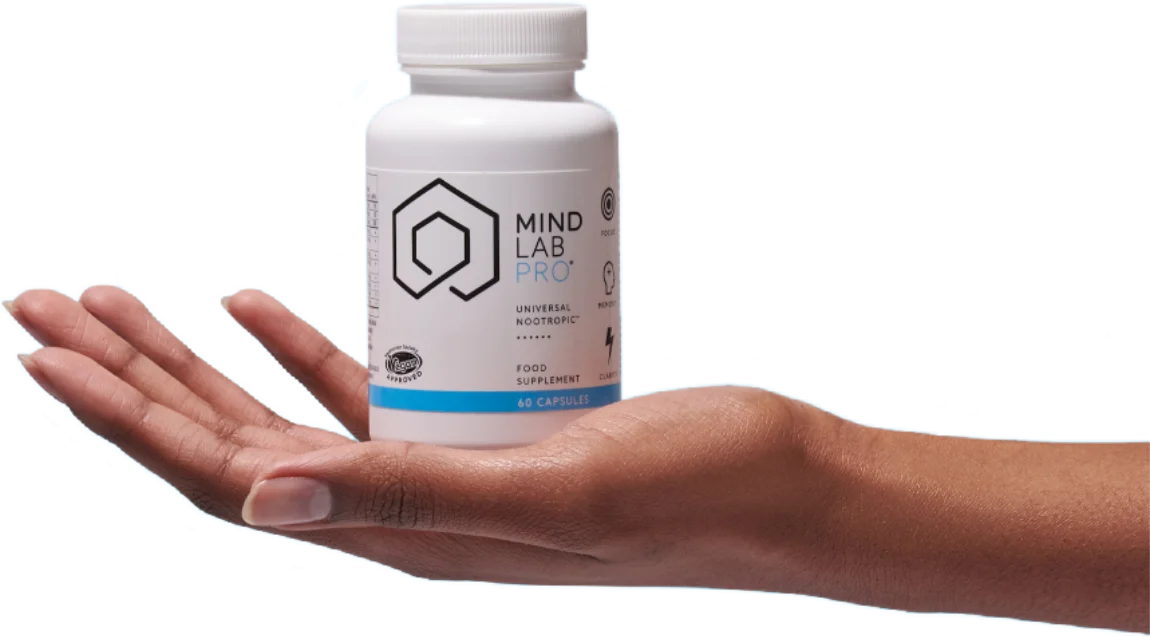

Multivitamins-minerals are the most popular supplements in the United States, taken regularly by a third of the adult population. (1)
But given the dazzling amount of choice out there, how do you know which multivitamin to choose? We'd recommend choosing a tailored supplement for your age and gender, and a multivitamin with antioxidant support.
This article will explain why antioxidants are important to our health and what to look for when choosing the best multivitamin for you. So let's get cracking...
Key Takeaways
- Antioxidants help protect cells from oxidative stress caused by free radicals produced through normal metabolism and environmental stressors.
- Key antioxidant nutrients such as vitamins C, E, A, selenium, and zinc support immune health, energy metabolism, and normal cellular function.
- Many adults struggle to consistently meet recommended intakes for important vitamins and minerals through diet alone, particularly vitamins A, C, D, and E.
- A quality multivitamin with antioxidant support can help fill nutritional gaps and support daily wellness as part of a balanced lifestyle.
- Choosing a clean-label multivitamin tailored to your age and sex may help support nutrient absorption, consistency, and overall long-term health.
What are Antioxidants?

Let’s start with the basics: what are antioxidants?
Antioxidants are molecules that fight potentially damaging free radicals in your body. So the question now becomes: what are free radicals?
Free radicals are unstable molecules that are produced naturally in the body as part of normal metabolism and can also increase with environmental stress. In fact, I bet you didn’t know that the body is constantly forming free radicals and some are actually useful for health. The immune system, for example, uses free radicals to fight infection.
So why are free radicals described as the biological equivalent of the boogeyman?
Because without enough antioxidants to neutralize them, the level of free radicals could easily become too high and start to cause oxidative damage, harming the body's cells and DNA, as well as proteins and cell membranes. It’s the imbalance that’s the problem.
This imbalance is known as oxidative stress. Research has explored associations between oxidative stress and a range of long-term health conditions, including heart disease, diabetes, and certain types of cancer. (2, 3, 4)
Factors that can promote excessive free radicals and oxidative stress
Smoking – Alcohol intake – Toxins – Air pollution – Infections – High blood sugar – Radiation – Prolonged intense exercise – Antioxidant deficiency. (5, 6)
Where Do Antioxidants Come From?
Your body can produce some of its own antioxidants such as glutathione and alpha lipoic acid. However, these aren’t enough to prevent oxidative stress.
Other antioxidants can be found in food, especially in fruits, vegetables, nuts, and whole grains, as well as in supplements.
Research suggests that diets high in antioxidant-rich fruits and vegetables are linked to a lower risk of chronic diseases. Antioxidants from whole foods often work alongside other plant compounds, which may enhance their health benefits and provide fibers and nutrients supplements cannot fully replicate.
Three of the most well-known antioxidant vitamins are vitamins C, E and A (and beta-carotene, its precursor), alongside other important antioxidant nutrients such as selenium and zinc. (7)
Key Benefits of Antioxidant Vitamins and Nutrients

Let’s take a look at some of the key antioxidants that you’re most likely to find in multivitamin supplements and their potential benefits.
Multivitamins typically focus on essential antioxidant nutrients (vitamins C, E, A, selenium, zinc), while some premium formulations also include targeted compounds such as lutein, CoQ10, or plant extracts.
-
Vitamin C: Contributes to the normal function of the immune system and helps protect cells from oxidative stress, while also working with zinc and vitamin D in support of immune cell function. It also supports normal collagen formation, which is important for skin, blood vessels, and connective tissues. (8)
-
Vitamin E: Contributes to the protection of cells from oxidative stress and helps maintain normal immune function. It is an essential nutrient involved in protecting cell membranes throughout the body, helping maintain tissue integrity and support skin against environmental damage. (9)
-
Vitamin A (and beta-carotene): Vitamin A contributes to the maintenance of normal vision, normal immune function, and normal skin. Beta-carotene is a precursor that the body can convert into vitamin A as needed. (10)
-
Selenium: Contributes to the protection of cells from oxidative stress and supports normal thyroid function and immune system activity. (11)
-
Zinc: Contributes to the protection of cells from oxidative stress and supports normal immune function, DNA synthesis, and normal cognitive function. (12)
-
Coenzyme Q10 (CoQ10): CoQ10 is naturally present in the body and plays a role in energy production within cells. Levels naturally decline with age, and it is commonly included in supplements for general wellbeing support.
-
Lutein and zeaxanthin: These carotenoids are found in the eye and contribute to the maintenance of normal vision by supporting normal eye function and overall eye health. These may be more likely to be found in a dedicated eye supplement, such as Performance Lab Vision.
Summary
Modern lifestyles can expose the body to increased oxidative stress from factors such as poor diet, lack of sleep, environmental pollutants, and everyday pressures. Antioxidants such as vitamins C and E help protect cells from oxidative stress, which is why they are commonly included in multivitamin formulas designed to support overall wellness and daily nutritional intake. (13)
Antioxidant Research
A wide range of scientific research has explored the role of antioxidant nutrients such as vitamin C, vitamin E, vitamin A, beta-carotene, selenium, and zinc in human health. These nutrients are widely studied in clinical trials, randomized controlled trials, systematic reviews, and meta-analyses due to their involvement in key biological processes, including oxidative stress, cellular protection, and normal physiological function.
Across this research, antioxidant nutrients are consistently recognised as important contributors to normal health maintenance.
Study results on specific disease outcomes such as cardiovascular disease, coronary heart disease, cancer risk, and all-cause mortality are mixed. Research indicates that while multivitamins can help increase nutrient intakes, their effectiveness in preventing chronic diseases remains inconclusive.
Many studies, however, highlight that antioxidant nutrients play a fundamental role in supporting normal functions such as energy metabolism, immune system activity, cognitive function, and eye health, including age-related changes such as age related macular degeneration and vision loss.
These functions are central to everyday wellbeing and are closely linked to overall dietary quality.
Research also suggests that while whole-food diets rich in fruits and vegetables remain the primary source of antioxidants, dietary supplements and multivitamins can help support consistent intake of essential nutrients such as vitamin C, vitamin E, selenium, and zinc, particularly in populations where dietary intake may vary.
Overall, antioxidant research continues to reinforce the importance of these nutrients within a balanced diet and highlights their role in supporting normal cellular function and long-term nutritional adequacy rather than acting as targeted treatments for specific diseases. (14, 15)
Why We May Struggle to Gain Enough Antioxidants
According to population nutrition surveys, a significant percentage of adults in the United States struggle to meet the Estimated Average Requirement (EAR) for several key nutrients, in particular vitamins A, C, D, and E, as well as calcium and magnesium. To put that into context, approximately 60% of people failed to meet EAR for vitamin E in particular.
Intakes below the EAR do not necessarily indicate clinical deficiency, but they do suggest that many individuals may not be consistently meeting levels associated with adequate nutrient intake in a healthy population.
As one 2011 study asking where Americans get their nutrients from concluded:
Without enrichment and/or fortification and supplementation, many Americans did not achieve the recommended micronutrient intake levels set forth in the Dietary Reference Intake. (16)
Which brings us nicely onto multivitamins...
What is a Multivitamin Dietary Supplement?

A multivitamin is a dietary supplement that typically contains the vitamins, minerals and other nutrients (known as micronutrients) your body needs in small amounts.
As I said, multivitamin-mineral supplements are widely used in the United States, with around one-third of adults reporting use in the past 30 days. Research also shows that supplement use varies by age and sex, with higher use generally seen among women and older adults. (17)
Generally speaking, each recognized vitamin or mineral in a multivitamin plays a specific role in the body, with combined nutrients potentially helping with:
-
Immune system support
-
Maintenance of normal vision
-
Normal energy-yielding metabolism
-
Normal function of the heart and circulatory system
-
Normal cognitive function
-
Protection of cells from oxidative stress
-
Maintenance of normal bones and muscle function
Our body cannot produce most of these nutrients so we must gain them from food or supplements. It’s always better to gain your nutrients from a varied and balanced diet, but some people may benefit from additional supplementation.
Who May Benefit from Multivitamins?

While supplements are intended as an addition to any diet and shouldn’t replace a poor diet and/ or lifestyle, it’s fair to say that certain populations may be at risk of nutrient deficiencies and a combined daily vitamin supplement may help.
People who may benefit from taking vitamins or multivitamins the most include:
Pregnant women: Nutritional needs increase during pregnancy, and certain nutrients such as folic acid and iron are particularly important for supporting both maternal health and normal foetal development. Note: High supplemental vitamin A can cause birth defects and should not be taken in excess. Please speak to your health care provider to confirm whether a specific multivitamin with antioxidants is appropriate during pregnancy or while nursing. You may need specific pre-natal vitamins.
Older adults: As we age, our bodies absorb certain nutrients less efficiently, while requirements for nutrients involved in bone health, immune function, and overall wellbeing may increase. Vitamin B12 is a particular concern as stomach acid (needed to absorb B12) falls as we get older. Which is why the National Academy of Medicine recommends anyone over 50 either eat B12-fortified foods or take a vitamin B12 supplement. B12 can also be found in multivitamin supplements. (18, 19)
Studies show us that dietary supplement use increases with age across both genders, with 80% of women over 60 reporting supplement use. (1)
Dieters: Restrictive or calorie-controlled diets may make it more difficult to consistently obtain a wide range of essential vitamins and minerals from food alone.
People living with certain conditions or illnesses: Some health conditions, medications, or digestive issues may affect appetite, food intake, or the body’s ability to absorb nutrients effectively. Antioxidants can interact with medications, so consult a health care professional or doctor before use.
Vegans and vegetarians: Plant-based diets can be rich in many nutrients, but some vitamins and minerals such as vitamin B12, iron, iodine, and omega-3 fatty acids may require additional attention. (20)
Many people also choose to take multivitamins as a convenient way to help support their daily nutrient intake, particularly during busy periods, restrictive diets, or times when nutritional intake may not always be ideal. To 'cover their bases' as it were, or to plug any nutritional gaps.
Benefits of Taking a Multivitamin with Antioxidant Support

Choosing a multivitamin that includes antioxidant nutrients can help support your everyday nutritional intake.
As we've seen, nutrients such as vitamins C and E, vitamin A, zinc, and selenium all play a role in several bodily functions, including supporting the protection of cells from oxidative stress, which naturally occurs as the body goes about its daily processes.
These nutrients are commonly included in multivitamins because they contribute to maintaining immune function, energy metabolism, and overall health.
Because diet quality and nutrient intake can vary from person to person, a multivitamin can offer a convenient way to help fill in nutritional gaps and support consistent intake of essential vitamins and minerals.
It is not a replacement for a balanced diet, but it can help support intake of key nutrients involved in normal physiological processes, including antioxidant protection at a cellular level.
Clinical Trial
One large long-term randomized, double-blind, placebo-controlled trial involving more than 14,000 male physicians examined the effects of a daily multivitamin over 11 years. The study reported a small reduction in total cancer incidence (8%) in the multivitamin group compared with placebo.
However, the findings relate to this specific study population and should be interpreted within the broader context of mixed evidence from other clinical trials and systematic reviews on multivitamin supplementation. (21)
Safety Precautions: Dangers of High Dose Antioxidant Supplements
It's worth noting that while antioxidants are important for health, large doses or excessive intake from supplements may have harmful effects, particularly so with Vitamin A.
Some nutrients can also interact with certain medications. For example, excess vitamin E may increase bleeding risk in people taking blood-thinning medication. Please seek professional advice if you suffer from any medical problems or are taking other supplements or medications. (9)
Eating antioxidant-rich foods of fruit and vegetables should be your first choice, but otherwise you could opt to gain your antioxidants in a quality multivitamin that avoids super high dosages. (22)
Pregnant women should always seek professional health advice before taking any supplements.
What to Look for in a Multivitamin Supplement

In such a crowded supplement market, it can be hard to know how to choose the best multivitamin for you. Our recommendations include:
-
Seeking a multivitamin with added antioxidant support - obviously!
-
Choosing a formula tailored to your age, sex, and health needs
-
Avoiding products with super high dosages. Aim for about 100% of the Daily Value (DV) for key nutrients when choosing a multivitamin, as exceeding the Tolerable Upper Intake Level can lead to toxicity.
-
Looking for a multivitamin with a strong base of key nutrients, including Vitamin B for energy - don’t be swayed by marketing hype and fancy ingredients; look for a good range of key vitamins and minerals.
-
Choosing a product that is third-party tested or independently verified, since third-party verification from independent labs helps confirm label accuracy and screen for contaminants. All Performance Lab products are third-party verified.
-
Choosing a supplement from a respected manufacturer
-
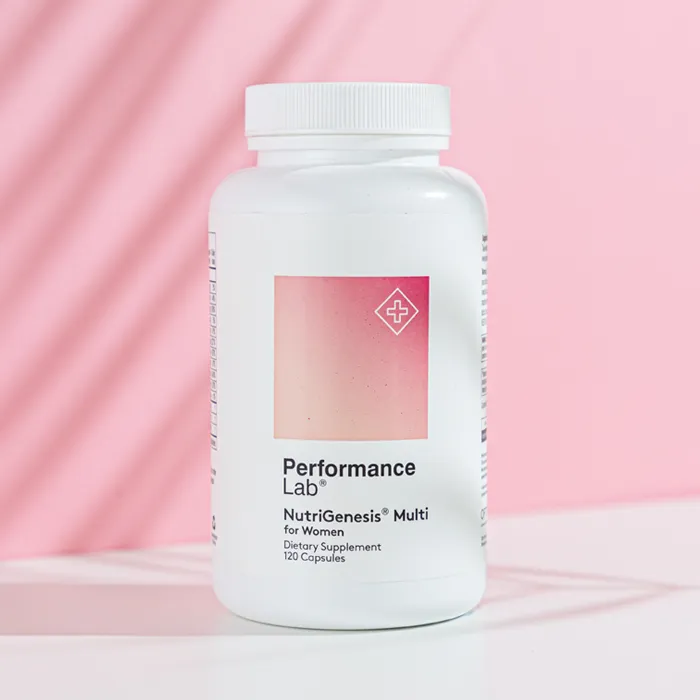
Seeking a multivitamin that has a clean label and is vegan-friendly (if that’s important to you). Performance Lab NutriGenesis Multi, for instance, is Clean Label Project certified.
-
Making sure the nutrients the product includes are in a highly bio-available form.
More: How to read your supplement label
Performance Lab NutriGenesis Multi with Nutrients that Replicate Nature
Performance Lab NutriGenesis Multivitamin for men or women combines 24 different nutrients in one capsule - including antioxidant vitamins C, E and A and minerals selenium and zinc.
It uses a patented NutriGenesis manufacturing process to create vitamins and minerals as close to nature as possible, making them easy to absorb.
NutriGenesis Multi is also one of the cleanest vegan supplements you’ll find - Clean Label Project certified - with no allergens, preservatives, GMO, gluten free, or artificial colors.
Performance Lab® NutriGenesis Multi
The world's most advanced multivitamin formula.
Shop Now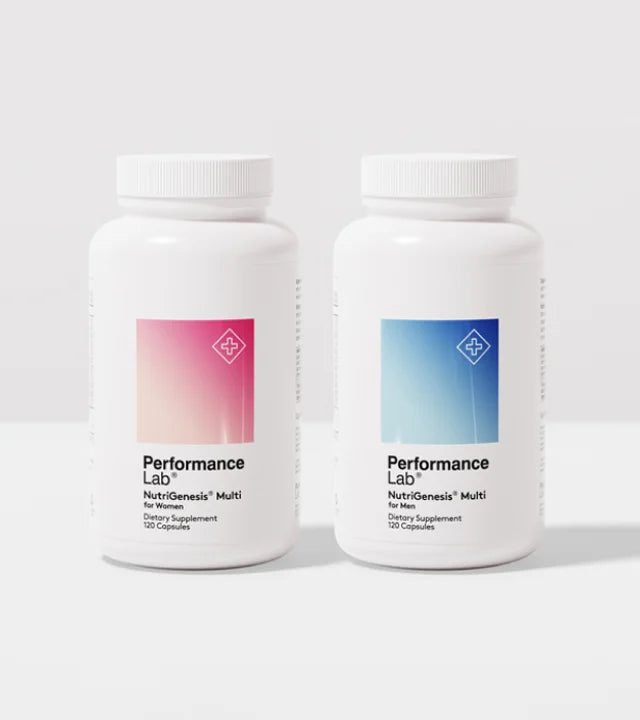
Pairs well with:
According to research by the CDC, the most popular dietary supplements are multivitamin-mineral supplements, followed by Vitamin D and Omega-3 fatty acids. (1)
Performance Lab offers a standalone vitamin D supplement combined with vitamin K2 to support strong bones, optimal health and immune function, and overall cardiovascular wellness as part of your daily routine. Vitamin D supplementation is commonly recommended in areas with limited sunlight or for people who have little exposure to sunlight.
Our popular Omega 3 supplement gains its omega 3 direct from algae and not fish - the original source of the fatty acid - meaning it avoid the fishy taste and smell! Bonus.
Love this product! Easy to swallow capsule with no aftertaste.Sarah A

Final Thoughts
With so many multivitamin options on the market, it can be difficult to know what really makes one worth choosing over another.
While no supplement can replace a balanced and varied diet, a well-formulated multivitamin can be a simple way to help support your daily nutrient intake, especially when life gets busy or dietary choices are less than perfect.
Multivitamins that include key antioxidant nutrients such as vitamins C, E, A, zinc, and selenium may also help support normal processes like the protection of cells from oxidative stress as part of overall health.
Ultimately, it comes down to choosing a formula that provides a solid foundation of essential nutrients in sensible amounts, as part of a healthy lifestyle rather than a substitute for one.
References
- “Dietary Supplement Use Among Adults: United States, 2017–2018.” CDC/NCHS. https://blogs.cdc.gov/nchs/2021/02/25/5492/
- “Antioxidants and Cancer Prevention.” National Cancer Institute. https://www.cancer.gov/about-cancer/causes-prevention/risk/diet/antioxidants-fact-sheet
- “Add Antioxidants to Your Diet.” Mayo Clinic. https://www.mayoclinic.org/healthy-lifestyle/nutrition-and-healthy-eating/in-depth/add-antioxidants-to-your-diet/art-20546814
- Liguori, I., et al. “Oxidative Stress, Aging, and Diseases.” Clinical Interventions in Aging, vol. 13, 2018, pp. 757–772. https://doi.org/10.2147/CIA.S158513
- Wright, E., Jr, Scism-Bacon, J. L., and Glass, L. C. “Oxidative Stress in Type 2 Diabetes: The Role of Fasting and Postprandial Glycaemia.” International Journal of Clinical Practice, vol. 60, no. 3, 2006, pp. 308–314. https://doi.org/10.1111/j.1368-5031.2006.00825.x
- Powers, S. K., and Jackson, M. J. “Exercise-Induced Oxidative Stress: Cellular Mechanisms and Impact on Muscle Force Production.” Physiological Reviews, vol. 88, no. 4, 2008, pp. 1243–1276. https://doi.org/10.1152/physrev.00031.2007
- Wang, X., Ouyang, Y. Y., Liu, J., and Zhao, G. “Flavonoid Intake and Risk of CVD: A Systematic Review and Meta-Analysis of Prospective Cohort Studies.” The British Journal of Nutrition, vol. 111, no. 1, 2014, pp. 1–11. https://doi.org/10.1017/S000711451300278X
- “Vitamin C.” Office of Dietary Supplements, NIH. https://ods.od.nih.gov/factsheets/VitaminC-Consumer/
- “Vitamin E.” Office of Dietary Supplements, NIH. https://ods.od.nih.gov/factsheets/VitaminE-Consumer
- “Vitamin A and Carotenoids.” Office of Dietary Supplements, NIH. https://ods.od.nih.gov/factsheets/VitaminA-Consumer/
- “Selenium.” Office of Dietary Supplements, NIH. https://ods.od.nih.gov/factsheets/Selenium-Consumer/
- “Zinc.” Office of Dietary Supplements, NIH. https://ods.od.nih.gov/factsheets/Zinc-Consumer/
- Kalogerakou, T., and Antoniadou, M. “The Role of Dietary Antioxidants, Food Supplements and Functional Foods for Energy Enhancement in Healthcare Professionals.” Antioxidants, vol. 13, no. 12, 2024, p. 1508. https://doi.org/10.3390/antiox13121508
- Aune, D., et al. “Dietary Intake and Blood Concentrations of Antioxidants and the Risk of Cardiovascular Disease, Total Cancer, and All-Cause Mortality: A Systematic Review and Dose-Response Meta-Analysis of Prospective Studies.” The American Journal of Clinical Nutrition, vol. 108, no. 5, 2018, pp. 1069–1091. https://doi.org/10.1093/ajcn/nqy097
- Jenkins, D. J. A., et al. “Selenium, Antioxidants, Cardiovascular Disease, and All-Cause Mortality: A Systematic Review and Meta-Analysis of Randomized Controlled Trials.” The American Journal of Clinical Nutrition, vol. 112, no. 6, 2020, pp. 1642–1652. https://doi.org/10.1093/ajcn/nqaa245
- Fulgoni, V. L., 3rd, Keast, D. R., Bailey, R. L., and Dwyer, J. “Foods, Fortificants, and Supplements: Where Do Americans Get Their Nutrients?” The Journal of Nutrition, vol. 141, no. 10, 2011, pp. 1847–1854. https://doi.org/10.3945/jn.111.142257
- Mishra, Suruchi, et al. Dietary Supplement Use Among Adults: United States, 2017–2018. NCHS Data Brief. https://www.cdc.gov/nchs/data/databriefs/db399-H.pdf
- Institute of Medicine. Food and Nutrition Board. Dietary Reference Intakes: Thiamin, Riboflavin, Niacin, Vitamin B6, Folate, Vitamin B12, Pantothenic Acid, Biotin, and Choline. Washington, DC: National Academy Press, 1998.
- Institute of Medicine (US) Standing Committee on the Scientific Evaluation of Dietary Reference Intakes and its Panel on Folate, Other B Vitamins, and Choline. Dietary Reference Intakes for Thiamin, Riboflavin, Niacin, Vitamin B6, Folate, Vitamin B12, Pantothenic Acid, Biotin, and Choline. Washington, DC: National Academies Press, 1998. https://www.ncbi.nlm.nih.gov/books/NBK114302/
- “Should You Take a Multivitamin?” Examine.com. https://examine.com/articles/do-you-need-a-multivitamin/
- Gaziano, J. M., et al. “Multivitamins in the Prevention of Cancer in Men: The Physicians’ Health Study II Randomized Controlled Trial.” JAMA, vol. 308, no. 18, 2012, pp. 1871–1880.
- “Understanding Antioxidants.” Harvard Health Publishing. https://www.health.harvard.edu/healthy-aging-and-longevity/understanding-antioxidants