

Potassium is an essential mineral that supports muscle function, fluid balance, nerve signalling, and blood pressure. During fasting, especially longer fasts, potassium levels can decline as the body continues to lose electrolytes through urine, which may contribute to symptoms like fatigue, dizziness, muscle cramps, and headaches.
So how much potassium do you actually need while fasting? The answer depends largely on the length of your fast, but just as importantly, how you take it. For shorter fasts, additional potassium may not always be necessary, while longer fasts often benefit from gradual, measured potassium support to help maintain electrolyte balance.
In practical terms, this means intake is typically adjusted based on fast length, activity level, and how the individual is feeling, rather than a single fixed dose for everyone.
Whether you’ve experienced leg cramps, lightheadedness, or that “off” feeling during a fast, electrolyte imbalance is often the cause. Potassium plays a key role here, but it works alongside other electrolytes and needs to be used carefully to stay both effective and safe.
Potassium is one of the key electrolytes affected during fasting, along with sodium and magnesium, which also play important roles in fluid balance and muscle function.
In this guide, we’ll break down how much potassium you may need while fasting, why it matters, and how to use it effectively without disrupting your fast.
Let’s get started.
Key Takeaways
- Electrolytes matter during fasting—potassium helps maintain nerve, muscle and cardiac function.
- Supplementing small, regular amounts can ease headaches, fatigue and cramping in longer fasts.
- Don’t combine with very high sodium without monitoring; keep fluids steady.
- People on kidney meds or with renal issues should consult a clinician first.
- Use clean, measured forms and avoid sugary electrolyte drinks to stay fasted.

What is Potassium?

Before we dive into everything you want to know about potassium and why it’s important to supplement during periods of low energy intake, we first need to ensure you have a solid knowledge. So, what is potassium?
When you think about potassium, chances are a banana comes to mind. It’s one (but not the only) source of potassium in the diet.
Potassium is an essential mineral present in many foods that plays an integral role in the nervous system, as well as in muscle contractions, fluid balance, blood pressure, and more.
But despite its importance and dietary prevalence, it’s one of the four most common nutrient shortfalls in the American diet. (1)
Recommended Intake of Potassium
In 2004, potassium intake guidelines were set at 4,700 mg/day based on associations with blood pressure and cardiovascular health.
However, updated recommendations (Dietary Reference Intakes) from 2019 now suggest lower adequate intake levels of 3,400 mg/day for men and 2,600 mg/day for women.
Despite the reduction in recommended intake levels, most Americans still fall short of current potassium guidelines, with population-wide average intakes below the updated adequate intake values and potassium recognised as a nutrient of public health concern. (11)
On average, men in the United States consume 3,016 mg of potassium daily from foods, while women consume 2,320 mg.
But why should we care? Sufficient potassium intake is necessary for heart and bone health, cardiovascular function, and prevention of chronic diseases like stroke and coronary heart disease.
Potassium intake recommendations are established based in part on observations of healthy populations, including infants who receive potassium from breast milk and complementary foods, which help inform appropriate nutrient references.
Along with potassium, we also have to consider the other electrolytes - sodium, magnesium, and calcium. These are all minerals critical to optimal health and well-being.
Not consuming enough during fasting, especially a prolonged fast, could lead to an electrolyte imbalance, quickly becoming life-threatening when left unchecked.
Related Post: Should I Take Potassium in the Morning or Night?
What Does Potassium Do?
So, why is potassium important?
The primary role of potassium is as an electrolyte. Not familiar with what electrolytes are? Technically, electrolytes are substances that dissociate in solution and can conduct an electrical current. (2).
They are located in both intra- and extracellular fluid, with each location in the cell having a higher concentration of a specific electrolyte.
In extracellular fluid, the major cation is sodium, and the major anion is chloride, while potassium is the major cation in intracellular fluid. Potassium also plays a fundamental role in nutrient transport across cell membranes, supporting energy production and waste removal. As a group, they play an essential role in maintaining homeostasis.
But there are more than just three:
-
Sodium
-
Potassium
-
Chloride
-
Calcium
-
Magnesium
-
Phosphate
-
Bicarbonate
When considering dietary sources of potassium, it's important to understand the nutrient content of foods like fruits, vegetables, and dairy to help meet your recommended potassium intake.
Although potassium has its health benefits, when we’re talking about it here, we are referring to its function as an electrolyte.
Why We Need Potassium and Other Electrolytes
Here’s a breakdown of why we need potassium and other electrolytes:
1. Nervous System and Nerve Function

Your central nervous system controls your entire body, and when your brain sends signals out, they travel through nerve cells (neurons) to communicate to cells in other areas of the body.
These signals are called nerve impulses and are generated by changes in the electrical charge (voltage) of cell membranes. (3).
The change in polarization of the membrane happens due to the movement of electrolytes across the cell membrane, which sets off a chain of events that moves sodium along the length of the nerve cell axon and allows the impulse to reach its final destination.
2. Muscle contraction

Whether you’re walking, lifting weights, sitting in a chair, or typing on a laptop, electrolytes are responsible for causing your muscles to contract, calcium, specifically. (4)
A muscle contraction occurs when muscle filaments (actin and myosin) slide past one another via cross-bridges formed between the two. (5)
When these cross-bridges are formed, it results in a tight contraction. Then, magnesium binds and changes the conformation of the cross-bridge, causing the linkage to weaken and detach, thereby relaxing the muscle.
Magnesium deficiency can contribute to hypokalemia and muscle issues, including increased risk of muscle cramps and cardiac arrhythmias, because magnesium is essential for proper potassium regulation. (More on that below)
Simply put, calcium binds to specific proteins in the muscle, resulting in changes to the protein’s shape and generating a contraction.
Because magnesium is a calcium antagonist, it competes for the same binding sites as calcium to induce muscle relaxation. (6).
Potassium aspartate is often paired with magnesium in supplements to support muscle function and maintain electrolyte balance.
3. Hydration and Fluid Balance

The human body comprises roughly 60% water, 40% of which is found inside cells as intracellular fluid (ICF). (7). The remainder is located outside cells as blood, spinal fluid, and between cells as extracellular fluid (ECF).
The amount of water in the ICF and ECF is dictated by the concentration of electrolytes, specifically sodium and potassium.
Potassium determines the amount of water inside cells, while sodium determines the amount outside cells. Changes in either concentration can lead to fluid imbalances, which leads to cells shrinking or swelling. (8)
The kidneys play a crucial role in controlling potassium excretion in response to changes in dietary intake, and potassium excretion increases rapidly after potassium is consumed.
Additionally, individual responses to sodium and potassium intake can vary due to salt sensitivity, which can affect blood pressure and fluid balance, especially in those at risk for hypertension. (More on blood pressure below)
Improper fluid balance can lead to dehydration, seriously impacting your organs, especially the heart and kidneys.
4. pH Balance

Your body requires a specific pH to function optimally and maintains it within a very narrow range. (9). In the body, pH is maintained by various chemical buffers that work to minimize changes in the acid-base balance of your internal environment.
For example, blood is maintained within a pH of 7.35 to 7.45; any deviation from this can have serious consequences. Having sufficient electrolytes is fundamental to maintaining the proper pH in the body.
But here’s the thing: potassium levels are rapidly depleted within the early stages of fasting and begin to taper off and level out. So, if you’re doing an extended fast and not replacing potassium, it can lead to serious imbalances.
What You Need To Know About Fasting And Electrolytes

There are several reasons for an electrolyte imbalance: an unhealthy diet, excessive sweating, dehydration or overhydration, vomiting, illness, low-carb diets, and, of course, fasting.
But while electrolyte imbalances because of intense physical exertion is easy to understand (you’re losing a lot of sweating), it might be harder to wrap your head around how electrolyte issues happen with fasting.
In short, the longer the fast, the more electrolytes are released through urine, especially potassium and sodium. (10). Low insulin levels during fasting can trigger rapid potassium depletion, increasing the risk of deficiency.
And if you’re exercising during a fast, you can increase the loss of electrolytes, leading to a more pronounced imbalance.
So, it’s easy to see that if you’re not hydrating and replacing critical minerals, it’s easy for an imbalance to develop.
As a good rule of thumb, any fast longer than 12 hours could lead to an electrolyte deficiency. The body does have a small reserve of electrolytes, but these are typically depleted within 24 to 48 hours.
And since most of our minerals are consumed through food, reducing food intake drastically or completely fasting limits mineral intake.
Some of the most common signs of a potassium deficiency include:
-
Constipation
-
Heart palpitations
-
Fatigue
-
Muscle weakness
-
Muscle twitches or spasms
-
Numbness or tingling
-
Muscle stiffness
To prevent the symptoms of electrolyte imbalance or hypokalemia, supplementation through a fast is recommended - and if you choose well, it won’t break your fast! It is common to supplement potassium to maintain electrolyte balance during fasting, especially for longer fasts.
How Much Potassium Should You Take While Fasting?

Potassium needs during fasting depend largely on the duration of the fast. Here are some guidelines:
Short Fasts (24-48 hours) and IF/OMAD:
Could benefit from electrolyte supplementation but not essential. This may depend on the status of the individual, activity level, and what you ate before starting your fast
Extended Fasts (over 48 hours)
For extended fasts lasting longer than 48 hours, potassium intake is often supported in the range of around 1,000–2,000 mg per day. Rather than taking large amounts at once, this intake is typically spread across the day in smaller doses to support balance and reduce the risk of excess.
These figures are based on practitioner-led fasting protocols rather than formal clinical guidelines, and individual needs can vary depending on factors such as activity level, hydration, and overall health status.
As clinical data is limited, it’s important to adjust intake carefully and seek professional guidance where appropriate.
Some experts suggest that sodium, chloride, potassium, and magnesium are required for optimal fasting experience, but there’s minimal research available to support this.
It is critical to maintain potassium intake immediately after an extended fast to prevent refeeding syndrome, a potentially serious metabolic disturbance that can occur when nutrition is reintroduced after prolonged fasting or malnutrition.
Please seek professional health advice on the amount of supplementation needed for your personal situation.
How To Determine The Optimal Level Of Fasting Electrolytes

Not sure whether you need more or less electrolytes during your fast?
There is no one-size-fits-all answer for finding the exact amount, but it becomes easy to tell once you get a feel for it after a couple of days of fasting.
Here are some signs to look out for on both ends of the spectrum:
Not enough electrolytes
-
Headache
-
Fatigue
-
Dizziness
-
Brain fog
-
Nausea
-
Muscle cramps or weakness
-
Irregular or fast heartbeat
-
Depression
Not getting enough potassium intake can lead to potassium deficiency, which may cause symptoms like muscle weakness, fatigue, and even heart palpitations. This highlights the importance of meeting your daily potassium intake, especially if you’re following a fasting protocol or have increased needs due to physical activity.
Too many electrolytes
-
Diarrhea
-
Abdominal pain
-
Nausea
-
Swollen ankles and fingers
-
Bloating
Other Health Benefits of Potassium Intake
Blood Pressure

I mentioned earlier that potassium has some specific benefits. Maintaining adequate potassium intake during fasting is important for cardiovascular stability, particularly in relation to blood pressure.
-
Potassium is an essential electrolyte involved in fluid balance, nerve signalling, and muscle function, and it helps counteract the effects of sodium on blood pressure
-
Higher potassium intake is consistently associated with lower blood pressure and a reduced risk of high blood pressure, partly through increased sodium excretion and support of normal vascular function
-
During fasting, reduced dietary intake may affect electrolyte balance, and low potassium intake may contribute to fatigue, dizziness, or fluctuations in blood pressure. (12, 13)
Kidney Stones and Bone Health
Beyond blood pressure regulation, potassium intake is also linked to broader health outcomes:
-
Higher dietary potassium is associated with improved bone mineral density, likely due to reduced dietary acid load and lower calcium loss from bone
-
Potassium is associated with a reduced risk of kidney stone formation by lowering urinary calcium and increasing citrate levels
-
These effects are primarily observed in the context of long-term dietary intake rather than short-term fasting, but overall electrolyte balance remains relevant when food intake is reduced. (14, 15)
Potential Risks and Interactions
While potassium is vital for maintaining normal blood pressure, muscle function, and overall cardiovascular health, it’s important to be aware of the potential risks associated with both too little and too much potassium.
Risks of High Potassium Supplementation
Potassium is an essential electrolyte, but intake needs to be appropriate to individual health status.
-
Excess potassium intake, particularly from supplements or salt substitutes, can contribute to hyperkalemia (high blood potassium levels)
-
Risk is highest in individuals with chronic kidney disease (CKD), as the kidneys are the main route for potassium excretion
-
Certain medications can also increase potassium levels, including:
-
ACE inhibitors
-
Angiotensin receptor blockers (ARBs)
-
Potassium-sparing diuretics
-
In healthy individuals with normal kidney function, dietary potassium is usually well regulated by the body. However, supplementation should still be used thoughtfully, especially when combined with medication or underlying health conditions. (16, 17, 18)
Potassium Deficiency
Potassium deficiency (hypokalemia) can result from chronic diarrhea, vomiting, or certain medical conditions that increase potassium loss or reduce intake. It may lead to symptoms such as muscle weakness, fatigue, constipation, and irregular heart rhythms.
How to Get Enough Potassium

With all of that said, how do you get enough potassium?
If you need to supplement while fasting, you have a few options.
Potassium supplements are available in several salt forms, including potassium chloride, potassium citrate, gluconate, potassium bicarbonate, acetate, and potassium phosphate. While most are used for general electrolyte support, potassium phosphate is typically reserved for clinical settings where phosphate replacement is also needed.
For everyday supplementation, Performance Lab offers a clean-label potassium formula designed to support electrolyte balance, muscle function, and cardiovascular health as part of a balanced diet.
Performance Lab Potassium includes a mix of potassium citrate and our own specialist NutriGenesis process which creates nature identical nutrients that are easily absorbed. It offers low dose potassium that should help top up your levels without risking a dangerously high intake. It is vegan-friendly and free of artificial additives, allergens and preservatives.
Shop Performance Lab® POtassium
PAIR IT WITH: While electrolytes such as sodium, potassium, and magnesium are the primary nutritional focus during fasting, a high-quality multivitamin can provide broader micronutrient support when dietary intake is reduced.
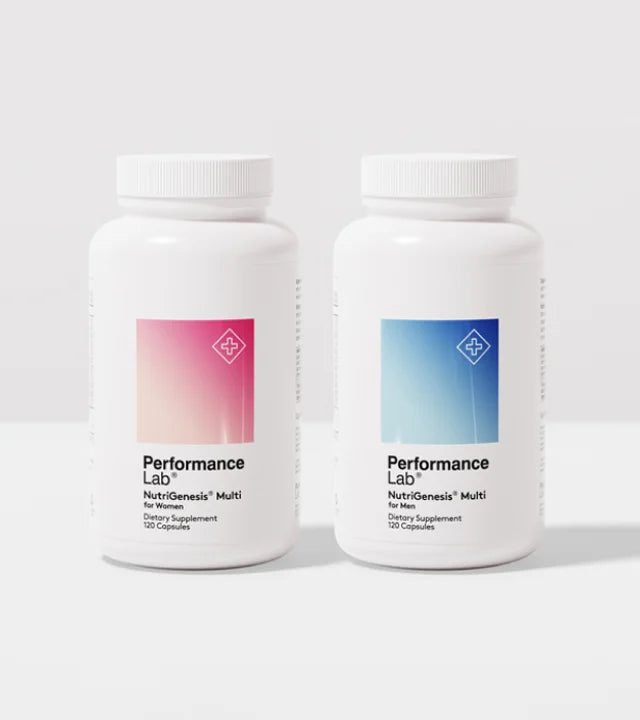
Performance Lab’s NutriGenesis Multi (for Men or Women) is formulated to help maintain baseline levels of essential vitamins and minerals involved in energy metabolism, immune function, and overall nutritional status.
The only multi I’ve used and noticed more energy and better overall wellbeing!Jerrold N
Potassium Balance: Key Takeaway
The Highlights
Although potassium deficiency and excess are opposite conditions, both reflect disruptions in normal electrolyte balance. Potassium levels are tightly regulated by the kidneys, but imbalances can still occur in certain situations.
Potassium supplements and salt substitutes should be used thoughtfully, particularly in individuals with chronic kidney disease or those taking medications that affect renal potassium handling, as reduced excretion can increase the risk of elevated blood potassium levels.
For many people, a combination of dietary intake and targeted supplementation can help support healthy potassium levels, especially when dietary intake is lower during periods such as fasting or restricted eating.
Dietary Sources of Potassium

If you’re not fasting, ensure you consume potassium-rich foods to boost your levels. Some of the best options include:
-
Cantaloupe
-
Dried apricots
-
Bananas
-
Oranges (citrus fruits such as oranges and grapefruits provide a good amount of potassium)
-
Spinach (leafy greens like spinach and kale are excellent sources of potassium)
-
Kale
-
Brussel sprouts
-
Lentils
-
Soybeans (legumes such as soybeans are high in potassium)
-
Winter squash
-
Beet greens
-
Avocado (avocados contain about 1,000 mg of potassium each)
-
Sweet potatoes (root vegetables like sweet potatoes and carrots are rich in potassium)
-
Carrots
-
Potatoes (potatoes are one of the top sources of potassium in the American diet)
-
Tomatoes (tomatoes are also a good source of potassium)
-
Grapefruit
When planning a potassium-rich diet, it's important to consider the nutrient content of the foods you choose. Potassium-based salt substitutes can also be an option for increasing your dietary potassium intake.
But what is the best solution? Do both!
Supplement during fasting with a quality standalone potassium supplement such as Performance Lab Potassium and load up on potassium-rich foods when you’re not.
Related Post: Does Prebiotic Fiber Break a Fast? - A Complete Guide
FAQs about Potassium while Fasting
Does Potassium Break a Fast?
No. Pure potassium supplements contain no calories and do not raise insulin, so they generally do not break a fast. However, products with added sugars, sweeteners, or flavourings may interfere with certain fasting protocols.
Can Fasting Lower Potassium?
Yes. Fasting can reduce potassium levels over time because electrolytes are lost through urine while dietary intake is reduced. This is more likely during longer fasts or when fluid intake is high.
How to Get Potassium While Fasting?
Potassium can be taken as a supplement that contains no calories or sugar. Many people use small, measured amounts throughout the day to help maintain electrolyte balance without disrupting their fast.
How Much Potassium Should You Take While Fasting?
It depends on the length of the fast. Short fasts may not require additional potassium, while longer fasts are often supported with small, gradual amounts. Some fasting protocols suggest around 1,000–2,000 mg per day, although individual needs can vary and clinical guidance is limited.
References
- Weaver CM. Potassium and health. Advances in Nutrition. 2013;4(3):368S-377S.
- Terry J. The major electrolytes: sodium, potassium, and chloride. Journal of Intravenous Nursing. 1994;17(5):240-247.
- The principles of nerve cell communication. Alcohol Health & Research World. 1997;21(2):107-108.
- Sweeney HL, Hammers DW. Muscle Contraction. Cold Spring Harbor Perspectives in Biology. 2018;10(2):a023200.
- Brenner B, Eisenberg E. The mechanism of muscle contraction: biochemical, mechanical, and structural approaches to elucidate cross-bridge action in muscle. Basic Research in Cardiology. 1987;82(Suppl 2):3-16.
- Potter JD, Robertson SP, Johnson JD. Magnesium and the regulation of muscle contraction. Federation Proceedings. 1981;40(12):2653-2656.
- Daniels MC, Popkin BM. Impact of water intake on energy intake and weight status: a systematic review. Nutrition Reviews. 2010;68(9):505-521.
- Campbell I. Physiology of fluid balance. Anaesthesia and Intensive Care Medicine. 2003;4(10):342-345.
- Hamm LL, Nakhoul N, Hering-Smith KS. Acid-base homeostasis. Clinical Journal of the American Society of Nephrology. 2015;10(12):2232-2242.
- Weinsier RL. Fasting: a review with emphasis on the electrolytes. American Journal of Medicine. 1971;50(2):233-240.
- Office of Dietary Supplements, National Institutes of Health. Potassium: Fact sheet for health professionals. Available from: https://ods.od.nih.gov/factsheets/Potassium-HealthProfessional/#h2
- World Health Organization. Guideline: Potassium Intake for Adults and Children. Geneva: WHO; 2012. Available from: https://www.ncbi.nlm.nih.gov/books/NBK132460/
- Sriperumbuduri S, Welling P, Ruzicka M, Hundemer GL, Hiremath S. Potassium and hypertension: a state-of-the-art review. American Journal of Hypertension. 2024;37(2):91-100. doi:10.1093/ajh/hpad094
- Moseley KF, Weaver CM, Appel L, Sebastian A, Sellmeyer DE. Potassium citrate supplementation results in sustained improvement in calcium balance in older men and women. Journal of Bone and Mineral Research. 2013;28(3):497-504. doi:10.1002/jbmr.1764
- Marangella M, Di Stefano M, Casalis S, Berutti S, D’Amelio P, Isaia GC. Effects of potassium citrate supplementation on bone metabolism. Calcified Tissue International. 2004;74(4):330-335. doi:10.1007/s00223-003-0091-8
- Medscape. Hyperkalemia overview. Available from: https://emedicine.medscape.com/article/240903-overview
- Healthline. How are chronic kidney disease and high potassium related? Available from: https://www.healthline.com/health/high-potassium/chronic-kidney-disease-and-high-potassium
- Momoniat T, Ilyas D, Bhandari S. ACE inhibitors and ARBs: managing potassium and renal function. Cleveland Clinic Journal of Medicine. 2019;86(9):601-607. doi:10.3949/ccjm.86a.18024