

Vitamin B1 deficiency (also known as thiamine deficiency) is a condition caused by low intake or poor absorption of thiamine. It can affect energy production, nerve function, and brain health, leading to a range of physical and neurological symptoms.
This guide explains the early signs, causes, and treatment options for vitamin B1 deficiency...
What Vitamin B1 Does in the Body

There are several B vitamins, a group of water-soluble micronutrients essential for healthy metabolism. Among them, vitamin B1, also known as thiamin (or thiamine), plays a key role in energy production and normal nerve function. (1)
Vitamin B1 helps the body convert carbohydrates into energy and is essential for normal nervous system and brain function. Adequate vitamin B1 levels also support heart health, cognitive performance, and psychological well-being. (2, 3)
So what happens when thiamin levels become too low? This article explores the symptoms, causes, and treatment of vitamin B1 deficiency.
What Are the Symptoms of Vitamin B1 Deficiency? (quick version)
Early symptoms
-
Often vague and easy to overlook
-
Fatigue, irritability, and poor memory
-
Weakness, confusion, and loss of appetite
-
Sleep disturbances, abdominal discomfort, and weight loss
-
Tingling or burning in the hands and feet (peripheral neuropathy)
Advanced symptoms
-
Symptoms worsen if deficiency is not addressed
-
Progression to beriberi (affecting the nervous system or heart)
-
Risk of Wernicke–Korsakoff syndrome, a serious neurological condition
Keep in mind that a vitamin B1 deficiency often begins with vague symptoms that can mimic symptoms of other conditions. Early symptoms can appear within 3-4 weeks of low intake. (19)
See below for further detail on these symptoms.
Key Takeaways
- Vitamin B1 (thiamin) is crucial for turning food into energy and keeping your nervous system functioning properly.
- Mild deficiency can show up as fatigue, irritability, poor appetite, or tingling in the hands and feet, while severe deficiency leads to conditions like beriberi and Wernicke–Korsakoff syndrome.
- Risk is higher in people with poor diets, heavy alcohol intake, digestive disorders, diabetes, or older age.
- Boosting B1 intake through whole foods (such as whole grains, legumes, and seeds) plus high-quality B-complex or multivitamin support helps correct shortfalls.
- Addressing underlying health issues and limiting alcohol are key long-term strategies for protecting your B1 status and overall energy levels.
Symptoms of Vitamin B1 Deficiency (Early and Advanced)

Early Signs of Vitamin B1 Deficiency (Mild Thiamine Deficiency)
In the early stages, a deficiency in vitamin B1 often presents with vague or nonspecific symptoms, making it easy to miss. These early signs can include sleep disturbances, abdominal discomfort, fatigue, irritability, poor memory, loss of appetite, and weight loss.
If you’re experiencing any of these, it may be a sign that you’re running low on vitamin B1.
Early signs of low vitamin B1 (thiamine) include…
-
Fatigue and weakness: thiamin is essential for converting carbohydrates into energy. When thiamin is deficient, this process is impaired, leading to a decrease in the production of energy. As a result, you may experience an overall sense of weakness and fatigue. (4)
-
Mental confusion: When thiamin levels are low, neurotransmitter production is compromised, leading to an increased risk of cognitive dysfunction. This can manifest as confusion, difficulty concentrating, and memory problems. (5)
-
Mood changes: The disruption of the balance of neurotransmitters in the brain also impacts mood regulation. These alterations can result in mood swings and hyper-irritability. (6)
-
Loss of appetite: The digestive tract relies on thiamin for the proper breakdown of food. Lack of thiamin may result in reduced appetite, decreased overall food intake, and lead to food intolerances. (7)
-
Muscle weakness and pain: Thiamin aids in the production of a molecule known as adenosine triphosphate (ATP), which provides energy for muscle contractions. When thiamin is deficient, the muscles may not receive an adequate supply of energy, leaving you with weakness, leg cramps, and aching. (8)
-
As the deficiency progresses, more pronounced symptoms may develop. These include muscle weakness, pain in the lower legs, tingling or numbness in the hands and feet, and difficulty walking.
Severe Vitamin B1 Deficiency and Complications
Vitamin B1 deficiency in its severe form can lead to several thiamine deficiency disorders, most notably Beriberi and Wernicke-Korsakoff syndrome. These conditions result from different stages of thiamin deficiency and can cause serious health consequences, including brain abnormalities, nerve damage, and even death if untreated.
Beriberi

Beriberi primarily occurs when a person doesn’t get enough thiamine over a long period of time. In some cases, it can be passed down genetically. Congenital beriberi means you are born without the ability to absorb thiamin.
Historically, beriberi used to be more common in places where people ate a lot of white rice. That’s because when rice is milled to make it white, it removes most of the thiamin. (9)
There are two types of this condition:
-
Dry Beriberi primarily targets the nervous system. It can result in nerve and muscle abnormalities developing, including prickling sensations, burning pain, muscle weakness, atrophy, and difficulty walking. As the deficiency worsens, the arms may also become involved, and severe thiamine deficiency can lead to delirium and neurological deficits.
-
Wet Beriberi primarily affects the cardiovascular system and heart abnormalities such as increased cardiac output, heart dilation, and blood vessels widening, leading to decreased blood pressure, warm moist skin, swelling (edema), and pulmonary congestion. If untreated, this can progress to heart failure and even death.
-
Infantile beriberi occurs in breastfed infants whose mothers have thiamine deficiency. It presents with cardiogenic symptoms, aphonia, and pseudo-meningitic features, and can lead to sudden heart failure if not promptly treated.
Wernicke-Korsakoff Syndrome

Wernicke-Korsakoff Syndrome is typically linked to alcohol use disorder or alcohol dependence. Chronic alcohol consumption impairs thiamin absorption and utilization, increasing the risk of severe thiamine deficiency and associated brain abnormalities primarily in these individuals.
Binge drinking alcohol or administering carbohydrates intravenously can trigger or worsen symptoms, as increased thiamin requirements or progression of underlying brain damage cause symptoms to occur.
Part of the syndrome is Wernicke’s Encephalopathy. This is an acute and potentially life-threatening condition characterized by altered mental status (such as confusion and delirium) and ataxia (unsteady gait). It can also involve ocular abnormalities such as optic nerve damage, leading to blurred vision and partial paralysis of the eye muscles. If not treated promptly, it can result in permanent brain damage, long-term institutional care needs, or death.
Korsakoff Syndrome, on the other hand, is a chronic and often irreversible condition. It’s characterized by severe memory problems, memory loss for recent events, confusion, confabulation (creating fabricated stories to fill gaps in memory), and difficulty in learning new things.
A Vitamin B1 deficiency is usually diagnosed with a physical examination. Your healthcare provider will consider your symptoms and any behavioral or mobility changes, and will order blood tests to confirm.
Risk Factors: What causes Low Thiamine (Vitamin B1)?
Some of the most common risk factors for developing vitamin B1 deficiency include:
Inadequate Dietary Intake
One of the main reasons people might not get enough vitamin B1, or thiamin, is simply not eating enough of the right foods. (This is a common problem for many vitamin deficiencies).
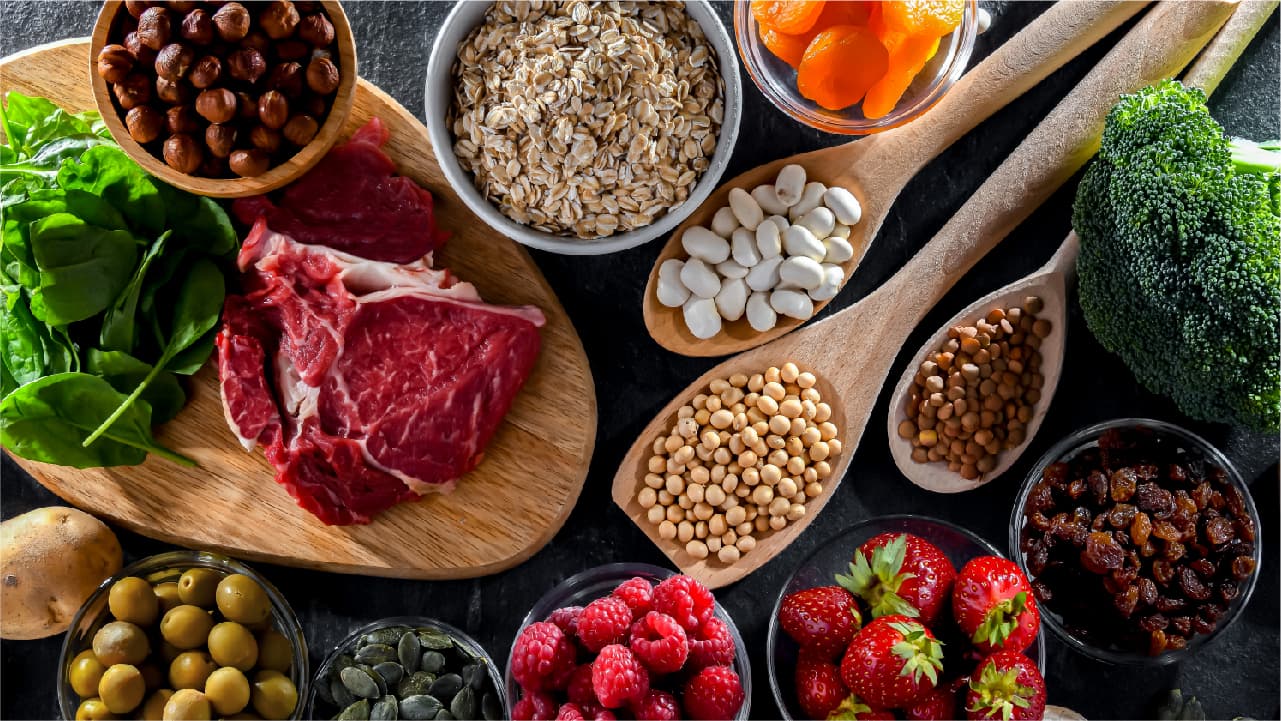
Foods rich in thiamin include whole grains, legumes, nuts, lean meats, and fortified cereals. Good sources of thiamine include dried yeast, pork, liver, enriched cereals, nuts, legumes, and potatoes.
Including thiamine-rich foods in your diet is crucial for maintaining optimal health and preventing deficiency conditions like beriberi. However, excessive refinement of cereals can lead to a large loss of B vitamins, increasing the risk of deficiency. As can eating mainly highly processed carbohydrates.
This explains why populations, particularly in specific regions of Asia and Africa, that are heavily reliant on polished rice or cassava, face a bigger risk of thiamin deficiency. (12)
In developed countries, Vitamin B1 deficiency is relatively uncommon among healthy individuals. Most people can easily get foods rich in thiamin, and a lot of the flour used in foods is fortified with extra vitamins, which is the norm in most countries. (13)
Chronic Alcohol Consumption
People who consume excessive amounts of alcohol may be at risk for a thiamin deficiency. Excessive and prolonged alcohol consumption, especially in the context of alcohol use disorder and alcohol dependence, are major risk factors for a vitamin B1 deficiency. These conditions significantly impair how you absorb thiamine and use it, increasing the risk of developing serious neurological syndromes such as Wernicke-Korsakoff syndrome.
Alcohol not only stops thiamin from changing into the form your body can use, but it also causes it to break down faster in your brain. Additionally, alcohol’s detrimental effect on the gut lining may make it harder for your body to absorb thiamin in the first place. (14)
Digestive Disorders
Conditions like Crohn's disease, celiac disease, and persistent diarrhea can impair the body's ability to absorb thiamin from the food you eat. (15)
Diabetes
Elevated blood glucose levels in diabetes can cause the body to get rid of more vitamin B1 through urine. Resulting in less overall bioavailability for the body. Some studies show that diabetic individuals may have thiamin plasma levels as much as 75% lower than those in healthy individuals. (16)
Older Age
While the exact reasons remain somewhat uncertain, older individuals seem to be more at risk of thiamin deficiency. (17)
Other risk factors include: Medical conditions or disorders that increase the body's need for thiamin, including overactive thyroid gland, pregnancy, breastfeeding, strenuous exercise, and fever disorders (such as infections or inflammatory illnesses).
How Vitamin B1 Deficiency is Treated
1. Dietary Changes: Eating Thiamine Rich Foods
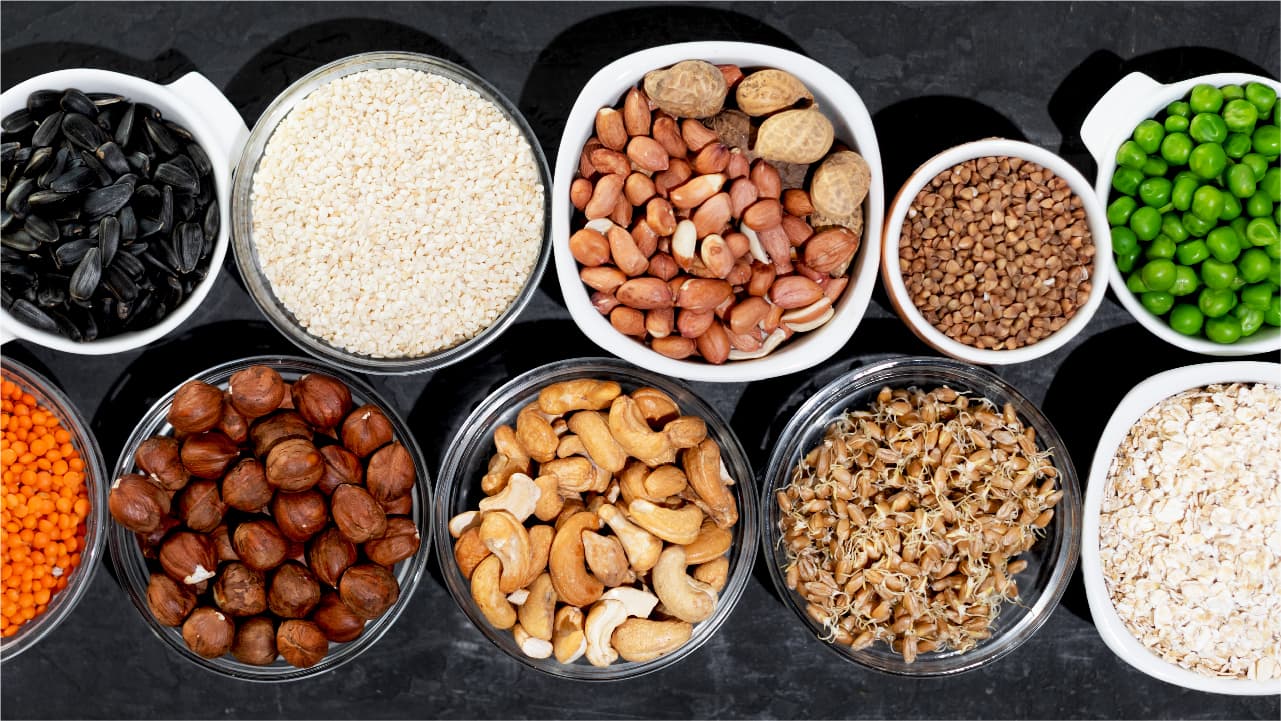
Adding thiamin-rich foods to your diet is a straightforward way to address dietary insufficiencies. Include whole grains like brown rice, whole wheat bread, and oatmeal, as well as legumes like lentils and beans. Lean meats, nuts, and seeds are also considered good sources.
Food Sources of Vitamin B1
Vitamin B1 is found in whole grains, legumes, nuts, seeds, pork, and fortified cereals. Because it is water-soluble and not stored in the body, regular intake through food is important.
Here are some examples of foods providing a high percentage of the recommended Daily Value (DV) for vitamin B1:
Pine nuts: 52% DV per 100g
Sunflower seeds: 39% DV per 100g
Pecan nuts: 46% DV per 100g
Whole-wheat flour: 42% DV per 100g
Ground flaxseed: 45% DV per 100g
Whole-grain oats: 34% DV per 100g (18)
Including these foods in your diet is the best way to prevent thiamine deficiency. Most adults should aim to get 1.1 to 1.2 mg of thiamine per day to maintain adequate levels.
2. Thiamine Supplementation
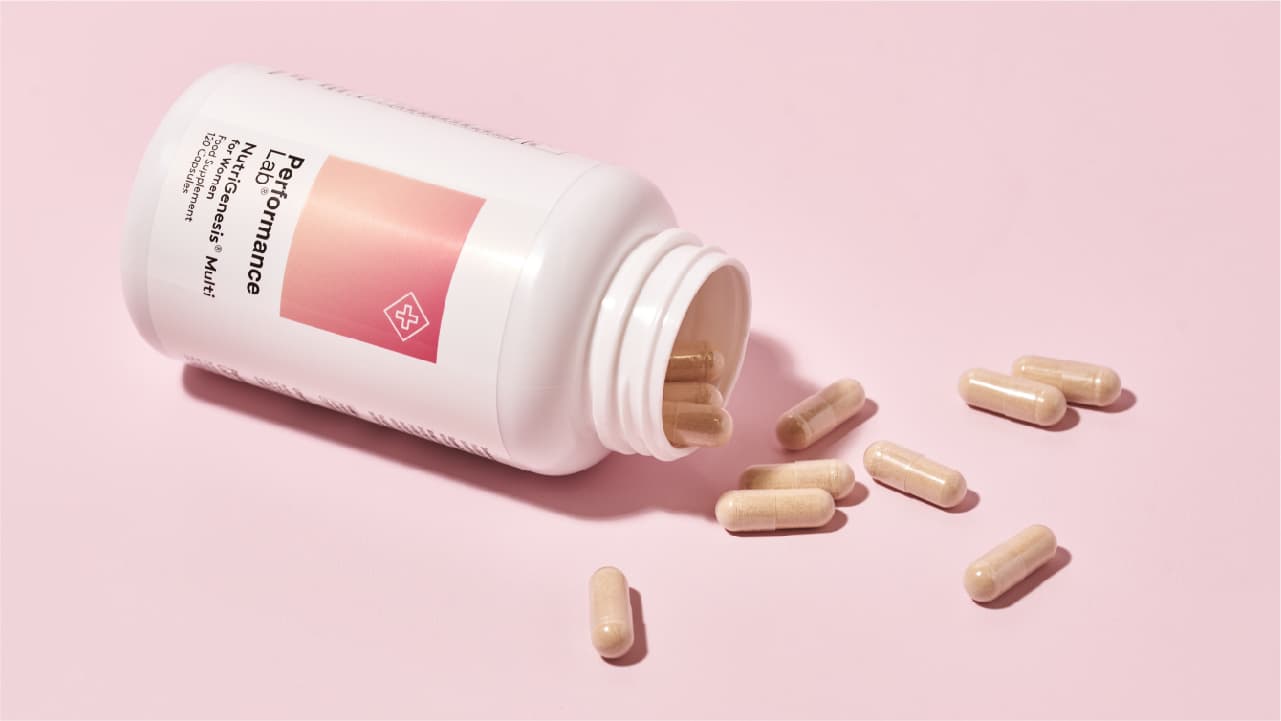
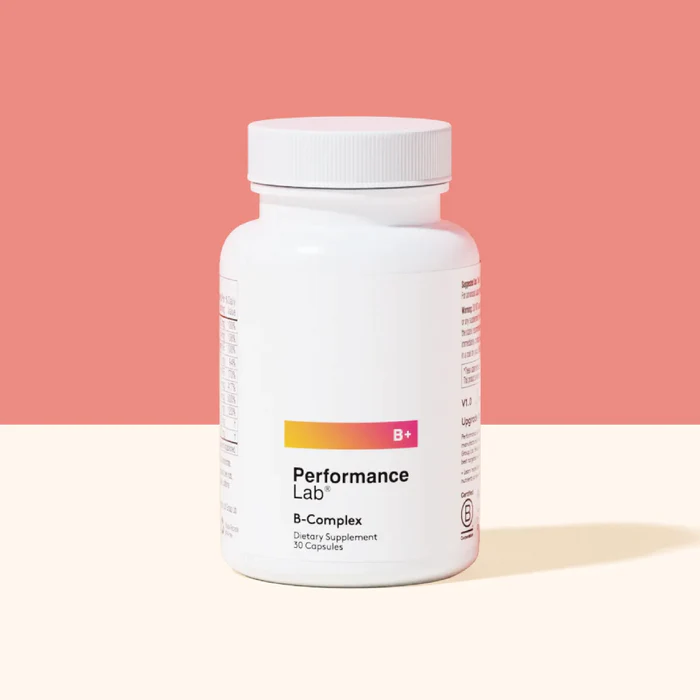
If changing your diet isn't enough or is difficult to manage, thiamin supplements may be recommended. Opting for a B-complex or a quality Multivitamin can provide a practical means to ensure you're getting the right amount of B1.
Shop Performance Lab® NutriGenesis®
Vitamin B Deficiencies
Thiamine (vitamin B1) deficiency rarely occurs in isolation and is often seen alongside other B vitamin deficiencies, especially in people with poor diet, alcohol use, or impaired absorption. Because B vitamins are found in many of the same foods, low intake typically affects several at once.
They also work together in energy metabolism, so multiple deficiencies can compound symptoms like fatigue and cognitive issues. For this reason, treatment often includes a full B-complex rather than thiamine alone.
Shop Performance Lab® B-Complex
3. Limit Alcohol Consumption
If alcoholism is a contributing factor, reducing or eliminating alcohol intake is crucial. This can help improve thiamin absorption and utilization.
4. Medical Intervention
In cases of severe vitamin B1 deficiency, such as Wernicke-Korsakoff syndrome, high dose supplementation of thiamine is often required and is typically administered intravenously or by injection into a muscle for several days under medical supervision. This approach rapidly reverses symptoms and helps prevent permanent neurological damage.
5. Regular Health Check-ups
For people with conditions that make it hard for their body to absorb thiamin, like a digestive disorder, it’s really important to get regular check-ups with a healthcare provider. Regular monitoring of thiamine levels may involve blood tests, though these are not always reliable for direct measurement. Monitoring thiamin levels and adjusting treatment plans accordingly can help prevent deficiency.
FAQs about B1 Deficiency

What Are The First Signs of Vitamin B1 Deficiency?
Early signs include fatigue, irritability, poor appetite, sleep issues, and difficulty concentrating. Mild memory problems and tingling in the hands or feet may also appear.
What Causes Low Thiamine?
Common causes include poor diet, especially high refined carbs, chronic alcohol use, and digestive disorders that impair absorption. Diabetes, older age, and increased nutrient demands can also contribute.
How Do You Treat Thiamine Deficiency?
Mild cases are often treated with diet changes and supplements. Severe deficiency may require high-dose or intravenous thiamine under medical care, along with treating underlying causes.
Can Low B1 Cause Fatigue?
Yes. Thiamine is essential for energy production, so low levels can quickly lead to fatigue, weakness, and reduced mental and physical performance.
What Foods are High in Vitamin B1?
Top sources include whole grains, legumes, nuts and seeds, pork, and fortified cereals. Nutritional yeast is also especially rich in thiamine.
Final Thoughts
Severe thiamin deficiencies are rare, especially in developed countries, and they typically occur alongside other underlying health issues. Still, it's important to watch out for potential signs that you might be running low on this important B vitamin.
The tricky part is that the early-stage symptoms such as fatigue or fluctuating moods can be easily attributed to various factors.
That's why it's so crucial to eat a well-rounded diet abundant in whole foods that that are naturally rich in thiamin. A healthy diet, potentially coupled with a high-quality multivitamin, can be a great way to help prevent any shortages before they start.
If you suspect you're low in vitamin B1, speak to your healthcare provider. A full-spectrum B complex supplement such as Performance Lab B Complex may also be helpful in increasing levels.
Shop Performance Lab NutriGenesis® Multi here
References
- https://iris.who.int/bitstream/handle/10665/42716/9241546123.pdf?sequence=1
- https://aspenjournals.onlinelibrary.wiley.com/doi/abs/10.1177/0884533608323430
- https://efsa.onlinelibrary.wiley.com/doi/epdf/10.2903/j.efsa.2010.1755l
- https://www.liebertpub.com/doi/full/10.1089/acm.2011.0840\
- https://www.frontiersin.org/articles/10.3389/fpsyt.2019.00207/full?fbclid=IwAR0ljpQNYZ_YsV-WDN_X9TeYmKKdymR6fy75L0VggzqoGgSZ0q8zMtM
- https://biomedgrid.com/fulltext/volume3/thiamin-deficiency-and-benfotiamine-therapy-in-brain-diseases.000621.php
- https://www.mdpi.com/2073-4409/10/10/2595
- https://aspenjournals.onlinelibrary.wiley.com/doi/abs/10.1177/0148607114565245
- https://www.degruyter.com/document/doi/10.1525/9780520923645/html
- https://muse.jhu.edu/pub/316/monograph/book/73630
- https://www.cochranelibrary.com/cdsr/doi/10.1002/14651858.CD004033.pub2/ful
- https://nyaspubs.onlinelibrary.wiley.com/doi/full/10.1111/nyas.13919
- https://www.nyas.org/media/18948/countries-with-existing-thiamin-fortification-programs.pdf
- https://www.ncbi.nlm.nih.gov/pmc/articles/PMC6875731/
- https://www.sciencedirect.com/science/article/pii/S0899900721000447
- https://pubmed.ncbi.nlm.nih.gov/17676306/
- https://europepmc.org/article/med/10791444
- https://fdc.nal.usda.gov/fdc-app.html#/?component=1165
- https://www.ncbi.nlm.nih.gov/sites/books/NBK537204/