

Vitamin B2 (riboflavin) is an essential nutrient that helps your body convert food into energy and supports brain, skin, and cellular health. As part of the B-complex group, it plays a key role in energy metabolism, antioxidant defence, and nervous system function.
In simple terms, vitamin B2 helps turn the food you eat into usable fuel (ATP), while also supporting processes like red blood cell production, mitochondrial function, and protection against oxidative stress.
Because of this, riboflavin is linked to energy levels, cognitive performance, and overall vitality. It may also support vision, skin health, and recovery, although research is still evolving in some areas.
Below, we break down what vitamin B2 does, its key benefits, how much you need, and whether supplementation is necessary.
Vitamin B2 is essential for energy because it helps convert carbohydrates, fats, and proteins into ATP, the body’s main energy source.
Key Health Benefits of Vitamin B2 (at a glance)
-
Supports energy production (ATP): Helps convert carbohydrates, fats, and proteins into usable energy for muscles and cells
-
Contributes to brain and cognitive function: Supports nervous system health and may aid mental performance
-
Helps maintain healthy skin and eyes: Plays a role in tissue maintenance and vision
-
Supports antioxidant defence: Involved in glutathione production to help protect cells from oxidative stress
-
Aids red blood cell production: Supports oxygen transport throughout the body
Key Takeaways
- Vitamin B2 (riboflavin) is a crucial cofactor in energy metabolism, helping convert food into usable fuel for your brain and body.
- Adequate B2 status supports mitochondrial function, red blood cell production, and antioxidant defenses that protect cells from oxidative stress.
- Riboflavin contributes to healthy vision, nervous system function, and may help reduce the frequency or severity of migraines in some people.
- Because B2 is water-soluble and not stored in large amounts, a well-formulated multivitamin can help maintain optimal daily intake alongside a balanced diet.

Vitamin B2 Functions and Roles in the Body
Let's dive deeper into the functions and roles of vitamin B2. Riboflavin performs various functions, including:
-
Antioxidant Activity: Vitamin B2 acts as an antioxidant, helping to protect the body from oxidative damage. (1)
-
Maintenance of Healthy Skin and Vision: It plays a role in maintaining healthy skin, eyes, and mucous membranes. (2) Riboflavin also contributes to maintaining collagen levels, which is necessary for healthy skin and hair.
-
Red Blood Cell Formation: Vitamin B2 is involved in the production of red blood cells necessary for oxygen transport. (3)
-
Conversion of Tryptophan: It supports the conversion of an amino acid tryptophan to vitamin B3 (niacin). Riboflavin assists in the production and activation of other B vitamins, highlighting the importance of other b vitamins and other vitamins in metabolic pathways. This interaction with other nutrients is essential for balanced nutrient intake and good health.
-
Cellular Function Support: It is a component of coenzymes involved in various metabolic pathways. Vitamin B2 is also involved in the synthesis of steroid hormones and supports thyroid and adrenal gland function.
Roboflavin and Homocysteine
Riboflavin also helps regulate homocysteine, a cardiovascular risk marker, working with vitamins B6, folate, and B12 to help metabolise it. Animal studies link long-term riboflavin deficiency to brain and heart issues, and possibly cancer, but human evidence remains limited.
The American Heart Association does not recommend B vitamin supplements specifically for cardiovascular disease prevention at this time. (17)
One of the most important cellular processes that riboflavin participates in, is energy production. (5)
When you consume foods containing riboflavin, the body absorbs it and converts it into its active forms, flavin mononucleotide (FMN) and flavin adenine dinucleotide (FAD).
Both of these coenzymes play a crucial role in mitochondria. These are the tiny structures within cells often referred to as the ‘powerhouses.’
Within mitochondria, FMN and FAD facilitate the production of ATP - the body’s primary energy currency. (6)

The body relies on ATP molecules for all biological processes, including physical activities and cognitive functions.
So is there a connection between riboflavin and mind & body performance? Let's find out...
Vitamin B2 and Physical Performance

It’s not firmly established whether supplementation with riboflavin can increase athletic performance, or if riboflavin deficiency can diminish it. (7)
The case against:
One study indicated no effect of vitamin B2 supplementation on physical performance in non-deficient athletes. (8)
The case for:
-
Conversely, a 28-day study on construction workers showed B2-fortified apple juice to be more beneficial than pure apple juice. (9) By the end of the experiment, those drinking the fortified beverage saw significantly lower levels of physical and mental fatigue. Along with reduced oxidative stress, this suggests a beneficial effect of riboflavin supplementation.
-
Another study, this time focusing on ultramarathon runners, revealed that a relatively high dose of riboflavin may enhance sports recovery. The supplementation significantly reduced muscle pain and soreness immediately after the competition. (10) Additionally, the supplemented group outpaced the placebo in races following shortly after the marathon.
The mechanism responsible for these outcomes is yet to be discovered. Scientists speculate that vitamin B2’s protective effects on mitochondria could offer a plausible explanation.
So, though research on riboflavin and sports is early, there is some evidence supporting this B vitamin as an ally for fatigue relief and post-exercise recovery.
Vitamin B2 and Brain Function
We’ve examined what vitamin B2 can do for the body; what about the brain?
Studies suggest that low B2 intake may be connected to poor cognitive function in older populations. (11) Similarly, a higher intake of riboflavin appears to be linked with better results in cognitive tests. (12)
Study results:
A prospective study with 1,385 middle-aged and elderly participants showed that riboflavin may help preserve cognitive function with age. (13)
In the two-year follow-up, those getting over 1.24mg of riboflavin daily experienced less cognitive decline. Specifically, the high-B2 group showed significantly higher total cognitive scores and better working memory than the low-B2 group ( < 1.24mg /day).
The fact that riboflavin can be neuroprotective is not exactly mainstream. Yet, it’s got a bunch of ways it could be good for your brain.
From reducing oxidative stress to easing mitochondrial dysfunction and calming neuroinflammation, riboflavin supports brain health from various angles. (14)
Riboflavin Vitamin B2 and Migraine Headaches

Riboflavin (vitamin B2) has been studied for migraine prevention, with clinical trials showing that high-dose supplementation (typically 400 mg daily) can reduce the frequency and severity of migraine attacks.
Riboflavin and Migraine Prevention
Guidelines from the American Academy of Neurology and American Headache Society concluded riboflavin is “probably effective” (Level B) and suggest it may be considered as a complementary option for preventing migraine headaches, particularly due to its good safety profile. (18)
Who May Need More Vitamin B2?
Certain groups of people are at greater risk of a vitamin B2 deficiency.
People at Risk of Riboflavin Deficiency
-
Vegetarians and vegans
May have lower intake since major sources include dairy and meat, though fortified foods can help meet needs. -
Pregnant and breastfeeding women
Requirements increase to support energy metabolism and fetal/infant development. -
Older adults
Intake may decline with age due to dietary patterns; some may also have reduced absorption. -
People with low-quality diets
Diets lacking in dairy, lean meats, or fortified foods can fall short in riboflavin. -
Individuals with certain medical conditions
Conditions affecting absorption or metabolism can increase risk of low riboflavin status. -
People taking specific medications
Some drugs can interfere with riboflavin metabolism (for example, certain anticonvulsants). -
Rare genetic conditions (riboflavin transporter deficiency)
A rare neurological disorder which impacts the ability to absorb riboflavin, requiring supervision by health professionals and often high-dose riboflavin. -
People with higher energy demands
Athletes or highly active individuals may need more due to riboflavin’s role in energy production. (15)
How Much Riboflavin Do You Need?
The Food and Nutrition Board sets riboflavin intake guidelines as part of the Dietary Reference Intakes (DRIs), a framework used to assess and plan nutrient intake. For adults aged 19 and over, the Recommended Dietary Allowance (RDA) is 1.3 mg for men and 1.1 mg for women. (15) During pregnancy and lactation, these values go up to 1.4mg and 1.6mg.
There is no established Tolerable Upper Limit for Vitamin B2 as any excess is secreted in urine. Too much B2 may turn your urine bright yellow, but this is usually harmless (if not accompanied by any other symptoms). However, excessive amounts of the vitamin are unnecessary.
Dietary Supplements
Riboflavin is available in many dietary supplements, including multivitamin/mineral supplements. Dietary supplements and vitamin supplements, such as B-complex vitamins, can play an important role in meeting riboflavin needs, especially for individuals who may not get enough from food sources.
People who are deficient in riboflavin are typically deficient in other nutrients as well, according to the National Institutes of Health (NIH). (15)
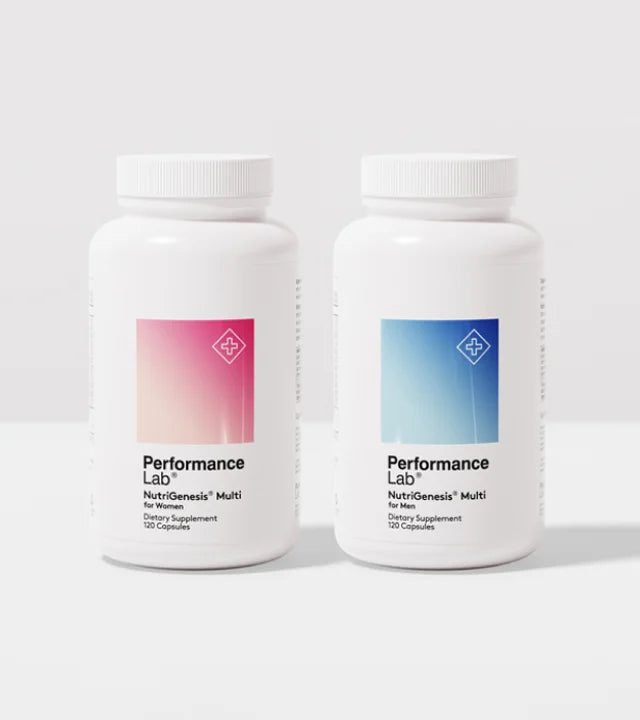
As such, a quality multivitamin such as Performance Lab NutriGenesis Multi (with tailored formulas for men or women) may be beneficial.
The only multi I’ve used and noticed more energy and better overall wellbeing!Jerrold N
How to Get Enough Vitamin B2
The best way to prevent vitamin B2 deficiency is to follow a balanced diet that includes a range of foods naturally high in riboflavin.
Meeting the Recommended Dietary Allowance (RDA) for riboflavin is essential for supporting energy production, brain function, and overall well-being.
To ensure adequate intake, focus on incorporating lean meats, dairy products, and green vegetables into your daily meals if you can. Fortified foods, such as breakfast cereals and energy bars, can also help boost riboflavin levels, especially for those with dietary restrictions.
For individuals at higher risk of deficiency - such as older adults, pregnant or breastfeeding women, vegans, and those with limited dietary variety - riboflavin supplements or B complex vitamins may be beneficial.
Our vegan Performance Lab B-Complex offers 100% or more of your Daily Value of all B vitamins (94% of vitamin B6), paired with choline and inositol for enhanced synergy.
Shop Performance Lab® B-Complex
Dietary Sources of Vitamin B2
Vitamin B2 (riboflavin) is naturally present in many foods, making it an essential part of a healthy diet. You can get your vitamin B2 from both animal and plant-based sources.
Dietary riboflavin is especially abundant in eggs, organ meats, lean meats, and milk. When it comes to animal products, organ meats and dairy are solid choices. For plant options, whole grains, leafy greens, and nutritional yeast are the way to go.
Food Sources Rich in Riboflavin:
1. Beef Liver: 3 ounces (85 grams) - 3.9 mg - 300% RDA

2. Nutritional Yeast: 5 grams (fortified) - ≥ 100% RDA

3. Yogurt: 1 cup (245 grams) - 0.5 mg - 38% RDA

4. Mushrooms (Crimini): 1 cup, sliced (70 grams) - 0.4 mg - 31% RDA

5. Soybeans (Cooked): 1 cup (172 grams) - 0.4 mg - 31% RDA

6. Spinach (Cooked): 1 cup (180 grams) - 0.4 mg - 31% RDA

7. Almonds: 1 ounce (28 grams) - 0.3 mg - 23% RDA

8. Quinoa, cooked, 1 cup - 0.2 mg - 15% RDA

9. Egg, whole, 1 large - 0.2 mg - 15% RDA

10. Apple, with skin, 1 large - 0.1 mg - 8% RDA

Most people typically get enough vitamin B2 from their diets, with riboflavin deficiency rare in the United States. Though, older individuals are more prone to falling short in this department. (16)
To maintain optimal riboflavin levels, make sure to keep a balanced, diverse diet.
And if you need extra nutritional support, consider a high-quality Multivitamin like Performance Lab® Multi.
FAQs about Vitamin B2, Riboflavin

What is Vitamin B2 Good For?
Vitamin B2 (riboflavin) helps your body convert food into energy and supports key functions including brain health, red blood cell production, and antioxidant defence. It also contributes to healthy skin, eyes, and the nervous system.
Does Vitamin B2 Help Energy?
Yes, vitamin B2 plays a direct role in energy production. It helps convert carbohydrates, fats, and proteins into ATP, the body’s main source of energy, making it essential for both physical and mental performance.
Is Riboflavin Good for the Brain?
Riboflavin supports brain health by helping maintain energy production in brain cells and reducing oxidative stress. Some research also suggests it may support cognitive function and help reduce migraine frequency in certain individuals.
What Foods are High in Vitamin B2?
Foods rich in vitamin B2 include dairy products (milk, yogurt), eggs, lean meats, organ meats like liver, and fish. Plant-based sources include almonds, mushrooms, spinach, fortified cereals, and nutritional yeast.
Should You Supplement Vitamin B2?
Most people should get enough vitamin B2 from a balanced diet, so supplementation isn’t always necessary. However, it may be helpful for those with low dietary intake, higher needs, or specific health goals. A multivitamin can help ensure adequate intake where needed.
Final Thoughts
Riboflavin may not be given enough credit. Yet its role in energy production and mitochondrial health makes it a must for overall vitality.
This B vitamin shows promise in boosting physical performance and enhancing cognitive function. Still, scientists are just beginning to uncover its practical applications.
At present, the evidence doesn't suggest that we should all be grabbing onto extra B2.
But it's smart to ensure you are getting enough of this vitamin in your diet.
And if necessary, adding a supplement containing a quality source of riboflavin can be a solid assurance strategy.
Performance Lab® NutriGenesis Multi
The world's most advanced multivitamin formula.
Shop Now
References
- https://www.cambridge.org/core/journals/british-journal-of-nutrition/article/riboflavin-is-an-antioxidant-a-review-update
- https://efsa.onlinelibrary.wiley.com/doi/abs/10.2903/j.efsa.2010.1814
- https://www.cabdirect.org/globalhealth/abstract/20193492171
- https://www.tandfonline.com/doi/abs/10.1080/10408398.2016.1145104
- https://www.mdpi.com/1422-0067/21/11/3847
- https://f.oaes.cc/xmlpdf/1fc846e4-2454-4444-bbf6-d26cecd7b366/3585.pdf
- https://www.peirsoncenter.com/uploads/6/0/5/5/6055321/am_j_clin_nutr-2003-powers-1352-60.pdf
- https://www.sciencedirect.com/science/article/abs/pii/S0271531784800056
- https://www.cell.com/heliyon/pdf/S2405-8440(21)02349-5.pdf
- https://sportsmedicine-open.springeropen.com/articles/10.1186/s40798-017-0081-4
- https://pubmed.ncbi.nlm.nih.gov/11406779/
- https://link.springer.com/article/10.1186/s12967-023-04749-5
- https://www.frontiersin.org/articles/10.3389/fnagi.2019.00226/full
- https://www.frontiersin.org/articles/10.3389/fneur.2017.00333/full
- https://ods.od.nih.gov/factsheets/Riboflavin-HealthProfessional/
- https://pubmed.ncbi.nlm.nih.gov/12638033/
- https://nutritionsource.hsph.harvard.edu/riboflavin-vitamin-b2/
- https://www.nccih.nih.gov/health/providers/digest/headaches-and-complementary-health-approaches-science