

Collagen is key to supporting healthy skin, hair, joints, bones, and gut - just to name a few. It's so important that, figuratively speaking, your body would have a hard time holding itself together without it.
But here's the question: how do you get collagen as a vegetarian or vegan?
This article explains exactly that. We answer how you can get more collagen in a vegetarian diet, best foods for collagen production, meal plan ideas, factors that hurt your collagen, and more.
Key Takeaways
- Collagen production begins to slow in early adulthood, leading to gradual loss that can be accelerated by poor diet, lifestyle habits, and environmental stressors.
- Pure collagen is exclusively animal-derived, meaning vegans and vegetarians must rely on “collagen boosters” rather than direct collagen sources.
- The body synthesizes collagen using specific amino acids—glycine, proline, and lysine—along with cofactors like vitamin C, zinc, and copper, which can be obtained through a varied, whole-food diet.
- Protecting existing collagen from degradation caused by excessive UV exposure and high sugar intake is just as important as supporting new collagen production.
- Plant-based alternatives such as Hibiscus sabdariffa extracts show early promise for improving skin hydration and reducing wrinkles, though current research remains limited.

Collagen & The Vegetarian Diet 101

Collagen is your body's chief protein. It's a structural protein, meaning it holds everything together like a glue - including your skin, joints, ligaments, and bones.
The problem is, our body naturally slowy starts producing less collagen in our late 20s to early 30s. This leads to visible signs of aging, reduced joint mobility, and can potentially play a role in joint pain - among others. (18)
If you're following a plant-based lifestyle, you've maybe heard that there is currently no such thing as "vegetarian collagen" in a pure, natural form. The reason is that true collagen exists solely in animal sources.
Typical collagen supplements and gelatin are forms of animal-derived collagen, extracted from animal proteins found in cartilage, skin, and bones.
There are 3 main types of collagen you'll find: raw collagen (a.k.a undenatured collagen), gelatin, or hydrolyzed collagen peptides. (6)
Here's the good news, though:
Vegetarians can still absolutely support healthy collagen levels through smart dietary approaches. While you can't consume collagen directly from plants, you can provide your body with the raw materials needed to make collagen.
How Do You Get Collagen Protein as a Vegetarian (or Vegan)?

The Synthesis Process
Your body makes collagen by weaving together specific amino acids into a triple helix structure to produce collagen fibers.
But this is just part of the process. The body also needs co-factors like vitamin C, zinc and copper. Think of amino acids as bricks and co-factors as mortar.
Out of these co-factors, vitamin C is the most important essential vitamin.
You May Also Like: 6 Benefits of Zinc for Skin
Amino Acids Needed for Collagen Synthesis: The "Big Three"
So, what are these collagen precursors? Three main ones include:
- Glycine: The smallest amino acid. Your body can use it to make a variety of compounds like glutathione, creatine and, yes, collagen.
- Proline: Another amino acid that is essential for the stability of the collagen.
- Hydroxyproline: A non-essential amino acid and a signature part of collagen. It's not really found in vegan sources, but your body can make it from proline. So the focus needs to be on overall protein intake that includes other essential amino acids like lysine - these support the collagen building process.
Dr. Anthony Youn, a board-certified plastic surgeon, says that vegan collagen supplements are not really true collagen - however, they provide these vital building blocks and vitamin C to help your body make what it needs. (7)
However, while the building blocks help the body with general collagen production, it's not clear whether the “vegan collagen” blends (amino acids + vitamin C) replicate the skin or joint benefits we see with animal collagen peptides.
The Vegetarian Power-List: Foods for Collagen Production

So what are some practical ways you can add these amino acids into your diet and support collagen production?
See for yourself:
Vegetarian-only Direct Sources
If you do include eggs in your diet, you have one of the only direct vegetarian collagen sources. This includes:
- Eggshell Membrane: This is a thin layer between the shell and the egg white. It naturally contains collagen type-I, V, and X.
- Egg Whites: They don't contain collagen themselves, but are quite high in proline, one of the chief amino acids for collagen making.
- Vegan-Friendly Builders & Boosters
If you're strictly on a vegan diet, here are the plant foods that provide the precursors and support for collagen health:
- Citrus & Berries: Oranges, lemons, red peppers, and strawberries are excellent vitamin C-rich foods.
- Leafy Greens: Spinach and kale contain antioxidants and other supportive compounds like chlorophyll. A green pigment, chlorophyll may help protect skin from oxidative damage, which in turn may indirectly support natural collagen production. (8)
- Legumes & Soy: These are packed with lysine. Lysine is sometimes the "limiting" amino acid in plant-based diets. So eating chickpeas, lentils, and organic soy is a must for collagen health.
- Cashews & Pumpkin Seeds: These are rich in zinc and copper, the important co-factors we mentioned earlier.
- Garlic: Garlic has bioactive sulfur compounds with antioxidant and anti-inflammatory properties. These may indirectly support tissue health and collagen. (9)
Food Pairings That Work Well Together
Here's an example of foods you can combine to help with overall protein and micronutrient status relevant to collagen:
- Iron + Vitamin C: Eat your lentils with a squeeze of citrus to improve iron absorption, which plays a role in promoting skin health. Lentils are also a good source of lysine, which as we've seen, is needed to make collagen.
- Seeds + Greens: Sprinkle lightly roasted pumpkin seeds (zinc) over a spinach salad for a variety of plant antioxidants to support connective tissue health.
Vegetarian Collagen Meal Plan Ideas
As a vegetarian, aim for a diversity in your protein, healthy fats, and mineral sources. This will ensure you're hitting all the nutritional targets to maintain healthy collagen levels.
A daily meal plan might look something like this:
- Breakfast: A smoothie bowl featuring soy milk (lysine), berries (vitamin C), and a tablespoon of hemp seeds (proline and glycine).
- Lunch: A large kale and spinach salad topped with roasted chickpeas, sliced red peppers (high vitamin C), and pumpkin seeds.
- Dinner: Boiled tofu (lysine) with broccoli, garlic, and cashews, served over quinoa.
- Snack: Sliced oranges, a handful of walnuts, or apple and peanut butter.
It's good to know: Always combine complex carbohydrates with varied protein sources (like beans and rice) to ensure a complete amino acid profile, which provides the "building blocks" that Dr. Youn mentions.
Protecting Your Collagen From Damaging Factors

Protecting the collagen you already have is just as important as building new collagen. Here's what you should watch out for:
The External Factors
- Excessive UV Exposure: Experts state that photoaging is one of the major enemies of collagen. Consistent exposure to high levels of UV rays triggers enzymes that break down the collagen matrix. Sunlight is beneficial for many biological functions like making vitamin D, but as with anything, too much of a good thing can be bad. Consider wearing a natural, mineral SPF 30+ sunscreen, especially in summer months and during prolonged sun exposure.
- Pollution & Smoking: A barrage of environmental toxins creates free radicals in the body. These increase oxidative stress that harms collagen fibers.
The Internal Factors
An unbalanced diet with too many simple carbs and sugars can spike your blood sugar levels. Elevated blood sugar levels can, over time, contribute to sugar molecules binding to proteins in your blood. This results in new harmful molecules called Advanced Glycation End-products (AGEs).
These AGEs make collagen fibers stiff and can play a role in developing wrinkles, among other issues. (10)
Dr. Andrea Suarez (Dr. Dray) explains that how you cook your food matters. Frying, roasting, and grilling at high temperatures all increase the AGE burden in our food. (11) This is not to say you should completely stop cooking your food, but it means that moderation and balance are good.
- Here's a practical tip: You can reduce AGE intake by boiling, poaching, or steaming your vegetables and proteins more often.
Needless to say, excessive alcohol consumption is best avoided for many reasons. Two main ones in this context are protection from collagen damage and premature aging.
The Lifestyle Factors
- Stress (Cortisol): Constantly high cortisol levels are a detriment to our health. It can inhibit collagen production and negatively affect your connective tissues. (12)
- Sleep Deprivation: Your body's repair cycle is most effective during deep sleep, when a lot of human growth hormone (HGH) is released. HGH helps stimulate collagen production. Try to get 7-9 hours of sleep per night.
Is There a Vegetarian Equivalent to Collagen-Rich Foods or Collagen Supplements?

Eggshell Membrane (Ovoderm)
Eggshell membrane is the gold standard for vegetarians. It's the closest you can get to a true collagen source without relying on marine collagen, bone broth, or other animal sources. It feeds you with different collagen types that support joint and skin health.
Though there's currently no well-established true vegan collagen options, emerging research shows some plant-based sources can actually mimic collagen to some extent, though they are still not raw collagen in a full sense of the word.
Hibiscus: A Possible Plant-Based Collagen Booster?
A promising and interesting 2025 randomized controlled trial published in International Journal of Molecular Scienceslooked into a plant-based collagen alternative derived from Hibiscus sabdariffa (VC-H1). Here are the findings. (5)
- The Study: 98 participants with photoaged skin took 1.5 g/day of Hibiscus extract for 12 weeks.
- Results: Supplementation increased skin hydration, reduced transepidermal water loss (TEWL), and improved skin elasticity. Wrinkle depth also decreased compared to the placebo group.
- Conclusion: This is an isolated study, and Hibiscus doesn't contain collagen itself. It's also not clear whether it works for joint health in the same way. But its results show the potential usefulness of certain plant extracts for vegetarians aiming to support their collagen levels.
Precision Fermentation: The Future of Vegan Collagen Boosters
A 2025 paper published in World Journal of Microbiology and Biotechnology peeks into how a future of vegan collagen might look like.
Scientists are using new methods of making something similar to human collagen via genetically modified yeast and bacteria. One such method is called precision fermentation. (13)
These bacteria and yeast act as mini factories to make collagen and gelatin.
There are both upsides and downsides to this new method of making vegan collagen.
The good:
- It's thought to be better for the environment
- Better consistency in collagen and gelatin quality
- Ability to make a lot of it in controlled conditions
Current challenges:
- Making it work on a massive production scale is hard
- It can be quite expensive
However, experts continue to actively work on precision fermentation, and it's entirely possible that in the future collagen and gelatin might be cheaper, cleaner, and more widely used, without needing animals.
For now though, your best options are following a healthy diet and lifestyle that support your body in making its own collagen. Speaking of which...
Lifestyle That Supports Healthy Collagen Naturally

- Hydration: Collagen fibers need water to keep their elasticity and quality.
- Helpful Botanicals: Gotu Kola and Aloe Vera have been shown in preliminary studies to promote collagen production. This includes both topical application and oral consumption. (14, 15)
- Aerobic and strength training: Cardio workouts and weightlifting are shown to promote collagen levels in different ways, so ideally, incorporate both into your weekly routine. (16)
Further reading: Vegan Collagen: Do Vegans Really Need It?
Performance Lab Recommendation
Foods first! We always advocate for a nutrient-dense diet as your basis. Dietary supplements are not magic bullets, but strategic nutrient supplementation helps to fill any gaps that a plant-based diet may leave behind.
To this end, if you seek additional nutrition support on a vegetarian diet, we recommend the combination of Performance Lab® NutriGenesis® Multi and Performance Lab® Flex .

Why This Combination?
The Performance Lab approach is different from other supplements you might have seen.
Instead of just giving you a vitamin molecule (like synthetic Vitamin C), NutriGenesis® grows that vitamin with its natural partners (like enzymes and other co-factors). The goal is to provide more complete and effective nutrients for your body.
- NutriGenesis® Multi: Provides Vitamin C, Zinc, and Copper. These are presented in a whole-food matrix. It's formulated to help your body recognize and maximally absorb these nutrients.
- Performance Lab® Flex: While not a collagen booster, Flex is a plant-based joint-support supplement designed to help with comfort, flexibility, and overall joint health. It features ingredients studied for joint and connective tissue support: CurcuWIN® turmeric extract, AprèsFlex® Boswellia serrata extract, glucosamine sulfate (from corn), Phytodroitin™ (plant-based cartilage support), and OptiMSM® methylsulfonylmethane.
Final Thoughts: Your 3 "Core" Steps to Supporting Collagen as a Vegetarian
If you want a simple takeaway that you can start incorporating today to support and protect your collagen, follow these three core steps:
- Feed your body with building blocks. Every plate should have a mix of proteins and carbohydrates with vitamin C and minerals. These will provide lysine, proline, and some glycine that your body needs to make collagen. An example meal is tofu with roasted pumpkin seeds and a squeeze of lemon. Adding carrots and garlic on the side provides Vitamin A precursors and sulfur that support collagen.
- Protect your existing collagen. Look into a natural/mineral-based SPF, avoid too much high-heat cooking and frying to limit AGEs, and nourish your system with antioxidants from berries.
- Step 3: Stimulate & Optionally Supplement. Regular exercise helps promote collagen in a number of ways. (17) Consider targeted supplementation like NutriGenesis® Multi to provide the micronutrient co-factors your body needs to keep your skin and joints healthy.
Performance Lab® NutriGenesis Multi
The world's most advanced multivitamin formula.
Shop Now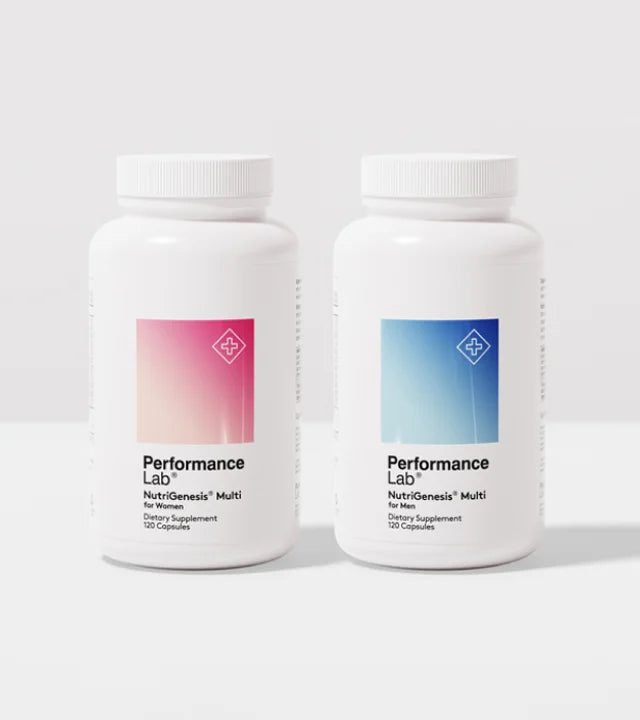
References
- Wu, M., Cronin, K., & Crane, J. S. (2025). Biochemistry, collagen synthesis. In StatPearls [Internet]. StatPearls Publishing. https://www.ncbi.nlm.nih.gov/books/NBK507709/
- Wang, S., Li, F., Feng, X., Feng, M., Niu, X., Jiang, X., Chen, W., & Bai, R. (2025). Promoting collagen synthesis: a viable strategy to combat skin ageing. Journal of enzyme inhibition and medicinal chemistry, 40(1), 2488821. https://doi.org/10.1080/14756366.2025.2488821
- Wang, S., Li, F., Feng, X., Feng, M., Niu, X., Jiang, X., Chen, W., & Bai, R. (2025). Promoting collagen synthesis: a viable strategy to combat skin ageing. Journal of enzyme inhibition and medicinal chemistry, 40(1), 2488821. https://doi.org/10.1080/14756366.2025.2488821
- Danby F. W. (2010). Nutrition and aging skin: sugar and glycation. Clinics in dermatology, 28(4), 409–411. https://doi.org/10.1016/j.clindermatol.2010.03.018
- Baek, Y., Nguyen, N. H., Lee, Y. I., Jung, M. J., Kim, I. A., Lee, S. J., Kim, H. M., & Lee, J. H. (2025). Hibiscus Collagen Alternative (VC-H1) as an Oral Skin Rejuvenating Agent: A 12-Week Pilot Study. International journal of molecular sciences, 26(15), 7291. https://doi.org/10.3390/ijms26157291
- Martínez-Puig, D., Costa-Larrión, E., Rubio-Rodríguez, N., & Gálvez-Martín, P. (2023). Collagen Supplementation for Joint Health: The Link between Composition and Scientific Knowledge. Nutrients, 15(6), 1332. https://doi.org/10.3390/nu15061332
- Youn, A. [Doctor Youn]. (2024, January 28). 5 Surprising Facts About Collagen Supplements You Must Know! [Video]. YouTube. https://www.youtube.com/watch?v=fRhy2uZef3o
- Cho S. (2014). The Role of Functional Foods in Cutaneous Anti-aging. Journal of lifestyle medicine, 4(1), 8–16. https://doi.org/10.15280/jlm.2014.4.1.8
- Chen, Y. J., Tang, J., Wang, L., & Hua, W. (2025). Sulfur and Its Derivatives in Dermatology: Insights Into Therapeutic Applications—A Narrative Review. Journal of cosmetic dermatology, 24(8), e70402. https://doi.org/10.1111/jocd.70402
- Sloseris, D., & Forde, N. R. (2025). AGEing of collagen: The effects of glycation on collagen’s stability, mechanics and assembly. Matrix Biology, 135, 153–160. https://doi.org/10.1016/j.matbio.2024.12.007
- Suarez, A. [Dr Dray]. (2021, February 09). The best foods for collagen production [Video]. YouTube. https://www.youtube.com/watch?v=w_Dq1cW60AM
- Kaur, J., Gandhi, J., & Sharma, S. (2025). Physiology, cortisol. In StatPearls [Internet]. StatPearls Publishing. https://www.ncbi.nlm.nih.gov/books/NBK538239/
- de Moura Campos, S., Dos Santos Costa, G., Karp, S. G., Thomaz-Soccol, V., & Soccol, C. R. (2025). Innovations and challenges in collagen and gelatin production through precision fermentation. World journal of microbiology & biotechnology, 41(2), 63. https://pubmed.ncbi.nlm.nih.gov/39910024/
- Witkowska, K., Paczkowska-Walendowska, M., Garbiec, E., & Cielecka-Piontek, J. (2024). Topical Application of Centella asiatica in Wound Healing. Pharmaceutics, 16(10), 1252. https://doi.org/10.3390/pharmaceutics16101252
- Surjushe, A., Vasani, R., & Saple, D. G. (2008). Aloe vera: a short review. Indian journal of dermatology, 53(4), 163–166. https://doi.org/10.4103/0019-5154.44785
- Nishikori, S., Yasuda, J., Murata, K., Takegaki, J., Harada, Y., Shirai, Y., & Fujita, S. (2023). Resistance training rejuvenates aging skin. Scientific reports, 13(1), 10214. https://pmc.ncbi.nlm.nih.gov/articles/PMC10290068/
- Oizumi, R., Sugimoto, Y., & Aibara, H. (2024). The Potential of Exercise on Lifestyle and Skin Function. JMIR dermatology, 7, e51962. https://doi.org/10.2196/51962
- Reilly, D. M., & Lozano, D. (2021). Skin collagen through the lifestages. Journal of Aging Research and Clinical Practice, 10(3), 153–159. https://www.oaepublish.com/articles/2347-9264.2020.153