

Did you know that certain foods, when consumed together, provide greater health benefits than when eaten alone? This concept is called food synergy, and it is completely different from focusing on single nutrients or isolated "superfoods"for supporting your health and wellness. (1)
Formalized in the 2000s by researchers like Dr. David R. Jacobs, food synergy is a developing but promising concept. It involves complex interactions within natural food matrices - leading to better absorption, optimal nutrient status, and enhanced well-being. (2)
At the moment, there are over 10,000 known phytonutrients. Many more likely remain undiscovered. (3) Food constituents, nutrients, and phytochemicals interact in your digestive tract and at the cellular level, sometimes enhancing absorption, supporting hormones, or assisting in metabolic responses - such as flatter blood glucose curves when you combine complex carbs with protein. (4)
In this article, I'll explain all things food synergy, including an easy-to-digest explanation on how it affects your body, and how you can apply the concept in your everyday life to attain ideal health benefits.
Key Takeaways
- Food synergy means certain foods eaten together may work better than separately through enhanced nutrient absorption, stable blood sugar, increased satiety, and stronger antioxidant effects, and a potential supportive role in chronic diseases.
- Build your synergistic meals with this 4-part formula: 1. fiber-rich plants (base), 2. protein (anchor), 3. healthy fats or vitamin C (activator), and 4. herbs/spices (enhancer).
- Top evidenced combinations: vitamin C with plant iron (spinach + citrus), healthy fats with fat-soluble vitamins (tomatoes + olive oil), turmeric + black pepper, and protein + fat + fiber for lasting fullness.
- Steer clear of restrictive and headache-inducing rules, such as "never eat protein with carbs". Your body naturally digests mixed meals. Focus on consistent eating habits instead of perfect pairings.
- Practical combinations for health goals: pair vitamin C with iron-rich foods for energy, combine protein + fat + fiber for weight management, or add omega-3s with olive oil for anti-inflammatory support.
Food Pairing for Health: The Benefits

The question about food synergy is: how exactly does combining different foods affect our health and wellness?
The interaction between food components produces a myriad of effects in your body. Five, in particular, stand out:
-
Enhanced Bioavailability
Some vitamins and minerals are better absorbed when combined with a partner nutrient.
For example, eating a bowl of spinach with a splash of orange juice provides vitamin C that enhances the absorption of non-heme iron from spinach. (5)
Likewise, Dr. Karan Rajan, MBBS, NHS surgeon, says combining spinach with olive oil results in better absorption of fat-soluble vitamins like A, D, E, and K. (6)
So why not combine all three - spinach, olive oil, and a bit of orange juice!
-
Supporting Normal Blood Sugar Levels
Nutrient interactions during digestion affect your total food intake and how your body processes calories.
Combining proteins, fats, and fiber blunts insulin spikes compared to eating carbs alone. (7) This results in more stable energy and potentially fewer cravings between meals. (8)
-
Antioxidant Protection
Combined whole foods have been shown to have a total antioxidant capacity that is significantly more complex than those from isolated nutrients. (9)
As a 2023 Frontiers in Nutrition paper states, "two or more nutrients working together have a greater physiological impact on the body than when each nutrient is consumed individually.” (10) This is also known as the additive effect, a.k.a the sum is greater than the parts.
-
Enhances Satiety & Gut Health
Combining fiber, protein, and healthy fat doesn't just support a healthy blood sugar response, but it also triggers fullness hormones, keeping you satiated for longer than single food groups. What's more, prebiotic fiber feeds healthy gut bacteria and promotes their diversity. (11)
Put simply, diverse food combinations go beyond absorption; promoting complementary macro and micro-nutrient coverage, antioxidant boosts, immune function, sleep, physical and cognitive performance, and more.
Before I reveal practical examples of food synergies for health goals, let's address some myths: including what food synergies are, and what they are not.
Food Synergy vs. Restrictive Food-Combining Rules

Scientific research on food synergy is still in its early stages. While promising, specific actions of different foods working together are yet to be fully understood.
And while studies support the notion that nutrients generally work better together, this can be taken to an extreme of strict food-combining rules, which have weak evidence.
Restrictive rules like "don't eat spinach without food with vitamin C", or "always eat fruit alone" are generally unsustainable and not supported by modern nutrition research.
The human body is designed to digest mixed meals and handle combinations of carbs, fats, and proteins at once. Furthermore, your stomach is highly acidic (pH 1-2.5 to be precise) to break down proteins, while your small intestine neutralizes the acid and provides enzymes to break down the macronutrients.
The idea that fruits rot in the stomach is a myth because stomach acid kills most bacteria. The fermentation of undigested fiber (carbs) by beneficial bacteria in your large intestine is completely normal and has knock-on benefits. For example, it produces the beneficial short-chain fatty acids. (12)
Not only that, but eating protein and fat with fruit can slow the absorption of glucose, stabilizing your energy levels.
Now, is it possible that some food combinations may not work well for your digestion? It's entirely possible - after all, we're all biologically unique. This is why you might need to experiment at first until you find what works best for you.
So, what are some real examples of nutrients that work well together? That's what we're going to explore next. Starting with a formula to make your own synergistic meal.
The Synergy Plate Formula: Your Simple System for Every Meal
You don't need to memorize a textbook of nutrient interactions to benefit from food synergy. Instead, use this simple 4-step formula for selecting nutrient rich foods to build your own meals.
Base every plate on the following four components to trigger optimal biological pairings.
Here is the 4-step formula to build your own synergy plate:
1. Your Base: Fiber-Rich Plants
- The Food: Prioritize fruit and vegetable consumption, whole grains, or legumes
- The Role: This serves as the basis of your meal. Fiber slows down digestion and feeds your gut microbiome. Whole grains or legumes also provide quality calories for energy.
- Think: Spinach, whole grain foods like quinoa or barley (choose whole, not refined grains), roasted sweet potatoes, black beans, or mixed berries.
2. Protein as an Anchor
- The Food: Plant and animal proteins
- The Role: Protein is a large molecule that digests slowly and signals satiety to your brain. (13) It provides amino acids for repair and maintenance processes within your body. Protein pairs well with fiber (your "Base") for promoting a healthy blood sugar response.
- Think: Salmon, chicken, tofu, lentils, Greek yogurt, or eggs.
3. The"Activators"
- The Food: Healthy Fats, Vitamin C, Black Pepper
- The Role: Many nutrients benefit from "partner" compounds that activate or enhance their absorption. As I've briefly mentioned, fat (olive oil, avocado, nuts) helps your body digest fat-soluble nutrients in vegetables (vitamin A, E, K). Another example is lentils: adding lemon juice or bell peppers increases plant-based iron absorption.
4. The Bioavailability Enhancers
- The Food: Herbs and spices.
- The Role: Beyond adding flavor, herbs and spices like pepper, turmeric, garlic, and rosemary support optimal absorption of different food components.
- How-to: Grind black pepper over your turmeric chicken, or add mustard seeds to your roasted broccoli to support its anti-inflammatory effect.
Here's a quick reference table for making your own synergistic food plate:
|
Your Goal |
The "Chief" Food |
The Complement |
Why? |
|
Energy & Iron Absorption |
Spinach or Lentils(Plant Iron) |
Citrus, Strawberries, or Bell Peppers(Vitamin C) |
Vitamin C turns plant iron into a form your body can actually absorb. |
|
Skin & Heart Health |
Tomatoes(Lycopene) |
Olive Oil or Avocado(Healthy Fats) |
Olive oil increases absorption of active compounds in a tomato. (14) |
|
Weight Loss & Fullness |
Salmon or Chicken(Protein) grilled in avocado oil |
Quinoa or Beans(Fiber + Carb) |
The "PFF" (Protein + Fat + Fiber) combo slows digestion, dampens insulin spikes, and signals satiety to your brain, keeping you full for longer. |
|
Anti-Inflammation |
Turmeric(Curcumin) |
Black Pepper(Piperine) |
Curcumin is a beneficial compound, but it has low absorption. Piperine in pepper is a bio-enhancer that increases curcumin's absorption by up to 2,000 percent. (15) |
|
Better Digestion |
Oats or Bananas(Prebiotics) |
Yogurt or Kefir(Probiotics) |
Think of prebiotic fiber as fertilizer. Probiotics introduce good bacteria which benefits your gut. |
|
Strong Bones |
Leafy Greens or Fish(Calcium/Vit D) |
Natto, Sauerkraut, or Hard Cheese(Vitamin K2) |
Vitamin K2 helps steer calcium into your bones and keeps it out of the arteries. (16) |
Nutrient-Boosting Combinations (With Science-Backed Food Examples)

Vitamin C+Iron
The body doesn't absorb plant iron (a.k.a non-heme iron) well. To "fix" this, add vitamin-C-rich foods to your meals. This will significantly boost iron absorption.
Since iron carries oxygen to all tissues and organs and is essential for maintaining normal energy levels, combining it with vitamin C food sources could be of particular interest for:
- Vegetarians or vegans
- Menstruating women with higher iron needs
- People who're completely avoiding red meat
- Anyone with or at risk of iron deficiency.
Common food pairings for iron synergy include lentils with tomatoes or spinach with citrus fruits.
Protein + Fat + Fiber (PFF)
Protein promotes satiety signals on its own, but combined with fat and fiber, you'll stay fuller for longer. The PFF combination creates balanced meals that slow digestion, stabilize blood sugar, boost fullness, and provide sustained energy. This is sometimes seen in diets like the "90-30-50" social media trend (90g protein, 30g fiber, 50g fat per day).
The PFF pairing is ideal if you're trying to lose weight or keep steady energy levels throughout the day.
An example pairing would be sardines (protein/fat) and quinoa (fiber), or avocado (fat/fiber) on whole-grain toast (carbs/fiber) with eggs (protein/fat).
If you struggle with hunger during the weight loss process, add more protein and fiber to your meals. This can help blunt cravings and help you maintain your results in the long run. (17)
Healthy Fats + Vitamins and Antioxidants
Good fats, vitamins, and antioxidants play a role in healthy aging and skin quality, along with supporting heart health.
You might benefit the most from adding more healthy fats + vitamins and antioxidants if you:
- Eat lots of salads, but with minimal fat
- Seek to maximize absorption of nutrients from foods
- Train hard in sports or the gym
Tomatoes and olive oil are excellent examples of healthy fats paired with micronutrients. The monounsaturated fats in olive oil, particularly oleic acid, increase your body's absorption of lycopene, a potent antioxidant linked to heart health and better inflammation management. (14)
But olive oil also has antioxidants of its own, including oleocanthal and oleuropein. While both are linked to anti-inflammatory effects, oleocanthal might just deserve the highlight here.
Study Insights
According to a scientific paper published in the International Journal of Molecular Sciences, "A phenolic compound contained in VOO, named oleocanthal, shares unique perceptual and anti-inflammatory characteristics with Ibuprofen". (18)
This makes dishes like marinara and shakshuka, where olive oil and tomatoes are included, excellent examples of synergistic meals.
Other health-supportive fat + micronutrient food combinations include:
- Carotenoids (think vibrant orange, carrots) + good fats (think avocado or oily fish)
Omega-3 Fatty Acids + Oleocanthal (from Olive Oil)
Do you experience joint discomfort or stiffness? Then the synergy of omega-3s from fish and oleocanthal from olive oil may be of particular interest to you.
Both omega-3s and olive oil have been suggested to modulate inflammation. And research points to their synergistic potential.
Case in point:
A study published in The International Journal of Applied and Basic Nutritional Sciences, involving 43 rheumatoid arthritis patients. In the study, those who consumed olive oil together with omega-3 fatty acids showed faster and bigger improvements in several parameters linked to joint health and comfort than the placebo group or those who took omega-3s alone.
The study authors found that the synergistic pairing of omega-3s from fish oil and monounsaturated fats plus polyphenols from olive oil showed greater anti-inflammatory effects over 24 weeks. (19)
Olive oil and omega-3s have also been studied for other health goals, including supporting heart health, brain fitness, metabolic function, and protection from oxidative stress. (20, 21)
You'll often see olive oil and omega-3 fatty acids featured as staples in the Mediterranean diet, which experts widely recommend as one of the healthiest dietary patterns. (22)
Calcium + Vitamin D + Vitamin K
Calcium, vitamin D, and vitamin K are all nutrients crucial for bone health. Due to their unique roles, they complement each other well.
For example, calcium is the key mineral building block for your bones. Vitamin D increases calcium absorption from food in the intestine, while vitamin K2 helps direct that calcium into the right places - into your bones, rather than soft tissues like arteries. (16, 23)
You may want to look more into this combination if you are:
- A postmenopausal woman at risk for osteoporosis
- Someone with limited sun exposure
- Having bone density concerns
- Vegan or avoiding dairy
For calcium and vitamin D, consider fortified low-fat dairy foods or sardines.
Vitamin K2 is found in eggs, organ meats, natto and sauerkraut, which some people may not consume in sufficient amounts.
In this case, taking a high-quality K2 supplement, especially in the MK-7 form (which stays longer in the blood and is more effective than other forms of K2 supplements), can be a smart choice. (24, 25) We recommend our Performance Lab® Vitamin D3 K2, which contains NutriGenesis® K2.
Amino Acid Combinations for Complete Proteins
If you don't eat cooked meat, eggs, fish, or dairy, you'll want to combine different plant proteins to achieve the so-called protein complementation.
It means combining two vegetable proteins to form a complete profile containing all 9 essential amino acids.
For example, whole grain bread is often limited in lysine or other essential amino acids, making it an incomplete source of protein. Adding beans, lentils, hummus, or peanut butter covers the missing amino acids. Thus, creating a complete protein profile.
Not a vegan? You may still want to take advantage of combining plant protein sources if you are:
- An athlete or highly active with increased protein demands
- Trying to build muscle
- Recovering from injury or surgery
Keep in mind: complementary proteins do not need to be consumed within a single meal but throughout the course of the day.
How to Apply The Food Synergy Concept in Your Everyday Life: Easy-to-Follow Tips & Meal Samples

I'm now going to break down different synergy concepts by health goals: everything from brain health to sleep and physical performance.
The following section will help you implement the tips and knowledge you've just learned about nutrient combinations for specific wellness benefits.
For Long-Term Health
For overall, long-term health support, you'll want to consistently pair plant foods, good fats like avocado and grass-fed butter (if you're fine with dairy), and high-quality proteins. These foods deliver thousands of interacting compounds such as antioxidants, fibers, and minerals.
Aim to consume a variety and plenty of plant polyphenols. Such as dark chocolate, tart cherries and other berries, spices, organic coffee, nuts, seeds, loose green and black tea (avoid tea bags due to microplastics), artichokes, onions, and spinach.
Health tip: add mustard seeds to cooked and chopped cruciferous vegetables, which helps activate an enzyme called myrosinase and maximize the benefits of these vegetables.
As explained by Dr. Saurabh Sethi, MD, MPH — a board-certified gastroenterologist and hepatologist trained at Harvard and Stanford — adding mustard seeds to cruciferous vegetables like cauliflower or cabbage activates enzymes that boost sulforaphane, a natural anti-inflammatory compound.
Another great combination is lemon and green tea, which involves synergy between vitamin C and antioxidants, as explained by Dr. Sethi. (26)
Omega-3s and certain herbs and spices modulate inflammation through distinct pathways, supporting overall health. (27, 28)
Synergy Meal Sample
- Breakfast: Steel-cut oats cooked in green tea, topped with mixed berries, walnuts, and a drizzle of olive oil (polyphenols + omega-3s + healthy fats for antioxidant absorption)
- Lunch: Wild salmon with mixed greens, cherry tomatoes, and olive oil dressing (omega-3s + lycopene + polyphenols for anti-inflammatory synergy)
- Dinner: Turmeric chicken with black pepper, roasted broccoli with mustard seeds, and quinoa (curcumin activation + sulforaphane boost)
- Snack: Dark chocolate (85%) with almonds and berries (flavonoid synergy)
For Weight Management and Fullness
For achieving weight loss or maintaining healthy weight, you'll want your meals to consist of protein, fiber, and healthy fats.
This activates multiple fullness signals, slows stomach emptying, and reduces your calorie intake later compared to carb-heavy meals alone (e.g., just eating baked potatoes).
But it's not just about calories and appetite control. Optimal metabolic health and normal inflammatory response are just as important for controlling weight. To this end, look to consume olive oil with omega-3s, herbs and spices, and other anti-inflammatory foods daily.
Synergy Meal Sample
- Breakfast: 3-egg scramble with spinach, tomatoes, feta, side of berries with chia seeds and a drizzle of raw honey (high protein + fiber + honey for polyphenols & insulin sensitivity (29) + healthful fats = sustained satiety)
- Lunch: Mediterranean bowl with grilled chicken, chickpeas, sweet potato, toasted walnuts, and Lemon-Olive Oil Vinaigrette (PFF combination triggers fullness hormones)
- Dinner: Sardines with lentils, roasted asparagus and cauliflower with olive oil (double protein + high fiber + omega-3s)
- Snacks: Apple with almond butter, Greek yogurt with walnuts, hummus with vegetables
For Blood Sugar Control
If you struggle with afternoon energy crashes or evening cravings, it could be due to how your eating habits influence blood sugar fluctuations. Pair protein and good fats with fibrous food to curb glucose spikes and reduce cravings.
Synergistic foods for this goal include: whole grains with protein and fats (e.g., whole wheat toast with pasture-raised eggs), vegetables with starches and healthy fat (beans and brown rice with a drizzle of olive oil), and fruits with yogurt and nuts.
Cinnamon, curcumin and ginger extract, and black cumin have been shown to have blood sugar-balancing effects - boosting insulin sensitivity, reducing inflammatory markers, and slowing sugar absorption. (30, 31).
Turmeric, in particular, works very well with black pepper for many wellness goals, blood sugar support included.
Many other promising food synergies for blood sugar exist, though research is limited. One example is a study with diabetic animals showing that combining fenugreek with onion may help reduce oxidative stress linked to the disease. This combination could support better blood sugar control, though again, more research is needed. (32)
Synergy Meal Sample
- Breakfast: 2 soft-boiled eggs first, then steel-cut oats cooked in bone broth with sautéed mushrooms and pumpkin seeds (protein before carbs helps reduce glucose spike)
- Lunch: Grilled chicken salad with avocado, start with protein/fat, finish with a small portion of quinoa, apple cider vinegar dressing (food sequencing + vinegar promotes insulin sensitivity)
- Dinner: Baked cod with zucchini noodles, roasted peppers, small portion wild rice mixed with cauliflower rice, olive oil (high vegetable volume)
- Snacks: Celery with almond butter, cottage cheese with cinnamon and walnuts
For Digestion
Slow digestion, constipation, or diarrhea? Look to pair foods that aid each other's digestion, such as lean protein with easy-to-digest veggies, healthy fats with fiber, and fermented foods with prebiotics.
This may encourage better nutrient absorption and promote gut health. Adding spices like ginger or fennel can further aid digestive comfort.
Synergy Meal Sample
- Breakfast: Overnight oats with kefir, chia seeds, and sliced kiwi (prebiotics + probiotics + digestive enzymes)
- Lunch: Miso soup with tofu and seaweed (fermented foods + fiber)
- Dinner: Grilled chicken with roasted root vegetables and sauerkraut
- Snack: Yogurt with blueberries and a handful of roasted nuts
For Physical Performance & Muscle Recovery
Struggling with results in the gym or sports?
For muscle gains and recovery, protein is your best friend (chicken, eggs, fish, and Greek yogurt), though it's not the only macro to keep an eye on.
You'll also want to include sweet potatoes, quinoa, oats, and other complex carbs for sustained energy and performance. Healthy fats from salmon, nuts, seeds, pasture-raised eggs, and olive oil assist in building cell membranes, fueling workouts, modulating inflammation, and serving as direct building blocks for steroid hormones such as testosterone. (33, 34, 35, 36)
But it's not just macros that you should keep in mind - micronutrients are just as important. Including more berries and leafy greens into your diet boosts antioxidants and post-workout recovery.
Electrolytes like magnesium are important for optimal muscle & nerve function. Foods that contain magnesium include dark chocolate, avocados, spinach, pumpkin seeds, and sweet potatoes.
Red beets or watermelon in the summer helps boost blood flow via increased nitric oxide.
As for supplements? A 2020 meta-analysis of 35 randomized controlled trials found that multi-ingredient supplements (i.e., combined nutrients) resulted in greater gains in fat-free mass and strength in healthy adults compared to protein supplementation alone. (37)
Synergy Meal Sample
- Pre-workout: Banana with almond butter, pomegranate juice (quick carbs + sustained energy + blood flow support)
- Post-workout: Salmon/sardines with sweet potato and spinach (protein + complex carbs + anti-inflammatory omega-3s)
- Recovery snack: Greek yogurt with tart cherries and walnuts
It's good to remember: Shakes and smoothies are an excellent way to benefit from nutrient synergy. They combine numerous foods packed with micronutrients essential for muscle strength and recovery.
For Cognition and Mood
Need sharper brain performance and a calmer, focused mindset? Focus on the following:
- Omega-3s and polyphenols from fruits and vegetables play a role in healthy neuronal resilience.
- Green tea contains l-theanine and caffeine, with the former smoothing the stimulatory effects of the latter.
- Dark chocolate and berries provide antioxidant synergy that may support brain blood flow.
Dr. Saurabh Sethi, MD, MPH says that mixing cocoa into your coffee enhances the effect of caffeine and theobromine (active compounds) on mood, focus, and clarity. (26)
Synergy Meal Sample
- Breakfast: Smoked trout on whole grain toast with avocado, sautéed spinach, soft-boiled egg, green tea (omega-3s + choline + L-theanine for calm focus)
- Lunch: Sardines over mixed greens with walnuts, blueberries, and olive oil dressing (omega-3s + polyphenols support cerebral blood flow)
- Dinner: Turmeric chicken with black pepper, purple sweet potato, roasted red cabbage and beets (curcumin boost + anthocyanins cross blood-brain barrier (38))
- Snacks: Dark chocolate with blueberries, matcha latte with walnuts, avocado with seaweed snacks
For Sleep
Meal synergy for sleep involves combining foods rich in melatonin (the key hormone that influences sleep), such as tart cherries, oats, and nuts.
Foods high in tryptophan, such as turkey, dairy, and seeds, help the body make serotonin, which converts to melatonin. Magnesium from leafy greens and nuts helps with muscle relaxation, and vitamin B6 from chickpeas or fish aids the production of serotonin and melatonin.
Another important neurotransmitter for your sleep is GABA. Your brain naturally makes GABA from precursors like glutamic acid, which are found in meat, eggs, fish, and soy.
Nutrients that support the natural production of GABA include omega-3s, B-vitamins, and magnesium.
Synergy Meal Sample
- Dinner (3-4 hours before bed): Turkey or chickpeas with brown rice and leafy greens (tryptophan + complex carbs + magnesium)
- Evening snack: Warm milk (or almond milk) with banana and a sprinkle of cinnamon, or tart cherry juice as a natural melatonin source
- Weekly consumption: sardines, salmon, or trout with garlic and olive oil
- Avoid: Heavy fats, caffeine, alcohol close to bedtime
Tips for Different Dietary Styles (Vegan, Gluten-Free, Keto)

Food synergy works for all types of diets. However, what you eat (and don't eat) affects which combinations and nutrients will require more of your attention.
Whether you're vegan, vegetarian, gluten-free, keto, or simply trying to eat more healthily, here are the best food combinations to focus on:
Vegetarian and Vegan Synergies
As a vegan, ensure adequate iron, zinc, omega-3 precursors, and complete proteins. You can pair rice with beans, or hummus on whole grain pita bread, or other plant-based proteins to get the complete amino acid profile.
Just as important is enhancing the absorption of plant iron sources with vitamin C. You can do this by combining spinach with citrus or lentils with tomatoes, for example.
For omega-3s, plant-based sources include walnuts and chia seeds. These go well together with polyphenols from plants and berries.
For gut health, a synergy opportunity is found in the combo of fermented foods + fiber sources.
Lastly, make sure to include flavor and bioavailability enhancers: black pepper, garlic, turmeric, miso, and fermented veggies.
One challenge for vegans is getting vitamin B12, which plants don't naturally produce. The best solution here includes B12-fortified foods and a high-quality bioavailable supplement. B12 pairs well with vitamin D from sunshine, fatty fish, fortified foods, or supplements to support energy, brain performance, immunity, and bone strength.
If you're a vegetarian and eating dairy or eggs, they can help boost the absorption of nutrients from plant-based foods.
Top vegan & vegetarian synergies:
- Oats + chia + berries
- Greek yogurt + nuts + berries
- Spinach + lemon
- Lentils + tomatoes or red peppers
- Tofu + broccoli + mustard seeds
- Walnuts + flaxseed + dark leafy greens
Gluten-Free Synergies
With a gluten-free diet, your aim is nutrient density to replace what's lost from avoiding fortified grains and wheat products.
Naturally gluten-free whole grains include quinoa, sorghum, and certified GF oats. Also, load up on colorful berries and vegetables, legumes, olive oil, and fatty fish - all of these work well together.
Top gluten-free synergies:
- Quinoa + beans
- Sweet potato + olive oil
- Oats (GF) + nuts + seeds
Dairy-Free Synergies
As dairy is one of the best sources of calcium, you'll want to fill the gap with vitamin D, K, and calcium-rich plants.
Plant-based calcium and vitamin D sources include plant milks, tofu, leafy greens, and tahini. While lots of plants have vitamin K, the only significant plant source of vitamin K2 is natto (fermented soybeans). Animal sources of K2 include beef liver and eggs.
Weave in avocados, olive oil, and other types of good fat to encourage healthy gut absorption of calcium.
Top dairy-free synergies:
- Kale + tahini + lemon
- Fortified almond milk + chia seeds
- Tofu + broccoli + sesame seeds
Keto & Low-Carb Tips
The keto diet is already high in fat and protein, which is ideal for certain synergy combinations. The main goals of keto are steady energy, reduced inflammation, weight management, stable blood sugar, and better cognitive focus.
Some keto meals can lack certain nutrients if not planned well. Synergy helps fill those nutritional spots.
Since we're talking about very low fruit intake here (except for berries here and there), make sure to consume plenty of leafy greens and high-fiber vegetables. These are high in antioxidants and micronutrients, promoting optimal gut health.
- Leafy greens + olive oil or avocado
- Salmon + turmeric + black pepper
- Eggs + spinach or kale
- Avocado + nuts or seeds
- Fermented veggies (sauerkraut, kimchi) + high-fat meals
- Electrolytes synergy: magnesium + sodium + potassium
- MCT oil + polyphenol-rich foods (berries, herbs, dark chocolate 85%)
Common Food Synergy Mistakes
While you shouldn't worry about food restrictions, the following are some "good to know" tips to ensure maximum absorption and nutrient efficacy when combining foods.
Here's what to keep in mind:
- Waiting for "perfect" combinations - Don't skip spinach if you don't have citrus or another vitamin C-rich food nearby; you'll still get nutrients.
- Over-complicating meals - Synergy isn't meant to stress you out, but to make things simpler. No need to worry about a thousand specific nutrients. Consistency in eating varied foods over perfection wins every time.
- Overreliance on supplements - While supplements can help if you have higher needs for specific nutrients, pills can't replicate the complexity of whole foods nor replace a poor diet. Find out which area of nutrition you might need support with, and consider supplements to help cover any gaps.
- Ignoring your unique personal response - This is easy to overlook, but what works for others may not work for your digestive system. If something that is generally accepted as beneficial doesn't sit well with you, try alternative combinations.
- Stressing over anti-nutrients - While anti-nutrients (e.g. phytates are real), they aren't a threat to healthy nutrition if you focus on a varied diet. You can easily improve absorption by soaking or sprouting grains and legumes. Not only that, but certain nutrients like vitamin C neutralize the inhibitory effect of phytates on iron absorption.
The Importance of Patterns & Dietary Guidelines

At the end of the day, it's easy to get lost in searching for the perfect nutrient combinations. The truth is that your whole diet matters more than one meal.
The concept of food synergy works best as a part of an overall balanced, minimally processed, nutrient-dense dietary pattern. Not isolated "superfood combos".
We can see this in the Mediterranean diet. It's an excellent dietary pattern for supporting whole-body wellness, health, and performance.
If you look into it, you'll notice that traditional food pairings often naturally create synergy without trying. Examples include salsa and beans in Latin America, dal and rice in India, and miso soup in Japan.
Boosting Your Healthy Diet With Targeted Supplements

Even with the best diet, nutrient gaps are possible. The most common ones include vitamin D+ K2, omega-3 deficiencies, and iron.
If you do end up searching for a high-quality supplement to complement your diet, we recommend our Performance Lab® NutriGenesis® Multi. It contains 26 vitamins, minerals, and cofactors in daily, research-backed dosages. To help you fill any gaps when life gets busy.
Performance Lab® NutriGenesis Multi
The world's most advanced multivitamin formula.
Shop Now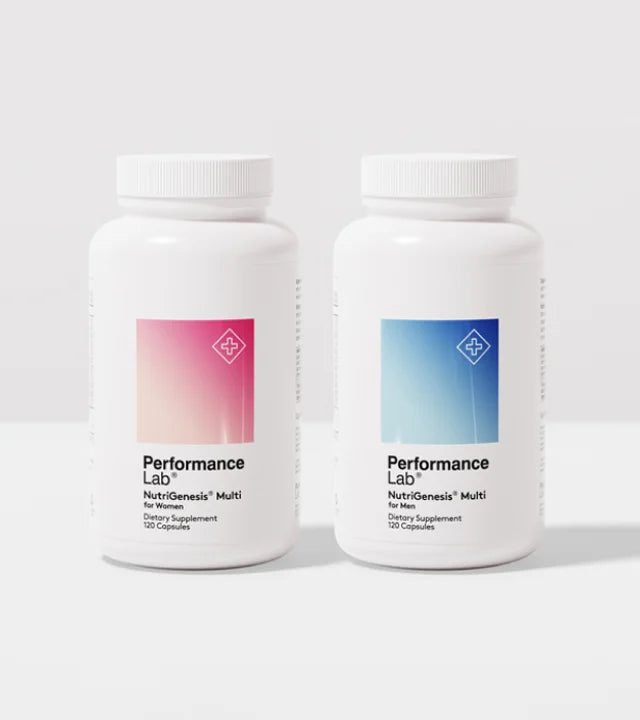
Quick Start - Week 1 Food Synergy Challenge
The good news is, you don't need to incorporate all of the things learned in this article all at once - in fact, that's not realistic for most people.
Instead, I recommend taking a small step forward today, and little by little, you will see compounding progress. Save this article for whenever you need a quick synergy refresher or meal idea.
Here's an easy, quick start food synergy challenge you can follow to start upgrading your nutrition:
- Day 1-2: Add a vitamin C food source to one iron-rich meal
- Day 3-4: Build one PFF plate per day
- Day 5-7: Try two new synergy combinations from the article
Avoid taking high doses of calcium with iron supplements simultaneously, as calcium can significantly inhibit your body's ability to absorb the iron.
While many "food combining" rules are arguably pseudoscience, you should avoid drinking tea or coffee with iron-rich plant meals (like lentils), as the tannins in tea can block iron absorption.
The most powerful "power couples" include vitamin D3 and K2 for bone health, vitamin C and plant iron for absorption, and magnesium with vitamin B6 for nervous system support.
Final Thoughts
The idea of nutrient synergy is not new, but there's still much to learn. A 2023 scientific review argues that while combining nutrients can have a greater physiological impact than just focusing on single foods or compounds, the science is still young. (39)
In addition, not all popular pairings have the same evidence. Many synergy claims for foods come from observational data, anecdotal evidence, or small studies. Long-term randomized trials are limited.
With this in mind, it's important to understand that food pairings aren't magical and don't guarantee results. What matters most is your overall dietary pattern over the years.
The key lesson is to prioritize nutritional diversity, balance, and variety. Over-supplementing to make up for poor nutrition or focusing on isolated "superfoods" is unlikely to do much without a strong nutrition base.
Another point: don't mix food pairing for flavor with food pairing for health. While the flavor-based food pairing can happen to have nutritional synergy, it's often only a culinary concept. For example, peanut butter and jelly is a tasty combination, but it might not be the healthiest from a nutrient harmony standpoint.
To maximize your food synergy results, track the following parameters so you know when something is working, and when it's not:
- Your day to day energy
- Digestive response
- Mood
- Blood sugar curves (using a glucose monitor if you prefer or if your doctor recommends)
- Workout recovery
To complement your daily nutrition, consider taking Performance Lab® NutriGenesis® Multi, which contains all the essential vitamins and minerals for complete wellness support.
Shop Performance Lab® NutriGenesis Multi
References
- Jacobs, D. R., & Tapsell, L. C. (2013). Food synergy: the key to a healthy diet. The Proceedings of the Nutrition Society, 72(2), 200–206. https://doi.org/10.1017/S0029665112003011
- Jacobs, D. R., Jr, Gross, M. D., & Tapsell, L. C. (2009). Food synergy: an operational concept for understanding nutrition. The American journal of clinical nutrition, 89(5), 1543S–1548S. https://doi.org/10.3945/ajcn.2009.26736B
- Townsend, J. R., Kirby, T. O., Sapp, P. A., Gonzalez, A. M., Marshall, T. M., & Esposito, R. (2023). Nutrient synergy: definition, evidence, and future directions. Frontiers in nutrition, 10, 1279925. https://pmc.ncbi.nlm.nih.gov/articles/PMC10600480/
- Wolever T. M. (2017). Effect of macronutrients on the glycemic index. The American journal of clinical nutrition, 106(2), 704–705. https://doi.org/10.3945/ajcn.117.158055
- Brock, S. (2025, June 2). Food combinations for heart, bone, and brain health. Stanford Lifestyle Medicine. https://lifestylemedicine.stanford.edu/food-combinations-heart-bone-brain/
- Rajan, K. (2023, October 14). Doctor explains magic food pairings to give you more nutrients! [Video]. YouTube Shorts. https://www.youtube.com/shorts/qdzMUzLB2qk
- Murillo, S., Mallol, A., Adot, A., Juárez, F., Coll, A., Gastaldo, I., & Roura, E. (2022). Culinary strategies to manage glycemic response in people with type 2 diabetes: A narrative review. Frontiers in nutrition, 9, 1025993. https://pmc.ncbi.nlm.nih.gov/articles/PMC9684673/
- Njike, V. Y., Smith, T. M., Shuval, O., Shuval, K., Edshteyn, I., Kalantari, V., & Yaroch, A. L. (2016). Snack Food, Satiety, and Weight. Advances in nutrition (Bethesda, Md.), 7(5), 866–878. https://doi.org/10.3945/an.115.009340
- Hossain, M. S., Wazed, M. A., Asha, S., Amin, M. R., & Shimul, I. M. (2025). Dietary phytochemicals in health and disease: Mechanisms, clinical evidence, and applications—a comprehensive review. Food Science & Nutrition, 13(3), Article e70101. https://doi.org/10.1002/fsn3.70101
- Townsend, J. R., Kirby, T. O., Sapp, P. A., Gonzalez, A. M., Marshall, T. M., & Esposito, R. (2023). Nutrient synergy: definition, evidence, and future directions. Frontiers in nutrition, 10, 1279925. https://pmc.ncbi.nlm.nih.gov/articles/PMC10600480/
- Aziz, T., Hussain, N., Hameed, Z., & Lin, L. (2024). Elucidating the role of diet in maintaining gut health to reduce the risk of obesity, cardiovascular and other age-related inflammatory diseases: recent challenges and future recommendations. Gut microbes, 16(1), 2297864. https://doi.org/10.1080/19490976.2023.2297864
- Fu, J., Zheng, Y., Gao, Y., & Xu, W. (2022). Dietary Fiber Intake and Gut Microbiota in Human Health. Microorganisms, 10(12), 2507. https://doi.org/10.3390/microorganisms10122507
- Morell, P., & Fiszman, S. (2017). Revisiting the role of protein-induced satiation and satiety. Food Hydrocolloids, 68, 199–210. https://doi.org/10.1016/j.foodhyd.2016.08.003
- Fielding, J. M., Rowley, K. G., Cooper, P., & O' Dea, K. (2005). Increases in plasma lycopene concentration after consumption of tomatoes cooked with olive oil. Asia Pacific journal of clinical nutrition, 14(2), 131–136.
- Askari, G., Sahebkar, A., Soleimani, D., Mahdavi, A., Rafiee, S., Majeed, M., Khorvash, F., Iraj, B., Elyasi, M., Rouhani, M. H., & Bagherniya, M. (2022). The efficacy of curcumin-piperine co-supplementation on clinical symptoms, duration, severity, and inflammatory factors in COVID-19 outpatients: a randomized double-blind, placebo-controlled trial. Trials, 23(1), 472. https://pmc.ncbi.nlm.nih.gov/articles/PMC9167899/
- Mandatori, D., Pelusi, L., Schiavone, V., Pipino, C., Di Pietro, N., & Pandolfi, A. (2021). The Dual Role of Vitamin K2 in "Bone-Vascular Crosstalk": Opposite Effects on Bone Loss and Vascular Calcification. Nutrients, 13(4), 1222. https://doi.org/10.3390/nu13041222
- Guarneiri, L. L., Kirkpatrick, C. F., & Maki, K. C. (2025). Protein, fiber, and exercise: a narrative review of their roles in weight management and cardiometabolic health. Lipids in health and disease, 24(1), 237. https://pmc.ncbi.nlm.nih.gov/articles/PMC12255039/
- Parkinson, L., & Keast, R. (2014). Oleocanthal, a phenolic derived from virgin olive oil: a review of the beneficial effects on inflammatory disease. International journal of molecular sciences, 15(7), 12323–12334. https://doi.org/10.3390/ijms150712323
- Berbert, A. A., Kondo, C. R., Almendra, C. L., Matsuo, T., & Dichi, I. (2005). Supplementation of fish oil and olive oil in patients with rheumatoid arthritis. Nutrition (Burbank, Los Angeles County, Calif.), 21(2), 131–136. https://doi.org/10.1016/j.nut.2004.03.023
- Ramírez-Tortosa, M. C., Suárez, A., Gómez, M. C., Mir, A., Ros, E., Mataix, J., & Gil, A. (1999). Effect of extra-virgin olive oil and fish-oil supplementation on plasma lipids and susceptibility of low-density lipoprotein to oxidative alteration in free-living spanish male patients with peripheral vascular disease. Clinical nutrition (Edinburgh, Scotland), 18(3), 167–174. https://doi.org/10.1016/s0261-5614(99)80007-7
- Méndez, L., & Medina, I. (2021). Polyphenols and Fish Oils for Improving Metabolic Health: A Revision of the Recent Evidence for Their Combined Nutraceutical Effects. Molecules (Basel, Switzerland), 26(9), 2438. https://doi.org/10.3390/molecules26092438
- American Heart Association. (2024, May 15). What is the Mediterranean diet? Heart and Stroke Foundation. https://www.heart.org/en/healthy-living/healthy-eating/eat-smart/nutrition-basics/mediterranean-diet
- Christakos, S., Dhawan, P., Porta, A., Mady, L. J., & Seth, T. (2011). Vitamin D and intestinal calcium absorption. Molecular and cellular endocrinology, 347(1-2), 25–29. https://doi.org/10.1016/j.mce.2011.05.038
- Sato, T., Schurgers, L. J., & Uenishi, K. (2012). Comparison of menaquinone-4 and menaquinone-7 bioavailability in healthy women. Nutrition journal, 11, 93. https://pmc.ncbi.nlm.nih.gov/articles/PMC3502319/
- Vik H. (2019). Highlighting The Substantial Body Of Evidence Confirming The Importance Of Vitamin K2 As A Cardio-Support Nutrient, And How The Right K2 Makes All The Difference. Integrative medicine (Encinitas, Calif.), 18(6), 24–28.
- Sethi, S. [@doctor.sethi]. (2025, June 12). Food Synergy – Part 1 [Video]. Instagram. https://www.instagram.com/reel/DKyLa-8vVTS/
- Poggioli, R., Hirani, K., Jogani, V. G., & Ricordi, C. (2023). Modulation of inflammation and immunity by omega-3 fatty acids: a possible role for prevention and to halt disease progression in autoimmune, viral, and age-related disorders. European review for medical and pharmacological sciences, 27(15), 7380–7400.
- Yu, X., Pu, H., & Voss, M. (2024). Overview of anti-inflammatory diets and their promising effects on non-communicable diseases. British Journal of Nutrition, 132(7), 898–918. https://doi.org/10.1017/S0007114524001405
- Palma-Morales, M., Huertas, J. R., & Rodríguez-Pérez, C. (2023). A Comprehensive Review of the Effect of Honey on Human Health. Nutrients, 15(13), 3056. https://doi.org/10.3390/nu15133056
- Kavyani, Z., Musazadeh, V., Golpour-Hamedani, S., Moridpour, A. H., Vajdi, M., & Askari, G. (2023). The effect of Nigella sativa (black seed) on biomarkers of inflammation and oxidative stress: an updated systematic review and meta-analysis of randomized controlled trials. Inflammopharmacology, 31(3), 1149–1165.
- Al-Makhmari, S., Al-Aufi, A., Al-Kindi, S., Alriyami, M., Sakr, H., Boulassel, M. R., Khadra, K. M. A., Al-Haddabi, R., Boudaka, A., & Saleh, J. (2025). Evidence-Based Human Clinical Trials on Antidiabetic Herbal Remedies Commonly Used in the Middle East. Sultan Qaboos University medical journal, 25(1), 418–429. https://pmc.ncbi.nlm.nih.gov/articles/PMC12244296/
- Pradeep, S. R., & Srinivasan, K. (2017). Amelioration of oxidative stress by dietary fenugreek (Trigonella foenum-graecum L.) seeds is potentiated by onion (Allium cepa L.) in streptozotocin-induced diabetic rats. Applied physiology, nutrition, and metabolism = Physiologie appliquee, nutrition et metabolisme, 42(8), 816–828. https://doi.org/10.1139/apnm-2016-0592
- Bagheri, R., Hooshmand Moghadam, B., Ashtary-Larky, D., Forbes, S. C., Candow, D. G., Galpin, A. J., Eskandari, M., Kreider, R. B., & Wong, A. (2021). Whole Egg Vs. Egg White Ingestion During 12 weeks of Resistance Training in Trained Young Males: A Randomized Controlled Trial. Journal of strength and conditioning research, 35(2), 411–419. https://doi.org/10.1519/JSC.0000000000003922
- Whittaker, J., & Wu, K. (2021). Low-fat diets and testosterone in men: Systematic review and meta-analysis of intervention studies. The Journal of steroid biochemistry and molecular biology, 210, 105878. https://doi.org/10.1016/j.jsbmb.2021.105878
- Zamir, A., Ben-Zeev, T., & Hoffman, J. R. (2021). Manipulation of Dietary Intake on Changes in Circulating Testosterone Concentrations. Nutrients, 13(10), 3375. https://doi.org/10.3390/nu13103375
- Ito, A., Yamamoto, S., Inoue, Y., Fukunaga, A., Nanri, A., Konishi, M., Yamamoto, S., Nakagawa, T., & Mizoue, T. (2024). Association between Fish Intake and Serum Testosterone Levels in Older Males: The Hitachi Health Study II. Current developments in nutrition, 8(4), 102133. https://doi.org/10.1016/j.cdnut.2024.102133
- O'Bryan, K. R., Doering, T. M., Morton, R. W., Coffey, V. G., Phillips, S. M., & Cox, G. R. (2020). Do multi-ingredient protein supplements augment resistance training-induced gains in skeletal muscle mass and strength? A systematic review and meta-analysis of 35 trials. British journal of sports medicine, 54(10), 573–581. https://doi.org/10.1136/bjsports-2018-099889
- Winter, A. N., & Bickford, P. C. (2019). Anthocyanins and Their Metabolites as Therapeutic Agents for Neurodegenerative Disease. Antioxidants (Basel, Switzerland), 8(9), 333. https://doi.org/10.3390/antiox8090333
- Townsend, J. R., Kirby, T. O., Sapp, P. A., Gonzalez, A. M., Marshall, T. M., & Esposito, R. (2023). Nutrient synergy: Definition, evidence, and future directions. Frontiers in Nutrition, 10, Article 1279925. https://www.frontiersin.org/journals/nutrition/articles/10.3389/fnut.2023.1279925/full