

Proteins, carbohydrates, and fats—these three macronutrients tend to dominate the discussion on “nutrition for male health” among men.
Consume more protein to build more muscle!
Limit your carbohydrate intake to sustain ketogenesis!
Avoid unhealthy fats to maintain a lean, cut physique!
But what’s often missing from the conversation is the importance of micronutrients, which are just as important as macronutrients.
Micronutrients set the underlying foundation and facilitate the inner workings of the body’s overall physiology and metabolic health. Of these micronutrients, zinc is a particularly important micronutrient to male health and performance.
In this article, we cover the male health benefits of optimizing dietary zinc intake, how much zinc you need (dosage), and more.
So, let’s get to it!
Key Takeaways
- Zinc plays an integral role in men's overall health and performance, including testosterone production, immune cells, and protein synthesis.
- Deficiency can contribute to low energy, impaired fertility, and slower recovery; dietary changes or routine zinc supplementation help support healthy zinc levels.
- Increasing total zinc intake beyond normal levels generally doesn't provide benefits and may even bring its own set of problems, so only consider supplementing if you're lacking the mineral and have your doctor's recommendation.
- For men, the healthy dosage is 11 mg/day; opt for chelated zinc or food‑grown zinc supplements; avoid daily zinc intake higher than 40 mg (from food and dietary supplements combined) that can upset copper and zinc balance.
- Nutrition, sleep, and exercise remain the foundations of men’s vitality; zinc complements, not replaces, good habits.
The Beginner’s Guide on Zinc for Men: Its Impact on Male Health

Globally, zinc deficiency is more common than one might believe.
Essential for healthy growth and development in adolescence, as well as for:
- immune system
- cognition
- male virility
- skin health and integrity
- wound healing
Zinc is one of the minerals you don't want to be deficient in...
...however, an estimated 17.3% of the world’s population is at risk of inadequate zinc intake.[1]
For men, zinc status is closely linked to healthy male function. [19]
But, independent of male health, what exactly is zinc?
What Exactly is Zinc?
As a trace mineral, the second most abundant trace element in the body, zinc is exactly what it is: zinc. [17]
Meaning that zinc isn’t a complex compound, like a vitamin, but just its own molecular mineral element, fitted with its own atomic number on the Periodic Table of Elements—which is the atomic number 30.
Which is all interesting stuff, if you’re into the chemistry side of vitamins and minerals. But in terms of nutrition, zinc is an antioxidant mineral that’s uniquely beneficial to male health, as suggested by zinc's high concentration in prostate and testes.
Zinc affects over 300 enzymatic reactions in your body and is crucial for both men and women. However, as a cofactor in testosterone synthesis, zinc is also directly related to male vigor and virility.
Under conditions of zinc deficiency, testosterone status suffers, as well as spermatogenesis, sperm quality, and male fertility.[2]
There are several foods rich in the mineral you can include in your diet to improve your status, including red meat, poultry, shellfish, dairy, beans, and oysters (which contain more zinc per serving than any other food). Taking a multivitamin supplement may also help. The zinc-containing multivitamin supplement Performance Lab® NutriGenesis® Multi for Men is our recommendation.
Let's take a look:
Performance Lab® NutriGenesis® Multi for Men
A multivitamin is not a medication nor is it proven to protect from any health condition. Multivitamin is also not necessary if you have a diverse and healthy diet. That said, it may help in the case of restrictive eating or when you simply want to support optimal nutrient status.
In the case of NutriGenesis® Multi for Men, it works by:
- Contributing to a solid nutritional foundation with a comprehensive stack of micronutrients calibrated for men’s specific nutrient needs.
- Providing a diverse range of hormone- and immune-supporting vitamins and minerals, such as zinc, magnesium, and vitamin D.
- Designed for optimal micronutrient absorption and bioavailability with a complex of natural cofactors, such as probiotics, enzymes, fibers, and antioxidants.
Performance Lab® NutriGenesis Multi
The world's most advanced multivitamin formula.
Shop Now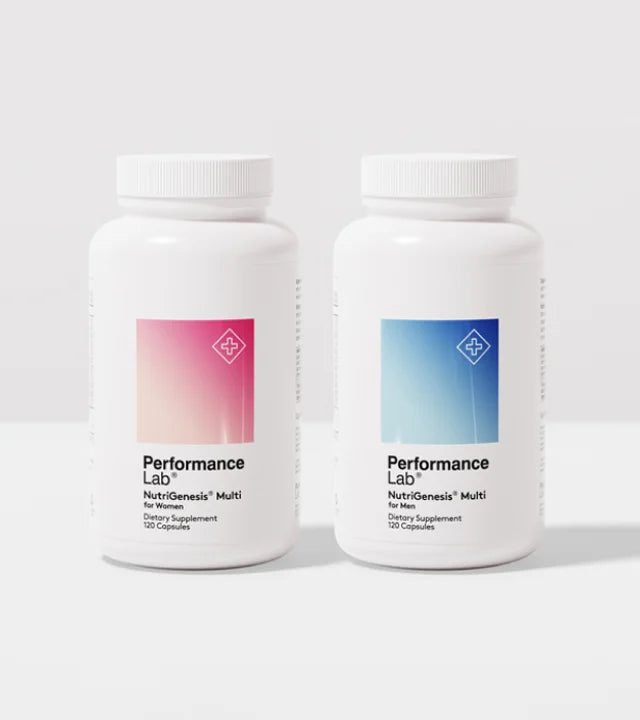
Performance Lab® NutriGenesis® Multi for Men delivers 17+ essential micronutrients, including Vitamin A, with a special emphasis on the key vitamins and minerals for male health and performance.
Optimized with a probiotic-cultivated NutriGenesis® formula and prebiotic-infused NutriCaps® capsules, Multi for Men is intended to absorb efficiently and easily.
Whether taking with other health and fitness supplements or not, NutriGenesis® Multi for Men is a strong choice for men looking to support their daily nutritional needs. Consult your doctor before taking this or any other supplement if you're on certain medications or have a health condition!
Continue reading to learn how zinc works, how zinc benefits male health and performance, and what the research has to say on this manly mineral.
How Does Zinc Work for Men?
The first fact to know is that zinc’s bio-activities contribute to the production of testosterone, the key male sex hormone.[3]
In turn, zinc’s promotion of healthy testosterone activity (mainly in those who are zinc deficient) may contribute to measures of erectile function, sex drive and libido, sperm quality, sperm count, sperm motility, and anabolic muscle growth.
This doesn't mean that taking zinc will boost your testosterone and provide these benefits if you're already getting enough through your diet -- it's more likely to help in restoring balance in the case of a deficiency.
Why Some Men Should Supplement Zinc
Having a healthy zinc status is just one part of the bigger puzzle that contributes to feeling great as a man - nonetheless, an important part at that.
By that same token, poor zinc status contributes to impaired male health and performance. Low levels of zinc don't necessarily always show up as obvious symptoms, but they have been associated with:[4,5]
- Suboptimal androgen (male sex hormone) status
- Impaired testicular health and function
- Slow wound healing
- Reduced physical performance and strength
- Metabolic disorders like insulin resistance
- Suboptimal immune health and function
Other possible symptoms of zinc deficiency, especially if it's more severe, may include, loss of smell and taste, skin lesions, hair loss, diarrhea, suboptimal immune function, and poor oral health. In older adults, low zinc is linked to changes in cognitive and psychological function. Many of these symptoms can also be due to other conditions or factors, so they don't automatically mean you're zinc deficient.
Male fertility and function, as well as immune health and cognition are all heavily influenced by your zinc status.
Though zinc isn’t the only mineral, let alone micronutrient, that’s important to a masculine biology, it is one you don't want to overlook, especially as age-related decline begins to take form.[6]
And much of this relates to zinc’s relationship to testosterone, the primary sex hormone for men.
What are the Risk Factors for Men Associated with Low Zinc Status?
No zinc? Testosterone can take a hit.
Ongoing low serum zinc concentrations are associated with hypogonadism, a condition marked by poor testosterone production and inefficient testicular function. [19] This, in turn, contributes to a number of male health problems, including other sex hormone imbalances involving estrogen, prolactin, DHT, and more.
But what are the factors associated with sub-optimal zinc absorption and status? Here are a few common ones:
- Ultraprocessed Foods – not all, but some modern food processing and food preservation technologies notoriously sap the nutrients out of today’s diets.
- Alcohol – excess alcohol is not good for many reasons, one of them being that it can inhibit zinc absorption and increases its excretion. Between 30% to 50% of people with alcohol use disorder are estimated to have low zinc status.
- Inadequate intake – primarily eating foods that are poor in zinc or are high in phytates (e.g. whole grains and legumes), oxalates, and other compounds that can limit zinc's absorption.
- Age-Related Decline – naturally, as with many other aspects of health and nutrition, the body’s use of zinc tends to decline with age.
Zinc malabsorption can also happen due to a medical condition or rare genetic factors, in which case you will need advice from a healthcare professional.
Are you an older adult who enjoys eating fast food meals, drinks alcohol regularly, and doesn't consume much animal food sources? Well, you might be living a zinc-unfriendly lifestyle. Thankfully, low zinc status may be ameliorated by eating more animal food sources or zinc supplementation.
Zinc Review: Benefits for Male Health
Letting your zinc levels drop, and then letting your zinc levels stay dropped, is a bad idea that you should quickly combat with a good idea: optimizing your zinc status through nutrition.
Consuming more zinc, either through food or supplements, may contribute to the following categories of male health and performance:
- Sex Drive and Libido
- Performance and Strength
- Anabolic Muscle Growth
- Cognitive Health
- Immune Health and Function
And more. Especially as we age, the importance of acquiring adequate dietary zinc is only increasing.
What Does the Research Say on Zinc for Men?
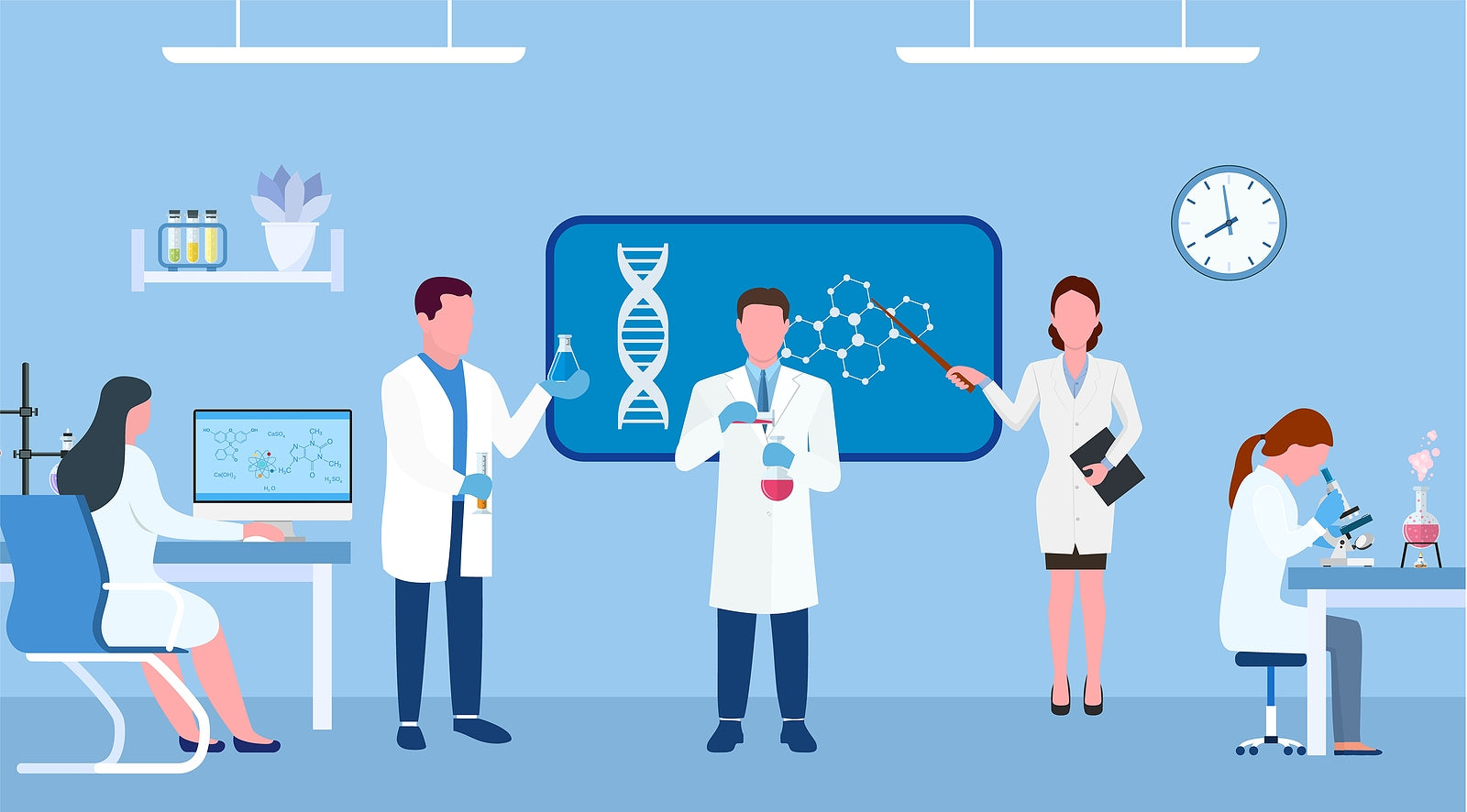
Read enough of these articles on zinc, and you’ll begin to think that zinc is the cure-all to all your problems. But let’s not get it twisted: zinc is not the cure-all to all your problems. Focusing on zinc alone without looking at your nutrition and lifestyle is not ideal, to say the least.
What's more, if you're already getting enough zinc and aren't deficient, you may not get benefits from additional intake or supplementation. In fact, too much zinc can interfere with copper in the body.
Some studies are promising while others show mixed results. For example, a 2026 meta-analysis of randomized controlled trials investigating zinc's effects on bacterial infections found that it may be potentially beneficial for deficient adults, while for others, evidence isn't clear. [15]
The good news is, there are potential benefits worth mentioning. For men specifically, research shows that zinc may help:
Support serum testosterone levels in healthy men
Studying the relationship between cellular zinc concentrations and serum testosterone, with considerations of the hormonal effects of marginal zinc deficiency in mind, a group of researchers measured serum testosterone levels before and after zinc administration among a group of healthy, normal men aged 20 to 80 years of age.
- The results showed that dietary zinc restriction in young men was associated with serum testosterone decline, whereas zinc supplementation among marginally zinc-deficient older men followed with an increase in testosterone, leading to the conclusion that “zinc may play an important role in modulating serum testosterone levels in normal men.”[7]
Athletic performance under conditions of exercise exhaustion
In a 2006 study investigating how exhaustion exercise affects thyroid hormones and testosterone levels in elite athletes, a group of researchers administered zinc supplements to licensed wrestlers to determine zinc’s efficacy in modulating the thyroid and male hormone response to exercise-induced exhaustion.
- The results demonstrated that while exhaustion exercise significantly inhibited thyroid hormones and testosterone concentrations, the 4-week zinc supplementation prevented this inhibition in wrestlers. The researchers’ conclusion: “physiological doses of zinc administration may benefit performance.”[8]
Promote sperm count in certain groups of men
Previously, we linked zinc deficiency with poor sperm quality. In a 2002 study, a group of researchers set out to assess the effects of zinc combined with folic acid on various measures of semen quality, including sperm concentration, motility, and morphology, as according to World Health Organization guidelines.
- The results showed a significant 74% increase in total normal sperm count in subfertile men, with a similar trend observed in fertile men, leading to the conclusion that “total normal sperm count increases after combined zinc sulfate and folic acid treatment in both subfertile and fertile men.”[9] However, the researchers urged for continued research on the effects of zinc on male fertility. Additionally, since robust human studies and meta-analyses looking into this topic are still limited and inconclusive, it's not clear whether taking zinc supplements can benefit fertility or not.
Potentially improve bodyweight, energy, and bone health in athletes
The nutritional habits of elite athletes during training and competition famously differ from the nutritional habits of the average joe. Naturally, athletes require a heightened amount of nutrients, both micro and macro, to sustain their heightened amount of activity; yet, endurance athletes often adopt unusual diets that contribute to suboptimal zinc intake. As one study observed, such unusual diets may lead to suboptimal zinc intake in a high number of athletes.
- As the researchers reported, mild zinc deficiency, though difficult to detect, may lead to “anorexia, significant loss in bodyweight, latent fatigue with decreased endurance and a risk of osteoporosis.”[10] Based on these findings, it’s possible that zinc supplementation may support these measures among athletes who consume high-carb, low-protein, low-fat diets.
Zinc Dosage for Men - How Much Zinc is Optimal?
For healthy adult men, the Recommended Dietary Allowance (RDA) is 11 mg of zinc per day. Doses between 10-20 mg per day are suitable for most people. If you're highly active or an athlete, your zinc requirements might be slightly higher because you lose some zinc through sweat and urine.
A healthy and varied diet can provide these amounts. Animal foods are considered the most bioavailable sources of zinc, compared to plant sources, which have phytates and other anti-nutrients that bind to zinc and reduce its bioavailability. Supplements are an easy way to ensure your needs for this mineral are covered. [16]
How Much is Too Much?
The Tolerable Upper Intake Level (UL) (how much a person can likely take without experiencing adverse effects of zinc toxicity) is 40 mg per day. Consuming less than this helps you avoid copper deficiency.
On the other hand, going above this level can lead to:
- Nausea
- Dizziness
- Stomach distress
- Vomiting
- Headaches
- Loss of appetite
What is the Best Form of Zinc for Male Health?
Though zinc is a pure element with a listing on the Periodic Table of Elements, “zinc” actually refers to a diversity of zinc forms whose variety depends upon what’s bonded to the zinc. This is one reason why not all zinc supplements are the same. Altogether, the most common zinc forms include:
- Picolinate – more absorbable than gluconate and citrate, but also one of the most expensive ingredient forms of zinc;
- Gluconate – 14% elemental zinc, a highly bioavailable zinc form;
- Citrate – 31% elemental zinc, zinc citrate is highly absorbable;
- Acetate – 30% elemental zinc, decently absorbable;
- Sulfate – 23% elemental zinc, poorly absorbed, bad taste;
- Oxide – 80% elemental zinc, zinc oxide is poorly absorbed;
- Monomethionine – an easy-to-absorb chelated zinc form;
- ZMA – a combination of zinc, magnesium, and B6 designed with the intent of replenishing athletes with performance-enhancing minerals and improving sports performance.
Needless to say, nailing the best zinc form based on this list depends on several factors, namely absorption and cost. However, if you’re looking for our recommendation, it's NutriGenesis® Zinc+.
Look for NutriGenesis® Zinc+
A patented form of zinc, NutriGenesis® Zinc+ is included as part of a total, comprehensive mix of essential vitamins and minerals, including magnesium and vitamin B6, which work together to fulfill the ZMA angle on sports nutrition enhancement. Complexed with natural cofactors, NutriGenesis® Zinc+ is designed to be easy to absorb and gently dosed, which men with sensitive stomach issues might find more suitable than higher-dosed zinc supplements.
Our Recommended Zinc Supplement for Men:
Performance Lab® NutriGenesis® Multi for Men

We can all agree that vitamins and minerals are important.
Only one problem: modern factory farming and food processing has reduced the essential micronutrients in foods, making today’s food products less nutrient-dense than they used to be.
If you're struggling to consume enough fruits and vegetables and other healthy foods, a well-designed multivitamin can provide extra support.
With a rich mix of lab-cultured vitamins and minerals, complexed with a collection of potency-enhancing natural cofactors, NutriGenesis® Multi for Men is designed to complement the diet and help fill potential nutritional gaps.
And, importantly in this case, NutriGenesis® Multi for Men supplies an advanced form of zinc, "the manliest mineral on the market."
Get the Best Deal on Performance Lab® NutriGenesis® Multi for Men
Performance Lab® NutriGenesis® Multi for Men Formula Analysis

It’s easy for a multivitamin supplement to supply all the essential vitamins and minerals that your body requires. In fact, many, if not most, multivitamins actually come through on this end.
However, even so, many of these same multivitamins supply isolated and synthetic nutraceuticals. These aren't necessarily ineffective (many of them do work), but it's a question of whether you prefer something a bit closer to nature.
Performance Lab® NutriGenesis® Multi for Men goes a different route with patented NutriGenesis® vitamins and minerals; a micronutrient technology breakthrough that complexes nutraceuticals with natural cofactors, including probiotics, fibers, enzymes, and antioxidants, that is intended to enhance the nutrients’ bioavailability and wellness-boosting bio-benefits.
Get Performance Lab® NutriGenesis® Multi for Men
NutriCaps®
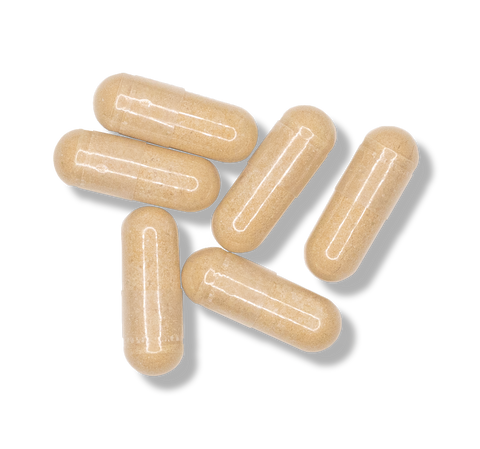
Additionally, Performance Lab® NutriGenesis® Multi for Men encapsulates its advanced formula in prebiotic-infused NutriCaps®, an all-natural, plant-based, patented capsule constructed out of fermented tapioca (pullulan) that’s completely devoid of artificial additives or harmful synthetics. Only clean, green, eco-friendly, vegan-friendly, non-GMO goodness.
As such, Performance Lab® NutriGenesis® Multi for Men is an excellent source of dietary zinc and our recommended multivitamin for men of all ages and dietary lifestyles.
Get the Best Deal on Performance Lab® NutriGenesis® Multi for Men
Conclusion on Zinc for Men
As a man, your body requires zinc for normal immune function and wound healing, production of hormones such as insulin and testosterone, normal brain signaling and healthy neurological function, how your retina functions and overall eye health, and more.
Though a simple supplement, it's a smart choice if you're looking to address zinc insufficiency.g
Especially if you buy this mineral as part of a comprehensive multivitamin supplement stack, such as Performance Lab® NutriGenesis® Multi for Men, our multi supplement for the ultramodern man.
Mixing zinc with all the other essential vitamins and minerals in a lab-cultured complex of probiotics, enzymes, fibers, and antioxidants, Performance Lab® NutriGenesis® Multi for Men is the multivitamin stack for the man who insists on the “health” aspect promised by their health supplements.
Suitable for daily use, Performance Lab® NutriGenesis® Multi for Men is the multivitamin stack we recommend to get all your daily vitamins and minerals for optimal male wellness and performance, without harsh, excess zinc doses.
References
- Wessells KR, Brown KH. Estimating the Global Prevalence of Zinc Deficiency: Results Based on Zinc Availability in National Food Supplies and the Prevalence of Stunting. PLoS One. 2012; 7(11): e50568.
- Fallah A et al. Zinc is an Essential Element for Male Fertility: A Review of Zn Roles in Men’s Health, Germination, Sperm Quality, and Fertilization. J Reprod Infertil. 2018 Apr-Jun; 19(2): 69-81.
- Kerns K et al. Zinc: A Necessary Ion for Mammalian Sperm Fertilization Competency. Int J Mol Sci. 2018 Dec; 19(12): 4097.
- Roohani N et al. Zinc and its importance for human health: An integrative review. J Res Med Sci. 2013 Feb; 18(2): 144-157.
- Wessels I et al. Zinc as a Gatekeeper of Immune Function. Nutrients. 2017 Dec; 9(12): 1286.
- Cabrera AJR. Zinc, aging, and immunosenescence: an overview. Pathobiol Aging Age Relat Dis. 2015; 5: 25592.
- Prasad AS et al. Zinc status and serum testosterone levels of healthy adults. Nutrition. 1996 may; 12(5): 344-8.
- Kilic M et al. The effect of exhaustion exercise on thyroid hormones and testosterone levels of elite athletes receiving oral zinc. Neuro Endocrinol Lett. Feb-Apr 2006; 27(1-2): 247-52.
- Wong WY et al. Effects of folic acid and zinc sulfate on male factor subfertility: a double-blind, randomized, placebo-controlled trial. Fertil Steril. 2002 Mar; 77(3): 491-8.
- Micheletti A et al. Zinc status in athletes: relation to diet and exercise. Sports Med. 2001; 31(8): 577-82.
- Topo E et al. The role and molecular mechanism of D-aspartic acid in the release and synthesis of LH and testosterone in humans and rats. Reprod Biol Endocrinol. 2009; 7: 120.
- Wankhede S et al. Examining the effect of Withania somnifera supplementation on muscle strength and recovery: a randomized controlled trial. J Int Soc Sports Nutr. 2015 Nov 25; 12: 43.
- Shukla KK et al. Mucuna pruriens Reduces Stress and Improves the Quality of Semen in Infertile Men. Evid Based Complement Alternat Med. 2010 Mar; 7(1): 137-144.
- Balunas MJ et al. Natural Products as Aromatase Inhibitors. Anticancer Agents Med Chem. 2008 Aug; 8(6): 646-682.
- De Rose DU et al. The Role of Zinc Against Bacterial Infections in Neonates, Children, and Adults: A Scoping Review from the Available Evidence of Randomized Controlled Trials About Zinc Supplementation to New Research Opportunities. Antibiotics (Basel). 2026 Jan 7; 15(1): 66.
- Devarshi PP, Mao Q, Grant RW, Hazels Mitmesser S. Comparative Absorption and Bioavailability of Various Chemical Forms of Zinc in Humans: A Narrative Review. Nutrients. 2024 Dec 11;16(24):4269. doi: 10.3390/nu16244269. PMID: 39770891; PMCID: PMC11677333.
- Yao JH, Ortega EF, Panda A. Impact of zinc on immunometabolism and its putative role on respiratory diseases. Immunometabolism (Cobham). 2025 Mar 5;7(1):e00057. doi: 10.1097/IN9.0000000000000057. PMID: 40051614; PMCID: PMC11882175.
- Te L, Liu J, Ma J, Wang S. Correlation between serum zinc and testosterone: A systematic review. J Trace Elem Med Biol. 2023 Mar;76:127124. doi: 10.1016/j.jtemb.2022.127124. Epub 2022 Dec 23. PMID: 36577241.
- Zečević N, Veselinović A, Perović M, Stojsavljević A. Association Between Zinc Levels and the Impact of Its Deficiency on Idiopathic Male Infertility: An Up-to-Date Review. Antioxidants (Basel). 2025 Jan 29;14(2):165. doi: 10.3390/antiox14020165. PMID: 40002352; PMCID: PMC11851646.