
It stands to reason that if you want to perform best in the gym, at the race track, on the soccer pitch or in the pool (anywhere really), you need to optimize your diet.
You need to give your body the nutrients and hydration it needs to power itself through your next intense workout... and the one after that... and the one after that. That means getting enough calories, fluids, carbs, protein, and fat - plus sleep - as well as the right vitamins and minerals in a balanced diet. The latter is what we're here to discuss today.
There are certain vitamins and minerals that can help your physical performance when it comes to the gym or elsewhere, such as vitamin D, B vitamins and magnesium. But when and how should you take them, should you opt for vitamin supplements or should you mix them with your traditional pre and post workout nutrition?
Let's answer those questions...
Key Takeaways
- Vitamins and minerals such as vitamin D, B vitamins and magnesium support exercise performance, recovery and energy metabolism when consumed consistently.
- Micronutrients don't provide an instant performance boost, but maintaining healthy nutrient levels helps your body make better use of the carbohydrates, protein and fats you eat.
- A balanced diet should be your first priority, while supplements can help fill nutritional gaps for active individuals with higher nutritional demands.
- Pre- and post-workout nutrition each have different roles, with pre-workout supplements supporting energy and focus, and post-workout nutrition helping recovery and muscle repair.
- Choosing evidence-based, well-formulated supplements alongside good nutrition, sleep and training habits can help support long-term performance.
Vitamins and Minerals That Support Exercise Performance and Recovery

As I mentioned above, there are several vitamins and minerals that can help to support exercise performance and recovery.
These micronutrients enable the body to make full use of the macronutrients you're consuming (carbs, protein etc...), including those in your pre and post workout supplements.
"Macronutrients (carbohydrates, protein, fats) provide sources of energy needed to fuel the body, maintain cellular hydration, and provide the body structure to perform work. Micronutrients (vitamins, minerals) enable the use of macronutrients for all physiologic processes." (1)
Athletes and gym goers expose themselves to oxidative stress with higher metabolic turnover and a need for greater nutrients. Potentially, this can cause vitamin deficiencies if you're not careful.
These vitamins and minerals aren't necessarily going to give you an immediate power boost or quick recovery fix during your next workout, but they could make a significant difference to your exercise and recovery routine when taken regularly. (1)
Let's look at them one by one:
Vitamin D (A Fat Soluble Vitamin)

Vitamin D3 is a powerhouse vitamin and research shows that low levels can directly impact your physical performance. Vitamin D insufficiency may also be more common than you think.
Several studies, for instance, have demonstrated that vitamin D deficiency is prevalent among athletes, especially during the winter months or among those involved in winter sports. (2, 3, 4) It stands to reason that the rest of us might also be low in vitamin D, especially if you go hard in the gym.
Vitamin D has been thoroughly researched and studies tells us that low levels of vitamin D can impact:
-
Strength and power
-
Endurance
-
Musculoskeletal injuries
-
Oxidative stress and inflammation.
Let's take a look at some of the studies.
THE STUDIES:
-
STRENGTH AND POWER: A lack of vitamin D has been shown to impact the strength and power of soccer players. (5) Low vitamin D levels in one study directly correlated to physical performance such as sprint time, vertical jump, countermovement jumps in soccer players. Another study noticed a similar connection to performance in judo competitors. (6, 7)
-
ENDURANCE: Other studies suggest vitamin D levels may also impact endurance, possibly because of its influence on VO2 max levels (the maximum volume of oxygen your body can use during intense exercise, an indication of endurance). One 2018 study noted a 20% increase in VO2 max among soccer players after taking a vitamin D supplement for eight weeks. (8)
-
MUSCULOSKELETAL INJURIES: Several studies have also linked low vitamin D levels with a higher risk of musculoskeletal injuries. For instance, of 105 women with lower extremity injuries in one study, 65.7% had low vitamin D. That percentage increased to 76.5% for women with ligament or cartilage injuries in the same study. (9) Likewise, a study of NFL players discovered those players with a history of core muscle injury or lower extremity muscle strain were more likely to have inadequate vitamin D. (4) Researchers theorize that this is because of vitamin D's importance for bones and calcium regulation. (10)
Vitamin D and Stress Fractures
In a recent study, scientists "demonstrated that vitamin D supplements significantly reduced the incidence of stress fractures from 7.51% to 1.65% in athletes with vitamin D insufficiency or deficiency." (11)
- OXIDATIVE STRESS AND INFLAMMATION: Finally, some studies have concluded that vitamin D may help to reduce inflammation and oxidative stress caused by high-intensity exercise. (12) They concluded that vitamin D may reduce pro-inflammatory cytokines while also increasing anti-inflammatory cytokines. (13, 14)
There seems little doubt therefore that vitamin D is probably a nutrient you want to consider, given its essential role in healthy bones and muscle function. Popping a pill just before exercise and assuming it will improve your workout, however, isn't really the way it's going to work.
If you are deficient in vitamin D (and many of us who can't get enough sunlight in the fall and winter may be), the best way to ensure peak physical performance is to restore your normal blood vitamin D to adequate levels. That means increasing your vitamin D levels over the longer term.
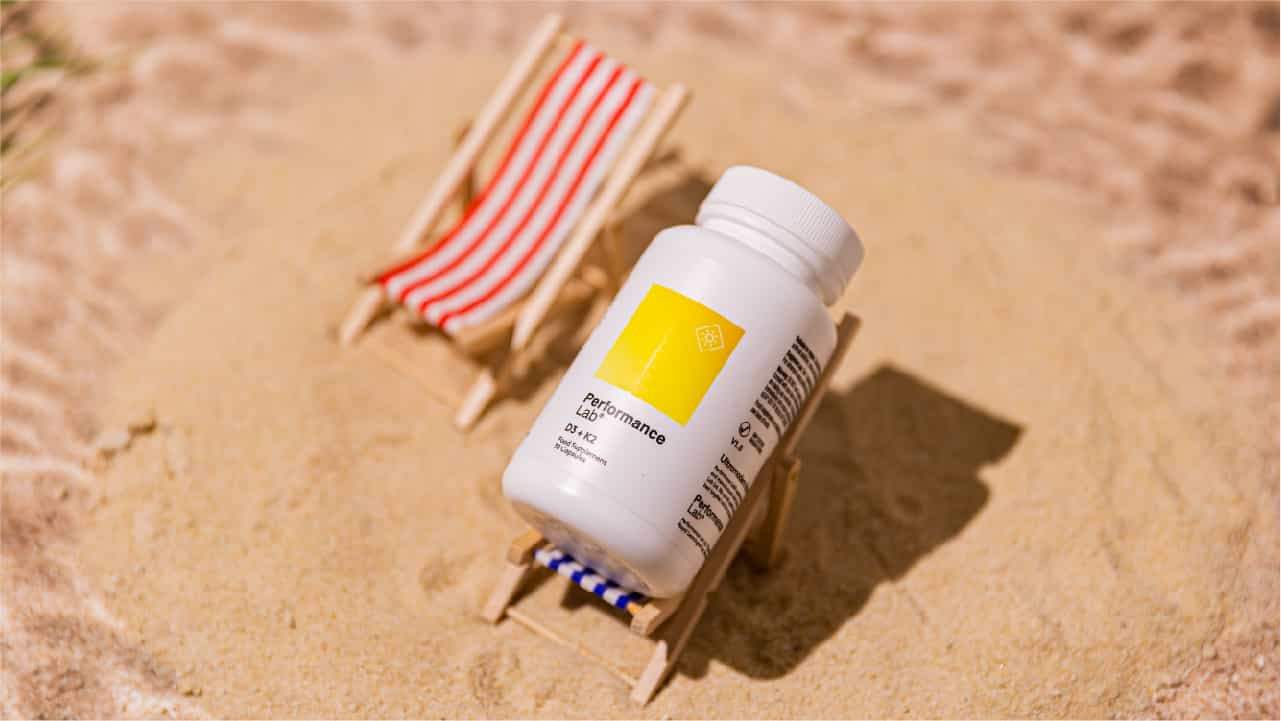
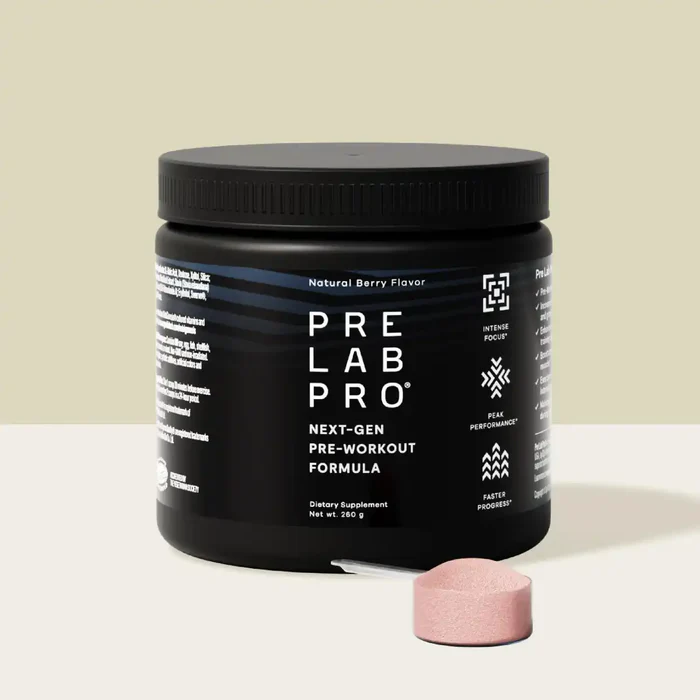
You may want to take a daily vitamin D supplement - such as our Performance Lab D3 + K2 supplement -or ensure your regular pre workout or post workout routine includes vitamin D3. Our popular nootropic pre workout supplement, Pre Lab Pro for instance, makes sure to include vitamin D3.
SUMMARY OF VITAMIN D: Vitamin D is an important nutrient for older adults and people who exercise regularly, supporting normal muscle function, bone health, immune health, and recovery. While it does not provide an immediate energy boost before training, maintaining adequate vitamin D levels helps support the body’s ability to perform and recover over time.
Fat soluble vitamins are generally better taken with your largest meal of the day for optimal absorption, though including vitamin D in a pre-workout supplement can be a convenient way to support your daily intake and maintain healthy levels.
Take Vitamin D for:
-
Bone health ✓
-
Muscle function ✓
-
Immune function ✓
-
Muscle recovery ✓
Best time to take: Vitamin D is fat-soluble and best absorbed with dietary fats, so take it consistently with a meal containing fat. Alternatively take it with your pre workout supplement or multivitamin to ensure consistency.
More: Vitamin D and B12 Together: 3 Benefits for Exercise
B Vitamins, Water Soluble Vitamins for Energy

You may not think about B vitamins when it comes to your sports nutrition, but they play an important role in physical performance because B vitamins act as cofactors that help convert carbohydrates and fats into usable cellular energy and support other exercise-related processes.
There are eight water-soluble vitamins within the B vitamin family, and while they each have their own role to play in the body, they also work together to potentially support athletic ability and recovery via:
-
ATP cellular energy production ✓ (15)
-
Tissue repair ✓ (16)
-
Red blood cell creation ✓ (17)
-
Neurological function✓ (18)
"During exercise, the body increases its demand for some of the B vitamins, such as thiamin, niacin, riboflavin, pyridoxine, and pantothenic acid." - Harvard Health Publishing. (19)
Let's take a look at some of the most useful research surrounding B vitamins and sport/ exercise.
"Vitamins catalyze numerous biochemical reactions. They are not direct sources of energy; vitamins facilitate energy metabolism. Because the rates or activities of these metabolic processes increase during physical activity, an adequate supply of vitamins is needed to promote optimal physical performance." (1)
STUDIES:
-
Several studies have concluded that supplementation of vitamin B1 (thiamine) helps to lower levels of fatigue-causing lactic acid in the blood during high-intensity exercise. This may help to reduce perceived exertion and build endurance. (20)
-
B2 (riboflavin) may help to reduce muscle pain and soreness and enhance recovery if taken before and after exercise, according to double-blind trials (21, 22)
-
A 28 consecutive day trial of a vitamin B complex (a combination of B1, B2, B6 and B12) showed a significant improvement in exercise endurance and reduced fatigue. Note that this trial was for non-athletes. (23)
-
It's well known that a B12 or folate (B9) deficiency can cause megaloblastic anemia, where larger than normal red blood cells cannot carry oxygen around the body. This may mean you tire easier and endurance falls. (24)
B VITAMIN SUMMARY: As I said earlier, while individual B vitamins have their own roles in the body, their real benefit is when they work together. Riboflavin, B6, B9, and B12, in particular, help support exercise performance.
B1, B2 and B6 contribute to energy metabolism, while B9 (folate) and B12 support red blood cell production and oxygen transport.
As a result, B-complex vitamins are often included in pre-workout formulas to help support the body's energy-producing and endurance-related pathways.
Best time to take: B vitamins are water soluble vitamins, so they may be taken on an empty stomach for optimal absorption, though some people prefer taking them with food if their stomach feels sensitive. Consistency is more important than exact timing. Many people also like taking them before exercise because of their role in energy metabolism. (2)
More: B Vitamin Benefits for Your Health and Wellbeing
Magnesium

Every single cell in our bodies needs magnesium to function in some way. Around 60% of our magnesium settles in our bones, with smaller amounts in our muscles, blood, fluids and soft tissue. (25)
Here's why it matters: The NHANES national survey shows that nearly half the U.S. population isn't getting enough magnesium from the food they eat, which means supplementation can be beneficial. (26) This lack of magnesium can build up for months or years before it becomes obvious.
Here are a few roles of magnesium that can help your workouts in the longer term:
-
Magnesium has a strong impact on our nervous system, helping it to calm.
-
It also helps to relax blood vessels, helping potassium and calcium to move in and out of cells, crucial for muscle function.
-
Magnesium supports calcium and vitamin D in their bone building roles, helping to regulate bone building and breakdown over time. Without magnesium, vitamin D and calcium can't be as effective. Low magnesium status has been linked to reduced bone mineral density and a higher risk of fractures. (29)
Signs of magnesium shortfall
Muscle cramps, more than usual - Restless sleep - Struggling to focus or manage stress - Feeling tired but wired.
THE STUDIES:
-
A 2019 study examining the impact of minerals on exercise quality concluded that supplementation with iron and magnesium showed the best improvements related to 'exercise capacity and athletic performance'.
-
In particular, 300–500 mg a day of magnesium over 1-4 weeks "may have a positive influence on functional dynamic measures of muscle performance (CMJ, 1RM, fatigue resistance) and longer-term benefits on quadricep torque measurements." (27)
-
A 2024 study of magnesium in skeletal muscle health concluded that an adequate magnesium intake was important for muscle power, muscle mass and performance. It also noted that magnesium has the potential to improve muscular stem cells. As such, it may support post-workout recovery by contributing to normal muscle function and helping regulate processes involved in muscle soreness and recovery. (28)
MAGNESIUM SUMMARY: Magnesium supports normal muscle function, energy production, and electrolyte balance, making it an important mineral for people who exercise regularly. It plays a role in muscle contraction and relaxation and may also support recovery after exercise. Benefits are most likely to be seen when magnesium intake is insufficient.
Best time to take: Magnesium can be taken at any time of day. Many people include it later in the day as part of their recovery routine, but consistency is more important than exact timing.
More: What Does Magnesium Do for the Body?
Other Vitamins and Minerals That May Support Exercise Performance
While vitamin D, B vitamins, and magnesium are among the most commonly discussed nutrients for active individuals, several other vitamins and minerals may also support exercise performance and recovery:
-
Iron: Iron helps produce haemoglobin, the protein in red blood cells that carries oxygen around the body. Maintaining healthy iron levels is particularly important for endurance athletes, women, and anyone prone to iron deficiency.
-
Potassium: Potassium is an electrolyte that helps regulate fluid balance, muscle contractions, and nerve signalling. It is lost through sweat and may be especially important during prolonged or intense exercise.
-
Calcium: Best known for supporting bone health, calcium is also involved in muscle contraction and normal nerve function.
Speak to a doctor if...
Eating a balanced diet with vegetables, protein, carbohydrates, fish and fruits is the best way to take in the vitamins and minerals you need. However, it's not always easy to gain enough key nutrient from food alone, and gym goers and athletes may need more. Please speak to your doctor before taking any additional vitamins, minerals or workout supplements if you have existing health conditions or are taking any medications.
Other Sports Nutrition Supplements Before a Workout

Pre workout supplements are intended to help boost your performance, endurance, strength and focus if taken before your workout. These are some of the best:
| Pre-workout nutrient | Why it matters |
|---|---|
| Creatine | Supports strength, power output, and high-intensity exercise performance. |
| Beta-alanine | Helps buffer muscle acidity and may support performance during intense exercise lasting 1–4 minutes when taken consistently at 4–6 g/day. |
| Caffeine | Supports energy, focus, alertness, and athletic performance during high-intensity and endurance exercise. |
| Beetroot (nitrates) | Supports nitric oxide production, healthy blood flow to working muscles, and endurance. |
| Citrulline malate | Supports nitric oxide production and may help improve blood flow and exercise capacity. |
| Carbohydrates | Provides fuel for training and helps maintain energy during exercise. |
| Electrolytes | Supports hydration, fluid balance, and normal muscle function. |
Our Best Pre Workout Supplement Recommendation: Pre Lab Pro

The best pre-workouts offer several benefits to your workout routine - they help to boost energy, enhance focus and allow you to train harder, burn more calories and build muscle, depending on your individual goals.
We recommend Pre Lab Pro, our nootropic pre-workout drink. It includes proven ingredients like beetroot, glutathione and l-citrulline to raise nitric oxide for better blood flow and muscle pump, as well as endurance and recovery.
It also contains a modest amount of caffeine and l-theanine to make Smart Caffeine, with tyrosine for focus, providing an energy boost without the crash.
Crucially, Pre Lab Pro also includes NutriGenesis vitamins and minerals - including vitamin D3, vitamins B2, 6, 9 and 12, potassium and iron.
Post-Workout Nutrition (Recovery-Focused)

Post workout supplements or ingredients are designed to help support muscle recovery and muscle growth, and to replace elements lost during your workout. They include:
| Post-workout nutrient | Why it matters |
|---|---|
| Protein | Provides amino acids needed for muscle repair and muscle growth. Adequate protein intake supports recovery, and people doing strenuous exercise are often advised to get 1.4–2.0 g/kg/day. |
| Creatine | Supports muscle recovery, strength adaptation, and replenishment of muscle energy stores. |
| Carbohydrates | Helps replenish glycogen stores after exercise. |
| Electrolytes | Helps replace minerals lost through sweat and supports rehydration. Sports drinks are usually most useful after vigorous sessions lasting more than an hour or when sweat losses are high, while shorter workouts often do not require anything beyond water. |
| Omega-3 fatty acids | Supports muscle health and healthy inflammatory responses. |
| Magnesium | Supports normal muscle function, energy metabolism, and relaxation after exercise. |
Protein powders are dietary supplements that come in whey, casein, soy, and pea forms, and supplementation may reduce soreness and markers of muscle damage after hard resistance training.
Antioxidants can also support recovery; for example, vitamin C and vitamin E help neutralize free radicals produced during intense exercise, while vitamin C and B12 contribute to tissue repair and collagen synthesis.
Final Thoughts
Exercise puts a significant strain on the body and its resources, especially energy stores, electrolytes, vitamins and minerals, and brain chemicals.
A good pre workout supplement can help to replace some of those elements - including micronutrients such as the B vitamins, vitamin D3 and magnesium - and potentially help to boost your energy, reduce fatigue and allow you to push yourself harder.
Make sure to choose a quality pre workout that is third party tested for purity and potency and one that is well thought out with a clean label.
We believe Pre Lab Pro meets all of these requirements.
References
- Lukaski, H. C. (2004). Vitamin and mineral status: Effects on physical performance. Nutrition, 20(7–8), 632–644.
- Wiacek, M., Nowak, E., Lipka, P., Denda, R., & Zubrzycki, I. Z. (2026). Vitamin supplementation in sports: A decade of evidence-based insights. Nutrients, 18(2), 213. https://doi.org/10.3390/nu18020213
- Rebolledo, B. J., Bernard, J. A., Werner, B. C., Finlay, A. K., Nwachukwu, B. U., Dare, D. M., Warren, R. F., & Rodeo, S. A. (2018). The association of vitamin D status in lower extremity muscle strains and core muscle injuries at the National Football League Combine. Arthroscopy: The Journal of Arthroscopic & Related Surgery, 34(4), 1280–1285. https://doi.org/10.1016/j.arthro.2017.10.005
- Grieshober, J. A., Mehran, N., Photopoulos, C., Fishman, M., Lombardo, S. J., & Kharrazi, F. D. (2018). Vitamin D insufficiency among professional basketball players: A relationship to fracture risk and athletic performance. Orthopaedic Journal of Sports Medicine, 6, 2325967118774329.
- Hamilton, B., Whiteley, R., Farooq, A., & Chalabi, H. (2014). Vitamin D concentration in 342 professional football players and association with lower limb isokinetic function. Journal of Science and Medicine in Sport, 17, 139–143. https://doi.org/10.1016/j.jsams.2013.03.006
- Koundourakis, N. E., Androulakis, N. E., Malliaraki, N., & Margioris, A. N. (2014). Vitamin D and exercise performance in professional soccer players. PLoS ONE, 9, e101659. https://doi.org/10.1371/journal.pone.0101659
- Książek, A., Dziubek, W., Pietraszewska, J., & Słowińska-Lisowska, M. (2018). Relationship between 25(OH)D levels and athletic performance in elite Polish judoists. Biology of Sport, 35(2), 191–196. https://doi.org/10.5114/biolsport.2018.74195
- Jastrzębska, M., Kaczmarczyk, M., Michalczyk, M., Radzimiński, Ł., Stępień, P., Jastrzębska, J., Wakuluk, D., Suárez, A. D., López Sánchez, G. F., Cięszczyk, P., Godlewski, P., Król, P., & Jastrzębski, Z. (2018). Can supplementation of vitamin D improve aerobic capacity in well trained youth soccer players? Journal of Human Kinetics, 61, 63–72.
- Ammerman, B. M., Ling, D., Callahan, L. R., Hannafin, J. A., & Goolsby, M. A. (2021). Prevalence of vitamin D insufficiency and deficiency in young, female patients with lower extremity musculoskeletal complaints. Sports Health, 13(2), 173–180. https://doi.org/10.1177/1941738120953414
- Farrokhyar, F., Tabasinejad, R., Dao, D., Peterson, D., Ayeni, O. R., Hadioonzadeh, R., & Bhandari, M. (2015). Prevalence of vitamin D inadequacy in athletes: A systematic review and meta-analysis. Sports Medicine, 45(3), 365–378. https://doi.org/10.1007/s40279-014-0267-6
- Williams, K., Askew, C., Mazoue, C., Guy, J., Torres-McGehee, T. M., & Jackson, J. B. (2020). Vitamin D3 supplementation and stress fractures in high-risk collegiate athletes: A pilot study. Orthopaedic Research and Reviews, 12, 9–17. https://doi.org/10.2147/ORR.S233387
- Ke, C. Y., Yang, F. L., Wu, W. T., Chung, C. H., Lee, R. P., Yang, W. T., Subeq, Y. M., & Liao, K. W. (2016). Vitamin D3 reduces tissue damage and oxidative stress caused by exhaustive exercise. International Journal of Medical Sciences, 13, 147–153. https://doi.org/10.7150/ijms.13746
- Larson-Meyer, E. (2013). Vitamin D supplementation in athletes. Nestlé Nutrition Institute Workshop Series, 75, 109–121. https://doi.org/10.1159/000345827
- Willis, K. S., Smith, D. T., Broughton, K. S., & Larson-Meyer, D. E. (2012). Vitamin D status and biomarkers of inflammation in runners. Open Access Journal of Sports Medicine, 3, 35–42. https://doi.org/10.2147/OAJSM.S31022
- Tardy, A.-L., Pouteau, E., Marquez, D., Yilmaz, C., & Scholey, A. (2020). Vitamins and minerals for energy, fatigue and cognition: A narrative review of the biochemical and clinical evidence. Nutrients, 12, 228. https://doi.org/10.3390/nu12010228
- Fissoun, C., & Kovatcheva, M. (2025). Vitamin B12 in cell plasticity and repair. DNA and Cell Biology, 44, 209–213. https://doi.org/10.1089/dna.2025.0037
- Koury, M. J., & Ponka, P. (2004). New insights into erythropoiesis: The roles of folate, vitamin B12, and iron. Annual Review of Nutrition, 24, 105–131. https://doi.org/10.1146/annurev.nutr.24.012003.132306
- Calderón-Ospina, C. A., & Nava-Mesa, M. O. (2020). B vitamins in the nervous system: Current knowledge of the biochemical modes of action and synergies of thiamine, pyridoxine, and cobalamin. CNS Neuroscience & Therapeutics, 26, 5–13. https://doi.org/10.1111/cns.13207
- Harvard Health Publishing. (n.d.). Can supplements boost my athletic performance? https://www.health.harvard.edu/healthy-aging-and-longevity/can-supplements-boost-my-athletic-performance
- Choi, S. K., Baek, S. H., & Choi, S. W. (2013). The effects of endurance training and thiamine supplementation on anti-fatigue during exercise. Journal of Exercise Nutrition & Biochemistry, 17(4), 189–198. https://doi.org/10.5717/jenb.2013.17.4.189
- Hoffman, M. D., Valentino, T. R., Stuempfle, K. J., & Hassid, B. V. (2017). A placebo-controlled trial of riboflavin for enhancement of ultramarathon recovery. Sports Medicine - Open, 3(1), 14. https://doi.org/10.1186/s40798-017-0081-4
- Kent, J. B., Diduch, B. K., Statuta, S. M., Pugh, K. F., & Macknight, J. M. (2023). The impact of riboflavin on the duration of sport-related concussion: A randomized placebo-controlled trial. Journal of Concussion, 7. https://doi.org/10.1177/20597002231153707
- Lee, M. C., Hsu, Y. J., Shen, S. Y., Ho, C. S., & Huang, C. C. (2023). A functional evaluation of anti-fatigue and exercise performance improvement following vitamin B complex supplementation in healthy humans: A randomized double-blind trial. International Journal of Medical Sciences, 20(10), 1272–1281. https://doi.org/10.7150/ijms.86738
- NHS. (n.d.). Vitamin B12 or folate deficiency anaemia. https://www.nhs.uk/conditions/vitamin-b12-or-folate-deficiency-anaemia/
- Castiglioni, S., Cazzaniga, A., Albisetti, W., & Maier, J. A. (2013). Magnesium and osteoporosis: Current state of knowledge and future research directions. Nutrients, 5(8), 3022–3033. https://doi.org/10.3390/nu5083022
- DiNicolantonio, J. J., O’Keefe, J. H., & Wilson, W. (2018). Subclinical magnesium deficiency: A principal driver of cardiovascular disease and a public health crisis. Open Heart, 5(1), e000668. https://doi.org/10.1136/openhrt-2017-000668
- Heffernan, S. M., Horner, K., De Vito, G., & Conway, G. E. (2019). The role of mineral and trace element supplementation in exercise and athletic performance: A systematic review. Nutrients, 11(3), 696.
- Liguori, S., Moretti, A., Paoletta, M., Gimigliano, F., & Iolascon, G. (2024). Role of magnesium in skeletal muscle health and neuromuscular diseases: A scoping review. International Journal of Molecular Sciences, 25(20), 11220. https://doi.org/10.3390/ijms252011220
- Dominguez, L. J., Veronese, N., Ciriminna, S., Pérez-Albela, J. L., Vásquez-López, V. F., Rodas-Regalado, S., Di Bella, G., Parisi, A., Tagliaferri, F., & Barbagallo, M. (2023). Association between serum magnesium and fractures: A systematic review and meta-analysis of observational studies. Nutrients, 15(6), 1304. https://doi.org/10.3390/nu15061304
- Trexler, E. T., Smith-Ryan, A. E., Stout, J. R., Hoffman, J. R., Wilborn, C. D., Sale, C., Kreider, R. B., Jäger, R., Earnest, C. P., Bannock, L., Campbell, B., Kalman, D., Ziegenfuss, T. N., & Antonio, J. (2015). International Society of Sports Nutrition position stand: Beta-alanine. Journal of the International Society of Sports Nutrition, 12, 30. https://doi.org/10.1186/s12970-015-0090-y