
If you're wondering whether green tea or coffee gives you more caffeine, the answer is coffee - by quite a margin. Brewed coffee contains around 40mg of caffeine per 100g, compared with about 12mg in brewed green tea. But caffeine isn't the whole story: green tea also contains L-theanine and other compounds that can change how that caffeine feels, which is why the two can have quite different effects on alertness and focus. Read on for more about caffeine, coffee, and green tea...
That buzz you get when drinking coffee... the feeling that now you can go about your day after sipping your first coffee of the morning - that's all thanks to the caffeine content within it.
It's a natural stimulant, enjoyed by billions of people across the globe. It takes effect within about 20 minutes and helps you feel awake and alert, thanks to the power it has to block adenosine.
Adenosine is a neurotransmitter that builds up during the day, helping to relax the brain but also making us feel more tired as the day goes on. Caffeine helps to interrupt that sequence, giving us a boost of energy and focus.
But what can it do for mental and physical performance, and does it matter where you get your caffeine from? How does caffeine from green tea, for instance, compare to caffeine from coffee? Let's find out...
(Hint: the caffeine molecule is identical in both, but caffeine content and additional ingredients can make a difference).
Key Takeaways
- Coffee contains significantly more caffeine than green tea, with brewed coffee providing around 40mg per 100g compared with about 12mg in brewed green tea.
- Caffeine can support alertness, attention, endurance, strength, and exercise performance, although the amount you consume matters.
- Green tea contains L-theanine as well as caffeine, which may support a calmer form of alertness and help reduce some of caffeine's unwanted effects.
- If you're looking for caffeine specifically for exercise performance, you may need more caffeine than a typical cup of green tea provides.
- Pre Lab Pro combines natural coffee-derived caffeine with L-theanine, giving you the performance-focused benefits of caffeine alongside the compound that makes green tea different.
Before we jump to the differences between green tea and coffee caffeine, let's first make sure we understand why caffeine is so valuable whatever its source, especially to performance.
Caffeine's Boost to Performance is Official
Here's what the International Society of Sports Nutrition says about caffeine for performance:
"Coffee’s constituents, including but not limited to caffeine, have neuromuscular, antioxidant, endocrine, cognitive, and metabolic (e.g. glucose disposal and vasodilation) effects that impact exercise performance and recovery."
The ISSN position paper states that coffee and/ or its components may help you perform better in everything from quick, explosive activities to longer-lasting exercise, although the results aren’t always consistent. It also states that the most studied timing is around 60 minutes before exercise, with consistent benefits generally seen at 3–6 mg/kg body weight. (1)
Let's look at the scientific evidence for some of those caffeine benefits a little further...
Caffeine Benefits for Performance and Energy

1. Attention and reaction time
A 2025 systematic review of 31 randomized trials concluded that caffeine significantly improves reaction time and accuracy, thereby helping attention. (2)
2. Exercise Performance
A 2020 umbrella review of 21 meta-analyses determined that there was moderate to high evidence that caffeine can improve:
-
Muscular strength
-
Muscular endurance
-
Aerobic endurance (such as swimming, running, jumping, cycling, cardio, aerobic classes)
-
Anaerobic power (weightlifting, HIIT, sprints, push-ups etc...)
The researchers concluded that caffeine consumption seems to be more effective for aerobic exercise than for anaerobic exercise. (3)
In addition, another meta-analysis concluded that a third of observed improved performance during exercise was a result of people feeling less tired (a decrease in perceived exertion (RPE)) following caffeine consumption. (4)
3. Strength and Muscular Endurance
Another meta-analysis of 19 studies found that caffeine supplementation resulted in significant improvements in muscular endurance and maximum strength.
"Caffeine supplementation showed a significant ergogenic effect on muscle endurance and maximum strength in the bench press exercise." (5)
4. Can Caffeine Burn Fat?

A review of 19 crossover studies concluded that caffeine supplementation significantly increased fat oxidation during exercise. Fat oxidation is the process of breaking down stored fats into ATP cellular energy, i.e., using fat for energy. This is colloquially known as fat burning.
The review concluded that taking a moderate dose of caffeine pre-exercise may 'effectively increase fat utilization during aerobic exercise', particularly after a fasting period. However, the review also noted that caffeine's ability to encourage fat oxidation during exercise was more noticeable in untrained or sedentary people than in recreational or trained athletes. (6)
All the above are why you'll often find caffeine in quality pre-workout powders or supplements. You can also take a standalone caffeine pill if you want a quick boost for exercise or mental performance. We recommend Performance Lab Caffeine 2.

With a modest 50mg of caffeine per serving, you can adjust your dose depending on your daily needs and/ or tolerance. This smart caffeine pill also comes with additional B vitamins, theanine and tyrosine designed to provide calm alertness without jitters.
Downsides of caffeine
While caffeine can give us a boost of energy, too much of it can also cause side effects such as anxiety, headaches, the jitters, plus insomnia if you take it too late in the day or you're sensitive to it. If you take caffeine regularly, your body can also get used to it, meaning you need more to gain the same effects. In this case, cycling or giving your body a break from caffeine for a while is recommended.
Choose your caffeine source carefully and look for pre-workouts or caffeine pills that include theanine or other ingredients to help reduce caffeine's potential side effects.
How Much Caffeine is Safe?
A safe daily limit is up to 400 mg of caffeine. (7)
Caffeine from Green Tea vs Coffee?

Now that we've seen the benefits and potential drawbacks of caffeine, does it matter where you gain your caffeine from? Is caffeine from green tea any different to caffeine from coffee?
Coffee and Green Tea: More Than Just Caffeine
Coffee and green tea have much more in common than their caffeine content. Both have developed their own cultures and traditions around the world, and both continue to evolve with changing tastes and trends.
-
Coffee culture: From espresso and cold brew to speciality coffee and creative coffee drinks, modern coffee culture includes a wide variety of preparation methods and styles.
-
Green tea culture: Green tea has a particularly strong cultural significance in Japan, where it is central to traditional practices and tea rituals.
-
New ways to enjoy both: Green tea and coffee are increasingly being used in creative drinks, including cocktails and other modern beverage combinations.
-
Different ways to brew: Cold brewing can be used for both cold brew coffee and green tea, using a similar slow-steeping approach to extract flavour over time.
-
Even the brewing traditions vary: Around the world, coffee brews and preparation can look very different from the familiar coffee-shop approach. From French Press to drip coffee, percolator or more. For example, Turkish sand coffee is brewed using hot sand as the heat source.
Ultimately, though, if you're comparing the two for caffeine and performance, the biggest difference comes down to how much caffeine they provide — and what else comes with it.
Caffeine Content Differs
The first difference between green tea caffeine vs coffee is the actual caffeine content. While green tea is the form of tea with the highest caffeine content, its caffeine content is still significantly lower than coffee.
According to the USDA, brewed coffee contains more than three times as much caffeine as brewed green tea on average. Brewed coffee per 100g contains approximately 40mg of caffeine. The same amount of brewed green tea, in contrast, contains approximately 12mg of caffeine. (8, 9)
An 8 oz cup of coffee, for instance, contains around 80 to 100 mg of caffeine whereas an 8 oz cup of green tea contains 30 to 50 mg of caffeine. Decaf coffee or herbal teas obviously have different caffeine levels. (7)
Those figures describe an average cup, so they should be treated as approximations rather than fixed amounts.
Caffeine content can, of course, vary depending on various factors such as brewing method, brewing time, grind size, hot water temperature, serving size, and the type of coffee beans used. However, it seems clear that green tea has significantly less caffeine content than traditional coffee generally.
What else affects caffeine content?
It's not just the type of drink that determines how much caffeine ends up in your cup. With green tea, longer steeping generally allows more caffeine to be extracted from the leaves. Coffee's caffeine content can also vary with roast level, although the difference between light and dark roasts is relatively small compared with factors such as the amount of coffee used and the brewing method. (10)
Espresso is typically brewed with water at around 195–205°F (90.5–96.1°C), under high pressure. Because it uses a small amount of water and finely ground coffee, espresso produces a much more concentrated beverage than regular brewed coffee. (11)
Decaffeinated tea is also an option here, and decaf green tea typically contains just 5% to 15% of the original caffeine.
You could say that coffee provides a rapid energy spike while green tea offers a gradual sustained lift. That may be fine if you're just needing a gentle lift in the afternoons, but it may be an issue if you're seeking performance benefits.
How Much Caffeine is Needed for Performance Benefits?
Studies show the amount of caffeine matters when you're seeking performance benefits. One systematic review of 37 studies found benefits with approximately 3 mg/kg or more. (12)
The problem is that you'd need a lot more ordinary green tea to reach the caffeine doses commonly used in exercise research.
So, it seems likely that green tea won't give you the same kick as coffee, but I'll let you into a secret - green tea has a hidden weapon.
Green Tea's Hidden Weapon

Green tea has something that ordinary coffee does not. Both beverages are high in antioxidants, but green tea adds theanine alongside catechins from tea leaves, giving additional health benefits, such as:
-
Theanine, an amino acid that helps boost caffeine's benefits while reducing its side effects. More on that shortly.
-
GABA, which promotes relaxation.
-
Catechins, such as EGCG. Potent antioxidants which help to protect the brain, heart health and improve fat oxidation (fat burning) during and after exercise. Catechins are potent immune system boosters. (13, 7, 14)
Caffeine + Theanine = Smart Caffeine

Let's talk for a moment more about the combination of caffeine and theanine found in green tea. Green tea and coffee are two of the most common caffeinated beverages, and this is one of the biggest reasons their caffeine can feel different.
The combination of caffeine and theanine is known as smart caffeine. As we know, caffeine can boost alertness, but it can also come with some side effects, such as anxiety and the jitters. Theanine has been shown to reduce those side effects. Smart caffeine encourages calm alertness without the jitters, which is the calming effect many people notice from green tea. (15)
CAFFEINE + L-THEANINE STUDIES
- Together, caffeine and L-theanine have been shown to increase alertness and attention to tasks for two hours after consumption. (16)
- Another study found that while 50mg of caffeine helped alertness and accuracy on an attention task, the benefits were heightened when 100mg of theanine was added to the mix. Adding theanine also helped to improve long-term memory as well, not something you typically see with caffeine alone. (17)
- Studies seem to show therefore that combining the two offers additional benefits to consuming caffeine alone - including enhanced attention to tasks, less tiredness, and better working memory performance, with steadier energy levels rather than a harsher spike. (18)
Brain imaging shows that taken separately, both exert different effects on the brain. Taken together, they work together synergistically to activate the brain region associated with task performance. (19)
So, Which is Better: Green Tea or Coffee?

Given that coffee has a significantly higher caffeine content than green tea, but green tea also contains beneficial theanine, you may be asking yourself which tea or coffee option makes more sense for your daily caffeine decision. For most people, the better choice comes down to how they want to feel and perform.
You may want the stronger stimulation coffee is known for, or prefer the gentler drink experience green tea tends to offer. You may want to opt for coffee in the morning to get you going, for instance, but enjoy a more relaxing green tea in the afternoon, whether served hot or cold. There's no reason you can't enjoy both coffee and tea.
Or - here's a radical thought - you don't have to choose between them at all.
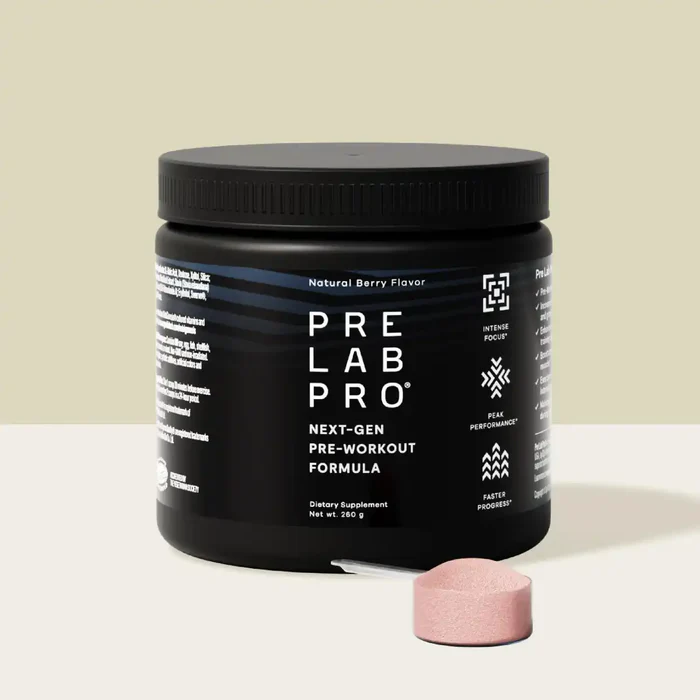
If you're looking at caffeine for its exercise potential, for instance, Pre Lab Pro is a great pre-workout on the market that combines the best of both worlds.
Natural Coffee + Theanine.

That's 80mg of natural coffee combined with 160mg of L-theanine for smooth focus without the jitters. The best of coffee combined with the additional benefit that green tea offers.
Pre Lab Pro includes a sport focused version of our Performance Lab Caffeine 2 with its additional beneficial B vitamins and tyrosine, plus Setria, Red Beet Powder and more to boost blood flow and Nitric Oxide production.
Final Thoughts
Billions of people around the world swear by their morning coffee. I know I do. Millions also enjoy the subtle boost and relaxation of green tea.
Both are popular drinks. The caffeine is the same from both, but the effect can feel different because of the additional ingredients in green tea.
Pre-workouts like Pre Lab Pro take the best of both worlds to make a powerful exercise formula without the caffeine crash.
Whichever caffeinated pre-workout you buy, we'd always recommend looking for one with additional theanine. It shows the manufacturers care about your wellbeing.
References
- Lowery, L. M., Anderson, D. E., Scanlon, K. F., Stack, A., Escalante, G., Campbell, S. C., Kerksick, C. M., Nelson, M. T., Ziegenfuss, T. N., VanDusseldorp, T. A., Kalman, D. S., Campbell, B. I., Kreider, R. B., and Antonio, J. “International Society of Sports Nutrition Position Stand: Coffee and Sports Performance.” Journal of the International Society of Sports Nutrition 20, no. 1 (2023): 2237952. https://doi.org/10.1080/15502783.2023.2237952. PMID: 37498180; PMCID: PMC10375938.
- Kløve, K., and Petersen, A. “A Systematic Review and Meta-Analysis of the Acute Effect of Caffeine on Attention.” Psychopharmacology 242, no. 9 (2025): 1909–1930. https://doi.org/10.1007/s00213-025-06775-1. Epub May 7, 2025. PMID: 40335666.
- Grgic, J., Grgic, I., Pickering, C., Schoenfeld, B. J., Bishop, D. J., and Pedisic, Z. “Wake Up and Smell the Coffee: Caffeine Supplementation and Exercise Performance—An Umbrella Review of 21 Published Meta-Analyses.” British Journal of Sports Medicine 54, no. 11 (2020): 681–688. https://doi.org/10.1136/bjsports-2018-100278. Epub March 29, 2019. PMID: 30926628.
- Doherty, M., and Smith, P. M. “Effects of Caffeine Ingestion on Rating of Perceived Exertion during and after Exercise: A Meta-Analysis.” Scandinavian Journal of Medicine & Science in Sports 15, no. 2 (2005): 69–78. https://doi.org/10.1111/j.1600-0838.2005.00445.x
- Ferreira, T. T., da Silva, J. V. F., and Bueno, N. B. “Effects of Caffeine Supplementation on Muscle Endurance, Maximum Strength, and Perceived Exertion in Adults Submitted to Strength Training: A Systematic Review and Meta-Analyses.” Critical Reviews in Food Science and Nutrition 61, no. 15 (2021): 2587–2600. https://doi.org/10.1080/10408398.2020.1781051. Epub June 18, 2020. PMID: 32551869.
- Collado-Mateo, D., Lavín-Pérez, A. M., Merellano-Navarro, E., and Coso, J. D. “Effect of Acute Caffeine Intake on the Fat Oxidation Rate during Exercise: A Systematic Review and Meta-Analysis.” Nutrients 12, no. 12 (2020): 3603. https://doi.org/10.3390/nu12123603. PMID: 33255240; PMCID: PMC7760526.
- Harvard Health Publishing. “Which Is Healthier, Coffee or Tea?” https://www.health.harvard.edu/healthy-aging-and-longevity/which-is-healthier-coffee-or-tea
- U.S. Department of Agriculture. “Brewed Coffee.” FoodData Central. https://fdc.nal.usda.gov/food-details/171890/nutrients
- U.S. Department of Agriculture. “Brewed Green Tea.” FoodData Central. https://fdc.nal.usda.gov/food-details/171917/nutrients
- Lindsey, Z. R., Williams, J. R., Burgess, J. S., Moore, N. T., and Splichal, P. M. “Caffeine Content in Filter Coffee Brews as a Function of Degree of Roast and Extraction Yield.” Scientific Reports 14, no. 1 (2024): 29126. https://doi.org/10.1038/s41598-024-80385-3. PMID: 39582028; PMCID: PMC11586412.
- Specialty Coffee Association. “Defining the Ever Changing Espresso.” 25 Magazine. https://sca.coffee/sca-news/25-magazine/issue-3/defining-ever-changing-espresso-25-magazine-issue-3-zyx36
- Jiménez, S. L., Díaz-Lara, J., Pareja-Galeano, H., and Del Coso, J. “Caffeinated Drinks and Physical Performance in Sport: A Systematic Review.” Nutrients 13, no. 9 (2021): 2944. https://doi.org/10.3390/nu13092944. PMID: 34578821; PMCID: PMC8466927.
- Khalilkhaneh, A. H., Bidsheki, M. V., Zebari, S. M. S., Talebi, S., Mohajerani, A., and Djafarian, K. “Effect of Green Tea Extract Supplementation on Substrate Utilization: A GRADE-Assessed Systematic Review and Dose-Response Meta Analysis of Randomized Controlled Trials.” Nutrition Reviews (2026). doi:10.1093/nutrit/nuag025. Epub ahead of print May 19, 2026. PMID: 42155001.
- Kapoor, M. P., Sugita, M., Fukuzawa, Y., and Okubo, T. “Physiological Effects of Epigallocatechin-3-Gallate (EGCG) on Energy Expenditure for Prospective Fat Oxidation in Humans: A Systematic Review and Meta-Analysis.” Journal of Nutritional Biochemistry 43 (2017): 1–10. https://doi.org/10.1016/j.jnutbio.2016.10.013. Epub November 2, 2016. PMID: 27883924.
- Dodd, F. L., Kennedy, D. O., Riby, L. M., and Haskell-Ramsay, C. F. “A Double-Blind, Placebo-Controlled Study Evaluating the Effects of Caffeine and L-Theanine Both Alone and in Combination on Cerebral Blood Flow, Cognition and Mood.” Psychopharmacology 232, no. 14 (2015): 2563–2576. https://doi.org/10.1007/s00213-015-3895-0
- Camfield, D. A., Stough, C., Farrimond, J., and Scholey, A. B. “Acute Effects of Tea Constituents L-Theanine, Caffeine, and Epigallocatechin Gallate on Cognitive Function and Mood: A Systematic Review and Meta-Analysis.” Nutrition Reviews 72, no. 8 (2014): 507–522. https://doi.org/10.1111/nure.12120
- Owen, G. N., Parnell, H., De Bruin, E. A., and Rycroft, J. A. “The Combined Effects of L-Theanine and Caffeine on Cognitive Performance and Mood.” Nutritional Neuroscience 11, no. 4 (2008): 193–198. https://doi.org/10.1179/147683008X301513
- Haskell, C. F., Kennedy, D. O., Milne, A. L., Wesnes, K. A., and Scholey, A. B. “The Effects of L-Theanine, Caffeine and Their Combination on Cognition and Mood.” Biological Psychology 77, no. 2 (2008): 113–122. https://doi.org/10.1016/j.biopsycho.2007.09.008
- Kahathuduwa, C. N., Dhanasekara, C. S., Chin, S.-H., Davis, T., Weerasinghe, V. S., Dassanayake, T. L., et al. “L-Theanine and Caffeine Improve Target-Specific Attention to Visual Stimuli by Decreasing Mind Wandering: A Human Functional Magnetic Resonance Imaging Study.” Nutrition Research 49 (2018): 67–78. https://doi.org/10.1016/j.nutres.2017.11.002