

If you’re wondering how long it takes for fiber to work, some people notice improvements in bowel regularity within a day or so. But the bigger benefits of fiber, including support for appetite control, blood sugar management, and gut health, come from taking it consistently over time.
This article looks at the best time to take fiber, the benefits of daily fiber intake, and who may benefit from additional fiber supplementation...
Should I take fiber before or after a meal?
This might sound like a redundant question. Surely I take fiber as part of my meal?
The answer to that is yes. Ideally we’d be getting our recommended daily amount through diet alone. And in case you were wondering how much fiber that is — it's precisely 25g for women and 38g for men for adults aged 19-50. (1)
38 grams for men…That’s do-able—right?
Say you have a large bowl of oatmeal with chia seeds and berries for breakfast. Lunch, you have a whole grain sandwich with avocado, hummus and spinach. Dinner is a lentil vegetable stir fry with brown rice. And snacks - you have the choice of apple and peanut butter, or a handful of almonds.
Eating a balanced, healthy diet that’s high in fiber isn’t that hard…not really.
Or is it?
If you’re reading that suggested daily menu and wincing at the mere thought of how much prep is involved, don’t worry, it’s not just you.
Sources suggest that on average, most of us are only getting half the daily recommended dietary fiber intake. (2)
And it’s no shade on us.
We’re busy people, with busy lives. And that amount of forward thinking simply isn’t practical for a lot of us. Which is why, at some point, we opt for convenience. Unfortunately, convenience and modern diets tend to come at a cost. And that cost is fiber.
Which is where fiber supplements can help.
For health-conscious people trying to improve digestion, support weight management, avoid energy crashes, and keep blood sugar on a steadier track, supplementation may be a practical way to close the gap.
A convenient way to top up our diet, these supplements come in a few different forms. Each with its own rules on the ideal time to take.
So if you want to know which type of fiber to choose, the signs you may need more, when to take it, and how fiber supports regularity, appetite, blood sugar, and your gut, you’re in the right place.
Which leads us back to the question of when is the best time to take a fiber supplement?
And, what happens if we break the rules.
Key Takeaways
- Taking fiber before a meal may help with appetite control, satiety, and moderating post-meal blood sugar spikes.
- Consuming fiber after a meal can still support digestion, gut health, and regularity, though it may be less effective for curbing appetite.
- Both timing strategies can work—what matters most is meeting your daily fiber needs consistently.
- Pairing a quality prebiotic fiber supplement with a balanced diet ensures optimal gut microbiome support and digestive health.

Fiber: A Brief Overview

Fiber is the part of plant foods that cannot be digested - also known as roughage or bulk.
It's a type of complex carbohydrate, so it doesn't raise blood sugar levels like simple carbohydrates do, such as white bread, pasta, or sweets.
We need fiber for the smooth running of our digestive system and to avoid constipation. But which fiber type do we need?
There are two types of fiber:
Soluble fiber
Easily dissolves in water and some types form a gel-like substance as they move through the digestive tract.
Soluble fiber attracts water and, when it is viscous and gel-forming, can slow digestion and the absorption of glucose.
It can also support gut health and digestive regularity, while certain soluble fibers can help lower LDL cholesterol by increasing bile acid excretion. For example, a meta-analysis of 28 randomized controlled trials found that a median intake of around 10.2 g of psyllium per day reduced LDL cholesterol by about 0.33 mmol/L. (3)
Benefits of Soluble Fermentable Fiber
There are several different types of soluble fibre, and they don't all work in exactly the same way. Inulin and fructooligosaccharides (FOS) are particularly useful types of soluble, fermentable fibre because they also act as prebiotics. Unlike gel-forming fibres such as psyllium, inulin and FOS pass largely undigested into the colon, where beneficial gut bacteria ferment them.
Research shows that inulin-type fructans can increase beneficial bacteria such as Bifidobacterium, making them an effective way to increase your fibre intake while also providing targeted support for a healthy and diverse gut microbiome. Performance Lab Prebiotic includes Inulin-FOS. (4)
Insoluble fiber
Does not dissolve in water and generally passes through the digestive tract largely intact.
Insoluble fiber acts like a bulking agent, adding mass to stool and helping it move through the digestive tract. Unlike soluble fiber, it does not dissolve in water or form a gel. Instead, it remains largely intact as it passes through the gut, helping increase stool bulk and support regular bowel movements. (5, 6)
High-fiber foods often contain a mix of soluble and insoluble fiber.
High-Fiber Foods
Good sources of dietary fiber include:
-
Whole grains: oats, oat bran, brown rice and whole wheat bread
-
Breakfast cereals: especially those made with whole grains or bran
-
Beans and legumes: kidney beans, chickpeas and lentils
-
Whole fruits: raspberries, pears, apples and oranges
-
Dried fruits: prunes, figs and apricots
-
Vegetables: green peas, broccoli and Brussels sprouts
-
Nuts and seeds: chia seeds, flaxseeds and almonds
Why Is Fiber Important?

Hearing that we need to get a good amount of fiber in our diet isn’t that revelatory.
It's regularly quoted alongside 'eat enough protein, drink enough water, get at least 8 hours sleep'...
But why? What does it actually do for us?
It’s not complicated: fiber is food for the beneficial bacteria that already live in our gut.
Nourish these beneficial bacteria, such as Bifidobacteria and Lactobacilli, and they can produce compounds that help support gut health, immune function and, potentially, the gut-brain connection. Starve them, and they’ll struggle to do their job. Without enough fermentable fiber, beneficial bacteria have less of the material they need to thrive.
Fiber is also important for digestive health more broadly, supporting regularity and contributing to a healthy gut environment, while higher fiber intake is associated with a lower risk of several chronic diseases. (7,8)
On the flip side, diets high in ultra-processed foods and low in fiber can alter the balance and diversity of the gut microbiome. This may contribute to digestive problems such as bloating, altered bowel habits and sluggish digestion.
A low-fiber diet also provides less of the fermentable material that beneficial gut bacteria need to produce important compounds such as short-chain fatty acids.
Why Would I Take a Fiber Supplement?
Instead of asking, “Why would I take a fiber supplement?” maybe the real question is... Why wouldn’t I?
But for those who like a deeper dive, here’s how fiber actually helps:
When to Take Prebiotics? Supplement and Prebiotics Guide
Fiber works best when you stay well hydrated, and not drinking enough can contribute to constipation. People with strictures or abnormal narrowing of the small or large intestines should avoid bulk-forming fibers.
What Are The Main Benefits of Fiber Supplementation?
The Digestive System, Digestive Tract and Bowel Health

One of the main benefits of increasing your fiber intake, whether through food or a supplement, is improved bowel health, bowel movement regularity, and overall gut function.
Fiber adds bulk to your stool, helping to promote regular bowel movements, support stool consistency, and make it easier to pass through your digestive tract. This supports digestive health and can help relieve constipation, while certain types of fiber may also help improve stool consistency and symptoms associated with irritable bowel syndrome.
Not all fibers work in the same way. Some are particularly effective for adding bulk, while others, such as inulin and FOS, are fermentable prebiotic fibers that can support both bowel regularity and the gut microbiome.
Digestive changes to gut flora from dietary fiber can happen within 1 to 3 days, while some people notice improved regularity within 24 to 72 hours or more. Individual responses vary, and consistent improvements in bowel regularity can take longer. Some individuals may experience temporary changes in bowel habits, including gas or bloating, when they first increase their fiber intake. (9, 10)
Including enough fiber as part of a healthy diet is key to keeping your gut working smoothly and maintaining long-term digestive wellness.
Daily Fiber May Help Heart Health
Increasing fiber intake may help lower total blood cholesterol levels by reducing the amount of ‘bad' (LDL) cholesterol in your system, which may support cardiovascular health. Psyllium, in particular, may reduce LDL cholesterol by about 0.33 mmol/L. Higher fiber intake may also support heart health by lowering blood pressure. (11 -13)
Fiber Intake Helps to Stabilize Blood Sugar
As fiber is not fully digested by the body, soluble, particularly viscous, fiber can slow the digestion and absorption of carbohydrates, including sugar, which can help improve blood sugar control by slowing glucose absorption. With consistent fiber intake over time, this may also support better insulin sensitivity. (14, 15)
A High Fiber Diet May Help Weight Management
Taking fiber supplements before a meal may help you feel full on fewer calories, supporting appetite control and may keep you satisfied for longer. Over time, that better satiety may also support weight management by making it less likely for you to overeat or snack soon after your meal, potentially helping you consume fewer calories overall. (16, 17)
Signs You May Not Be Getting Enough Fiber in Your Diet
How do you know whether your current fiber intake is insufficient?
If you’re experiencing any of the following, you may not be getting enough fiber in your diet or struggling with low fiber intake.
Feeling Hungry After Meals

Fiber can help ‘fill you up,’ and getting the right type of fiber into your diet may help you feel comfortably full for longer.
If you feel full at the time of eating but then hungry an hour or so later, it could be that your meal also lacks protein and healthy fats. A meal with protein, fiber and healthy fats can help support satiety and keep you feeling full until your next meal. (18, 19)
Experiencing Bloating, Gas, or Cramping

If fiber intake is too low or inconsistent, you may not be getting enough of the fermentable fiber that supports your gut microbiome, ie, you may not feeding the 'good bacteria'.
Be careful though, too much fiber too quickly can cause temporary gas, bloating, and abdominal discomfort, so if you’re looking to increase fiber naturally through what’s on your plate, do this gradually. Also, drink plenty of fluids and maintain adequate hydration, since too little water can slow digestion.
In the same way, if you are supplementing, start with a lower dose fiber supplement to see how you feel. (20)
Digestive Health Issues and Constipation
Constipation can leave you feeling bloated, sluggish, and uncomfortable. Many people assume constipation is simply about not going often enough, but it can also mean:
-
Straining or feeling like you haven’t fully emptied your bowels.
-
Hard, dry stools that are difficult to pass.
-
A feeling of heaviness in your abdomen, even after eating small meals.
Fiber can help support bowel regularity by increasing stool bulk and, depending on the type of fiber, helping retain water in the stool. Soluble fibers such as psyllium have particularly good evidence for improving stool frequency and consistency in people with constipation, while inulin-type fructans may also improve stool consistency. (20, 21)
Energy Crashes from Poor Dietary Fiber Intake
If you regularly feel energetic one moment and sluggish the next, your diet may be contributing to those fluctuations. Meals high in refined carbohydrates and low in fiber (or sugary foods without enough fiber) can be digested and absorbed relatively quickly, which may lead to larger rises in blood glucose.
Soluble, particularly viscous, fibers can slow gastric emptying and carbohydrate absorption, helping support healthier post-meal blood glucose responses. Getting enough fiber as part of a balanced diet may therefore help support more stable energy levels. (14, 22)
Our Recommended Prebiotic Fiber: Inulin + FOS
I’ve improved my gut health exponentially. Can’t recommend them enough.Josh S
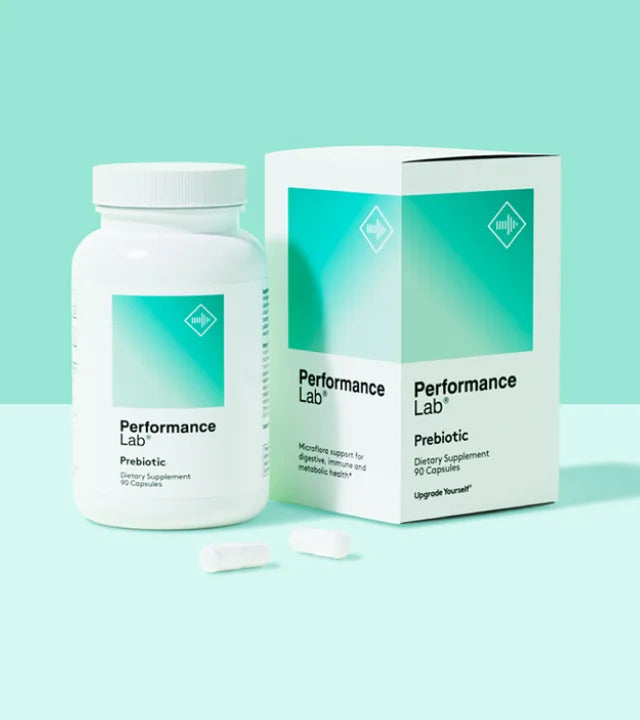
If you’re looking to increase your daily fiber intake while also supporting your gut microbiome, inulin and fructooligosaccharides (FOS) are useful prebiotic fibers to consider.
Inulin and FOS are highly fermentable fibers that can be selectively utilized by beneficial gut bacteria. Research suggests that inulin-type fructans can increase beneficial bacteria such as Bifidobacterium and may support aspects of digestive health and gut function.
They can also contribute to your overall daily fiber intake and may support feelings of fullness and appetite control, although the effects vary between individuals and are not the primary reason to choose these fibers.
If you're new to prebiotic fiber, start with a smaller amount and increase gradually. Because inulin and FOS are fermented by gut bacteria, taking too much too quickly can cause gas, bloating or abdominal discomfort. (4, 20)
Best time to take: Follow the product directions and take consistently each day. If you're sensitive to fiber, starting with a smaller dose with a meal may be more comfortable.
Performance Lab Prebiotic contains Inulin-FOS.
How Long Does It Take for Fiber to Work?
Fiber supplements are typically taken daily, usually with a glass of water, and consistent daily intake is an important factor in how well they work.
If weight management is important to you, you could take an appropriate fiber supplement before meals to help support feelings of fullness and appetite control.
With our Performance Lab Prebiotic supplement, we'd recommend taking three capsules with your first meal of the day.
This provides a daily dose of prebiotic fiber to support digestive health and the gut microbiome, while potentially supporting appetite control.
Some digestive benefits may become more noticeable after 1 to 2 weeks of consistent intake. The gut microbiome may begin adapting within 2 to 3 weeks, while cholesterol and blood sugar benefits generally require several weeks or more of regular use and may take several months to become more apparent. (20, 14)

Consuming a fiber supplement before meals can help make it part of your daily routine and may support feelings of fullness, making it easier to remember to take it consistently and get the potential benefits of regular fiber intake.
Shop Performance Lab® Prebiotic
What Happens If I Take a Fiber Supplement at the Wrong Time?
Does it really matter if you take fiber before or after meal times?
Taking fiber at the wrong time doesn’t necessarily make it ineffective, but depending on the type of fiber and how it is taken, it may cause discomfort, reduce some of its potential benefits, or interfere with digestion and nutrient absorption.
Taking too much fiber at once or without enough fluid can also cause temporary digestive discomfort such as gas, bloating or cramping.
A Final Word
Fiber is a crucial nutrient that you shouldn't overlook! You may be able to gain enough fiber through food if you have a healthy, balanced diet; for example, raspberries provide 8 grams of fiber per cup, making it easier to raise your grams of fiber intake from whole foods that offer broader nutrition than supplements alone.
In some cases though, or for additional benefits, a supplement may be a worthwhile consideration. We'd recommend a prebiotic fibre like Performance Lab Prebiotic.
To ensure proper absorption, we'd highly recommend taking a fiber supplement before mealtimes, which will also provide you with additional benefits, including fat loss and keeping you fuller for longer.
As with any supplement, you should always consult your doctor before taking, particularly if you are currently on medication.
References
- National Academies. Dietary Reference Intakes for Energy, Carbohydrate, Fiber, Fat, Fatty Acids, Cholesterol, Protein, and Amino Acids. National Academies Press.
- UCSF Health. Increasing Fiber Intake. UCSF Health. Accessed September 10, 2026. https://www.ers.usda.gov/data-products/charts-of-note/76065
- Daley SF, Shreenath AP. The Role of Dietary Fiber in Health Promotion and Disease Prevention: A Practical Guide for Clinicians. Updated December 1, 2025. In: StatPearls [Internet]. Treasure Island (FL): StatPearls Publishing; 2026 Jan-. https://ncbi.nlm.nih.gov/books/NBK559033/
- Hughes RL, Alvarado DA, Swanson KS, Holscher HD. The Prebiotic Potential of Inulin-Type Fructans: A Systematic Review. Advances in Nutrition. 2022;13(2):492-529. doi: 10.1093/advances/nmab119.
- MedlinePlus. Soluble and Insoluble Fiber. https://medlineplus.gov/ency/imagepages/19531.htm
- Balk EM, Couch E, Mai HJ, Chen Y, Adam GP, Kanaan G, Caputo EL, Trikalinos TA, Williams G, Duncanson K, Talley NJ, Lichtenstein AH. Fiber intake and laxation in people with normal bowel function: a systematic review. The American Journal of Clinical Nutrition. 2026;123(3):101212. doi: 10.1016/j.ajcnut.2026.101212.
- Cai Y, Folkerts J, Folkerts G, Maurer M, Braber S. Microbiota-dependent and -independent effects of dietary fibre on human health. British Journal of Pharmacology. 2020;177(6):1363-1381. doi: 10.1111/bph.14871.
- Gill SK, Rossi M, Bajka B, et al. Dietary fibre in gastrointestinal health and disease. Nature Reviews Gastroenterology & Hepatology. 2021;18:101-116. https://doi.org/10.1038/s41575-020-00375-4
- Lin X, Wang C, Liu B, Zhu Y, Zhai R, Zhang C. Temporal Response Patterns of Human Gut Microbiota to Dietary Fiber. iMeta. 2025;4:e70046. https://doi.org/10.1002/imt2.70046
- van der Schoot A, Drysdale C, Whelan K, Dimidi E. The Effect of Fiber Supplementation on Chronic Constipation in Adults: An Updated Systematic Review and Meta-Analysis of Randomized Controlled Trials. The American Journal of Clinical Nutrition. 2022;116(4):953-969. ISSN 0002-9165.
- Hartley L, May MD, Loveman E, Colquitt JL, Rees K. Dietary fibre for the primary prevention of cardiovascular disease. Cochrane Database of Systematic Reviews. 2016;(1):CD011472. doi: 10.1002/14651858.CD011472.pub2. Accessed September 11, 2026.
- Jovanovski E, Yashpal S, Komishon A, Zurbau A, Blanco Mejia S, Ho HVT, Li D, Sievenpiper J, Duvnjak L, Vuksan V. Effect of psyllium (Plantago ovata) fiber on LDL cholesterol and alternative lipid targets, non-HDL cholesterol and apolipoprotein B: a systematic review and meta-analysis of randomized controlled trials. The American Journal of Clinical Nutrition. 2018;108(5):922-932. doi: 10.1093/ajcn/nqy115.
- Gholami Z, Paknahad Z. The beneficial effects of psyllium on cardiovascular diseases and their risk factors: Systematic review and dose-response meta-analysis of randomized controlled trials. Journal of Functional Foods. 2023;111:105878. ISSN 1756-4646.
- Xie Y, Gou L, Peng M, Zheng J, Chen L. Effects of soluble fiber supplementation on glycemic control in adults with type 2 diabetes mellitus: A systematic review and meta-analysis of randomized controlled trials. Clinical Nutrition. 2021;40(4):1800-1810. doi: 10.1016/j.clnu.2020.10.032.
- Silva FM, Kramer CK, de Almeida JC, Steemburgo T, Gross JL, Azevedo MJ. Fiber intake and glycemic control in patients with type 2 diabetes mellitus: a systematic review with meta-analysis of randomized controlled trials. Nutrition Reviews. 2013;71(12):790-801. doi: 10.1111/nure.12076.
- Wanders AJ, van den Borne JJ, de Graaf C, Hulshof T, Jonathan MC, Kristensen M, Mars M, Schols HA, Feskens EJ. Effects of dietary fibre on subjective appetite, energy intake and body weight: a systematic review of randomized controlled trials. Obesity Reviews. 2011;12(9):724-739. doi: 10.1111/j.1467-789X.2011.00895.x.
- Huwiler VV, Schönenberger KA, Segesser von Brunegg A, Reber E, Mühlebach S, Stanga Z, Balmer ML. Prolonged Isolated Soluble Dietary Fibre Supplementation in Overweight and Obese Patients: A Systematic Review with Meta-Analysis of Randomised Controlled Trials. Nutrients. 2022;14(13):2627. doi: 10.3390/nu14132627.
- Clark MJ, Slavin JL. The Effect of Fiber on Satiety and Food Intake: A Systematic Review. Journal of the American College of Nutrition. 2013;32(3):200-211. doi: 10.1080/07315724.2013.791194.
- Warrilow A, et al. Dietary Fat, Fibre, Satiation, and Satiety—a Systematic Review of Acute Studies. European Journal of Clinical Nutrition. 2019;73:333-344. doi: 10.1038/s41430-018-0295-7.
- van der Schoot A, et al. The Effect of Fiber Supplementation on Chronic Constipation in Adults: An Updated Systematic Review and Meta-Analysis of Randomized Controlled Trials. The American Journal of Clinical Nutrition. 2022;116(4):953-969. doi: 10.1093/ajcn/nqac184.
- National Institute of Diabetes and Digestive and Kidney Diseases. Eating, Diet, and Nutrition for Constipation. National Institute of Diabetes and Digestive and Kidney Diseases.
- Jovanovski E, et al. Should Viscous Fiber Supplements Be Considered in Diabetes Control? Results From a Systematic Review and Meta-Analysis of Randomized Controlled Trials. Diabetes Care. 2019;42(5):755-766. doi: 10.2337/dc18-1126.