Yes, you can take creatine on an empty stomach. Creatine monohydrate does not need food to work, and taking it without a meal is generally well tolerated by healthy adults. What is less clear is whether taking creatine on an empty stomach provides any meaningful advantage over taking it with food. (1, 2)
Creatine can be efficiently absorbed without food, but faster absorption is not known to improve muscle strength, muscle growth, or athletic performance. Muscle saturation is the most important factor for creatine's performance benefits, which makes consistent daily creatine intake more important than whether your stomach is empty. (2, 3)
That being said, your digestive system can influence how well tolerated certain doses of creatine supplementation are. If you have a sensitive stomach or experience stomach discomfort after consuming creatine, taking it with a meal or dividing larger doses may make your supplement regimen easier to tolerate. (4)
This guide is for healthy adults wondering when and how to take creatine, including people using creatine powder for strength training, muscle gain, or high-intensity exercise. People with medical conditions or those taking medications should discuss dietary supplements with a healthcare professional before changing their supplement routine. (1)
Key Takeaways
- You can take creatine on an empty stomach, but doing so is not necessary for better results. (2)
- A daily dose of 3 to 5 grams of creatine monohydrate works well for most healthy adults. (1, 5)
- A creatine loading phase of around 20 grams daily for 5 to 7 days, split into smaller doses, can saturate muscle creatine stores more quickly but is optional. (1, 5)
- Large single doses are a clearer risk for digestive discomfort than simply taking creatine without food. (4)
- Creatine timing matters less than taking it consistently enough to establish and maintain elevated muscle creatine stores. (2)
Understanding Creatine Monohydrate
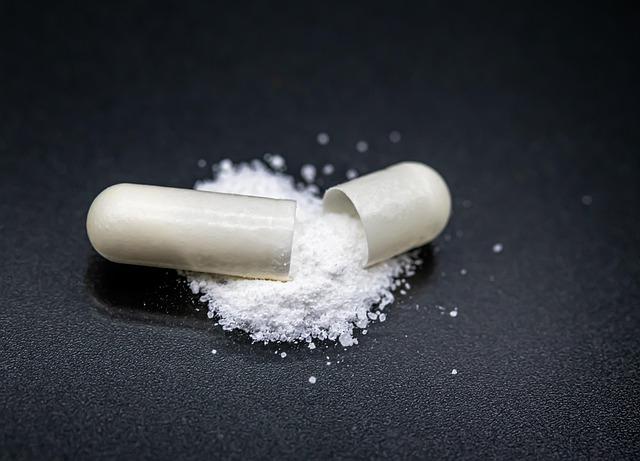
Creatine is a naturally occurring compound that your body synthesizes using three amino acids: arginine, glycine, and methionine. Most of the body's creatine is stored in muscle tissue, where phosphocreatine helps rapidly regenerate adenosine triphosphate, or ATP, during short periods of intense exercise. (5)
Creatine monohydrate is the most studied form of creatine. Other products include creatine hydrochloride, creatine ethyl ester, creatine malate, and buffered creatine, but alternative forms have not consistently been shown to outperform monohydrate in bioavailability, safety, or exercise performance. (3)
Micronized creatine monohydrate is still creatine monohydrate, just with smaller particles that can make creatine powder easier to mix. The broader evidence does not show that micronized creatine needs to be more efficiently absorbed than regular monohydrate to increase creatine stores or produce its usual benefits. (3)
Taking creatine without food does not lead to rapid depletion of creatine stores in the body. Once muscle creatine stores rise, regular supplementation helps maintain those elevated levels, which is why taking creatine on rest days also makes sense. (2, 5)
Health Benefits of Combining Creatine with Exercise

Creatine supplementation is especially useful for activities that depend on repeated high-intensity efforts, such as weight training and sprinting. By supporting rapid ATP resynthesis, increased muscle creatine stores can improve strength, power, training capacity, and exercise performance. (1, 6)
Creatine works particularly well alongside resistance training. A 2024 meta-analysis found greater gains in upper-body and lower-body muscle strength when creatine was combined with resistance training, while another found greater lean body mass compared with resistance training alone. (6, 7)
That additional training support can contribute to muscle gain and muscle growth over time, rather than creatine acting like a direct muscle-building drug. Creatine can also increase body weight early in supplementation because creatine drawing water into and around muscle tissue can change body water before major changes in muscle mass occur. (5, 7)
Creatine may have benefits outside the gym as well. Research suggests creatine supplementation may support some aspects of cognitive function, and studies during sleep deprivation suggest it may help preserve certain types of cognitive performance during periods of unusually high mental demand. (8, 9)
Digestive Discomfort and Empty Stomach Creatine Supplementation
Taking creatine on an empty stomach is not automatically hard on your stomach. At recommended daily doses, creatine monohydrate is generally well tolerated, and research has not established an empty stomach itself as a major cause of gastrointestinal distress. (4, 5)
Dose size appears to matter more. In one controlled trial, taking 10 grams in a single serving produced more diarrhea than taking the same daily amount as two 5-gram servings, suggesting that large doses at once can increase digestive distress. (4)
If you experience stomach pain, bloating, diarrhea, or other digestive issues, try:
-
Taking creatine with food instead of on an empty stomach
-
Splitting a larger creatine intake into several smaller servings
-
Mixing creatine powder thoroughly before drinking it
-
Avoiding an unnecessarily large single dose
-
Using a consistent 3 to 5 gram daily dose instead of a loading phase
Mixing creatine with enough liquid may make it easier to consume, but splitting large doses has better direct evidence for reducing gastrointestinal problems than simply adding more water. If empty stomach creatine repeatedly causes stomach discomfort, there is no performance-related reason you need to keep taking it that way. (4)
Creatine also does not appear to increase the risk of dehydration or muscle cramps when taken at recommended doses. The idea that excessive creatine intake routinely causes muscle cramps and fatigue is not supported by the broader research, although unnecessarily large servings can cause digestive upset. (5)
Understanding the Creatine Loading Phase
A creatine loading phase is simply a way to increase muscle creatine stores more quickly. A typical loading protocol provides about 20 grams per day for 5 to 7 days, usually divided into four 5-gram servings, before switching to a smaller maintenance dose. (1, 5)
Creatine loading is optional. Taking a smaller daily dose can still raise muscle creatine stores, so someone who experiences digestive discomfort during loading can skip it and use a standard daily intake instead. (5)
Loading can also produce a quicker increase in scale weight because higher muscle creatine levels can affect body water. This weight gain is not the same thing as gaining body fat, and creatine itself has not been shown to increase fat mass. (5)
If you do load, taking four smaller servings is preferable to putting the entire daily amount into one shake. This is especially relevant for someone with a sensitive stomach because a single large dose is more likely to cause digestive upset. (4)
How Much Creatine Should You Take?

For most healthy adults, 3 to 5 grams of creatine monohydrate per day is a well-supported maintenance range. A daily intake of 5 grams can maintain elevated creatine levels after muscle stores have been increased, without requiring repeated loading phases. (1, 5)
If you want faster saturation, around 20 grams per day for 5 to 7 days followed by 3 to 5 grams daily is the traditional creatine loading protocol. If you do not care how quickly saturated creatine levels are reached, simply starting with the maintenance dose is a reasonable approach. (1, 5)
Creatine timing is much less important than consistent creatine intake. Research has not established post-workout creatine as clearly superior to pre-workout supplementation, so you can take creatine before exercise, post workout, with breakfast, or at another convenient time. (2)
Taking creatine with food can increase insulin release and, under some conditions, increase short-term creatine retention in muscle cells. That does not mean you need to combine creatine with a large amount of sugar, since creatine monohydrate is already highly bioavailable and daily supplementation eventually makes small differences in uptake much less important. (3, 10)
Frequently Asked Questions
Why Did I Gain 10 Pounds After Taking Creatine?
Creatine can increase body weight, particularly during a loading phase, because increases in muscle creatine stores can be accompanied by additional body water. A 10-pound increase is larger than the early weight gain usually attributed to creatine alone, so other factors like food intake, glycogen, normal weight fluctuations, and longer-term changes in muscle mass may also be contributing. (5)
Should You Eat Before or After Taking Creatine?
You do not need to eat before or after taking creatine for it to work. Taking creatine with a carbohydrate-containing meal can increase insulin and short-term muscle creatine retention, but taking creatine on an empty stomach is also a workable option if it does not cause digestive discomfort. (3, 10)
Does Creatine Affect Sleep?
There is currently no strong evidence that normal creatine supplementation harms sleep. A small 2025 randomized trial actually found improved subjective sleep quality after a 7-day loading phase, although objective measures such as total sleep time and sleep efficiency did not significantly change, so more research is needed. (11)
Is Creatine Hard on Your Stomach?
Creatine is generally well tolerated at normal doses, but some people experience stomach discomfort or other digestive issues. Taking too much in one serving appears to be a more established risk than taking creatine on an empty stomach, and splitting the dose can help when gastrointestinal distress occurs. (4, 5)
Can Creatine Help You Build Muscle Faster?
Yes, particularly when creatine supplementation is combined with a consistent strength training program. Meta-analyses show that adding creatine to resistance training can improve lean body mass and muscle strength beyond training alone, although the size of the benefit varies between people. (6, 7)
Is Creatine Good for Weight Loss?
Creatine is not a fat burner, so it should not be treated as a direct weight-loss supplement. However, a 2024 meta-analysis found that creatine combined with resistance training produced a small additional reduction in body fat percentage and fat mass while increasing lean body mass compared with resistance training alone. (7)
The scale can still increase when you begin taking creatine because of changes in water and lean mass. That means body weight alone may give you a misleading picture of changes in body composition. (5, 7)
Do Creatine Supplements Improve Athletic Performance?
Yes, for the right types of exercise. Creatine supplements are best supported for repeated bursts of high-intensity exercise, strength, and power-based activities, while the benefits for steady-state endurance exercise are much less consistent. (1, 6)
Final Thoughts
Taking creatine on an empty stomach is generally fine for healthy adults, but it is not necessary for better muscle growth, strength, or athletic performance. Your best approach is usually the one that lets you consistently take an effective daily dose without stomach discomfort, whether that means consuming creatine with breakfast, pre workout, post workout, or at another time that fits your workout routine. (1, 2, 4)
Muscle saturation matters much more than chasing rapid absorption, and post-workout creatine has not been established as uniquely optimal. For most people, 3 to 5 grams of creatine monohydrate daily, including on rest days, keeps the supplement regimen simple and effective. (1, 2, 5)
References
-
National Institutes of Health, Office of Dietary Supplements. Dietary Supplements for Exercise and Athletic Performance: Fact Sheet for Health Professionals. https://ods.od.nih.gov/factsheets/ExerciseAndAthleticPerformance-HealthProfessional/
-
Antonio, J., Brown, A. F., Candow, D. G., Chilibeck, P. D., Ellery, S. J., Forbes, S. C., Gualano, B., Jagim, A. R., Kerksick, C., Kreider, R. B., Ostojic, S. M., Rawson, E. S., Roberts, M. D., Roschel, H., Smith-Ryan, A. E., Stout, J. R., Tarnopolsky, M. A., VanDusseldorp, T. A., Willoughby, D. S., & Ziegenfuss, T. N. (2025). Part II. Common questions and misconceptions about creatine supplementation: What does the scientific evidence really show? Journal of the International Society of Sports Nutrition, 22(1), 2441760. https://doi.org/10.1080/15502783.2024.2441760
-
Kreider, R. B., Jäger, R., & Purpura, M. (2022). Bioavailability, efficacy, safety, and regulatory status of creatine and related compounds: A critical review. Nutrients, 14(5), 1035. https://doi.org/10.3390/nu14051035
-
Ostojic, S. M., & Ahmetovic, Z. (2008). Gastrointestinal distress after creatine supplementation in athletes: Are side effects dose dependent? Research in Sports Medicine, 16(1), 15–22. https://doi.org/10.1080/15438620701693280
-
Antonio, J., Candow, D. G., Forbes, S. C., Gualano, B., Jagim, A. R., Kreider, R. B., Rawson, E. S., Smith-Ryan, A. E., VanDusseldorp, T. A., Willoughby, D. S., & Ziegenfuss, T. N. (2021). Common questions and misconceptions about creatine supplementation: What does the scientific evidence really show? Journal of the International Society of Sports Nutrition, 18(1), 13. https://doi.org/10.1186/s12970-021-00412-w
-
Wang, Z., Qiu, B., Li, R., Han, Y., Petersen, C., Liu, S., Zhang, Y., Liu, C., Candow, D. G., & Del Coso, J. (2024). Effects of creatine supplementation and resistance training on muscle strength gains in adults <50 years of age: A systematic review and meta-analysis. Nutrients, 16(21), 3665. https://doi.org/10.3390/nu16213665
-
Desai, I., Wewege, M. A., Jones, M. D., Clifford, B. K., Pandit, A., Kaakoush, N. O., Simar, D., & Hagstrom, A. D. (2024). The effect of creatine supplementation on resistance training-based changes to body composition: A systematic review and meta-analysis. Journal of Strength and Conditioning Research, 38(10), 1813–1821. https://doi.org/10.1519/JSC.0000000000004862
-
Xu, C., Bi, S., Zhang, W., & Luo, L. (2024). The effects of creatine supplementation on cognitive function in adults: A systematic review and meta-analysis. Frontiers in Nutrition, 11, 1424972. https://doi.org/10.3389/fnut.2024.1424972
-
Gordji-Nejad, A., Matusch, A., Hengstler, L., Beer, S., Kroll, T., Klein, S., Elmenhorst, D., Bauer, A., & Drzezga, A. (2026). Single-dose creatine reduces sleep deprivation-induced deterioration in cognitive performance. Nutrients, 18(8), 1192. https://doi.org/10.3390/nu18081192
-
Green, A. L., Hultman, E., Macdonald, I. A., Sewell, D. A., & Greenhaff, P. L. (1996). Carbohydrate ingestion augments skeletal muscle creatine accumulation during creatine supplementation in humans. American Journal of Physiology-Endocrinology and Metabolism, 271(5), E821–E826. https://doi.org/10.1152/ajpendo.1996.271.5.E821
-
Ben Maaoui, K., Delleli, S., Mahdi, N., Jebabli, A., Del Coso, J., Chtourou, H., Ardigò, L. P., & Ouergui, I. (2025). Effects of creatine monohydrate loading on sleep metrics, physical performance, cognitive function, and recovery in physically active men: A randomized, double-blind, placebo-controlled, crossover trial. Nutrients, 17(24), 3831. https://doi.org/10.3390/nu17243831