Sleeping after exercise is generally fine, and getting enough sleep is an important part of post-workout recovery. Regular physical activity tends to improve sleep quality overall, although a very intense evening workout that ends close to bedtime can make it harder for some people to fall asleep. (1, 2)
This article covers both sides of sleeping after exercise: why a tough workout may make you feel sleepy, why another workout can leave you wide awake, and what happens when you take a post-workout nap. It also looks at body temperature, the nervous system, muscle recovery, sleep inertia, and whether exercise timing changes nighttime sleep.
This is especially useful if you train in the evening, have trouble falling asleep after intense workouts, or find yourself wanting to sleep quickly after a long or tough workout. Knowing what is normal can help you decide whether to take a nap, go to bed early, or give your body time to settle down first.
Most adults should regularly get at least 7 hours of sleep, with roughly 7 to 9 hours being a useful target for many adults. Athletes may need to pay particular attention to sleep duration and quality because training adds another recovery demand, and poor sleep can affect both health and athletic performance. (3, 4)
Key Takeaways
- Sleeping after exercise is generally safe, and you do not need to stay awake for a set amount of time after your workout. (2)
- Regular exercise usually improves sleep quality rather than making it worse. (1)
- Very vigorous exercise ending within about an hour of bedtime may cause trouble sleeping in some people. (2)
- Quality sleep supports muscle recovery, physical performance, motor learning, immune function, and mental alertness. (5, 6, 8, 9)
- A post-workout nap can reduce perceived fatigue and improve later cognitive or physical performance, but it is not a replacement for a full night's sleep. (4, 19)
- Feeling sleepy after a hard workout does not automatically mean you are overtraining. Fatigue, insufficient nighttime sleep, heat, food intake, and the size of the workout can all affect how sleepy you feel afterward. (4, 13)
How Regular Physical Activity Leads To Better Sleep and Enhanced Mental Alertness
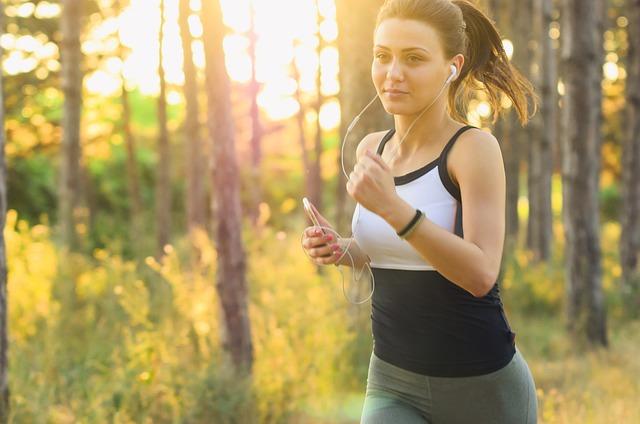
Regular exercise is one of the more reliable lifestyle tools for improving sleep. A 2025 meta-analysis of 81 randomized controlled trials found that exercise improved both subjective sleep quality and objectively measured sleep efficiency, helping explain why people who exercise regularly often report better sleep. (1)
Better nighttime sleep also matters when you are awake. Sleep loss can hurt several types of exercise performance, while sleep can help consolidate motor learning, which matters when training involves practicing movement patterns, technique, or sport skills. (5, 8)
You also do not necessarily need to stop exercising in the evening to get a good night's sleep. A systematic review found that evening exercise generally did not harm sleep, although vigorous exercise ending within 1 hour of bedtime was more likely to interfere with sleep onset, total sleep time, or sleep efficiency. (2)
Keeping regular sleep patterns can be useful when exercise is part of your routine, especially if your workout schedule changes from day to day. When it comes to improving sleep and performance, consistent sleep routines are more effective than relying on a single recovery trick. (4)
The Benefits of High Quality Sleep on Workout Performance, Gains, and Mental Health
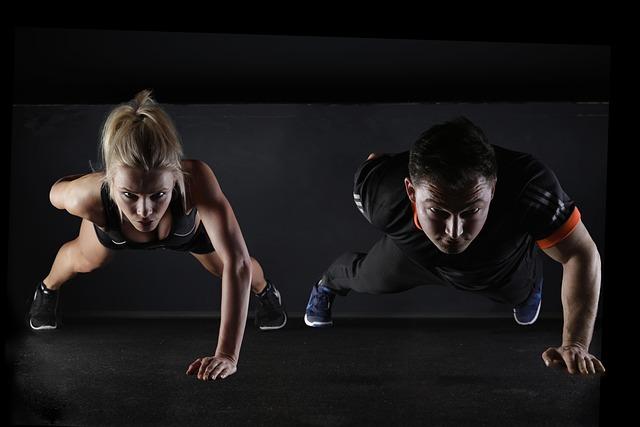
A good night's sleep does more than make you feel less tired. Acute sleep loss has been shown to reduce physical performance across areas such as strength, endurance, high-intensity exercise, and exercise involving skill, making enough sleep relevant to both workout quality and post-workout recovery. (5)
Sleep also supports the biological conditions needed for muscle repair and muscle growth. In one controlled study, several nights of restricted sleep reduced myofibrillar protein synthesis in healthy young men, showing that poor sleep can directly interfere with a process involved in maintaining and rebuilding muscle tissue. (6)
Deep sleep is also closely linked with growth hormone secretion, but saying that deep sleep simply "triggers" human growth hormone is too simplistic. One of the largest and most reproducible sleep-related growth hormone pulses occurs shortly after sleep begins and is strongly associated with the first period of slow-wave, or deep, sleep. (7)
Sleep can also consolidate motor learning from training sessions. That matters for more than competitive athletes because strength training, running technique, sports, and many other forms of physical activity involve the nervous system learning and refining movement. (8)
Quality sleep also helps regulate immune activity, including changes in inflammatory cytokines and immune-cell behavior across the sleep-wake cycle. Sleep supports a healthy immune system, assisting with ongoing regulation after exercise. (9)
The central nervous system and autonomic nervous system also change their activity across the sleep cycle. During non-REM sleep, cardiovascular activity generally settles and parasympathetic influence increases, contributing to lower heart rate and blood pressure compared with waking periods. (10)
Sleep is also part of the recovery window in which your body can restore energy, but sleep itself does not directly replenish muscle glycogen used during workouts. Muscle glycogen restoration depends heavily on carbohydrate availability and time after exercise, which is why post-workout nutrition still matters even if you sleep soon afterward. (11)
Regularly getting enough sleep may also be useful for injury prevention, but the relationship should not be overstated. Research in adult athletic populations has found associations between poor sleep and training-related injuries, although current evidence does not prove that getting more sleep by itself prevents overuse injuries. (12)
Why You Feel Sleepy After Some Workouts, But Can't Sleep After Others
Feeling tired after a strenuous workout can be your body's natural response to physical exertion. Central and peripheral fatigue can both contribute, but peripheral fatigue is not simply caused by depleted ATP in the muscles; it involves several changes within working muscle that reduce force production, while central fatigue involves changes in neural drive from the central nervous system. (13)
That can explain why one tough workout leaves you ready for post-workout sleep while another leaves you tired but unable to fall asleep. Muscle fatigue may be high, yet your body can still be physiologically aroused after high-intensity workouts. (13, 14)
Intense exercise can temporarily raise cortisol levels and alter core temperature, and both responses vary with exercise intensity and timing. Cortisol is an important stress hormone released in response to exercise, but an exercise-related rise in cortisol does not automatically mean that cortisol will disrupt your sleep. (14)
Exercise also increases catecholamines such as adrenaline and norepinephrine, particularly as intensity rises. These hormones contribute to the cardiovascular and metabolic response to exercise, but there is no good basis for saying norepinephrine normally stays elevated for up to 48 hours after a typical workout. (15)
Cortisol itself also follows a strong daily rhythm. Cortisol normally rises during the first 30 to 45 minutes after morning waking, known as the cortisol awakening response, so higher cortisol around waking is not inherently a sign of poor recovery or excessive training stress. (16)
Body temperature is another factor that matters when it comes to post exercise insomnia. Exercise raises core temperature, and longer sessions can leave body temperature elevated for some time afterward, but research suggests it can trend back toward baseline within roughly 30 to 120 minutes depending on the workout and person. (14)
An elevated body temperature near bedtime may make restful sleep harder for some people, but this does not mean every evening workout causes poor sleep quality. Research on evening exercise overall is reassuring, with the greatest concern centered on vigorous exercise performed very close to bedtime. (2, 14)
If you regularly lie awake after hard workouts, a few simple changes are worth trying:
-
Give yourself some time to cool down after intense exercise, particularly when you still feel hot or highly alert. (2, 14)
-
Keep the bedroom comfortably cool and dark and maintain regular sleep patterns when possible. (4)
-
Avoid late energy drinks or other large sources of caffeine if they cause trouble falling asleep. (4)
-
Gentle stretching or another quiet cooldown may help you shift out of workout mode, even though stretching itself is not a treatment for insomnia. (4)
-
If you are hungry, a light snack can make more sense than trying to sleep through significant post-workout hunger.
-
Replace substantial sweat losses after exercise, but avoid trying to force yourself to take in large amounts of fluid before bed. Appropriate hydration supports thermoregulation, while both too little and excessive fluid intake can cause problems. (17)
Dehydration can make thermoregulation less effective and contribute to a greater rise in core temperature during physical activity. However, it is too strong to say that dehydration after exercise directly keeps body temperature elevated enough to cause insomnia, since post exercise sleep depends on many factors. (14, 17)
Frequently Asked Questions
Do You Burn Fat When You Sleep After Working Out?
Your body continues burning calories while you sleep, but sleeping after exercise does not create a special fat-burning effect. Changes in body fat depend much more on your overall energy balance over time. (18)
Why Am I Not Getting Sleep After a Workout with Weights?
A hard weight-training session can leave your muscles tired while your nervous system is still stimulated. High-intensity exercise can temporarily raise body temperature, cortisol, adrenaline, and norepinephrine, which may make it harder to fall asleep if you train close to bedtime. (2, 14, 15)
Why Can't I Sleep After a Long Walk?
A long walk can sometimes leave you warm, hungry, physically uncomfortable, or more alert than usual, especially if it happens late at night. Still, walking generally supports better sleep, so persistent trouble sleeping may also involve caffeine, stress, meal timing, or your regular sleep schedule. (1, 4, 14)
Can I Sleep 30 Minutes After Exercise?
Yes, you can sleep 30 minutes after exercise if you feel ready. There is no required waiting period, although allowing your heart rate and body temperature to settle may make it easier to fall asleep after a strenuous workout. (2, 14)
How Does a Post Workout Nap Affect Your Athletic Performance?
A post-workout nap may improve alertness, reduce fatigue, and support later physical or cognitive performance, especially when nighttime sleep was short. Naps are not a replacement for a full night's sleep, and waking from deeper sleep can briefly cause sleep inertia. (4, 19)
What Role Do Core Temperature and Body Temperature Play in Post Exercise Insomnia?
Exercise raises core temperature, and staying unusually warm close to bedtime may make it harder to fall asleep. Body temperature usually begins moving back toward baseline after exercise, and evening workouts do not appear to harm sleep for most healthy adults unless they are very intense and end close to bedtime. (2, 14)
Final Thoughts
Sleeping after exercise is usually a healthy part of recovery, not something you need to avoid. A full night's sleep matters more than trying to perfectly time a post-workout nap, and regular exercise itself is generally associated with better sleep quality. (1, 3, 4)
If a hard evening workout repeatedly leaves you unable to fall asleep, experiment with earlier training, less late-day caffeine, a cooler room, and a calmer post-workout routine. Persistent trouble sleeping, poor sleep quality, or unusually severe daytime sleepiness is worth discussing with a healthcare professional.
References
-
Zhou, X., Kong, Y., Yu, B., Shi, S., & He, H. (2025). Effects of exercise on sleep quality in general population: Meta-analysis and systematic review. Sleep Medicine, 125, 1–13. https://doi.org/10.1016/j.sleep.2024.10.036
-
Stutz, J., Eiholzer, R., & Spengler, C. M. (2019). Effects of evening exercise on sleep in healthy participants: A systematic review and meta-analysis. Sports Medicine, 49(2), 269–287. https://doi.org/10.1007/s40279-018-1015-0
-
Watson, N. F., Badr, M. S., Belenky, G., Bliwise, D. L., Buxton, O. M., Buysse, D., Dinges, D. F., Gangwisch, J., Grandner, M. A., Kushida, C., Malhotra, R. K., Martin, J. L., Patel, S. R., Quan, S. F., & Tasali, E. (2015). Recommended amount of sleep for a healthy adult: A joint consensus statement of the American Academy of Sleep Medicine and Sleep Research Society. Journal of Clinical Sleep Medicine, 11(6), 591–592. https://doi.org/10.5664/jcsm.4758
-
Walsh, N. P., Halson, S. L., Sargent, C., Roach, G. D., Nédélec, M., Gupta, L., Leeder, J., Fullagar, H. H., Coutts, A. J., Edwards, B. J., Pullinger, S. A., Robertson, C. M., Burniston, J. G., Lastella, M., Le Meur, Y., Hausswirth, C., Bender, A. M., Grandner, M. A., & Samuels, C. H. (2021). Sleep and the athlete: Narrative review and 2021 expert consensus recommendations. British Journal of Sports Medicine, 55(7), 356–368. https://doi.org/10.1136/bjsports-2020-102025
-
Craven, J., McCartney, D., Desbrow, B., Sabapathy, S., Bellinger, P., Roberts, L., & Irwin, C. (2022). Effects of acute sleep loss on physical performance: A systematic and meta-analytical review. Sports Medicine, 52, 2669–2690. https://doi.org/10.1007/s40279-022-01706-y
-
Saner, N. J., Lee, M. J.-C., Pitchford, N. W., Kuang, J., Roach, G. D., Garnham, A., Stokes, T., Phillips, S. M., Bishop, D. J., & Bartlett, J. D. (2020). The effect of sleep restriction, with or without high-intensity interval exercise, on myofibrillar protein synthesis in healthy young men. The Journal of Physiology, 598(8), 1523–1536. https://doi.org/10.1113/JP278828
-
Van Cauter, E., & Plat, L. (1996). Physiology of growth hormone secretion during sleep. The Journal of Pediatrics, 128(5, Pt. 2), S32–S37. https://doi.org/10.1016/S0022-3476(96)70008-2
-
Schmid, D., Erlacher, D., Klostermann, A., Kredel, R., & Hossner, E.-J. (2020). Sleep-dependent motor memory consolidation in healthy adults: A meta-analysis. Neuroscience & Biobehavioral Reviews, 118, 270–281. https://doi.org/10.1016/j.neubiorev.2020.07.028
-
Besedovsky, L., Lange, T., & Born, J. (2012). Sleep and immune function. Pflügers Archiv: European Journal of Physiology, 463(1), 121–137. https://doi.org/10.1007/s00424-011-1044-0
-
de Zambotti, M., Trinder, J., Silvani, A., Colrain, I. M., & Baker, F. C. (2018). Dynamic coupling between the central and autonomic nervous systems during sleep: A review. Neuroscience & Biobehavioral Reviews, 90, 84–103. https://doi.org/10.1016/j.neubiorev.2018.03.027
-
Craven, J., Desbrow, B., Sabapathy, S., Bellinger, P., McCartney, D., & Irwin, C. (2021). The effect of consuming carbohydrate with and without protein on the rate of muscle glycogen re-synthesis during short-term post-exercise recovery: A systematic review and meta-analysis. Sports Medicine - Open, 7(1), 9. https://doi.org/10.1186/s40798-020-00297-0
-
Dobrosielski, D. A., Sweeney, L., & Lisman, P. J. (2021). The association between poor sleep and the incidence of sport and physical training-related injuries in adult athletic populations: A systematic review. Sports Medicine, 51(4), 777–793. https://doi.org/10.1007/s40279-020-01416-3
-
Tornero-Aguilera, J. F., Jimenez-Morcillo, J., Rubio-Zarapuz, A., & Clemente-Suárez, V. J. (2022). Central and peripheral fatigue in physical exercise explained: A narrative review. International Journal of Environmental Research and Public Health, 19(7), 3909. https://doi.org/10.3390/ijerph19073909
-
Kim, N., Ka, S., & Park, J. (2023). Effects of exercise timing and intensity on physiological circadian rhythm and sleep quality: A systematic review. Physical Activity and Nutrition, 27(3), 52–63. https://doi.org/10.20463/pan.2023.0029
-
Zouhal, H., Jacob, C., Delamarche, P., & Gratas-Delamarche, A. (2008). Catecholamines and the effects of exercise, training and gender. Sports Medicine, 38(5), 401–423. https://doi.org/10.2165/00007256-200838050-00004
-
Stalder, T., Oster, H., Abelson, J. L., Huthsteiner, K., Klucken, T., & Clow, A. (2025). The cortisol awakening response: Regulation and functional significance. Endocrine Reviews, 46(1), 43–59. https://doi.org/10.1210/endrev/bnae024
-
McDermott, B. P., Anderson, S. A., Armstrong, L. E., Casa, D. J., Cheuvront, S. N., Cooper, L., Kenney, W. L., O'Connor, F. G., & Roberts, W. O. (2017). National Athletic Trainers' Association position statement: Fluid replacement for the physically active. Journal of Athletic Training, 52(9), 877–895. https://doi.org/10.4085/1062-6050-52.9.02
-
Thomas, D. M., Bouchard, C., Church, T., Slentz, C., Kraus, W. E., Redman, L. M., Martin, C. K., Silva, A. M., Vossen, M., Westerterp, K., & Heymsfield, S. B. (2012). Why do individuals not lose more weight from an exercise intervention at a defined dose? An energy balance analysis. Obesity Reviews, 13(10), 835–847. https://doi.org/10.1111/j.1467-789X.2012.01012.x
-
Mesas, A. E., Núñez de Arenas-Arroyo, S., Martinez-Vizcaino, V., Garrido-Miguel, M., Fernández-Rodríguez, R., Bizzozero-Peroni, B., & Torres-Costoso, A. I. (2023). Is daytime napping an effective strategy to improve sport-related cognitive and physical performance and reduce fatigue? A systematic review and meta-analysis of randomised controlled trials. British Journal of Sports Medicine, 57(7), 417–426. https://doi.org/10.1136/bjsports-2022-106355