Certain dietary supplements can support different aspects of vascular health, although their effects depend on the nutrient, dose, baseline health status, and whether a deficiency is present. Omega-3 fatty acids have important cardiovascular functions, vitamin B12 and folate support normal blood cell and homocysteine metabolism, and vitamins C and E function as antioxidants. Correcting a nutrient deficiency can produce meaningful health benefits, but taking more of a nutrient when your status is already adequate does not automatically improve circulation or cardiovascular health. (1, 2, 3, 4, 5)
Regular exercise and a healthy dietary pattern remain some of the most effective ways to support cardiovascular health. Healthy circulation also depends on endothelial function and appropriate regulation of vascular tone, with nitric oxide playing an important role in allowing blood vessels to dilate when tissues need more blood. (6, 7)
For people who already have impaired circulation, such as those with peripheral artery disease, improving vascular health and managing cardiovascular risk factors can have particularly important effects on function and long-term health. However, supplements should complement rather than replace appropriate treatment for an underlying vascular condition. (8)
Key Takeaways
- Healthy circulation helps deliver oxygen, nutrients, and hormones throughout the body while supporting cardiovascular, cognitive, muscular, and sexual health.
- Supplements may support blood flow through several pathways, including nitric oxide production, healthier blood pressure, red blood cell formation, reduced vascular inflammation, and improved arterial function.
- Ingredients such as omega-3s, B vitamins, magnesium, beetroot, L-citrulline, L-arginine, aged garlic extract, and curcumin may all support circulation in different ways.
- Supplements work best alongside regular exercise, a healthy diet, and other habits that support cardiovascular health rather than as a replacement for them.
- Poor circulation can sometimes reflect an underlying condition such as peripheral artery disease or diabetes, so persistent symptoms should be evaluated rather than treated with supplements alone.
- People taking blood thinners or other prescription medications should check with a healthcare professional before adding circulation-focused supplements.
Why Blood Flow and Circulation Matter for a Healthy Body
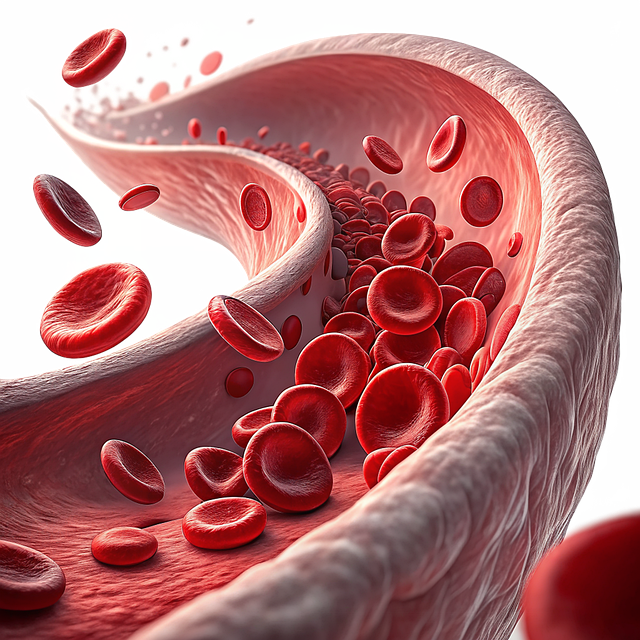
Healthy circulation allows oxygen, nutrients, hormones, and other compounds to reach tissues throughout the body while also helping transport metabolic products away from those tissues. The vascular endothelium, which lines blood vessels, also participates in nutrient and metabolite transport while helping regulate vascular tone. (7)
Good blood flow matters for everyday performance as well. Contracting muscles require a large increase in blood flow during exercise to deliver oxygen, while normal brain function depends on tightly regulated cerebral blood flow to match oxygen and nutrient delivery with metabolic demand and remove cellular waste. (9, 10)
Circulation is also closely tied to cardiovascular and sexual health because healthy blood vessels need to relax and expand when tissues require more blood. Nitric oxide is a major mediator of this process and also plays a central role in the vascular mechanisms required for normal erections, which is one reason vascular disease and endothelial dysfunction are closely associated with erectile dysfunction. (7, 11)
How Improving Blood Pressure Leads to Healthy Circulation

Healthy blood pressure limits unnecessary mechanical stress on artery walls. When high blood pressure remains elevated over time, it can contribute to endothelial dysfunction, inflammation, arterial wall damage, increased collagen production, elastin degradation, and progressively greater arterial stiffness. (12)
Keeping blood pressure in a healthy range therefore helps protect the structure and function of the vascular system. More flexible and responsive arteries are better able to adjust vascular tone as the body's requirements for blood flow change. (7, 12)
Managing elevated blood pressure is also an important part of reducing overall cardiovascular risk. The goal is not simply to force more blood through the circulatory system, but to maintain appropriate pressure and vascular function so tissues can be adequately perfused without chronically damaging the arteries. (6, 12)
Poor circulation can also result from conditions such as peripheral artery disease, with diabetes being an important risk factor for PAD. Managing cardiovascular risk factors and using therapies that improve walking function can reduce the impact of PAD, but improving blood flow does not remove the underlying atherosclerotic disease by itself. (8)
Is it Safe for You to Take Blood Flow Supplements?
Supplement safety depends on the specific ingredient, dose, health conditions, other supplements, and medications a person is taking. Even common nutrients can cause adverse effects at excessive doses, and the fact that something is sold as a dietary supplement does not mean that every dose or combination is safe for every person. (13)
Supplements can make a meaningful difference in specific circumstances, but several supplements can also increase bleeding risk or interact with medications. Vitamin K, for example, can interfere with warfarin, and the NIH Office of Dietary Supplements recommends considering potential medication interactions when starting supplements. (13)
If you plan to begin using a new supplement and already take blood thinners, other prescription medications, or have a chronic health condition, it is a good idea to discuss the supplement with your healthcare provider or pharmacist first. This is especially relevant when combining several supplements or using high doses. (13)
It is also important to remember that supplements are not medicines for peripheral artery disease, diabetes, or another medical cause of poor circulation. If you develop new or persistent circulation problems, identifying and appropriately treating the underlying cause is more important than trying to manage the condition with supplements alone. (8, 13)

How Supplements Can Enhance Circulation and Help Improve Blood Flow
Supplements can influence vascular health through several different mechanisms, including antioxidant activity, nutrient-dependent red blood cell production, vascular smooth muscle regulation, nitric oxide signaling, and endothelial function. However, different ingredients have very different levels of evidence, and supplementation works best alongside lifestyle habits that support cardiovascular health. (1, 2, 3, 4, 5, 7, 13)
Several vitamins, minerals, and fatty acids help provide a nutritional foundation for healthy blood vessels and normal blood function:
-
Vitamins C and E act as antioxidants for blood vessel health. Vitamin C helps maintain the integrity of blood vessels. Vitamin C is required for collagen synthesis and has antioxidant activity, while vitamin E is a fat-soluble antioxidant with additional roles in endothelial biology. (4, 5)
-
Iron and Vitamin B12 support the formation of red blood cells. Iron is an essential component of hemoglobin in red blood cells, while vitamin B12 is required for healthy red blood cell formation. (2, 14)
-
Vitamin K2 may help regulate vascular calcification, although clinical evidence is still developing. A systematic review and meta-analysis of randomized trials found evidence that vitamin K supplementation may slow progression of coronary artery calcification, but the authors emphasized the need for more rigorous trials. (15)
-
B vitamins help metabolize homocysteine and can lower elevated homocysteine levels, although this has not consistently translated into lower cardiovascular disease risk. Vitamin B12 and folate both participate in homocysteine metabolism, and supplementation can lower homocysteine, but clinical trials have generally not shown corresponding reductions in myocardial infarction or cardiovascular mortality. (2, 3)
-
Magnesium helps regulate blood vessel muscle tone and vascular function. Magnesium plays a role in vascular smooth muscle tone and endothelial function, providing a physiological basis for its involvement in normal vascular regulation. (16)
-
Omega-3 fatty acids can influence inflammatory signaling and support cardiovascular health. EPA and DHA give rise to signaling molecules that are generally less inflammatory than those derived from arachidonic acid, and omega-3 intake can also lower triglyceride concentrations. Omega-3s are found in foods and supplements including fish, fish oil, flaxseed, and walnuts. (1)
Fish and fish oil primarily provide EPA and DHA, whereas flaxseed and walnuts predominantly provide ALA. Humans can convert ALA into EPA and DHA, but this conversion is limited, with reported conversion rates below 15%. (1)
Other supplements work more directly through nitric oxide pathways. Nitric oxide produced by the vascular endothelium contributes to relaxation of vascular smooth muscle and therefore plays an important role in regulating vascular tone and blood flow. (7)
-
Beetroot extract is rich in dietary nitrates. Beetroot supplementation can increase nitric oxide production. Dietary nitrate can be converted through the nitrate-nitrite-nitric oxide pathway, and a systematic review of randomized trials found beetroot nitrate supplementation improved flow-mediated dilation and modestly reduced arterial stiffness. (17)
-
Curcumin from turmeric may support nitric oxide bioavailability and endothelial health. In a randomized trial of healthy middle-aged and older adults, 12 weeks of curcumin supplementation improved resistance and conduit artery endothelial function, with findings consistent with increased vascular nitric oxide bioavailability. (18)
-
Pycnogenol, a standardized French maritime pine bark extract, may support nitric oxide-dependent vasodilation. In a small randomized controlled study, Pycnogenol increased endothelium-dependent forearm vasodilation, and inhibition of nitric oxide synthase abolished the effect, suggesting that nitric oxide contributed to the response. (19)
-
L-arginine and L-citrulline are closely connected to nitric oxide metabolism. L-arginine is the substrate used by nitric oxide synthase to produce nitric oxide, while orally consumed L-citrulline can be converted into L-arginine and, in one pharmacokinetic study, raised plasma arginine more effectively than oral arginine itself. Meta-analysis of randomized trials has also found reductions in blood pressure following L-arginine supplementation, although results vary by dose and population. (20, 21)
L-arginine should not be treated as universally appropriate for cardiovascular patients. In the VINTAGE MI randomized trial, L-arginine given after acute myocardial infarction did not improve vascular stiffness or ejection fraction and was associated with a concerning mortality signal, leading the investigators to recommend against its use following acute myocardial infarction. (22)
Plant extracts may support circulation through additional pathways, including arterial elasticity, endothelial function, and cardiovascular performance. Their effects are not interchangeable, however, and evidence from one standardized extract cannot necessarily be generalized to every supplement containing the same plant. (7, 13)
-
Aged Garlic Extract may support arterial elasticity. In a randomized, double-blind, placebo-controlled trial of adults with slightly elevated blood pressure, aged garlic extract improved an index of arterial elasticity and reduced blood pressure compared with baseline measurements. (23)
-
Arjuna extract has shown promising cardiovascular effects in limited clinical research. One randomized, double-blind, placebo-controlled trial of 72 healthy adults found that 400 mg per day of a specific standardized Terminalia arjuna extract, E-OJ-01, for 8 weeks increased left ventricular ejection fraction compared with placebo and reduced reported fatigue. Because this finding comes from a specific proprietary extract and relatively small study, it should not be generalized to every Arjuna supplement. (24)
-
Ginkgo biloba has been studied for peripheral circulation, but evidence of meaningful clinical benefit is weak. A Cochrane review of 14 trials involving 739 participants found no evidence of a clinically significant improvement in intermittent claudication among people with peripheral artery disease. (25)
Overall, circulation depends on more than simply making blood vessels wider. Healthy endothelial function, adequate red blood cell and hemoglobin production, appropriate blood pressure, nitric oxide availability, arterial structure, and vascular smooth muscle regulation all contribute to the body's ability to appropriately distribute blood. (2, 7, 9, 12, 14, 16)
Frequently Asked Questions
Can Fish Oil and B Vitamins Help With Both Heart Health and Erectile Dysfunction?
They can support some of the same physiological systems involved in cardiovascular and sexual health, but neither fish oil nor B vitamins should be considered an erectile dysfunction treatment. Omega-3s can lower triglycerides and influence inflammatory signaling, while vitamin B12 and folate support red blood cell and homocysteine metabolism.
Because normal erections depend heavily on endothelial function, nitric oxide, and adequate penile blood flow, improving nutritional deficiencies or cardiovascular risk factors may indirectly support erectile health. (1, 2, 3, 11)
What Deficiency Causes Poor Circulation in Legs?
There is no single vitamin deficiency that typically explains genuinely poor arterial circulation in the legs. Iron, vitamin B12, and folate deficiencies can contribute to anemia and fatigue, while vitamin B12 deficiency can also cause neurological symptoms such as numbness and tingling, but reduced arterial blood flow in the legs is more commonly associated with vascular disease such as peripheral artery disease. (2, 3, 8, 14)
Taking extra vitamins is therefore unlikely to correct true arterial insufficiency unless a nutrient deficiency is actually contributing to the person's symptoms. Persistent exertional leg pain, nonhealing wounds, or other signs suggestive of impaired arterial circulation warrant evaluation for the underlying cause. (8, 14)
How Can I Improve My Blood Circulation Quickly and Naturally?
Movement is one of the simplest ways to acutely increase blood flow to active skeletal muscle. Walking and other repeated muscle contractions increase local metabolic demand and produce a substantial rise in muscle blood flow, while maintaining adequate hydration helps avoid the physiological and performance consequences of dehydration during physical activity. (9, 26)
Foods rich in dietary nitrate, including beetroot and leafy green vegetables, can also contribute to the nitrate-nitrite-nitric oxide pathway involved in vasodilation. These approaches can support normal vascular function, but they cannot quickly reverse an artery that has already become substantially narrowed by atherosclerotic disease. (8, 17)
What is the Number One Blood Flow Supplement?
There is no scientifically established number-one supplement for improving blood flow because different ingredients act through different pathways and the best choice depends on the goal and the individual. L-citrulline is a reasonable option when the goal is to increase arginine availability for nitric oxide metabolism because oral citrulline can efficiently raise circulating L-arginine, while beetroot provides dietary nitrate that feeds into a separate nitric oxide pathway. (17, 20)
Is there a Pill for Poor Circulation?
There is no single medication that treats every cause of poor circulation. For peripheral artery disease, evidence-based treatment can include antiplatelet therapy, lipid-lowering treatment such as high-intensity statins, management of blood pressure and diabetes, structured exercise, and, for some patients with chronic symptomatic PAD, cilostazol to improve leg symptoms and walking performance. Treatment depends on what is actually causing the circulation problem. (8)
Final Thoughts
Improving vascular health can support exercise capacity, cardiovascular function, brain perfusion, and sexual function because each depends on appropriately regulated blood flow. Supplements may contribute through pathways involving nitric oxide, endothelial function, red blood cell production, vascular tone, and cardiovascular risk factors, but they are most useful as additions to rather than substitutes for a healthy lifestyle and appropriate medical care.
A heart-healthy dietary pattern remains foundational, and randomized evidence supports Mediterranean-style dietary patterns that include extra-virgin olive oil as one approach associated with lower cardiovascular event rates in people at elevated cardiovascular risk. (6, 7, 9, 10, 11, 17, 18, 27)
References
-
National Institutes of Health, Office of Dietary Supplements. (2025, August 22). Omega-3 fatty acids: Fact sheet for health professionals. https://ods.od.nih.gov/factsheets/Omega3FattyAcids-HealthProfessional/
-
National Institutes of Health, Office of Dietary Supplements. (2025, July 2). Vitamin B12: Fact sheet for health professionals. https://ods.od.nih.gov/factsheets/VitaminB12-HealthProfessional/
-
National Institutes of Health, Office of Dietary Supplements. (2022, November 30). Folate: Fact sheet for health professionals. https://ods.od.nih.gov/factsheets/Folate-HealthProfessional/
-
National Institutes of Health, Office of Dietary Supplements. (2025, July 31). Vitamin C: Fact sheet for health professionals. https://ods.od.nih.gov/factsheets/VitaminC-HealthProfessional/
-
National Institutes of Health, Office of Dietary Supplements. (2021, March 26). Vitamin E: Fact sheet for health professionals. https://ods.od.nih.gov/factsheets/VitaminE-HealthProfessional/
-
Arnett, D. K., Blumenthal, R. S., Albert, M. A., Buroker, A. B., Goldberger, Z. D., Hahn, E. J., Himmelfarb, C. D., Khera, A., Lloyd-Jones, D., McEvoy, J. W., Michos, E. D., Miedema, M. D., Muñoz, D., Smith, S. C., Jr., Virani, S. S., Williams, K. A., Sr., Yeboah, J., & Ziaeian, B. (2019). 2019 ACC/AHA guideline on the primary prevention of cardiovascular disease: A report of the American College of Cardiology/American Heart Association Task Force on Clinical Practice Guidelines. Circulation, 140(11), e596–e646. https://doi.org/10.1161/CIR.0000000000000678.
-
Gallo, G., Volpe, M., & Savoia, C. (2022). Endothelial dysfunction in hypertension: Current concepts and clinical implications. Frontiers in Medicine, 8, 798958. https://doi.org/10.3389/fmed.2021.798958.
-
Gornik, H. L., Aronow, H. D., Goodney, P. P., Arya, S., Brewster, L. P., Byrd, L., Chandra, V., Drachman, D. E., Eaves, J. M., Ehrman, J. K., Evans, J. N., Getchius, T. S. D., Gutiérrez, J. A., Hawkins, B. M., Hess, C. N., Ho, K. J., Jones, W. S., Kim, E. S. H., Kinlay, S., ... Wilkins, L. R. (2024). 2024 ACC/AHA/AACVPR/APMA/ABC/SCAI/SVM/SVN/SVS/SIR/VESS guideline for the management of lower extremity peripheral artery disease. Circulation, 149(24), e1313–e1410. https://doi.org/10.1161/CIR.0000000000001251.
-
Joyner, M. J., & Casey, D. P. (2015). Regulation of increased blood flow (hyperemia) to muscles during exercise: A hierarchy of competing physiological needs. Physiological Reviews, 95(2), 549–601. https://doi.org/10.1152/physrev.00035.2013.
-
Claassen, J. A. H. R., Thijssen, D. H. J., Panerai, R. B., & Faraci, F. M. (2021). Regulation of cerebral blood flow in humans: Physiology and clinical implications of autoregulation. Physiological Reviews, 101(4), 1487–1559. https://doi.org/10.1152/physrev.00022.2020.
-
Maas, R., Schwedhelm, E., Albsmeier, J., & Böger, R. H. (2002). The pathophysiology of erectile dysfunction related to endothelial dysfunction and mediators of vascular function. Vascular Medicine, 7(3), 213–225. https://doi.org/10.1191/1358863x02vm429ra.
-
Kim, H.-L. (2023). Arterial stiffness and hypertension. Clinical Hypertension, 29, 31. https://doi.org/10.1186/s40885-023-00258-1.
-
National Institutes of Health, Office of Dietary Supplements. (2023, January 4). Dietary supplements: What you need to know. https://ods.od.nih.gov/factsheets/WYNTK-Consumer/
-
National Institutes of Health, Office of Dietary Supplements. (2025, September 4). Iron: Fact sheet for health professionals. https://ods.od.nih.gov/factsheets/Iron-HealthProfessional/
-
Li, T., Wang, Y., & Tu, W.-P. (2023). Vitamin K supplementation and vascular calcification: A systematic review and meta-analysis of randomized controlled trials. Frontiers in Nutrition, 10, 1115069. https://doi.org/10.3389/fnut.2023.1115069.
-
Kolte, D., Vijayaraghavan, K., Khera, S., Sica, D. A., & Frishman, W. H. (2014). Role of magnesium in cardiovascular diseases. Cardiology in Review, 22(4), 182–192. https://doi.org/10.1097/CRD.0000000000000003.
-
Bahrami, L. S., Arabi, S. M., Feizy, Z., & Rezvani, R. (2021). The effect of beetroot inorganic nitrate supplementation on cardiovascular risk factors: A systematic review and meta-regression of randomized controlled trials. Nitric Oxide, 115, 8–22. https://doi.org/10.1016/j.niox.2021.06.002.
-
Santos-Parker, J. R., Strahler, T. R., Bassett, C. J., Bispham, N. Z., Chonchol, M. B., & Seals, D. R. (2017). Curcumin supplementation improves vascular endothelial function in healthy middle-aged and older adults by increasing nitric oxide bioavailability and reducing oxidative stress. Aging, 9(1), 187–208. https://doi.org/10.18632/aging.101149.
-
Nishioka, K., Hidaka, T., Nakamura, S., Umemura, T., Jitsuiki, D., Soga, J., Goto, C., Chayama, K., Yoshizumi, M., & Higashi, Y. (2007). Pycnogenol, French maritime pine bark extract, augments endothelium-dependent vasodilation in humans. Hypertension Research, 30(9), 775–780. https://doi.org/10.1291/hypres.30.775.
-
Schwedhelm, E., Maas, R., Freese, R., Jung, D., Lukacs, Z., Jambrecina, A., Spickler, W., Schulze, F., & Böger, R. H. (2008). Pharmacokinetic and pharmacodynamic properties of oral L-citrulline and L-arginine: Impact on nitric oxide metabolism. British Journal of Clinical Pharmacology, 65(1), 51–59. https://doi.org/10.1111/j.1365-2125.2007.02990.x.
-
Shiraseb, F., Asbaghi, O., Bagheri, R., Wong, A., Figueroa, A., & Mirzaei, K. (2022). Effect of L-arginine supplementation on blood pressure in adults: A systematic review and dose-response meta-analysis of randomized clinical trials. Advances in Nutrition, 13(4), 1226–1242. https://doi.org/10.1093/advances/nmab155.
-
Schulman, S. P., Becker, L. C., Kass, D. A., Champion, H. C., Terrin, M. L., Forman, S., Ernst, K. V., Kelemen, M. D., Townsend, S. N., Capriotti, A., Hare, J. M., & Gerstenblith, G. (2006). L-arginine therapy in acute myocardial infarction: The Vascular Interaction With Age in Myocardial Infarction (VINTAGE MI) randomized clinical trial. JAMA, 295(1), 58–64. https://doi.org/10.1001/jama.295.1.58.
-
Gruenwald, J., Bongartz, U., Bothe, G., & Uebelhack, R. (2020). Effects of aged garlic extract on arterial elasticity in a placebo-controlled clinical trial using EndoPAT technology. Experimental and Therapeutic Medicine, 19(2), 1490–1499. https://doi.org/10.3892/etm.2019.8378.
-
Srivastava, S., Girandola, R. N., & Abedon, B. (2022). Effect of E-OJ-01 on left ventricular ejection fraction and myocardial oxygen consumption: A randomized, double-blind, placebo-controlled study. Journal of Multidisciplinary Healthcare, 15, 2511–2525. https://doi.org/10.2147/JMDH.S381028.
-
Nicolaï, S. P. A., Kruidenier, L. M., Bendermacher, B. L. W., Prins, M. H., Stokmans, R. A., Broos, P. P. H. L., & Teijink, J. A. W. (2013). Ginkgo biloba for intermittent claudication. Cochrane Database of Systematic Reviews, 2013(6), CD006888. https://doi.org/10.1002/14651858.CD006888.pub3.
-
American College of Sports Medicine, Sawka, M. N., Burke, L. M., Eichner, E. R., Maughan, R. J., Montain, S. J., & Stachenfeld, N. S. (2007). American College of Sports Medicine position stand: Exercise and fluid replacement. Medicine & Science in Sports & Exercise, 39(2), 377–390. https://doi.org/10.1249/mss.0b013e31802ca597.
-
Estruch, R., Ros, E., Salas-Salvadó, J., Covas, M.-I., Corella, D., Arós, F., Gómez-Gracia, E., Ruiz-Gutiérrez, V., Fiol, M., Lapetra, J., Lamuela-Raventos, R. M., Serra-Majem, L., Pintó, X., Basora, J., Muñoz, M. A., Sorlí, J. V., Martínez, J. A., Fitó, M., Gea, A., ... Martínez-González, M. A. (2018). Primary prevention of cardiovascular disease with a Mediterranean diet supplemented with extra-virgin olive oil or nuts. The New England Journal of Medicine, 378(25), e34. https://doi.org/10.1056/NEJMoa1800389.