

Chemical reactions are everywhere in our daily lives. From the brewing of your morning coffee to the process of photosynthesis that keeps our planet green.
Similarly, this chemical dance is happening within your own body.
Consider, for instance, the interplay among the nutrients you consume, whether from your diet or supplements. These nutrients interact in a complex network, influencing each other’s absorption, utilization, and consequently, the impact on your health.
These interactions can be either positive, enhancing mutual activity; neutral; or negative, where the elements act in opposition.
Now, let’s focus on the positive side - the ‘good’ kind of relationships.
Nutrient synergy is becoming increasingly recognized in nutritional science, with growing evidence that the way nutrients work together, especially through specific food combinations, can significantly enhance health outcomes.
Research indicates that when nutrients or certain vitamins are combined, the whole is often more impactful than the sum of its parts. This highlights the importance of pairing certain foods to maximize absorption and amplify benefits for heart, bone, and brain health.
What is Nutrient Synergy?
Nutrient synergy means two or more nutrients work better together than alone. Some combinations improve absorption, some support the same body systems, and others help activate or recycle each other for greater benefit. Certain food combinations can enhance nutrient synergy by pairing nutrients that boost each other's effectiveness or antioxidant effects. This is how this article defines synergy and frames its examples.
Best Nutrient Combinations (Quick Answer)
-
Vitamin D3 + K2 → bone and heart health
-
Vitamin C + iron → improved iron absorption
-
Magnesium + B6 → mood and nervous system support
-
Vitamin C + E → antioxidant protection
Whole foods provide a complex matrix of nutrients, fiber, and beneficial compounds that work together to promote overall health.
Key Takeaways
- Certain nutrients work far better together than alone, such as vitamin D with vitamin K, magnesium with vitamin D, and vitamin C with iron.
- These pairings improve absorption, direct nutrients to the right tissues, and help avoid issues like calcium deposits in arteries.
- Relying on single nutrients without their partners can limit results or even create imbalances over time.
- Smart supplementation uses synergy focused formulas that combine these “power couples” in balanced, science-driven ratios.
Nutrient Synergy Explained: Which Vitamins and Minerals Work Best Together?
Nutrient synergy, sometimes referred to as food synergy, refers to the collaboration of various nutrients within the body. In essence, some nutrients perform optimally when consumed together, rather than in isolation.(1)
Nutrients are likely to be considered synergistic when any of the following holds true:
-
They facilitate each other’s absorption or bioavailability.
-
They provide complementary physiological functions in the body.
-
They participate in the same cellular pathways or processes.
Nutrient synergy is observed among various types of nutrients, including macronutrients like fats, proteins, and carbohydrates, as well as micronutrients such as vitamins and minerals, and even phytochemicals.(2)
Recognizing these interactions can be key to effective food and/or supplement pairing. Food pairings -such as combining protein, fiber, and healthy fats - can slow digestion and help you feel full and satisfied longer than consuming them separately, further promoting nutrient synergy and enhancing nutritional benefits.
Let’s take a closer look at the nutrients that work hand-in-hand:
Iron & Vitamin C
Function and Types of Iron

Have you ever struggled to climb stairs without feeling out of breath, or stay laser-focused on a critical work project? It may boil down to iron, a humble mineral essential for ensuring oxygen flows smoothly through your body and brain.
However, not all iron is built the same. Heme iron, mainly from animal products, is known for its relatively high absorption. On the other hand, non-heme iron, the type found in plant foods or plant-based sources and supplements, can be trickier for your body to absorb.(3)
But fear not, there's a simple trick to ensure you get the most out of this essential nutrient.
Optimizing Non-heme Iron Absorption with Vitamin C
Vitamin C, also known as ascorbic acid, is a powerful antioxidant with plenty of health benefits. One of its lesser-known roles is its ability to enhance the absorption of non-heme iron - the type of iron found in plant-based foods and supplements.
Teaming up vitamin C with non-heme iron supercharges its absorption in the body, helping to avoid iron deficiency anemia. Some studies have revealed an astounding increase - up to a 400% surge - in the body's capacity to absorb iron when vitamin C is in the mix.(4)
Including an Iron-Vitamin C Duo in Your Diet
For synergistic benefits, combine vitamin C rich foods (like citrus fruits, red bell peppers, strawberries, and broccoli) with iron rich foods such as legumes, grains, or leafy greens. For instance, whipping up a broccoli and quinoa salad or preparing a lentil stew with bell peppers can serve as excellent meal choices for enhancing iron absorption.
Learn more: Vitamin C For Iron Absorption: How Does It Work?
Vitamin E & Vitamin C
Enhancing Cellular Health with Antioxidants: Vitamin E

Antioxidants are natural compounds that shield our cells from harm caused by free radicals. Free radicals are compounds that can accelerate aging and contribute to chronic health problems.(5)
Now, where do these pesky free radicals come from? They're highly reactive molecules produced naturally during processes like metabolism. But, they can also sneak in from external sources such as pollution, smoking, and even too much sun exposure.(6)
Having antioxidants in your corner is a must for optimal health.
And when it comes to these protective compounds, vitamin E stands out as an antioxidant that specializes in safeguarding cell membranes.(7) It plays a dual role: not only helping to maintain a more youthful appearance on the outside, but also promoting healthy cell function on the inside.
In addition, vitamin E steps in as a key player in protecting lipoproteins, such as LDL cholesterol, from oxidative damage.(8) In simpler terms, this could mean fewer troublesome plaques and an overall healthier heart.
Now, even though vitamin E is already a powerhouse, it gets an extra boost with the help of other antioxidants. That's where vitamin C comes into play.
Benefits of Vitamin E and C Synergy
Vitamin C recharges vitamin E when it has been used to neutralize free radicals.(9) Additionally, vitamin C's antioxidative properties further fortify the human body's ability to combat oxidative stress. This unified effort creates a stronger defense against cellular damage than what either of the vitamins could achieve on their own.
Notably, a study using a combination of 400mg of vitamin E and 1000mg of vitamin C per day for 15 days showed a whopping decrease in LDL cholesterol's susceptibility to oxidation: by 41.3% in smokers and 54.4% in non-smokers.(10)
Everyday Foods Rich in Antioxidant Vitamins
You can find vitamin E in foods like nuts (such as almonds and hazelnuts), seeds (like sunflower seeds), spinach, and broccoli. Vitamin C is abundant in citrus fruits (such as oranges and strawberries), bell peppers, kiwi, and tomatoes. Including a variety of these foods in your daily diet ensures a well-rounded intake of both vitamins C and E, providing essential antioxidant protection for your cells.
Magnesium & Vitamin B6

Magnesium participates in over 300 essential enzymatic reactions in your body.(11)
It's super important for keeping healthy nerve function and muscle performance. It helps regulate muscle contractions, which makes it essential for sports and daily activities. Without sufficient magnesium, muscles may become prone to cramping and spasms.(12)
Additionally, magnesium assists in modulating the body's stress response.(13) When magnesium levels are adequate, you're better equipped to manage and respond to stress in a balanced way.
By aiding in the production of neurotransmitters like serotonin and dopamine, magnesium becomes the ultimate mineral for fostering a balanced mood and restful sleep.(14)
B6 and Magnesium Synergy
Why pair magnesium with B6? First, vitamin B6 is thought to actively assist the cells in absorbing magnesium and improving magnesium status. Resulting in limited excretion and higher effectiveness.(15)
Second, much like magnesium, B6 helps synthesize serotonin and dopamine.(16) Combining these two nutrients can lead to more effective neurotransmitter production, providing amplified support for the nervous system.
Some studies, particularly in subjects with Premenstrual Syndrome (PMS), have shown that the combination of Magnesium and B6 is more effective at relieving anxiety and depressive symptoms compared to a placebo or magnesium alone.(17)
Foods High in Magnesium and Vitamin B6
Leafy greens like spinach salad, nuts, seeds, and fish are all excellent sources of magnesium. Meanwhile, foods like poultry, bananas, and chickpeas provide ample vitamin B6. By incorporating a variety of these foods into your diet, you ensure you're covering all of your nutrient bases.
Learn more: 7 Magnesium with Vitamin B6 Benefits You’ll Want to Know
Vitamin D & K2

Importance of Vitamins D and K
Vitamin D is a crucial fat-soluble vitamin. It's primarily known for its role in regulating calcium absorption, which is essential for maintaining strong bones and healthy teeth. Beyond this, it also supports the immune system, promotes muscle health, and aids in cognitive function.(18)
If you’re wondering what to pair with vitamin D, vitamin K2 is the most important partner for proper calcium use in the body.
Vitamin K, which comes in K1 and K2 forms, plays a pivotal role in blood clotting.(19) It activates proteins that control bleeding, earning it the nickname of 'the clotting vitamin.' Additionally, in its K2 form, it's crucial for proper bone mineralization.(20)
Ultimate Pairing for Bone Health and Heart Health
Vitamins D and K have synergistic effects on both bone health and cardiovascular health thanks to their complementary and vital roles in calcium metabolism.
In particular, your vitamin D status amps up the absorption of calcium - a mineral vital for preserving bone strength and density. Without vitamin K2, this absorbed calcium may not be properly directed, potentially ending up where it doesn't belong.
Vitamin K2 activates proteins that guide calcium toward the bones and teeth while preventing its deposition in soft tissues and arteries. This dual action may reduce the risk of osteoporosis and arterial stiffness, benefiting both skeletal and cardio health.(21,22)
A recent meta-analysis, which pooled data from multiple studies, has confirmed a clear synergy between these nutrients. Their combined effect was shown to substantially enhance bone density, surpassing the effects of vitamin D alone.(23)
Learn more: Taking Vitamin D3 with K2: 3 Benefits of Supplementing Together
Why D3 and K2 Forms are Superior for Maximum Synergy

Vitamin D3 (cholecalciferol) is more bioactive compared to its D2 form (ergocalciferol), which is often found in supplements, fortified plant-based foods, or UV-exposed mushrooms. The body absorbs and utilizes D3 more readily, making it up to 87% more potent than vitamin D2.(24)
Likewise, the K2 form of vitamin K boasts superior bioavailability compared to K1. It lingers in the bloodstream for an extended period, facilitating more effective utilization in various tissues like bones and blood vessels.(25)
Sourcing tips: Sun Exposure, Diet, and Supplements
Sun exposure is a natural and primary source of vitamin D, as the skin produces it when exposed to sunlight. Aim for around 15-30 minutes of sun exposure on the face, arms, and legs a few times a week.
Dietary sources that provide limited amounts of Vitamin D3 include fatty fish such as salmon and mackerel, egg yolks, and fortified dairy products. As for vitamin K2, fermented foods like natto, cheese, and fermented vegetables are excellent sources.
Securing adequate levels of Vitamin D3 solely through natural means, such as food and sun exposure, can be challenging. Especially for people with limited sunlight exposure or for those who consume few Vitamin D-rich products.
An indoor lifestyle or dietary limitations can mean relying solely on natural sources which won't always cut it. In fact, depending on the region, it's been estimated that up to 49% of the global population is at risk of low vitamin D levels or poor vitamin D metabolism.(26)
The good news is that vitamin D supplementation can be a convenient way to get your D3 without the need for multiple tropical holidays, or chugging down gallons of milk every day.
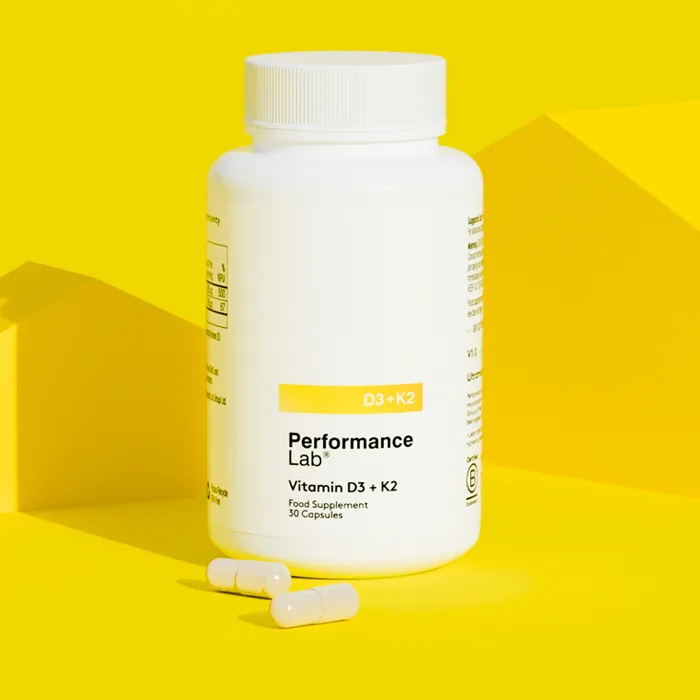
Enter Performance Lab® D3 + K2 - the ultimate D3 formula for bone and cardiovascular support. Plus healthy immune function, strong muscles, and more.

Performance Lab® D3 + K2 not only offers vegan-friendly vitamin D3 but also delivers it in a cutting-edge liposomal form. This means the vitamin is packed inside tiny phospholipid spheres, making it even easier for your body to absorb. Studies have shown that this liposomal formulation leads to a faster elevation of Vitamin D levels compared to conventional oil-based alternatives.(27)
For optimal synergy, Performance Lab's liposomal D3 is paired with vitamin NutriGenesis® K2: cultured in a botanical medium to be nature-identical.
Other Food Combinations for Brain Health and More

As we've already heard, certain food combinations and food pairings can significantly enhance nutrient synergy and how well vitamins and minerals interact. For example:
-
Combining olive oil with beta carotene-rich vegetables like carrots or sweet potatoes increases the bioavailability of beta carotene. (28)
-
Using black pepper with turmeric boosts the absorption of curcumin by up to 2,000%. (29)
-
Good bacteria (probiotics) and prebiotics are crucial for gut health. Pairing plain yogurt with chia seeds and berries provides probiotics and prebiotics, supporting gut health and proper brain function. (30)
-
Including brown rice, sesame seeds, and brazil nuts in your meals adds essential nutrients like iron, selenium, and healthy carbohydrates to support overall health.
Learn more: Food Synergy: Why Your Meals Are Better Together (And How to Do It)
Frequently Asked Questions about Nutrient Synergy

What is Nutrient Synergy?
Nutrient synergy is when vitamins and minerals work better together than alone. Some improve absorption, while others activate or support each other for greater overall benefits.
Which Vitamins Work Well Together?
Key combinations include:
-
Vitamin D + K2 for bones and heart health
-
Vitamin C + iron for better absorption
-
Vitamin C + E for antioxidant support
-
Magnesium + B6 for mood and nervous system support
These combinations are among the most researched and commonly recommended for improving absorption and overall effectiveness.
Does Vitamin D need K2?
Not essential, but recommended. Vitamin D boosts calcium absorption, while vitamin K's role directs it to bones instead of arteries.
Does Vitamin C Help Iron Absorption?
Yes. Vitamin C makes non-heme iron easier to absorb, helping improve iron levels, especially from plant-based foods.
What Nutrients Work Together for Energy?
Energy relies on combinations, not single nutrients:
-
B vitamins + magnesium for energy production
-
Iron + vitamin C for oxygen transport
-
Magnesium + vitamin D for muscle and energy balance
Can You Take Too Many Supplements Together?
Yes. Combining too many supplements can lead to imbalances, reduced absorption, or even excessive intake of certain nutrients. Instead of stacking multiple single supplements, it’s often smarter to choose high-quality formulas that are designed with nutrient synergy in mind, such as a well-balanced multivitamin or a targeted combination like vitamin D3 + K2. These provide the right nutrients in the right ratios without unnecessary overlap.
Final Thoughts
If we understand the types of reactions that occur within our body when we eat certain foods, it allows us to make smarter dietary choices. This ‘food synergy’ concept supports all of our long term health goals.
By understanding how nutrients interact, you can strategically pair them for enhanced benefits, ultimately maximizing their impact on your well-being.
A well-balanced diet that’s rich in whole foods is going to support everything from chronic disease prevention to the bolstering of immunity. These partnerships are testament to the power of nutrient synergy.
For those who struggle to plan their diets or need more targeted support, dietary supplements can help.
Reliable and convenient, supplements can step in to help bridge any gaps. Products like our D3 + K2 or specialized Men’s and Women’s Multi offer accessible and comprehensive sources of essential nutrients in balanced, synergistic formulas.
References
-
https://www.htmaexperts.com/wp-content/uploads/2018/05/Article-Mineral-Wheel-Relationships.pdf
-
https://journalofethnicfoods.biomedcentral.com/articles/10.1186/s42779-019-0033-3
-
https://www.mdpi.com/2072-6643/11/5/1049#B16-nutrients-11-01049
-
https://www.frontiersin.org/articles/10.3389/fphys.2020.00694/full
-
https://www.tandfonline.com/doi/pdf/10.1080/09687680010000311
-
https://www.sciencedirect.com/science/article/abs/pii/S0891584999002245
-
https://www.sciencedirect.com/science/article/abs/pii/S1568997213000402
-
https://www.thelancet.com/journals/lancet/article/PIIS0140-6736(00)02225-X/fulltext
-
https://academic.oup.com/eurheartj/article/43/Supplement_2/ehac544.1227/6745061
-
https://ec.bioscientifica.com/view/journals/ec/11/1/EC-21-0282.xml
-
https://lifestylemedicine.stanford.edu/food-combinations-heart-bone-brain