
Feeling under the weather? Fatigued? Suffering from frequent colds or infections? Your immune system may need a bit of a boost.
The good news is that there are some great immune-boosting vitamins and herbs that you can easily add to a balanced diet. And, if you want additional support, some powerful immune system supplements to add to your daily routine too.
These may help you stay healthy, prevent disease, manage stress, gain enough sleep, tackle inflammation, expel toxins and more.
This article will briefly explain how your immune system works, how you can support it and suggest some useful foods, vitamins, herbs and supplements that you can use to get your health back on track.
Key Takeaways
- Your immune system relies on a balance of vitamins, minerals, antioxidants, and plant compounds to support normal immune function.
- Nutrients like vitamins A, C, D, and E, plus zinc and selenium, play important roles in immune cell activity and healthy inflammatory responses.
- Herbs and botanicals such as turmeric, ginger, garlic, echinacea, and elderberry may help support the body’s natural defenses.
- A high-quality immune supplement can help provide targeted nutrients when diet alone may not cover all your nutritional needs.
The Immune System Explained

First, let's discuss the immune system for a second.
Chances are you've never really thought about your immune system in depth, have you? Most of the time, we don't need to. It works without us ever having to know how, and let's be honest - we probably take it for granted.
It's only when something goes wrong that we start to wonder about it.
Signs that you may have a weakened immune system include...
Frequent colds - tiredness - slow wound healing - cold sores - chronic digestive problems - lots of stress - diarrhea - aching musles and joints.
So let's learn about it now (I'll keep it brief, don't worry).
Did you know, for instance, that there are actually two main branches of your immune system? They are the:
-
Innate Immune System - the body's first line of defense, it goes to work attacking invaders within hours. It doesn't discriminate; it attacks all unknown pathogens the same. For this reason, it's also known as the non-specific immune system.
-
Adaptive Immune System - you may have heard this called acquired immunity. The adaptive immune system is slower to jump into action than the innate immune system because it first has to identify the germ it needs to attack, but when it does it's laser-focused and more accurate.
The adaptive immune system also remembers; once it recognizes a pathogen, it reacts much quicker a second time. This immune memory is also why you can only catch certain illnesses once. (1, 2)
More: Innate and Adaptive Immunity: What's the Difference?
Vitamins and Herbs to Boost Your Immune System
Incorporating a variety of fruits and vegetables into your diet can provide essential nutrients that support immune health, such as antioxidants and vitamins that help strengthen the immune response.
There are some great vitamins, minerals and herbs - all natural ingredients - that have immune boosting properties and may help to strengthen your immune system naturally. Many, such as vitamins A, C and E, are natural antioxidants which help to tackle the sort of oxidative stress that damages cells and health.
Let's look at them in greater detail..
Vitamin A

Vitamin A is often known as the 'anti-inflammatory vitamin' because it helps to regulate both the innate and adaptive immune systems. It supports white blood cells and the protective linings (mucus membranes) in your intestines, lungs and urinary tract. This protective lining is often our first line of defense.
"Vit(amin) A has both promoting and regulatory roles in both the innate immune system and adaptive immunity; therefore, it can enhance the organism’s immune function and provide an enhanced defense against multiple infectious diseases." - 2008 clinical study (3)
Food sources of vitamin A or beta-carotene include eggs, milk, yoghurt, fatty fish, spinach, broccoli, carrots, sweet potatoes.
Warning about Vitamin A
Too much preformed vitamin A can be harmful as it builds up in the body. Ideally, obtain vitamin A from your diet. If you do take supplements or multivitamins, look for vitamin A in beta-carotene form in safe doses as this does not have the same toxicity as the preformed version.
The recommended daily intake of vitamin A for adults is 900mcg RAE. Our Performance Lab NutriGenesis Multivitamin includes 600mcg RAE vitamin A as beta-carotene.
Vitamin C

Eating oranges for a cold is a classic home remedy, but it may have some basis in fact. Citrus fruits are high in vitamin C, a powerful antioxidant that plays a role in both the innate and adaptive immune systems.
Vitamin C is believed to help increase the function and production of defensive immune cells and support your skin, providing a stronger barrier against pathogens and viruses.
You can't make vitamin C yourself, so you must gain it from your diet.
Food sources of vitamin C include oranges, lemons, limes, clementines, kumquat, grapefruits, bell peppers.
Low vitamin C has been linked to poorer immune function, meaning you're more susceptible to infections and illness. Research has shown that routine supplementation with vitamin C - ie, taking a daily dose - may help to reduce cold symptoms and duration by up to 10% in adults. We recommend Performance Lab Vitamin C.
The upper limit for vitamin C is 2,000 mg, with supplemental daily doses typically ranging between 250 and 1,000 mg. (4, 5, 6)
Vitamin D

Vitamin D is a powerhouse vitamin, playing an important role in nearly every bodily system - including a crucial role in the immune system. Again, studies show that vitamin D is involved in both branches of the immune system, innate and adaptive. It's needed to support immune cells and to help regulate inflammation.
It's often referred to as an immune modulator, rather than an immune booster. The latter suggests turning the immune system up, but vitamin D actually helps to regulate the immune system.
Too strong an immune response, for instance, and the body can attack its own tissues. Vitamin D, therefore, influences immune cells to support our first line of immune defense while also helping to reduce excessive inflammatory response. Promoting immune tolerance, helping to balance the immune system.
With insufficient vitamin D levels, you may be more susceptible to infections. In fact, research suggests that low vitamin D status may be associated with an increased risk of several autoimmune diseases, including multiple sclerosis (MS), lupus, rheumatoid arthritis, and type 1 diabetes. (7- 10)
The best source of Vitamin D3 is spending time outside in sunlight but as that can be difficult in the winter months, supplementation is often recommended. Our Performance Lab D3 + K2 blends liposomal vitamin D with NutriGenesis K2 for enhanced bioavailability.
Vitamin E

Vitamin E (also called alpha-tocopherol) is another antioxidant vitamin that plays an important role in supporting immune function. As a fat-soluble antioxidant, it helps protect immune cells from oxidative stress caused by free radicals, which can damage cell membranes and impair normal immune responses.
Vitamin E also contributes to the body's natural defenses by helping maintain the integrity of epithelial barriers, such as the skin and mucous membranes, which act as a first line of defense against bacteria and pathogens.
Research suggests adequate levels of vitamin E can support antibody production, lymphocyte proliferation, and natural killer cell activity, all of which are important for identifying and responding to infections.
Foods rich in vitamin E include dairy, leafy greens, fortified cereals, olive oils and other vegetable oils, seeds and nuts. (11-13)
Safety Warmings with Vitamin E
While vitamin E supplements are often marketed as offering immune support, clinical research is mixed. Up to 1,000 mg/day of supplemental vitamin E is considered safe for adults, but higher amounts may increase the risk of bleeding. Vitamin E may stop statins, niacin and vitamin K from working as they should so speak to your doctor before taking. (14)
Zinc and Selenium
I'm going to cheat a little now and throw a couple of minerals into the mix - zinc and selenium.
Zinc

Zinc is involved in dozens of bodily processes and has anti-inflammatory and antiviral properties. It plays several roles in the immune system, from supporting immune cells to protecting the integrity of the epithelial barrier, to helping to modulate immune response.
Zinc deficiency impairs the effectiveness of lymphocytes, T cells and natural killer cells, and studies have found a connection between low zinc status and a higher risk of viral infections and respiratory diseases. (15-17)
15% of U.S. adults may have marginal levels of zinc. Food sources of zinc includes beef, pork, poultry, whole grains, nuts, oysters, lobster, crab, beans and dairy products.
Taking zinc long-term is typically safe for healthy adults, as long as the daily dose is under the set upper limit of 40 milligrams of elemental zinc per day. (18-20)
Selenium

Selenium is often undervalued when it comes to the immune system, but it too has an important part to play. Studies show that low selenium levels may lower natural killer cell activity, increasing the risk of some bacterial infections and the virulence of some viruses.
Research into supplementation is inconsistent though some data does show benefits to immune function with increased natural killer cell activity.
People who follow a vegan or vegetarian diet may have lower selenium intake than others. Food sources of selenium include seafood, meat, poultry, Brazil nuts, eggs, dairy products, cereals, grain products and bread. (21-23)
MORE: See the 30 Best Immune Boosting Foods
Anti-Inflammatory Herbs and Botanicals
Most herbs have anti-inflammatory properties, meaning they may help to counteract the inflammation of an immune response while still allowing your immune cells to fight. They can also provide important minerals and vitamins, such as the ones above. Let's examine a few in detail... (24)
Turmeric

Turmeric has been popular in alternative medicine for decades, thanks to the anti-inflammatory properties of the curcumin it contains. A well known antimicrobial and antiviral, curcumin is a naturally occurring polyphenol that is packed with antioxidants and anti-inflammatories and has been investigated for its potential to help manage symptoms of autoimmune diseases.
Rather than directly stimulating the immune system, curcumin appears to help regulate immune responses by interacting with various immune cells and signaling pathways involved in inflammation. (25)
Through these immune-regulating and antioxidant properties, turmeric may help support a healthy immune response and overall immune system function. (26)
Ginger

While not a herb in the strict botanical sense, ginger is often treated like one. It has been used for thousands of years for its antioxidant health benefits. It also has anti-inflammatory and immunomodulatory properties, meaning it helps to allow the immune system to fight invaders without triggering excessive inflammation.
"Ginger’s ability to prevent oxidative stress and other diseases related to inflammation gives ginger the potential to be developed into various functional food products." - clinical trial into ginger. (27)
Garlic

Garlic is well known for its health properties, one reason why it's colloquially known as a 'superfood'. It has long been used as a traditional remedy for supporting health and immunity with its sulfur-containing compounds, such as allicin, thought to contribute to its biological effects.
Research suggests garlic may help to regulate inflammatory responses, influence the activity of immune cells, and support body's natural defenses against pathogens. (28)
And lastly, there are also these immune-supporting ingredients…
-
Echinacea: Traditionally used for immune support, echinacea has been studied for its potential role in supporting the body's natural defenses, particularly during seasonal respiratory challenges. Research suggests it may influence immune cell activity and inflammatory pathways. (29)
-
Astragalus: An herb used in traditional medicine, astragalus contains compounds that may help support immune function by influencing immune cell activity and helping regulate the body's response to stress and inflammation. (30)
-
Elderberry: Rich in antioxidant plant compounds called anthocyanins, elderberry has been studied for its potential to support immune health, especially in relation to upper respiratory tract infections and seasonal wellness. (31)
-
Medicinal mushrooms: Varieties such as reishi, shiitake, and turkey tail contain beta-glucans, natural compounds that may help support immune function by interacting with immune cells involved in the body's defense systems.
How to Choose an Immune Support Supplement
If you're worried you're not gaining enough of these important vitamins and herbs in your diet, or you want to top up with a supplement to support your immune system, what should you look for?
We'd recommend a product that combines some or several of the key nutrients mentioned above alongside other useful immune boosting ingredients. It should also be third-party tested for purity and potency, clean and allergen-free. Vegan friendly is also handy if you're a vegan.
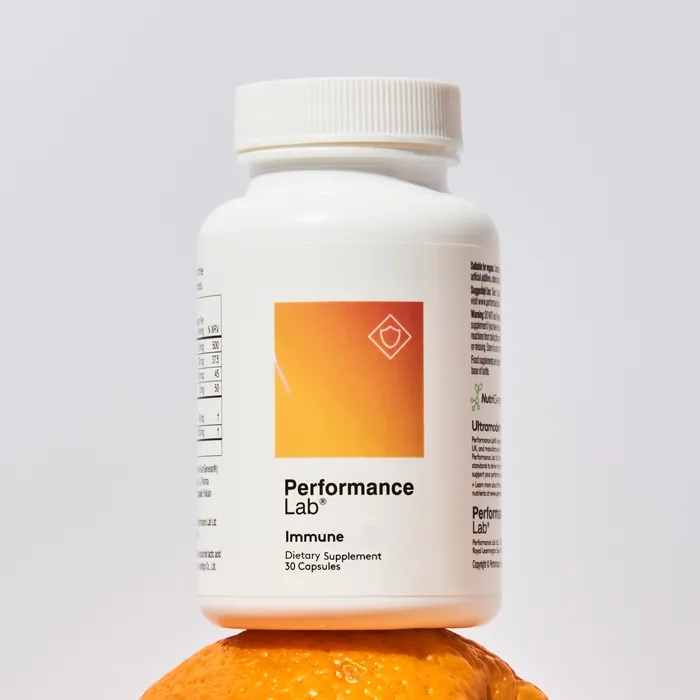
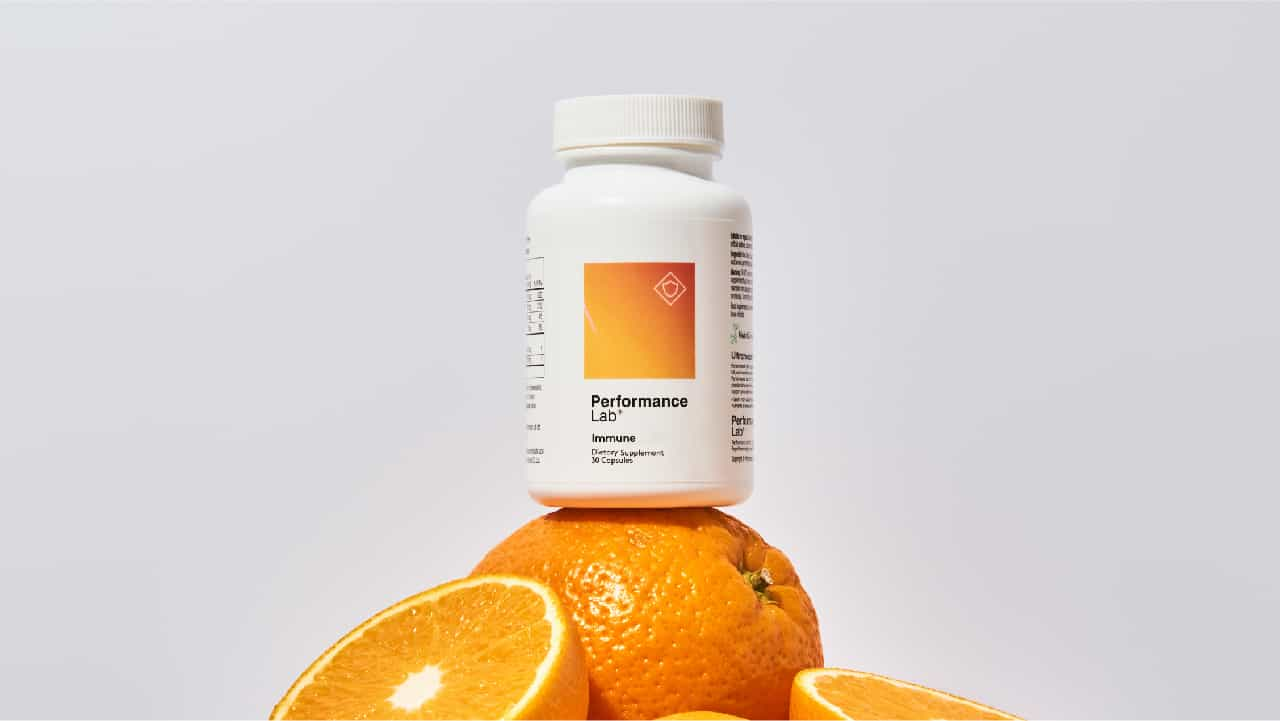
Performance Lab Immune is all of those things.
Performance Lab Immune combines vitamins D and C, as well as selenium and zinc, manufactured with our pioneering NutriGenesis process, making them highly bioavailable. It also includes IMMUSE postbiotics and Setria® Glutathione.
Performance Lab Immune combines probiotic with antioxidants and activates five different type of immune cells, supporting immune function.
Pairs well with: Performance Lab NutriGenesis Multivitamin with dedicated formulas for men and women, a quality multivitamin that helps to cover any nutritional deficiencies from your diet.
Performance Lab® NutriGenesis Multi
The world's most advanced multivitamin formula.
Shop Now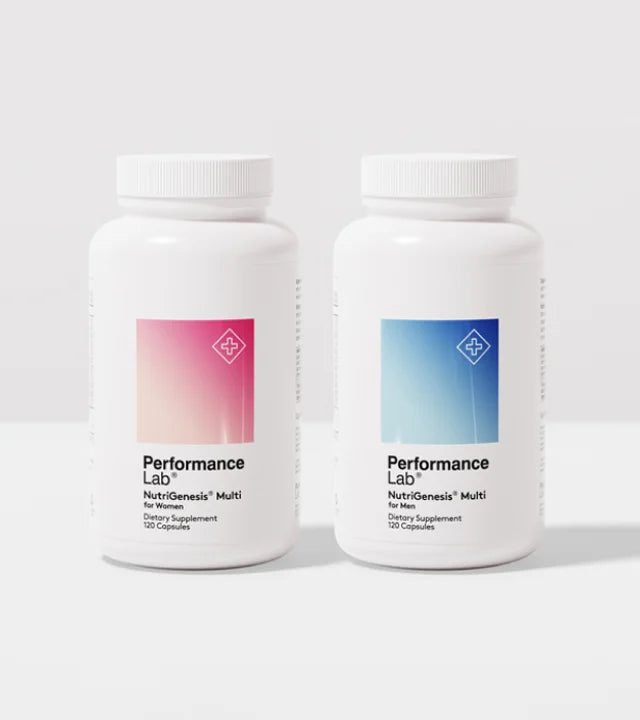
Health Warnings
Please speak to a healthcare professional before taking any supplements, especially if you have a medical illness or condition and are taking medications. Herbs and supplements can interact with medications and pose risks during pregnancy, making it essential to consult with a healthcare professional before starting any new regimen.
Final Thoughts
Whether its fighting an infection or protecting you from toxins, your immune system is constantly working to keep you safe. To keep it in tip top order, it needs a balance of minerals, vitamins, fatty acids and antioxidants which are sometimes difficult to get from diet alone.
That's where supplementation can help. Performance Lab Immune can be one tool in your arsenal towards a healthy immune system.
References
- InformedHealth.org. The Innate and Adaptive Immune Systems. Cologne, Germany: Institute for Quality and Efficiency in Health Care (IQWiG); 2006-. Available at: https://www.ncbi.nlm.nih.gov/books/NBK279396/
- InformedHealth.org. How Does the Immune System Work? Cologne, Germany: Institute for Quality and Efficiency in Health Care (IQWiG); 2006-. Available at: https://www.ncbi.nlm.nih.gov/books/NBK279364/
- Huang Z, Liu Y, Qi G, Brand D, Zheng SG. Role of Vitamin A in the Immune System. Journal of Clinical Medicine. 2018;7(9):258. Available at: https://doi.org/10.3390/jcm7090258
- Linus Pauling Institute. The Common Cold. Oregon State University Micronutrient Information Center. Available at: https://lpi.oregonstate.edu/mic/health-disease/common-cold
- Carr AC, Maggini S. Vitamin C and Immune Function. Nutrients. 2017;9(11):1211.
- Mayo Clinic Health System. Boost Your Senses with Citrus Fruits. Available at: https://www.mayoclinichealthsystem.org/hometown-health/speaking-of-health/boost-your-senses-with-citrus-fruits
- Athanassiou L, Kostoglou-Athanassiou I, Koutsilieris M, Shoenfeld Y. Vitamin D and Autoimmune Rheumatic Diseases. Biomolecules. 2023;13(4):709. Available at: https://doi.org/10.3390/biom13040709
- Bikle DD. Vitamin D and Immune Function: Understanding Common Pathways. Current Osteoporosis Reports. 2009;7(2):58-63.
- Di Rosa M, Malaguarnera M, Nicoletti F, Malaguarnera L. Vitamin D3: A Helpful Immuno-Modulator. Immunology. 2011;134(2):123-139.
- Munger KL, Levin LI, Hollis BW, Howard NS, Ascherio A. Serum 25-Hydroxyvitamin D Levels and Risk of Multiple Sclerosis. JAMA. 2006;296(23):2832-2838.
- De la Fuente M, et al. Vitamin C and Vitamin C Plus E Improve the Immune Function in the Elderly. Experimental Gerontology. 2020;142:111118.
- National Institutes of Health Office of Dietary Supplements. Vitamin E Fact Sheet for Health Professionals. Available at: https://ods.od.nih.gov/factsheets/VitaminE-HealthProfessional/
- Mayo Clinic. Vitamin E. Available at: https://www.mayoclinic.org/drugs-supplements-vitamin-e/art-20364144
- National Institutes of Health Office of Dietary Supplements. Dietary Supplements for Immune Function and Infectious Diseases. Available at: https://ods.od.nih.gov/factsheets/ImmuneFunction-HealthProfessional/
- Iddir M, Brito A, Dingeo G, Fernandez Del Campo SS, Samouda H, La Frano MR, Bohn T. Strengthening the Immune System and Reducing Inflammation and Oxidative Stress Through Diet and Nutrition: Considerations During the COVID-19 Crisis. Nutrients. 2020;12(6):1562. Available at: https://doi.org/10.3390/nu12061562
- Calder PC, Carr AC, Gombart AF, Eggersdorfer M. Optimal Nutritional Status for a Well-Functioning Immune System Is an Important Factor to Protect Against Viral Infections. Nutrients. 2020;12.
- National Institutes of Health Office of Dietary Supplements. Dietary Supplements for Immune Function and Infectious Diseases. Available at: https://ods.od.nih.gov/factsheets/ImmuneFunction-HealthProfessional/
- Reider CA, Chung RY, Devarshi PP, Grant RW, Hazels Mitmesser S. Inadequacy of Immune Health Nutrients: Intakes in US Adults, the 2005-2016 NHANES. Nutrients. 2020;12.
- Wessels I, Maywald M, Rink L. Zinc as a Gatekeeper of Immune Function. Nutrients. 2017;9(12):1286.
- Maares M, Haase H. Zinc and Immunity: An Essential Interrelation. Archives of Biochemistry and Biophysics. 2016;611:58-65.
- Hoffmann PR, Berry MJ. The Influence of Selenium on Immune Responses. Molecular Nutrition & Food Research. 2008;52(11):1273-1280.
- Filippini T, Fairweather-Tait S, Vinceti M. Selenium and Immune Function: A Systematic Review and Meta-Analysis of Experimental Human Studies. American Journal of Clinical Nutrition. 2023;117(1):93-110. Available at: https://doi.org/10.1016/j.ajcnut.2022.11.007
- National Institutes of Health Office of Dietary Supplements. Dietary Supplements for Immune Function and Infectious Diseases. Available at: https://ods.od.nih.gov/factsheets/ImmuneFunction-HealthProfessional/
- Zhou X, Afzal S, Wohlmuth H, Münch G, Leach D, Low M, Li CG. Synergistic Anti-Inflammatory Activity of Ginger and Turmeric Extracts in Inhibiting Lipopolysaccharide and Interferon-γ-Induced Proinflammatory Mediators. Molecules. 2022;27(12):3877. Available at: https://doi.org/10.3390/molecules27123877
- Allegra A, et al. The Impact of Curcumin on Immune Response: An Immunomodulatory Strategy to Treat Sepsis. International Journal of Molecular Sciences. 2022;23(23):14710. Available at: https://doi.org/10.3390/ijms232314710
- Jennings MR, Parks RJ. Curcumin as an Antiviral Agent. Viruses. 2020;12(11):1242. Available at: https://doi.org/10.3390/v12111242
- Fitriyono A, Gemala A, Mutiara AA, Fogliano V. A Critical Review of Ginger’s (Zingiber officinale) Antioxidant, Anti-Inflammatory, and Immunomodulatory Activities. Frontiers in Nutrition. 2024;11.
- Arreola R, et al. Immunomodulation and Anti-Inflammatory Effects of Garlic Compounds. Journal of Immunology Research. 2015;2015:401630. Available at: https://doi.org/10.1155/2015/401630
- Karsch-Völk M, Barrett B, Kiefer D, et al. Echinacea for Preventing and Treating the Common Cold. Cochrane Database of Systematic Reviews. 2014.
- Li CX, Liu Y, Zhang YZ, Li JC, Lai J. Astragalus Polysaccharide: A Review of Its Immunomodulatory Effect. Archives of Pharmacal Research. 2022;45(6):367-389. Available at: https://doi.org/10.1007/s12272-022-01393-3
- Wieland LS, Piechotta V, Feinberg T, et al. Elderberry for Prevention and Treatment of Viral Respiratory Illnesses: A Systematic Review. BMC Complementary Medicine and Therapies. 2021;21:112. Available at: https://doi.org/10.1186/s12906-021-03283-5