

When it comes to supporting health with supplements, turmeric seems to be one of the first in line. It’s a ground spice common to Indian and South Asian cooking, and has been used for ages as a natural remedy, but only recently are we catching on to everything this little root has to offer.
There’s a fair bit of research backing the role of turmeric, or more specifically curcumin, in all sorts of health conditions, but not all of it is conclusive or definitive. To this end, we’re breaking out the science to explore how turmeric works for men’s health, including its potential benefits for mood, cognitive wellness, and male sexual health, and who it is (and isn't) ideal for.
Is it time to take this guy out of your spice rack and pop it in your medicine cabinet? Is turmeric good for daily wellness? See the answers below!
It’s time to take this guy out of your spice rack and pop it in your medicine cabinet because it’s a real show-stopper.
Key Takeaways
- Curcumin supports joint comfort, exercise recovery, and healthy inflammatory balance.
- Potential cardio-metabolic benefits (lipids, insulin sensitivity) when paired with lifestyle changes.
- Effectiveness varies—use standardized, high-quality supplement form, but avoid megadoses.
- Before you try: ask your healthcare provider if you have a condition; take with food for tolerance and stop using if you have abdominal pain or other side effects.
What Is Turmeric?

If you’re not familiar with this spice, turmeric looks like ginger from the outside (it belongs to the ginger family) but bursts with a deeply yellow, almost orange, colored flesh with an incredibly earthy and pungent taste.
Turmeric is often used in its ground form (turmeric powder) or as fresh root for cooking, traditional medicine, and making turmeric tea. It is also available as dried roots, powder, juices, and supplements. Turmeric has been studied in the past decades for its potential health benefits, which include men's wellness.
Before diving into why we love turmeric, we first need to differentiate between turmeric and its main active compound, which is called curcumin; they’re often used interchangeably, but they’re not quite the same.
Turmeric (Curcuma longa) is the actual root that is extracted from the ground. Turmeric contains compounds (active ingredients) called curcuminoids, with curcumin being the most relevant active compound. It’s what gives turmeric its distinctive peppery flavor and is also responsible for many of potential turmeric benefits.
Curcumin is not easily absorbed from the gut, and is therefore often paired with black pepper to increase its absorption. However, it may also be beneficial when consumed on its own without a bioavailability enhancer.
For aging men, prostate health is one of the most concerning issues, and turmeric is often supplemented to promote prostate health and a balanced immune response. However, research in this particular area is preliminary and small. Although turmeric has been studied for its effects on prostate cancer, it's not fully clear how it works.
So, is turmeric good for daily wellness? What specific benefits can you expect? Let's see what it has to offer.
8 Turmeric Health Benefits For Men
1. Contributes to a Healthy Cardiovascular Function

Keeping your heart healthy isn’t just of importance when aging, but it’s also critical for maintaining health and performance throughout your life.
Studies show that turmeric extract has been shown to protect the cardiovascular system due to its anti-inflammatory, anti-oxidant, anti-carcinogenic, anti-thrombotic, and cardiovascular protective properties. (1-3, 16, 17)
However, it's crucial to understand that turmeric and curcumin are not classified as medications and they aren't meant to treat any disease. Talk to your doctor before taking dietary supplements (whether that's turmeric or vitamin C) to minimize any risk factors!
With that in mind, here’s what research shows about turmeric's effects:(1-3)
-
Antioxidant properties: May attenuate adriamycin-induced cardiotoxicity and may help those with diabetic cardiovascular complications.
-
Anti-thrombotic + anti-proliferative: Supports reduction of serum cholesterol levels that may protect against pathological changes associated with atherosclerosis—a key factor in the prevention of heart disease. It’s also been shown to inhibit low-density lipoprotein oxidation, suppress proliferation of vascular smooth muscle cells, decrease thrombosis, reduce aortic fatty streak formation, and block homocysteine-induced endothelial dysfunction.
-
Anti-inflammatory: Chronic inflammation is linked to many diseases, including diabetes, obesity, and cancer. Curcumin may protect the myocardium against ischemic damage by suppressing pathways that generate reactive oxygen species and lipid peroxidation, as well as upregulating other pathways that detoxify free radicals.
- Cardioprotective: Reduces oxidative stress and decreases serum lipid levels to maintain proper heart and vascular function, contributing to the regulation of blood pressure.
2. Supports Libido

While turmeric may not fire up your sex drive like some other supplements do, it can have a role in improving your performance in the bedroom. While a “normal” sex drive isn’t really a thing, if you find you’re not in the mood more than you’d like, popping back some turmeric may help with sexual function due to its anti-inflammatory properties.
Some research shows that curcumin’s ability to inhibit arginase activity could result in higher levels of nitric oxide which increases blood flow,(4) which may be due to its potent antioxidant and anti-inflammatory properties.
3. Aids Joint Function

Whether you're an athlete hitting the weights daily or are well into your 40s and 50s, the joints take on quite a beating throughout the day, which means they're susceptible to deterioration, pain, and inflammation. These are often managed by nonsteroidal anti-inflammatory drugs, which have their own set of side effects. Because of turmeric's anti-inflammatory properties, supplementing could support better joint health along with less discomfort and inflammation.
Curcumin is often used to ease discomfort and stiffness in osteoarthritis, and in some studies, its effects were compared to ibuprofen, though curcumin is not meant to be a replacement for medications. (18)
In conjunction with ginger supplementation, turmeric has been shown to benefit people with arthritis symptoms and enhance joint health. Turmeric and curcumin exert their effects by modifying NF-κB signaling, proinflammatory cytokines production (interleukin and phospholipase A2), COX-2, and 5-LOX activities to reduce the development of inflammation.(5) As such, supplementation with curcumin may improve joint comfort and movement by reducing inflammation and associated pain.
4. Enhances Muscle Recovery

There's no denying that intense exercise is hard on the body. And while you may breeze through your workout, a couple of days later, you may not be moving so well due to delayed onset muscle soreness (DOMS).
Because of curcumin's powerful antioxidant and anti-inflammatory effects, it could be beneficial for athletes looking to accelerate and enhance their recovery after training. Additionally, when it comes to the immune system, turmeric may help modulate T cells, B cells, and macrophages, which are some of your body's key defenses against infections.
Animal studies show that curcumin supplementation can reduce levels of IL-6 and TNF-α in mice muscle following downhill running-induced muscle damage, as well as suppress hydrogen peroxide and oxidative stress in skeletal muscle.(6, 7)
The effects were attributed to the anti-inflammatory property of curcumin that blunted an increase in inflammatory cytokines and creatine kinase. As such, curcumin may be able to reduce inflammation and offset some of the performance deficits associated with eccentric exercise-induced muscle damage.
5. Improves Male Reproductive Health

Sperm are especially vulnerable to the effects of reactive oxygen species and oxidative stress, which means that loading up on antioxidants is critical for protecting male reproductive function. Increased ROS production has been linked to reduced sperm motility, decreased capacity for sperm-oocyte fusion, and infertility.(8)
However, sperm cells are naturally equipped with a powerful defense system of antioxidants, but when there's an imbalance between the generation of ROS and available antioxidant defenses, the result is elevated oxidative stress.
Because of curcumin's strong antioxidant activity, it has the ability to reduce oxidative stress and thus ameliorate the effects of ROS on motility, viability, total antioxidant capacity, and DNA integrity sperm; TAC in seminal plasma is closely related to male fertility, and decreased levels may be one of the causes of male infertility.(9)
A human study with 60 infertile men supplementing with 80mg curcumin nanomicelle for 10 weeks found significant increases in total sperm count, sperm concentration, and motility, as well as significant improvements in plasma levels of total antioxidant capacity, malondialdehyde, C-reactive protein, and tumor necrosis factor.(10)
6. May Help Combat Weight Gain

We talked about turmeric for weight loss in another article, and while turmeric isn't going to burn fat or regulate appetite, it can help mitigate inflammation and contribute to lower blood sugar levels, which indirectly supports weight loss efforts.
Studies have suggested a link between inflammation and weight gain, as fat is a metabolically active tissue that can alter levels of hormones and release inflammatory compounds.
However, curcumin supplementation may help limit weight gain by regulating levels of inflammation. A chronic inflammatory state contributes to weight gain by increasing levels of pro-inflammatory markers, increasing insulin resistance, and increasing leptin resistance, all of which are involved in the pathology of obesity.
7. Enhances Cognitive Function & Supports Brain Health

The rapid increase in the aging population has meant that there’s been a steady increase in neurodegenerative conditions like Alzheimer’s and dementia, which result in cognitive decline, loss of functional capacity, and reduced quality of life. But even if these diseases aren’t present, subtle cognitive changes are associated with the general aging process.
These changes may be influenced by chronic low-grade inflammation, elevated levels of oxidative stress in the central nervous system, and mitochondrial dysfunction.(11)
Curcumin has been shown to act on cell-signaling transduction pathways in multiple tissues by inhibiting reactive oxygen species and NF-κB activity, resulting in a reduction in proinflammatory cytokines.
Other studies show that those supplementing with curcumin resulted in significant improvements in their memory and attention abilities compared to people taking a placebo.(12) The people taking curcumin improved on memory tests by 28% over 18 months, but also saw improvements in mood.
Additionally, several studies suggest that oxidative stress is a major factor in neurodegenerative processes that accompany cognitive impairment and dementia because the brain is particularly vulnerable to free radicals due to its high concentration of fats; ROS are a natural byproduct of metabolism, and since the brain’s metabolism accounts for approximately 20% of all oxygen consumption within the body, free radical exposure is high.(13)
Oxidative stress in people with cognitive diseases is marked by reduced antioxidant brain levels. Studies suggest that exogenous antioxidants like curcumin may help to inhibit lipid peroxidation, ROS production, apoptosis, and oxidative damage to proteins and DNA.
8. Mental Health and Stress Reduction

Managing stress and keeping mental health in check is paramount for men of all ages.
In some clinical trials, curcumin extracts have shown promise in improving mood scores and helping those with anxiety and depression symptoms to feel better.(14) In this particular study, low doses (250 mg) were just as good as high doses (500 mg). Research indicates that curcumin can increase levels of brain-derived neurotrophic factor (BDNF), potentially inhibiting the progression of stress-induced changes in the brain.
Though human evidence is limited, turmeric improved sleep in animal studies. (15)
Additionally, its anti-anxiety effects, highlighted in several studies, suggest that turmeric could be a valuable natural supplement for mental wellness. Still, it cannot replace medication nor is it considered a treatment for any mental health condition.
Final Thoughts
If a healthy lifestyle is high on your agenda, turmeric has many potential health benefits and may be worth looking into. While many conventional turmeric supplements may offer some benefits, you want the best. However, it is important to consult with a healthcare professional before taking turmeric supplements, especially if you are on medications such as pain relievers, chemotherapy agents, blood thinners, or immunosuppressive drugs.
Turmeric is not suitable for everyone. Dosing is important; if you wonder how much turmeric to take, we prefer gentle curcumin daily doses, such as 250-500 mg. High doses are best avoided because some people may have digestive issues and it may interact with medications like blood thinners.
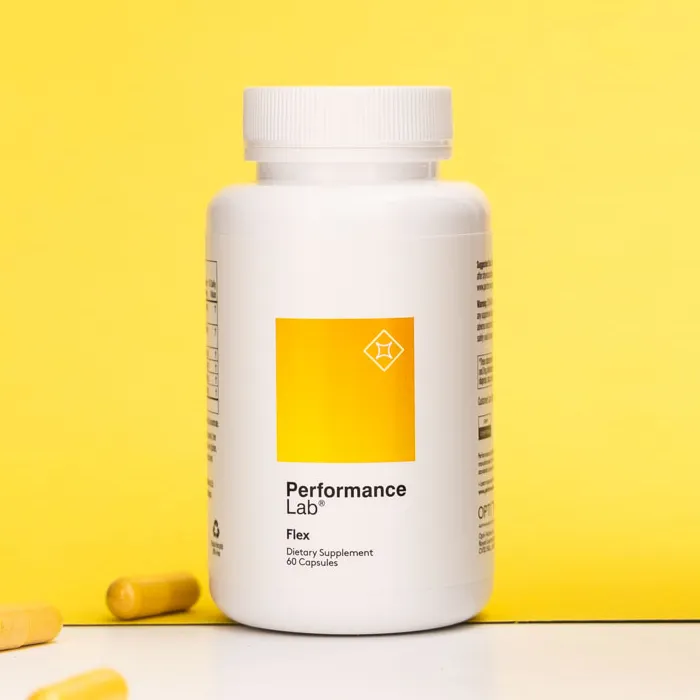
For an easy and healthy way to incorporate turmeric and support your wellness, we recommend Performance Lab Flex with CurcuWIN® curcumin. It’s the most comprehensive formula designed for active bodies containing 250 mg of CurcuWIN® curcumin—an ultramodern nutritional innovation that makes curcumin 46X more absorbable.
References
- Wongcharoen W, Phrommintikul A. The protective role of curcumin in cardiovascular diseases. Int J Cardiol. 2009 Apr 3;133(2):145-51. doi: 10.1016/j.ijcard.2009.01.073. Epub 2009 Feb 23. PMID: 19233493.
- Qin S, Huang L, Gong J, Shen S, Huang J, Ren H, Hu H. Efficacy and safety of turmeric and curcumin in lowering blood lipid levels in patients with cardiovascular risk factors: a meta-analysis of randomized controlled trials. Nutr J. 2017 Oct 11;16(1):68. doi: 10.1186/s12937-017-0293-y. PMID: 29020971; PMCID: PMC5637251.
- K Singletary. Turmeric: An Overview of Potential Health Benefits. Nutrition Today. 2010;45(5):216-225.
- Akinyemi AJ, Adedara IA, Thome GR, Morsch VM, Rovani MT, Mujica LKS, Duarte T, Duarte M, Oboh G, Schetinger MRC. Dietary supplementation of ginger and turmeric improves reproductive function in hypertensive male rats. Toxicol Rep. 2015 Oct 13;2:1357-1366. doi: 10.1016/j.toxrep.2015.10.001. PMID: 28962478; PMCID: PMC5598100.
- JW Daily, M Yang, S Park. Efficacy of Turmeric Extracts and Curcumin for Alleviating the Symptoms of Joint Arthritis: A Systematic Review and Meta-Analysis of Randomized Clinical Trials.J Med Food. 2016;19(8):717-729.
- JM Davis, EA Murphy, MD Carmichael, et al. Curcumin effects on inflammation and performance recovery following eccentric exercise-induced muscle damage. Am J Physiol Regul Integr Comp Physiol. 2007;292(6):R2168-R2173.
- N Kawanishi, K Kato, M Takahashi, et al. Curcumin attenuates oxidative stress following downhill running-induced muscle damage. Biochem Biophys Res Commun. 2013;441(3):573-578.
- A Soleimanzadeh, A Saberivand. Effect of curcumin on rat sperm morphology after the freeze-thawing process.Vet Res Forum. 2013;4(3):185-189.
- YC Shi, XJ Shang, XL Wang, YF Huang. Correlation of total antioxidant capacity in seminal plasma with sperm motility of infertile men. Zhonghua Nan Ke Xue. 2006;12(8):703-705.
- F Alizadeh, M Javadi, AA Karami, F Gholaminejad, M Kavianpour, HK Curcumin nanomicelle improves semen parameters, oxidative stress, inflammatory biomarkers, and reproductive hormones in infertile men: A randomized clinical trial. Phytother Res. 2018;32(3):514-521.
- NM D’Cunha, N Seddon N, Mellor DD, et al. Curcumin for Cognition: Is It Just Hype, Based on Current Data?. Adv Nutr . 2019;10(1):179-181. doi:10.1093/advances/nmy066
- GW Small, P Siddarth, Z Li, et al. Memory and Brain Amyloid and Tau Effects of a Bioavailable Form of Curcumin in Non-Demented Adults: A Double-Blind, Placebo-Controlled 18-Month Trial. Am J Geriatr Psychiatry. 2018;26(3):266-277.
- JM Carney, PE Starke-Reed, CN Oliver, et al. Reversal of age-related increase in brain protein oxidation, decrease in enzyme activity, and loss in temporal and spatial memory by chronic administration of the spin-trapping compound N-tert-butyl-alpha-phenylnitrone. Proc Natl Acad Sci USA. 1991;88(9):3633-3636.
- Lopresti AL, Drummond PD. Efficacy of curcumin, and a saffron/curcumin combination for the treatment of major depression: A randomised, double-blind, placebo-controlled study. J Affect Disord. 2017 Jan 1;207:188-196. doi: 10.1016/j.jad.2016.09.047. Epub 2016 Oct 1. PMID: 27723543.
- Um MY, Yoon M, Lee J, Jung J, Cho S. A Novel Potent Sleep-Promoting Effect of Turmeric: Turmeric Increases Non-Rapid Eye Movement Sleep in Mice Via Histamine H1Receptor Blockade. Mol Nutr Food Res. 2021 Jul;65(14):e2100100. doi: 10.1002/mnfr.202100100. Epub 2021 Jun 3. PMID: 34003596.
- Bahari H, Sharifi M, Nejad Shahrokh Abadi Z, Shahraki Jazinaki M, Golafrouz H, Asadi Z. Antihypertensive Effects of Curcumin/Turmeric Supplementation in Prediabetes and Diabetes: A Systematic Review and Meta-Analysis of Randomised Controlled Trials. Endocrinol Diabetes Metab. 2026 Jan;9(1):e70145. doi: 10.1002/edm2.70145. PMID: 41388744; PMCID: PMC12701325.
- Yarizadeh R, Malekahmadi M, Karandish M, Sadeghi S, Ghanei N, Mohammadifard N, et al. Therapeutic potential of curcumin in cardiovascular disease: targeting atherosclerosis pathophysiology. Biomed Pharmacother. 2025;188:116806. doi: 10.1016/j.biopha.2025.116806.
- Kuptniratsaikul V, Dajpratham P, Taechaarpornkul W, Buntragulpoontawee M, Lukkanapichonchut P, Chootip C, Saengsuwan J, Tantayakom K, Laongpech S. Efficacy and safety of Curcuma domestica extracts compared with ibuprofen in patients with knee osteoarthritis: a multicenter study. Clin Interv Aging. 2014 Mar 20;9:451-8. doi: 10.2147/CIA.S58535. PMID: 24672232; PMCID: PMC3964021.