


You can’t always expect to rock up to the gym four or five days per week full of energy, motivation, and drive each time. At times, you’ll get to the gym feeling a little run down, tired, and unmotivated. If this sounds familiar, a pre-workout supplement may be just what you need!
Pre-workout supplements are intended to boost energy and support workout performance, helping you get the most out of your training sessions.
Key Takeaways
- Women’s pre-workouts should prioritize effective dosing, clean ingredients, and digestive comfort.
- Key benefits: steady energy, nitric-oxide support, focus, and recovery—without crash.
- Moderate caffeine plus nootropics can enhance performance while keeping jitters low.
- Look for transparent labels, third-party standards, and stim-sensible options.
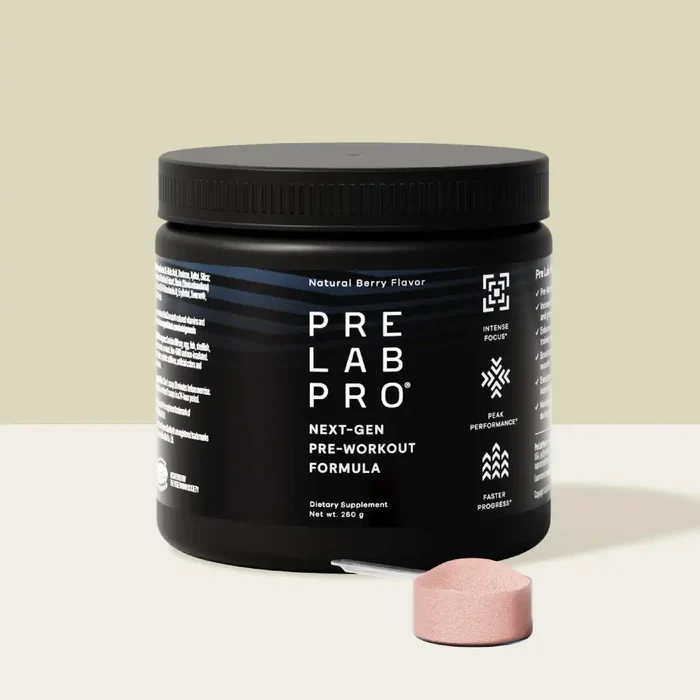
Pre-workout is one of the most popular types of sports supplements in the fitness industry, and is considered a dietary supplement.
Many studies have reported the numerous benefits of combining pre-workout supplements with resistance training, high-intensity training, and many other training modalities, particularly when it comes to boosting performance and increasing fat burn.
Pre-workout supplements may help you achieve your fitness goals by enhancing workout performance and boosting energy, making them a valuable addition to your overall fitness routines.
This article will look at pre-workouts, how to take them smartly and safely, as well as ingredients, dosage, and side effects. It will also address the big questions surrounding women's workout supplements, such as...
-
Are pre-workout supplements safe for women?
-
Do women have to follow the same guidelines for dosage?
-
Are the side effects any different?
-
What are the best pre-workout supplements for women?
-
While there are physiological differences between men and women, does that mean the effects of a pre-workout for women would be different to a pre-workout for men?
This article answers everything you need to know about pre-workout for women and the best pre-workout supplements to consider!
QUICK SUMMARY: Pre-Workout 101
A pre-workout supplement is designed to help push you through a training session. It usually supplies your system with a selection of ingredients, commonly labeled as “ergogenic aids”. When evaluating pre-workout supplements, it's important to check the amount of each ingredient per serving to ensure you are getting effective dosages.
In the context of sport and training, an ergogenic aid is a substance or a technique that is said to enhance performance. This includes substances such as caffeine and creatine, techniques such as carbohydrate loading, or more unsafe strategies, such as the use of anabolic steroids.
Caffeine is usually the key ingredient in pre-workout supplements amid claims that it may offer multiple benefits such as increasing energy, alertness, and overall athletic performance.
You may also find a mix of ingredients in pre-workout supplements, including creatine, beta-alanine, B-vitamins, and nitric oxide boosters like L-arginine and L-citrulline. (1)
L-arginine and L-citrulline are often included for their potential to enhance blood flow, potentially helping muscle pumps, and overall workout performance. These ingredients are claimed to support both muscle performance and physical performance, contributing to improved endurance, recovery, and workout effectiveness.
Pre-workout supplements are commonly found in powdered form which is mixed with water and consumed around 30-60 minutes before a workout, depending on the guidelines of the supplement.
SUMMARY: What to Look For in a Pre Workout
When considering ingredient quality, look for products that are free from artificial sweeteners, artificial flavors, and unnecessary additives to ensure a cleaner, more natural supplement. Opt for products that don't hide their ingredients and dosages behind proprietary blends - Pre Lab Pro is upfront about all its ingredients.
For safety and quality, it's also important to choose products that undergo third-party testing, as the FDA does not directly regulate dietary supplements. Third-party testing helps regulate supplements by verifying purity, label accuracy, and the absence of harmful contaminants, providing greater consumer trust and safety.
So, pre-workouts may sound pretty beneficial for helping you through a tough workout, but are they really a necessary part of your supplement stack?
Do You Need a Pre-Workout Supplement?
While a pre-workout supplement sounds like something you may want to add to your supplement stack, is it really needed for your development and progression as an athlete or gym-goer?
As with all supplements, they are called supplements for a reason. Supplements sit on top of the basics of training, sleep, and food rather than replacing them. They may give you a boost, provided the fundamentals are dialed in. They can also help close nutritional gaps and enhance recovery when those fundamentals are already in place.
Pre-workouts may not strictly be necessary for you to achieve your goals, but many people swear by them. Pre-workouts can help you achieve that extra edge over your competition, help give you the boost you need to achieve a new PR, or help you push out a couple of extra reps.
Some people have a go-to pre-workout or high stim pre-workout that they rely on for consistent results. For those who want to avoid stimulants, there are non-stim pre-workout options available, including caffeine-free pre-workout supplements, which are suitable for individuals sensitive to caffeine or looking to avoid stimulant effects.
Keep in mind...
If you do take a pre-workout, keep in mind that women may benefit from adjusted serving sizes due to lower body weight.
Let’s look at what the science says about the benefits of a pre-workout supplement.
Pre-Workout Benefits: What the Science Says
 There are multiple benefits of a pre-workout supplement. Depending on the type of training you do, a pre-workout supplement may be taken to support endurance and stamina, or may be more focused on muscle growth, ideal for strength training. For instance...
-
Stamina: Many pre-workouts provide a noticeable caffeine boost to enhance energy levels, with some formulas designed to give you an extra kick for more intense workouts. Cognitive benefits are also common, with ingredients that may help improve mental focus during exercise. (2, 3)
-
Muscle growth: For muscle benefits, pre-workouts often promote increased blood flow and a strong muscle pump, contributing to muscle fullness and performance.
When it comes to flavor, tasty pre workout options are important for user satisfaction, and you'll find pre workouts with flavors such as tropical punch, peach mango, blueberry lemonade, fruit punch flavor, green apple, blue raspberry and strawberry lemonade.
For those with dietary restrictions, many pre-workout supplements are available in gluten free options. Look for supplements that are verified to be free from banned substances, especially if you are an athlete or health-conscious consumer.
Pre-Workout for Muscle Growth
 One of the main ingredients in a pre-workout supplement could be the amino acids, which may help promote muscle gains, muscle strength, and lean body mass. You will either see a selection of essential amino acids, or the branched-chain amino acids (BCAAs). These amino acids work directly with muscle protein synthesis, the process of building and repairing muscle.
In addition to amino acids, pre-workouts may also contain other amino acids and dietary nitrates that potentially help increase blood flow to the muscles, thus boosting oxygen levels and helping to carry essential nutrients to the muscles as they undergo the stress of a workout.
This may result in the muscles working longer for harder doing more intense workouts, therefore providing the stimulus and progressive overload required for building muscle. (4)
Pre Lab Pro includes both caffeine and nitric oxide boosters.
Pre-Workout for Enhancing Strength
A pre-workout supplement designed to enhance strength may sometimes include creatine or protein in its formulation, though this is not necessarily the case.
Protein powder consistently supports strength, recovery, and body composition, and creatine and protein powders are among the most effective supplements for women's fitness.
Types of protein
Whey protein is a popular choice for its smooth texture. Plant-based protein powders suit those preferring dairy-free options.
Creatine Monohydrate
Women naturally have significantly lower baseline endogenous creatine stores than men. Creatine supports cognitive and bone health, especially during midlife, and creatine monohydrate has the most research in women.
Don't forget, calcium and vitamin D are also important for women's bone health.
On a cellular level, creatine can increase the biochemical mechanisms in your body that enhance energy - in other words, increasing ATP production (adenosine triphosphate, your body's energy currency). It also increases intracellular hydration in muscle cells. This can help enhance strength, muscle mass, and endurance.
Protein Powder
On the protein side of things, protein supports hormone production and blood sugar balance in women. Most active women need more protein than they think, and women over 40 benefit from protein supplementation to combat muscle loss. A standard protein powder is just as effective as a female-specific version for most women.
Products marketed for women often have lower calorie or protein servings than general products, so it's sometimes more affordable to choose a supplement that doesn't explicitly market to women. If the formula is similar, it'll have a roughly similar effect on your body. What matters most is the content of the supplement container, not how the product is framed in its branding.
Another way in which a pre-workout supplement can fortify your metabolism for increased strength during your workout includes the presence of nitrates. Nitrates, such as from beetroot extract or the amino acid arginine, allow your body to carry more nutrients to your working muscles.
This can often result in increased strength as you exert yourself during training, with nitrates feeding your muscles the necessary nutrients needed to perform optimally. (5)
Pre-Workout for Boosting Endurance
The main way to boost endurance is to remove the mechanisms that eventually cause fatigue, and pre-workout supplements can achieve this in two ways:
The first is caffeine, a common pre-workout ingredient, which gives you energy by suppressing the production of adenosine in the brain, the chemical that causes us to feel sleepy, and it can also support endurance, high-intensity performance, and overall training performance.
Muscle Recovery
The second way is to block muscle fatigue and soreness caused by a build-up of acid in the muscles. To combat this, you may find beta-alanine listed in the ingredients.
Beta-alanine helps improve endurance by reducing acid accumulation that causes the “burn” feeling in your muscles, allowing you to push harder for longer throughout your workouts and increase overall exercise performance. (6) Note that the common tingling sensation it may cause is harmless.
Are There Specific Benefits of a Pre-Workout for Women?

To put it simply, there are no specific benefits to women taking pre-workout supplements, because evidence-based performance supplements generally work similarly for women and men. While many nutrition and fitness strategies and supplements are tailored to male physiology, they often provide the same benefits to females.
Yes, males and females have different chemical needs, but the main nutritional concerns for women are usually iron status and hormonal fluctuations. Of course, additional factors such as pregnancy and menstruation should be considered, but on a general level, it doesn't make any difference!
Pre-workouts are suitable for all healthy adults and may provide performance-enhancing benefits across the board, regardless of sex.
Depending on training goals and overall dietary intake, active women may benefit from consuming around 1.4–2.2 grams of protein per kilogram of body weight daily to support muscle maintenance, recovery and training adaptations. (13)
Is Pre-Workout Safe for Women?
Pre-workouts are generally safe for healthy adults, including women.
If you have specific health issues that would not agree with the use of caffeine or any other ingredients found in pre-workout supplements, it would be a good idea to consult your doctor or a registered nutritionist before taking it, especially for pre-workout newbies and if you are pregnant or breastfeeding.
Daily use can also be safe if label dosages are followed. Be sure to choose a pre workout that doesn't contain super high amounts of caffeine.
Ingredients to Look for in Your Pre-Workout Supplement
Beta-Alanine
Beta-alanine is a non-essential amino acid that increases carnosine in the muscles, thus acting as a pH buffer to help reduce acid accumulation. Lactic acid is the “burn” you feel in your muscles during intense exercise. (7,8) As I said earlier, Beta-alanine helps improve endurance and may cause a harmless tingling sensation on the skin in sensitive users, which can lead to questions about personal comfort.
Caffeine

Caffeine is a stimulant that can increase mental alertness and energy. Caffeine often forms the foundation of any pre-workout supplement, being the most researched ergogenic aid in the industry. Typical pre-workout caffeine content ranges from 80 to 350 milligrams per serving size. Many women may be more sensitive to caffeine side effects than men, so starting lower can be the right choice when testing tolerance. You may see it in many forms, including caffeine anhydrous, green tea extract, or Coffea robusta beans. (9)
Nitric Oxide
This may be seen in the form of concentrated beetroot extract, which is a natural source of nitrate. Dietary nitrate raises nitric oxide production in the body, which in turn relaxes and dilates blood vessels, increasing blood flow throughout the body.
This can have a profound impact on an athlete's performance, helping to push their hard-working muscles to their limits, no matter the training modality. (10)
Arginine & Citrulline
On the topic of increased blood flow, arginine and citrulline are two key pre workout ingredients to assess alongside dosing, since ingredient choice and amount can affect both performance and side-effect risk. Arginine specifically has been shown to promote blood flow, while citrulline is an arginine precursor, so essentially has the same effect. (11)
Citrulline malate dosage of 8 grams have been investigated for blood flow and endurance.
L-Theanine

L-theanine is an amino acid that can help reduce the jittery effects of caffeine, as well as promote a calm and clear-headed mindset. When taken as part of a pre-workout, it can strengthen the mental aspects of exercise, supporting relaxed alertness, positive mood, and cognitive clarity. (12)
L-Tyrosine
Similar to the effects of L-theanine, L-tyrosine may help enhance focus under stress during training by maintaining neurotransmitters that are often depleted by caffeine and intense exercise.
This amino acid can essentially recycle all catecholamine neurotransmitters, such as epinephrine, norepinephrine, and dopamine, which may support mental performance as well as demanding workouts.
Creatine
Creatine monohydrate is often taken as a stand-alone supplement and is incredibly effective at improving high-intensity exercise performance, and may even assist post-exercise recovery. A normal creatine dose is about 3 to 5 grams per day.
Some people use a loading phase as a higher-dose option to saturate muscle stores faster, but it is optional rather than required. This supplement is arguably more researched than caffeine, and its efficacy has been proven countless times. (5)
Essential Vitamins & Minerals
Female-specific formulas often include added micronutrients, such as B vitamins and vitamin D.
B-vitamins are essential for energy production, and can have a significant impact on overall athletic performance. Vitamin D3 can also have a big impact on performance due to the critical role it plays in overall health and wellbeing, and women-specific support should pay particular attention to iron and vitamin D deficiencies.
Some key electrolyte minerals also play a big role in athletic performance, such as iron, potassium, and magnesium, with magnesium supporting muscle relaxation and sleep quality through more restorative sleep. Iron deficiency in women is often linked to monthly blood loss and can affect energy production, though iron supplementation should be used only when deficiency is confirmed by testing.
Pre-Workout and Nutrition: Timing, Meals, and Maximizing Results

When it comes to getting the most out of your pre workout supplement, timing and nutrition are just as important as the ingredients themselves. To maximize the energy boost and performance benefits of your pre workout powder, it’s essential to consider how it fits into your overall fitness routine and daily meals. Protein supplementation can also support recovery after both strength and endurance workouts. Whey protein is ideal for post workout recovery because it digests quickly.
Timing Your Pre Workout for Peak Performance
For best results, most experts recommend taking your pre workout powder about 30 to 60 minutes before you start exercising. This window allows your body to absorb the key ingredients like caffeine, amino acids, and nitric oxide boosters so you feel energized and ready to tackle your workout.
If you’re training early in the morning, you can take your pre workout on an empty stomach for a quicker effect, but if you’re sensitive to stimulants or prone to an upset stomach, having a light snack beforehand can help.
What to Eat Before Taking Pre Workout
Pairing your pre workout supplement with the right pre-workout meal can make a big difference in your exercise performance. Aim for a balanced snack that includes complex carbohydrates and a moderate amount of protein - think oatmeal with berries, a banana with nut butter, or Greek yogurt with a sprinkle of granola.
These foods provide steady energy and help prevent muscle fatigue, while also supporting muscle recovery and growth. Try to avoid heavy, high-fat meals right before your workout, as they can slow digestion and leave you feeling sluggish.
Integrating Pre Workout into Your Fitness Goals and Routine
To truly maximize results, make your pre workout supplement a consistent part of your fitness routine, where it can support current performance and longer-term body composition goals when paired with smart diet and training.
Different types of pre workout formulas are built for different goals, such as energy, pump, or stim-free training.
Whether you’re lifting heavier weights, pushing through cardio, or working on endurance, taking your pre workout at the same time before each session helps your body adapt and perform at its best. Some formulas also include taurine or tyrosine to support focus during demanding sessions.
Remember...
Supplements work best when combined with a balanced diet, proper hydration, and adequate rest. Listen to your body, and if you have any pre-existing health conditions, consult a healthcare professional before adding new supplements to your regimen.
By paying attention to timing, nutrition, and consistency, you’ll unlock the full potential of your pre workout powder and set yourself up for success in every workout.
The Best Pre-Workout Supplements for Women
Here are a couple of the best pre-workout supplements for women:
 Pre Lab Pro®
 is the next-gen pre-workout formula, an all-around ergogenic that may help to increase strength, speed, stamina, endurance, cardio, and recovery.
This nootropic-enhanced formula can provide the most optimal effects from caffeine, as well as the other ingredients - beetroot powder, L-tyrosine, L-theanine, arginine, and citrulline.
The low caffeine content allows you to dose appropriately to your personal needs.
Definitely a nice clean energy, makes a big difference in my workouts. I like the fact it doesn't have artificial flavors.David F

Performance Lab Caffeine 2™
Performance Lab Caffeine 2™ provides a hit of clean, healthy caffeine without the side effects, ensuring a fast bounce back and less burnout.
This supplement offers greater dosing precision than many pre-workout powders, resulting in superior performance-tuned stimulation.
This would be a great option alongside Pre Lab Pro®, much like a pre-workout booster, if you require a higher caffeine dose before training, but with the option to dose more accurately and with fewer side effects.
Performance Lab® Caffeine 2
Smooth energy. Clarity. Focus. No jitters. No burnout. No crash.
Shop Now
Conclusion
Pre-workouts may offer many benefits to overall exercise performance and recovery by offering ingredients that may help to:
-
Improve lean muscle mass
-
Reduce the onset of fatigue during high-intensity workouts
-
Increase energy production
-
Boost mental energy and cognitive function
-
Improve muscular endurance
-
Enhance muscle recovery
-
Assist weight loss
The benefits of a pre-workout supplement would be the same for both men and women. While women may need to consider some factors unique to their gender, such as menstruation and pregnancy, the effects are generally no different to that of men.
Yes, women can safely use many of the same pre-workouts as men. The key difference lies in dosage and ingredients. Women typically benefit from pre-workouts that are lower in caffeine and free from artificial stimulants, while including ingredients that support energy metabolism, endurance, and recovery, such as L-citrulline, beta-alanine, and B-vitamins.
Women should avoid pre-workouts that contain excessive caffeine (over 200 mg per serving), artificial sweeteners, proprietary blends without transparency, and synthetic colorants. These can trigger side effects like jitteriness, hormonal imbalance, or digestive discomfort. A clean, stimulant-free or moderate-caffeine formula with evidence-based nutrients is ideal.
Taking pre-workout on an empty stomach can help ingredients absorb faster, but it may also increase sensitivity to caffeine or other stimulants. For women who experience nausea or lightheadedness, it’s best to take pre-workout 30–60 minutes after a small snack containing carbohydrates and protein.
Frequently Asked Questions
When is the best time to take a pre-workout?
The best time to take a pre-workout is approximately 30–60 minutes before exercise. This allows the caffeine and other active ingredients to take effect right as you start your workout.
How frequently should I take pre-workout?
You can take pre-workout as frequently as needed for your training schedule, but always stay within the recommended daily dosage. Periodic tolerance breaks from caffeine are also recommended to maintain effectiveness.
Are there any side effects of pre-workout?
Side effects are usually related to caffeine and beta-alanine. Caffeine can cause jitters or a crash, while beta-alanine may cause tingling on the skin (paresthesia). Adjust dosage according to your tolerance.
Do all pre-workouts contain natural ingredients?
Not all pre-workouts are made with natural ingredients. Always check the label to verify ingredient sources, quality, and overall composition.
References
- Antonio, J., Pereira, F., Curtis, J., Rojas, J., & Evans, C. (2024). “The Top 5 Can't-Miss Sport Supplements.” Nutrients, 16(19), 3247. https://doi.org/10.3390/nu16193247
- Kedia, A. W., Hofheins, J. E., Habowski, S. M., Ferrando, A. A., Gothard, M. D., & Lopez, H. L. (2014). “Effects of a pre-workout supplement on lean mass, muscular performance, subjective workout experience and biomarkers of safety.” International Journal of Medical Sciences, 11(2), 116–126.
- Martinez, N., Campbell, B., Franek, M., Buchanan, L., & Colquhoun, R. (2016). “The effect of acute pre-workout supplementation on power and strength performance.” Journal of the International Society of Sports Nutrition, 13, 29. https://doi.org/10.1186/s12970-016-0138-7
- Gonzalez, A. M., Townsend, J. R., Pinzone, A. G., & Hoffman, J. R. (2023). “Supplementation with Nitric Oxide Precursors for Strength Performance: A Review of the Current Literature.” Nutrients, 15(3), 660. https://doi.org/10.3390/nu15030660
- Forbes, S. C., Candow, D. G., Neto, J. H. F., Kennedy, M. D., Forbes, J. L., Machado, M., & Antonio, J. (2023). “Creatine supplementation and endurance performance: Surges and sprints to win the race.” Journal of the International Society of Sports Nutrition, 20(1). https://doi.org/10.1080/15502783.2023.2204071
- Sale, C., Hill, C. A., Ponte, J., & Harris, R. C. (2012). “β-alanine supplementation improves isometric endurance of the knee extensor muscles.” Journal of the International Society of Sports Nutrition, 9(1), 26. https://doi.org/10.1186/1550-2783-9-26
- Trexler, E. T., Smith-Ryan, A. E., Stout, J. R., Hoffman, J. R., Wilborn, C. D., Sale, C., Kreider, R. B., Jäger, R., Earnest, C. P., Bannock, L., Campbell, B., Kalman, D., Ziegenfuss, T. N., & Antonio, J. (2015). “International Society of Sports Nutrition position stand: Beta-alanine.” Journal of the International Society of Sports Nutrition, 12, 30. https://doi.org/10.1186/s12970-015-0090-y
- Culbertson, J. Y., Kreider, R. B., Greenwood, M., & Cooke, M. (2010). “Effects of beta-alanine on muscle carnosine and exercise performance: A review of the current literature.” Nutrients, 2(1), 75–98. https://doi.org/10.3390/nu2010075
- Guest, N. S., VanDusseldorp, T. A., Nelson, M. T., Grgic, J., Schoenfeld, B. J., Jenkins, N. D. M., Arent, S. M., Antonio, J., Stout, J. R., Trexler, E. T., Smith-Ryan, A. E., Goldstein, E. R., Kalman, D. S., & Campbell, B. I. (2021). “International Society of Sports Nutrition position stand: Caffeine and exercise performance.” Journal of the International Society of Sports Nutrition, 18(1), 1. https://doi.org/10.1186/s12970-020-00383-4
- Suzuki, I., Sakuraba, K., Horiike, T., Kishi, T., Yabe, J., Suzuki, T., Morita, M., Nishimura, A., & Suzuki, Y. (2019). “A combination of oral L-citrulline and L-arginine improved 10-min full-power cycling test performance in male collegiate soccer players: A randomized crossover trial.” European Journal of Applied Physiology, 119(5), 1075–1084.
- Razazan, R., Hemmatinafar, M., Imanian, B., Jahaniboushehri, N., Rezaei, R., & Nazemzadegan, G. (2025). “Performance-enhancing effects of caffeine and L-theanine among Iranian elite wrestlers: A focus on cognitive and specific physical performance.” Journal of the International Society of Sports Nutrition, 22(1), 2564238.
- “L-Tyrosine.” Examine.com. https://examine.com/supplements/l-tyrosine
- Jäger R, Kerksick CM, Campbell BI, Cribb PJ, Wells SD, Skwiat TM, Purpura M, Ziegenfuss TN, Ferrando AA, Arent SM, Smith-Ryan AE, Stout JR, Arciero PJ, Ormsbee MJ, Taylor LW, Wilborn CD, Kalman DS, Kreider RB, Willoughby DS, Hoffman JR, Krzykowski JL, Antonio J. International Society of Sports Nutrition Position Stand: protein and exercise. J Int Soc Sports Nutr. 2017 Jun 20;14:20.