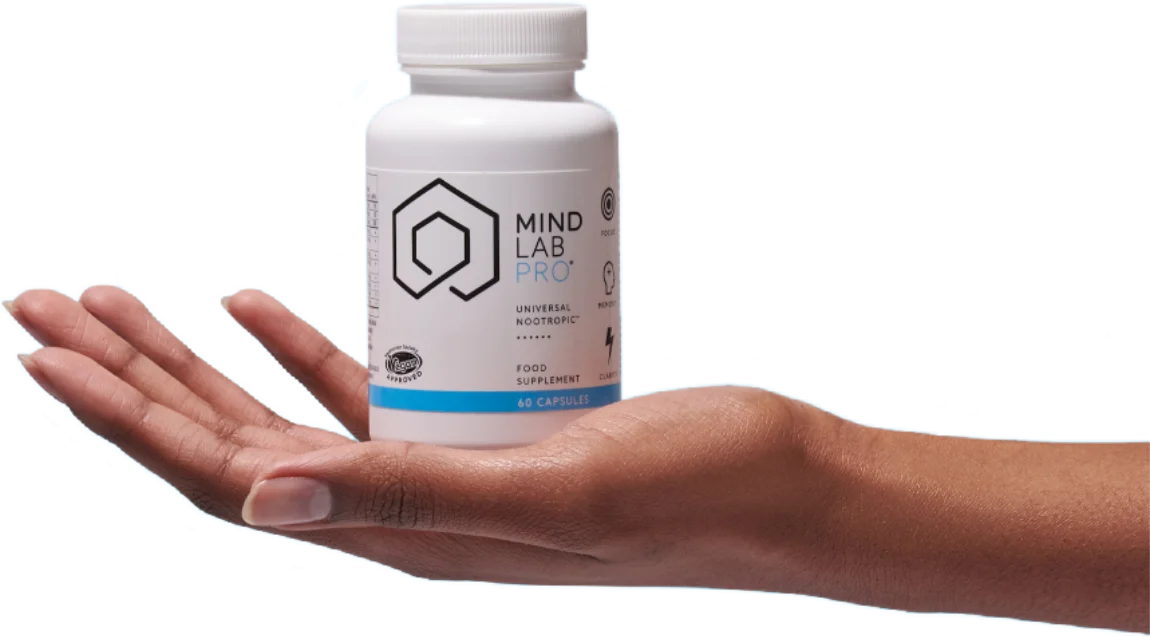


As a precursor for dopamine, adrenaline, and noradrenaline, L-tyrosine is a must in any good pre-workout formula. Anecdotally, tyrosine is often taken in amounts of 500-2,000 mg per dose on an empty stomach for focus, performance, and stress relief. But studies tend to use much higher doses - between 100-150 mg per kilogram of body weight.
If you’re in the market for a good pre-workout, chances are you’ve tried a bunch—maybe you’ve found one that works, and perhaps you haven’t.
But in any case, there’s one ingredient you might see (after caffeine): tyrosine. It’s one of the most common ingredients in a pre-workout formula, and frankly, it wouldn’t be a pre-workout without it.
If you’re unsure why we love tyrosine, there’s a simple answer—focus. It can increase your focus and help you maximize your time in the gym.
But what is the amino acid tyrosine, and what’s a good dose to achieve the results you’re looking for? Keep reading, and we’ll cover everything you need to know about L-tyrosine and pre-workout.
Key Takeaways
- For many people, l-tyrosine supplementation helps support mental alertness and cognitive performance during a stressful activity by providing building blocks needed to make dopamine and adrenaline, which your body uses rapidly during various forms of stress (intense exercise included). (2, 11, 12)
- Clinical trials show optimal dosing at 100-150 mg/kg body weight, with a single dose potentially supporting physical performance and endurance exercise performance for up to 8 hours. (4) However, L-tyrosine may not work in all situations and for everyone, with some studies finding no significant benefits. (17)
- Modern sports nutrition sometimes utilizes lighter, optimized dosages (500mg - 2g) to support dopamine production without the potential digestive distress associated with high intakes. It's always best to start low and go from there.
- As a dietary supplement, tyrosine is generally recognized to have minimal adverse effects, though check with your doctor first if you take medications or have an overactive thyroid. (13)
- Scientific studies suggest tyrosine may also support brain function and mental capacity under cold stress, as well as promote extended wakefulness and cognition in the context of sleep deprivation. (8, 14, 15, 16) Free-form supplements provide doses above what your body produces naturally.
What is L-tyrosine?
Pre-workouts are notorious for containing all kinds of ingredients—some effective, some not—but if there’s one that deserves a place on a label, L-tyrosine it is. But what exactly is tyrosine, and why should you take it?
L-tyrosine is a non-essential amino acid and probably one of the most misunderstood compounds in the fitness world.
You’ll commonly see it stacked in a fat-burning formula thanks to its role in supporting thyroid hormone production, but tyrosine has minimal impact on fat burning, and lacks more research to support its role in this context.
So, what does it do if it’s not involved in fat burning?
Why L-Tyrosine Matters for Focus, Stress, and Performance
Focus. Tyrosine helps you focus and takes the edge off during stressful situations.
Tyrosine is a precursor amino acid to some of the most powerful chemical messengers in the body involved in attention, focus, mood, and motivation.
But it’s also a precursor for essential compounds called catecholamines that stress and intense physical exertion affect.
As such, altering levels of tyrosine in the brain can influence the production of dopamine and catecholamines (epinephrine and norepinephrine). (1)
But why does intense exercise deplete catecholamines, and how does taking the amino acid tyrosine prevent that?
How Stress Depletes Catecholamines - and Where Tyrosine Comes In
Any form of stress— physical, mental, or emotional—activates your sympathetic nervous system (SNS) and puts your body into fight-or-flight mode.
- When the SNS is activated, your body pumps out the stress hormones cortisol, epinephrine, and norepinephrine to prepare your body to fight or flee.
- This causes an increase in blood pressure and heart rate and increases glucose circulation in the blood to sustain energy levels. When the stress persists, for example, during a 90-minute workout, levels of the catecholamines start to decline.
And because L-tyrosine serves as a precursor to their production, low tyrosine levels mean the body can’t replenish what it needs to maintain performance.
So, tyrosine supplementation in a pre-workout supplies the building blocks to naturally boost hormone levels and mitigate the risk of potential imbalances. (2)
That said, you won’t get the same effect under normal conditions. It appears only to enhance the production and release of catecholamines during acute stress.
Now that you know a bit about why we use tyrosine, let’s look at how it works.
How does L-tyrosine work?Understanding its effects on mental performance

We’re all familiar with the premise behind Lego blocks, the iconic childhood toy that, when put together, can produce almost anything in a child’s wildest dreams.
When you dump a bucket of Lego, you work diligently to build a masterpiece out of hundreds of tiny pieces.
Amino acids are, in many ways, no different than Lego blocks. With the 20 amino acids in the body, you can combine them in hundreds of combinations to build proteins. But without the right building blocks, making anything of substance is virtually impossible.
The Brain Chemicals You Can’t Make Without L-Tyrosine
The building blocks--the neurotransmitter precursor amino acids--we’re talking about can make catecholamines—brain chemicals essential for facilitating functions in the central nervous system that regulate mood, cognition, and memory.
Tyrosine, in particular, supports the production of dopamine, norepinephrine (noradrenaline), and epinephrine (adrenaline), which are all catecholamines.
So, a steady supply of tyrosine is essential to maintain adequate production of the catecholamines and, therefore, to maintain motivation, focus, attention, and a good mood.
Let’s dig into that.
Tyrosine, Dopamine,and Mental Alertness
Ever heard of dopamine before? When you eat something you like or crave (a common example is carbohydrate ingestion, particularly sweet foods), your body releases dopamine. Or, when you do an activity you enjoy, you’ll get a dopamine hit.
Dopamine is the pleasure or “feel good” hormone that keeps you coming back for more; we crave that dopamine hit, so we seek out pleasurable things.
We take tyrosine to produce dopamine. Upon ingestion, tyrosine crosses the blood-brain barrier and is taken up by specific nerve cells.
An enzyme called tyrosine hydroxylase then comes along and converts tyrosine into a molecule called L-DOPA, which is then converted into the neurotransmitters collectively referred to as the catecholamines—epinephrine (noradrenaline), dopamine, and adrenaline. (3)
Research shows that blood levels of tyrosine peak about 1-2 hours after consumption and can stay elevated for up to 8 hours. (4) As such, the effects of tyrosine on mental performance are pretty long-lasting.
Beyond Dopamine: Effects of Tyrosine on Stress, Thyroid Hormones, and More
But dopamine isn’t the only product of taking tyrosine. It’s also used to produce:
- Epinephrine (adrenaline): Adrenaline plays a crucial role in your body’s stress response; it is one of the fight-or-flight hormones that trigger vasodilation, an increase in blood pressure, heart rate, and respiration rate, and increases glucose supply in the blood to maintain energy levels.
- Norepinephrine (noradrenaline): Along with adrenaline, norepinephrine facilitates the same actions to support the body’s fight-or-flight response during periods of acute stress to increase blood pressure, glucose levels, and respiration and heart rate.
- Thyroid hormones: Produced primarily by the thyroid gland, thyroid hormones are an integral part of regulating growth and development, energy metabolism, and regulating your heart, muscle, and digestive function, brain development, and bone health. (5) Tyrosine is needed to produce T3 and T4—the major thyroid hormones.
- Melanin: This is the pigment that gives your skin, hair, and eyes color. The formation of melanin, known as melanogenesis, is a multi-step process that starts with converting amino acid L-tyrosine to DOPAquinone. (6)
Given the various biological functions of tyrosine, it’s no wonder it’s prized. But apart from roles in cognitive function and potentially helping those with cognitive decline, some research suggests tyrosine administration could also play a role in exercise.
For example, boosting dopamine, adrenaline, and norepinephrine levels could give you an edge in training and improve mental performance.
But what does the research say? Let’s dive into the benefits of L-tyrosine for exercise performance.
L-tyrosine and athletic performance

While tyrosine isn’t likely to elevate your physical performance by enhancing fat burn like cayenne pepper might or preventing fatigue like beta-alanine, it has a unique way in which it supports training—that’s through cognitive function.
During stressful situations, the body upregulates the release of specific compounds that keep the body running on high; these are the compounds we discussed: adrenaline and noradrenaline.
As a result, your body burns through the brain chemicals needed to sustain optimal performance. With continual stress, levels of the catecholamines start to decline—and we can add caffeine-induced stress into the picture, too.
The result? Diminished athletic performance, poor focus, mood issues, crashes, and fatigue. The perfect combination to tank your workout and results.
But when you supplement with tyrosine in your pre-workout formula, you supply your body with the building blocks needed to rebuild and replenish levels of these chemicals.
Here’s some of the research to back it up.
Evidence-Based Benefits of L-Tyrosine
- A 2010 study looked at the effects of acute and prolonged (4-weeks) ingestion of a supplement containing tyrosine designed to improve reaction time and subjective measures of alertness, energy, fatigue, and focus compared to placebo. (7) Results showed that acute ingestion improves reaction time and subjective feelings of focus and alertness following exhaustive exercise.
- A 2011 study published in the European Journal of Applied Physiology examined whether supplementing the amino acid precursor to dopamine could improve exercise capacity in the heat. (8) Results showed that acute tyrosine supplementation could increase endurance capacity in the heat in moderately trained subjects and can also influence the ability to subjectively tolerate prolonged submaximal constant-load exercise in the heat.
- A study published in Pharmacology Biochemistry and Behavior has eight males perform a memory-based computer task and found that performance at 4 degrees Celsius (39 Fahrenheit) was more reliable with tyrosine supplementation. (9)
- Another study published in the Brain Research Bulletin found tyrosine supplements can help to stabilize mood and maintain performance during cold exposure and low oxygen levels. (10)
While the training situations you’re in aren’t likely to replicate these studies, they show how tyrosine might be helpful for your workouts.
They increase stress, boost body temperature, and jack up catecholamine release, and supplementing with tyrosine could help slow the depletion of these important hormones.
But how much is enough to get the beneficial effects?
How much L-tyrosine to take? Clinical Studies vs. Real-World Use
The beneficial dosage depends on what you want from your supplement. Most studies use a dose of around 100-150 mg per kg of body weight, which translates to about 7 grams for the average-sized adult. But for higher stress levels, increasing the dose to 300 mg/kg might offer more benefit.
Here’s a general breakdown of dosage for specific purposes:
- For alertness: 150 mg per kg of body weight (mg/kg) split into two doses.
- For memory: 150 mg/kg to 300 mg/kg taken before a memory task.
- For mental performance: 100 mg/kg to 300 mg/kg taken before a stressful mental task.
ANECDOTAL USES
It's important to note that anecdotally, tyrosine is often taken in much smaller doses (500-2,000 mg per day), with many users reporting noticeable results. These lower dosages might be worth considering if you have a sensitive stomach and want to minimize the chance of any side effects.
Where to find L-tyrosine

Whether you’re looking for dietary tyrosine or supplementation, there are plenty of places to get your hands on it—but combining them might be the way to go to support optimal nutritional status!
When it comes to dietary tyrosine sources, here are some of your best options:
- Organic dairy (raw milk, kefir, yogurt)
- Grass-fed meats (beef, pork, elk, bison, venison)
- Pasture-raised poultry
- Wild-caught fish and seafood
- Pastured eggs
- Nuts and seeds
- Beans and legumes
- Whole grains (quinoa, oats)
- Protein powders
All animal-based proteins will be high in specific amino acids, many of which will contain tyrosine. For people that won't eat meat, there are several plant-sources of the amino acid to boost your intake.
In terms of a pre-workout, there’s only one thing we’ll recommend: Pre Lab Pro® .

It’s the cleanest and most-effective pre-workout supplement designed to supercharge your athletic performance using a patented blend of research-backed ingredients.
How does Pre Lab Pro® work?
-
Bigger nitric oxide boost: Pre Lab Pro®'s 2X nitric oxide stack boosts and sustains blood flow to muscles, delivering a clean rush that enhances strength, stamina, focus, and endurance.
-
Smarter stimulation: 80 mg of natural caffeine, L-theanine, L-tyrosine, and nootropics stacked to support more energy, focus, and intensity with fewer jitters, crashes, and side effects. By pairing Tyrosine with caffeine and B-Vitamins (essential co-factors for dopamine synthesis), Pre Lab Pro maximizes cognitive upside while avoiding the nausea sometimes caused by the mega-doses found in studies.
-
Stronger homeostasis: Pre Lab Pro® tops you off with crucial nutrients before training to help you perform at your peak, maintain hydration and electrolytes, resist stress, accelerate recovery, and feel great after your session.
Side effects of tyrosine supplements
Tyrosine supplements are recognized as safe by the FDA, but they can result in side effects for some people, including headaches, nausea, fatigue, and heartburn. (13)
However, tyrosine supplementation may not be safe for people taking specific medications:
- Monoamine oxidase inhibitors (MAOIs): antidepressant medications such as rasagiline (Azilect), selegiline (Eldepryl, Zelapar), isocarboxazid (Marplan), phenelzine (Nardil), and tranylcypromine (Parnate).
- Levodopa (L-DOPA): Parkinson’s disease medication
- Thyroid hormone pills: Synthroid or Levothroid
Always consult your doctor before starting a new supplement if you are taking medications.
Final Thoughts
It’s easy to be sucked into the world of nutrition and fitness supplements, but when you can understand what’s in them and what they do, it’s easy to see through the fog and find exactly what you need.
L-tyrosine is a solid option if you’re looking for a food supplement to enhance focus, motivation, and overall performance.
And the best part is that it supports other aspects of well-being, including mental health in cognitively challenging situations, meaning you’re getting a serious bang for your buck.
References
- Fernstrom JD, Fernstrom MH. Tyrosine, phenylalanine, and catecholamine synthesis and function in the brain. J Nutr. 2007;137(6 Suppl 1):1539S-1548S.
- SN Young. L-tyrosine to alleviate the effects of stress? J Psychiatry Neurosci. 2007;32(3):224.
- Daubner SC, Le T, Wang S. Tyrosine hydroxylase and regulation of dopamine synthesis. Arch Biochem Biophys. 2011;508(1):1-12.
- Glaeser BS, Melamed E, Growdon JH, Wurtman RJ. Elevation of plasma tyrosine after a single oral dose of L-tyrosine. Life Sci. 1979;25(3):265-271.
- Shahid MA, Ashraf MA, Sharma S. Physiology, Thyroid Hormone. (Updated 2022 May 8). In: StatPearls (Internet). Treasure Island (FL): StatPearls Publishing; 2022 Jan-. Available from: https://www.ncbi.nlm.nih.gov/books/NBK500006/
- Rzepka Z, Buszman E, Beberok A, Wrześniok D. From tyrosine to melanin: Signaling pathways and factors regulating melanogenesis. Postepy Hig Med Dosw (Online). 2016;70(0):695-708.
- Hoffman JR, Ratamess NA, Gonzalez A, et al. The effects of acute and prolonged CRAM supplementation on reaction time and subjective measures of focus and alertness in healthy college students. J Int Soc Sports Nutr. 2010;7:39.
- Tumilty L, Davison G, Beckmann M, Thatcher R. Oral tyrosine supplementation improves exercise capacity in the heat. Eur J Appl Physiol. 2011;111(12):2941-2950.
- Shurtleff D, Thomas JR, Schrot J, Kowalski K, Harford R. Tyrosine reverses a cold-induced working memory deficit in humans. Pharmacol Biochem Behav. 1994;47(4):935-941.
- Banderet LE, Lieberman HR. Treatment with tyrosine, a neurotransmitter precursor, reduces environmental stress in humans. Brain Res Bull. 1989;22(4):759-762.
- Soranzo A, Aquili L. Fear expression is suppressed by tyrosine administration. Sci Rep. 2019;9(1):16073. Published 2019 Nov 5. doi:10.1038/s41598-019-52610-x
- Deijen JB, Wientjes CJ, Vullinghs HF, Cloin PA, Langefeld JJ. Tyrosine improves cognitive performance and reduces blood pressure in cadets after one week of a combat training course. Brain Res Bull. 1999;48(2):203-209. doi:10.1016/s0361-9230(98)00163-4
- Tyrosine: Uses, side effects and more. WebMD. Accessed November 26, 2025. https://www.webmd.com/vitamins/ai/ingredientmono-1037/tyrosine#overview
- Magill RA, Waters WF, Bray GA, et al. Effects of tyrosine, phentermine, caffeine, D-amphetamine, and placebo on cognitive and motor performance deficits during sleep deprivation. Nutr Neurosci. 2003;6(4):237-246. doi:10.1080/1028415031000120552
- Lang JA, Krajek AC, Schwartz KS, Rand JE. Oral L-Tyrosine Supplementation Improves Core Temperature Maintenance in Older Adults. Med Sci Sports Exerc. 2020;52(4):928-934. doi:10.1249/MSS.0000000000002188
- O'Brien C, Mahoney C, Tharion WJ, Sils IV, Castellani JW. Dietary tyrosine benefits cognitive and psychomotor performance during body cooling. Physiol Behav. 2007;90(2-3):301-307. doi:10.1016/j.physbeh.2006.09.027
- Donnan KJ, Williams EL, Stanger N. Tyrosine supplementation is ineffective in facilitating soccer players' physical and cognitive performance during high-intensity intermittent exercise in hot conditions. PLoS One. 2025;20(1):e0317486. Published 2025 Jan 16. doi:10.1371/journal.pone.0317486