

For most athletes and exercisers, the best time to take creatine and protein is close to your workout—ideally immediately after training—since taking them together post-workout may do the most to support muscle growth, strength, and recovery.
Unlike acute fast-acting ergogenic aids, such as nitric oxide (N.O.) boosters and beta-alanine and caffeine, etc., etc., creatine and protein deliver their benefits gradually, meaning that you have to continually supplement them until their benefits accumulate over time.
Many athletes and exercisers believe that what primarily matters when supplementing creatine or protein is that you simply “get enough” daily, so it doesn’t really matter when you supplement either—only that you are getting enough of each on a daily basis.
Others, by default, believe the best time to supplement creatine is before exercise to enjoy any potential acute energy-boosting effects of the compound. The same people might argue that supplementing protein immediately after exercise mitigates post-workout muscle soreness and kickstarts anabolic muscle recovery and growth.
Which all makes intuitive sense …but is this really the best way to supplement creatine and protein for better muscle mass, workout performance, and recovery? What does the clinical research have to say about all this?
In this guide on the “correct whey” (haha) to timing your creatine and protein supplementation, we cover what creatine and protein are, how they support muscle performance, whether stacking them is safe and effective, when to take them, how much to use, and which creatine and protein supplements work best together.
But before diving into all of that, let’s first address the basics: what are creatine and protein and what can they do for you?
Key Takeaways
- Consistent daily creatine intake and sufficient total protein are central to their benefits for strength, muscle growth and recovery.
- A common maintenance dose is 3–5 g creatine daily; resistance-trained adults often need more protein than the basic RDA.
- Taking creatine with a protein-rich meal or shake is practical, but research on exact pre- versus post-workout timing remains mixed.
- Pre-workout products can complement training, but they do not replace creatine or a sufficient protein intake.
What Are Creatine and Protein?
Typically, when someone is new to exercising and taking workout supplements, the first go-to supplements they buy include a pre-workout, a protein powder, and some source of creatine—whether it’s already present in the pre-workout formula or bought separately.
Newcomers are attracted to these three types of workout supplements because it’s what all the gym veterans seem to be using. And whatever the gym veterans seem to be using seems like a good place to start!
However, as with any supplement, it’s good to know exactly what you’re putting in your body, why you’re putting it in your body, and what exactly it does. While pre-workout formulas may drastically vary from one formula to another, creatine and protein refer to specific nutrients that simultaneously nourish and enhance our muscular performance. Creatine supplements are known for their benefits in increasing muscle mass, improving workout performance, and enhancing muscle recovery.
Protein is essential for muscle growth, repair, and recovery. It is important to consume protein with all essential amino acids, as they are necessary for muscle protein synthesis and optimal muscle support.
Creatine
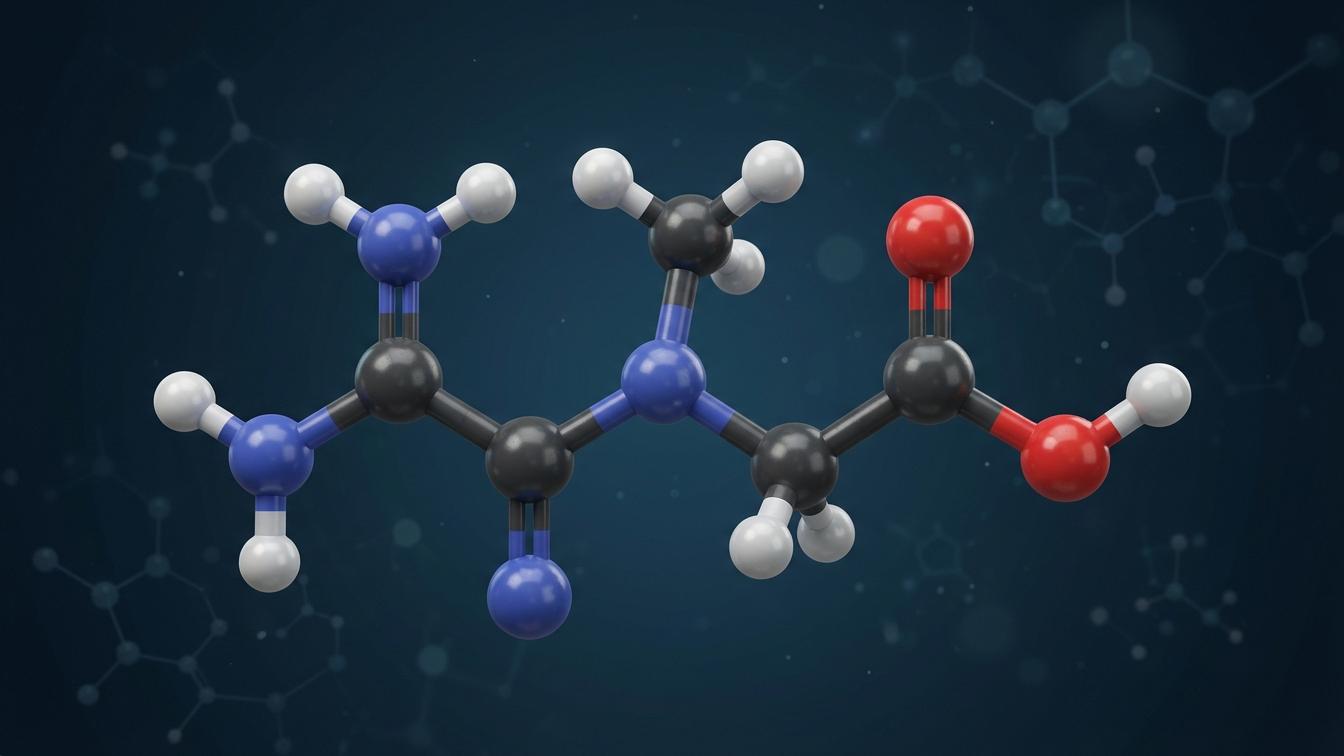
An organic compound highly concentrated in muscle tissue, creatine is stored and used in muscle to fuel the production of adenosine triphosphate (ATP) energy, the basic energy-carrying unit that replenishes cellular energy for muscle contractions. Creatine supports energy production and ATP regeneration in muscle cells, which in turn may support strength, power, performance, recovery, and muscle building when combined with regular resistance exercise. 1
Under heightened conditions of muscle activity, such as during exercise, the body rapidly burns through its natural creatine reserves to fuel ATP production, making creatine one of the limiting factors of exercise endurance.
In other words, once your creatine reserves deplete, muscle fatigue and exhaustion kick in, noted by a familiar “burning” sensation in your muscles associated with lactic acid accumulation.
By supplementing creatine and saturating their muscle tissues with excess ATP-fueling creatine, exercisers may support athletic performance in anaerobic exercise and high intensity exercise while helping enhance the intensity and duration of their workouts for greater muscle mass and strength gains. 2, 3
Protein
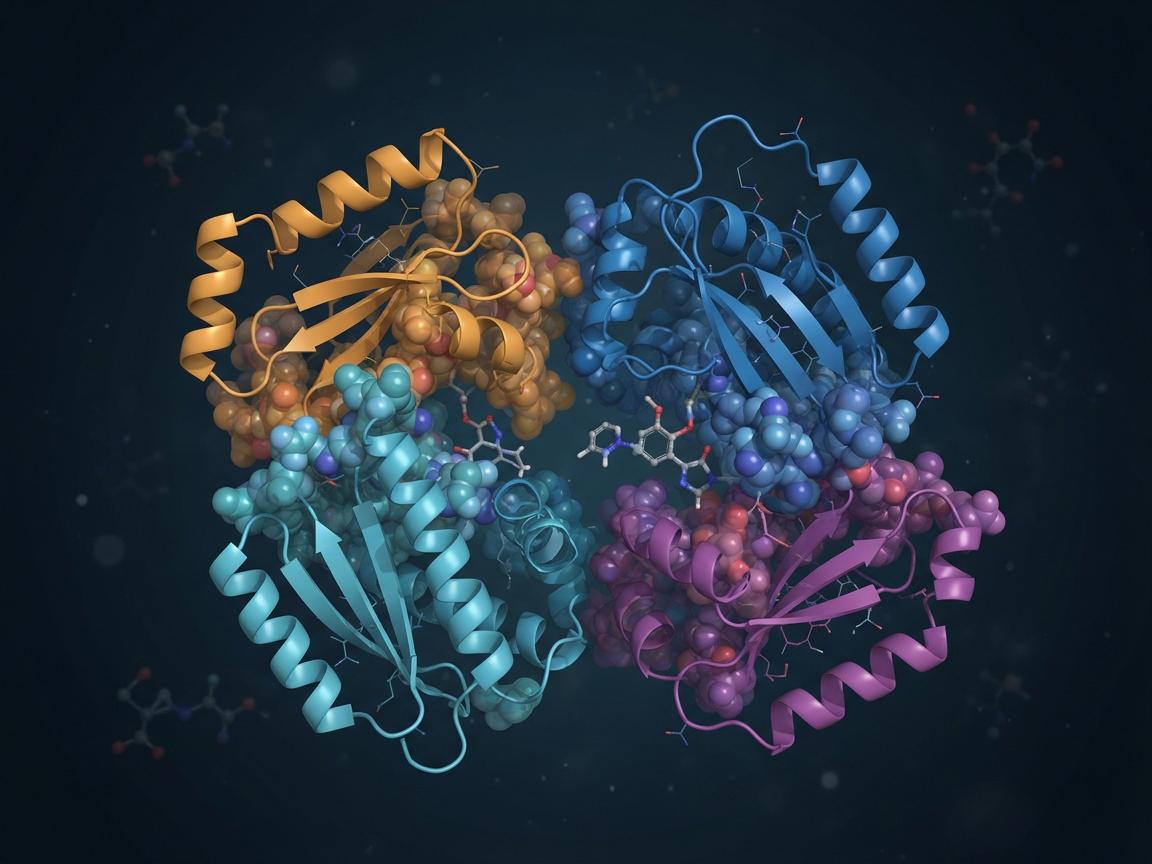
Amino acids make proteins. Proteins make muscle fibers. And muscle fibers make us …well, they make us muscly, which is what a lot of us are seeking to be when we hit the gym.
Of course, as everyone knows, simply “hitting the gym” isn’t enough to increase one’s muscle mass and strength. In addition to strength-training, people who do regular physical activity often have higher protein requirements and may need about 1.2–2.0 g per kg of body weight to help build muscle, so consuming additional protein (ideally, containing a comprehensive essential amino acid profile) is important. Protein supplementation, especially with essential amino acids, can lead to increased muscle mass.
Whereas creatine concentrates within muscle tissue to fuel ATP production during exercise and competition, protein comprises our muscle tissues, assisting with the post-workout repair and recovery of exercise-damaged muscles to create bigger, stronger muscle mass. 4
For the most part, this means that consuming adequate daily protein, via diet and/or supplementation, is what matters the most. However, research does suggest that the timing of protein ingestion may also matter with regard to muscle protein synthesis, and spreading intake evenly across 3 to 4 meals can help stimulate protein synthesis. 5 A protein-rich meal or shake before workouts can provide amino acids during training and support muscle repair.
Creatine vs. Protein: Which Is Better?
Creatine and protein are, without a doubt, two of the best natural dietary supplements you can take to complement a food-first approach and enhance your exercise performance and results. In fact, they may be the best natural supplements you can take, except for perhaps a few close runners-up (e.g., L-citrulline, beta-alanine) that are also worth considering.
Yet, while both creatine and protein assist with your muscle mass and strength gains, essentially targeting the same training benefits, their differences in structure and function make it so you don’t have to choose between the two. Taking both whey protein and creatine together can maximize muscle growth and recovery, as creatine provides energy for muscle contractions and protein offers building blocks for muscle growth and repair.
Neither creatine nor protein is “better” than the other, though certainly there’s a fun conversation to be had on which is more essential to one’s workout supplement regimen. (You’ll have to have that conversation on your own time, though!)
With that in mind, if you’d like to stack both creatine and protein, there’s no reason not to—unless you have some special conditions that preclude you from supplementing either. Clinical studies support creatine as a safe, effective supplement for people engaged in heavy resistance training, 6,7 and there is plenty of evidence to back the safety of combining it with protein. Taking whey protein and creatine together can also improve muscle strength and power.
Is It Safe to Stack Creatine and Protein?
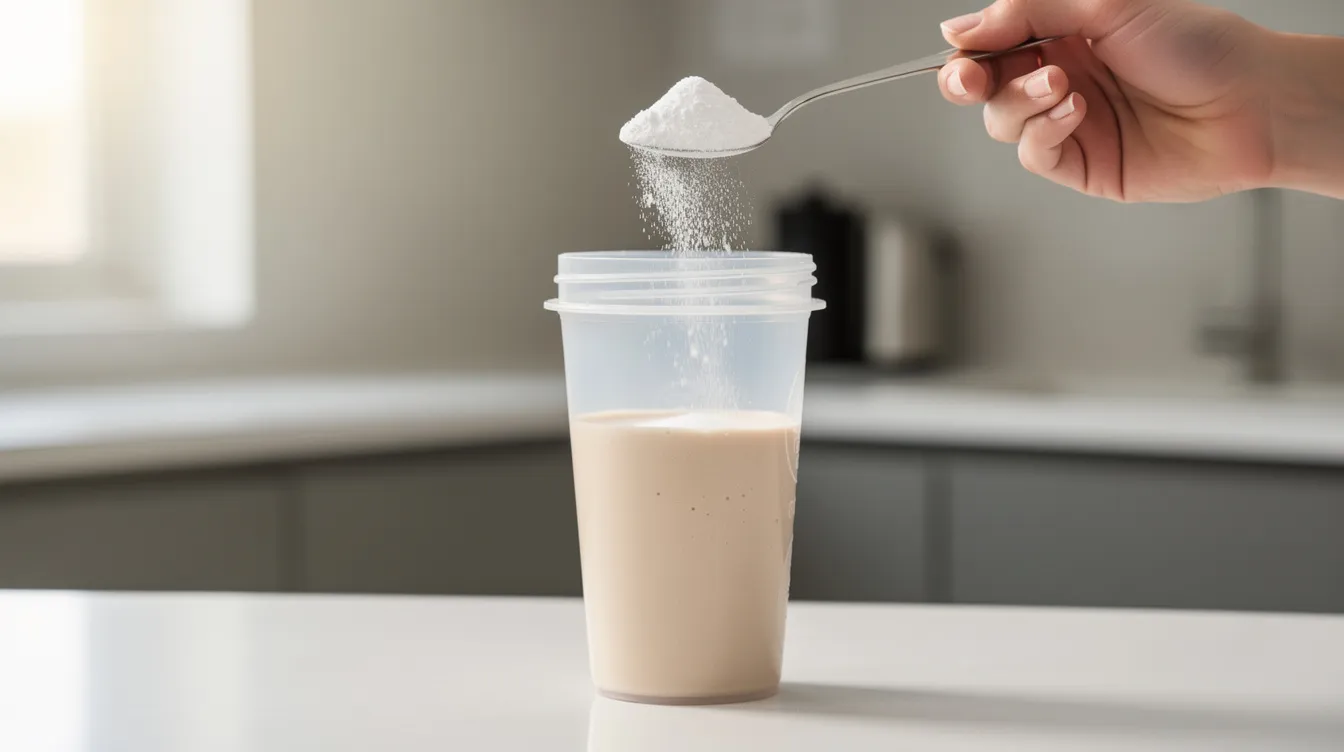
Yes, it is safe to stack creatine and protein, to put it simply. Taking creatine alongside protein supplements can enhance power during resistance training, aid muscle recovery, and support beneficial effects for workout performance and recovery. Because both increase muscle mass via separate natural mechanisms, taking both at the same time may help comprehensively elevate your anabolic muscle metabolism much further than if you were just to take either creatine or protein.
Research has found that not only is the combination safe but ingesting creatine in combination with protein (and carbohydrates) may help enhance creatine retention, 8 potentially enabling you to efficiently store more of the creatine you supplement. Mixing creatine directly into a protein shake after workouts can simplify your routine and may help absorption.
When Is the Best Time to Take Creatine and Protein?

In one study from 2013 focusing strictly on the effects of creatine before or after workout, a group of researchers observed that “consuming creatine immediately post-workout is superior to pre-workout vis a vis body composition and strength.” 9 Still, research on creatine pre versus post-workout timing is limited and mixed. Based on these findings alone, it’d seem that it’s best to take (at least) creatine immediately after working out.
However, in a separate study observing the combined effects of creatine + protein + carbohydrate supplementation, it was found that taking this stack simply closer to exercise (whether immediately before or immediately after) is superior to taking this stack long before (e.g., in the morning) or long after (e.g., in the evening) exercise in terms of increasing one’s lean body mass and 1-RM strength. 10
At the least, the best time to take creatine and protein is close to working out. However, taking creatine pre may work similarly when used consistently, but because you're likely to take your protein shake immediately after exercise, post-workout creatine + protein is often the easiest way to go.
Dosage Notes
While the Recommended Daily Allowance (RDA) for protein is 0.8g of protein per kilogram of body weight, it’s typically expected for you to consume more while strength-training, especially if you’re looking to increase your muscle mass. Yet, even so, it’s not recommended to take too much all at once, as this may disrupt the proper digestion of your protein serving.
With that in mind, here are the typical serving size amounts recommended for protein and creatine, though some people begin with a loading phase of 20g daily for 5-7 days before dropping to a maintenance dose:
20g Protein per Serving
3-5g Creatine per Serving as a typical maintenance dose
Of course, it’s possible to distribute those dosage amounts into multiple sub-servings, to be taken at different times of the day for maximum nutrient absorption. However, if you’re looking to time your creatine and protein intake appropriately, taking 20g protein and 3-5g creatine together may work best for maximizing these supplements’ anabolic benefits.
How to Choose Creatine and Protein Supplements
When it comes to choosing the right creatine and protein supplements, the key is quality and timing, and quality also means choosing complete protein sources that provide all nine essential amino acids. Those are the options most likely to support muscle repair and help you build more muscle over time. There’s no doubt about it, both creatine and protein play essential roles in muscle performance, energy production, and recovery.
But what about your pre-workout?
Creatine and protein cover long-term strength and repair; a pre-workout addresses a different need: how you feel and perform during a training session. It is optional rather than part of the creatine-and-protein dose.
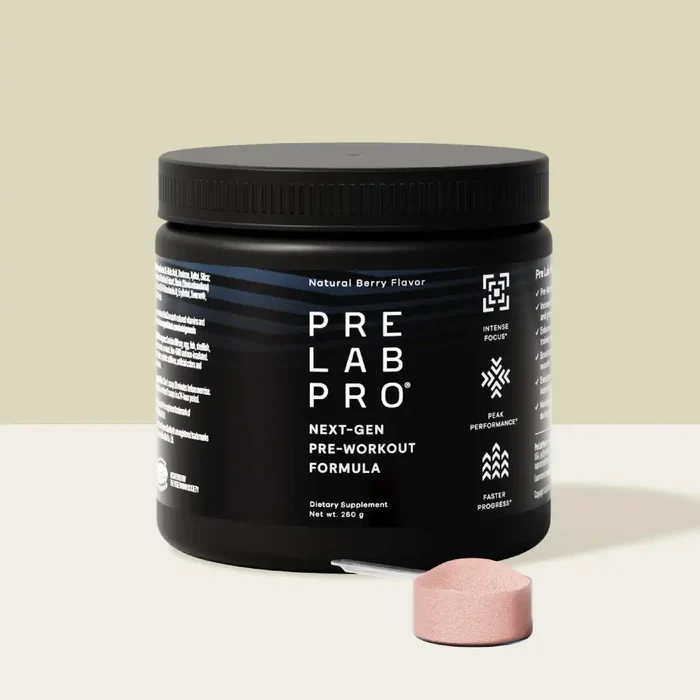
While creatine and protein are critical to maximizing muscle gains and recovery, the right pre-workout can prime your body to make the most out of both. Enter Pre Lab Pro®—the perfect pre-workout to complement your creatine and protein regimen.
How Pre Lab Pro® Complements Creatine and Protein
Pre Lab Pro® isn’t just another pre-workout loaded with stimulants. Instead, it’s carefully designed to enhance blood flow, endurance, and focus—giving you everything you need to power through tough training sessions without the overload of extra creatine.

Unlike many pre-workouts that throw in creatine as a one-size-fits-all solution, Pre Lab Pro® leaves out creatine on purpose.
This gives you more control over how much creatine you take, letting you time it perfectly to meet your training goals.
Plus, by stacking Pre Lab Pro® with your chosen creatine supplement, you get the best of both worlds: enhanced energy and performance from Pre Lab Pro® and muscle power and recovery from your creatine.
What’s more, the nitric oxide-boosting ingredients in Pre Lab Pro®—like L-Citrulline (Kyowa Quality®) and Red Beet Powder—increase blood flow, helping to deliver creatine and protein to your muscles more effectively. This ensures that your muscles get the nutrients they need when they need them most, enhancing both your strength and recovery.
For Optional Pre-Workout Focus: Pre Lab Pro® contains 80 mg natural caffeine per scoop plus L-theanine, L-tyrosine, L-citrulline and red beet. Because the formula contains no creatine, you can keep your creatine maintenance dose and protein intake separate. It is intended as an optional training aid, not a replacement for either nutrient.
Final Thoughts
Creatine and protein are arguably the two best natural supplements for enhancing muscle growth and strength, making them essential for any athlete—whether you’re a bodybuilder, long-distance runner, or anything in between. Stacking creatine and protein together offers a comprehensive boost to your muscle metabolism and overall performance, ensuring your body gets the support it needs for both energy and recovery.
While creatine and protein are critical post-workout, Pre Lab Pro® is the perfect pre-workout companion to prime your muscles for action. It enhances blood flow, endurance, and nutrient delivery, helping you get the most from your creatine and protein when it counts. With ingredients like L-Citrulline (Kyowa Quality®) and Red Beet Powder, Pre Lab Pro® boosts nitric oxide (NO) production, ensuring that your muscles receive a steady flow of oxygen and nutrients, improving performance during training and recovery afterward.
By stacking Pre Lab Pro® with your chosen creatine and protein supplements, you’re setting yourself up for better, more consistent muscle gains and optimal workout performance—all without the creatine overload found in many other pre-workouts.
References
Walsh B et al. The role of phosphorylcreatine and creatine in the regulation of mitochondrial respiration in human skeletal muscle. J Physiol. 2001 Dec 15; 537(Pt 3): 971-978.
Wang CC et al. Effects of 4-Week Creatine Supplementation Combined with Complex Training on Muscle Damage and Sport Performance. Nutrients. 2018 Nov; 10(11): 1640.
Kurosawa Y et al. Creatine supplementation enhances anaerobic ATP synthesis during a single 10 sec maximal handgrip exercise. Mol Cell Biochem. 2003 Feb; 244(1-2): 105-12.
Carbone JW, Pasiakos SM. Dietary Protein and Muscle Mass: Translating Science to Application and Health Benefit. Nutrients. 2019 May; 11(5): 1136.
Weinert DJ. Nutrition and muscle protein synthesis: a descriptive review. J Can Chiropr Assoc. 2009 Aug; 53(3): 186-193.
Mills S et al. Effects of Creatine Supplementation during Resistance Training Sessions in Physically Active Young Adults. Nutrients. 2020 Jun; 12(6): 1880.
Pasiakos SM et al. The effects of protein supplements on muscle mass, strength, and aerobic and anaerobic power in healthy adults: a systematic review. Sports Med. 2015 Jan; 45(1): 111-31.
Steenge GR et al. Protein- and carbohydrate-induced augmentation of whole body creatine retention in humans. J Appl PHysiol (1985). 2000 Sep; 89(3): 1165-71.
Antonio J, Ciccone V. The effects of pre versus post workout supplementation of creatine monohydrate on body composition and strength. J Int Soc Sports Nutr. 2013 Aug 6; 10: 36.
Cribb PJ, Hayes A. Effects of supplement timing and resistance exercise on skeletal muscle hypertrophy. Med Sci Sports Exerc. 2006 Nov; 38(11): 1918-25.