

Vitamins, minerals and essential fatty acids.
We hear about these key nutrients all the time. Together they are a powerhouse, offering comprehensive support so we can be our best. These nutrients also support energy metabolism, helping us maintain overall wellness.
We know that eating a balanced diet is key when it comes to obtaining them all: bright, colorful fruit and veg, lean proteins, legumes and two portions of fish per week (one of those to be oily) and we’re good to go…
But that’s not always possible.
In today’s fast-paced world, busy schedules and the prevalence of processed foods make it challenging to maintain a balanced diet of these essential nutrients, often leading to nutrient gaps.
Sometimes, you go to the fridge and the rainbow of veg has run out. Or there’s no time to soak the pulses overnight. Perhaps not everyone in the house likes oily fish. Which is where dietary supplements come in, helping you to bridge any nutritional gaps.
A multivitamin and omega 3 are two hero supplements that stand tall to support our overall health and wellbeing, and can be an important part of a healthy wellness routine.
So, if you want to take both, should you take them together in combined multivitamins or opt for separate supplements?
In this article we look at the health benefits of omega-3 and multivitamins, what to look out for if you're thinking of combining them, and the pros and cons to be mindful of.
Key Takeaways
-
Combined multivitamin and omega-3 supplements can be convenient and easy to remember. Gummies are available for people who dislike swallowing capsules.
-
However, gummies often rely on sugars, binders and lower EPA and DHA doses, which can compromise nutrient absorption, stability and effectiveness.
- Taking separate high quality omega-3 and multivitamin supplements allows more precise dosing, cleaner formulas and better quality control for each product.
- For most people, pairing a well formulated multivitamin with a pure, potent omega-3 delivers more reliable long term support than a single 2 in 1 supplement.

What Are the Health Benefits of Taking Omega 3?

Omega 3 fatty acids are essential fats that our bodies can’t produce on their own, so they must be obtained from our diet. There are three main types:
1. Alpha-linolenic acid (ALA)
Found in flaxseeds, chia seeds, hemp seeds, and walnuts, ALA can convert into EPA and DHA, but this process is generally inefficient in humans.
2. Eicosapentaenoic acid (EPA)
Primarily from fatty fish such as salmon, sardines and mackerel or from algae, EPA plays an important role in cardiovascular health and has been studied for its role in mood and inflammatory balance. The heart-healthy EPA found in fish oil and algal oil supplements is a concentrated source that supports cardiovascular wellness.
3. Docosahexaenoic acid (DHA)
Also from marine sources and found in algae, DHA is essential for brain development and eye health, particularly during pregnancy and early childhood.
Despite its availability in various foods, supplementation may be helpful for those with allergies, intolerances or aversions to any of the food groups mentioned.
Why is omega-3 so important?
Omega-3s are important because they support heart and brain health, help maintain healthy cell function, and promote communication between tissues. They play a crucial role in cellular health, contributing to the body's inflammatory response and supporting processes that underpin skin, heart, and brain health.
Getting enough, whether through diet or supplements, has been shown to:
Support Anti-inflammatory Properties

Higher intake of omega 3 has been linked to reduced inflammation. Omega-3 fatty acids have been shown to influence inflammatory pathways and the production of compounds associated with the body’s inflammatory response. This may help to support joint health.
Support Heart Health

Omega 3 may offer heart protective benefits and support heart health by increasing levels of “good” HDL cholesterol and lowering triglycerides and supporting cardiovascular health. It may also support healthy blood pressure.
Reduce Symptoms of Depression

Omega-3 fatty acids rich in EPA have been studied for their potential role in supporting mood and emotional wellbeing, with some research suggesting they may help support individuals experiencing symptoms of depression. More research is needed. (3, 12)
Improve Eye Health

DHA, is a major structural component of the retina of the eye. Sufficient omega-3 intake may help support eye health as we age. (4)
Sources of Omega 3
Most people know fish oils from sardines, salmon, mackerel and herring are strong sources of omega 3 fatty acids. They provide EPA and DHA, the two most useful Omega 3s.
Until recently, plant-based Omega 3 couldn't really compare, only providing ALA, which first needs to be converted to EPA and DHA. Now however algae based Omega 3s are growing in popularity.
Algae is the original source of EPA and DHA and allows you to cut out the fishy middleman. Performance Lab Omega 3 is algae based, vegan friendly and free of allergens and GMO.
What Are the Health Benefits of Taking a Multivitamin?

A multivitamin provides essential vitamins and minerals, helping support daily nutrient intake where dietary gaps may exist.
B complex vitamins for instance, included in many multivitamins, play a crucial role in energy production and metabolism, helping convert food into energy and supporting overall health.
Taking a quality daily multivitamin has many health benefits, such as:
Mood Support
Certain vitamins, such as B vitamins (including B12 and folate), are crucial for the production of neurotransmitters like serotonin and dopamine, which significantly influence mood regulation. (5)
Support Immune Health
Vitamin C, vitamin D, and E, along with minerals such as zinc and selenium found in multivitamins, contribute to a healthy immune system. (6) These nutrients help enhance the body's ability to fight off infections and recover more quickly from illness, supporting normal immune function.
Eye Health
Vitamins A, vitamin C, and vitamin E, and the mineral zinc are known to contribute to eye health. (7) Vitamin A is particularly crucial for maintaining healthy vision, especially under low light conditions. Additionally, the antioxidants lutein and zeaxanthin, which are sometimes included in multivitamins, help protect the eyes from harmful light waves.
Cardiovascular Health
Certain ingredients in multivitamins, such as vitamin B12, folic acid, vitamin D, and magnesium, play roles in cardiovascular health by helping to regulate heart rhythm, reduce blood pressure, and support healthy cholesterol levels. Vitamin B12 supports the production of cellular energy, which is crucial for cardiovascular health. (8)
Omega 3 and B Vitamins
Some evidence suggests Omega-3s and certain vitamins, particularly B vitamins, may work together to support cardiovascular health markers such as triglycerides and homocysteine levels. More research is welcome. (13)
Brain Function and Brain Health
B vitamins, vitamin D, and antioxidants like vitamin E support brain function and cognitive health by protecting neurons against oxidative stress, supporting healthy inflammatory balance. Supporting overall brain health, mental clarity and cognitive function. (9, 10)
Study Findings
A 2022 study into combined omega 3, carotenoids and vitamin E supplementation suggested that the combination could improve working memory in older adults. (14)
Skin and Anti-Ageing
Antioxidants such as vitamins A, C, E, and selenium combat oxidative stress and inflammation, which are contributors to aging and degenerative diseases. Likewise, vitamins such as biotin and other antioxidants contribute to healthy skin, helping maintain and improve skin health as part of overall wellness.
Muscle and Bone Health
Vitamins D and K, along with minerals like calcium and magnesium in multivitamins, are vital for healthy bones. Vitamin D is essential for calcium absorption in the bones. (11) Magnesium plays a role in muscle function, helping to avoid cramps and spasms. Vitamin D also supports muscle health, which is crucial for maintaining muscle mass and strength as we age.
Why Take Both?
While multivitamins help fill potential micronutrient gaps, omega-3 supplements provide EPA and DHA fatty acids that are not typically included in meaningful amounts in standard multivitamin formulas.
Taking a multivitamin alongside omega-3 has also been shown in some research to influence omega-3 incorporation into red blood cells. In one 2014 study, the strongest improvements were seen in a high-dose omega-3 plus multivitamin group, with differences observed between men and women in how they responded to supplementation. (15)
Researchers have explored whether multivitamins and omega-3 fatty acids may have potential synergistic effects when taken together. (16)
Can You Take a Multivitamin with Omega 3 Together?

It is generally safe for most people to take omega-3 and multivitamins together, as there are currently no known interactions between these two supplements. However, it is always advisable to consult a healthcare professional or healthcare provider before starting any new supplements, especially if you have existing health conditions or are taking medications.
Additionally, antioxidants in multivitamins may help protect omega-3 fatty acids from oxidation.
Which just leaves the question of what form is best?
Is it better to take a separate multivitamin and omega-3, or a combined 2-in-1 capsule or gummy? Let’s look at the pros and cons.
Multivitamin and Omega 3 Combinations

Instead of juggling multiple pills, many people are now opting for combined multivitamin and omega-3 supplements, including gummies, capsules, and softgels.
Combined Multi + Omega 3 supplements are designed to offer a convenient way to consume your daily vitamins and omega-3s in one product. But what are the benefits and potential drawbacks of these combined forms?
Pros of Combined Supplements
Convenience
The convenience of a 2-in-1 supplement means that you'll never forget to take one without the other. Consolidating two into one means less clutter in your cabinet and fewer bottles to keep track of when re-ordering. Having both supplements in one has advantages for travel too, making it convenient to get your daily nutritional support whilst on the go.
Flavor and Texture
For those who have trouble swallowing a vitamin capsule or tablet, chewable gummies that taste like sweets are an appealing alternative. Many flavored gummies incorporate fruit and other natural flavors, which may be beneficial for those sensitive to taste.
Other combined supplements, such as capsules and softgels, may appeal to those who prefer a more traditional supplement format with fewer flavoring ingredients.
Cost-Effective
Buying one combined supplement can sometimes be more cost-effective than purchasing separate products. By combining multivitamins and omega-3, manufacturers reduce packaging and marketing expenses, savings that can then be passed on to the consumer.
Research suggests that omega-3 fatty acids and multivitamins may offer complementary health benefits when taken together, particularly for cardiovascular health and overall nutrient status. However, this does not necessarily mean that all-in-one formulations are more effective than taking separate supplements.
Cons of Combined Supplements
Nutrient Absorption
Some combined supplements, particularly gummies, often include added sugars and binders to improve taste and texture. Gummies may contain more additives than traditional capsule formats.
Sugar and Artificial Sweeteners
Sticking with gummies for a moment, one consideration with gummy supplements in particular is their sweetness, with many containing added sugars to enhance taste. In some off-the-shelf supplements, you may be getting artificial flavors and sweeteners added to give them that fruity, candy-like appeal.
Glucose syrup helps preserve as well as sweeten, but it's just a concentrated source of sugar and empty calories. When looking at the label of a gummy, look out for high fructose corn syrup, glucose syrup and added sugars.
Stability Issues
Omega-3 fatty acids are highly susceptible to oxidation, which can damage quality. Despite the use of microencapsulation to protect these sensitive oils, maintaining stability over the product's shelf life remains a challenge in some combined supplements.
The interaction between omega-3 oils and other ingredients, particularly in gummy or non-airtight formats, might also accelerate degradation.
Dosage Accuracy and Nutrient Variety
Combined supplements, especially gummies and all-in-one formats, often face limitations due to space. It can be challenging to include meaningful amounts of certain nutrients, like omega-3 fatty acids DHA and EPA.
Typical dietary recommendations for EPA and DHA for adults are between 250 and 500 mg/day. US heart health guidance commonly recommends eating fatty fish twice weekly, an intake associated with roughly 250 mg or more of EPA and DHA daily on average. Fitting this amount into a combined supplement, however, is difficult due to size constraints and the need to balance flavor and texture with other ingredients. (17)
This can result in some combined supplements providing insufficient levels of key nutrients, potentially making it harder to meet the recommended daily allowances for various nutrients and reducing the overall health benefits expected from taking a supplement.
Gelatin
In gummy supplements, gelatin is often added during the manufacturing process to create that soft, chewy texture. Gelatin is derived from animal collagen, which means some gummy products may not be suitable for vegetarians or those with dietary restrictions related to animal products.
Key Takeaways
Research suggests taking Omega 3 and multivitamins together can offer complementary health benefits but there's nothing to say all-in-one combinations are superior to taking them separately.
While combined supplements can offer convenience, taking a multivitamin and omega-3 separately may allow for greater flexibility in dosing and ingredient quality, particularly when aiming for higher levels of EPA and DHA.
Individual supplements are specially formulated to provide precise, targeted dosages that align better with the recommended daily allowances. It’s the reason we take a supplement in the first place. So receiving effective levels of key nutrients is important.
And lastly, quality control. Because omega-3s and multivitamins undergo different production and purification processes, they each require tailored quality control measures to ensure they meet the necessary standards of purity, potency, and safety.
Performance Lab® NutriGenesis® Multi provides science backed nutrition in optimal doses tailored to your needs. There are no pointless ingredients, no additives, no gelatin, just pure, potent nutrition.
Performance Lab® NutriGenesis Multi
The world's most advanced multivitamin formula.
Shop Now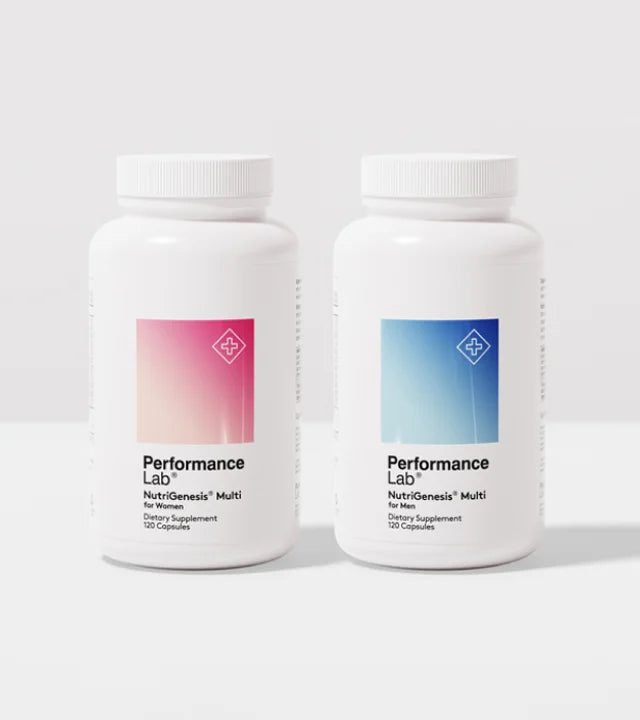
Performance Lab® Omega-3 provides 540mg of DHA (docosahexaenoic acid) and 270mg of EPA (eicosapentaenoic acid) for brain, eyes, heart health and much more. Sourced directly from algal oil, resulting in high-purity and potency. And no fishy smell or aftertaste.

References
- Simopoulos, A. P. “Omega-3 Fatty Acids in Inflammation and Autoimmune Diseases.” Journal of the American College of Nutrition 21, no. 6 (2002): 495-505. https://doi.org/10.1080/07315724.2002.10719248
- Hu, Y., F. B. Hu, and J. E. Manson. “Marine Omega-3 Supplementation and Cardiovascular Disease: An Updated Meta-Analysis of 13 Randomized Controlled Trials Involving 127 477 Participants.” Journal of the American Heart Association 8, no. 19 (2019): e013543. https://doi.org/10.1161/JAHA.119.013543
- Appleton, K. M., P. D. Voyias, H. M. Sallis, S. Dawson, A. R. Ness, R. Churchill, and R. Perry. “Omega-3 Fatty Acids for Depression in Adults.” Cochrane Database of Systematic Reviews 11, no. 11 (2021): CD004692. https://doi.org/10.1002/14651858.CD004692.pub5
- Merle, B. M., M. N. Delyfer, J. F. Korobelnik, M. B. Rougier, F. Malet, C. Féart, M. Le Goff, et al. “High Concentrations of Plasma n3 Fatty Acids Are Associated with Decreased Risk for Late Age-Related Macular Degeneration.” Journal of Nutrition 143, no. 4 (2013): 505-511. https://doi.org/10.3945/jn.112.171033
- Kennedy, D. O. “B Vitamins and the Brain: Mechanisms, Dose and Efficacy–A Review.” Nutrients 8, no. 2 (2016): 68. https://doi.org/10.3390/nu8020068
- Gombart, A. F., A. Pierre, and S. Maggini. “A Review of Micronutrients and the Immune System-Working in Harmony to Reduce the Risk of Infection.” Nutrients 12, no. 1 (2020): 236. https://doi.org/10.3390/nu12010236
- Murkey, S. P., A. Agarwal, P. Pandit, S. Kumar, and A. Jaiswal. “Unveiling the Spectrum of Ophthalmic Manifestations in Nutritional Deficiencies: A Comprehensive Review.” Cureus 15, no. 12 (2023): e50311. https://doi.org/10.7759/cureus.50311
- Brancaccio, M., C. Mennitti, A. Cesaro, F. Fimiani, M. Vano, B. Gargiulo, M. Caiazza, et al. “The Biological Role of Vitamins in Athletes’ Muscle, Heart and Microbiota.” International Journal of Environmental Research and Public Health 19, no. 3 (2022): 1249. https://doi.org/10.3390/ijerph19031249
- Kennedy, D. O. “B Vitamins and the Brain: Mechanisms, Dose and Efficacy–A Review.” Nutrients 8, no. 2 (2016): 68. https://doi.org/10.3390/nu8020068
- da Cunha Germano, B. C., L. C. C. de Morais, F. Idalina Neta, A. C. L. Fernandes, F. I. Pinheiro, A. C. M. do Rego, I. Araújo Filho, et al. “Vitamin E and Its Molecular Effects in Experimental Models of Neurodegenerative Diseases.” International Journal of Molecular Sciences 24, no. 13 (2023): 11191. https://doi.org/10.3390/ijms241311191
- Khazai, N., S. E. Judd, and V. Tangpricha. “Calcium and Vitamin D: Skeletal and Extraskeletal Health.” Current Rheumatology Reports 10, no. 2 (2008): 110-117. https://doi.org/10.1007/s11926-008-0020-y
- Liao, Y., B. Xie, H. Zhang, et al. “Efficacy of Omega-3 PUFAs in Depression: A Meta-Analysis.” Translational Psychiatry 9 (2019): 190. https://doi.org/10.1038/s41398-019-0515-5
- Zhu, J., P.-C. Xun, M. Kolencik, K.-F. Yang, A. D. Fly, and K. Kahe. “Do B Vitamins Enhance the Effect of Omega-3 Polyunsaturated Fatty Acids on Cardiovascular Diseases? A Systematic Review of Clinical Trials.” Nutrients 14, no. 8 (2022): 1608. https://doi.org/10.3390/nu14081608
- Power, R., J. M. Nolan, A. Prado-Cabrero, W. Roche, R. Coen, T. Power, and R. Mulcahy. “Omega-3 Fatty Acid, Carotenoid and Vitamin E Supplementation Improves Working Memory in Older Adults: A Randomised Clinical Trial.” Clinical Nutrition 41, no. 2 (2022): 405-414. https://doi.org/10.1016/j.clnu.2021.12.004
- Pipingas, A., R. Cockerell, N. Grima, A. Sinclair, C. Stough, A. Scholey, S. Myers, et al. “Randomized Controlled Trial Examining the Effects of Fish Oil and Multivitamin Supplementation on the Incorporation of n-3 and n-6 Fatty Acids into Red Blood Cells.” Nutrients 6, no. 5 (2014): 1956-1970. https://doi.org/10.3390/nu6051956
- Earnest, C. P., J. S. Kupper, A. Thompson, W. M. Guo, and T. S. Church. “Synergistic Effects of Multivitamin and Omega-3 Fatty Acid Supplementation.” FASEB Journal 21, no. 5 (2007): A698.
- “Table 1 Recommended Intakes of EPA + DHA by Cohort and Organization.” Springer Nature. https://link.springer.com/article/10.1186/s13058-015-0571-6/tables/1