

A fun, late night out on the town often goes hand-in-hand with drinking alcohol. During such nights, the question of “sleep quality” is best left unasked, because we already know the answer: we’re simply not getting good sleep tonight… if we’re getting any sleep at all.
However, we don’t necessarily attribute this to alcohol. Instead, we blame the “staying up late” aspect of going out for drinks.
If anything, it seems like we sleep better after binge-drinking.
This perhaps explains why many people, even during nights when they’re staying in, have themselves a “night-cap” before hitting the hay. Just a quick drink (or two or three) to take the edge off the day and get a good night’s rest.
Yet, while this may help us fall asleep quicker, research suggests that drinking alcohol may actually impair our sleep quality.
Alcohol fragments sleep, reducing restorative deep and REM sleep, and can worsen sleep apnea by relaxing throat muscles. What’s worse: adding a melatonin supplement to the mix as a sort of “quick-fix” to alcohol’s sleep-disruptive issues may not go exactly as planned.
With that in mind, in this article, we’re addressing the question of whether or not it’s safe to mix melatonin and alcohol. But before diving into all of that, let’s first address the basics:
Key Takeaway: Can You Take Melatonin After Drinking Alcohol?
-
Short answer: It's not advisable. Alcohol interferes with your sleep cycle and melatonin’s effects, potentially causing excessive drowsiness and dizziness. And poor next day functioning.
-
Responsible next steps: Experts recommend you avoid alcohol before bed, or wait at least 2-3 hours (ideally up to 6) until alcohol has cleared before taking melatonin.
-
Follow Healthy Sleep Habits: Focus on healthy sleep habits like dim lights, consistent bedtimes, and gentle sleep-supporting nutrients.
-
Melatonin supplements are generally safe for short-term use by most adults when taken as directed, but always consult your healthcare provider before starting any new supplement.
-
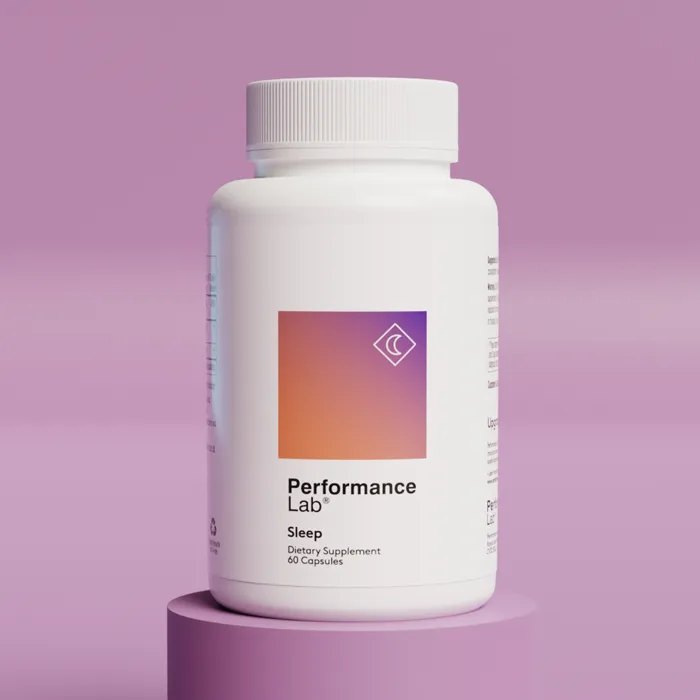
Our supplement tip: Performance Lab Sleep. Our tart cherry sleep formula with natural low dose melatonin supports your body’s natural sleep rhythm on alcohol-free nights.
What is Melatonin?
 Naturally secreted by the pineal gland, melatonin is a natural hormone that the body naturally makes to encourage sleep onset. It’s strongly associated with the sleep-wake cycle, specifically the “sleep” part.
What’s important to note here is that while melatonin secretion plays a key role in establishing a healthy sleep-wake cycle (i.e., your body’s internal “circadian rhythm” 24/7 clock), the secretion of melatonin is largely dependent on the external rhythms of sunlight.
In other words, when the sun goes down, melatonin activity goes up. Melatonin production is influenced by exposure to daylight hours, as natural light helps regulate the timing of its release.
Melatonin levels are highest in the body between the hours of 11 p.m. and 3 a.m.
This best explains why melatonin supplementation has only increased in popularity in recent years: as our homes continue to fill with electric technology (i.e., TVs, computers, smartphones, etc.), our nights are increasingly well-lit with sleep-disruptive blue light rays, the same type of light emitted from the sun.
This uninterrupted technology-mediated exposure to blue light, which in the natural world exclusively meant “daylight,” messes with our natural melatonin secretion.
And when you mess with melatonin, you mess with your entire circadian rhythm or sleep-wake cycle, contributing to fragmented sleep and a wide, diverse range of metabolic impairments and performance issues.1
Supplementing melatonin may help combat the melatonin-disruptive effects of staring at our phone screens too late at night. Melatonin is also available as a dietary supplement, and its usage by U.S. adults has grown more than fivefold in recent decades.
Is melatonin addictive? What you need to know
But what about alcohol?
The Relationship Between Alcohol and Sleep Quality
Virtually no one associates alcohol with health anymore.
Even that old saw about “a glass of wine per day is good for your heart!” is reasonably mocked by health and fitness enthusiasts —rarely does anyone ever have just ONE drink.
And, yet, many still believe that drinking alcohol can help one get better sleep. This isn’t unreasonable: it can make you feel sleepy and research does show that drinking alcohol acutely improves sleep onset,2 meaning that, say, having a glass of wine before bedtime may help you get to sleep faster.
…However.
The alcohol affect on the body goes beyond just helping you fall asleep faster. Alcohol fragments sleep by reducing restorative deep and REM sleep, and it can worsen sleep apnea by relaxing throat muscles.
While alcohol may provide some early-night advantages to sleep quality, that same research shows that alcohol seems to disrupt sleep quality later in the night, especially during the second half when sleep becomes lighter. Ultimately promoting greater sleep disturbances for less overnight rest and recovery.9
The relationship between a drinking problem and a sleep problem seems to be mutual: excess drinking contributes to poor sleep quality and vice versa.3
You Booze, You Lose: Drinking May Impair REM (Rapid Eye Movement) Sleep
During sleep, the brain transitions through five general sleep phases, the last of which we call REM (rapid eye movement) sleep, the phase most associated with dreaming – as well as learning, mood, and memory formation.
Though the brain is almost as active during REM as it is while we’re awake, this sleep stage is believed to be restorative, especially for cognitive performance.
As we've already discussed, alcohol can impair REM sleep. Notably, REM disruptions seem to correlate with daytime drowsiness and inattention. Disrupted REM sleep can also lead to vivid dreams as well as daytime sleepiness, both of which can impact daily functioning.
Given that common side effects of melatonin can also include daytime sleepiness and vivid dreams - as well as dizziness and headaches - this is especially worrisome:
- As one group of researchers noted in a 2013 review on alcohol and sleep, the “onset of the first REM sleep period is significantly delayed at all doses and appears to be the most recognizable effect of alcohol on REM sleep followed by the reduction in total night REM sleep.”4
Can You Take Melatonin After Drinking Alcohol?
 Odds are if you’re only drinking a little alcohol and taking a reasonable amount of melatonin, you’ll be fine.
However, taking melatonin supplements after drinking alcohol can have potential dangers and increase the risk of negative interactions, especially for older adults and those with pre-existing conditions.
If anything, alcohol may impair the full benefits of melatonin supplementation, essentially reducing the overall effects of melatonin, let alone any possible side effects.
This is somewhat corroborated by the finding that consuming alcohol seems to suppress the natural secretion of melatonin in the body.5
With this info, it wouldn’t be too difficult to justify taking a melatonin supplement after drinking to sort of “make up for the difference.”
But as it stands, it’s generally considered unsafe to mix melatonin and alcohol, especially if you’re looking to consume large amounts of either .6, 7
WARNING...
Combining melatonin and alcohol can affect blood pressure, potentially causing dangerous changes, especially in people with cardiovascular conditions. If you are taking blood pressure medications or blood thinners, you should consult your doctor before using melatonin with alcohol due to possible drug interactions.
Both alcohol and melatonin depress the central nervous system, increasing the risk of impaired coordination, slowed reaction time, and difficulty waking.
Combining these substances can be risky, especially for people with obstructive sleep apnea or sleep apnea, as it can decrease breathing and oxygen levels to dangerous levels. Mixing melatonin and alcohol can also affect your liver's ability to create certain enzymes.
IN SUMMARY...
-
At best, alcohol disrupts the efficacy of melatonin, making your melatonin supplement a waste of time and money.
-
At worst, combining alcohol with melatonin may result in harmful side effects, including worsening symptoms of obstructive sleep apnea, and can be life threatening.
It is recommended to consult a doctor before taking melatonin supplements, especially if you have ongoing sleep problems or consume alcohol regularly.
Taking Melatonin After Wine or Beer: Potential Side Effects

Alcohol suppresses the activity of natural melatonin, but does it do the same for melatonin supplements? Or does alcohol actually strengthen the effects of melatonin up to a dangerous level of sedation?
Until we see more research on the combination, it’s difficult to say. All the same, some of the reported side effects of combining melatonin and alcohol include:
-
Excessive drowsiness
-
Dizziness (risk increases with higher doses of melatonin, especially over 5 mg)
-
Headaches
-
Daytime sleepiness
-
Vivid dreams (more likely with higher doses)
-
Trouble breathing
-
Daytime anxiety/irritability
-
Exacerbated hangover
-
Inability to think properly
-
Overall poorer sleep quality
Common side effects of melatonin include dizziness, headaches, daytime sleepiness, and vivid dreams, and these may be more pronounced at higher doses. Experts recommend starting with lower doses, such as 1 mg or less, for effectiveness and safety.
Combining melatonin with other over-the-counter sleep aids can be very risky due to heightened central nervous system depression.
Obviously, if you’re taking melatonin, you’re likely trying to sleep. But it’s worth noting that mixing melatonin and alcohol does run the possible risk of unwanted passing out.
Practical Tips for Healthy Sleep Habits

Establishing healthy sleep habits is one of the most effective ways to support your overall well-being and enjoy better sleep night after night. Here are a few tips:
-
To help your body naturally regulate sleep, stick to a consistent bedtime and wake-up time, even on weekends. This consistency helps reinforce your biological clock and makes it easier to fall asleep faster.
-
Avoid heavy meals and consuming alcohol before bed. Both can disrupt your sleep cycle and interfere with the body’s ability to reach very deep sleep.
-
Creating a restful sleep environment is also key. Limit your exposure to blue light from phones, tablets, and TVs in the hour before bedtime, as blue light can suppress melatonin levels and make it harder to wind down.
-
Instead, try relaxation techniques like deep breathing, gentle yoga, or reading a book in dim light to help your body transition into sleep mode.
-
Keeping your bedroom cool, dark, and quiet can further support healthy sleep habits and help you wake up feeling refreshed.
-
Herbal remedies like chamomile tea are popular natural sleep aids that some people find helpful, but it’s important to use them with care. Valerian root, for example, should not be taken with alcohol as it increases the risk of drowsiness and dizziness.
-
Avoid mixing melatonin with alcohol, other sleep medications or dietary supplements, as this can worsen symptoms and increase the risk of negative side effects.
By prioritizing these simple changes, you can help your body naturally boost melatonin production, regulate your sleep cycle, and enjoy better sleep, without relying on alcohol or mixing melatonin with other substances.
If you find that sleep problems persist despite your best efforts, don’t hesitate to reach out to a doctor.
Persistent insomnia or disrupted sleep patterns may be a sign of an underlying sleep disorder that requires personalized care. Your doctor can help you identify the root cause of your symptoms and recommend safe, effective alternatives. Whether that be melatonin supplements or not.
How to Take Melatonin for Sleep: Timing
Knowing now that it’s best to avoid mixing alcohol and melatonin, the best way to boost your sleep quality and overnight recovery is to limit your alcohol content and take a reasonable amount of melatonin before falling asleep.
EXPERTS RECOMMEND...
Experts recommend that you avoid alcohol before bed, but if you do have a drink, wait at least 2-3 hours (or ideally 4-6 hours) after drinking alcohol before taking melatonin supplements. This should allow your liver to process the alcohol and reduce the risk of negative interactions.
For best results, melatonin should be taken 30-60 minutes before bedtime.
Considering the correlation between excessive alcohol consumption and sleep deprivation, taking melatonin supplements to improve your sleep quality may also have the additional benefit of improving your relationship to alcohol altogether.
At the least, if you’re going to bed at a reasonable hour and actually falling asleep, you’re not up boozing away like an insomniac in front of the TV, the computer screen, etc., etc.
Instead, you’re getting good sleep to wake up and have a good day (that you won’t have to anxiously keep out of mind by stuffing your face in the bottle).
Consider this one of those rare win-wins.
Dosage Considerations
Peruse the over-the-counter supplement aisle and you’ll find melatonin supplements available in doses ranging from 1 milligram (mg) to 10 mg. While 3mg to 6mg is common, higher doses -typically considered over 5 mg- may increase the risk of side effects such as dizziness and vivid dreams.
Experts recommend starting with lower doses, such as 1 mg or less, for effectiveness and safety. It is also difficult to pinpoint the exact dosage of melatonin for each person because melatonin supplements are not regulated by the U.S. Food and Drug Administration (FDA) for purity, safety, or effectiveness.
IDEAL DOSAGE
What we do know, however, is that more isn’t always better. Really, the ideal pre-sleep dosage is closer to 0.3mg melatonin per serving than 3mg melatonin.8
Not only does such a smaller dosage lessen the likelihood of the melatonin “hangover” effect in the morning, but it seems to also work better at improving healthy, restorative sleep quality over higher melatonin dosages (upwards of 3mg+ per serving).
Best Natural Sleep Aid
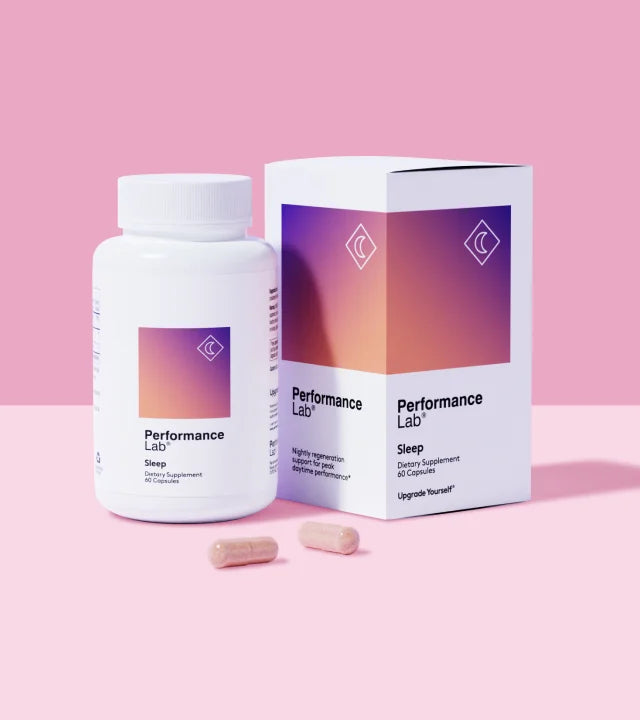
Performance Lab Sleep offers a natural form of low dose melatonin via CherryPURE, made from Montmorency tart cherries, freeze dried to preserve their benefits. This form of cherry powder has been clinically tested.
It also includes magnesium to help prevent cramps and l-typtophan and lemon balm to soothe before sleep.
Vegan friendly, this natural melatonin supplement is free from preservatives, artificial colors and allergens, and GMO. It's one of the cleanest melatonin supplements you'll find on the market.
An immediate change in quality and consistency of sleep. I highly recommend it.Stephanie B
Even after one drink, it’s generally best to avoid taking melatonin straight away. Alcohol can disrupt your natural sleep cycle and, when combined with melatonin, may increase side effects such as dizziness, excessive drowsiness, or next-day grogginess. For safer use, wait until alcohol has cleared from your system before taking melatonin.
Mixing melatonin and alcohol is not recommended. Both substances affect the central nervous system, and taking them together can increase drowsiness, impair coordination, and reduce sleep quality. Alcohol may also blunt melatonin’s effectiveness by interfering with your circadian rhythm.
Taking melatonin while intoxicated can increase the risk of side effects such as excessive sedation, dizziness, nausea, poor coordination, and next-day grogginess. It may also worsen sleep disruption rather than improve it. For safety and better sleep outcomes, it’s best to avoid melatonin until you are no longer under the effects of alcohol.
References
- Tähkämö L et al. Systematic review of light exposure impact on human circadian rhythm. Chronobiol Int. 2019 Feb; 36(2): 151-170.
- Colrain IM et al. Alcohol and the Sleeping Brain. Handb Clin Neurol. 2014; 125: 415-431.
- Stein MD, Friedmann PD. Disturbed Sleep and Its Relationship to Alcohol Use. Subst Abus. 2005 Mar; 26(1): 1-13.
- Ebrahim IO et al. Alcohol and sleep I: effects on normal sleep. Alcohol Clin Exp Res. 2013 Apr; 37(4): 539-49.
- Rupp TL et al. Evening alcohol suppresses salivary melatonin in young adults. Chronobiol Int. 2007; 24(3): 463-70.
- Council for Responsible Nutrition. (2024, March 28). Formulation, labeling, and packaging of melatonin- containing dietary supplements for sleep support [Council for Responsible Nutrition]. https://www.crnusa.org/sites/default/files/weekly/24-04-18/Voluntary-Guidelines_Melatonin_Approved-28March2024.pdf
- Savage, R., Zafar, N., Yohannan, S., & Miller, J. (2024, February 9). Melatonin. StatPearls. https://www.ncbi.nlm.nih.gov/books/NBK534823/
- Zhdanova IV et al. Effects of low oral doses of melatonin, given 2-4 hours before habitual bedtime, on sleep in normal young humans. Sleep. 1996 Jun; 19(5): 423-31.
- Alcohol affects sleep- here's how. University of Texas, MD Anderson Cancer Center. https://www.mdanderson.org/cancerwise/alcohol-affects-sleep-heres-how.h00-159778023.html