

Modern life disrupts our natural sleep rhythms, which is why many people are turning to natural sleep aids. Ingredients and approaches that work with the body, not against it, can potentially improve sleep without the risks of conventional sedatives.
In this article we're going to cover three of the most effective safe natural sleep aids - magnesium, tryptophan and tart cherry with natural melatonin. These ingredients work with your body; they don't try to knock you out.
Key Takeaways
- Natural sleep aids can be very effective for mild to moderate sleep problems when they target the real drivers of poor sleep instead of just knocking you out.
- Compounds like tart cherry, magnesium, tryptophan, and calming botanicals support melatonin production, nervous system balance, and relaxation.
- The most effective natural sleep aid works alongside good sleep hygiene, not as a replacement for healthy evening routines and light management.
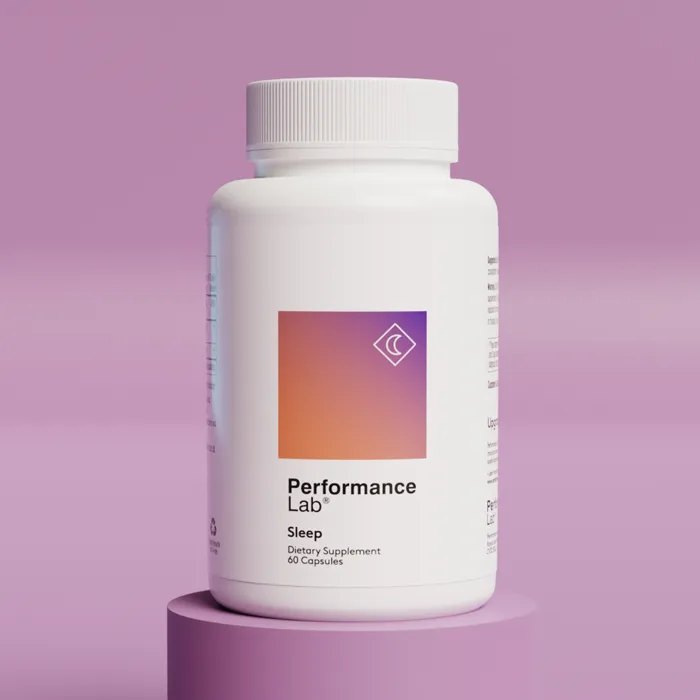
- Performance Lab® Sleep combines several of the top natural sleep ingredients into one non habit forming formula designed for both sleep quality and easy mornings.
When it comes to sleep, people are willing to try almost anything.
And it makes sense. Sleep is crucial for everything. If you’re not getting enough, it takes a real toll.
Many people turn to sleeping pills or prescription sleep aids. While these can work in the short term, they often come with drawbacks like dependency, side effects, and next-day grogginess, making them a poor long-term solution for disturbed sleep.
That’s why natural sleep remedies are becoming increasingly popular. Complementary approaches like herbal remedies, nutritional supplements, and lifestyle changes are now part of a more holistic strategy for better sleep.
Looking back to our more natural rhythms can offer useful insight here too. Certain nutrients, like glycine, play an important role in the nervous system and can help improve sleep quality, potentially reducing sleep troubles.
Before starting any new supplement or sleep aid, it’s always important to consult a healthcare professional, especially if you have underlying conditions, are pregnant, or are nursing.
Beginner's Guide on Natural Sleep Aids

In this guide, we're covering three of the most effective natural sleep aids on the market. Studies have shown these three may help to combat sleep disturbances and contribute to a better quality sleep. Proving that a good night's sleep doesn't rely on the use of synthetic, over the counter sleep aids or prescription medications for most people.
Rather than turning to sleep medication, you may want to consider natural sleep aids to potentially improve sleep quality and help you fall asleep, stay asleep, and wake up refreshed and ready for the day.
The Top Three Natural Sleep Aids for Better Sleep
-
Montmorency Tart Cherry (CherryPURE®) - a superior, antioxidant-rich source of natural melatonin, one of the most effective natural supplements and sleep aids.
-
L-Tryptophan - a plant-based amino acid that converts to mood-boosting serotonin and sleep-supportive melatonin.
-
Magnesium (NutriGenesis®) - an essential trace mineral required for 300+ physiological processes, including those associated with relaxing the nervous system and muscle tissue.
Individually, these specific sleep aids are among the best natural sleep aids for supporting good quality sleep. Together, they form the ultimate natural sleep solution.
Note: most natural aids are intended for short-term relief for mild to moderate sleep issues, and may not be effective for chronic insomnia symptoms which often require other interventions.
What is the Best Natural Sleep Aid?
To get a good night's sleep, you really only need one sleep aid: melatonin, the go-to sleep booster for many. It has been studied in hundreds of clinical trials with documented benefits to sleep quality, overall sleep time and sleep onset (how long it takes you to fall asleep. (1-3)
However, the best natural sleep aid supplies more than just melatonin.
Effective natural sleep supplements may also include additional ingredients such as magnesium, tryptophan, theanine, lemon balm or glycine to reduce stress and daytime sleepiness, while also enhancing sleep quality and supporting healthy circadian rhythms.
It's important to note that some herbal supplements may cause upset stomach as a side effect. The FDA does not regulate herbal supplements so be careful to choose a supplement from a reputable manufacturer.
Did you know?
Eating foods rich in glycine may help to regulate core body temperature and body temperature, useful when you're ready to sleep. Glycine's ability to help manage temperature fluctuations is especially beneficial for hot sleepers. (18, 19)
Developing better sleep habits and maintaining a regular sleep schedule are essential for long-term sleep health and a good night's sleep.
When to consult a doctor
If sleep issues persist, such as ongoing trouble falling asleep or staying asleep, it's important to consult a healthcare professional, as persistent problems may indicate underlying conditions like sleep apnea or contribute to high blood pressure.
With that in mind, here are the ingredients to look for in the most effective natural sleep aid:
Melatonin (Montmorency Tart Cherry)
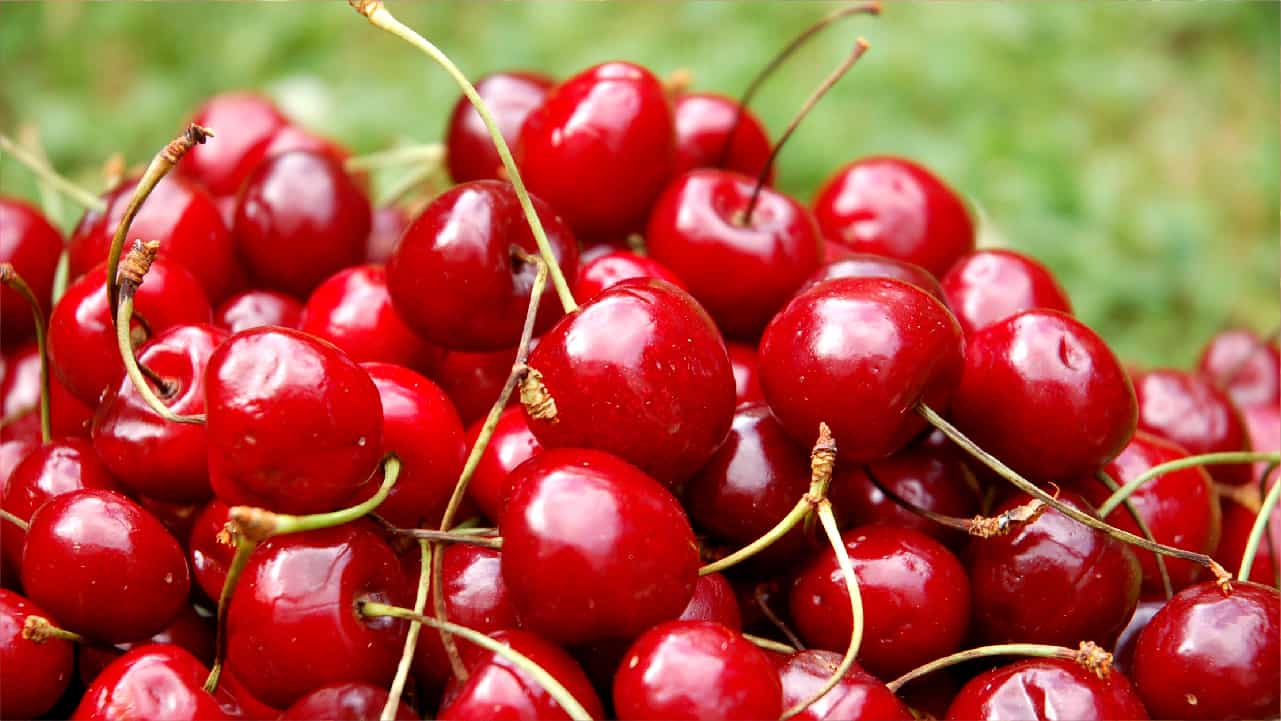
Montmorency tart cherries supply natural melatonin as well as fruit antioxidants for enhanced joint and muscle recovery. (4)
Montmorency tart cherry delivers an effective but low dose of melatonin, a welcome approach compared to many synthetic over-the-counter sleep supplements that cram in super high levels of melatonin that you don't need.
Ever felt like it’s difficult to predict the results of your melatonin supplements? Sometimes you sleep with zero issues in the morning, other times you wake up feeling excessively groggy with a headache.
This is because synthetic melatonin tends to vary in its potency at unpredictable rates.
One serving might deliver just enough to help you get better sleep. The next serving might go way overboard, causing a mild melatonin overdose.
No doubt, melatonin is one of the most effective and safest sleep boosters for natural sleep enhancement, but not all melatonin supplements are equal.
How Montmorency Tart Cherry May Improve Sleep
Tart cherry is a popular natural sleep aid, a natural supplement researched for its potential to help improve sleep.
A few of the key sleep boosting benefits associated with Montmorency tart cherry juice include:
-
Reducing fatigue throughout the morning and day.
-
Decreasing incidents of sudden waking throughout the night.
-
Promoting well-rested vitality first thing in the morning.
Studies have reported improvements in subjective sleep quality with tart cherry and melatonin, highlighting how individuals feel about their sleep, in addition to objective measures. (20 - 22)
Melatonin and the Sleep-Wake Cycle

Melatonin is the key to a good night’s sleep.
By regulating the 'sleep' portion of the sleep-wake cycle, which governs our circadian rhythm (our body’s internal physiological clock), our brain’s secretion of melatonin not only helps us fall asleep faster, but it also promotes healthy, consistent, restful sleep. By improving sleep quality in general, it also helps to reduce daytime sleepiness.
Except there’s a problem. Or, rather, several problems.
Modern life and the environment we’ve built keeps getting in the way, having a negative impact on melatonin activity. Various internal and external factors can diminish natural melatonin secretion and activity, such as...
-
Our stressful, caffeine-fueled work environments - we consume caffeine and other stimulants to power through our stressful workdays, and, yet, caffeine consumption has been linked to a decrease in sleep-supportive melatonin production. (5)
-
Overexposure to electronic screens in the evening - an absence of solar “blue” light triggers the secretion of melatonin; however, our electronic screens also emit blue light rays, impairing adequate secretion of melatonin in the evening. (6)
-
Age-related cognitive decline - naturally, as we age, our cognitive performance declines, and with this comes a decline in our sleep performance, a decline that may be helped by supplementing melatonin. (7, 8)
-
Other medications - Melatonin is a hormone produced by the pineal gland. Some types of medications such as beta-blockers, benzodiazepines, antidepressants and stimulants can impact melatonin production or its effects.
Melatonin Dosage
How much melatonin do you need for a good night's sleep? Not as much as you think, and often a lot less than what many synthetic OTC sleep aids supply.
Some human research suggests the optimal melatonin dosage for improving sleep quality is 0.3 mg, closer to the amount made naturally by the pineal gland, and not the 3 mg dosage (or more) typically supplied in synthetic supplements or sleeping pills.
In fact, research suggests 0.3 mg seems to work even better than 3 mg dosages without causing any daytime drowsiness the following morning. (23)
Even better, in addition to melatonin, Montmorency tart cherry also supplies a rich mix of flavonoid and anthocyanin antioxidants that indirectly support sleep quality by reducing oxidative stress and soothing achy joints. (9) This also has a calming effect on the whole body, making it easier to fall back asleep if we do wake in the night.
This is great news for the achy athletes and exhausted exercisers who especially need the overnight sleep recovery to facilitate their anabolic muscle and strength gains.
Most Effective Melatonin Pills for Sleep: CherryPURE®
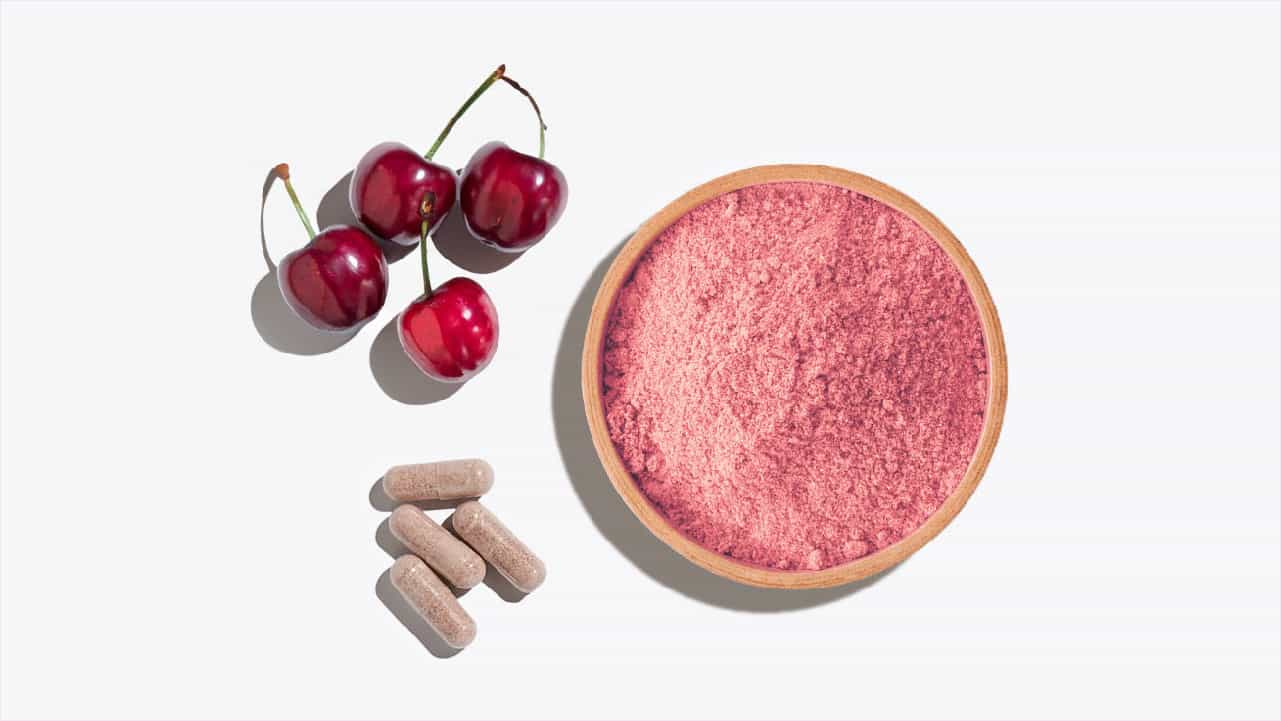
- CherryPURE® is a premium Montmorency tart cherry powder supplied at potent 50:1 concentrated extract.
- 500 mg CherryPURE® supplies a minimally effective dose of natural melatonin and antioxidants comparable to 25 g of Montmorency tart cherries.
- Backed by clinical human research, CherryPURE® is the only Montmorency tart cherry brand clinically demonstrated to improve sleep quality.
No one needs convincing that melatonin can improve sleep quality. Many of us have tried melatonin and can confidently state that, yes, melatonin works.
However, often times melatonin works too well (for which read 'sleep like the dead but struggle to wake up in the morning'), which is why many of the same people who have tried an OTC melatonin sleep aid still feel like they’re searching for the best melatonin out there.
Among the best natural sleep aids, CherryPURE® stands out due to its clinical backing and effectiveness compared to other sleep aids like magnesium, glycine, and valerian root.
For athletes, exercisers, and bodybuilders, CherryPURE®’s potent combination of melatonin and antioxidants is also great for overnight muscle repair and recovery.
As one clinical study observed, 480 mg of CherryPURE® administered before and after intense training found that Montmorency tart cherry supplementation appears to be “an effective dietary supplement to attenuate muscle soreness, strength decrement during recovery, and markers of muscle catabolism in resistance trained individuals.” (10)
L-Tryptophan, Stress and Sleep Problems

Now we come onto the best sleep-boosting amino acid for disrupting the downward spiraling stress-disturbed sleep cycle that has so many people anxiously tossing and turning at night.
Stress is a sleep killer.
Few things disrupt sleep quite like stress, which is why L-tryptophan, one of the best amino acids for combating stress, is such an effective sleep booster.
The relationship between stress and sleep is a two-way street: stress contributes to sleep deprivation by preventing the brain and body from reaching full, deep sleep, whereas sleep deprivation contributes to greater stress levels throughout the day.
This cycle can be incredibly taxing on natural sleep as well as cognitive performance, hormonal and metabolic health, and virtually every other physiological pathway, if left unaddressed for too long.
By serving as a building block for mood- and sleep-related neurotransmitters, L-tryptophan may help disrupt the stress-disturbed sleep cycle for better sleep and morning mood. (11)
How L-Tryptophan May Improve Sleep Quality
L-tryptophan supports mood and, therefore, sleep by promoting the synthesis of serotonin, which is then converted into melatonin. Melatonin production helps regulate circadian rhythms, the body's natural 24-hour cycle that is essential for healthy sleep-wake patterns.
Serotonin: Key to Emotional Stability and Sleep Enhancement
L-Tryptophan acts as a precursor to serotonin, a neurotransmitter that plays a critical role in regulating mood, emotional stability, and impulse control. (12) This biochemical process not only aids in mood improvement but also boosts the quality of sleep by enhancing slow-wave (deep) sleep and rapid eye movement (REM) sleep phases. (24 - 26)
5-HTP: Bridging L-Tryptophan and Serotonin
The conversion of L-tryptophan to 5-HTP (5-hydroxytryptophan), and subsequently to serotonin, is a vital step in mood regulation and sleep promotion. 5-HTP serves as the direct metabolic intermediate, believed to support mood elevation, relaxation, and appetite control, further contributing to a conducive sleep environment. (13)
Related Post: L-tryptophan vs. 5-HTP: Which is Better?
Melatonin: The Sleep Hormone Connection
As serotonin levels rise, the pathway for melatonin production is activated, which is particularly significant when natural melatonin synthesis is less effective. This process ensures an increase in melatonin levels, which is crucial for regulating the circadian rhythm and facilitating a restful sleep cycle.
In a way, L-tryptophan qualifies as a cognitive enhancer, although not an immediate cognitive enhancer. This isn't a nootropic you'd want to take for enhanced cognition today but rather tomorrow. As such, L-tryptophan works particularly well with Montmorency tart cherry by complementing melatonin's sleep-time benefits with a boost on next-morning performance.
In addition to disrupting the stress-poor sleep cycle, L-tryptophan also has the potential to inhibit stress' negative effects on many other aspects of cognitive performance.
Magnesium
Magnesium is an essential mineral strongly believed to boost sleep quality by relaxing the central nervous system (CNS) and the neuromuscular junction, thereby reducing sleep-disruptive muscle twitches and spasms.
Involved in over 300 metabolic pathways, Magnesium is an essential mineral required for the synthesis of numerous neurochemicals and the proper functioning of muscle tissue.
And, yet, despite the life-essential importance of magnesium, magnesium deficiency is a widespread problem, especially among athletes and older adults. Older adults are particularly at risk for both magnesium deficiency and sleep disturbances, and may benefit from magnesium supplementation.
Similar to suboptimal sleep, suboptimal magnesium levels are so prevalent and associated with so many health disorders that magnesium deficiency is viewed by some as a legitimate public health crisis. (15)
Given the relationship between magnesium and sleep quality, there’s likely a significant amount of overlap here.
By directly counteracting overexcited neural activity, magnesium is an important mineral for both sleep- and non-sleep-related cognitive performance.
While the negative health consequences of magnesium deficiency are many, the body’s inability to relax in the absence of magnesium is particularly harmful to sleep quality, and life quality in general:
-
One public health study found that in areas of the Slovak Republic where access to magnesium-rich drinking water is high, “the health of the Slovak population is the most favorable and the life expectancy is the highest.” (16)
The importance of magnesium to sleep quality and general health can’t be overstated.
By inhibiting excitatory activity in the central nervous system, magnesium not only helps promote sleep-supportive relaxation but also lowers blood pressure, improving long-term cardio health as well.
However, with regards to sleep specifically, researchers have found magnesium helps improve:
-
Sleep duration;
-
Sleep onset;
-
Sleep efficiency;
-
Staying asleep until wake-up time.
For both mineral-sweating athletes, magnesium-deficient older adults and really everyone else at risk of magnesium deficiency, magnesium supplementation may go a long way in boosting sleep quality and overall life quality. (27-29)
Most Effective Magnesium Supplements for Sleep
Though there are plenty of inferior magnesium forms, there are only a few types of magnesium supplements that are bioavailable and effective for promoting sleep. They include:
-
NutriGenesis® Magnesium is cultured in probiotics and a clean, eco-friendly, nature-identical form of magnesium that's easier to absorb than synthetic forms.
-
Magnesium Taurate is bound to taurine, an amino acid that has sedative properties and may support faster sleep onset.
-
Magnesium Bisglycinate is a chelated magnesium form bound to glycine, an amino acid that may help settle overexcited neuronal activity. 17
You can find all three types of magnesium in our popular sleep supplement, Performance Lab Sleep.
By promoting GABA, a neurotransmitter associated with relaxation, this triple Mg combo is a great addition to the melatonin and serotonin support provided by CherryPURE® and L-tryptophan.
Magnesium, tryptophan, and tart cherries combined
All in all, the combined synergistic benefits of these three, natural, yet advanced sleep aids include:
-
Quicker sleep onset and longer, uninterrupted sleep duration.
-
Deeper sleep for enhanced overnight repair and recovery.
-
Reduced muscle twitches, spasms, and spontaneous movements during sleep.
-
Improved blood pressure and all-around cardio health.
-
Enhanced emotional stability, mood, and motivation.
-
Healthy, consistent circadian rhythm for better metabolic performance.
-
All-around improved cognitive performance and daytime productivity.
And more. The benefits of better sleep are far-reaching and long-lasting, improving virtually all aspects of health and life quality.
Altogether, Montmorency tart cherries, L-tryptophan, and magnesium combine to form the most effective natural sleep aid: Performance Lab® Sleep.
Best Natural Sleep Supplement: Performance Lab® Sleep
An immediate change in quality and consistency of sleep. I highly recommend it.Stephanie B
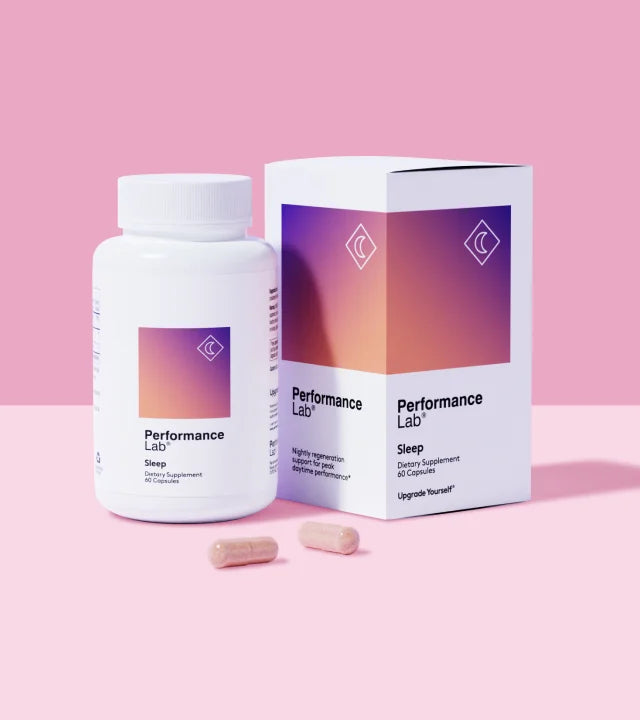
Performance Lab® Sleep combines all of the best sleep aid ingredients in an all-natural, one-size-fits-all formula that doesn't carry the risks of side effects or dependency that its synthetic counterparts often do. It includes:
-
CherryPURE® (Whole Montmorency Tart Cherry) (Prunus cerasus) (fruit) (50:1 concentrated ratio) 500 mg
-
L-Tryptophan, 200 mg
-
Magnesium (as Magnesium Bisglycinate, Taurate and NutriGenesis®) 100 mg
-
Lemon Balm Extract, 200mg
By combining these ingredients at minimally effective dosages, Performance Lab® Sleep naturally promotes deep, tranquil, restorative sleep without overstaying its welcome throughout the following morning.
In addition to supplying only all-natural, non-GMO, plant-based ingredients, Performance Lab® Sleep also encapsulates its formula in clean, green NutriCaps®, a vegan-friendly capsule constructed out of fermented tapioca, or pullulan.
Our Conclusion on Natural Sleep Aids

With sleep being at the heart of optimal health and performance, not getting enough just isn’t an option. Achieving good quality sleep and restful sleep is vital for both physical and mental well-being.
But before turning to synthetic, off-the-shelf supplements that leave you feeling groggy, there is a natural solution for those who have trouble sleeping.
We believe Performance Lab® Sleep is the Most Effective Natural Sleep Aid
As well as the Montmorency tart cherry, magnesium and L-tryptophan, Performance Lab Sleep also includes lemon balm. This fragrant herb has calming properties and acts as a mild, natural sedative to help you fall asleep faster. Not only can it improve sleep quality, it also supports a positive mood.
Another benefit of lemon balm is that it boosts GABA, the calming brain chemical. Which can help with feelings of anxiety. If you’re used to waking in the night and feeling like your brain ‘switches on’ immediately, GABA will help soothe that. (30-32)
Lemon balm, along with Montmorency tart cherry to relieve and relax muscle and joint aches, makes it easier to slip back into sleep. The dream team. Literally.
Back it up with better sleep habits for long-term improvement.
For Even Better Results, Stack Performance Lab® Sleep with...
Performance Lab® NutriGenesis® Multivitamin
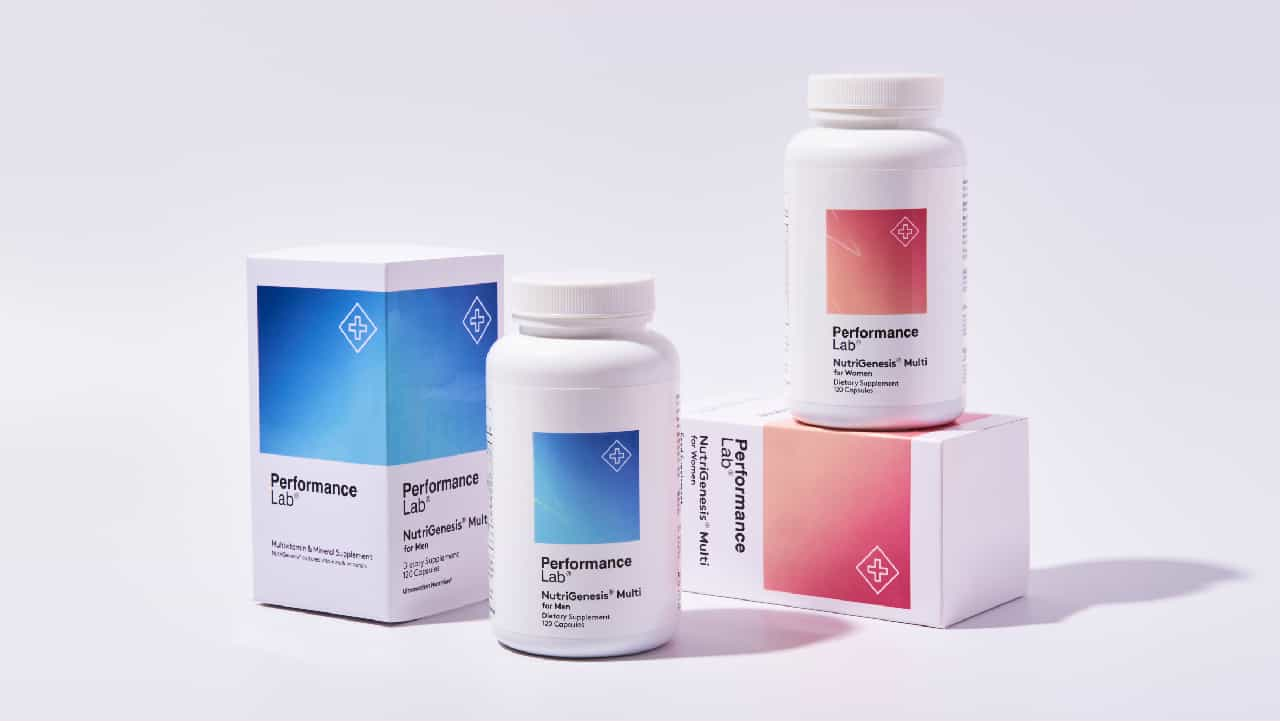
Foundational micronutrient support for healthy mind-body longevity and performance.
As modern food processing increases the quantity of foods, the quality of our foods seems to be dropping. The term "nutrient density" has been popping up to address the concerns of our empty caloric meals, which contribute to a state of being simultaneously well-fed and malnourished.
By supplying nature-identical, probiotic-cultured vitamins and minerals, Performance Lab® NutriGenesis® Multi may help to fill any nutritional void left in our highly processed diets.
One underappreciated factor of good sleep is having a healthy micronutrient status, meaning having optimal levels of essential vitamins and minerals that can only be obtained through the diet. Paired with Sleep, NutriGenesis® Multi sets the nutritional foundation required for both optimal sleep and elevated daytime performance.
Supplement Facts: Vitamin A (as Beta-Carotene), Vitamin C, Vitamin D3, Vitamin E, Vitamin K (1&2), Vitamin B1, Vitamin B2, Niacin, Vitamin B6, Folate, Vitamin B12, Biotin, Pantothenic Acid, Iron, Iodine, Magnesium, Zinc, Selenium, Copper, Manganese, GTF Chromium, Molybdenum, Inositol, Boron
References
- Fatemeh, G., et al. “Effect of Melatonin Supplementation on Sleep Quality.” Journal of Neurology, vol. 269, no. 1, 2022, pp. 205–216. https://doi.org/10.1007/s00415-020-10381-w
- Minari, T. P., and L. P. Pisani. “Melatonin Supplementation.” Sleep and Breathing, 2025. https://doi.org/10.1007/s11325-025-03331-1
- Ferracioli-Oda, E., et al. “Melatonin for the Treatment of Primary Sleep Disorders.” PLOS ONE, vol. 8, no. 5, 2013, e63773. https://doi.org/10.1371/journal.pone.0063773
- Howatson, G., et al. “Effect of Tart Cherry Juice (Prunus cerasus) on Melatonin Levels and Enhanced Sleep Quality.” European Journal of Nutrition, vol. 51, no. 8, 2012, pp. 909–916.
- Shilo, L., et al. “The Effects of Coffee Consumption on Sleep and Melatonin Secretion.” Sleep Medicine, vol. 3, no. 3, 2002, pp. 271–273.
- Tosini, G., et al. “Effects of Blue Light on the Circadian System and Eye Physiology.” Molecular Vision, vol. 22, 2016, pp. 61–72.
- Karasek, M. “Melatonin, Human Aging, and Age-Related Diseases.” Experimental Gerontology, vol. 39, nos. 11–12, 2004, pp. 1723–1729.
- Zhdanova, I. V., et al. “Melatonin Treatment for Age-Related Insomnia.” Journal of Clinical Endocrinology & Metabolism, vol. 86, no. 10, 2001, pp. 4727–4730.
- Shukitt-Hale, B., et al. “Tart Cherry Extracts Reduce Inflammatory and Oxidative Stress Signaling in Microglial Cells.” Antioxidants, vol. 5, no. 4, 2016, p. 33.
- Levers, K., et al. “Effects of Powdered Montmorency Tart Cherry Supplementation on an Acute Bout of Intense Lower Body Strength Exercise in Resistance Trained Males.” Journal of the International Society of Sports Nutrition, vol. 12, 2015, p. 41.
- George, C. F., et al. “The Effect of L-Tryptophan on Daytime Sleep Latency in Normals: Correlation with Blood Levels.” Sleep, vol. 12, no. 4, 1989, pp. 345–353.
- Jenkins, T. A., et al. “Influence of Tryptophan and Serotonin on Mood and Cognition with a Possible Role of the Gut-Brain Axis.” Nutrients, vol. 8, no. 1, 2016, p. 56.
- Zagajewski, J., et al. “Conversion L-Tryptophan to Melatonin in the Gastrointestinal Tract: The New High Performance Liquid Chromatography Method Enabling Simultaneous Determination of Six Metabolites of L-Tryptophan by Native Fluorescence and UV-VIS Detection.” Journal of Physiology and Pharmacology, vol. 63, no. 6, 2012, pp. 613–621.
- Abbasi, B., et al. “The Effect of Magnesium Supplementation on Primary Insomnia in Elderly: A Double-Blind Placebo-Controlled Clinical Trial.” Journal of Research in Medical Sciences, vol. 17, no. 12, 2012, pp. 1161–1169.
- DiNicolantonio, J. J., et al. “Subclinical Magnesium Deficiency: A Principal Driver of Cardiovascular Disease and a Public Health Crisis.” Open Heart, vol. 5, no. 1, 2018, e000668.
- Rapant, S., et al. “Impact of Calcium and Magnesium in Groundwater and Drinking Water on the Health of Inhabitants of the Slovak Republic.” International Journal of Environmental Research and Public Health, vol. 14, no. 3, 2017, p. 278.
- Hornyak, M., et al. “Magnesium Therapy for Periodic Leg Movements-Related Insomnia and Restless Legs Syndrome: An Open Pilot Study.” Sleep, vol. 21, no. 5, 1998, pp. 501–505.
- Nakayama, K., et al. “Glycine and Sleep Quality.” Sleep and Biological Rhythms, 2007.
- Conti, F. “Dietary Protocols to Improve Sleep.” Nutrition Reviews, 2025.
- Burkhardt, S., et al. “Detection of Melatonin in Tart Cherries.” Journal of Agricultural and Food Chemistry, vol. 49, no. 10, 2001, pp. 4898–4902. https://pubmed.ncbi.nlm.nih.gov/11600041/
- Stretton, B., et al. “Tart Cherries and Sleep.” Current Sleep Medicine Reports, 2023.
- Barforoush, F., et al. “The Effect of Tart Cherry on Sleep Quality.” Food Science & Nutrition, 2025. https://doi.org/10.1002/fsn3.70923
- Mount Sinai Health System. “Melatonin.” Mount Sinai, n.d., https://www.mountsinai.org/health-library/supplement/melatonin. Accessed 6 May 2025.
- Sutanto, C. N., et al. “Tryptophan Supplementation and Sleep Quality.” Nutrition Reviews, 2022.
- Lieberman, H. R., et al. “Tryptophan Intake in US Adults.” Journal of Nutrition, 2016.
- Hartmann, E. “Effects of L-Tryptophan on Sleep.” Journal of Psychiatric Research, 1982.
- “Using Magnesium for Better Sleep.” Sleep Foundation, https://www.sleepfoundation.org/magnesium.
- Breus, M., et al. “Magnesium Supplementation and Sleep Quality.” 2024.
- Abbasi, B., et al. “Magnesium and Primary Insomnia.” Journal of Research in Medical Sciences, 2012.
- Mathews, I. M., et al. “Lemon Balm in Psychological Well-Being.” Nutrients, 2024. https://doi.org/10.3390/nu16203545
- Bano, A., et al. “Calming Effect of Melissa officinalis.” Frontiers in Pharmacology, 2023. https://doi.org/10.3389/fphar.2023.1250560
- Haybar, H., et al. “Melissa officinalis and Sleep Disorder.” Clinical Nutrition ESPEN, 2018. https://doi.org/10.1016/j.clnesp.2018.04.008