

Let's tackle the big question right away: "why am I so tired after lunch?" (or after 1PM, 3PM, you name it...) The answer is actually a mix of biology and lifestyle.
Our body's internal clock dictates a period of sleepiness or decreased alertness in the afternoon. (1, 2) However, sleep disorders, underlying conditions, stress, insufficient sleep, or poor eating habits can also cause excessive sleepiness at this time. (3)
We’ve all been there, reaching for that well-needed pick-me-up at around 3 pm, usually in the form of a cup of coffee.
Let’s take a closer look at why this may be and how to avoid this post-lunch dip in motivation and energy!
Key Takeaways
- The afternoon energy slump can feel awful and is partly driven by your circadian rhythm and adenosine buildup. Your alertness may naturally dip several hours after waking, but some factors make it worse. (1, 2, 4)
- Habits like poor sleep, high stress, carb-heavy lunches & high sugar intake, dehydration, and late-day caffeine can intensify that mid-day energy crash. (5, 6, 7, 8, 9)
- Simple strategies—daylight exposure, consistent vigorous exercise (even just once per week may help), brief power naps, capping caffeine, hydrating, and replacing simple sugars with proteins and fiber-rich foods—can all help smooth out energy dips.
- Relying on sugar and late cups of coffee may feel helpful in the moment by giving you a short-lived energy boost, but they can worsen sleep quality and make the next day’s slump even worse.
- Addressing sleep quality and circadian rhythm at night is one of the most effective ways to feel more alert and steady in the afternoon.
Why Do I Feel Tired in the Afternoon?

If reaching for the caffeine come 3-4 pm sounds familiar, most of the time you can blame your body clock for this!
Often, a sense of sleepiness can occur around 7-9 hours after our wake-up time due to a natural dip in energy and alertness.
Although not that common, afternoon exhaustion can also be due to a medical condition. (3) A 2025 study review writes that daytime sleepiness is one of the hallmark signs of obstructive sleep apnea. (10)
Sometimes, this fatigue can also be due to thyroid problems or anemia. Needless to say, the best way to detect and address any of these medical conditions is to get checked by a healthcare professional.
Adenosine Build-Up
Another reason for this fatigued feeling is due to adenosine. Adenosine is a chemical that accumulates in your system to cause sleepiness. As the day progresses, your body produces more of this chemical to prepare you for sleep time come the late evening.
It’s actually worth noting that caffeine blocks adenosine receptors, which is why we typically feel more energized and alert after drinking a cup of coffee.
Biological Clock & Daylight
But this isn’t all. During the early afternoon, our biological clock sends signals that are similar to those it sends at bedtime. This is also known as the postprandial dip or the secondary circadian dip.
This is mainly due to the timing of the "master clock" in the brain, which responds to light cues and other factors. It’s our body’s way of telling us to conserve energy and prepare for rest and sleep.
While it’s becoming normalized to feel like this come the afternoon, it doesn’t have to be this way, nor should it be! Reaching for the caffeine and sugary pick-me-ups so late in the day is a slippery slope to poor daily habits, which may make the mid afternoon slump even worse.
Here are some of our top tips to avoid afternoon tiredness!
7 Tips to Avoid Afternoon Tiredness

1) Daylight
No matter how busy your day is, taking a few minutes every day to go outside and get some fresh air can make you much more productive in the afternoon, even if it’s cloudy.
Many experts recommend going outside first thing in the morning (even on a cloudy day), because the natural light helps regulate your circadian and cortisol rhythm. (20)
This can give you a natural energy boost and help your brain realize that the day will soon be in full swing, therefore not an appropriate time to be preparing to fall asleep!
2) Push Yourself with Physical Exercise
When you’re feeling sluggish, exercise is probably the last thing you want to do. However, a brisk 10-minute walk is all it takes to get your blood and energy flowing. Combining a quick walk with getting your daily dose of daylight would also provide even more benefits.
How to Enhance Your Overall Energy Levels with Exercise - Practical & Science-Backed
That said, while a 10-minute walk is beneficial, it might take you a little more than that if you're serious about tackling the mid-afternoon fatigue. This is where strength training and interval training (also known as HIIT) come into play.
If you're not a fitness enthusiast, don't worry - you don't need to exercise hard every day to reap the benefits. Research shows that short sprint training just once per week can support better physical function and healthy blood sugar levels, both of which play a role in maintaining stable energy levels. (11)
How Intense Physical Activity Works to Beat Afternoon Slumps
Sprinting, or any high-intensity activity really, even for 30 seconds, rapidly depletes muscle glycogen (stored sugar). To replenish these stores, your muscles become "sponges" for glucose from your bloodstream, which increases insulin sensitivity.
A single vigorous workout can give you what scientists call the "Prolonged Acute Effect." A study found that a single bout of modest exercise increases insulin sensitivity for 24-48 hours. (12)
This post-training window is when your body is most efficient at processing food (particularly carbs). By preventing the massive insulin and blood sugar spike after a meal, you avoid the subsequent blood sugar crash that often causes post-meal sleepiness and brain fog.
3) Nap
Sometimes, all we need is more sleep. When you're sleep deprived, you accumulate sleep debt. (21)
And while nothing can quite replace a good night's slumber, clinical trials have shown that a quick nap in the afternoon can boost mental and physical performance. (17)
Obviously, not everyone is able to do that logistically at work. If you are, this short rest period could be just what your body needs to re-energize.
Just be wary of sleep inertia; keeping it brief ensures you don't wake up feeling groggy and more tired than before.
4) Cap Caffeine
Drinking a couple of cups of coffee in the mornings will do no harm. However, reaching for it in the afternoon may mean you don't get enough sleep that evening, thus making your slumps even worse. Though, with that being said, everyone’s tolerance to caffeine is different.
Gauge your tolerance and see when you should be capping your caffeine intake - generally, it’s not recommended to drink coffee after around 2 pm!
5) Hydrate
If you are looking for an afternoon pick-me-up without the caffeine intake, simply staying hydrated with a glass of water is enough to perk you up.
When we get dehydrated, we feel tired and sluggish. Dehydration is far more common than you may think, so sipping on some water in the afternoon may be just what your body is signaling you to do!
6) Socialize
Taking a break in the afternoon to nap, drink water, move your body, and get some daylight are all beneficial ways to avoid the afternoon slump. However, socializing is also thought to be quite effective, too.
Whether it’s a friend or co-worker, social interaction can help give your mind a break to focus on something different. Additionally, taking a moment for breathing exercises or a few deep breaths can help reduce stress and support your mental health. This can also break up the monotony of your workday!
7) Watch Your Carb Load - Especially at Lunchtime
To maintain steady energy, try balanced meals focused on lean protein, healthy fats, and whole grains or fiber-rich vegetables. This slows down the absorption of glucose, providing a "slow burn" of energy that prevents that 3 pm fog.
By contrast, an ultra-processed, heavy meal or relying on high-sugar snacks creates a "sugar trap".
A meta-analysis of 31 studies found that sugar consumption does not improve mood and actually increases fatigue and reduces alertness within an hour of consumption. (13) Another study found that consuming too much sugar is linked to excessive daytime sleepiness. (14)
And here's one of the reasons why this happens: over time, high sugar intake can lead to insulin resistance, where your cells struggle to convert glucose into energy. Coupled with disrupted cortisol levels, this can contribute to a state of persistent exhaustion. (15, 16, 18, 19)
Final Thoughts

Not many of us are strangers to the afternoon slump. While it is quite common and often totally normal, it doesn’t have to be the norm during your working day.
Remember that this article is not meant as medical advice. If you notice the tiredness is persistent and you have other symptoms, ask your healthcare provider to run some tests. They might send you to a sleep specialist who can offer a specific treatment option to target the root issue.
That said, most of us can easily fix normal afternoon sleepiness and have more energy throughout the day with the simple lifestyle adjustments mentioned above.
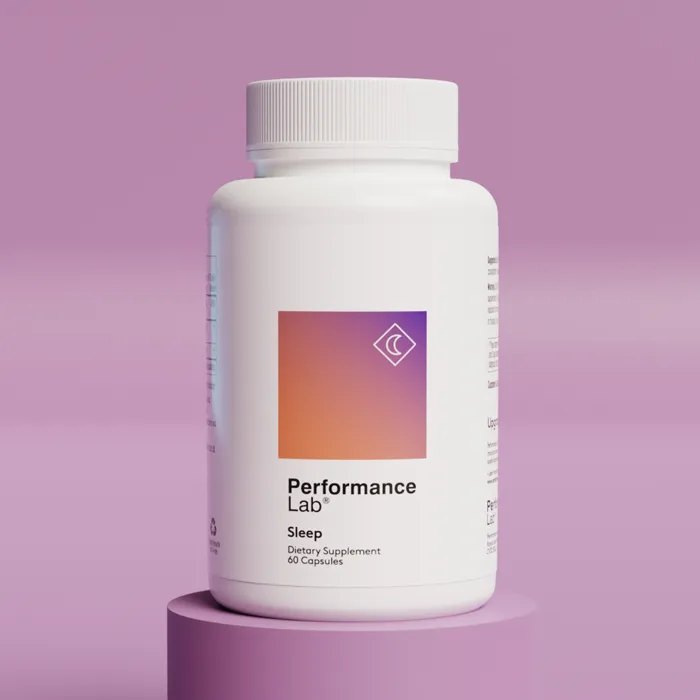
Seeking a natural sleep aid to support your circadian rhythm? Our top pick is Performance Lab Sleep!

References
- Gandhi, K. D., Mansukhani, M. P., Silber, M. H., & Kolla, B. P. (2021). Excessive Daytime Sleepiness: A Clinical Review. Mayo Clinic proceedings, 96(5), 1288–1301. https://doi.org/10.1016/j.mayocp.2020.08.033
- Zha, K., Mi, B., Xiong, Y., Wu, S., Lu, L., Zhang, S., Lu, X., Mak, H. C., Huang, J., Panayi, A. C., Knoedler, S., Chen, L., Liu, G., & Lin, S. (2025). Circadian Rhythm: Biological Functions, Diseases, and Therapeutic Targets. MedComm, 6(11), e70435. https://doi.org/10.1002/mco2.70435
- Lok R. (2025). Rhythms of light: Understanding the role of circadian timing in alertness and cognitive performance. Handbook of clinical neurology, 206, 17–26. https://doi.org/10.1016/B978-0-323-90918-1.00016-2
- Huang, L., Zhu, W., Li, N., Zhang, B., Dai, W., Li, S., & Xu, H. (2024). Functions and mechanisms of adenosine and its receptors in sleep regulation. Sleep medicine, 115, 210–217. https://doi.org/10.1016/j.sleep.2024.02.012
- Fusi, J., Scarfò, G., Di Silvestro, R., & Franzoni, F. (2025). Improving Sleep Quality to Enhance Athletic Activity-The Role of Nutrition and Supplementation: A Mini-Short Review. Nutrients, 17(11), 1779. https://doi.org/10.3390/nu17111779
- Temporini, B., Bottignole, D., Balella, G., Ughetti, G., Pollara, I., Soglia, M., Rausa, F., Ciuro, Y., Franceschini, C., Maggio, M. G., Parrino, L., & Mutti, C. (2025). The Overlapping Burdens of Fatigue and Daytime Sleepiness: Gender-Specific Impacts on Life Quality in Patients with Sleep Disorders. Diseases (Basel, Switzerland), 13(6), 172. https://doi.org/10.3390/diseases13060172
- Arshad, M. T., Maqsood, S., Altalhi, R., Shamlan, G., Mohamed Ahmed, I. A., Ikram, A., & Abdullahi, M. A. (2025). Role of Dietary Carbohydrates in Cognitive Function: A Review. Food science & nutrition, 13(7), e70516. https://doi.org/10.1002/fsn3.70516
- Pross, N., Demazières, A., Girard, N., Barnouin, R., Santoro, F., Chevillotte, E., Klein, A., & Le Bellego, L. (2013). Influence of progressive fluid restriction on mood and physiological markers of dehydration in women. The British journal of nutrition, 109(2), 313–321. https://doi.org/10.1017/S0007114512001080
- Lunsford-Avery, J. R., Kollins, S. H., Kansagra, S., Wang, K. W., & Engelhard, M. M. (2022). Impact of daily caffeine intake and timing on electroencephalogram-measured sleep in adolescents. Journal of clinical sleep medicine, 18(3), 877–884. https://doi.org/10.5664/jcsm.9736
- Oscullo, G., Bekki, A., Gómez-Olivas, J. D., & Martínez-García, M. Á. (2025). Residual Excessive Daytime Sleepiness in Obstructive Sleep Apnoea and New Pharmacological Possibilities for Treatment. Archivos de bronconeumologia, 61(10), 610–616. https://doi.org/10.1016/j.arbres.2025.07.024
- Adamson, S., Kavaliauskas, M., Lorimer, R., & Babraj, J. (2020). The Impact of Sprint Interval Training Frequency on Blood Glucose Control and Physical Function of Older Adults. International journal of environmental research and public health, 17(2), 454. https://doi.org/10.3390/ijerph17020454
- Newsom, S. A., Everett, A. C., Hinko, A., & Horowitz, J. F. (2013). A single session of low-intensity exercise is sufficient to enhance insulin sensitivity into the next day in obese adults. Diabetes care, 36(9), 2516–2522. https://doi.org/10.2337/dc12-2606
- Mantantzis, K., Schlaghecken, F., Sünram-Lea, S. I., & Maylor, E. A. (2019). Sugar rush or sugar crash? A meta-analysis of carbohydrate effects on mood. Neuroscience and biobehavioral reviews, 101, 45–67. https://doi.org/10.1016/j.neubiorev.2019.03.016
- Xi, Y., Lin, Q., Yang, Q., Li, F., Liu, H., Luo, J., Ouyang, Y., Sun, M., Yong, C., Xiang, C., & Zheng, W. (2021). Association between Free Sugars Intake and Excessive Daytime Sleepiness among Chinese Adolescents. Nutrients, 13(11), 3959. https://doi.org/10.3390/nu13113959
- Freeman, A. M., Acevedo, L. A., & Pennings, N. (2025). Insulin resistance. In StatPearls. StatPearls Publishing. https://www.ncbi.nlm.nih.gov/books/NBK507839/
- Vgontzas, A. N., Bixler, E. O., & Chrousos, G. P. (2006). Obesity-related sleepiness and fatigue: the role of the stress system and cytokines. Annals of the New York Academy of Sciences, 1083, 329–344. https://doi.org/10.1196/annals.1367.023
- Restivo, J. (2024, December 4). Can a quick snooze help with energy and focus? The science behind power naps. Harvard Health Publishing. https://www.health.harvard.edu/staying-healthy/can-a-quick-snooze-help-with-energy-and-focus-the-science-behind-power-naps
- Duong, M., Cohen, J. I., & Convit, A. (2012). High cortisol levels are associated with low quality food choice in type 2 diabetes. Endocrine, 41(1), 76–81. https://pmc.ncbi.nlm.nih.gov/articles/PMC3253931/#:~:text=CONCLUSION,consumption%20of%20low%20quality%20foods.
- Paragliola, R. M., Marchetti, M., Montagna, C., Corsello, S. M., & Peluso, G. (2025). "Feeding the Rhythm"-Effects of Food and Nutrients on Daily Cortisol Secretion: From Molecular Mechanisms to Clinical Impact. International journal of molecular sciences, 26(22), 11230. https://doi.org/10.3390/ijms262211230
- de Menezes-Júnior, L. A. A., Sabião, T. D. S., Carraro, J. C. C., Machado-Coelho, G. L. L., & Meireles, A. L. (2025). The role of sunlight in sleep regulation: analysis of morning, evening and late exposure. BMC public health, 25(1), 3362. https://pmc.ncbi.nlm.nih.gov/articles/PMC12502225/
- Newsom, R. (2025, July 10). Sleep debt: The hidden cost of insufficient rest. Sleep Foundation. https://www.sleepfoundation.org/how-sleep-works/sleep-debt-and-catch-up-sleep