
When energy is running low, there are plenty of ways to try to feel more alert - from food, sleep and exercise to caffeine, supplements and stimulant drugs. But these approaches aren't interchangeable, and they can differ considerably in how they work, their potential benefits and their drawbacks.
In this article, we'll explore the different types of stimulants, how they affect the body and mind, and some alternative ways to support energy that you may not have considered.
Key Takeaways
- Sleep, nutrition, hydration and physical activity provide the foundations for healthy energy levels, while stimulants mainly increase alertness and wakefulness rather than creating energy for the body.
- Stimulants range from naturally occurring compounds such as caffeine to prescription medications and illicit drugs, with their effects and risks varying considerably.
- Caffeine can improve alertness, cognition and exercise performance, but too much can cause side effects such as anxiety, jitters, palpitations and disrupted sleep.
- If you're looking for an alternative to increasingly strong stimulants, supplements such as Performance Lab Energy take a different approach by supporting the mitochondria and the cellular processes involved in producing ATP.
Where Does Your Energy Come From?

Before reaching for a stimulant, it's worth looking at the foundations of your energy. Various factors influence our energy levels, including sleep, diet, movement, nutrition, and more. Let's make sure we're aware of them. They include:
- Sleep: The American Academy of Sleep Medicine recommends seven hours of quality sleep a night or more for adults. Sleep allows the body to carry out various physiological processes that help to restore energy, helping you to be ready for another day. (1)
- Food: Our food is converted into energy for the body, but it's not as simple as food in-energy out. The right macronutrients in the right amounts can make a difference to your energy levels. For instance, protein can help to keep blood sugar stable, while complex carbohydrates such as brown rice and oats provide sustained energy. In contrast, processed carbs such as white bread release energy quicker but can also cause an energy crash.
More: Learn about complex versus simple carbs
- Physical activity: Movement keeps the blood and oxygen flowing through the body, helping you stay energized. It also helps to reduce blood pressure and build a stronger immune system. The WHO recommends adults do at least 150 minutes of exercise a week. (2, 3)
- Hydration: Water makes up to 60% of the adult body, and it's all too easy to become dehydrated. Research shows that if your body mass reduces by just 2% due to dehydration (approximately 1-1.5 liters of body fluid), it impacts your energy and cognition. The National Academies of Sciences recommends a daily 'Adequate intake' of water from all sources of 2.7 liters for women and 3.7 liters for men. This includes water from food, drinking water and other beverages. (4, 5)
- Vitamins and minerals. There are several vitamins and minerals that are particularly useful for energy. They include B vitamins, vitamin D, magnesium and iron, so make sure your diet includes these vitamin-rich sources. You can also supplement with a quality multivitamin like Performance Lab NutriGenesis Multi.
More: Natural Energy Boosters: Vitamins, Nutrients and Supplements for More Energy
Many people also turn to stimulants when they need an energy boost. There are many different kinds of stimulants, from illicit to natural. It's important to realize, however, that while stimulants can increase alertness, stimulation isn't necessarily the same thing as providing your body with energy.
Let's examine stimulants in more detail...
What are Stimulants?

You may have heard the term thrown around in conversation, but what are stimulants, and what do they actually stimulate?
Feeling energized, focused, and alert is all about chemistry. Specifically, they're all about the central nervous system (CNS).
The CNS is made up of the brain and spinal cord, which act as a processing centre for the body, receiving information, interpreting it, and coordinating responses. It also controls how motivated, awake and responsive we feel throughout our day.
The Effects of Stimulants
So where do stimulants come in? Stimulant drugs and other forms of stimulants increase activity in our CNS (Central Nervous System).
Stimulants can enhance the effects of neurotransmitters such as dopamine and norepinephrine (and, in some cases, serotonin), which play important roles in reward, motivation, alertness, happiness and attention.
This can result in a temporary boost to focus, alertness, reaction times, physical arousal, and wakefulness. The exact effects depend on the type of stimulant, the dose and the individual. (6)
What Types of Stimulants Are There?

There are many different types of stimulants, including...
Prescription Stimulant Drugs (ie, for Attention Deficit Hyperactivity Disorder)
These are specific drugs or stimulant medications prescribed for specific medical conditions, such as Attention Deficit Hyperactivity Disorder (ADHD) and narcolepsy, as identified by behavioral neuroscience. Prescription stimulant drugs increase activity in the central nervous system and can improve alertness, attention and certain cognitive functions.
Common prescribed stimulants include methylphenidate, such as Ritalin, and amphetamine-class medications. Modafinil treats excessive sleepiness from narcolepsy.
While these prescription medications can be effective when used to treat conditions as prescribed, they also have potential negative effects, including increased heart rate, increased blood pressure and decreased appetite, and should only be taken under appropriate medical supervision. (6)
Illicit Stimulants:
Drugs such as cocaine (a dopamine transporter) and methamphetamine, as well as other amphetamine-class drugs are illegal stimulants that produce powerful effects on the central nervous system.
Illicit stimulant drug use carries serious health risks, including increased heart rate and blood pressure, cardiovascular effects, chest pain, mental health problems, substance abuse and stimulant overdose.
Cocaine and methamphetamine are among the most addictive stimulant drugs. Even relatively short-term use can lead to powerful cravings, tolerance and dependence, making them particularly difficult to stop. (20)
High doses can also increase the risk of severe complications, including heart attack and permanent damage. Amphetamines can cause heart and artery damage with long-term use. Because of their abuse potential and significant negative effects, illicit stimulant use is not recommended.
Dependence on stimulants can lead to withdrawal symptoms like fatigue and depression. (6)
Naturally Occurring Stimulants:
These are other stimulant compounds found naturally in certain plants and foods, including caffeine in coffee and tea and theobromine in cocoa. You can also find them in energy drinks. These don't tend to be as dangerous as prescription stimulants or illicit stimulants, though that doesn't always mean they're safe. (6)
It's worth noting that these three categories are not exhaustive. Other stimulant substances may be used for specific purposes, including performance enhancement, and their legal and regulatory status can vary depending on the substance and where you live. Likewise, other substances, such as nicotine, are also technically classified as stimulants.
We're not going to discuss prescription or illicit stimulants in any more detail. We don't recommend the use of illicit stimulants, while prescription stimulants should only be used under the guidance of a qualified healthcare professional. Let's discuss natural stimulants instead...
Caffeine: The World's Most Common Stimulant

As I said, natural stimulants come from naturally occurring sources, such as plants, rather than being made synthetically.
Caffeine is a natural stimulant found in coffee beans and tea. It acts on the central nervous system by blocking adenosine receptors in the brain.
Adenosine is involved in regulating sleep pressure, with its activity generally increasing during prolonged or extended wakefulness. As adenosine binds to its receptors, it promotes sleepiness and reduces alertness. Caffeine works by blocking these receptors, helping to counteract the effects of adenosine and promote wakefulness.
Blocking adenosine effects can therefore increase alertness and reduce feelings of fatigue. (7)
As I said, caffeine is found in coffee, which is one of the most popular stimulants consumed in many countries worldwide. Studies show a whopping 85% of Americans enjoy at least one caffeinated drink a day. (8)
In scientific studies, doses of 200mg or more of caffeine have been shown to help improve various types of exercise performance, while low to modest doses (40 mg-300 mg) have been shown to boost cognition. (9, 10)
Coffee also contains other compounds such as theobromine, another mild stimulant with more gradual and sustained effects than caffeine. The amount of theobromine in coffee can vary depending on brewing method, roast and type of coffee bean.
Different types of coffee can also contain different amounts of caffeine. Brewed coffee typically contains approximately 40mg of caffeine per 100mg. (11)
When Coffee Works Best
Coffee typically acts on the body within 20-60 minutes of consumption, so it's ideal for whenever you need a quick boost of focus or alertness. Perhaps to tackle the mid-afternoon slump or to handle a cognitively difficult task. If taking it as a pre-workout, take it 60 minutes before physical performance. (12)
Cons of Coffee
Too much caffeine can also cause jitters, energy crashes, anxiety, heart palpitations, and insomnia, especially in people sensitive to it. The FDA recommends consuming no more than 400mg of daily caffeine from all sources. Be aware that some energy drinks can contain more than 300 mg of caffeine per 16 fl oz. (13, 14)
Studies also show that caffeine can still affect your sleep up to six hours before bed. (15)
More: Is caffeine bad for you? A close look
Another option: A crash-free caffeine pill.
If you're looking for caffeine without the crash, we can offer you Performance Lab Caffeine 2. It includes a modest 50mg of caffeine per serving so you can tailor your dose to your daily needs. Caffeine 2 also includes important nutrients that help tackle the potential side effects of caffeine. It includes:
-
Theanine - this helps to boost alertness alongside caffeine, while dampening down its side effects (16)
-
B-vitamins and tyrosine - these are typically depleted when drinking coffee, so it's a good idea to replace them.
Performance Lab® Caffeine 2
Smooth energy. Clarity. Focus. No jitters. No burnout. No crash.
Shop Now
Alternatives to Coffee
If you don't enjoy coffee, there are other natural sources of caffeine to consider. Matcha green tea, yerba mate and guarana all contain caffeine and can provide a stimulant effect. Matcha and yerba mate are consumed as beverages, while guarana is more commonly found as an ingredient in energy drinks and supplements.
A Warning about the Negative Effects of Natural Stimulants
Here's one point I want to drive home: just because something is 'natural' does not automatically mean that it is safe. Plant-based stimulants still act on the Central Nervous System, and they can be potent.
Certain stimulants such as caffeine, yerba mate and guarana, for example, can increase your heart rate, raise blood pressure, disrupt sleep and cause jitteriness and anxiety if taken in excess. They may also interfere with other medications.
Guarana can be particularly easy to overlook as a source of caffeine when it's included in a supplement or energy drink.
A Different Approach to Energy

Stimulants such as caffeine can be a useful way to increase alertness, but they aren't the only way to support your energy levels. If you're looking for nutritional support without relying on coffee, energy drinks or increasingly strong stimulants, a targeted energy supplement may be worth considering.
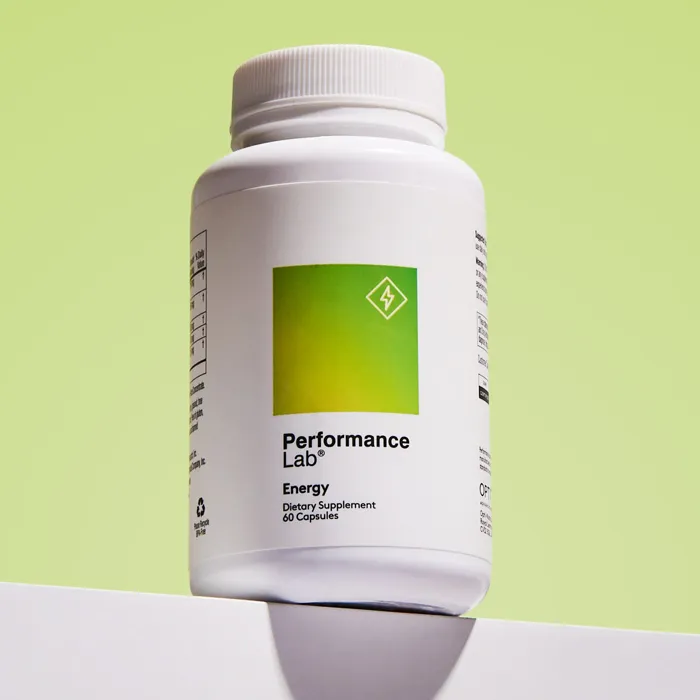
We'd recommend one of the new generation of energy supplements that eschew stimulants and instead focus on improving your natural energy on a cellular level, such as Performance Lab Energy.
About Performance Lab Energy
Performance Lab Energy seeks to boost your body's energy by supporting the mitochondria in your cells, the energy-producing centers that create ATP energy, the type of energy your body uses for... well, just about everything.
It does this by including several 'mitochondrial nutrients' such as Coenzyme Q10 (CoQ10), R-Lipoic Acid, Pyrroloquinoline Quinone (PQQ), and Acetyl-L-Carnitine (ALCAR). Between them, these nutrients help to support, encourage and strengthen the mitochondria. (17,18, 19)
It also includes magnesium and black pepper extract for added absorption.
Together, Performance Lab Energy offers a boost without the crash: clean energy at a cellular level.
Mind Lab Pro: A Nootropic for Brain Energy
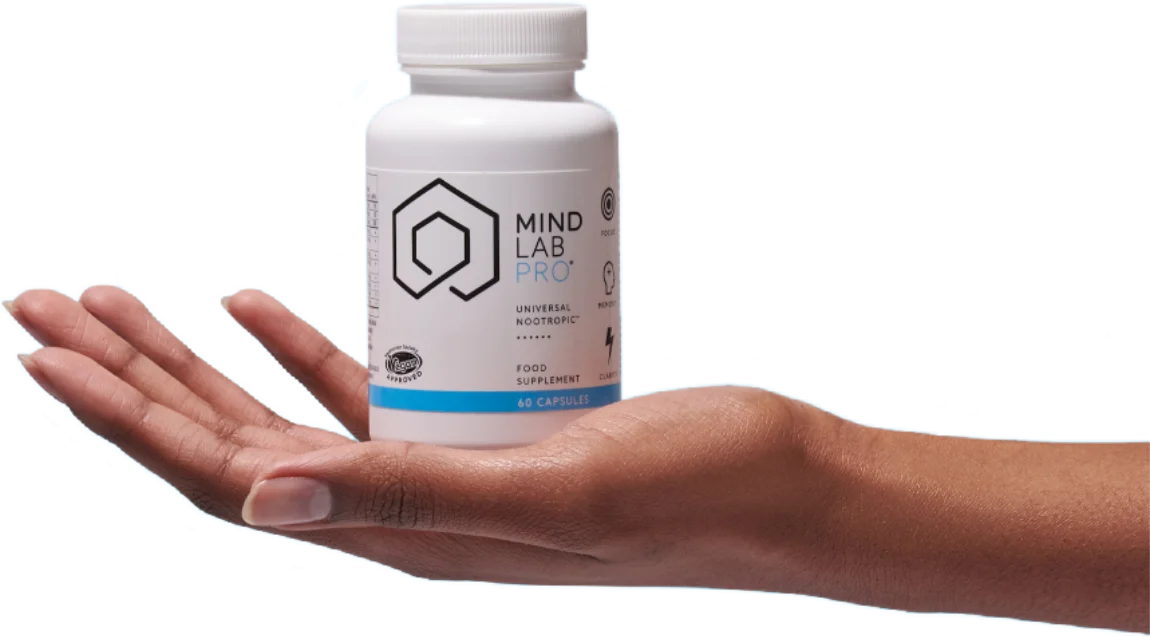
While Performance Lab Energy aims to boost your overall energy, you may want a supplement that specifically targets the brain. Mind Lab Pro is one of the most popular nootropics around. It brings together 11 proven nootropics that aim to reduce stress, strengthen long-term brain health and give you a short-term cognitive boost.
Independently tested by researchers at Leeds University and proven to improve reaction and processing time, memory recall, focus and decision-making. See links to all four studies here.

Final Thoughts
Certain stimulants have a place in the drug and supplement world, but they're not your only options. Many stimulants - even natural ones - can come with potential side effects, depending on dosage and individual usage.
That's why new-generation energy supplements that seek to improve your own energy at the cellular level and provide clean energy are a great option. For this, we recommend Performance Lab Energy.
References
- American Academy of Sleep Medicine. “Adult Sleep Duration Health Advisory.” https://aasm.org/advocacy/position-statements/adult-sleep-duration-health-advisory/
- World Health Organization. WHO Guidelines on Physical Activity and Sedentary Behaviour. https://www.who.int/multi-media/details/who-guidelines-on-physical-activity-and-sedentary-behaviour
- Wender, C. L. A., Manninen, M., and O’Connor, P. J. “The Effect of Chronic Exercise on Energy and Fatigue States: A Systematic Review and Meta-Analysis of Randomized Trials.” Frontiers in Psychology 13 (2022): 907637. https://doi.org/10.3389/fpsyg.2022.907637. PMID: 35726269; PMCID: PMC9206544.
- National Academies of Sciences, Engineering, and Medicine. Dietary Reference Intakes for Water, Potassium, Sodium, Chloride, and Sulfate. Washington, DC: The National Academies Press, 2005. https://doi.org/10.17226/10925
- Liska, D., Mah, E., Brisbois, T., Barrios, P. L., Baker, L. B., and Spriet, L. L. “Narrative Review of Hydration and Selected Health Outcomes in the General Population.” Nutrients 11, no. 1 (2019): 70. https://doi.org/10.3390/nu11010070. PMID: 30609670; PMCID: PMC6356561.
- Farzam, K., Faizy, R. M., and Saadabadi, A. “Stimulants.” In StatPearls. Treasure Island, FL: StatPearls Publishing, 2026. Updated July 2, 2023. https://www.ncbi.nlm.nih.gov/books/NBK539896/
- Evans, J., Richards, J. R., and Battisti, A. S. “Caffeine.” In StatPearls. Treasure Island, FL: StatPearls Publishing, 2026.
- Mitchell, Diane C., Carol A. Knight, Jon Hockenberry, Robyn Teplansky, and Terryl J. Hartman. “Beverage Caffeine Intakes in the U.S.” Food and Chemical Toxicology 63 (2014): 136–142.
- McLellan, Tom M., John A. Caldwell, and Harris R. Lieberman. “A Review of Caffeine’s Effects on Cognitive, Physical and Occupational Performance.” Neuroscience & Biobehavioral Reviews 71 (2016): 294–312. https://www.sciencedirect.com/science/article/pii/S0149763416300690
- Doherty, M., and Smith, P. M. “Effects of Caffeine Ingestion on Rating of Perceived Exertion during and after Exercise: A Meta-Analysis.” Scandinavian Journal of Medicine & Science in Sports 15, no. 2 (2005): 69–78. https://doi.org/10.1111/j.1600-0838.2005.00445.x
- U.S. Department of Agriculture. “Brewed Coffee.” FoodData Central. https://fdc.nal.usda.gov/food-details/171890/nutrients
- Lowery, L. M., Anderson, D. E., Scanlon, K. F., Stack, A., Escalante, G., Campbell, S. C., Kerksick, C. M., Nelson, M. T., Ziegenfuss, T. N., VanDusseldorp, T. A., Kalman, D. S., Campbell, B. I., Kreider, R. B., and Antonio, J. “International Society of Sports Nutrition Position Stand: Coffee and Sports Performance.” Journal of the International Society of Sports Nutrition 20, no. 1 (2023): 2237952. https://doi.org/10.1080/15502783.2023.2237952
- U.S. Food and Drug Administration. “Spilling the Beans: How Much Caffeine Is Too Much?” https://www.fda.gov/consumers/consumer-updates/spilling-beans-how-much-caffeine-too-much
- Nadeem, I. M., Shanmugaraj, A., Sakha, S., Horner, N. S., Ayeni, O. R., and Khan, M. “Energy Drinks and Their Adverse Health Effects: A Systematic Review and Meta-Analysis.” Sports Health 13, no. 3 (2021): 265–277. https://doi.org/10.1177/1941738120949181. PMID: 33211984; PMCID: PMC8083152.
- Drake, C., Roehrs, T., Shambroom, J., and Roth, T. “Caffeine Effects on Sleep Taken 0, 3, or 6 Hours before Going to Bed.” Journal of Clinical Sleep Medicine 9, no. 11 (2013): 1195–1200. https://doi.org/10.5664/jcsm.3170. PMID: 24235903; PMCID: PMC3805807.
- Dodd, F. L., Kennedy, D. O., Riby, L. M., and Haskell-Ramsay, C. F. “A Double-Blind, Placebo-Controlled Study Evaluating the Effects of Caffeine and L-Theanine Both Alone and in Combination on Cerebral Blood Flow, Cognition and Mood.” Psychopharmacology 232, no. 14 (2015): 2563–2576. https://doi.org/10.1007/s00213-015-3895-0
- Mizuno, K., Tanaka, M., Nozaki, S., Mizuma, H., Ataka, S., Tahara, T., Sugino, T., Shirai, T., Kajimoto, Y., Kuratsune, H., Kajimoto, O., and Watanabe, Y. “Antifatigue Effects of Coenzyme Q10 during Physical Fatigue.” Nutrition 24, no. 4 (2008): 293–299. https://doi.org/10.1016/j.nut.2007.12.007. Erratum in Nutrition 24, no. 6 (2008): 616. PMID: 18272335.
- Chowanadisai, W., Bauerly, K. A., Tchaparian, E., Wong, A., Cortopassi, G. A., and Rucker, R. B. “Pyrroloquinoline Quinone Stimulates Mitochondrial Biogenesis through cAMP Response Element-Binding Protein Phosphorylation and Increased PGC-1α Expression.” Journal of Biological Chemistry 285, no. 1 (2010): 142–152. https://doi.org/10.1074/jbc.M109.030130. PMID: 19861415; PMCID: PMC2804159.
- Pagano, G., Aiello Talamanca, A., Castello, G., Cordero, M. D., d’Ischia, M., Gadaleta, M. N., Pallardó, F. V., Petrović, S., Tiano, L., and Zatterale, A. “Current Experience in Testing Mitochondrial Nutrients in Disorders Featuring Oxidative Stress and Mitochondrial Dysfunction: Rational Design of Chemoprevention Trials.” International Journal of Molecular Sciences 15, no. 11 (2014): 20169–20188. https://doi.org/10.3390/ijms151120169. PMID: 25380523; PMCID: PMC4264162.
- Clinical Guideline Committee (CGC) Members; ASAM Team; AAAP Team; IRETA Team. “The ASAM/AAAP Clinical Practice Guideline on the Management of Stimulant Use Disorder.” Journal of Addiction Medicine 18, no. 1S, Supplement 1 (2024): 1–56. https://doi.org/10.1097/ADM.0000000000001299. PMID: 38669101; PMCID: PMC11105801.