
Vision supplements are everywhere — but only some are supported by real science. The best eye health supplements that work do not “cure” vision problems or replace glasses, contacts, eye exams, or medical care. Instead, they support specific aspects of eye function, including macular health, contrast sensitivity, glare recovery, dry eye comfort, retinal health, and age-related vision resilience.
Eye supplements appear to be growing in popularity as more people think about long-term eye health, screen-related visual fatigue, and age-related vision concerns.
- Vision problems are extremely common: The World Health Organization estimates 2.2+ billion people worldwide have some form of vision impairment.
- Screen-related eye strain is widespread: The American Optometric Association reports that long periods of screen use are linked with digital eye strain symptoms such as dry eyes, blurred vision, and headaches.
- Screen time is now a major vision-performance issue: A 2026 American Optometric Association survey found that Americans spend about 50 hours per week on screens on average.
If you searched for “vision supplements that really work,” you are probably not looking for vague eye vitamin hype — you want to know which nutrients have real evidence, what they can actually help with, and which claims are exaggerated. We're digging into vision supplements from all angles in this guide. Let's get to it!
Key Takeaways
- Vision supplements work best when the claim is specific. The strongest evidence is tied to specific outcomes like macular pigment density, glare recovery, contrast sensitivity, tear film comfort, retinal function, and AMD progression.
- Eye health and vision performance are related, but not identical. Some supplements support long-range eye health, while others are better for screen strain, glare, focusin, dark adaptation, or reaction-time.
- No supplement can “fix eyesight” like glasses, contacts, or surgery. Supplements do not correct nearsightedness, farsightedness, astigmatism, or other related vision challenges.
- Evidence varies widely. Some ingredients are supported by large clinical trials, while others rely on smaller studies, combination formulas, mechanism-of-action research, or traditional use reports.
- Variables make a big difference. A nutrient that helps people with a deficiency, dry-eye symptoms, or a specific AMD stage may not provide the same benefit for healthy adults with no eye concerns.
- Eye supplements should complement, not replace, eye care. Regular eye exams, UV protection, screen time, diet, sleep, and treatment when needed remain key.
Vision Supplement Summary: Benefits and Evidence Strength
Here is a quick summary of the main nutrients covered in this guide and what they may support, listed in order from the strongest scientific evidence to the weakest.
- AREDS2 nutrients: AREDS1 and AREDS2 are large studies that showed some nutrients may help slow progression in specific AMD stages.
- Lutein + zeaxanthin: Support macular pigment, blue-light filtering, contrast sensitivity, glare recovery, and visual clarity.
- Omega-3s / DHA + EPA: Support retinal membranes, inflammatory balance, tear film comfort, and dry-eye-related issues.
- Vitamin A: Supports normal visual cycling and low-light vision, especially when intake is low. Good for deficiency-related vision support; but not “more is better.”
- Saffron: May support retinal function, flicker sensitivity, and antioxidant defenses. Evidence: Promising but limited evidence.
- Astaxanthin: May help with visual fatigue, focusing comfort, ocular blood flow, and antioxidant protection.
- Bilberry: May support antioxidant defenses, eye strain, tiny blood vessels, and retinal function. Evidence is mixed; not proven for night-vision enhancement.
- Black currant: May support dark adaptation, contrast sensitivity, and screen-related eye strain. Evidence: Promising but limited.
- Citicoline: Supports the "eye-brain" aspect of visual function: attention, processing speed, focus, and reaction-time-related performance.
- Maritime pine bark extract: May support antioxidant activity, vascular function, and ocular microcirculation. Evidence is limited and indirect.
- Ginkgo biloba: May support ocular blood flow and visual measures in specific niche research contexts. Evidence is weak to preliminary.
Disclaimer
This article is for educational purposes only and is not medical advice. Dietary supplements are not intended to diagnose, treat, cure, or prevent any disease, including macular degeneration, glaucoma, cataracts, diabetic retinopathy, dry eye disease, or vision loss. If you have sudden vision changes, eye pain, flashes, new floaters, one-sided vision loss, diabetes, glaucoma, macular degeneration, a family history of serious eye disease, or any diagnosed eye condition, consult an eye doctor or qualified healthcare professional. Talk with your clinician before using supplements if you are pregnant, nursing, taking medications, using blood thinners, preparing for surgery, or managing a medical condition.
What are Vision Supplements?

Vision supplements (or eye supplements, if you prefer) have evolved over the years. Initially, they were about maintaining eye health against age-related issues. But the category has now expanded into more performance-related aspects of eyesight, such as visual speed, dry eye, computer vision issues, dark adaptation, contrast sensitivity and more.
So while eye supplements remain a mainstay for anyone looking to support long-range eye health, they can also help people who need vision performance, such as:
- Computer workers dealing with eye strain and visual fatigue from staring at a screen
- Athletes who need quick reaction time, sharp contrast sensitivity, and fast glare recovery (baseball players, golfers, tennis players, soccer players, etc.)
- Gamers and esports competitors who depend on visual processing speed, focus, reaction time, and motion tracking
- Drivers who struggle with glare, shifting light, night driving, or low-light visibility
- Hunters, photographers, birdwatchers, and outdoor hobbyists who rely on distance vision, detail detection, and contrast sensitivity
- Pilots, cyclists, skiers, and boaters who need fast visual adaptation in bright light, glare, haze, or changing weather
- Students, readers, designers, coders, and editors who do long stretches of close-up visual work
- First responders, security professionals, and military personnel who need alert visual attention and fast target detection
Top Eye Health vs. Top Vision Performance Supplements
Healthy eyes perform better, so there is a natural overlap. But in general, top nutrients for eye health vs. vision performance:
- Best for eye health: AREDS2 nutrients, lutein + zeaxanthin, vitamin A, omega-3s / DHA + EPA, saffron, astaxanthin, bilberry, black currant, maritime pine bark extract, and ginkgo biloba.
- Best for vision performance: lutein + zeaxanthin, black currant, astaxanthin, saffron, bilberry, citicoline, maritime pine bark extract, omega-3s / DHA + EPA, and Mind Lab Pro-style nootropic formulas.
Did you know?
A 2026 American Optometric Association-commissioned survey found that while 91% of Americans value preventive health, only 55% schedule annual eye exams.
How Vision Supplements Work

The eye is a high-performance sensory organ. It is constantly exposed to light, oxygen, environmental stress, and metabolic activity. It must focus light, protect delicate retinal cells, maintain a smooth tear film, nourish tiny blood vessels, and send fast visual signals to the brain.
The best vision supplements do not “fix eyesight” like glasses, contacts, or surgery.
Instead, they support the biological systems that help healthy eyes stay clear, comfortable, and functional over time. Six of the most important pathways for eye health and vision performance are:
1. Macular Pigment Support
This is one of the strongest mechanisms behind science-backed vision supplements. The macula is the central area of the retina responsible for sharp, detailed vision. Lutein, zeaxanthin, and meso-zeaxanthin concentrate in the macula, where they form macular pigment. This pigment helps filter high-energy blue light that can damage eye cells. It may also support contrast sensitivity, glare recovery, and visual clarity.(1)
2. Antioxidant Protection
The retina is a site of cell-damaging oxidative stress because it is exposed to light (the dangerous blue light spectrum) and has high oxygen demands. Antioxidants like lutein, zeaxanthin, vitamin C, vitamin E, zinc-supported enzymes, astaxanthin, saffron carotenoids, and anthocyanins (in black currant and bilberry, for example) help support the eye’s defenses against oxidative stress. This pathway is especially crucial for long-range retinal health and age-related eye resilience.
3. Retinal Structure and Photoreceptor Function
Eye cells called photoreceptors convert light into signals the brain can understand. Vitamin A is essential for eyesight and low-light vision, while DHA helps maintain retinal cell membrane structure. Anthocyanin-rich berry extracts are also discussed for rhodopsin activity (rhodopsin is a light-sensitive protein in the retina that helps the eyes detect dim light and adapt to darkness) and dark adaptation.
4. Ocular Blood Flow and Nutrient Delivery
Circulation is important for vision performance. The eyes rely on tiny blood vessels to deliver oxygen, glucose, and nutrients to the retina, optic nerve, and surrounding tissues. Ingredients such as bilberry, black currant, maritime pine bark extract, astaxanthin, and ginkgo have been studied in vascular or circulation-related eye health contexts.
5. Tear Film and Eye Comfort
Clear vision depends partly on a stable tear film. When tear film stability is poor, vision may suffer and eyes may feel dry, gritty, tired, or irritated. Omega-3 fatty acids are studied for dry-eye support because EPA and DHA influence inflammatory signaling and cell membrane structure. Clinical evidence is mixed, but omega-3s show some promise for possible tear film and eye comfort support.(2)
6. Visual Processing and Eye-Brain Performance
Vision does not end at the retina. The brain must detect, interpret, and respond to visual information. This is why some vision performance formulas discuss motion detection, reaction time, visual attention, and retina-to-brain signaling. Ingredients such as black currant anthocyanins, citicoline, and some nootropic stacks may help with performance-related visual processing.
Together, these pathways explain why credible vision supplements are usually not single “magic bullet” ingredients. They support the eye from multiple angles: macular pigment, antioxidant defenses, retinal structure, circulation, tear film, visual processing and more.
Did you know?
The macula is sometimes called the “yellow spot” because macular pigments such as lutein and zeaxanthin give it a yellow color. Those pigments are part of the reason lutein and zeaxanthin are so central to modern eye health supplements.
Key Vision Performance Metrics

Vision supplements are often studied using specific eye-function and visual-performance measures. These metrics show whether an ingredient not only helps eyes stay healthy, but also helps them perform. Some key vision performance metrics that may be influenced by supplements:
Visual Acuity
Visual acuity refers to the sharpness or clarity of vision, usually measured with a standard eye chart. In everyday life, it affects how clearly you can read road signs, recognize faces from a distance, see small text on a screen, follow a moving golf ball or baseball, or make out fine details in a photo or object across the room. Supplements may support retinal and macular health involved in maintaining clear central vision over time.
Supplements that may help: lutein, zeaxanthin, AREDS2 nutrients in appropriate AMD populations, saffron, bilberry, and black currant.
Contrast sensitivity
Contrast sensitivity is the ability to distinguish objects from backgrounds that look similar. In real life, it affects how well you can see a gray curb at dusk, read faint text on a low-contrast screen, spot a golf ball against the sky, or notice pedestrians and lane markings while driving in rain, fog, or twilight. Nutrients that support macular pigment, retinal function, and antioxidant defenses may help this aspect of vision performance.
Supplements that may help: lutein, zeaxanthin, black currant, bilberry, astaxanthin, and saffron.
Glare recovery
Glare recovery is how quickly vision returns to normal after exposure to bright light. For example, when headlights hit your eyes at night, sunlight reflects off water or snow, a camera flash briefly blinds you, or you move from bright outdoor light into a dim room. Slow glare recovery can make driving, sports, skiing, boating, or outdoor work challenging. Nutrients that support macular pigment and retinal resilience may help the eye handle bright-light stress more effectively.
Supplements that may help: lutein, zeaxanthin, saffron, black currant, and astaxanthin.
Dark adaptation
Dark adaptation is how efficiently the eyes adjust from bright conditions to low-light or nighttime settings. It's what you notice when walking into a dark theater, driving at night after passing bright headlights, camping at dusk, navigating a dim hallway, or adjusting after leaving a brightly lit store. Poor dark adaptation can make low-light environments feel blurry, slow, or unsafe. Certain nutrients may support the retinal processes involved in low-light vision.
Supplements that may help: black currant, lutein, zeaxanthin, vitamin A when intake is low, and bilberry.
Eye fatigue
Eye fatigue is tiredness, strain and heaviness during visually demanding tasks. Common examples include tired eyes after hours of computer work, blurry-feeling vision after reading, discomfort during long drives, eye heaviness from gaming, or strain from switching between screens and printed text. Eye fatigue can come from many causes, including dry eye, uncorrected vision, poor lighting, screen habits, or prolonged focusing demand. Supplements may help to energize the eyes.
Supplements that may help: astaxanthin, black currant, bilberry, lutein, zeaxanthin, omega-3s, and saffron.
Tear film stability
Tear film stability describes how well the tear layer stays intact to keep the eye surface smooth, comfortable, and clear. When the tear film breaks up too quickly, vision can fluctuate, especially during screen use, reading, driving, air travel, or time in dry indoor air. People may notice burning, grittiness, watering, blurry episodes, or the need to blink repeatedly to clear their vision. Supplements may support tear quality and inflammatory balance, but dry eye can have many causes and may require targeted eye care.
Supplements that may help: omega-3s, especially EPA and DHA; possibly vitamin D if status is low.
Read about foods that help dry eye and worsen dry eye.
Visual processing speed
Visual processing speed is how quickly the eyes and brain detect, process, and respond to visual information. This makes a difference when reacting to a tennis serve, tracking a baseball, gaming competitively, driving in traffic, spotting movement in peripheral vision, reading quickly, or making fast decisions based on what you see. This is more of an eye-brain performance category than a classic eye-health category.
Supplements that may help: citicoline, black currant, maritime pine bark extract, some nootropic formulas, and possibly lutein/zeaxanthin for visual-performance support.
Did you know?
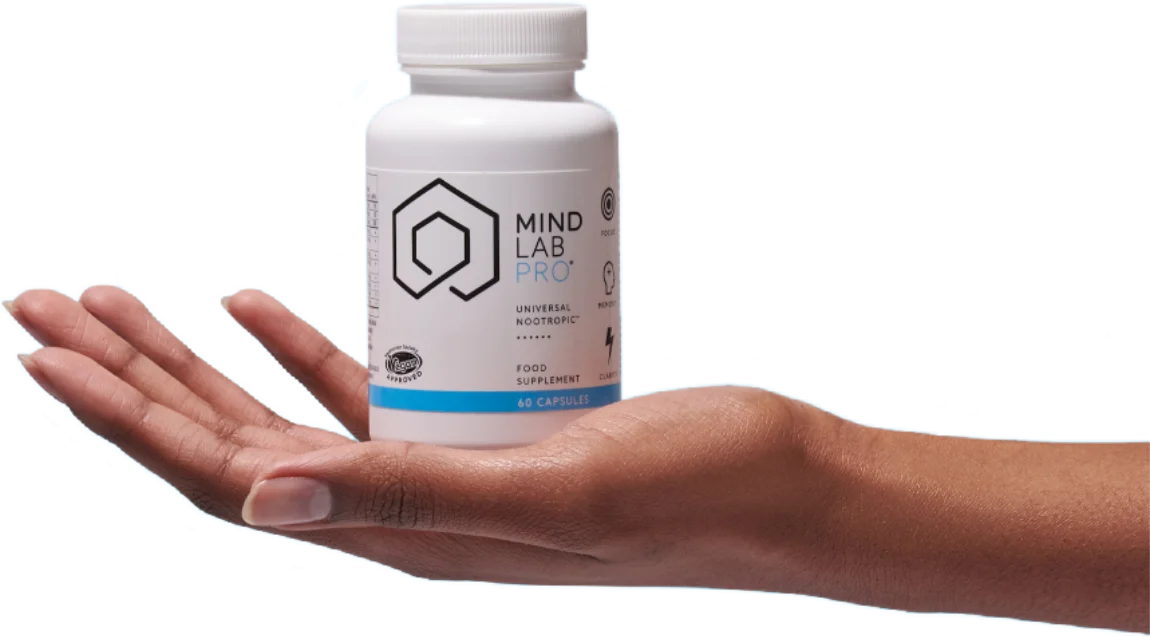
Nootropic stack Mind Lab Pro is an example of supplement with some apparent brain-eye performance benefits. It has been shown in research to promote reaction time and visual memory function.(3)
Night vision
Night vision is the ability to see and function in low-light conditions. In everyday life, it affects night driving, walking outside after sunset, seeing steps in a dim room, spotting objects in a dark garage, or adjusting when lights suddenly go off. True night vision depends heavily on retinal function, dark adaptation, and overall eye health.
Supplements that may help: vitamin A when intake is low, black currant, lutein, zeaxanthin, and bilberry with caution. Bilberry has famous night-vision folklore, but human evidence is mixed.
Read more about supplements for night vision.
Eye floaters
Eye floaters are small spots, strands, cobwebs, or shadows that drift through the field of vision. They are usually related to changes in the vitreous gel inside the eye. They may be most noticeable when looking at a bright sky, white wall, computer screen, or snowy landscapes. Most eye floaters are harmless, but a sudden increase in floaters, flashes of light, or a curtain-like shadow in vision should be checked urgently by an eye doctor.
Supplements that may help: evidence is limited; some research has explored antioxidant blends, vitamin C, zinc, lysine, and grape-seed-style polyphenols.
Human Study: micronutrient formula and "eye floaters." One human study evaluated a targeted micronutrient formula for visual discomfort associated with vitreous degeneration. The formula included nutrients such as vitamin C, zinc, lysine, and grape-seed-style polyphenols. Researchers reported reduced floater-related visual discomfort, but this is still niche and early evidence, only.(4)
Together, these measures offer a more complete picture than “better eyesight” alone. A supplement may not change a glasses prescription, but it may still support many aspects of visual performance.
Do Carrots Really Help Night Vision?

Carrots became famous for “night vision” because they contain beta-carotene, which the body can convert into vitamin A — a nutrient needed for rhodopsin, the light-sensitive protein that helps the eyes function in dim light. But carrots only help if vitamin A intake is low. Eating extra carrots will not give healthy adults “super night vision” or correct poor night vision caused by aging, eye disease, or refractive errors.
What Vision Supplements Can and Cannot Do
Vision supplements can support certain structures and functions involved in healthy vision, but they do not replace glasses, contacts, eye exams, medical treatment, or healthy daily eye habits.
What Vision Supplements Can Do
- Support macular pigment: Nutrients such as lutein and zeaxanthin help build the yellow protective pigment in the macula, which is linked with contrast sensitivity, glare recovery, and visual clarity.
- Support antioxidant defenses: Carotenoids, vitamins, minerals, and polyphenols may help the retina manage oxidative stress from light exposure, oxygen use, and normal aging.
- Support tear film comfort: Omega-3 fatty acids and other soothing nutrients may help support eye surface comfort and tear film quality in some people.
- Support retinal structure: DHA, vitamin A, and carotenoids play roles in retinal cell membranes, photoreceptor function, and normal visual cycling.
- Support visual performance measures: Some nutrients have been studied for contrast sensitivity, glare recovery, dark adaptation, retinal flicker sensitivity, eye fatigue, and visual processing speed.
- Support age-related eye health in specific contexts: AREDS2-style formulas may help slow progression in certain people with intermediate AMD or late AMD in one eye, when used under eye-doctor guidance.
What Vision Supplements Cannot Do
- They cannot replace glasses, contacts, or surgery: Supplements do not correct refractive errors such as nearsightedness, farsightedness, or astigmatism.
- They cannot cure eye disease: Supplements are not treatments for macular degeneration, glaucoma, cataracts, diabetic retinopathy, dry eye, or vision loss.
- They cannot restore lost vision: Even well-studied nutrients cannot treat AMD, repair damaged retinal tissue, or bring back vision that has already been lost.
- They cannot replace eye exams: Sudden vision changes, eye pain, flashes, floaters, one-sided vision loss, or diagnosed eye disease require professional evaluation.
- They cannot work the same for everyone: Benefits depend on nutrient status, diet, age, eye health, genetics, dose, formula quality, and the outcome desired.
- They cannot make vague “better eyesight” claims credible: The best evidence supports targeted outcomes, not broad promises of sharpening vision.
Core Vision and Eye Health Supplements that Work
A supplement “works” only if the claim matches the evidence. For this guide, the strongest ingredients are those with human research tied to real eye or vision outcomes. For this guide we used a conservative evidence hierarchy:
- Strongest: government-sponsored clinical trials, large randomized controlled trials, and clinical guidance from authoritative groups.
- Moderate: smaller human clinical trials with relevant visual outcomes.
- Promising but limited: pilot studies, retrospective analyses, combination-product studies, and early human research.
- Weakest: animal, test-tube, mechanistic, traditional-use, or marketing-only claims.
Eye vitamins rely on claims like “supports healthy vision.” A better question is: supports which outcome, in which population, at what dose, over what duration? Let's dig into some research.
AREDS and AREDS2: Landmark Eye Supplement Studies

When people talk about “vision supplements that work,” the strongest clinical evidence usually starts with two major studies sponsored by the National Eye Institute:
- The Age-Related Eye Disease Study, known as AREDS;
- The follow-up Age-Related Eye Disease Study 2, known as AREDS2.
These studies suggested certain high-dose nutrient formulas appear to help slow progression in people with intermediate age-related macular degeneration (AMD) and in some people with late-stage AMD in one eye.
The Original AREDS Study
The original AREDS trial tested whether high-dose antioxidant vitamins and zinc could reduce the risk of progression to advanced AMD and vision loss. The study also looked at cataracts, but the formula did not show a benefit there.
The original AREDS formula included:
- Vitamin C: 500 mg
- Vitamin E: 400 IU
- Beta-carotene: 15 mg
- Zinc: 80 mg as zinc oxide
- Copper: 2 mg as cupric oxide, added to reduce the risk of zinc-related copper deficiency
What the AREDS Study Found
The original study enrolled 4,757 participants ages 55 to 80 and followed them over several years to evaluate AMD progression, vision loss, and cataract outcomes.
The key result was that the AREDS formula reduced the risk of progression to advanced AMD by about 25% over five years in people most likely to benefit: those with intermediate AMD, or those with late AMD in one eye. The same benefits were not seen in people with no AMD or only early AMD.(5,6)
Key Takeaway: AREDS was not a general-purpose “eye vitamin” study. It was a disease-progression study in people with specific stages of AMD. For the right group, the formula helped delay AMD progression. But for people without AMD, or with early AMD only, the study did not show the same benefit.
U.S. Government Recommendations After AREDS
After AREDS, the National Eye Institute recognized the formula as an evidence-based option for people with intermediate AMD or late AMD in one eye. However, the recommendation was not that everyone should take high-dose eye vitamins. Instead, the guidance was more targeted: people with AMD should talk with an eye care professional about whether an AREDS-type formula is appropriate.
The original AREDS formula also raised an important safety issue. It contained beta-carotene. This later became an issue for people who smoke or used to smoke because beta-carotene supplementation has been linked to higher lung cancer risk in those groups. This is where AREDS2 comes in.
The AREDS2 Study
AREDS2 was designed to refine the original AREDS formula. Researchers wanted to know whether adding lutein, zeaxanthin, and omega-3 fatty acids would make the formula more effective, and whether beta-carotene could be removed and zinc lowered without losing benefits. The AREDS2 formula now commonly recommended includes:
- Vitamin C: 500 mg
- Vitamin E: 400 IU
- Zinc: 80 mg
- Copper: 2 mg as cupric oxide
- Lutein: 10 mg
- Zeaxanthin: 2 mg
- *Beta-carotene: removed from the formula
AREDS2 also tested omega-3 fatty acids:
- DHA: 350 mg
- EPA: 650 mg
What the AREDS2 Study Found
AREDS2 was a multicenter, randomized, double-masked, placebo-controlled phase 3 study conducted from 2006 to 2012. It enrolled 4,203 participants ages 50 to 85 who were at increased risk of progressing to advanced AMD.
Participants were randomized to receive lutein plus zeaxanthin, DHA plus EPA, lutein plus zeaxanthin plus DHA/EPA, or placebo. Participants also took the original AREDS formula or one of several modified versions, including formulas without beta-carotene, with lower zinc, or both.
The primary AREDS2 analysis found that adding lutein plus zeaxanthin, omega-3 fatty acids, or both to the original AREDS formula did not significantly reduce progression to advanced AMD overall.(7)
However, AREDS2 still changed clinical practice because lutein and zeaxanthin proved useful as a safer carotenoid replacement for beta-carotene, especially for current or former smokers. AREDS2 also found that people with low dietary intake of lutein and zeaxanthin appeared to benefit more from adding these carotenoids. In this subgroup, lutein and zeaxanthin supplementation was associated with a reduced risk of progression to advanced AMD.
U.S. Government Recommendations After AREDS2
After AREDS2, the National Eye Institute’s public guidance shifted toward the AREDS2 formula rather than the original AREDS formula.
NEI states that AREDS2 supplements may help people with intermediate AMD in one or both eyes slow progression to late AMD, and may help people with late AMD in one eye slow progression in the other eye.
NEI also emphasizes several important limitations:
- AREDS2 does not prevent AMD from developing.
- AREDS2 does not prevent early AMD from becoming intermediate AMD.
- AREDS2 is not likely to help if late AMD is already present in both eyes.
- AREDS2 is not a replacement for eye exams, AMD monitoring, or medical treatment.
- People who smoke or used to smoke should avoid the older beta-carotene AREDS formula and choose AREDS2 instead.
Evidence Review: Cochrane antioxidant vitamins and minerals for AMD progression. A Cochrane review evaluated antioxidant vitamin and mineral supplements for slowing the progression of age-related macular degeneration. The review helps put AREDS and AREDS2 in perspective: it emphasizes the most clinically useful supplement evidence is not about general “better eyesight,” but about specific antioxidant and mineral formulas used in people who already have AMD and are at risk of progression.(8)
Key Takeaway: AREDS2 is one of the best-supported vision supplement formulas in the world, but only for a specific use case. It is an AMD formula, not a general vision enhancer.
Lutein + Zeaxanthin

Lutein and zeaxanthin are yellow-orange carotenoids found in green leafy vegetables, egg yolks, corn, orange peppers, and marigold flowers.
Lutein gets its name from luteum, Latin for yellow. This is relevant because the eye’s macula is often called the macula lutea, or yellow spot. This color connection mirrors a biological connection: lutein and zeaxanthin are highly concentrated in the macula and fovea, the regions responsible for sharp central vision.
Lutein and zeaxanthin help vision mainly by protecting and nourishing macular pigment. Macular pigment is a concentration of yellow carotenoid pigments, mainly lutein, zeaxanthin, and meso-zeaxanthin, inside the macula.
Macular pigment filters blue light, supports antioxidant protection in the retina, and is associated with visual acuity, contrast sensitivity, glare recovery, and light-dark adaptation.
Lutein is generally more abundant in the retina, while zeaxanthin is concentrated in the central macula and fovea. By building up macular pigment, lutein and zeaxanthin help to:
- Protect the eyes from bright light
- Filter some high-energy blue light
- Support sharp, clear central vision
- Support contrast sensitivity and glare recovery
- Promote long-range macular health
The LAST Study: Lutein Antioxidant Supplementation Trial
Human Study: LAST. The Lutein Antioxidant Supplementation Trial, often called LAST, was a double-masked, placebo-controlled, randomized trial in 90 adults with atrophic age-related macular degeneration (dry AMD).
Participants were treated for 12 months at a veterans’ medical center. They were assigned to one of three groups:
- Lutein 10 mg daily
- Lutein 10 mg daily plus a broader antioxidant, vitamin, and mineral formula (vitamins A, C, and E, beta-carotene, zinc, copper, and other antioxidant and herbal compounds)
- Placebo
LAST measured macular pigment optical density, visual acuity, contrast sensitivity, glare recovery, and patient-reported visual function.
Researchers reported that lutein, alone or with the antioxidant formula, significantly increased macular pigment optical density and improved several visual-function measures, including glare recovery, contrast sensitivity, near visual acuity, and quality-of-vision measures.(9)
These findings seem to support lutein’s role as an eye supplement that works for people with AMD-related macular changes.
However, it is worth noting that LAST was much smaller than AREDS or AREDS2 and focused on a specific population with atrophic AMD. Also, due to the multi-ingredient formula, results cannot be attributed to lutein alone.
Human Study: LUXEA. The LUXEA study examined whether supplemental lutein or zeaxanthin could accumulate in the human retina, rather than simply raising blood levels. Adults took either lutein or zeaxanthin (about 10 mg daily) for approximately 6 months. Researchers then measured their build-up in the retina. They reported that supplementation increased these carotenoids in the eye, especially in the macular region where macular pigment is concentrated.
LUXEA is important because it supports a mechanism of action, not because it proves vision benefits. It helped confirm that lutein and zeaxanthin are not just general antioxidants circulating in the body; they can reach retinal tissue and contribute to the macular pigment layer.(10)
Human Study: Lutein and blue-light filtering. In this, study researchers reported that 30 mg of lutein daily for 140 days reduced the amount of blue light reaching the retina by approximately 30–40%. This supports one of the theories used to explain lutein’s vision benefits: macular pigment may act like an internal yellow filter that helps absorb damaging high-energy blue light before it reaches retinal tissues.(11)
Human Study: macular pigment and visual performance. Additional human research has linked higher macular pigment optical density with better visual-performance measures, including hyperacuity, contrast sensitivity, and glare-related outcomes. These studies are important because they connect the lutein + zeaxanthin mechanism — higher macular pigment — with real-world visual functions such as seeing detail, recovering from bright light, and seeing objects against low-contrast backgrounds.(12)
Human Study: CREST and contrast sensitivity. The Central Retinal Enrichment Supplementation Trials, or CREST, are especially relevant to vision performance because they tested macular carotenoid supplementation in people without retinal disease. In one CREST trial, 105 healthy adults took a daily supplement containing lutein, zeaxanthin, and meso-zeaxanthin or placebo for 12 months. Researchers reported that supplementation increased macular pigment and improved contrast sensitivity. This study helps support the use of macular carotenoids for visual performance, not just long-range macular health.(13)
Human Study: CREST AMD and nonadvanced AMD visual function. A companion CREST study looked at people with nonadvanced AMD and compared different macular carotenoid antioxidant formulas head-to-head. The study is relevant because it tested whether enriching macular pigment with lutein, zeaxanthin, and meso-zeaxanthin could influence visual-function outcomes in people with early or nonadvanced macular changes. This adds another layer to the lutein and zeaxanthin evidence: macular carotenoid formulas may be relevant both to visual performance in healthy adults and to visual-function support in people with nonadvanced AMD.(14)
Key takeaway: Lutein and zeaxanthin are core vision supplements when the claim is specific: macular pigment support, blue-light filtering, antioxidant protection in the retina, contrast sensitivity, glare recovery, and AREDS2 formula support.
Check out the best lutein supplement for eye health.
Omega-3 Fatty Acids (DHA + EPA)

Omega-3 fatty acids are nutrients found in fatty fish, algae oil, and fish oil supplements. The two most eye-relevant omega-3s are DHA and EPA. DHA is especially important in the retina, where it helps to form healthy photoreceptor cell membranes. EPA and DHA also influence inflammatory signaling, which helps explain why omega-3s are discussed for tear film health, dry-eye comfort, and retinal wellness.
Omega-3s may have a stronger “eye health” reputation than the clinical supplement evidence alone would suggest. That is because population studies have linked higher fish or omega-3 intake with lower risk of age-related macular degeneration.(15)
But findings from observing diets are different from proof that omega-3 supplements slow AMD progression. Omega-3s appear to be important retinal and tear-film nutrients, but they should not be ranked with AREDS2 as proven AMD progression supplements.(16)
Human Study: AREDS2. The AREDS2 study we discussed earlier is a key reason omega-3s may be discussed for AMD, but with a caveat. In addition to variations of the AREDS formula, participants in this study were assigned to lutein plus zeaxanthin, omega-3 fatty acids, both, or placebo. The omega-3 dose was 1,000 mg daily, supplied as 350 mg DHA plus 650 mg EPA. AREDS2 found that adding omega-3 fatty acids did not provide a significant additional benefit for reducing progression to advanced AMD overall.(7)
Human Evidence: AREDS Report No. 23 - Diet and AMD Risk. This was an observational dietary analysis from the National Eye Institute’s Age-Related Eye Disease Study, which enrolled adults ages 55 to 80 and followed them with retinal photography over several years. Researchers examined dietary intake of omega-3 fatty acids, especially DHA and EPA. The authors reported that higher dietary omega-3 intake was associated with lower AMD risk. However, keep in mind that this was a diet study, not an omega-3 supplement trial.(15)
Human Evidence: AREDS Report No. 30 - Long-term dietary omega-3 intake. A later AREDS analysis followed the diet-and-AMD question over a longer time horizon. AREDS Report No. 30 examined omega-3 long-chain polyunsaturated fatty acid intake in relation to 12-year incidence of advanced AMD outcomes. This supports the same concept: higher omega-3 intake from diet may be associated with healthier long-term retinal outcomes.(17)
Human Study: DREAM dry eye trial. For dry eye, the largest and most influential trial is DREAM, a randomized clinical trial of 535 adults with moderate to severe dry eye. Participants took 3,000 mg daily of fish-derived omega-3 fatty acids for 12 months, supplied as 2,000 mg EPA plus 1,000 mg DHA, or an olive oil placebo. Researchers measured dry-eye symptoms and clinical signs. Both groups improved over time, but omega-3 supplementation did not perform significantly better than placebo for the main symptom. This challenges the idea that high-dose fish oil is a dry-eye solution.(18)
Human Evidence Review: Cochrane dry eye review. A Cochrane review of omega-3 and omega-6 fatty acids for dry eye concluded that the evidence is uncertain and inconsistent. Some smaller trials suggested improvements in symptoms or clinical signs, while larger or better-controlled trials showed little or no difference. The position here is cautious: omega-3s may help some people support tear film comfort, especially if intake is low.(2)
Key takeaway: Omega-3s make our list because DHA is structurally important in the retina, EPA and DHA influence inflammatory signaling, and fish-rich diets have been associated with eye-health benefits. But the evidence is mixed. For vision, Omega-3s are best regarded as retina- and tear film-support nutrients. Omega-3s are great supplements beyond the eyes, however, with stronger evidence for brain wellness, joint comfort, heart health and more.
Read more about Omega-3 benefits.
A Word on Computer Vision Syndrome, Dry Eye, and Screen Fatigue

Computer vision syndrome, also called digital eye strain, is the cluster of symptoms that can happen after long periods of staring at a screen. Symptoms may include dry eyes, blurred vision, eye fatigue, light sensitivity, and trouble refocusing after looking away from a screen.
One reason screens are so hard on the eyes is that people tend to blink less while staring at digital displays. Less blinking can make the tear film evaporate faster, leaving the eyes feeling dry, gritty, tired, or irritated. That is why dry eye and computer vision syndrome often overlap.
Both dry eye and computer vision syndrome are common: According to a Vision Council survey reported by TIME magazine, digital eye strain has been estimated to affect about 65% of Americans who use screens for extended periods, and some reviews report computer vision syndrome symptoms in a majority of frequent screen users. Dry eye is also widespread; according to the National Eye Institute it affects 16.4 million Americans.
Evidence Review: TFOS DEWS II dry eye. The TFOS DEWS II is a major review on dry eye disease. It reported that dry eye prevalence varies widely depending on the population and criteria used to diagnose it, which helps explain why dry-eye statistics can look different across studies. The main point: dry eye is common, overlaps with screen-related visual fatigue, and is relevant to tear film comfort and vision performance.(19)
Key takeaway: Supplements cannot replace screen breaks, proper lighting, blinking, artificial tears, or an eye exam. But nutrients that support tear film comfort, inflammatory balance, macular pigment, and antioxidant defenses may be useful for people whose vision performance is challenged by long days on screens.
Saffron

Saffron is the golden-red stigma of the flower Crocus sativus. It is one of the world’s oldest and most prized botanicals, used for thousands of years as both a culinary spice and a traditional health herb. Historically, it was used in foods, teas, tonics, and remedies for mood, vitality, digestion, and general wellness.
Today, saffron is mostly known as a premium spice, but modern research has also renewed interest in its bioactive compounds, including carotenoid-like antioxidant compounds crocin, crocetin, and safranal. In vision formulas, saffron is usually used for retinal antioxidant support, macular function, and visual performance like retinal flicker sensitivity, contrast, or glare.
Human Study: early AMD retinal flicker sensitivity. One randomized, double-blind, placebo-controlled crossover trial assessed adults with early AMD. The study used saffron 20 mg daily for 3 months, compared with placebo, and measured retinal flicker sensitivity (how well the central retina responds to rapidly changing light). Researchers reported improved retinal sensitivity during saffron supplementation, suggesting a measurable effect on macular function in early AMD. This is one of saffron’s strongest human vision studies, but it was small and short-term.(20)
Human Study: longer-term early AMD follow-up. A later follow-up study evaluated longer saffron supplementation in people with early AMD. The study is commonly summarized as including 29 participants who took saffron 20 mg daily for an average of about 14 months. Researchers reported improvements in central retinal function, including sharper visual acuity. This study strengthens the case that saffron may support retinal function in early AMD.(21)
Human Study: retinal function in inherited macular disease. Saffron has also been studied in Stargardt macular dystrophy, an inherited retinal issue that affects central vision. In this research, saffron is typically used at 20 mg daily and evaluated with retinal function measures. These studies suggest saffron may influence photoreceptor or macular function beyond ordinary antioxidant theory.(22)
Key Takeaway: Saffron is a promising but secondary vision supplement. Its best human evidence is for retinal function measures in early AMD, especially retinal flicker sensitivity. That makes saffron more interesting than a purely traditional eye herb, but the evidence is still small compared with lutein, zeaxanthin, and AREDS2.
Astaxanthin

Astaxanthin is a red-orange xanthophyll carotenoid made by microalgae and found in salmon, trout, shrimp, lobster, fish eggs, and krill. It is widely known as a powerful antioxidant, and is gaining some traction for supporting eye health, too.
In vision supplements it is commonly included for its potential to help with visual fatigue, visual accomodation (eye’s ability to shift focus, especially during near work), ocular blood flow, and retinal antioxidant support.
Human Study: Focusing ability and eye fatigue. A 2006 clinical study on accommodation (focusing ability) and asthenopia (eye fatigue) examined whether astaxanthin supplementation could help. Researchers reported that astaxanthin supplementation appeared to support focusing function and eye-fatigue-related measures, suggesting a possible role for astaxanthin in visual comfort and screen-related performance. Keep in mind, it is a smaller, older study.(23)
Human Study: CARMIS combination formula in nonadvanced AMD. The Carotenoids in Age-Related Maculopathy Italian Study, or CARMIS, is a multi-ingredient formula, not astaxanthin alone. In this randomized controlled trial, 27 patients with nonadvanced AMD were assigned to an active supplement group or placebo for 12 months. The active formula supplied astaxanthin 4 mg, lutein 10 mg, zeaxanthin 1 mg, vitamin C 180 mg, vitamin E 30 mg, zinc 22.5 mg, and copper 1 mg daily. After 6 and 12 months, the active-treatment group showed significant improvements in central retinal response measures. This suggests that a carotenoid-antioxidant formula containing astaxanthin may support central retinal function in nonadvanced AMD.(24,25)
Key takeaway: Astaxanthin is a useful secondary ingredient for visual fatigue, accommodation support, antioxidant activity, and performance-oriented eye support. Its human evidence is most relevant to eye strain and focusing, while its retinal-protection evidence is early and on the weak side.
Learn about zeaxanthin vs. astaxanthin.
Bilberry + Black Currant Anthocyanins

Bilberry and black currant are anthocyanin-rich berries with long histories in European food, folk herbalism, and vision-support traditions.
Bilberry, Vaccinium myrtillus, is a small dark-blue wild berry native to northern Europe and closely related to blueberry, but it is usually darker, more intensely pigmented, and often purple-red inside. For centuries, bilberries have been eaten fresh or used in jams, syrups, pies, wines, and traditional herbal preparations.
In supplement culture, bilberry is best known for its night-vision folklore, especially stories that British Royal Air Force pilots ate bilberry jam during World War II to support nighttime flying.
Learn more about bilberry extract benefits.
Black currant, Ribes nigrum, is a dark purple-black berry native to Europe and parts of Asia. It has a long culinary history in jams, juices, syrups, cordials, teas, and liqueurs. Black currant became especially popular in Britain during World War II because imported citrus fruits were scarce and black currants were promoted as a vitamin C-rich domestic fruit.
In modern vision supplements, black currant is usually positioned as a performance-oriented anthocyanin source for dark adaptation, eye strain, contrast sensitivity, and retina-to-brain signaling.
Read about black currant uses and side effects.
Both bilberry and black currant supply anthocyanins: purple-blue plant pigments with antioxidant and vascular-support properties. In the eye, they are discussed for retinal oxidative stress, rhodopsin regeneration, tiny blood vessel support, dark adaptation, and visual fatigue support.
Evidence Review: bilberry and night vision. A systematic review reported that the available placebo-controlled trials did not provide good evidence that bilberry anthocyanosides improve normal night vision. Bilberry may still be relevant for anthocyanin, antioxidant, and circulation-related support, but “restores night vision” is not really an accurate, science-backed claim.(26)
Human Study: black currant anthocyanosides, dark adaptation, and eye strain. A study examined black currant anthocyanoside intake in healthy humans, focusing on dark adaptation and vision changes after visual display terminal (VDT) work. Researchers reported that black currant anthocyanosides supported dark adaptation and helped reduce VDT work-induced vision issues. This is one of the more relevant human studies for black currant as a performance-oriented vision ingredient.(27)
Mechanistic Study: black currant C3G and rhodopsin regeneration. A mechanism-of-action study examined cyanidin-3-glycosides, or C3G, from black currant and their effect on rhodopsin regeneration. Rhodopsin is the light-sensitive pigment in rod photoreceptors that helps the eyes adapt to low-light conditions. This research helps explain why black currant anthocyanins are linked with dark adaptation and low-light visual performance.(28)
Combination studies:
Human Study: bilberry, fish oil, and lutein for asthenopia. One human study tested a combination of fish oil, bilberry extract, and lutein for subjective symptoms of asthenopia, or eye strain. Participants took the combination daily for 4 weeks. The study is relevant to screen fatigue, visual tiredness, and eye-comfort positioning because eye fatigue is a practical concern for people who read, drive, game, or work at screens for long periods. However, because the supplement combined fish oil, bilberry extract, and lutein, it does not show that bilberry alone caused the benefit.(29)
Human Study: bilberry anthocyanins and ginkgo in normal-tension glaucoma. Another study reviewed medical charts from 332 people with normal-tension glaucoma who received bilberry anthocyanins, ginkgo biloba extract, or no intervention. The mean treatment time was about 24 months for bilberry anthocyanins and ginkgo. Compared with baseline, the bilberry group showed improvements in visual acuity and visual field function; the ginkgo group also showed visual-field improvement. This outcome is interesting for visual-function and eye-circulation discussions, but the study design is not that strong.(31)
Key Takeaway: Bilberry has traditional eye-health history and some research on retinal, vascular, and eye-strain-related outcomes, but its classic night-vision reputation is not strongly supported. Black currant has more targeted performance-oriented support through anthocyanins such as C3G, especially for dark adaptation, visual fatigue, and contrast-related support.
Eye Supplements with Weaker or More Indirect Evidence
Maritime Pine Bark Extract

Maritime pine bark extract comes from the bark of the French maritime pine tree, Pinus pinaster. It is rich in proanthocyanidins, also called procyanidins or oligomeric proanthocyanidin complexes (OPC), which are polyphenol antioxidants associated with blood vessel support. Pycnogenol® is the best-known (and best-researched) branded French maritime pine bark extract.
In eye health formulas, maritime pine bark extract is usually discussed for ocular microcirculation, blood vessel integrity, oxidative stress, and support for healthy blood flow to delicate retinal tissues.
Maritime pine bark extract is not a classic eye vitamin like lutein, zeaxanthin, or the AREDS2 nutrients. Its vision angle is mostly vascular and antioxidant. That makes it most relevant to “support” language around microcirculation and oxidative stress, not claims about improving eyesight, treating glaucoma, lowering eye pressure by itself, or slowing AMD progression.
Human Study: Mirtogenol™, ocular blood flow, and intraocular pressure. The strongest eye-specific evidence comes from a combination product rather than pine bark extract alone. In the Mirtogenol™ study, 38 asymptomatic subjects with intraocular hypertension were followed for 6 months. Twenty subjects received Mirtogenol™, while 16 served as untreated controls. Each Mirtogenol™ tablet contained 40 mg Pycnogenol®, a French maritime pine bark extract, plus 80 mg Mirtoselect®, a standardized bilberry extract, and participants took the product twice daily. Researchers reported significantly lower intraocular pressure after 3 months, with no additional improvement after 6 months. This study suggests a pine bark-plus-bilberry formula may support ocular microcirculation.(30)
Key takeaway: Maritime pine bark extract seems like a reasonable secondary ingredient for antioxidant and microcirculation support for the eyes. The best eye-specific evidence is preliminary and comes from Mirtogenol™, a pine bark-plus-bilberry combination formula.
Read about Maritime Pine Bark Extract as a brain-supportive nootropic.
Ginkgo Biloba

Ginkgo biloba is an ancient tree species whose leaf extract is used in supplements for circulation, cognitive support, and antioxidant activity. In eye health, ginkgo is usually discussed for ocular blood flow, optic nerve support, and visual-field measures, especially in glaucoma-related research. However, it is not a classic vision nutrient like lutein or zeaxanthin.
Human Evidence: normal-tension glaucoma chart review. Researchers compared medical charts from 332 people with normal-tension glaucoma using bilberry anthocyanins, ginkgo biloba extract, or no intervention. The bilberry group was associated with improvements in best-corrected visual acuity and Humphrey Visual Field (visual field sensitivity), while the ginkgo group was associated with improved visual field sensitivity. However, the study was preliminary, only.(31)
Bottom line: Ginkgo is worth a brief mention as a niche ocular blood-flow and vison ingredient, especially in glaucoma-related research. But the evidence is early and condition-specific.
Eye-Brain Performance Nutrients
Not every vision-support nutrient works directly on the eye.
Some ingredients support the brain side of vision: attention, processing speed, focus, anticipation, and reaction time.
These nutrients are best understood as visual-performance support, not as replacements for macular pigment supplements or AREDS2 nutrients. Let's take a look.
Citicoline

Citicoline, also called CDP-choline, is a choline-containing compound involved in phosphatidylcholine synthesis, brain cell membrane support, acetylcholine neurotransmitter production, and neuronal energy metabolism.
It is better known as a nootropic than a classic eye vitamin. In a vision supplement guide, citicoline fits best in the eye-brain performance category: visual attention, information processing, focus, decision-making speed, and reaction-time-related tasks.
For vision performance, citicoline seems relevant to the brain side of seeing: noticing visual information, processing it quickly, choosing a response, and reacting accurately.(32)
Human Study: Cognizin® citicoline, attention, and motor speed. In a randomized, double-blind, placebo-controlled study of healthy adolescent males, participants took Cognizin® citicoline at either 250 mg or 500 mg daily, or placebo, for 28 days. The study evaluated attention, motor speed, and impulsivity-related performance measures. Researchers reported improvements in attention and psychomotor or motor-speed with citicoline compared with placebo.
This is not an eye-health study, but it is relevant to visual performance because many “vision performance” tasks are not just about the eyes; they require attention, decision-making, and a fast reaction.(32)
Key takeaway: Citicoline belongs in this guide as an eye-brain performance ingredient, not as a primary eye health vitamin. It may support the cognitive side of visual performance — noticing, processing, deciding, and reacting — especially as part of a broader nootropic formula.
When to See an Eye Doctor
Supplements are not the first step for sudden or serious eye symptoms. See an eye doctor or seek urgent medical care if you experience:
- sudden vision loss or sudden blurry vision
- new flashes of light or a sudden increase in floaters
- eye pain, redness, or light sensitivity
- one-sided vision changes
- distorted central vision or wavy lines
- diabetes with any vision changes
- known glaucoma, macular degeneration, cataracts, or diabetic retinopathy
- vision changes after starting a medication
For routine support, healthy habits still matter: regular eye exams, UV protection, not smoking, managing blood pressure and blood sugar, eating a healthy diet rich in leafy green vegetables and colorful fruits, and using proper lighting and screen breaks.
FAQ
Do vision supplements really work?
Some do, but only for specific outcomes. Lutein and zeaxanthin are well supported for macular pigment and visual performance measures. AREDS2 is supported for slowing AMD progression in specific patients. Other ingredients have narrower, mixed, or early evidence only.
Can supplements improve vision?
They may support aspects of visual performance, such as contrast sensitivity, glare recovery, tear film stability, or macular pigment density. They do not correct nearsightedness, farsightedness, astigmatism, or the need for glasses.
Who should take AREDS2?
AREDS2 is generally considered for people with intermediate AMD, or late AMD in one eye, under guidance from an eye care professional. It is not meant as a general eye vitamin for everyone.
Are lutein and zeaxanthin better together?
Yes, they are usually discussed together because both are macular carotenoids. Lutein is more widely distributed in the retina, while zeaxanthin is especially concentrated in the central macula.
Are omega-3s good for dry eyes?
They may support tear film and comfort in some people, but clinical results are mixed. The large DREAM trial did not find a significant symptom benefit over placebo, so omega-3s should not be presented as a guaranteed dry-eye solution.
Is bilberry proven for night vision?
No. Bilberry has traditional use and anthocyanin-based rationale, but evidence for improving night vision is contradictory, and most evidence does not support strong night-vision claims.
Can I take multiple eye supplements together?
Be cautious. Combining formulas can unintentionally raise doses of zinc, vitamin E, vitamin A, or botanicals that affect bleeding or blood sugar. If you take medications or have an eye condition, ask a clinician first.
Top Supplements for Eye Health & Vision Performance
Performance Lab® Vision

Performance Lab® Vision is the most directly relevant product in this guide because it is built around visual performance and eye health. Its formula combines macular carotenoids, anthocyanin-rich berries, astaxanthin, and saffron in a clean daily capsule format.
Per 1 NutriCap®, Performance Lab Vision supplies all of the eye health supplements discussed in this article, combined into one broad-spectrum stack:
- European freeze-dried black currant fruit: 300 mg
- European black currant extract: 25 mg, standardized for minimum 25% anthocyanins and typically 2.2% C3G
- European bilberry extract: 25 mg, standardized for minimum 25% anthocyanosides
- Lutein as FloraGLO®: 10 mg
- Zeaxanthin as FloraGLO®: 2 mg
- Astaxanthin from Haematococcus pluvialis algae: 4 mg
- Saffron stigma extract: 10 mg, standardized for minimum 0.3% safranal
The strongest part of the formula is its lutein and zeaxanthin foundation. Those are the best-supported nutrients for macular pigment, blue-light filtering, contrast sensitivity, and glare recovery. Black currant, bilberry, astaxanthin, and saffron add a performance-oriented layer for anthocyanins, antioxidant support, visual fatigue, dark adaptation, microcirculation, and retinal function.
Performance Lab® Vision is a premium supplement for both eye health and vision performance. It's a great choice for overall eye support.
Performance Lab® Omega-3

Omega-3s are not the strongest category for AMD claims, but they remain important nutrients for overall eye health. DHA is a major structural fatty acid in the retina, while EPA helps support healthy inflammatory balance. Together, these omega-3s are often discussed for retinal cell membrane support, tear film comfort, and dry-eye-related visual fluctuation.
Performance Lab Omega-3 is a fish-free omega-3 supplement made with algae-sourced oil. This is relevant because algae are the original marine source of DHA and EPA, which fish accumulate through the food chain.
What Each Serving Supplies
Each serving of Performance Lab Omega-3 is 3 NutriGels® and supplies:
- Algal oil: 1,800 mg from life’s™OMEGA 60
- Total omega-3 fatty acids: 990 mg
- DHA: 540 mg
- EPA: 270 mg
Performance Lab® Omega-3 is best positioned for people who want foundational omega-3 support for retinal health, tear film comfort, and whole-body wellness. It is especially relevant for those who do not eat fatty fish regularly or who prefer a plant-based alternative to fish oil.
Performance Lab® NutriGenesis® Multi

Performance Lab® NutriGenesis® Multi is a daily multivitamin that contributes general essential nutrients that are important for overall eye health. This includes antioxidant vitamins and minerals that overlap with AREDS nutrient categories, such as vitamin C, vitamin E, zinc, and copper.
The important limitation is that NutriGenesis Multi is not an AREDS or AREDS2 formula. AREDS2 uses specific high-dose amounts for a specific AMD progression context. A daily multivitamin may help fill dietary gaps, but it is not an AREDS substitute.
Performance Lab NutriGenesis Multi may help support general nutritional status and provide food-based essential nutrients that contribute to healthy eyes as part of a balanced diet, while Performance Lab Vision is the more targeted eye health and vision performance product.
Mind Lab Pro

Mind Lab Pro is not an eye vitamin. We are including it as a nootropic with vision-relevant nutrients, especially citicoline and maritime pine bark extract, and because its clinical research includes reaction time, choice reaction time, anticipation, and perceptual decision-making outcomes that may relate to visual-attention-heavy tasks.
Per 2 NutriCaps®, Mind Lab Pro supplies:
- NutriGenesis® Vitamin B6: 2.5 mg
- NutriGenesis® Vitamin B9: 100 mcg
- NutriGenesis® Vitamin B12: 7.5 mcg
- Citicoline as Cognizin®: 250 mg
- Bacopa monnieri extract: 150 mg, standardized to 24% bacosides
- Organic Lion’s Mane Mushroom: 500 mg
- Phosphatidylserine: 100 mg
- N-Acetyl L-Tyrosine: 175 mg
- L-Theanine: 100 mg
- Rhodiola rosea: 50 mg, standardized to 3% rosavins and 1% salidrosides
- Maritime Pine Bark Extract: 75 mg, standardized to 95% proanthocyanidins
The most relevant Mind Lab Pro ingredients for vision are citicoline and maritime pine bark extract.
Human Study: Mind Lab Pro information-processing trial. A double-blind, placebo-controlled Mind Lab Pro study tested adults performing simple reaction time, choice reaction time, and anticipation tasks. A total of 105 healthy adults completed the study, with 61 in the Mind Lab Pro group and 44 in the placebo group. Participants took 2 capsules daily. After 30 days, the Mind Lab Pro group improved on simple reaction time, choice reaction time, and anticipation, while the placebo group did not show statistically significant improvement. This is relevant to a vision performance guide because the tasks involved processing visual stimuli, selecting responses, and timing action — all practical eye-brain performance skills.(3)
Read more about all three Mind Lab Pro human research studies.
Mind Lab Pro may support the brain side of visual performance — focus, processing speed, reaction time, and visual attention.

Summary
The best vision supplements that work are the ones with specific evidence for specific outcomes. Lutein and zeaxanthin are foundational for macular pigment, contrast sensitivity, glare recovery, and blue-light filtering. AREDS2 is the strongest disease-specific supplement formula, but only for certain stages of age-related macular degeneration and only under appropriate eye-care guidance.
Omega-3 fatty acids may support tear film and eye comfort, but results are mixed. Saffron, astaxanthin, bilberry, black currant, pine bark, and ginkgo can make sense as secondary vision performance or microcirculation ingredients, but their claims require more nuance. Citicoline and Mind Lab Pro belong in the visual-attention and eye-brain performance conversation, not as direct eye disease supplements.
The smartest approach is not to chase every eye vitamin. Start with the outcome you care about — macular health, glare recovery, eye strain, dry-eye comfort, low-light performance, or visual attention — then match the supplement to the evidence, dose, safety profile, and realistic claim.
References
- Koushan, K., Rusovici, R., Li, W., Ferguson, L. R., & Chalam, K. V. (2013). The role of lutein in eye-related disease. Nutrients, 5(5), 1823–1839. Link
- Downie, L. E., Ng, S. M., Lindsley, K. B., & Akpek, E. K. (2019). Omega-3 and omega-6 polyunsaturated fatty acids for dry eye disease. Cochrane Database of Systematic Reviews, 12, CD011016. Link
- Utley, A., Gonzalez, Y., & Abbott Imboden, C. (2023). The efficacy of a nootropic supplement on information processing in adults: A double blind, placebo controlled study. Biomedical Journal of Scientific & Technical Research, 49(1). Link
- Ankamah, E., Sebag, J., Ng, E., & Nolan, J. M. (2021). Dietary intervention with a targeted micronutrient formulation reduces the visual discomfort associated with vitreous degeneration. Translational Vision Science & Technology, 10(12), 19. Link
- National Eye Institute. Age-Related Eye Disease Studies (AREDS/AREDS2). National Eye Institute. Link
- Age-Related Eye Disease Study Research Group. (2001). A randomized, placebo-controlled, clinical trial of high-dose supplementation with vitamins C and E, beta carotene, and zinc for age-related macular degeneration and vision loss: AREDS report no. 8. Archives of Ophthalmology, 119(10), 1417–1436. Link
- Age-Related Eye Disease Study 2 Research Group. (2013). Lutein + zeaxanthin and omega-3 fatty acids for age-related macular degeneration: The Age-Related Eye Disease Study 2 randomized clinical trial. JAMA, 309(19), 2005–2015. Link
- Evans, J. R., & Lawrenson, J. G. (2023). Antioxidant vitamin and mineral supplements for slowing the progression of age-related macular degeneration. Cochrane Database of Systematic Reviews, 9, CD000254. Link
- Richer, S., Stiles, W., Statkute, L., et al. (2004). Double-masked, placebo-controlled, randomized trial of lutein and antioxidant supplementation in the intervention of atrophic age-related macular degeneration: The Veterans LAST study. Optometry, 75(4), 216–230. Link
- Schalch, W., Cohn, W., Barker, F. M., et al. (2007). Xanthophyll accumulation in the human retina during supplementation with lutein or zeaxanthin: The LUXEA study. Archives of Biochemistry and Biophysics, 458(2), 128–135. Link
- Hammond, B. R., Johnson, E. J., Russell, R. M., et al. (1997). Dietary modification of human macular pigment density. Investigative Ophthalmology & Visual Science, 38(9), 1795–1801. Link
- Stringham, J. M., & Hammond, B. R. (2008). Macular pigment and visual performance under glare conditions. Optometry and Vision Science, 85(2), 82–88. Link
- Nolan, J. M., Power, R., Stringham, J., et al. (2016). Enrichment of macular pigment enhances contrast sensitivity in subjects free of retinal disease: Central Retinal Enrichment Supplementation Trials — Report 1. Investigative Ophthalmology & Visual Science, 57(7), 3429–3439. Link
- Akuffo, K. O., Beatty, S., Peto, T., Stack, J., Stringham, J., Kelly, D., Leung, I., Corcoran, L., & Nolan, J. M. (2017). The impact of supplemental antioxidants on visual function in nonadvanced age-related macular degeneration: A head-to-head randomized clinical trial. Investigative Ophthalmology & Visual Science, 58(12), 5347–5360. Link
- SanGiovanni, J. P., Chew, E. Y., Agrón, E., et al. (2008). The relationship of dietary omega-3 long-chain polyunsaturated fatty acid intake with incident age-related macular degeneration: AREDS Report No. 23. Archives of Ophthalmology, 126(9), 1274–1279. Link
- Lawrenson, J. G., & Evans, J. R. (2015). Omega 3 fatty acids for preventing or slowing the progression of age-related macular degeneration. Cochrane Database of Systematic Reviews, CD010015. Link
- SanGiovanni, J. P., Agrón, E., Clemons, T. E., & Chew, E. Y. (2009). ω-3 long-chain polyunsaturated fatty acid intake and 12-year incidence of neovascular age-related macular degeneration and central geographic atrophy: AREDS Report No. 30. Ophthalmology, 116(12), 2375–2385. Link
- Dry Eye Assessment and Management Study Research Group. (2018). n-3 fatty acid supplementation for the treatment of dry eye disease. New England Journal of Medicine, 378(18), 1681–1690. Link
- Stapleton, F., Alves, M., Bunya, V. Y., et al. (2017). TFOS DEWS II Epidemiology Report. The Ocular Surface, 15(3), 334–365. Link
- Falsini, B., Piccardi, M., Minnella, A., et al. (2010). Influence of saffron supplementation on retinal flicker sensitivity in early age-related macular degeneration. Investigative Ophthalmology & Visual Science, 51(12), 6118–6124. Link
- Piccardi, M., Marangoni, D., Minnella, A. M., et al. (2012). A longitudinal follow-up study of saffron supplementation in early age-related macular degeneration: Sustained benefits to central retinal function. Evidence-Based Complementary and Alternative Medicine, 2012, 429124. Link
- Piccardi, M., Fadda, A., Martelli, F., et al. (2019). Antioxidant saffron and central retinal function in ABCA4-related Stargardt macular dystrophy. Nutrients, 11(10), 2461. Link
- Nagaki, Y., Hayasaka, S., Yamada, T., Hayasaka, Y., Sanada, M., & Uonomi, T. (2006). The supplementation effect of astaxanthin on accommodation and asthenopia. Journal of Clinical Therapeutics & Medicines, 22(1), 41–54.
- Parisi, V., Tedeschi, M., Gallinaro, G., Varano, M., Saviano, S., Piermarocchi, S., & CARMIS Study Group. (2008). Carotenoids and antioxidants in age-related maculopathy Italian study: Multifocal electroretinogram modifications after 1 year. Ophthalmology, 115(2), 324–333.e2. Link
- Piermarocchi, S., Saviano, S., Parisi, V., et al. (2012). Carotenoids in Age-related Maculopathy Italian Study (CARMIS): Two-year results of a randomized study. European Journal of Ophthalmology, 22(2), 216–225. Link
- Canter, P. H., & Ernst, E. (2004). Anthocyanosides of Vaccinium myrtillus bilberry for night vision: A systematic review of placebo-controlled trials. Survey of Ophthalmology, 49(1), 38–50. Link
- Nakaishi, H., Matsumoto, H., Tominaga, S., & Hirayama, M. (2000). Effects of black currant anthocyanoside intake on dark adaptation and VDT work-induced transient refractive alteration in healthy humans. Alternative Medicine Review, 5(6), 553–562. Link
- Matsumoto, H., Nakamura, Y., Tachibanaki, S., Kawamura, S., & Hirayama, M. (2003). Stimulatory effect of cyanidin 3-glycosides on the regeneration of rhodopsin. Journal of Agricultural and Food Chemistry, 51(12), 3560–3563. Link
- Kawabata, F., & Tsuji, T. (2011). Effects of dietary supplementation with a combination of fish oil, bilberry extract, and lutein on subjective symptoms of asthenopia in humans. Biomedical Research, 32(6), 387–393. Link
- Steigerwalt, R. D., Gianni, B., Paolo, M., Bombardelli, E., Burki, C., & Schonlau, F. (2008). Effects of Mirtogenol on ocular blood flow and intraocular hypertension in asymptomatic subjects. Molecular Vision, 14, 1288–1292. Link
- Shim, S. H., Kim, J. M., Choi, C. Y., Kim, C. Y., & Park, K. H. (2012). Ginkgo biloba extract and bilberry anthocyanins improve visual function in patients with normal tension glaucoma. Journal of Medicinal Food, 15(9), 818–823. Link
- McGlade, E., Agoston, A. M., DiMuzio, J., Kizaki, M., Nakazaki, E., Kamiya, T., Yurgelun-Todd, D., & Cohen, B. M. (2019). The effect of citicoline supplementation on motor speed and attention in adolescent males. Journal of Attention Disorders, 23(2), 121–134. doi:10.1177/1087054715593633. Link