
What does it mean to truly nourish your body? For many people, it means eating well, getting enough sleep and making healthier choices. While these are all important parts of supporting your general health, nourishment goes much deeper than that.
Nourishing your body is not just about counting calories or focusing on individual foods. It is about understanding how the choices you make each day can support your overall wellbeing, from the nutrients you provide your body to the habits that influence your energy, recovery and long-term health.
It means looking at the bigger picture: how you fuel your body, support your gut, protect your brain health, care for your heart and create routines that help you feel your best.
There is no single food, supplement or habit that can transform your health overnight. Instead, nourishing your body is about building a foundation of consistent, balanced choices.
In this guide, we explore five practical ways to support your health journey in today's fast paced world, including the role of whole foods, functional foods, gut health, supplements, sleep and everyday lifestyle habits.
Key Takeaways
- Nourishing your body starts with consistent healthy habits, including a balanced diet, quality sleep, regular movement and stress management.
- Whole foods, fiber-rich plant foods and healthy fats provide essential nutrients that support your heart, brain, gut and overall wellbeing.
- A healthy gut microbiome plays an important role in digestion, immunity and communication with other organs throughout the body.
- Supplements can help fill nutritional gaps when diet alone may not provide all the vitamins and minerals your body needs.
- Small, sustainable lifestyle changes practiced consistently can have a greater long-term impact than trying to change everything at once.

1. Eating Habits: Eat Mostly Whole Foods

Whole foods generally refer to foods that are unprocessed and close to their natural state, such as fruits, vegetables, beans, lentils, fish, unprocessed meats, wholegrains, nuts and seeds.
Whole foods are generally lower in added sugars, sodium and heavily processed ingredients, making them a useful foundation for a balanced diet. Which in turn is good for your weight, blood pressure and cholesterol levels.
At the same time, eating food whole often limits how much of their fat and sugar you absorb.
For instance, you absorb the sugar from fruit more slowly when you eat it whole as the fiber and other nutrients help to slow the absorption. You'll get less sugar eating one orange, for instance, than you would drinking orange juice, which may have the juice from several oranges in one glass.
Likewise, you absorb less fat eating almonds whole (the fat remains in the nuts' cells) than you do eating ground almonds, where the oil is released, ready for absorption.
Sticking to an exclusive whole food diet may be difficult, so keep it in balance. Swap out some of the more unhealthy processed foods for whole foods where you can. (1)
2. Fill Your Plate With Plants and Functional Foods

While all whole foods provide nutrients, some foods are particularly rich in compounds that may offer additional health benefits. These are often referred to as functional foods: foods that contain naturally occurring components such as fiber, antioxidants, vitamins, minerals or healthy fats that support different aspects of health.
Adding a variety of these foods to your diet can help you nourish your body by providing the nutrients needed for everyday function. They include:
Omega-3-Rich Foods and Healthy Fats
Omega-3 fatty acids are essential fats that play an important role in heart and brain health. Oily fish such as salmon, sardines, trout and mackerel are among the richest dietary sources, and these fatty fish also provide healthy proteins.
Plant-based options, including flaxseeds, chia seeds and walnuts, provide alpha-linolenic acid (ALA), a type of omega-3 fatty acid. Note that ALA isn't as effectively utilized by the body as the EPA and DHA Omega-3 in fish, so you'll ideally want to include fish in your diet once or twice a week.
Regularly including omega-3 sources as part of a balanced diet may support cardiovascular health and help maintain healthy inflammatory responses. (2-4)
Good News!
If you're looking for an Omega 3 supplement but want to avoid fish, Performance Lab Omega 3 takes its omega from algae, the original source of the beneficial fatty acids. Meaning no fishy taste, smell or fishy burps!
More: Best Vegan Alternative to Fish Oil: The #1 Source for a Plant-Based Diet!
Plant Based: Berries and Colorful Fruits
Fruits such as blueberries are rich in polyphenols and antioxidants, natural plant compounds that help protect cells from oxidative stress. Including a range of colorful fruits and vegetables in your diet is an easy way to increase your intake of beneficial plant compounds alongside essential vitamins and fiber. (5)
Nuts and Seeds
Nuts such as almonds and walnuts provide a combination of healthy fats, fiber, protein, vitamins and minerals. Research suggests that regularly including nuts as part of a balanced diet may support heart health by helping maintain healthy cholesterol levels.
Seeds, including chia and flaxseeds, also provide fiber and plant-based omega-3 fatty acids, making them a simple addition to meals such as smoothies, yoghurt or porridge. (6)
Beets
Beetroot is a naturally nitrate-rich vegetable that has attracted interest for its potential effects on exercise performance. Dietary nitrates can be converted into nitric oxide in the body, which helps support blood vessel function and circulation. Some research suggests beetroot may help improve exercise efficiency and endurance, particularly in athletes. (7)
Beans, Legumes and Whole Grains
Plant-based staples such as beans, lentils, oats and whole grains are excellent sources of dietary fiber. A little meal planning helps: cook and portion these staples ahead of time to avoid impulsive, less-healthy choices.
Fiber supports digestive health, helps feed beneficial gut bacteria and can contribute to feelings of fullness after meals. Replacing refined flours and sugary drinks with 100% whole grains and water can also help avoid exhausting blood sugar spikes. (8)
Pairing vitamin C-rich foods with iron-rich plant foods can improve iron absorption. A simple way to increase your intake of functional foods is to focus on variety: aim to include different colors, textures and plant foods throughout the week rather than relying on one "perfect" ingredient.
3. Support Your Gut Health

Let's talk about your gut. Did you know that your gut health can affect everything from your digestive system to your immune health, to your heart and brain?
In our GI tract we have what is known as the gut microbiome, a microscopic world that plays host to more than one hundred trillion bacteria, fungi and viruses. This is the good and bad bacteria you may have heard about.
This microbiome is delicately balanced - too much 'bad' bacteria and you may start to feel unwell. An excess of bad bacteria, called dysbiosis, can cause digestive issues and has been linked to obesity, irritable bowel syndrome, inflammatory bowel disease and more. (9)
When the gut is in balance, it helps break down food, support energy levels, absorb nutrients and synthesizes vitamins. If you're putting in the work to eat healthily, you don't want to let it down here.
What Factors Influence Gut Health?
Sedentary lifestyle -- Sleep deprivation -- Stress - Medications -- Diet high in sugars and processed carbs -- Genetics - Age -- Birth Type -- Infections -- Early Infant Feeding. (10)
How the Gut Affects the Body
Here's why the gut is so important when you're working to nourish your body. The gut has wide ranging influence for our health via the gut-organ axis. (11) For example:
-
The gut communicates with the brain to influence mood and emotional regulation. (12)
-
The gut releases short chain fatty acids that can support the heart. (13)
-
The gut also supports the immune system (70% of cells connected to the immune system are located in the gut). (14)
How to Strengthen Your Gut: The best way to support your gut, and in turn nourish your body, is to increase your intake of beneficial bacteria. You can do this by eating a diet rich in prebiotics. These act as food for the good bacteria in your microbiome, helping them to thrive. (15)
Foods with Natural Prebiotic Fiber
Garlic -- onions -- whole grains -- legumes -- soy -- cabbage -- peas -- beans-- chicory -- bananas -- apples -- jerusalem artichokes -- eggplant.
You can also supplement with the likes of our Performance Lab Prebiotic which has prebiotic fiber (Inulin FOS) from chicory root.
More: Best Foods to Boost Fiber and Prebiotics to Nourish Your Gut
4. Fill Nutritional Gaps with Supplements
Performance Lab® NutriGenesis Multi
The world's most advanced multivitamin formula.
Shop Now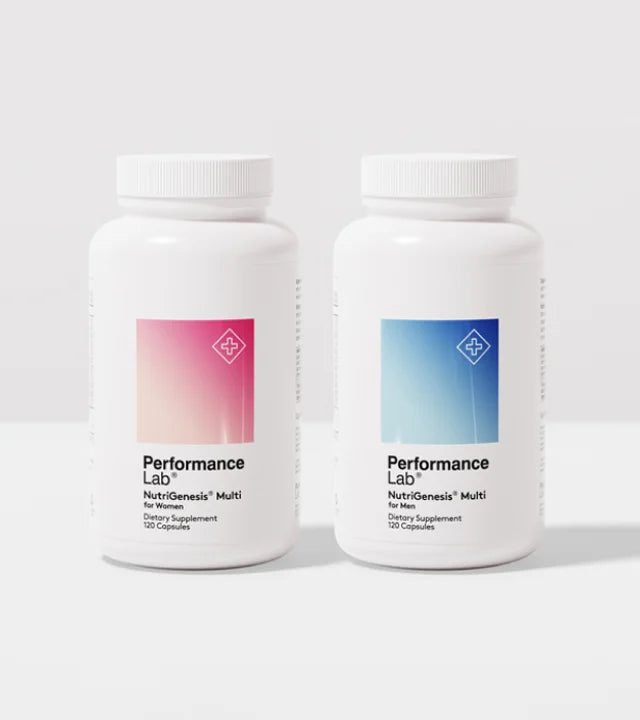
Even with the best intentions and a well balanced diet, it isn't always easy to get every nutrient your body needs from food alone. Busy schedules, dietary restrictions, food preferences, age, lifestyle factors and increased nutritional needs can all affect your intake and nutrition goals.
This is where supplements may help. They are not designed to replace a balanced diet, but they can help fill nutritional gaps when your diet may fall short.
For example, some nutrients are commonly under-consumed in certain populations. Vitamin D is one example, particularly during months with limited sunlight exposure.
Likewise, people following vegetarian or vegan diets may need to pay closer attention to certain nutrients, including vitamin B12, iron, iodine and omega-3 fatty acids, as these nutrients can be more challenging to obtain in adequate amounts from plant-based foods alone. (16)
The key is choosing supplements that support your overall health goals rather than using them as a substitute for healthy habits. Please speak to a doctor before taking any supplements if you have existing health issues.
A high-quality multivitamin, such as Performance Lab NutriGenesis® Multi, can help provide a broad spectrum of essential vitamins and minerals in a convenient daily format. NutriGenesis® uses lab-grown nutrients designed to closely replicate the molecular structure of nutrients found in nature, helping support absorption and bioavailability.
When choosing supplements, look for options that are:
-
backed by scientific research
-
made with high-quality ingredients
-
suitable for your dietary needs
-
tested for quality and purity
For those following plant-based diets, vegan supplements can also help provide targeted support for nutrients that may be harder to obtain through food alone.
Vegan-friendly Performance Lab NutriGenesis Multi contains more than 20 key vitamins and minerals, is third party tested for purity and performance, and is free from artificial additives and preservatives.
BUY Performance Lab NutriGenesis Multi for Men or Women
5. Nourish Your Body Through Sleep, Movement and Recovery

Nourishing your body is not only about the foods you eat. It depends on nutrient-dense meals, regular movement, quality rest, and conscious stress reduction to support overall well-being.
Drink plenty of water throughout the day to support energy levels and normal bodily functions. Keeping a dedicated water bottle nearby can also help support hydration, blood circulation, smooth digestion, and steady brain performance.
Prioritize Quality Sleep
Sleep is one of the most important foundations of health. While you rest, your body carries out essential processes that support immune function, brain health, memory, hormone regulation and physical recovery.
Not getting enough quality sleep can affect everything from energy levels to appetite regulation, making it harder to maintain healthy eating habits.
The CDC recommends that adults get at least 7 hours of sleep each night, although individual needs can vary. According to surveys, a tenth of adults in the U.S. suffer with long term chronic insomnia, while a third of us suffer with acute insomnia for several days at a time. (17, 18)
Simple ways to support better sleep include:
-
keeping a consistent sleep and wake schedule
-
creating a relaxing bedtime routine
-
reducing exposure to bright screens before bed
-
avoiding heavy meals, alcohol and caffeine close to bedtime
-
keeping your bedroom cool, dark and comfortable
You may also want to add sleep-promoting ingredients such as tart cherry with natural melatonin to your nighttime routine. Either take as a juice or find it in dedicated supplements as Performance Lab Sleep.
More: Sleep Supplements that Work and Don't Work According to Science
Move your Body Regularly
Exercise is another important part of nourishing your body. Being physically active supports cardiovascular health, muscle strength, bone health, mood and energy levels.
You do not need to spend hours in the gym to experience benefits. Regular movement such as walking, cycling, strength training or active hobbies can all contribute to overall health. Adding resistance training or yoga can improve bone density, protect joints, support weight management and weight loss, and elevate your baseline metabolism.
The Physical Activity Guidelines for Americans recommend that adults aim for at least 150 minutes of moderate-intensity physical activity each week, alongside muscle-strengthening activities on two or more days. (19)
Support your Mental Health and Practice Mindful Eating
Your mental health and physical health are closely connected. Chronic stress can influence sleep, eating habits, digestion and the way your body responds to daily challenges.
Mindful habits, such as slowing down at mealtimes, using smaller plates and savoring each bite to improve the eating experience, taking a few moments to breathe before eating and paying attention to hunger and fullness cues, can help you develop a healthier relationship with food choices.
You can also use an app to track your health progress, goal setting and macros easily , or visit a registered dietitian for further advice if you want additional help.
Drinking plenty of water throughout the day can also help, since thirst is sometimes mistaken for hunger.
A simple pre-meal breathing exercise:
-
Take a slow breath in for four seconds
-
Hold for a moment
-
Slowly breathe out
-
Repeat three times before starting your meal
Final Thoughts on Your Health Journey
Start small. Building healthier habits is often more sustainable when you introduce changes gradually rather than trying to overhaul your entire routine at once. Focus on a few simple actions you can repeat consistently, then build from there.
Regularly practicing calming activities, prioritising rest, and creating space for enjoyable experiences may help support stress management and make it easier to maintain healthy choices. Where possible, reduce unnecessary demands that leave you feeling depleted, and make room for habits that help you feel more balanced and energized.
Over time, consistent healthy habits can create a stronger foundation for overall wellbeing, supporting both your body and mind. If your diet or lifestyle has gaps, targeted supplements may also provide additional nutritional support alongside a balanced approach.
Performance Lab NutriGenesis Multi is a great all-round multivitamin to help cover any important nutrient gaps.
References
- British Heart Foundation. “What Are Whole Foods?” British Heart Foundation. https://www.bhf.org.uk/informationsupport/heart-matters-magazine/nutrition/whole-foods
- U.S. Food and Drug Administration. “FDA Announces New Qualified Health Claims for EPA and DHA Omega-3 Consumption and the Risk of Hypertension and Coronary Heart Disease.” https://www.fda.gov
- Oppedisano, F., Macrì, R., Gliozzi, M., et al. “The Anti-Inflammatory and Antioxidant Properties of n-3 PUFAs: Their Role in Cardiovascular Protection.” Biomedicines 8, no. 9 (2020): 306. https://doi.org/10.3390/biomedicines8090306
- Krupa, K. N., Fritz, K., and Parmar, M. “Omega-3 Fatty Acids.” StatPearls. StatPearls Publishing, 2026. https://www.ncbi.nlm.nih.gov/sites/books/NBK564314
- Martini, D., Marino, M., Venturi, S., Tucci, M., Klimis-Zacas, D., Riso, P., Porrini, M., & Del Bo’, C. “Blueberries and Their Bioactives in the Modulation of Oxidative Stress, Inflammation and Cardio/Vascular Function Markers: A Systematic Review of Human Intervention Studies.” The Journal of Nutritional Biochemistry 111 (2023): 109154.
- Harvard T.H. Chan School of Public Health. “Protein.” The Nutrition Source. https://nutritionsource.hsph.harvard.edu/what-should-you-eat/protein/
- Jones, A. M. “Dietary Nitrate Supplementation and Exercise Performance.” Sports Medicine 44, Suppl. 1 (2014): 35–45. https://doi.org/10.1007/s40279-014-0149-y
- Harvard T.H. Chan School of Public Health. “Fiber.” The Nutrition Source. https://nutritionsource.hsph.harvard.edu/carbohydrates/fiber
- Zhang, Y. J., Li, S., Gan, R. Y., Zhou, T., Xu, D. P., & Li, H. B. “Impacts of Gut Bacteria on Human Health and Diseases.” International Journal of Molecular Sciences 16, no. 4 (2015): 7493–7519. https://doi.org/10.3390/ijms16047493
- Wen, L., & Duffy, A. “Factors Influencing the Gut Microbiota, Inflammation, and Type 2 Diabetes.” The Journal of Nutrition 147, no. 7 (2017): 1468S–1475S. https://doi.org/10.3945/jn.116.240754
- Saxami, G., Kerezoudi, E. N., Eliopoulos, C., Arapoglou, D., & Kyriacou, A. “The Gut-Organ Axis within the Human Body: Gut Dysbiosis and the Role of Prebiotics.” Life 13, no. 10 (2023): 2023.
- Appleton, J. “The Gut-Brain Axis: Influence of Microbiota on Mood and Mental Health.” Integrative Medicine (Encinitas, Calif.) 17, no. 4 (2018): 28–32.
- Zhang, Y., Wu, H., Jin, M., Feng, G., & Wang, S. “The Gut-Heart Axis: Unveiling the Roles of Gut Microbiota in Cardiovascular Diseases.” Frontiers in Cardiovascular Medicine 12 (2025).
- UCLA Health. “If You Want to Boost Immunity, Look to the Gut.” https://www.uclahealth.org/news/article/want-to-boost-immunity-look-to-the-gut
- International Scientific Association for Probiotics and Prebiotics. “Understanding Prebiotics and Fiber.” https://isappscience.org/infographic-fiber-prebiotics
- National Institutes of Health, Office of Dietary Supplements. “Vitamin D Fact Sheet for Health Professionals.” https://ods.od.nih.gov/factsheets/VitaminD-HealthProfessional/
- Neufingerl, N., & Eilander, A. “Nutrient Intake and Status in Adults Consuming Plant-Based Diets Compared to Meat-Eaters: A Systematic Review.” Nutrients 14, no. 1 (2021): 29. https://doi.org/10.3390/nu14010029
- Chattu, V. K., Sakher, A., et al. “The Global Problem of Insufficient Sleep and Its Serious Public Health Implications.” Healthcare 7, no. 1 (2018): 1. https://doi.org/10.3390/healthcare7010001
- Berg, Sara. “What Doctors Wish Patients Knew About Insomnia.” American Medical Association.
- U.S. Department of Health and Human Services. Physical Activity Guidelines for Americans. 2nd ed. Washington, DC: U.S. Department of Health and Human Services, 2018.