
The global dietary supplements market is expected to be worth almost 400 billion dollars by the year 2033, and the North American market accounts for a significant share of that. (1) It's big business, which is why there are thousands of supplements out there competing for your attention.
We're talking vitamins, minerals, botanicals, amino acids, functional blends, and more across multiple formats (capsules, powders, drinks, gummies). New categories and inventions, such as personalised nutrition and multifunctional supplements, are added all the time.
It's no wonder it's confusing to the average (and not so average!) consumer.
This article will guide you through the world of dietary supplements, explaining how they’re regulated, outlining your options, and helping you make informed choices.
Key Takeaways
- The dietary supplements market is vast and growing rapidly, making it increasingly difficult for consumers to choose the right products.
- Supplements are designed to support your diet, not replace it, and are most useful for filling nutrient gaps or addressing specific health needs.
- Common supplement categories include vitamins, minerals, botanicals, amino acids, probiotics, and omega-3s, each with different roles in supporting overall health.
- Not all supplements are created equal—quality, bioavailability, transparency, and third-party testing are key factors to look for.
- Choosing the right supplements should be based on your individual health needs, ideally alongside a balanced diet and guidance from health professionals.

What are Dietary Supplements?

Dietary supplements are taken by mouth and come in forms such as tablets, capsules, gels, powders, or gummies. They’re intended to 'supplement' your diet, meaning they’re not designed to cure, treat, or diagnose medical conditions but rather to top up your nutrient levels.
As such, supplements may be most effective for addressing specific deficiencies or for specific life stages.
That said, some supplements, particularly vitamins and minerals, can play a role in supporting overall health and, in some cases, may help to manage certain conditions. (See the section on health benefits below).
With around three-quarters of the American population regularly using supplements, it’s clear that many people recognize their potential.
Supplement Statistics
75% of Americans use dietary supplements (2024 figures), with 91% citing them as important for their health. (2)
Types of Dietary Supplements
There are many different types of dietary supplements available on the market today. Here are some of the most popular ones...
Multivitamins and Standalone Vitamins such as Vitamin D, Vitamin C and More

Daily multivitamins and standalone vitamins such as B vitamins, vitamin D, biotin, vitamin E, and vitamin C are among the most common supplements used to help support overall nutrition and fill nutritional gaps that may arise from a less-than-perfect healthy diet.
For example, Vitamin D3 is critical for bone health, immune function, and energy, and supplementation may be recommended for those with limited sun exposure or with a vitamin D deficiency.
Vitamin D also helps the body absorb calcium, which is essential for bone health. Meanwhile vitamin C plays an important role in immune function and overall health.
A good quality multivitamin such as Performance Lab NutriGenesis Multi may help to cover several nutritional gaps at once.
Performance Lab® NutriGenesis Multi
The world's most advanced multivitamin formula.
Shop Now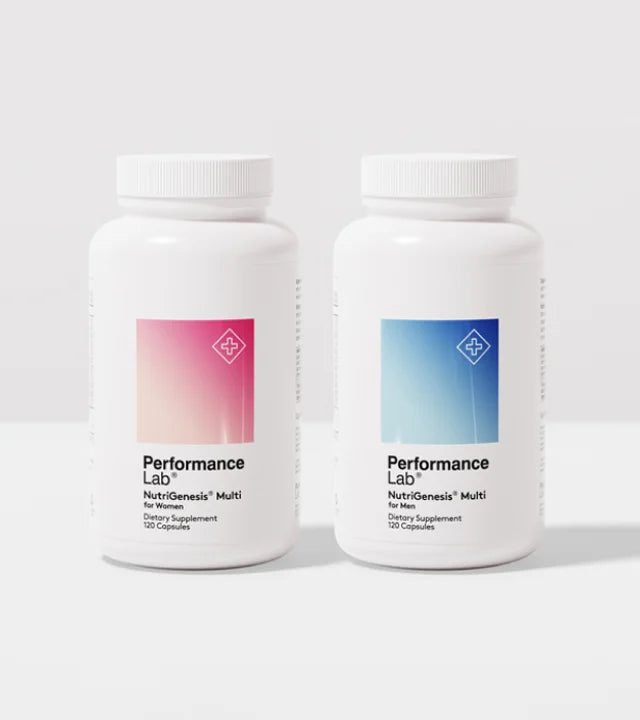
Who May Want to Supplement
Most people can meet their nutritional needs through a healthy diet, but some groups may need a little extra support to plug nutritional gaps.
People with dietary restrictions such as vegetarians and especially vegans, for instance, may choose to supplement key nutrients that are harder to find or absorb in a plant-based diet, such as vitamin B12.
Vitamin B12 is essential for red blood cell formation and nervous system function, and its deficiency can lead to anemia. The body cannot make B12 by itself.
Older adults may also consider supplementing with vitamin B12 as it becomes harder to absorb from food as we age, due to a fall in intrinsic factor enzyme needed to absorb it. (3, 4)
Minerals

Minerals such as iron, calcium, magnesium, and zinc fall into this category, contributing to key body processes including energy production, bone health, and calcium absorption.
In some cases, targeted support may be needed, such as an iron supplement for those at risk of iron deficiency or iron deficiency anemia, or magnesium for those with low intake or magnesium deficiency.
*Please speak to your doctor if you suspect significant deficiencies.
Magnesium and our Diets
According to statistics, nearly half of all U.S. adults struggle to consume enough magnesium from diet alone. Research shows us that neatly a quarter (23%) of all supplement users choose to take magnesium (2024 figure, up from 19% the year before).
Magnesium helps to calm the CNS (Central Nervous system) and may help to prevent muscle twitches while asleep, sometimes recommended for restless leg syndrome.
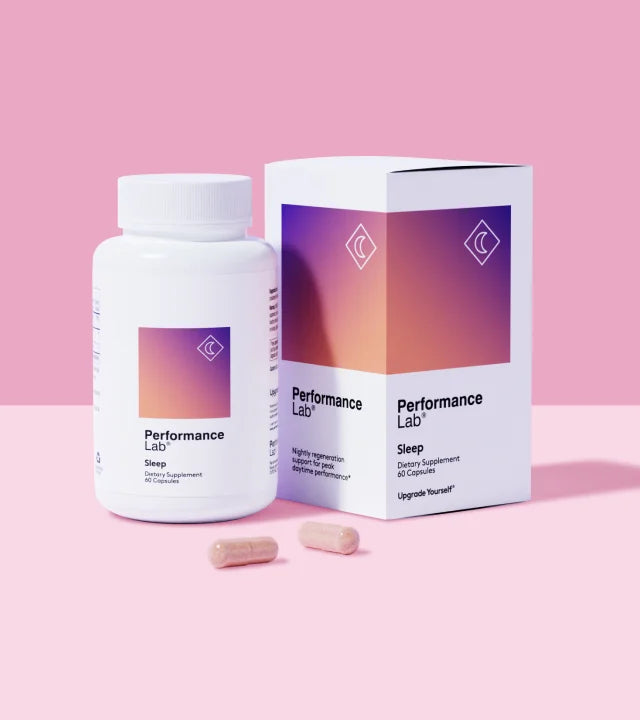
As such it's a popular sleep supplement for many. Our best selling sleep supplement, Performance Lab Sleep contains magnesium. (2, 5, 6)
More: The Best Magnesium for Sleep
Botanicals and Herbal Extracts

Botanicals and herbal extracts such as caffeine, ashwagandha, ginseng, ginger, and St John’s Wort are widely used in both traditional and modern dietary supplements. These are often included for their potential health benefits, particularly in areas like stress, focus, and overall integrative health, although effects can vary depending on the individual and formulation.
Popularity of Botanicals
Botanical supplements are projected to gain a near 20% share of the supplement market by 2033. The use of Ashwagandha, a botanical supplement, increased four fold over four years to 8% in 2024. (2)
Amino Acids
Amino acids like BCAAs (Branch Chain Amino Acids), arginine, tryptophan, and L-theanine are commonly used to support athletic performance, recovery, relaxation, and cognitive function. As the building blocks of protein, they also play a role in many essential body processes linked to growth and repair.
Probiotics and Prebiotics
Probiotics and prebiotics are increasingly popular for supporting gut health. Probiotics provide beneficial bacteria, while prebiotics act as fuel for these microbes, helping to maintain balance within the gastrointestinal tract. Foods like fermented foods can also contribute to this, but supplements offer a more targeted approach.
Supplements for Gut Health
The microbes in your GI tract make up what is called your gut microbiome. This microbiome has been shown to influence everything from digestion to metabolic, cardiovascular and mental health and immune function. (7, 8)
Prebiotic supplement use continues to increase, according to research. 7% of all supplement users used a prebiotic in 2024, up from 5% the year before. (2)
More: Pre, Pro and Postbiotics: How They Work Together for Gut Health
Omega 3 Fatty Acids

Omega-3 fatty acids, including those found in fish oil or algae-based alternatives, are another widely used category. These essential fatty acids, including compounds such as eicosapentaenoic acid (EPA), are commonly associated with heart health and general wellbeing. While they can be obtained from foods like fatty fish, fish oil supplementation is often used where intake is low.
Dietary Guidelines
USDA dietary guidelines recommend eating around two servings of omega-3-rich fish per week (sardines, tuna, mackerel, trout, wild-caught salmon), with a typical serving size of about 4 ounces (roughly the size of a deck of cards).
If you struggle to gain enough omega-3 through diet alone, Omega-3 supplements may be an option.
Performance Lab Omega-3 sources its nutrients through algae rather than fish, so there's no fishy aftertaste. Important for people (like me!) who don't like the taste of fish. (9)
More: Best Omega-3 Supplement in 2026
Protein Supplements
Protein supplements, including whey, casein, and plant-based protein powders, are used to help meet daily protein requirements over and above food sources such as lean meat. They may be particularly useful for those with higher needs or specific dietary restrictions (no meat, for instance).
They can support muscle maintenance, satiety, and overall nutritional needs, especially when a balanced diet is harder to maintain consistently.
Speciality or Goal-Based Supplements
Finally, speciality or goal-based supplements are formulated around specific needs such as energy levels, sleep, cognitive performance, or immune system support. These products typically combine multiple ingredients in a single supplement form, designed to work together in a more targeted way than individual nutrients alone.
Nootropic stacks, for instance, can combine several ingredients together to support brain health and aspects of cognitive function. Likewise, sleep stacks may combine several different ingredients that purport to help different aspects of sleep.
Sleep Stacks
16% of supplement fans now take melatonin, up 6% since 2020.
Performance Lab Sleep includes natural melatonin from Montmorency tart cherries alongside l-tryptophan, lemon balm and magnesium. Together, it supports sleep from several different angles.
An immediate change in quality and consistency of sleep. I highly recommend it.Stephanie B
Health Benefits of Dietary Supplements

As I said, dietary supplements aren't intended to act as medicine but some feature ingredients that are recognized for their contribution to health, wellbeing and lifestyle factors.
For instance, calcium and vitamin D are essential nutrients for strong bone health. Calcium may be especially important for postmenopausal women to help prevent osteoporosis.
Iron supplements are important for individuals at risk of iron deficiency, such as young children and pregnant women. (Please speak to your healthcare provider first before taking any such supplements).
Essential fatty acids such as omega-3 may help some people with heart disease. Folic acid reduces the risks of certain birth defects.
Zeaxanthin and lutein, alongside zinc and copper, may slow down vision loss in age-related macular degeneration. (10)
It's worth researching your specific supplement or nutrient to assess potential benefits for you. Some supplements may benefit from further research.
Remember...
It’s important to remember that while many supplements may support overall health, they are not a substitute for a healthy diet rich in whole grains, fruits, vegetables, and sources of essential nutrients.
Guidance from health professionals or a healthcare provider can also be helpful, particularly for those with underlying medical conditions, specific deficiencies, or more complex health care needs.
Who Regulates Dietary Supplements?
In the United States, dietary supplements are regulated by the FDA, but not in the same way as medicines. Unlike drugs, supplements do not need FDA approval before they are sold.
Manufacturers are responsible for ensuring their products are safe and that labels are truthful and not misleading. However, they generally do not need to submit this evidence to the FDA before bringing a product to market.
Supplement labels may include certain health-related claims, such as supporting normal body functions (for example, heart health or immune function), provided they include a disclaimer stating that the claim has not been evaluated by the FDA. These claims are not pre-approved before sale.
Because of this, quality can vary between products. It’s important to choose supplements from reputable manufacturers and to do your own research when selecting a product.
What to Look for in a Good Dietary Supplement

With so many options on the market, quality matters. Not all supplement forms are created equal, and small differences in formulation and sourcing can have a big impact on how effective - and safe - a product is.
Here's what to look for when choosing your dietary supplement...
-
Third Party Testing, Certification or Validation. Look for products that are tested, validated or certified from third party independent organisations. This approval can help verify that a product contains what it says it does and is free from unwanted contaminants, offering assurance regarding dosage and purity of supplements. This is especially important if you compete in sports and want confirmation that a product does not have any banned substances.
While not all reputable brands use the same certifiers, clear transparency around testing is a good sign. All Performance Lab products are third party tested and validated. -
Bioavailability and Ingredient Forms. It’s also worth paying attention to bioavailability and ingredient forms. Some forms of nutrients are easier for the body to absorb and use than others. For example, certain essential vitamins and minerals come in active or more readily absorbed forms, which may make a difference depending on your needs.
Performance Lab's Nature Identical Nutrients
Performance Lab uses a pioneering processing technique called NutriGenesis® to cultivate its nutrients.
By growing nutrients alongside carbohydrates, proteins, antioxidants, enzymes and more in a living food matrix, our nutrients are structurally similar to the nutrients found in whole foods.
Nutrients from whole foods are often better absorbed than those in pill form. This process improves bioavailability - making them easier for the body to absorb - and boosts tolerance.
More: What is NutriGenesis®? Nature-identical nutrients explained
-
The clean-label approach. Many people prefer supplements that avoid unnecessary fillers, artificial additives, or allergens. Vegan-friendly delivery systems, such as plant-based capsules, may also be important for those following a plant-based lifestyle or looking for simpler formulations.
Performance Lab's vegan friendly products have a super clean label and are free from GMO, non-irradiated, free from artificial additives and common allergens.
-
Avoid Proprietary Blends. While it perhaps seems understandable that supplement companies want to hide their market-leading formulas from competitors, unscrupulous manufacturers sometimes use proprietary blends to hide their ingredients and dosages for other reasons. Leaving you with no way to judge safety or effectiveness.
You have the right to know exactly what you're putting into your body, so avoid any products that don't give this information. All ingredients and dosages are clearly listed on all Performance Lab bottles.
-
Look for Real Feedback: Search for reviews of the product and manufacturer you're interested in on the web (TrustPilot, Amazon, for instance). Some manufacturers also have reviews on their websites and you can usually tell if they're real or not (hint, if all reviews give 5 out of 5 stars be wary!).
-
Sustainability. Finally, consider the brand’s approach to sustainability. This can include responsibly sourced ingredients as well as recyclable or reduced packaging. While this doesn’t directly affect how a supplement works, it can be an important part of choosing products that align with your values. The Performance Lab NutriGenesis process aids sustainability, plus we also use recyclable packaging and offer eco-conscious shipping.
Safety and Adverse Reactions
Supplement safety information will be specific to individual nutrients and vary by product, which is why it's important to research any new supplements carefully before using. Seeking professional advice if needed.
Side effects or allergic reactions are more likely if you take supplements at high doses or mix them with other supplements (which is why sometimes choosing a carefully pre-made stack may be advisable rather than taking several individual products).
As a general rule, it's advisable to avoid products with super high doses of nutrients that your body just doesn't need. Don't forget that some food products are also fortified with certain vitamins and minerals, so you may be getting more than you think. Too much vitamin A, for instance, can be toxic and cause adverse events.
Always be alert to the possibility of a bad reaction, especially when taking a new product.
Certain supplements may interfere or interact with prescribed medicines (vitamin K and warfarin, for example, or St John's Wort and several other medicines), so mixing medications isn't recommended.
Likewise, many supplements have not been tested on pregnant women or children, so it's advisable to speak to your doctor before taking any new supplements if you're pregnant, on medication or have a health condition.
Final Thoughts
In a market crowded with options and bold claims, understanding supplement basics is what separates a smart choice from an expensive guess.
Dietary supplements can play a valuable role in supporting your health needs, from filling nutritional deficiencies or gaps with vitamins like vitamin D or vitamin C to addressing specific concerns such as iron deficiency anemia or low energy levels with targeted nutrients like B vitamins.
But they work best when used intentionally, alongside a balanced diet and informed by reliable guidance.
Focus on quality, transparency, and formulations that your body can actually use, and don’t hesitate to seek advice from health professionals when needed.
Ultimately, the goal isn’t to take more supplements, but to take the right ones for your individual health needs, safely and effectively.
Supplement Glossary: Key Terms Explained
-
Bioavailability: How well a nutrient is absorbed and used by the body. Higher bioavailability means better results from the same dose.
-
Active Form: The form of a vitamin or nutrient that your body can use immediately, without needing to convert it first.
-
RDA (Recommended Daily Allowance): The average daily intake level considered sufficient to meet the nutritional needs of most people.
-
Adaptogens: Natural plant compounds that help the body manage stress and support more balanced energy over time.
-
Amino Acids: The building blocks of protein, often used in supplements to support energy, focus, muscle recovery, and overall function.
-
Standardised Extract: A supplement that contains a consistent amount of active compounds, ensuring reliable potency and effects.
-
Synergy: When multiple ingredients work together to enhance each other’s effects, improving overall effectiveness.
-
Proprietary blend. A unique blend or combination of ingredients that’s created by a supplement manufacturer, often used to hide exact ingredient details. We would advise you to avoid any product that isn't willing to reveal full ingredients and dosages.
References
- Grand View Research. “Dietary Supplements Market (2026 - 2033).” https://www.grandviewresearch.com/industry-analysis/dietary-supplements-market-report
- The Council for Responsible Nutrition (CRN). “CRN Survey Shows Consistent Supplement Usage with Increase of Specialty Product Use Over Time.” https://crnusa.org/newsroom/crn-survey-shows-consistent-supplement-usage-increase-specialty-product-use-over-time
- U.S. Food and Drug Administration. “FDA 101: Dietary Supplements.” https://www.fda.gov/consumers/consumer-updates/fda-101-dietary-supplements
- Ankar, A., and A. Kumar. “Vitamin B12 Deficiency.” StatPearls, StatPearls Publishing, 2022. https://www.ncbi.nlm.nih.gov/books/NBK441923/
- Sleep Foundation. “Using Magnesium for Better Sleep.” https://www.sleepfoundation.org/magnesium
- Healthline. “The Link Between Magnesium and Restless Leg Syndrome.” https://www.healthline.com/health/restless-leg-syndrome/link-between-magnesium-and-rls
- Zhang, Y. J., et al. “Impacts of Gut Bacteria on Human Health and Diseases.” International Journal of Molecular Sciences, vol. 16, no. 4, 2015, pp. 7493-7519.
- Appleton, J. “The Gut-Brain Axis: Influence of Microbiota on Mood and Mental Health.” Integrative Medicine (Encinitas), vol. 17, no. 4, 2018, pp. 28-32.
- Mayo Clinic. “Omega-3 in Fish: How Eating Fish Helps Your Heart.” https://www.mayoclinic.org/diseases-conditions/heart-disease/in-depth/omega-3/art-20045614
- National Institutes of Health, Office of Dietary Supplements. “Dietary Supplements: What You Need to Know, Fact Sheet for Consumers.” https://ods.od.nih.gov/factsheets/WYNTK-Consumer