
Your gut is home to trillions of microbes that influence everything from digestion to mood to your immune system.
Understanding how to support these tiny allies can feel overwhelming, especially when terms like prebiotics, probiotics, and postbiotics get thrown around. Do you know the difference between all three? Or which to use when?
In this guide, I'll break down what each biotic does, how they work together, and how you can potentially use them to support gut health, digestion issues, and more.
But first...
Key Takeaways
- Prebiotics, probiotics, and postbiotics each support gut health in different ways, from nourishing beneficial bacteria to delivering bioactive compounds that help maintain a healthy gut environment.
- Prebiotics provide the essential fuel that beneficial microbes need to thrive, setting the foundation for a balanced and resilient microbiome.
- Probiotics introduce live beneficial strains, while postbiotics are the helpful compounds those microbes produce when they break down prebiotic fibers.
- Using a high-quality prebiotic supplement as part of a daily routine can help support microbial diversity and enhance the effectiveness of probiotics and postbiotics.

Why Gut Microbiota Matters for Your Health

Before we discuss pre, pro and postbiotics in detail, let's make sure we know why they are so important in the first place.
All of these biotics have the power to potentially influence your gut microbiome (also called gut microbiota).
Your gut microbiota is a 100-trillion-strong microbial ecosystem in your GI tract (Gastrointestinal tract), weighing roughly 1-2 kg , making it one of the most metabolically active “organs” in your human body. This community is dominated by bacteria, fungi, and viruses that all interact in complex ways. (1)
A diverse gut microbiome plays a pivotal role in a significant number of health benefits. Similarly, a lack of diversity can cause significant health issues.
Key Health Benefits and Risks Linked to Gut Balance
-
Digestion: Conditions like irritable bowel syndrome and inflammatory bowel disease, as well as other gastrointestinal issues, are strongly associated with microbiota disruptions and excessive 'bad bacteria'. (2)
-
Metabolic health: Research connects gut bacteria patterns to obesity, type 2 diabetes, and metabolic diseases. (3)
-
Cardiovascular function: Certain microbial metabolites (such as Short Chain Fatty Acids and more) have been shown to influence cholesterol metabolism and blood pressure. (4, 5)
-
Mental health: The gut-brain axis links microbiota composition to anxiety, depression, and stress responses. (6)
-
Immune function: Approximately 70% of immune cells reside in the gastrointestinal tract. (7)
What Factors Influence your Microbial Balance?
Several factors shape your microbiota throughout life. They include:
-
BEFORE BIRTH: Microbiota in the amniotic fluid and placenta influence your first microbe colonization in utero.
-
BIRTH MODE (C-section vs. vaginal delivery): You gain microbes either from your mother's vaginal microbiota or from skin, depending on mode of birth.
-
DIET QUALITY (high-fiber vs. ultra-processed). This starts as early as the milk you choose for baby. Breast-fed babies are likely to have a different microbial balance to formula-fed babies. Your diet throughout your life heavily influences your microbiota. Studies show a vegetarian diet encourages a diverse intestinal microbiota.
-
CHRONIC STRESS can reshape the gut's bacterial composition.
-
AGING: Microbiota diversity tends to decrease as we age. Similarly, research suggests that the composition of your gut microbiota may influence how 'healthily' you age.
-
ANTIBIOTIC USE: Antibiotics can kill damaging and beneficial microbes without discrimination.
-
OTHER MEDICATIONS: Researchers for Yale School of Medicine have identified several non-antibiotic and common prescription medications that appear to alter the gut microbiome. (8 - 11)
When Things Go Wrong: Dysbiosis
Dysbiosis describes an imbalance between the good and bad bacteria that inhabit your gut microbiome. It's when microbial diversity drops and harmful bacteria gain ground.
An imbalance means you are less resistant to pathogens like C. difficile, Salmonella, or pathogenic E. coli, which can overgrow and cause symptoms like diarrhea, inflammation, and recurrent infections. (12, 13)
LEAKY GUT
Dysbiosis is also a significant cause of 'leaky gut' - when harmful microbes and by-products damage the gut lining. This allows unwanted substances to escape the gut and enter the bloodstream, triggering inflammation and other issues.
It has also been associated with chronic diseases such as inflammatory bowel disease, irritable bowel syndrome, cardiovascular disease, kidney disease, obesity, cancer, and more, as mentioned above. (14 -16)
Needless to say, then, anything that we can do to protect and encourage bacterial diversity in our gut microbiome has to be welcomed. Which is where pre, pro and postbiotics come in...
Let's examine each one in turn...
Prebiotics: Feeding Your Friendly Microbes / Gut Bacteria

Prebiotics are a specific type of non-digestible fiber (found in chicory root, bananas, onions, legumes, and more) that feed beneficial microorganisms in the gut. Those little allies I mentioned earlier. All prebiotics are fiber but not all fiber is prebiotic.
MOST COMMON PREBIOTICS
A systematic review of 30 clinical trials proved that prebiotics helped to increase levels of beneficial gut bacteria in the gut microbiome, such as Bifidobacterium. Inulin-type fructans such as inulin and FOS - the fiber included in Performance Lab Prebiotic - were the most common prebiotics used. (17)
Typical Prebiotic Compounds include:
-
Inulin and fructo-oligosaccharides (FOS), found in chicory root, onions, garlic, leeks, Jerusalem artichokes, and bananas. These are among the most studied prebiotics and reliably boost bifidobacteria populations. Performance Lab Prebiotic includes Inulin-FOS
-
Galacto-oligosaccharides (GOS), occurs naturally in dairy.
-
Xylo-oligosaccharides (XOS)
-
Resistant starch (when potatoes, rice, oats, and legumes cool after cooking). Also in green bananas.
Overall Health Benefits of Prebiotics
Research has found a link between prebiotic foods and:
-
Improved gut microbiome composition
-
Improved bowel regularity: Reduces constipation and may ease mild irritable bowel syndrome symptoms
-
Better calcium and magnesium absorption which helps support bone health
-
Improved blood sugar management: Fiber slows glucose absorption, helping to stabilize blood sugar post-meal
-
Effective immune health and function
-
Gut barrier integrity: Short Chain Fatty Acids have been shown to support the gut lining barrier
-
A potential reduced risk of colorectal cancer (shown in some studies).
-
Reduced inflammation: Lower levels of inflammatory markers throughout the body. (18)
PREBIOTICS AND AGING
Prebiotics have been shown to increase levels of beneficial Bifidobacterium, which tends to decline with age. High levels, therefore, are considered a sign of longevity.
Bifidobacterium has been shown to help with chronic constipation, helping with bowel movements, and potentially mitigate age-related cognitive decline. (19)
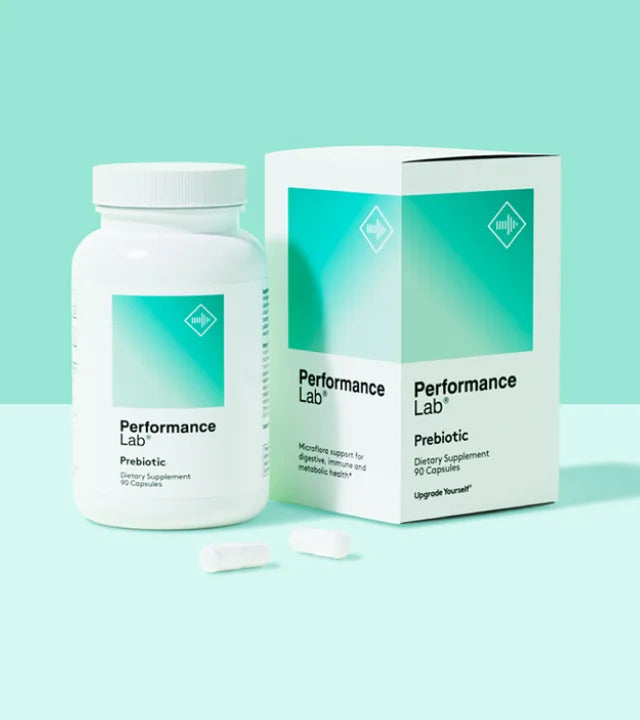
Performance Lab Prebiotic
Performance Lab Prebiotic is a quality prebiotic that includes Inulin-FOS, the most studied prebiotic. It has been shown to increase beneficial Bifidobacterium bacteria from 20-71%.
This is one of the cleanest prebiotics around. It's allergen-free, GMO-free and non-irradiated.
I’ve improved my gut health exponentially. Can’t recommend them enough.Josh S
Probiotics: Live Microbes With Health Benefits

Probiotics are the 'good' bacteria in our gut that metabolize the prebiotic food. The term probiotic specifically refers to clinically studied strains with documented benefits at specific doses.
Probiotics have been shown in research to help certain digestive disorders, though more human research is welcome. (20, 21)
Probiotic Strains to Look For:
-
Specific strains of Lactobacillus (such as Lactobacillus rhamnosus GG)
-
Specific strains of Bifidobacterium (such as Bifidobacterium animalis subsp. lactis BB-12)
-
The yeast Saccharomyces boulardii,
-
Certain well-characterized strains of Streptococcus and Enterococcus.
Fermented Foods versus Probiotic Supplement

You'll often hear people talking about the probiotics in fermented food such as kefir, sauerkraut, miso, tempeh, yogurts with live cultures, and more.
Now technically, not all of these are official probiotics (which, if you recall, have to be clinically studied strains with specific health benefits). That's mostly because they haven't been studied or labelled as such, but many fermented foods offer 'probiotic-like' benefits. As such, they are often recommended to add to your diet.
Learn more about fermented foods and weight loss
SUMMARY
Not all fermented foods contain true probiotics. General “live cultures” in food don’t automatically qualify. A real probiotic supplement or food requires a characterized strain and evidence for its effects.
You'll also find many probiotic supplements on the market, but it's advisable to do your homework here.
WHAT TO LOOK FOR IN A PROBIOTIC SUPPLEMENT
Under U.S. guidelines, supplement manufacturers only have to specify the total weight of the microbes in any probiotic supplementation. They do not have to specify if they are alive or dead on delivery. Given how sensitive these micro-organisms are (many are destroyed by heat, light, incorrect storage, manufacturing processes etc...), this tally can be misleading.
Look for products that voluntarily reveal how many live microorganisms they contain. This will be listed as CFU (Colony Forming Units). It should specify CFUs for each strain at the time of the product's expiration date. Note, I said expiration date and not manufacture date as there are likely to be declines over the product's lifetime.
Many probiotic supplements offer 1 to 10 billion CFUs per daily dose, but you'll see some with 50 billion CFUs or more. It's important to be aware that more CFUs don’t always mean better results. The specific clinically studied probiotic strains and clinical evidence matter far more than sheer quantity. Different probiotics will also have different benefits. (22)
How Probiotics Work in the Human Body: Benefits
Probiotic bacteria offer several benefits. They are known for stimulating the gut microbiota and helping digestion. They also help to strengthen immunity, making us more resistant to infection, and help to balance inflammatory and anti-inflammatory responses.
At the heart of the matter, however, is one simple fact: they help to increase the amount of 'good' bacteria in our gut microbiome, whilst simultaneously decreasing the amount of 'bad' bacteria. A very useful two-pronged approach. They do this by:
INCREASING GOOD BACTERIA
Eating foods with probiotics or taking a quality probiotic supplement works by physically adding extra bacteria to your system, potentially in their millions or even billions. (Remember, our gut microbiota has trillions of bacteria).
AND CROWDING OUT HARMFUL BACTERIA...
-
Probiotics compete with pathogens (harmful bacteria) for nutrients and more, crowding them out.
-
They also fight for dominance of attachment sites on the gut lining, meaning pathogens can't attach. This protects the gut barrier.
-
The metabolites produced by probiotics - what we know as postbiotics - (lactic acid, hydrogen peroxide, bacteriocins) contribute to inhibiting a wide range of pathogenic bacteria. (23, 24)
ADDITION AND SUBTRACTION
Probiotics add beneficial metabolites (essentially produce postbiotics in real-time) while helping remove or neutralize harmful substances like toxins and inflammatory compounds.
One important note: probiotics generally do not permanently colonize the gut. They exert their effects while passing through the gastrointestinal tract, which means continued intake is needed for sustained benefits.
Postbiotics are the Beneficial By-Products

Finally we come onto postbiotics, the beneficial by-products produced by gut bacteria (probiotics) when they ferment dietary fiber (prebiotics).
Postbiotics represent inanimate microorganisms and the compounds they produce that still influence health even though the microbes are no longer alive. This makes them fundamentally different from live microbes in probiotics.
These include inactivated microbes, short-chain fatty acids, enzymes, peptides, and other compounds.
OFFICIAL DEFINITION OF POSTBIOTICS
The International Scientific Association of Probiotics and Prebiotics (ISAPP) in 2021 sought to end confusion over the definition of postbiotics. Stating that “postbiotics is a preparation of inanimate microorganisms and/or their components that confers a health benefit on the host”
Research shows that postbiotics may strengthen the gut barrier, act as antioxidants, and support the immune system. (25)
Major Postbiotic Classes
-
Short Chain Fatty Acids. Butyrate, acetate, and propionate, the primary products of prebiotic fermentation
-
Exopolysaccharides (EPS): Complex sugars produced by bacteria with immune-modulating properties
-
Enzymes: Bacterial enzymes that aid digestion and metabolism
-
Vitamins: Certain B vitamins and vitamin K synthesized by gut bacteria
-
Bioactive peptides: Small proteins with various health effects
-
Cell wall fragments: Peptidoglycan and lipoteichoic acid that interact with immune receptors
Evidence-Based Health Benefits of Postbiotics on Immune System and More
-
Support gut barrier integrity
Postbiotics include microbial metabolites such as short-chain fatty acids and peptides that help maintain the integrity of the intestinal lining and support normal gut barrier function. -
Modulate immune responses
Certain postbiotic compounds interact with immune signaling pathways in the gut, influencing cytokine activity and supporting balanced immune responses rather than overstimulation. -
Reduce low-grade inflammation
Research suggests postbiotics may help lower markers of chronic inflammation through effects on immune cells and inflammatory signaling mechanisms. -
Support metabolic health markers
Human clinical trials and meta-analyses indicate postbiotic supplementation may improve certain metabolic markers, including insulin levels, triglycerides, and waist circumference. -
Exert antimicrobial activity
Some postbiotic substances, such as organic acids and bacteriocins, can inhibit the growth of harmful microbes and help maintain a balanced gut environment.
Why Postbiotics Are Gaining Attention
Though newer to the market and less common, you can now buy postbiotic supplements. They offer several practical advantages:
-
No viability concerns: You don’t need to keep microbes alive during manufacturing, shipping, or storage
-
Enhanced safety profile: Because postbiotics are non-living, their beneficial effects do not depend on microbial survival, making them suitable for individuals who may not tolerate live probiotics well.
-
Batch consistency: More reproducible composition than many probiotic products
-
Stability: Heat-stable, acid-stable, and resistant to digestive enzymes.
Some fermented foods naturally contain postbiotic compounds - the acids and peptides in yogurt, kefir, kimchi, and sourdough, for instance, exist alongside live microbes or remain even when foods are heat-treated. (26, 27)
Many conventional drugs target human pathways but do nothing to restore a healthy microbial community. This gap is exactly where pre, pro and postbiotics offer unique value, working with your microbiome rather than around it.
How Pre, Pro and Postbiotics Work Together (The Trifecta)

Together, prebiotics, probiotics, and postbiotics support overall gut health in a symbiotic relationship. Prebiotics nourish beneficial bacteria already in the gut; probiotics introduce specific live strains for targeted support, and postbiotics deliver stable microbial compounds that do not rely on live organisms.
Used consistently and tailored to individual tolerance, they can work together as part of a balanced, diet-first approach to gut support, boosted by quality supplements like Performance Lab Prebiotic when needed.
Important Considerations
While biotics are generally safe, people on multiple medications or with chronic diseases should consult a healthcare professional before starting new dietary supplements. Potential interactions, though rare, warrant professional guidance.
Suggested Action Plan
-
Aim to consume prebiotic fibers every day. If dietary fiber intake is low, a quality prebiotic supplement like Performance Lab Prebiotic can help.
-
Use probiotics when you want to introduce specific beneficial strains, such as after medications, during digestive discomfort, or immune stress. Choose products or foods with well-studied strains. Taking probiotics regularly is recommended for ongoing health benefits.
-
Postbiotics deliver bioactive microbial compounds without live organisms, making them more stable and easier to store than probiotics. They may be especially useful for people who prefer non-living options or want consistent effects without viability concerns.
-
Include fermented foods regularly. Foods like yogurt, kefir, kimchi, sauerkraut, tempeh, and sourdough provide a combination of live microbes, prebiotic fibers, and postbiotic compounds.
-
Adjust based on individual tolerance. Some people may experience gas or occasional bloating when increasing fiber or fermented foods. Start slowly and track symptoms.
Hopefully, by now you have a much clearer understanding of prebiotics, probiotics and postbiotics than when you first started reading. Together, these biotics are helping to reshape how we think about gut health and overall wellbeing.
It feels fitting to close with a quote that captures their growing importance and future promise:
A 2023 study concluded that “probiotics, prebiotics, and postbiotics may represent the next generation of medicines with potential to revolutionize disease treatment.” (28)
References
- Cheng Z, Zhang L, Yang L, Chu H. The critical role of gut microbiota in obesity. Front Endocrinol (Lausanne). 2022;13:1025706.
- Zhang YJ, Li S, Gan RY, Zhou T, Xu DP, Li HB. Impacts of gut bacteria on human health and diseases. Int J Mol Sci. 2015;16(4):7493-7519.
- Xu Z, Jiang W, Huang W, et al. Gut microbiota in patients with obesity and metabolic disorders: a systematic review. Genes Nutr. 2022;17:2.
- Masenga SK, Hamooya B, Hangoma J, et al. Recent advances in modulation of cardiovascular diseases by the gut microbiota. J Hum Hypertens. 2022;36:952-959.
- Abavisani M, Sajjadi SM, Ebadpour N, et al. Gut microbiota–cholesterol crosstalk in cardiovascular diseases: mechanisms, metabolites, and therapeutic modulation. Nutr Metab (Lond). 2025.
- Appleton J. The gut-brain axis: influence of microbiota on mood and mental health. Integr Med (Encinitas). 2018;17(4):28-32.
- UCLA Health. If you want to boost immunity, look to the gut. UCLA Health website. Accessed via https://www.uclahealth.org.
- Hasan N, Yang H. Factors affecting the composition of the gut microbiota, and its modulation. PeerJ. 2019;7:e7502.
- Madison A, Kiecolt-Glaser JK. Stress, depression, diet, and the gut microbiota: human-bacteria interactions at the core of psychoneuroimmunology and nutrition. Curr Opin Behav Sci. 2019;28:105-110.
- Barron M. Aging and the gut: the microbiome’s second act. American Society for Microbiology. July 2025. Accessed via https://asm.org.
- Backman I. Non-antibiotic drugs also disrupt the microbiome. Yale School of Medicine. Accessed via https://medicine.yale.edu.
- Seekatz AM, Safdar N, Khanna S. The role of the gut microbiome in colonization resistance and recurrent Clostridioides difficile infection. Ther Adv Gastroenterol. 2022;15:17562848221134396.
- Singh S, Koo OK. A comprehensive review exploring the protective role of specific commensal gut bacteria against Salmonella. Pathogens. 2024;13(8):642.
- Zhang YJ, Li S, Gan RY, Zhou T, Xu DP, Li HB. Impacts of gut bacteria on human health and diseases. Int J Mol Sci. 2015;16(4):7493-7519.
- Mei S, Deng Z, Chen Y, et al. Dysbiosis: the first hit for digestive system cancer. Front Physiol. 2022;13:1040991.
- Ji J, Jin W, Liu SJ, Jiao Z, Li X. Probiotics, prebiotics, and postbiotics in health and disease. MedComm (2020). 2023;4(6):e420.
- Ribeiro MC, Levi Y, Moraschini V, Messora MR, Furlaneto FAC. Effects of prebiotic therapy on gastrointestinal microbiome of individuals with different inflammatory conditions: a systematic review of randomized controlled trials. Probiotics Antimicrob Proteins. 2024;16(2):673-695.
- Harvard Health Publishing. Prebiotics: understanding their role in gut health. Accessed via https://www.health.harvard.edu.
- Zhuang K, Luo H, Zeng M, et al. Effects of probiotics, prebiotics, and synbiotics on gut microbiota in older adults: a systematic review and meta-analysis of randomized controlled trials. Nutr J. 2025;24:147.
- Rau S, et al. Prebiotics and probiotics for gastrointestinal disorders. Nutrients. 2024;16(6):778.
- Latif A, et al. Probiotics: mechanism of action, health benefits and their application in food industries. Front Microbiol. 2023;14:1216674.
- National Institutes of Health, Office of Dietary Supplements. Probiotics: fact sheet for health professionals. Accessed via https://ods.od.nih.gov.
- Aleman RS, Yadav A. Systematic review of probiotics and their potential for developing functional nondairy foods. Appl Microbiol. 2024;4(1):47-69.
- Petrariu OA, et al. Role of probiotics in managing various human diseases, from oral pathology to cancer and gastrointestinal diseases. Front Microbiol. 2024;14.
- Zhao X, Liu S, Li S, et al. Unlocking the power of postbiotics: a revolutionary approach to nutrition for humans and animals. Cell Metab. 2024;36(4):725-744.
- Amobonye A, Pillay B, Hlope F, et al. Postbiotics: an insightful review of the latest category in functional biotics. World J Microbiol Biotechnol. 2025;41:293.
- Ma L, Tu H, Chen T. Postbiotics in human health: a narrative review. Nutrients. 2023;15(2):291.
- Ji J, Jin W, Liu SJ, Jiao Z, Li X. Probiotics, prebiotics, and postbiotics in health and disease. MedComm (2020). 2023;4(6):e420.