

Bodybuilding is a tough sport. It takes careful planning, consistent training, and a whole lot of willpower and dedication to achieve the best definition and strength possible. But along with a solid training routine, most bodybuilders have specific supplement stacks that support muscle growth, strength gains, and fat loss.
In those stacks, you’ll typically find things like protein powders, amino acids, creatine, glutamine, and others, but there’s one essential vitamin that may be missing from a lot—vitamin C.
As a water-soluble antioxidant, vitamin C is best known for its role in immune function, and while keeping a strong immune system is important for athletes and bodybuilders, it’s typically not a supplement that makes it to the top of their stack. Should it be? Read on to find out.
We’re breaking down everything you need to know about vitamin C and its uses for bodybuilders. We’re talking about what it is, what it does, and potential advantages of using specific dosages of vitamin C in your stack.
Let’s get to it.
Key Takeaways
- Vitamin C is a powerful antioxidant involved in collagen production, immune cell defenses, and energy metabolism, all of which matter for lifters and athletes.
- Hard training increases physical stress and micro-damage, and adequate vitamin C supports normal physical functions and connective tissue resilience. However, the evidence for the use of vitamin C for training recovery is limited and inconclusive, and some studies show no significant benefits. (15)
- High doses (1 g+ per day) can actually blunt exercise adaptations from intense workouts, whereas gentler doses of 250 mg may be beneficial.
- The best way to get vitamin C is through a balanced diet. A correctly dosed vitamin C supplement can provide extra support for immunity and wellness.
What Is Vitamin C?
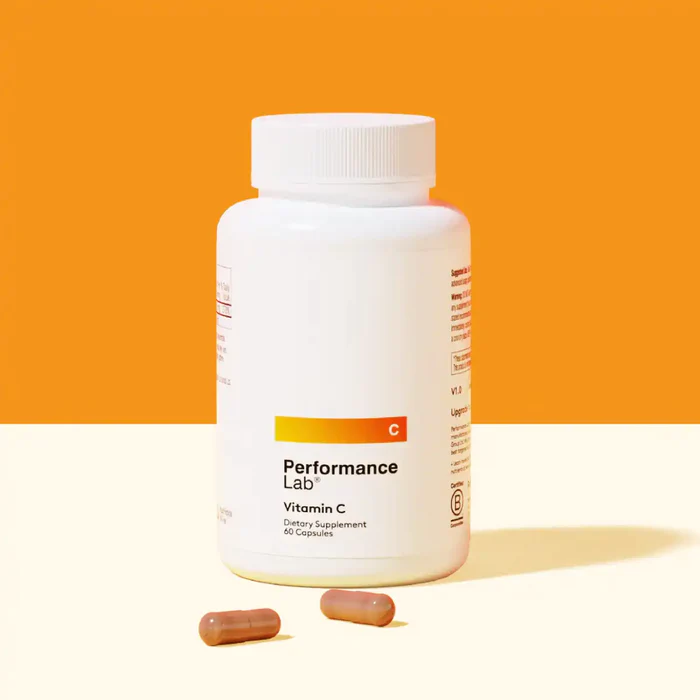
Vitamin C, also known as ascorbic acid, is a water-soluble vitamin and an essential nutrient with powerful antioxidant properties. Because it’s water-soluble, it’s not stored in the body. You must replenish it daily to ensure you have enough vitamin C for daily basic functions and metabolic demands of training.
However, with illness, infection, and other stressors, levels of vitamin C are rapidly depleted due to increased needs, meaning demands further increase from baseline values.
Several studies have also found a relatively extensive list of human diseases that partly develop because of increased oxidative stress and damage to tissues. Research shows that consuming a balanced diet rich in fruits and vegetables rich in vitamin C and other healthful compounds can help combat oxidative stress.
And for bodybuilders, the stress of heavy lifting is enough to increase levels of oxidative stress, so incorporating vitamin C is to their advantage -- the kicker is in keeping the dosage light and sensible, as we'll learn soon.
What Does Vitamin C Do?

In the human body, vitamin C is most well-known for its antioxidant roles due to its involvement in redox reactions. It donates electrons to stabilize free radicals, helping reduce oxidative stress generated from basic functions and things like heavy physical activity. But in the process, it becomes a free radical itself (though this radical is pretty stable and can be recycled back into vitamin C).
However, vitamin C radicals are relatively stable and short-lived compared to other reactive oxygen species, meaning they cause minimal damage. (1)
But the reason why it gets love from the athlete and bodybuilder community is for vitamin C's antioxidant properties.
It’s been known for some time that intense training periods put metabolic and mechanical stress on the human body, which can lead to inflammation and oxidative stress. (2)
The need for energy during intense training cycles increases oxygen consumption in the tissues quite drastically - 10- to 20-fold systemically and 100- to 200-fold at the level of skeletal muscles—which leads to a spike in the mitochondrial electron flow and ultimately may cause more leakage of ROS in the mitochondria, thereby further increasing the production of the reactive oxygen species.
Because reactive oxygen species are produced as a byproduct of metabolic processes, including muscle contraction, levels of oxidative stress can increase during high-intensity exercise performance, thereby increasing the risk of muscle fatigue, muscle damage and inflammation.
However, vitamin C’s properties may help balance the effect of radicals on the body. We’ll dive into that more in a few minutes, but many of the benefits seen from vitamin C are due to its powerful antioxidant properties.
That’s not all it does, though. It’s also involved in: (1, 3)
- Iron absorption: Vitamin C helps the body absorb iron from plant-based foods, which is critical for oxygen transport to muscles for energy and other vital functions.
- Collagen synthesis: Reactions add hydroxyl groups to the amino acids proline or lysine in the collagen molecule to increase the stability of the triple helix structure; collagen is the most abundant protein in the human body that forms the foundation of connective tissues that support muscles, and healthy collagen is crucial for injury prevention.
- Carnitine synthesis: Essential for the transport of fatty acids into mitochondria for ATP generation
- Biosynthesis of norepinephrine from dopamine
- Addition of amide groups to peptide hormones to increase stability
- Modulates tyrosine metabolism
Benefits Of Vitamin C For Bodybuilders: 5 Possible Reasons To Supplement
It's important to emphasize that vitamin C supplementation for bodybuilders specifically is an understudied topic.
A 2026 meta analysis and systematic review of placebo-controlled trials mentions that the studies in this particular area are limited and have small sample sizes, so any specific benefits related to muscle performance, growth, and recovery are yet to be proven. (15)
That said, there are some well-established general benefits of vitamin C that can extend to bodybuilders, such as its role in the immune system. See for yourself:

1. Contributes to Healthy Immune Function
Immune function may not be the first concern for bodybuilders, but it plays a vital role in proper recovery. Following skeletal muscle damage, there’s a complex cascade of cellular events that coordinate to restore the functional environment of muscle fibers. (4)
The immune system plays an important role in recognizing the damage and mediating the response necessary to facilitate muscle regeneration.
But the immune system also needs to recover after intense exercise. Studies show that in the post-exercise recovery phase, blood concentration of lymphocytes is suppressed, in addition to suppressed natural immunity, decreased concentration of secretory IgA, along with increased blood concentration of neutrophils and increased levels in the blood of inflammatory cytokines. (5)
As such, intense, long-term exercise causes concomitant inflammation and temporary suppression of the cellular immune system, with the most pronounced findings being 2-4 hours post-exercise.
With that said, vitamin C is critical for supporting appropriate immune responses. It’s involved in several aspects of the immune system, including antimicrobial and natural killer cell activity, lymphocyte proliferation, chemotaxis, and delayed-type hypersensitivity. (6)
Sufficient levels of vitamin C are also needed to maintain the redox integrity of cells, which helps protect them against reactive oxygen species generated during the inflammatory response, as well as during intense exercise.
Overall, vitamin C is important for supporting your immune system, and the immune system plays a critical role in muscle recovery post-exercise. So, if your levels aren’t up to snuff, don’t expect your recovery to be either.
2. May Help Ease Muscle Soreness And Enhance Recovery
The role of vitamin C in muscle repair and recovery results from its powerful antioxidant activities. Free radicals are generated as a byproduct of intense, exhaustive exercise, which is evident through increases in lipid peroxidation, glutathione oxidation, and oxidative protein damage, along with increased activity of cytosolic enzymes in blood plasma. (7)
- While free radicals can be beneficial for the body in some contexts, an overload of free radicals that cannot be neutralized or with poor availability of antioxidants causes free radicals to accumulate, and a phenomenon called oxidative damage kicks in.
Studies show that free radical production increases during and following contractile activity and is known to cause skeletal muscle damage. Given the link between delayed onset muscle soreness (DOMS) and contraction-induced muscle damage, post-exercise production of free radicals has been linked to DOMS. (8)
Limited evidence suggests that vitamin C, vitamin E, or a combination of both vitamins is helpful for inhibiting muscle injury (blood CK and lactic acid dehydrogenase (LDH)). (9)
Other studies suggest that increasing antioxidant intake can also be effective against oxidative stress and delayed-onset muscle soreness (DOMS).
As well, studies show that taking vitamin C before exercise can reduce muscle soreness, delay CK increase, and prevent blood glutathione oxidation, with minimal interferences on muscle function loss. (2)
However, while some experts link vitamin C to quicker recovery times (and possibly, by extension, ability to train intensely and more frequently), studies on vitamin C for muscle recovery are mixed, inconclusive, and usually of low quality, so we cannot draw any strong conclusions from them. (15)
Additionally, beyond a certain dose of vitamin C, it can become detrimental to muscle growth and training adaptations rather than beneficial.
Although the evidence mentioned above suggests some potentially positive roles of vitamin C in training recovery, there is another spectrum of scientific evidence that shows contrary findings: that vitamin C (especially high doses) can hinder fitness efforts for some people -- how exactly it works is not fully clear. (13)
We'd say to avoid taking high doses of vitamin C when in the bulking or growth phases. Read on to find out how much vitamin C is the ideal dosage for bodybuilders.
3. May Help Protect Against Oxidative Damage
Vitamin C can mitigate some of the adverse effects of reactive oxygen species produced from strenuous exercise.
When levels of free radicals exceed the endogenous antioxidant defense system, oxidative stress develops. And studies show that unresolved oxidative stress can cause damage to muscles, thereby accelerating the destruction and decline of muscle mass, especially in older people -- also known as sarcopenia. (10)
4. Increases Neurotransmitter Release
One of the non-antioxidant roles of vitamin C is its participation in the central nervous system signal transduction through neurotransmitters. (11) Research suggests that it influences this process by modulating the binding of neurotransmitters to receptors and regulating their release.
What’s more, vitamin C also functions as a co-factor in synthesizing neurotransmitters, especially the catecholamines dopamine and norepinephrine. These brain chemicals play an important role in regulating mood, motivation, and reward.
5. Lowers Cortisol
Interestingly, one study found that vitamin C reduced cortisol levels when taken in high doses. Cortisol is the primary stress hormone in the body that also happens to be catabolic; building and maintaining muscle mass in a catabolic state is very difficult, as high circulating levels of cortisol are known to increase muscle protein degradation and inhibit muscle protein synthesis.
- A 2001 study published in the International Journal of Sports Medicine looked at the effects of high-dose vitamin C supplementation on circulating cortisol, adrenaline, and anti-inflammatory polypeptides in ultramarathon runners 12.
They found that although transient, 1500 mg of vitamin C per day attenuated the adrenal stress hormone and anti-inflammatory polypeptide response to prolonged exercise.
Related Post: Vitamin C for IBS: What Effect Does It Have?
However, excess antioxidants like vitamin C may have a negative impact on muscle function and training adaptation, so smart dosing is essential to strike a balance between its protective benefits and risks of stalling your progress. That leads us to our key section...
Vitamin C Bodybuilding Dosage - How Much Vitamin C Should You Take?

While there is no official optimal vitamin C dosage for bodybuilders, we'd stick to a sensible 250 mg per day. While the recommended dietary allowance is between 75-125 mg per day (depending on the gender, lifestyle, and other factors), studies suggest that slightly higher doses might help optimize blood plasma levels and support overall health and wellness, especially when your body's demands are increased, such as during stress, illness, infection, or intense training phases.
The pro-oxidant effects as well as potentially negative effects on training adaptations are usually only a problem in cases of excessive iron absorption or with too much vitamin C over time.
A 2023 scientific paper mentions that up to 250 mg of vitamin C daily from fruits and vegetables is a safe way to benefit from it. (14) This can include foods like citrus fruits, bell peppers, berries, and broccoli. Can 500+ mg offer additional benefits for bodybuilders? It might, but scientific evidence is not clear, and your experience may vary.
Although the tolerable upper limit of vitamin C is 2,000 mg, excessive vitamin C intake can not only blunt muscle adaptations but also increase oxalate levels which can affect the kidneys. We'd steer clear of anything more than 1 g of vitamin C per day for bodybuilding just to be safe. If you're sensitive, take it with meals to avoid possible gastric discomfort.
The bottom line is: 250 mg per day provides sufficient vitamin C supplementation to support normal bodily functions and training recovery, without the potential downsides of high doses (1 g+ per day), which may include diarrhea, nausea, stomach cramps, and an increased risk of kidney stones. Don't take vitamin C supplements without your doctor's approval if you have kidney problems.
Final Thoughts
Taken together, vitamin C is a powerful water-soluble antioxidant that plays critical roles in supporting the immune system and other essential bodily functions, including during periods of intense physical activity Bodybuilding is a gruesome sport that puts massive stress on muscles to achieve major definition and strength, meaning major free radical production.
So, if you want to support your body's antioxidant defenses and immunity, vitamin C intake through diet or smart supplements (to fill any gaps) is important. Step aside, megadoses; keep your dosage just right to protect your health without getting in the way of your gains.
Shop Performance Lab® Vitamin C
References
- SJ Padayatty, A Katz, Y Wang, et al. Vitamin C as an antioxidant: evaluation of its role in disease prevention. J Am Coll Nutr. 2003;22(1):18-35.
- M Taghiyar, L Darvishi, G Askari, et al. The effect of vitamin C and e supplementation on muscle damage and oxidative stress in female athletes: a clinical trial.Int J Prev Med. 2013;4(Suppl 1):S16-S23.
- M Levine, SC Rumsey, Y Wang, JB Park, R Daruwala. Vitamin C. In Stipanuk MH (ed): “Biochemical and Physiological Aspects of Human Nutrition.” Philadelphia: W B Saunders, pp 541–567, 2000
- S Gehlert, D Jacko. The Role of the Immune System in Response to Muscle Damage. German Journal of Sports Medicine. 2019; 70(10):242-248.
- BK Pedersen, T Rohde, K Ostrowski. Recovery of the immune system after exercise.Acta Physiol Scand. 1998;162(3):325-332.
- ES Wintergerst, S Maggini, DH Hornig. Immune-enhancing role of vitamin C and zinc and effect on clinical conditions.Ann Nutr Metab. 2006;50(2):85-94.
- J Viña, MC Gomez-Cabrera, A Lloret, et al. Free radicals in exhaustive physical exercise: mechanism of production, and protection by antioxidants.IUBMB Life. 2000;50(4-5):271-277.
- GL Close, T Ashton, A McArdle, DP Maclaren. The emerging role of free radicals in delayed onset muscle soreness and contraction-induced muscle injury.Comp Biochem Physiol A Mol Integr Physiol. 2005;142(3):257-266.
- T Kawamura, I Muraoka. Exercise-Induced Oxidative Stress and the Effects of Antioxidant Intake from a Physiological Viewpoint. Antioxidants (Basel). 2018;7(9):119.
- LN Lewis, RPG Hayhoe, AA Mulligan, RN Luben, KT Khaw, AA Welch. Lower Dietary and Circulating Vitamin C in Middle- and Older-Aged Men and Women Are Associated with Lower Estimated Skeletal Muscle Mass.J Nutr. 2020;150(10):2789-2798.
- J Kocot, D Luchowska-Kocot, M Kiełczykowska, I Musik, J Kurzepa. Does Vitamin C Influence Neurodegenerative Diseases and Psychiatric Disorders?. 2017;9(7):659.
- EM Peters, R Anderson, DC Nieman, H Fickl, V Jogessar. Vitamin C supplementation attenuates the increases in circulating cortisol, adrenaline and anti-inflammatory polypeptides following ultramarathon running.Int J Sports Med. 2001;22(7):537-543.
- Kim J. Effect of high-dose vitamin C and E supplementation on muscle recovery and training adaptation: a mini review. Phys Act Nutr. 2023 Jun;27(2):8-12. doi: 10.20463/pan.2023.0012. Epub 2023 Jun 30. PMID: 37583066; PMCID: PMC10440181.
- Clemente-Suárez VJ, Bustamante-Sanchez Á, Mielgo-Ayuso J, Martínez-Guardado I, Martín-Rodríguez A, Tornero-Aguilera JF. Antioxidants and Sports Performance. Nutrients. 2023 May 18;15(10):2371. doi: 10.3390/nu15102371. PMID: 37242253; PMCID: PMC10220679.
- Candeloro BM, Miranda ESF, Hizuka LA, Assumpção MCB, Gianini S, Porto AA, Barbosa MPCR, Barbalho SM, Garner DM, Raimundo RD, de Abreu LC, Valenti VE. Effect of Vitamin C Supplementation on Post-Exercise Recovery: A Systematic Review and Meta-Analysis of Randomized Double-Blind Placebo Trials. Clin Nutr ESPEN. 2026 Feb 11:102962. doi: 10.1016/j.clnesp.2026.102962. Epub ahead of print. PMID: 41687812.