

Probiotic bacteria already exist in our body, so there’s a general assumption that probiotic foods and supplements are safe.
The primary reason for taking them is to improve our gut health.
Probiotics can help alleviate a range of digestive symptoms. Good gut bacteria play a crucial role in maintaining a balanced microbiome.
Yet within the first few days of introducing probiotics, some people experience adverse effects. These reactions can include stomach upset, gas, diarrhea, and bloating.
While these reactions are generally normal and temporary as the body adjusts, it still raises questions as to why this happens, how long it lasts, and if there is anything we can do to prevent it.
This article aims to answer all your questions about probiotics and their link to increased gas production and bloating.
Key Takeaways
- Probiotics are beneficial bacteria that support digestion, immunity, and overall gut health.
- Short term gas, bloating, and mild digestive upset can happen when you first introduce probiotics as your microbiome adjusts.
- These side effects are usually temporary, but certain strains and histamine sensitivity can make symptoms more noticeable for some people.
- Choosing a high quality formula, starting with a modest dose, and nourishing gut bacteria with prebiotic fibers can support comfort and reduce unwanted effects.
What Are Probiotics? Probiotics and Digestive Health

Probiotics are live microorganisms, such as bacteria and yeast, that play an integral role in our gut microbiota. They’re found naturally in our gut, certain foods, and can also be taken as supplements.
You’ll find certain probiotic strains in fermented foods such as yogurt, tempeh, and kombucha. Specific strains like Bifidobacterium lactis HN019, Lactobacillus acidophilus Rosell-52, and Lactobacillus rhamnosus Rosell-11 are commonly found in these foods and supplements. They can also be supplemented in capsule, powder, or liquid form.
Probiotics are often referred to as the “good” or healthy bacteria found in our gut microbiota. These beneficial strains are essential for the smooth running of not only our digestive system but also for supporting a multitude of functions throughout the body.
Along with improved digestion, other health benefits associated with probiotics include support for immune function and overall well being. So incorporating a probiotic supplement into your diet could be a smart thing to do.
How Probiotics Work In The Digestive Tract
When you start taking probiotics, they may temporarily shift the balance of microbes in your gut as new strains move through and interact with the bacteria already there. During this adjustment, gas can increase because digestion starts in the stomach with stomach acid before food moves on for further breakdown.
Some probiotic strains also change how fermentable carbohydrates are processed. As food moves from the stomach through the small intestine, any undigested material that reaches the colon can be fermented by microbes, which may lead to more gas and bloating at first.
That fermentation can also produce short-chain fatty acids, which support gut health and help discourage harmful bacteria. For many people, this adjustment phase settles within a few days to a few weeks as the gut adapts.
What Can Probiotics Help With in the Gut Microbiome?

Research suggests there is a plethora of evidence around the health benefits of probiotics and what they can do for your body. At the time of writing, there is still emerging research on the many functions of our gut microbiome, and it’s being proven by the year just how important this organ is for overall health and wellbeing.
Probiotics can potentially also help manage digestive issues like acid reflux by balancing gut bacteria and improving stomach acidity.
That's why probiotics are often in the limelight in the nutrition industry, claimed as a must-have in your supplement stack if you want to support overall health, particularly digestive health and immune system function.
Not only can probiotics support the healthy functioning of our body, but probiotics may also help with some other gut-related conditions, such as:
-
Antibiotic Associated Diarrhea(1)
-
Constipation(2)
-
Inflammatory bowel disease (IBD)(3), which affects over 1,000,000 Americans
-
Irritable bowel syndrome (IBS)(4)
-
Lactose intolerance(5)
Where Can I Find Probiotics?

You can find probiotics in supplement form, but some foods are also rich in probiotics. So it's recommended you incorporate some of these into your diet.
In particular, fermented foods, such as yogurt, kombucha, kimchi, kefir, and pickles, are home to a host of good bacteria that benefit your body.
How Safe are Probiotic Supplements?
Probiotics are generally considered safe for most people. However, as with any supplement, it’s wise to consult with your healthcare provider before starting, especially if you have existing health concerns or conditions.
If you have a weakened immune system, it is particularly important to consult a doctor before including probiotics in your diet, as there may be a higher risk of infection or potential adverse reactions.
Specific Considerations for Vulnerable Groups
Because probiotics are live bacteria, individuals with certain health conditions may need to use caution when considering a probiotic supplement.
Those who are critically ill, have compromised immune systems, or anyone who has recently undergone surgery, should all check with their healthcare provider before taking any probiotic supplementation.
General Safety for Healthy Individuals
For most healthy individuals, probiotics are safe and won't cause any harm. They are a natural part of the gut flora and contribute to a balanced intestinal environment. Most side effects, if they occur, are mild and temporary and are just a case of your gut adjusting to the bacteria you're consuming.
What Are the Side Effects of Consuming Probiotics?

In healthy individuals, the side effects of probiotics are often minor and only affect a small percentage of the people that take them. Additionally, these side effects only tend to last for the first few days due to our microbiome adjusting to the new bacteria.
Some of the main side effects of probiotics include:
Headaches
Some individuals may experience headaches as a side effect of taking probiotic dietary supplements. This has been attributed to biogenic amines, which are produced by certain bacterial strains during the fermentation process.
Biogenic amines, found in popular fermented foods such as yogurt, sauerkraut, and kimchi, include substances like histamine, tyramine, tryptamine, and phenylethylamine. These compounds have the potential to excite the central nervous system and affect blood flow, leading to headaches in sensitive individuals.(6, 7)
Evidence suggests that the presence of biogenic amines in dietary supplements can impact individuals differently.
One study found that a low-histamine diet significantly reduced headaches in 75% of participants, but a review of ten controlled studies showed no significant effect of dietary amines on headaches.(8, 9) Given these mixed results, more research is needed to fully understand the relationship between biogenic amines and headaches.
General GI upset and Digestive Issues
Some people may experience digestive issues such as an increase in gas and bloating or constipation when they first begin taking probiotics. Specific probiotic strains, like Bifidobacterium lactis HN019 and Lactobacillus acidophilus NCFM17, can help alleviate these symptoms. This is largely due to the gut microbiome adjusting to the new bacteria. These side effects should subside within a week to two, depending on the individual.
Increased Histamine Levels
Certain probiotic strains found in supplements, such as Lactobacillus buchneri, Lactobacillus helveticus, Lactobacillus hilgardii, and Streptococcus thermophilus, are known to produce histamine within the digestive tract, which can often cause an allergic reaction. Therefore, if you suffer from histamine intolerance, it's normally recommended to thoroughly research the strains you are planning on taking to avoid any side effects.
For Some People, Probiotics May Help Alleviate Bloating

It's worth noting that the bloating and flatulence we've been talking about so far is generally temporary, and most often occurs when you've just started taking probiotics.
The good news is that - longer term - certain probiotics may actually help alleviate gas and other digestive symptoms by supporting a healthier balance of gut bacteria.
One randomised, placebo-controlled study, for instance, found that a mixture of Lactobacillus and Bifidobacterium probiotic formulation (VSL#3) significantly reduced flatulence symptom scores in people with irritable bowel syndrome (IBS) over four weeks, compared with a placebo. (10)
Different strains have different properties, so choosing an appropriate probiotic may be important when trying to address specific symptoms.
Probiotics may also support gastrointestinal health and the production of compounds involved in reducing inflammation.
However, they do not work in the same way for everyone, and, as I've said, some people experience temporary bloating or gas after starting probiotic consumption. If symptoms do not improve, consider other possible causes, including food intolerances or an underlying gastrointestinal condition.
Conclusion: Do Probiotics Cause Gas?
In conclusion, probiotics are beneficial bacteria that can help boost digestive health and function, improve immunity, and may even improve mental health.
Having a good balance of bacteria in the gut can increase gut diversity, thus improving overall health and wellbeing.
Probiotics are safe to take for the majority of healthy people, though side effects can sometimes occur.
These side effects can occur in the first few days or weeks of taking a probiotic as a result of the gut microbiome adjusting to new bacteria. These side effects can range from bloating, gas, and constipation, to general GI upset, but these symptoms should pass.
An Alternative Approach: A Prebiotic Supplement
If you want to support your gut microbiome without introducing live bacterial strains, a prebiotic may be your answer. Prebiotics nourish the beneficial bacteria already living in your gut.
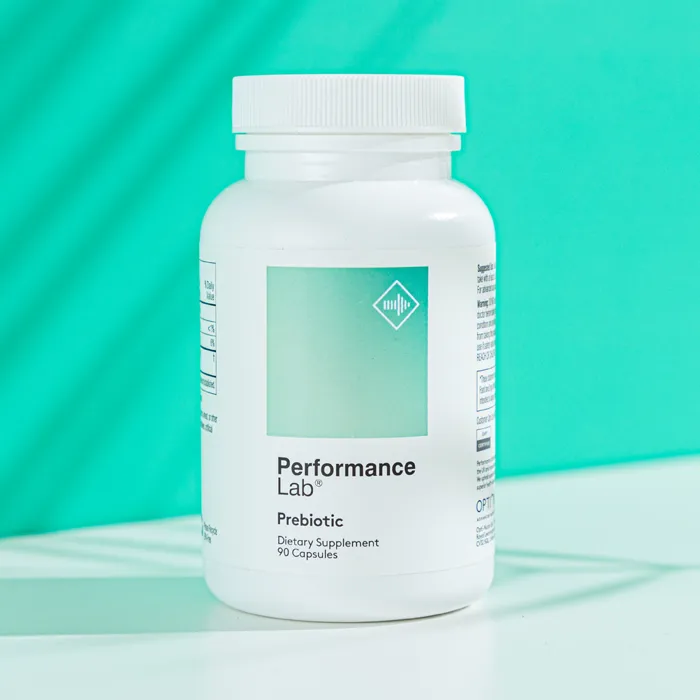
Performance Lab® Prebiotic includes Inulin-FOS fiber from chicory root that feeds your gut's existing microflora, including beneficial Bifidobacterium, to promote healthy growth of bacteria - in harmony with your body.
Prebiotic fibres can still cause gas and bloating in some people, so individual tolerance matters.

SHOP PERFORMANCE LAB® PREBIOTIC
Frequently Asked Questions
Do probiotics help with digestive disorders and gastrointestinal issues?
Probiotics may help support gastrointestinal health and alleviate symptoms associated with some digestive disorders, including bloating, constipation and diarrhoea. Different strains can have different effects, so the best probiotics for one person may not be the best choice for another. Probiotics may also support essential nutrient absorption and immune cells
Why do probiotics cause excessive flatulence?
Increased gas can occur when you first introduce probiotics because different strains interact with the existing bacteria in your gut and can alter fermentation. This may temporarily increase flatulence, bloating or other symptoms while your microbiome adjusts. However, probiotics are not always the exact cause. Food intolerances, including sensitivity to dairy products, a poor diet or an underlying digestive disorder can also contribute to excessive flatulence and foul-smelling gas buildup
Probiotics may offer additional benefits beyond digestive health
Probiotics may offer benefits beyond digestive health through the gut microbiome’s connections with other parts of the body, often described as the gut-organ axes. These include the gut-brain axis, which links gut health with brain function and mood; the gut-heart axis, which explores links between gut microbes and cardiovascular health; and the gut-skin axis, which examines potential effects on skin health. Research is ongoing, and benefits vary depending on the probiotic strain and individual.
References
-
Blaabjerg S, Artzi DM, Aabenhus R. Probiotics for the Prevention of Antibiotic-Associated Diarrhea in Outpatients-A Systematic Review and Meta-Analysis. Antibiotics (Basel). 2017 Oct 12;6(4):21. doi: 10.3390/antibiotics6040021. PMID: 29023420; PMCID: PMC5745464.
-
Martínez-Martínez MI, Calabuig-Tolsá R, Cauli O. The effect of probiotics as a treatment for constipation in elderly people: A systematic review. Arch Gerontol Geriatr. 2017 Jul;71:142-149. doi: 10.1016/j.archger.2017.04.004. Epub 2017 Apr 14. PMID: 28467916.Martin VT, Vij B. Diet and Headache: Part 1. Headache. 2016 Oct;56(9):1543-1552. doi: 10.1111/head.12953. PMID: 27699780
-
Ghouri YA, Richards DM, Rahimi EF, Krill JT, Jelinek KA, DuPont AW. Systematic review of randomized controlled trials of probiotics, prebiotics, and synbiotics in inflammatory bowel disease. Clin Exp Gastroenterol. 2014 Dec 9;7:473-87. doi: 10.2147/CEG.S27530. PMID: 25525379; PMCID: PMC4266241.
-
Zhang T, Zhang C, Zhang J, Sun F, Duan L. Efficacy of Probiotics for Irritable Bowel Syndrome: A Systematic Review and Network Meta-Analysis. Front Cell Infect Microbiol. 2022 Apr 1;12:859967. doi: 10.3389/fcimb.2022.859967. PMID: 35433498; PMCID: PMC9010660.
-
Oak SJ, Jha R. The effects of probiotics in lactose intolerance: A systematic review. Crit Rev Food Sci Nutr. 2019;59(11):1675-1683. doi: 10.1080/10408398.2018.1425977. Epub 2018 Feb 9. PMID: 29425071.
-
Martin VT, Vij B. Diet and Headache: Part 1. Headache. 2016 Oct;56(9):1543-1552. doi: 10.1111/head.12953. PMID: 27699780.
-
Broadley KJ, Akhtar Anwar M, Herbert AA, Fehler M, Jones EM, Davies WE, Kidd EJ, Ford WR. Effects of dietary amines on the gut and its vasculature. Br J Nutr. 2009 Jun;101(11):1645-52. doi: 10.1017/S0007114508123431. Epub 2008 Nov 19. PMID: 19017420.
-
Jansen SC, van Dusseldorp M, Bottema KC, Dubois AE. Intolerance to dietary biogenic amines: a review. Ann Allergy Asthma Immunol. 2003 Sep;91(3):233-40; quiz 241-2, 296. doi: 10.1016/S1081-1206(10)63523-5. PMID: 14533654.
-
Wantke F, Götz M, Jarisch R. Histamine-free diet: treatment of choice for histamine-induced food intolerance and supporting treatment for chronic headaches. Clin Exp Allergy. 1993 Dec;23(12):982-5. doi: 10.1111/j.1365-2222.1993.tb00287.x. PMID: 10779289.
- Kim, H.J., Vazquez Roque, M.I., Camilleri, M., Stephens, D., Burton, D.D., Baxter, K., Thomforde, G. and Zinsmeister, A.R. (2005), A randomized controlled trial of a probiotic combination VSL# 3 and placebo in irritable bowel syndrome with bloating. Neurogastroenterology & Motility, 17: 687-696.