

If you’re looking for the best sleep supplements that work, the most effective options are those backed by research and matched to your specific sleep issue.
Ingredients like melatonin can help regulate your sleep-wake cycle, while magnesium, L-theanine, and glycine are commonly used to promote relaxation and deeper, more restorative sleep. A well-formulated sleep supplement can even bring these elements together to support multiple aspects of sleep at once.
In this article, we’ll break down the best natural sleep supplements that work, explain how each ingredient supports sleep quality, and help you decide which option is right for you.
It’s not hyperbole to say that sleep deprivation is a public health epidemic. Indeed, chronic lack of sleep has already been linked to seven of the 15 leading causes of death in the United States. Gulp. And it’s a growing problem in our modern 24/7 society. (1)
As we speak (or rather read), a third of American adults on average are suffering with acute insomnia, struggling to sleep properly for several days at a time. A tenth of us struggle with chronic insomnia for three months or more, affecting our rest at least a few nights a week. (2)
What’s more, those figures are likely to be under-reported and under recognized.
Key Takeaways
- Around one-third of adults regularly get less than the recommended seven hours of sleep, which can impact mood, cognition, and long-term health.
- Fewer than 1% of people are true “natural short sleepers,” meaning most people cannot function optimally on very limited sleep.
- Some natural ingredients such as melatonin, Montmorency tart cherry, magnesium, lemon balm, tryptophan, glycine, and L-theanine have research supporting their role in sleep support.
- Sleep supplements work best when combined with healthy habits like consistent sleep schedules, reduced evening blue light exposure, and good sleep hygiene.
List of Sleep Aid Ingredients that Actually Work
- Melatonin – The body’s natural sleep hormone that regulates circadian rhythm and signals when it’s time to sleep.
- Montmorency tart cherries – A natural source of melatonin and polyphenols that support healthy sleep-wake cycles.
- Magnesium – Helps calm the nervous system, supports muscle relaxation, and regulates neurotransmitters linked to sleep.
- Lemon balm (Melissa officinalis) – A calming herb traditionally used to reduce restlessness and support relaxation before sleep.
- Tryptophan – An amino acid that acts as a precursor to serotonin and melatonin production.
- L-theanine – Promotes relaxation and mental calm without sedation.
- Glycine – May help improve sleep quality and support faster sleep onset.
Warning If You Regularly Sleep for Less than Seven Hours a Night

Studies show the sleep sweet spot is between 7-9 hours a night. That’s how much sleep we need for optimum function, to keep our bodies and brains working at their full potential.
According to the CDC, a third of U.S. adults report getting less than the recommended seven hours of sleep a night. Why does that matter?
It matters for two main reasons:
1. You may have convinced yourself that you can function just as well on fewer than seven hours of sleep a night, but science shows that most people really can’t. Controlled studies show that sleep restriction slows reaction times, impairs attention, and reduces cognitive performance – even when you’re feeling fine. In fact, sleep researchers note that people are not good judges of their own impairment after sleep loss. (3)
Did you know? The ‘I only need 5 hours myth’
Research has shown that less than 1% of the population can truly function normally on limited sleep. These ‘natural short sleepers’ are believed to have a rare genetic phenotype or mutations in the genes connected to circadian rhythms and the sleep-wake cycle.
They have been shown to sleep 4-6 hours a night without any cognitive impairment, but crucially, less than 1% of the population has this mutation. (4, 5)
2. You need to know that getting less than seven hours sleep a night on a regular basis is linked to an increased risk of obesity, hypertension, heart disease, anxiety, depression, stroke, diabetes and other chronic conditions. (6)
Given that shocking fact, perhaps it’s time to investigate natural ways to improve your sleep…
Disclaimer
This content focuses on natural, food-derived nutrients and plant ingredients traditionally used to support sleep and relaxation. It is not medical advice and does not replace professional healthcare guidance.
We are not referring to prescription sleeping pills, pharmaceutical sedatives, or synthetic sleep medications. Individual responses vary, and anyone with ongoing sleep problems, medical conditions, or who is taking medication should speak to a healthcare professional before using sleep supplements or natural sleep aids.
Changing your Sleep Patterns Naturally

If you’re having trouble sleeping and are thinking of reaching for prescription sleeping pills, consider this: there may be a way to alter and improve your sleeping patterns more naturally.
There are several herbs, amino acids, natural hormones, vitamins, minerals, fruits and more that have been shown to be beneficial for various aspects of sleep. It’s worth learning more about them
From melatonin to Montmorency tart cherry, magnesium to lemon balm, this article will discuss them all. We’ll tell you what science says works – and, just as importantly, what doesn’t.
The Top Sleep Stack that Actually Works
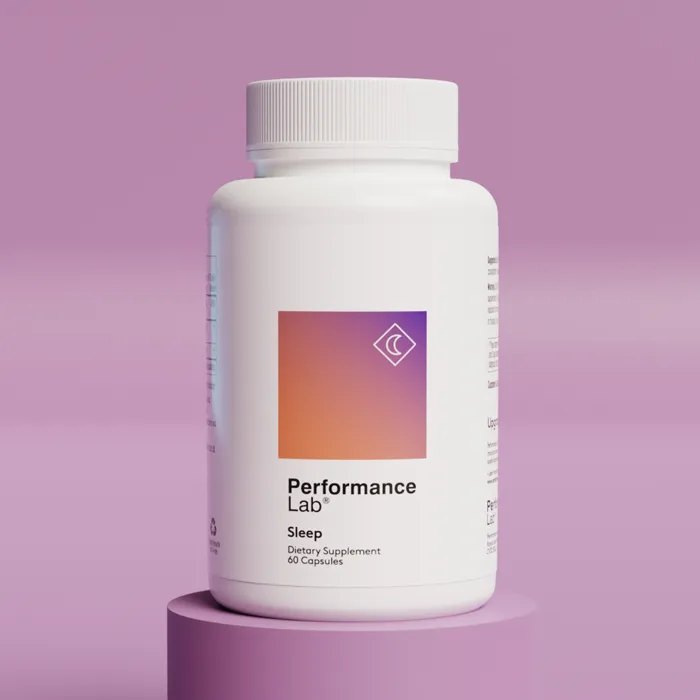
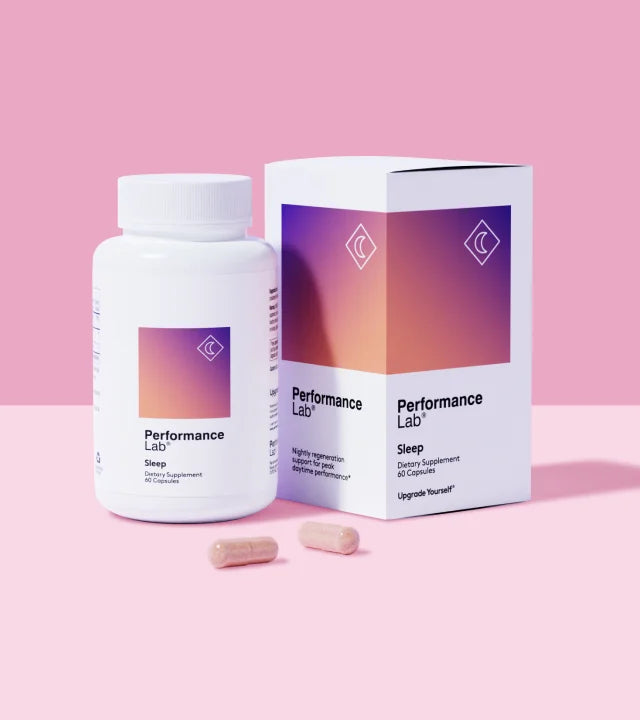
Looking for a natural sleep stack or supplement that works? We’d recommend Performance Lab Sleep – a quality natural supplement that combines several proven heavy hitters in the sleep supplement world.
A sleep stack combines several different ingredients that work together to achieve your aim, and in Performance Lab Sleep, we have four proven ingredients.
Such as Montmorency tart cherries to provide low-dose natural melatonin, the all-important sleep hormone. Alongside magnesium to relax muscles, lemon balm to calm the nervous system ahead of sleep, and tryptophan to improve your own 5HTP-serotonin-melatonin production cycle.
We’re going to talk about these ingredients in more detail next, as they happen to be some of the top choices in our list of proven ingredients that work.

But before we do, let’s make sure we know how our sleep cycle works, what can disrupt it, and what role these potential ingredients can play in it.
The Sleep-Wake Cycle

Did you know that we all have an internal clock inside of us, one that keeps track of the 24-hour day and night cycle?
This sleep-wake cycle is known as our circadian rhythm, and it’s regulated by the brain’s pineal gland which releases the hormone melatonin – the body’s natural ‘sleep signal’ - in response to changes in light and dark.
Melatonin is produced by the brain’s pineal gland and usually released when the sun goes down, letting us know it’s time to slow down and prepare for sleep.
The body makes less melatonin when it’s light, triggering the body to wake up. As such, it heavily influences the circadian rhythm, or your sleep-wake cycle.
Isn’t the human body a remarkable piece of natural engineering?
So, what goes wrong? Because we all know sometimes it does…
What Disrupts our Circadian Rhythms?
I mentioned earlier that we are sleeping less in this modern 24/7 world. That’s partly because we never switch off – there are more lights than ever before (remember, we need darkness to encourage melatonin production).
Plus, blue light from telephones, TV screens, laptops and tablets mimic the attention-boosting properties of sunlight – so the evening spent scrolling through your phone may harm your melatonin output. Negative social media doomscrolling may also increase anxiety levels and interrupt sleep patterns. (7, 8)
Other things that can disrupt our circadian rhythms and melatonin production include:
- Jet lag
- Shift work
- Age – we produce less melatonin as we age
- Caffeine or alcohol before bed
- Certain mental health and bodily health conditions
- Poor light exposure during the day
- Sleep interruptions from parenting
- A woman’s hormones at various stages of her life, from pregnancy to childbirth and later menopause. (9, 10)
Assuming you’re struggling with sleep and are looking for a natural sleep aid that works, what would we recommend?
Sleep Ingredients that Work: Science-Based Highlights
Melatonin

As I mentioned, melatonin is a natural hormone heavily involved in our sleep-wake cycle. It’s released in the evening, preparing us for bed. It’s also available in over-the-counter dietary supplements.
What Does Melatonin Do?
In essence, melatonin acts as the body’s biological “night signal.” It lowers core body temperature and blood pressure, reduces alertness, influences mood and relaxation, decreases sensitivity to light, and shifts the nervous system into a rest state. Preparing your body for sleep and recovery.
Melatonin: Number of Clinical Trials and Documented Benefits
Melatonin has been studied in hundreds of clinical trials globally, including an estimated 674 trials as cited by ClinicalTrials.gov data (a major international registry of clinical studies). Let’s consider a few of them below…
Melatonin for Sleep: Documented Benefits
RESEARCH STUDY #1: A 2022 systematic review of 23 randomized clinical trials examined the effect of melatonin supplementation on sleep quality. Using the Pittsburgh Sleep Quality Index (PSQI), the review determined that melatonin supplementation ‘significantly improved overall sleep quality’. Results were seen strongly in adults with primary sleep disorders as well as metabolic disorders and respiratory diseases. (19)
RESEARCH STUDY #2: A 2025 meta-analysis of melatonin supplementation examined 71 articles across various respected scientific databases, the literature dating from 2011 to 2024. It examined the implications of melatonin supplementation on sleep quality as well as obesity, sports performance, anxiety, gut microbiome, neurodegenerative diseases, respiratory health and more.
The Results:
- The meta-analysis highlighted melatonin’s promise in improving sleep quality in particular
- It also highlighted melatonin’s role as an antioxidant and anti-inflammatory
- It discovered evidence of its role in reducing anxiety pre-surgery
- Ditto, enhancing recovery under certain conditions in athletes
- Further uses were inconclusive. (20)
RESEARCH STUDY #3: A 2013 meta-analysis of melatonin for primary sleep disorders evaluated 19 sleep studies and compared melatonin to placebo. The results concluded that melatonin:
- Decreased sleep onset latency (how long it takes you to get to sleep)
- Enhanced overall sleep time
- Improved overall sleep quality.
It concluded the improvements were modest but remained steady with consistent melatonin supplementation. (21)
FAQs about Melatonin
- When should you take melatonin? ~ About 30-60 minutes before you want to sleep. (11)
- How much should I take? ~ There is no conclusive dose that works for everyone, but most people will see subtle results from 0.5mg to 1mg, perhaps even 0.3mg (closer to the amount your body typically makes on its own). A modest dose is 1-3mg, but there’s little evidence higher dosages work any better. Start low for safety. NB: OLDER ADULTS should avoid higher doses. Studies show 3mg doses can stay in the system during daylight hours. (12 - 16)
- How long will it take to work? ~ Melatonin typically starts to work between 20 minutes to an hour after taking it. Levels generally peak about 1-2 hours. (17)
- How long will it stay in my system? ~ This depends on dose, individual metabolism and the type of melatonin you take (immediate or sustained release) but melatonin typically takes 4-5 hours to leave your system. (18)
CONCLUSION: Many people find melatonin helpful, and some clinical trials have shown improvements in sleep onset and total sleep time. The American Academy of Sleep Medicine recommends cognitive behavioral therapy (CBT-I) as the preferred treatment for chronic insomnia but notes that melatonin can still be useful for circadian rhythm sleep disorders, including:
• jet lag
• shift work disorder
• delayed sleep-wake phase disorder. (22, 23)
Caveat
Many melatonin supplements are synthetic in nature and contain high amounts of melatonin that you probably just don’t need. We would recommend choosing supplements that include natural forms of melatonin in safer low-dose forms. Such as plant-based formulas or fruit-based with ingredients such as tart cherries.
Learn more: What is melatonin?
Montmorency Tart Cherries

Let’s examine one of those natural forms of melatonin - tart cherries, scientific name prunus cerasus. Tart cherries, recognized by their bright red color and sour taste, are considered one of the best forms of natural melatonin.
Of the different types of tart cherries available, Montmorency cherries are known to include the most melatonin, with up to six times the amount of other tart cherry forms such as Balaton. (24)
They also have higher antioxidant content than their sweeter counterparts. For instance, studies have shown that tart cherries have more vitamin C than sweet cherries, and up to 20 times more vitamin A. (25)
They are packed full of anti-inflammatory anthocyanins – the chemical that gives them their gorgeous red color. Tackling inflammation throughout the body may help to improve sleep further. (26)
Did you know?
The exact melatonin content in tart cherries depends on the type of cherry, where they were grown, how they were harvested, the exact batch, in what form they were supplied and more. Hence one batch of tart cherries may have a slightly different melatonin content to another! One study determined a single gram of Montmorency tart cherries contained about 13ng of melatonin.
Tart cherries are also high in tryptophan – another one of our recommended ingredients for sleep. 100g of tart cherries have been shown to have approximately 9mg of tryptophan.(27)
Tryptophan encourages the body to make the ‘feel-good chemical’ serotonin and more natural melatonin.
In short, Montmorency tart cherries provide natural low dose melatonin and tryptophan, and studies seem to show it’s enough to influence your sleep without leaving you feeling groggy the next day.(28)
Let’s look at some of those scientific trials…
Clinical Review #1: A 2023 meta-analysis of eight important sleep studies examined tart cherry’s benefits for sleep. Using objective sleep measures, it found that:
- Sleep efficiency (% of time spent asleep while in bed) was significantly better among those who took tart cherry compared to placebo
- Total sleep time was also significantly higher in the cherry group (up to 84 minutes better in certain cases).
- Benefits were seen across all age groups – from the young to the middle aged and elderly
- The general effective dose of cherry supplementation was approximately 100g of cherries.
“Tart cherry may be the next frontier of sleep medicine and warrants further research.” – study authors. (29)
Clinical Review #2: A 2025 meta-analysis examined six clinical studies into tart cherry’s effects on sleep disorders and sleep quality. It concluded:
- Five of the six studies noticed significant improvements in sleep quality after drinking tart cherry juice or taking a tart cherry supplement
- Tart cherry juice increased circulating melatonin levels alongside tryptophan levels
- This could help reduce inflammation, increase antioxidants and reduce oxidative stress – all of which could collectively improve sleep
- Differences between studies were likely the result of different tart cherry juice dosages.
It recommended further research into standardized doses and more diverse populations. (30)
Human Study: Worth noting --A 2025 study of tart cherry on overweight or obese individuals – given a capsule of 500mg of Montmorency Tart Cherries – showed no improvement in the above metrics. Researchers theorize that overweight or obese people should ‘test higher doses of MTC than those currently recommended.’ (Please speak with a health professional before doing so). (31)
CONCLUSION: When researchers go as far as to suggest that ‘tart cherry may be the next frontier of sleep medicine’, you know it has significant potential.
In short, most studies prove that tart cherry juice can have a beneficial effect on sleep, especially sleep efficiency and overfall sleep duration. Different dosages may contribute to different results. Further research is welcome, especially large-scale and standardized trials.
Learn more: Do cherries help you sleep?
Lemon Balm

Lemon balm, also known as Melissa officinalis, has long been used as a ‘calming herb’ in herbal medicine, recognized for its anti-stress and anti-anxiety benefits.
Scientific studies show it can also help to improve mood and sleep in some cases, thanks to its contribution to GABA, gamma aminobutyric acid.
Lemon balm is believed to increase GABA, the neurotransmitter that blocks excitable messages from nerve cells, the type associated with anxiety, fear and stress. In essence, slowing down certain brain functions – which can have a beneficial impact on sleep. (32)
Did you know?
Lemon balm (Melissa officinalis) has been used in herbal medicine for more than 2,000 years. It was described by the ancient Greek botanist Theophrastus around 300 BC and later became a common remedy in medieval European herbal traditions for digestive complaints, stress, and sleep problems. (33) It is on the ‘Generally Recognised as Safe’ list by the Food and Drug Administration. (34)
HUMAN STUDIES: Lemon balm has been studied as part of the next generation of botanical-based sleep and anxiety aids. While more research is welcome, studies so far reveal…
- PSQI (Pittsburg Sleep Quality Index) scores showed significant improvement after lemon balm use.
- Lemon balm may potentially prevent and help people handle symptoms of sleep disturbances
- It may help with anxiety, agitation, and low mood
- Studies showed improved overall mental wellbeing after lemon balm supplementation
- It also helped to improve depression and stress scores in certain studies
Let’s do a deeper dive on some of those studies…
Clinical Review: In 2024, researchers from Reading University completed one of the most comprehensive meta-studies of lemon balm studies. They found that:
- Eleven studies showed that lemon balm could potentially prevent and help people manage symptoms of sleep disturbances.
- Six studies also showed that it may help anxiety, seven studies low mood, and seven overall quality of life.
- In human trials, lemon balm was given in daily doses of between 80 – 5000mg as capsules, tea and tablets – and all were well tolerated.
- Several studies report improved sleep among children, middle aged and older adults.
- Lemon balm may also help to reduce sleep disturbance in dementia patients, given that studies showed it helped to reduce agitation
It should be noted that some of the studies in middle aged adults involved the use of other herbs such as valerian as well.(35)
Human Study: A 3-week long study in 2023 using 400mg of lemon balm a day (split into two doses) concluded that it helped to improve anxiety, depression and stress scores – as well as sleep quality – in people with moderate depression, anxiety, stress or sleep complaints. Study participants also reported improvements in overall mental wellbeing. PSQI (Pittsburg Sleep Quality Index) scores showed significant improvement.
“This controlled clinical study has provided compelling evidence of the beneficial effects of MO phospholipid extract supplementation on mental health, wellbeing, and sleep quality.” (36)
Human Study: An eight-week supplementation with 3g of lemon balm reduced stress, anxiety, depression and sleep disorders in patients with chronic stable angina. (37)
CONCLUSION: Lemon balm stands out as a well-tolerated, time-tested herb with growing scientific support for its role in calming the mind and improving sleep quality. While it’s not a standalone cure, the evidence suggests it can be a genuinely useful part of a broader sleep-support strategy, especially for those dealing with stress, anxiety, or restless nights.
Learn more: Lemon Balm and Sleep: A Natural Solution for Restful Nights?
Magnesium

Magnesium is an essential mineral that can’t be synthesized by the body, so we need to make sure we gain enough from our diet or supplementation. It is used in more than 300 processes in the body, but today we’re particularly interested in its role in promoting healthy sleep.
It has been shown to help sleep in several different ways – from calming nerves and relaxing muscles to potentially reducing anxiety and helping to maintain your circadian rhythm.
A lack of magnesium, or a magnesium deficiency, has been shown to impact sleep status. This is concerning when statistics show us that nearly half of all adults and children in the United States either have a magnesium deficiency or don’t consume enough magnesium. (38, 39)
Let’s look in a bit more detail at how magnesium can potentially help our sleep…
- It helps to maintain our internal clock or circadian rhythm which dictates our sleep-wake cycle, helping to promote sleep. (40, 41)
- It calms the nervous system: Magnesium helps to promote GABA, the neurotransmitter in the brain that calms excitable impulses. At the same time, it restricts the release of glutamate, which tends to excite the nerves. As such, it soothes communication between neurotransmitters, helping you to calm down before sleep.
- Prevents muscle twitching: Magnesium controls how the nerve cells communicate with muscles and modulates the flow of calcium into muscle cells, which influences muscle contraction and relaxation. If magnesium is low, muscles are more likely to contract irregularly, which can cause cramps, spasms, and twitching – not what you want when you’re trying to sleep. Research shows there is a strong link between Restless Leg Syndrome and magnesium deficiency. (42, 43)
- May Reduce Anxiety: Studies have shown that magnesium may help to reduce symptoms of anxiety, possibly because of its ability to calm excitable chemical messengers. Anxiety is strongly linked with disrupted sleep. (44, 45, 46)
HELPING TO IMPROVE SLEEP
Magnesium has been shown to:
- Help you to fall asleep quicker and improve the total amount of sleep
- Improve sleep efficiency (time spent asleep while in bed)
- Reduce night-time wakening
- Improve subjective measures of insomnia in older adults. (47, 48, 49)
CONCLUSION: Magnesium is one of the most foundational nutrients for sleep, supporting everything from your nervous system to your internal body clock. While it’s not a quick fix, the evidence shows it can meaningfully improve sleep quality, especially in those who are deficient or dealing with stress, anxiety, or disrupted sleep patterns.
DAILY RECOMMENDED ALLOWANCE FOR MAGNESIUM
Under 30 years old: 400mg males, 310mg females
Over 30: 420mg males, 320mg female. (50)
Learn more: The Best Magnesium for Sleep
Tryptophan

Tryptophan is an essential amino acid that the body cannot make by itself and so must be gained from food or supplements. It’s possibly the most well-known amino acid to be linked with sleep.
Here’s why:
- Your body converts tryptophan into 5-HTP.
- 5-HTP is used by the body to produce serotonin, the ‘feel good’ chemical that helps to improve mood, appetite and sleep, among other things.
- Serotonin can then be converted into melatonin.
Human Studies: Tryptophan has been shown in human studies to decrease wakefulness. One of the most comprehensive recent studies examining tryptophan and sleep quality was a 2022 meta-analysis. It found:
- People who took tryptophan woke up less during the night, and when they did wake up, they fell back asleep faster. The effect was stronger at higher doses:
- People taking 1 gram or more of tryptophan were awake for about 29 minutes during the night.
- People taking less than 1 gram were awake for about 57 minutes.
- So, the higher-dose group slept more continuously. (51)
In other research:
- A 2016 study of U.S. adults determined that tryptophan intake was ‘positively associated with sleep duration’. (52)
- Earlier studies have shown that tryptophan may also contribute to a decrease in sleep latency (meaning you may fall asleep quicker). These improvements in sleep latency and wakefulness seem to be particularly noticeable in people with mild insomnia or who struggle to fall asleep – ie, people who have ‘room for improvement’. (53)
- Studies have also proven that tryptophan supplementation increases melatonin levels in the body, which in turn contributes to sleep. (54, 55)
CONCLUSION: Tryptophan plays a clear, biologically important role in sleep by acting as a precursor to both serotonin and melatonin, the key chemicals that regulate mood and the sleep–wake cycle. The research suggests it can genuinely improve sleep continuity and help you fall asleep faster, particularly in people who already struggle with disrupted or inefficient sleep.
Learn more: Why does tryptophan make you sleepy?
Bonus Natural Sleep Aids that Work
Let’s examine some other popular natural sleep aids, and see if they deserve their sleep-promoting reputations…
L-Theanine (Found in Tea Leaves)

L-theanine is an amino acid naturally found in tea, especially green tea. It is believed to help sleep by enhancing relaxation rather than acting as a sedative.
It may help to promote relaxing brain activity by increasing levels of GABA, serotonin and dopamine, while decreasing norepinephrine.
It may also help to encourage sleep by increasing alpha brain waves, the type of brain waves typically seen in people who are relaxed and slightly drowsy.
Several studies have shown that taking l-theanine can increase these brain waves after either single doses or at supplementary levels. (56, 57)
A 2025 meta-analysis of 18 trials involving l-theanine concluded that:
- L-theanine ‘significantly improved’ subjective sleep onset latency (how quickly people perceive themselves to fall asleep)
- It reduced subjective daytime dysfunction (how impaired a person feels during the day)
- It improved overall subjective sleep quality score (how well people feel they slept).
“The findings indicate the potential use of L-theanine in the management of sleep disturbances" - study authors.
More research into l-theanine alone, without other ingredients, is welcome. (58)
CONCLUSION: Moderate evidence that l-theanine helps relaxation, sleep quality, and sleep latency.
Learn more: L-theanine and Lemon Balm: Your Best Allies for Relaxation and Sleep
Glycine

Glycine is a non-essential amino acid that acts as a neurotransmitter and modulator in the brain, with some research suggesting it may influence sleep-related processes like core body temperature and sleep onset mechanisms.
Human trials showed that taking 3g of glycine before bedtime significantly improved subjective sleep quality and sleep efficiency. People not only fell asleep faster but also moved into deep, restorative sleep more quickly than before. Glycine also lessened daytime sleepiness. (59)
Several small randomized clinical trials showed similar results. (60)
CONCLUSION: Moderate evidence. There’s credible scientific evidence that glycine may help to support sleep, supported by both human trials and biological understanding, but as yet, there are no large, high-powered studies.
Learn more: The Best Amino Acids for Sleep
Natural Sleep Aids That May Not Work (Says Science)
Valerian Root (Valeriana officinalis)

Valerian Root has been used for centuries as an herbal remedy for sleep issues, anxiety, PMS and more. It is believed to interact with the brain’s GABA and serotonin receptors, potentially helping to calm the nervous system, though its exact mechanism has not yet been identified.
It is usually drunk as tea, though it is also available as capsules or tablets.
Unfortunately, the results of sleep studies with valerian root have been inconsistent and inconclusive.
Meta review: One meta-analysis of 60 Valerian root studies found that:
- 13 studies out of 23 found Valerian root effective as a sleep aid
- Another 10 studies found it wasn’t significantly effective when compared to control
- 5 studies using the dried root saw improved sleep in at least one sub-group of participants
- Repeated administration may be needed for significant benefits.
As you can see, results were mixed.
The study authors sought to explain this discrepancy. They concluded that mixed results may be the result of using differing qualities of the herbal extract. Results suggested using the whole root may have more reliable effects. (61)
As a result of the mixed findings, the National Center for Complementary and Integrative Health states that it has not been proved for insomnia.
Indeed, the American Academy of Sleep Medicine (AASM) advises against using valerian root for chronic insomnia. It should not be taken with sedatives, alcohol, anti-anxiety meds or certain medications. (62)
It may cause mild side effects such as headaches and vivid dreams.
CONCLUSION: Some promising but inconsistent results. Officially considered to be unproven for insomnia. (63)
Chamomile Tea

According to a survey by the Sleep Foundation, 28% of people who use a natural sleep aid choose chamomile tea. Chamomile is an herb with small flowers and is generally made into tea, with more than one million cups drunk every day. (64)
It is often described as a mild sedative or sleep-inducer, and scientists theorize it may be because of a flavonoid within it called apigenin which binds to benzodiazepine receptors in the brain.
Some studies suggest it has a potential anti-anxiety benefit, helping to calm the central nervous system before sleep. Again, however, study results are mixed.
A 2019 meta-analysis of 12 clinical trials investigating chamomile concluded that:
- There was an improvement in diagnosed Generalized Anxiety Disorders (GAD) after 2 and 4 weeks (but no improvement to situational or temporary anxiety)
- There was a ‘significant improvement’ in general sleep quality (but not necessarily any benefit to clinical insomnia)
- Only three of the 12 trials showed any adverse effects, and these were mild.
As such, the researchers concluded that chamomile may support sleep quality and symptoms of generalized anxiety disorder and may promote relaxation. However, there was little evidence to show that it had any effect on insomnia. (65)
Another limitation is that human clinical trials into chamomile are small or lacking. One trial, for instance, showed ten cardiac patients falling into a 90-minute-deep sleep after drinking chamomile tea. Good to know but statistically limited. (66)
As a result, the National Center for Complementary and Integrative Health states that there is no conclusive evidence that chamomile tea helps to improve sleep. (67)
Anecdotally, some people may disagree.
CONCLUSION: Too few comprehensive human studies to conclusively say that it helps sleep. May not have any benefits for people with full blown insomnia.
An immediate change in quality and consistency of sleep. I highly recommend it.Stephanie B
Stacking: When Ingredients Work Better Together for Improved Sleep

Stacking involves combining two or more ingredients together and can be a powerful tool for building a powerful sleep supplement.
Some ingredients are proven to be more effective together than alone (melatonin/ tart cherry and magnesium, for example, as we’ll see in a moment).
Others can offer complementary biological pathways to better quality sleep – i.e., one ingredient strengthens the sleep-wake cycle, while another calms your nervous system ahead of sleep. Attacking the issue from more than one angle. All with the same desired end result.
Here is a list of natural sleep aids that have been studied in combination, with a brief look at the research and results:
Melatonin + Magnesium
These two are the most studied pair in clinical research to date. The combination has been shown to improve subjective sleep quality (PSQI) in both general sleep-disturbed adults and older populations with insomnia when administered together.
In a 2024 human clinical trial, a melatonin-magnesium supplement showed improvements in sleep quality among healthy people suffering from sleep disturbances. (68)
An Italian trial among people in long-term care with primary insomnia demonstrated that a combination of melatonin + magnesium + zinc helped to improve quality of sleep, Specifically, a combination supplement helped to improve ease of getting to sleep, quality of sleep, total sleep time, and alertness the following morning. (69)
An eight-week trial tested a combination of melatonin and magnesium among women with Polycystic ovary syndrome (PCOS), a group who often have sleep disturbances. It found that while melatonin alone helped to improve sleep quality (measured via PSQI), a combination of melatonin + magnesium showed an even greater improvement in sleep quality. Meaning that taking the two together was better than taking melatonin alone. (70)
Tart Cherry Powder and Magnesium
A 2024 pilot study combined tart cherry powder with magnesium to evaluate their combined impact on sleep after 30 days of supplementation. While this was only a small study, the researchers found:
- Total sleep duration increased by 25 minutes
- Deep sleep increased by 15 minutes
- REM sleep increased by 5 minutes
- Participants also reported quicker sleep onset and more restorative sleep. (71)
Multi-Blend Trials
A multi-blend trial combined magnesium, tart cherry powder, tryptophan, L-theanine, and glycine. Compared with placebo, this blend:
- Reduced sleep onset latency by 24 minutes
- Increased total sleep time by 22 minutes
- Improved sleep efficiency and reduced morning sleepiness. (72)
A 2023 German trial tested a combination of magnesium, tryptophan, lemon balm and Lactuca sativa on adults with sleep disturbances over 14 days. The results showed:
- Sleep quality improved by 14% overall, and by 37% in participants with higher anxiety.
- Daytime function improved (less sleepiness, more restored feeling).
- Restfulness and mood also improved.
- Note, there was no placebo with this trial. (73)
Top Sleep Supplements that Work
Performance Lab Sleep
Performance Lab Sleep ingredients: Magnesium (as Magnesium Bisglycinate, Taurate and NutriGenesis®) 100mg; CherryPURE® (Whole Montmorency Tart Cherry) 50:1 concentrated ratio 500mg: L-Tryptophan 200mg; Lemon Balm Extract 200mg.
Performance Lab Sleep has many of the effective sleep aid ingredients we talked about above – the main four are magnesium, Montmorency tart cherries, tryptophan and lemon balm.
As a bonus we gain natural melatonin from tart cherries and glycine from Magnesium Bisglycinate.
Evidence shows that every single ingredient in Performance Lab Sleep is effective and they all work in complementary ways, helping to potentially improve sleep via different pathways.
Let’s take a quick look at other top supplements that may be helpful for sleep.
Performance Lab NutriGenesis Multivitamin for Men or Women: Following a healthy diet is important for overall health, but there are certain nutrients that are particularly considered to contribute to sleep health. Vitamins A, B, C, D, E and K for instance, as well as magnesium and iron, are considered to have important roles for sleep. Taking a quality multivitamin like Performance Lab NutriGenesis Multi may help top up any nutrient gaps. Just be sure to take as directed and avoid super high doses. (74)
Performance Lab Magnesium: If you’d prefer to take a standalone magnesium supplement, we have you covered. Performance Lab Magnesium provides 137mg of magnesium, a third of your Daily Value. It includes premium forms Bisglycinate and NutriGenesis.
Performance Lab Prebiotic: Gut health and the microbiome are increasingly linked to sleep quality through the gut-brain axis. Prebiotic fiber supports beneficial gut bacteria and may help reduce inflammation and help calm the central nervous system – which may lead to more restful sleep. Several recent studies show that altering the gut microbiota by consuming prebiotics and probiotics may improve sleep quality. (75)
FAQs

Do sleep supplements actually work?
Some sleep supplements can help improve sleep, but their effectiveness depends on the ingredient, dosage, and the underlying cause of the sleep problem. Ingredients such as melatonin, magnesium, tart cherry, tryptophan, and lemon balm have been studied in human trials and may support sleep through different biological pathways.
For example, melatonin helps regulate the body’s circadian rhythm, while magnesium supports relaxation and nervous system function. Supplements generally work best when they support natural sleep processes rather than acting as strong sedatives.
What is the best natural supplement for sleep?
There is no single “best” sleep supplement because sleep problems can have different causes, including stress, circadian rhythm disruption, or difficulty relaxing at night. Different ingredients support sleep in different ways, which is why many people benefit from targeted or combined approaches.
For example, melatonin may help regulate sleep timing, magnesium can support relaxation, tryptophan helps the body produce serotonin and melatonin, and tart cherries naturally contain small amounts of melatonin. Many sleep supplements combine several of these ingredients to support multiple sleep pathways.
Are sleep supplements safe to take every night?
Many natural sleep supplements are considered safe when taken at recommended doses, but they should still be used responsibly and ideally under professional guidance. Safety can depend on the ingredient, the dosage, and the individual’s health status or medications.
Melatonin is widely used for short-term sleep support, particularly for jet lag or circadian rhythm issues. Nutrients such as magnesium are also commonly used to support relaxation. However, persistent sleep problems should be evaluated by a healthcare professional rather than relying on supplements alone.
Why don’t sleep supplements work for some people?
Sleep supplements may not work if the ingredient does not match the underlying cause of the sleep problem or if lifestyle factors are interfering with healthy sleep patterns. Sleep is influenced by multiple biological systems, so a single compound does not always address every issue.
Common reasons include taking the wrong ingredient, using an ineffective dose or timing, consuming caffeine late in the day, high stress levels, or underlying sleep disorders. In some cases, a broader approach that supports several sleep pathways may be more effective.
Can you combine different sleep supplements together?
Yes, some sleep supplements can be combined, and many modern sleep formulas are designed as ingredient “stacks” that support sleep through several biological pathways, such as Performance Lab Sleep. Combining complementary ingredients may provide broader support than relying on a single compound alone.
For example, melatonin or tart cherry may help regulate sleep timing, magnesium can promote relaxation, tryptophan supports serotonin and melatonin production, and herbs such as lemon balm may calm the nervous system. Combination formulas are often designed to balance these effects safely.
What vitamin deficiency can cause poor sleep?
Several nutrient deficiencies have been linked to sleep problems, including low levels of magnesium, vitamin D, vitamin B6, and iron. These nutrients play roles in neurotransmitter function, nervous system regulation, and the production of sleep-related hormones.
Magnesium is particularly important because it helps regulate neurotransmitters involved in relaxation and sleep signaling. Maintaining adequate nutrient intake through diet or supplementation may help support healthy sleep patterns, especially when poor sleep is related to nutritional imbalance.
How much sleep do adults actually need?
Most healthy adults need between seven and nine hours of sleep per night to support optimal physical health, cognitive function, and emotional well-being. Sleep recommendations from major sleep organizations are based on extensive reviews of scientific studies on sleep duration and health outcomes.
Consistently sleeping less than this amount has been linked to slower reaction times, impaired concentration, increased accident risk, and long-term health concerns. While a small number of people may naturally function on less sleep, this group is extremely rare.
Summary
Sleep deprivation is no longer a personal inconvenience; it is a widespread public health issue with serious long-term consequences.
Millions of adults struggle with acute and chronic insomnia, and even those without diagnosed sleep disorders are often getting far less sleep than their bodies need.
In a world that never truly switches off, disrupted circadian rhythms, artificial light exposure, stress, technology use, and modern lifestyles are steadily eroding natural sleep patterns and the body’s ability to regulate its own sleep-wake cycle.
The good news is that sleep can often be improved naturally by working with the body rather than suppressing it.
Science increasingly supports the use of specific nutrients, amino acids, herbs, and plant compounds that influence sleep through different biological pathways, from regulating circadian rhythm and melatonin production to calming the nervous system and reducing physiological stress.
When thoughtfully combined, these ingredients can work synergistically to support deeper, more restorative sleep. Instead of relying on sedatives or single-compound fixes, evidence-based sleep stacking offers a more balanced, biologically aligned approach to improving sleep quality, sleep onset, and long-term sleep health.
That’s why we recommend Performance Lab Sleep as the best natural sleep aid on the market today.
References
- Chattu, V. K., et al. “The Global Problem of Insufficient Sleep and Its Serious Public Health Implications.” Healthcare, vol. 7, no. 1, 2018, p. 1. https://doi.org/10.3390/healthcare7010001
- Berg, Sara. “What Doctors Wish Patients Knew About Insomnia.” American Medical Association.
- Van Dongen, H. P., et al. “The Cumulative Cost of Additional Wakefulness.” Sleep, vol. 26, no. 2, 2003, pp. 117–126. https://doi.org/10.1093/sleep/26.2.117
- Shi, G., et al. “Human Genetics and Sleep Behavior.” Current Opinion in Neurobiology, vol. 44, 2017, pp. 43–49. https://doi.org/10.1016/j.conb.2017.02.015
- “Not Sleeping? You Might Be Part of a Genetic Elite.” World Economic Forum, https://www.weforum.org/stories/2017/04/not-sleeping-gene-mutation-california-research
- “Prevalence and Geographic Patterns of Self-Reported Short Sleep Duration Among US Adults, 2020.” CDC, 2023, https://www.cdc.gov/pcd/issues/2023/22_0400.htm
- “Blue Light Has a Dark Side.” Harvard Health Publishing, https://www.health.harvard.edu/staying-healthy/blue-light-has-a-dark-side
- “Doomscrolling Again? Expert Explains Why We’re Wired for Worry.” UC San Diego Today, https://today.ucsd.edu/story/doomscrolling-again-expert-explains-why-were-wired-for-worry
- Losso, J. N., et al. “Pilot Study of Tart Cherry Juice for the Treatment of Insomnia.” American Journal of Therapeutics, vol. 25, no. 2, 2018, pp. e194–e201.
- Cleveland Clinic. “Melatonin: What It Is, What It Does & How It Works.” 2025, https://my.clevelandclinic.org/health/articles/23411-melatonin
- Healthline. “Everything You Need to Know About How Melatonin Works.” https://www.healthline.com/health/how-long-does-melatonin-last
- Sleep Foundation. “Melatonin Dosage: How Much Melatonin to Take.” https://www.sleepfoundation.org/melatonin/melatonin-dosage-how-much-should-you-take
- Zhdanova, I. V., et al. “Effects of Low Oral Doses of Melatonin.” Sleep, vol. 19, no. 5, 1996, pp. 423–431.
- Cruz-Sanabria, F., et al. “Optimizing the Time and Dose of Melatonin.” Journal of Pineal Research, vol. 76, no. 5, 2024, e12985. https://doi.org/10.1111/jpi.12985
- Zhdanova, I. V., et al. “Melatonin Treatment for Age-Related Insomnia.” Journal of Clinical Endocrinology & Metabolism, vol. 86, no. 10, 2001, pp. 4727–4730. https://doi.org/10.1210/jcem.86.10.7901
- Mun, J. G., et al. “Pharmacokinetics of Extended-Release Melatonin.” Journal of Dietary Supplements, vol. 21, no. 2, 2024, pp. 182–194. https://doi.org/10.1080/19390211.2023.2206475
- Hyde, M. “How Long Does Melatonin Last in Your System?” EarlyBird, 2021.
- Andersen, L. P., et al. “Pharmacokinetics of Oral and Intravenous Melatonin.” BMC Pharmacology & Toxicology, 2016.
- Fatemeh, G., et al. “Effect of Melatonin Supplementation on Sleep Quality.” Journal of Neurology, vol. 269, no. 1, 2022, pp. 205–216. https://doi.org/10.1007/s00415-020-10381-w
- Minari, T. P., and L. P. Pisani. “Melatonin Supplementation.” Sleep and Breathing, 2025. https://doi.org/10.1007/s11325-025-03331-1
- Ferracioli-Oda, E., et al. “Melatonin for the Treatment of Primary Sleep Disorders.” PLOS ONE, vol. 8, no. 5, 2013, e63773. https://doi.org/10.1371/journal.pone.0063773
- “Missing the Mark with Melatonin.” American Academy of Sleep Medicine, https://aasm.org/missing-the-mark-melatonin-finding-best-treatment-insomnia/
- “Melatonin: What You Need to Know.” NIH, https://www.nccih.nih.gov/health/melatonin-what-you-need-to-know
- “Cherry Juice, Tart.” USDA FoodData Central, https://fdc.nal.usda.gov/food-details/167807/nutrients
- “Cherries.” National Kidney Foundation, https://www.kidney.org/kidney-topics/cherries
- Mayta-Apaza, A. C., et al. “Impact of Tart Cherry Polyphenols on the Human Gut Microbiota.” Journal of Nutritional Biochemistry, vol. 59, 2018, pp. 160–172.
- Losso, J. N., et al. “Pilot Study of Tart Cherry Juice for the Treatment of Insomnia.” American Journal of Therapeutics, vol. 25, no. 2, 2018, pp. e194–e201.
- Burkhardt, S., et al. “Detection of Melatonin in Tart Cherries.” Journal of Agricultural and Food Chemistry, vol. 49, no. 10, 2001, pp. 4898–4902. https://pubmed.ncbi.nlm.nih.gov/11600041/
- Stretton, B., et al. “Tart Cherries and Sleep.” Current Sleep Medicine Reports, 2023.
- Barforoush, F., et al. “The Effect of Tart Cherry on Sleep Quality.” Food Science & Nutrition, 2025. https://doi.org/10.1002/fsn3.70923
- Tucker, R. M., et al. “Tart Cherry Powder Does Not Improve Sleep.” Nutrients, vol. 16, no. 23, 2024, 4125. https://doi.org/10.3390/nu16234125
- Bano, A., et al. “Melissa officinalis Extract and Sleep.” Frontiers in Pharmacology, 2023.
- “Melissa officinalis.” ScienceDirect, https://www.sciencedirect.com/topics/agricultural-and-biological-sciences/melissa-officinalis
- “Lemon Balm.” NIH LactMed, https://www.ncbi.nlm.nih.gov/books/NBK501841
- Mathews, I. M., et al. “Lemon Balm in Psychological Well-Being.” Nutrients, 2024. https://doi.org/10.3390/nu16203545
- Bano, A., et al. “Calming Effect of Melissa officinalis.” Frontiers in Pharmacology, 2023. https://doi.org/10.3389/fphar.2023.1250560
- Haybar, H., et al. “Melissa officinalis and Sleep Disorder.” Clinical Nutrition ESPEN, 2018. https://doi.org/10.1016/j.clnesp.2018.04.015
- “Using Magnesium for Better Sleep.” Sleep Foundation, https://www.sleepfoundation.org/magnesium
- He, C., et al. “Mechanisms of Magnesium in Sleep Disorders.” Nature and Science of Sleep, 2025. https://doi.org/10.2147/NSS.S552646
- van Ooijen, G., and J. S. O’Neill. “Intracellular Magnesium and Rhythms.” Cell Cycle, 2016.
- Feeney, K. A., et al. “Magnesium Fluxes and Cellular Timekeeping.” Nature, 2016.
- “Low Magnesium Symptoms.” Healthline, https://www.healthline.com/nutrition/magnesium-deficiency-symptoms
- “Magnesium and Restless Leg Syndrome.” Healthline, https://www.healthline.com/health/restless-leg-syndrome/link-between-magnesium-and-rls
- Tarleton, E. K., et al. “Magnesium Supplementation in Depression.” PLOS ONE, 2017.
- Boyle, N. B., et al. “Magnesium and Anxiety.” Magnesium Research, 2016.
- Xue, Y., et al. “Sleep Disturbances in Anxiety Disorder.” Sleep Medicine, 2025.
- “Using Magnesium for Better Sleep.” Sleep Foundation, https://www.sleepfoundation.org/magnesium#
- Breus, M., et al. “Magnesium Supplementation and Sleep Quality.” 2024.
- Abbasi, B., et al. “Magnesium and Primary Insomnia.” Journal of Research in Medical Sciences, 2012.
- “Magnesium.” NIH, https://ods.od.nih.gov/factsheets/Magnesium-HealthProfessional/#h7
- Sutanto, C. N., et al. “Tryptophan Supplementation and Sleep Quality.” Nutrition Reviews, 2022.
- Lieberman, H. R., et al. “Tryptophan Intake in US Adults.” Journal of Nutrition, 2016.
- Hartmann, E. “Effects of L-Tryptophan on Sleep.” Journal of Psychiatric Research, 1982.
- Fukushige, H., et al. “Tryptophan-Rich Breakfast and Melatonin.” Journal of Physiological Anthropology, 2014.
- Bravo, R., et al. “Tryptophan-Enriched Cereal and Sleep.” Age, 2013.
- Evans, M., et al. “L-Theanine and Stress.” Neurology and Therapy, 2021.
- Kobayashi, K., et al. “L-Theanine and Brain Waves.” Nippon Nōgeikagaku Kaishi, 1998.
- Bulman, A., et al. “L-Theanine and Sleep Outcomes.” Sleep Medicine Reviews, 2025.
- Nakayama, K., et al. “Glycine and Sleep Quality.” Sleep and Biological Rhythms, 2007.
- Conti, F. “Dietary Protocols to Improve Sleep.” Nutrition Reviews, 2025.
- Shinjyo, N., et al. “Valerian Root and Sleep.” Journal of Evidence-Based Integrative Medicine, 2020.
- “Valerian.” NIH, https://www.nccih.nih.gov/health/valerian
- “Valerian Root for Sleep.” Sleep Foundation, https://www.sleepfoundation.org/sleep-aids/valerian-root#references-82053
- Srivastava, J. K., et al. “Chamomile: A Herbal Medicine.” Molecular Medicine Reports, 2010.
- Hieu, T. H., et al. “Chamomile for Anxiety and Sleep.” Phytotherapy Research, 2019.
- Srivastava, J. K., et al. “Chamomile: A Herbal Medicine.” Molecular Medicine Reports, 2010.
- “Sleep Disorders and Complementary Health Approaches.” NIH, https://www.nccih.nih.gov/health/sleep-disorders-and-complementary-health-approaches
- Carlos, R. M., et al. “Melatonin and Magnesium Supplementation.” Chronobiology International, 2024.
- Rondanelli, M., et al. “Melatonin, Magnesium, and Zinc in Insomnia.” Journal of the American Geriatrics Society, 2011.
- Alizadeh, M., et al. “Melatonin and Magnesium in PCOS.” Nutrition & Metabolism, 2021.
- Daniel, B., and J. P. Jake. “Tart Cherry and Magnesium Supplementation.” Journal of Complementary Medicine, 2024.
- Langan-Evans, C., et al. “Nutritional Modulation of Sleep.” Medicine & Science in Sports & Exercise, 2023.
- Schmitt, F., et al. “Tryptophan, Magnesium, and Melissa Formulation.” Nutrition and Dietary Supplements, 2025.
- “Sleep Vitamins.” Sleep Foundation, https://www.sleepfoundation.org/sleep-aids/vitamins-for-sleep
- Sen, P., et al. “Microbiota and Sleep.” Trends in Molecular Medicine, 2021.