

Melatonin is a hormone produced by the pineal gland that regulates the body’s sleep-wake cycle and signals when it’s time to sleep. The hormone plays a central role in circadian rhythm regulation and is often used in supplement form to support sleep onset and quality…
Key Takeaways
- Melatonin is a sleep hormone. Produced by the pineal gland, it signals your body when it’s time to sleep and keeps your circadian rhythm on track.
- Supports falling asleep & sleep quality. Helps with insomnia, jet lag, and delayed sleep schedules by reinforcing your body’s natural sleep signals.
- Your body makes melatonin, and small amounts are also in foods and supplements.
- Used for sleep & circadian rhythm regulation. Ideal for adjusting to time zone changes, shift work, or irregular sleep patterns.
- May support brain health. Early research suggests potential cognitive and neuroprotective benefits, though more studies are needed.
Of all the crises of the day, the “sleep debt” crisis is one of the strangest.
For as much as we joke about how much we love sleeping…
… it seems like many of us aren’t getting enough.
Actually, “many of us” might be an understatement here. Many sleep medicine reviews often describe insufficient sleep as a major public health concern. Such as this public health review from 2018, which suggested:
“Globally, insufficient sleep is prevalent across various age groups, considered to be a public health epidemic that is often unrecognized, under-reported, and that has rather high economic costs". (1)
Think about it: no one wants to share the same roads and highways as sleepy drivers, yet we do it every day. Odds are you’ve struggled with daytime drowsiness a time or two yourself (or three, or four… etc.).
And that only covers the more immediate dangers of sleep deprivation, which also negatively impact our overall health and immunity, our metabolic fitness and competitive performance, our rate of aging, and overall longevity.
This perhaps explains why melatonin supplements have become so popular in recent years.
Seems that we’re tired of being tired.
Melatonin is available as an over-the-counter dietary supplement in many countries. In the U.S., melatonin is classified as a dietary supplement, meaning it is not regulated like medications.
But what exactly is melatonin? Is this just a fad supplement everyone’s hopping on, or is there something truly special about this sleep aid? Is melatonin actually good for you? Or are we just further risking our health to artificially stimulate a good night’s rest?
Spoiler alert: Melatonin is a great and even healthy sleep aid.
If you’re using it right, that is.
In this article, we’ll explain what melatonin is, how it works, and what it does for sleep, including whether it can improve sleep quality and if it’s a hormone or vitamin. You’ll also learn how to use melatonin effectively and discover the all-in-one supplement designed to support healthy sleep: Performance Lab® Sleep.
With this approach, you can take control of your sleep instead of becoming another statistic in the global sleep crisis.
But before we get into all that, let’s cover the basics:
What is Melatonin?

Melatonin isn’t just a hormone to help you fall asleep.
It is the hormone that helps you fall asleep.
Known as the “sleep hormone,” melatonin is, more specifically, a neurochemical secreted by the pineal gland in the brain in response to the nighttime absence of light. Melatonin is synthesized from the amino acid L-tryptophan through a series of enzymatic reactions. (16)
How Does Melatonin Work?
The pineal gland naturally produces melatonin in response to darkness and decreases melatonin production when you're exposed to light.
During daylight hours, the body is metabolically primed for strenuous activity, alert mental processes, hunting and gathering activities, and so on. When the sun goes down, the metabolism shifts to prioritize a more relaxing “rest and digest” physiology. Extra melatonin, therefore, is released in the evening to signal the body to relax and prepare for sleep.
This provides an evolutionary explanation for the function of melatonin: as part of the circadian rhythm, the body’s 24-hour internal clock, melatonin fulfills the “sleep” portion of the 24-hour sleep-wake cycle. (1, 2)
Circadian Rhythm Sleep Disorders and Melatonin

Let's talk a little more about circadian rhythms and melatonin.
As we've already discussed, our bodies are governed by an internal clock known as the circadian rhythm, or sleep-wake cycle, which orchestrates when we feel alert and when we feel tired.
At the heart of this process is melatonin, which ramps up during the night before falling when morning light comes.
This ebb and flow of melatonin is essential for maintaining a healthy sleep-wake cycle. When your circadian rhythm is in sync, you’re more likely to enjoy consistent, restorative sleep.
What Can Interrupt Our Circadian Rhythm and Interfere with Melatonin Levels?
Modern life often disrupts the delicate balance of our circadian rhythms.
Exposure to artificial light, irregular sleep schedules, and travel across time zones (with resulting jet lag) can all throw off melatonin production, leading to sleep problems such as trouble falling asleep or staying asleep.
For example, if you’re reading this article on, say, your phone, tablet or computer at nighttime, the “blue light” being emitted from the screen is falsely signaling to your brain that “it’s still daytime!”
For some, these disruptions can develop into circadian rhythm sleep disorders, such as delayed sleep phase syndrome, where falling asleep at a desired bedtime becomes a nightly struggle. (3, 4)
Importance of a balanced internal clock
Without healthy, complete, and consistent melatonin production every night, the body’s circadian rhythm is thrown off-course, which may contribute to sleep problems and metabolic dysregulation, affecting physical performance, cognitive acuity, immune function, and more. (17, 18)
In this brave new artificially lit world, increasing your melatonin intake is almost a must to sustain a healthy circadian rhythm. This may mean increasing your dietary food-sources of melatonin, or considering exogenous melatonin supplements.
Exogenous melatonin refers to melatonin taken as a dietary supplement or medication, as opposed to your own melatonin produced naturally by the body (known as endogenous melatonin). Melatonin is widely available as a dietary supplement and can be found in a variety of forms, including liquid, gummies, capsules, or oral tablets.
Exogenous melatonin works by mimicking the effects of natural melatonin, helping to regulate sleep, treat sleep disorders such as insomnia and REM sleep behavior disorder, and support overall circadian rhythm health.
Does Melatonin Help You Sleep?

Sleep Studies into Melatonin
Several reviews and meta-analyses of melatonin supplementation on patients with primary insomnia concluded that exogenous melatonin (supplements) may improve:
-
Sleep onset (how quickly you fall asleep)
-
Total sleep time
-
Overall sleep quality
-
How alert you feel in the morning. (19, 20)
One meta-analysis examined melatonin supplementation in patients with Delayed Sleep-Wake Phase Disorder (where your internal clock is delayed by two hours or more, meaning you fall asleep very late and struggle to wake early). The results show that supplementation kick-started the patients' own melatonin production, helping to reduce sleep onset latency so they could sleep earlier. (21)
Related Post: Is Melatonin Addictive?
Is Melatonin a Vitamin or a Hormone?
Melatonin is a hormone, not a vitamin. It is naturally produced by the pineal gland and is also available as a supplement to support sleep.
Best Natural Source of Melatonin

With so much emphasis on melatonin supplements, it’s easy to forget that there are also natural food sources of melatonin. While our electronic screen-lit environments negatively impact natural melatonin levels in our brains (endogenous melatonin), we may still achieve healthy melatonin activity by increasing our dietary melatonin intake.
Some of the most melatonin-rich foods include:
-
Montmorency Tart Cherry – the best natural source of melatonin, Montmorency tart cherry juice is popular among athletes and bodybuilders for its supply of melatonin and muscle-soothing antioxidants.
-
Grapes – similar to tart cherry, certain grapes also contain high amounts of melatonin and fruit antioxidants.
-
Fish and Eggs – more than other animal foods, fish and eggs supply the greatest amounts of melatonin, along with other healthy nutrients, such as choline, omega-3, and vitamins.
-
Mixed Nuts – walnuts, pistachios, and cashews, in particular, possess a significant amount of melatonin, as well as other sleep-supportive micronutrients, such as magnesium and zinc.
-
Pigmented Rice – research suggests that non-glutinous black rice possesses nearly twice the amount of melatonin as glutinous types of rice.
-
Cereals – related to black rice, other cereal foods such as wheat, barley, and oats supply decent amounts of natural melatonin.
-
Legumes and Seeds – many types of legumes and seeds possess high concentrations of melatonin, and the germination process of legumes in particular seems to enhance their melatonin content significantly. (5)
Of these, Montmorency tart cherries are the best natural source of melatonin. Not only are they the richest source of natural melatonin, but they also supply a rich mix of anthocyanins, a class of fruit antioxidants that help combat oxidative stress and soothe achy muscles and joints.
For athletes and bodybuilders, drinking tart cherry juice post-exercise and before bedtime may help improve sleep quality and support enhanced physical performance and athletic recovery.
Related Post: What is the Most Effective Natural Sleep Aid?
Can You Take Melatonin and Magnesium Together?
Melatonin is an effective supplement for better sleep. But so is magnesium, another popular sleep support supplement, especially among nootropic nerds and mineral-sweating athletes.
As an essential mineral directly involved in the relaxation of the neuromuscular junction (the meeting point between nervous tissue and muscle tissue), magnesium is key for the total relaxation and recovery of the central nervous system.
Yet despite its central importance to our health and fitness, magnesium deficiency is a much more common condition than many of us would like to believe. With our nutrient-deprived, ultra-processed diets, as well as the heightened excretion of electrolyte minerals that result from sweaty, physical activity, good magnesium is hard to come by these days.
Much in the same way that sleep deprivation is considered a global public health crisis, so too are suboptimal magnesium levels considered a serious public health concern. (6,7)
Magnesium supplementation may significantly improve our magnesium levels, as well as all the health effects associated with optimal magnesium levels: better cardio health, better anabolic metabolism, and, yes, better sleep.
Which brings us back to the question at hand: can you take melatonin and magnesium together?
The answer to that is a resounding “yes!” In fact, it’s perhaps best that you stack melatonin and magnesium together in a single nighttime sleep formula.
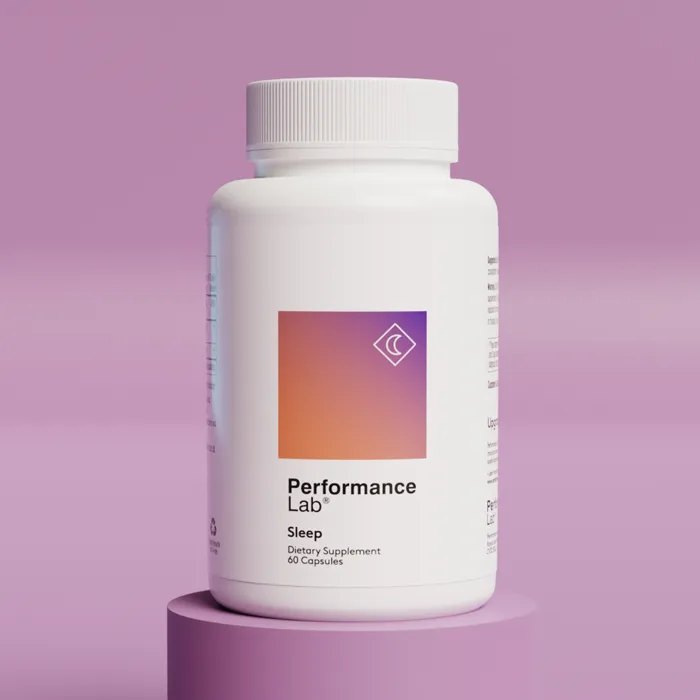
The best melatonin + magnesium sleep stack, combining natural, cherry-sourced melatonin with a highly bioavailable magnesium form, is Performance Lab® Sleep.
Let’s check it out:
Performance Lab® Sleep

An ultramodern sleep aid that combines all-natural sleep-supportive ingredients in their most potent, bioactive forms, Performance Lab® Sleep is both a drastic upgrade over standard sleep aid formulas and a return to healthy, traditional, all-natural sleep support.
Supplying natural, low-dose melatonin from CherryPURE® Montmorency tart cherry extract, Performance Lab® Sleep improves overnight sleep quality to support boosted daytime performance. All in all, Performance Lab® Sleep works by:
-
Promoting pre-sleep drowsiness with natural, cherry-sourced melatonin to encourage quicker sleep onset and longer sleep duration.
-
Soothing achy muscle tissue and joints for improved overnight recovery and cellular repair, as well as reduced sleep-disruptive twitches and spasms.
-
Stabilizing the circadian rhythm against late-night screen exposure, stressful work-related demands, and irregular sleep patterns.
-
Combatting overexcited neural activity with an advanced magnesium trio complexed with natural cofactors, such as probiotics, fibers, enzymes, and antioxidants.
The formula is both simple and comprehensive, supplying a unique mix of: CherryPURE® Montmorency tart cherry extract (natural melatonin), TryptoPure® L-Tryptophan, and NutriGenesis® Magnesium—an advanced, bio-engineered mineral form designed for enhanced absorption and magnesium replenishment. Lemon balm extract is also added to the formula for its calming, anti-anxiety benefits.
Though melatonin steals the spotlight, as far as natural sleep supplements go, L-tryptophan and magnesium are also key to a good night’s rest, because of their significant benefits on cognitive stress and muscle relaxation, respectively. (8, 9)
Combined, melatonin, magnesium and L-tryptophan work together to support a healthy, sleep-friendly neurochemical environment while also soothing muscular and connective tissue for better cellular renewal and repair.
What’s more, Performance Lab® Sleep encapsulates its all-natural formula in plant-based NutriCaps®, a patented capsule constructed out of fermented tapioca (pullulan)… and that’s it—no harsh synthetics or artificial additives. Only clean, green ingredients delivered in clean, green capsules.
Related Post: Melatonin Gummies Vs Pills: Which is Better?
Taken nightly, Performance Lab® Sleep is the safest, cleanest, and most effective source of natural melatonin for sleep.
Get the Best Deal on Performance Lab® Sleep Here
Potential Health Benefits of Melatonin (Beyond Sleep)

Of course, the most obvious benefit of taking melatonin is better sleep.
And the direct and indirect health advantages of getting better sleep really can’t be understated. If melatonin is the sole reason you get better sleep, it wouldn’t be an exaggeration to call your melatonin supplement “life-changing.” (And “life changing” in the good way.)
But melatonin actually does more than improve your sleep quality. In addition to being the premier “sleep hormone,” melatonin is also a powerful antioxidant.
With that in mind, some other health benefits of melatonin may include:
-
Antioxidant and Cellular Protection: Melatonin functions as a powerful antioxidant, helping neutralize free radicals and reduce oxidative stress, which may protect cells and tissues from damage. Evidence: strong mechanistic and experimental support. (22)
-
Cardiovascular and Metabolic Health: Some clinical trials suggest melatonin supplementation may modestly improve blood pressure, cholesterol levels, and markers of inflammation. Evidence: moderate clinical evidence from randomized trials and meta-analyses. (10, 23)
-
Immune System Regulation: Melatonin appears to influence immune signaling pathways and may help regulate inflammatory responses in the body. Evidence: promising but still developing clinical evidence. (25)
-
Neuroprotective Effects
Research suggests melatonin may help protect nerve cells from oxidative stress and support brain health through antioxidant and anti-inflammatory mechanisms. Evidence: strong experimental evidence; human research is still emerging. (22) -
Jet Lag & Circadian Symptom Relief – Reduces daytime fatigue and digestive discomfort from circadian disruption. Evidence: supported by clinical recommendations. (24)
Melatonin supplementation is also being investigated for its potential in mitigating and managing Alzheimer's disease. (11)
Though the effects of melatonin feel simple, with an acute boost in pre-sleep drowsiness, the overarching benefits of taking melatonin are actually complex and wide-ranging. However, it is important to be aware of potential harmful effects, especially with misuse or high doses.
Even in “special cases” of sleep disorder, such as jet lag or occasional bouts of insomnia, melatonin is a powerful tool to help you get your sleep (and overall physiology) back on track.
If you have significant sleep issues, other health concerns, or take medication, please consult your health care provider before taking melatonin.
Related Post: 10 Effective Tips to Prevent Tossing and Turning at Night
Should You Take Melatonin for Sleep?

You’re reading this article for a reason. No one seeks an article titled “What is Melatonin?” if they’re not worried about their sleep quality.
Odds are the answer is yes, you should take melatonin to get better sleep.
If caffeine is the go-to daytime “pick me up,” melatonin certainly has earned the position as the go-to nighttime “lay me down” counter to caffeine. However, with or without caffeine (or any other daytime stimulants), melatonin supplementation is still a smart move. (And don't forget, no caffeine at night!)
There’s no way around it: we live in a stressful, screen-lit world that’s exceptionally hostile to natural, healthy melatonin secretion.
And even though many of us know that limiting our nighttime exposure to electronic screens may help us get our melatonin levels back on track… there is, frankly speaking, a very small chance that any of us are genuinely committed to decreasing our evening exposure to our phones, TVs, computers, etc.
Nighttime is the best time to binge-watch all our favorite shows!
And because of this, even people who keep a consistent sleep schedule often still feel tired, as their brains and bodies aren’t fully falling asleep at night. Taking a melatonin supplement may help counteract the melatonin-draining effects of our environment for an all-around healthier circadian rhythm and metabolic performance.
Ultimately, melatonin plays a vital role in helping your brain and body maintain a healthy sleep-wake cycle.
By understanding how melatonin works and how supplementation can support your natural rhythms, you can take proactive steps toward better sleep and improved health.
When to Take Melatonin for a Good Night's Sleep

Melatonin isn’t only the “sleep hormone”, but it’s also a “hormone of darkness.” Meaning that peak melatonin activity typically occurs in the absence of light, i.e., in the dark, during nighttime.
Of course, it’s best to take melatonin when you want to fall asleep. However, this isn’t necessarily recommended for a daytime nap, considering that melatonin during daylight hours is unnatural to a healthy circadian rhythm. Rather, it’s best to take melatonin at night, ideally 30 - 60 minutes before you want to sleep. (26)
Related Post: How Long Does Melatonin Take to Work?
Taking melatonin consistently as part of a consistent nightly bedtime schedule and good bedtime habits may help anchor your sleep-wake schedule and improve your overall circadian rhythm. Here, melatonin’s other nickname comes into play: “circadian glue.”
Optimal Dosage
Surprisingly, it only takes a little bit of melatonin to get the job done, much less than the typical 3-5 mg dosages you find in standard over-the-counter melatonin supplements.
With that in mind, the optimal melatonin dosage is closer to 0.3mg melatonin, as opposed to, say, 3mg melatonin. In fact, research suggests that not only is a lower dosage closer to 0.3mg good enough for getting a good night’s sleep, but it’s also more effective than larger dosages in the 3-5 mg range at promoting restful sleep.
This is likely because 0.3mg is closer to the normal secretion of melatonin within a healthy circadian rhythm.
Related Post: How Long Does Melatonin Stay in Your System?
How Much Melatonin is Too Much?
Though generally safe for most people, it is possible to overdose on melatonin, resulting in unpleasant side effects (see below).
For many melatonin users, 0.3mg of melatonin is sufficient for getting adequate sleep. Odds are if you take a little more than 0.3mg—say, 0.5 to 1mg—you’ll be fine and enjoy more or less the same sleep benefits as the 0.3mg threshold.
Some sources recommend taking no more than 1 to 3mg per night; however, side effects have been reported at the standard 3mg range.
Of course, your mileage may vary. But to determine your personal tolerance, it’s best to start low (0.3mg) and incrementally increase the dosage until you hit your personal melatonin “sweet spot” (insomuch that such a personally tailored “sweet spot” exists). (27, 28)
FDA and Melatonin Supplements
Be aware that melatonin supplements are considered dietary supplements and, as such, are not approved or overseen by the Food and Drug Administration.
Some melatonin products may contain inaccurately labeled quantities of melatonin, so it's important to choose products from a reputable manufacturer. Performance Lab products are third-party tested for potency and purity.
Is Melatonin Safe to Take Every Night?
Performance Lab® Sleep’s CherryPURE® natural melatonin is safe to take every night. This is one of the key highlights of Performance Lab® Sleep, considering that this isn’t always the case with melatonin supplements.
Because we’re dealing with a naturally secreted hormone, many people are understandably skeptical about supplementing melatonin.
After all, if we introduce an external source, could it disrupt the body’s own production or make us dependent on it? Current evidence suggests this concern may be overstated.
A meta-analysis of melatonin studies found “no evidence of the development of tolerance with melatonin use.” (13) In addition, clinical research in adults has shown that supplemental melatonin does not reduce the body’s natural melatonin secretion. (14)
The safety of melatonin supplements, especially Performance Lab® Sleep’s minimally effective melatonin dosage, stands in stark contrast to the habit-forming risks of more powerful pharmaceutical sedatives.
What Are the Side Effects of Taking Melatonin?
Taking a minimally effective dose of melatonin once per night poses very, very little risk of side effects. For most users, the life-changing upsides of melatonin supplements appear to outweigh the potential downsides.
Some of the most commonly reported side effects (often connected to synthetic versions and high doses) include:
-
Morning Grogginess
-
Drowsiness
-
Headache
-
Nausea
-
Dizziness
-
Excess Fatigue
-
Irritability
-
Stomach Discomfort
-
Mood Imbalance
Typically, these side effects are felt in the morning. Especially when taking too much melatonin at night, while you may experience improved sleep onset, it’s not uncommon to feel “dead tired” upon waking, resulting in poor daytime mental and physical performance. This is especially true if you drink alcohol and take melatonin before bed (not recommended).
See: Melatonin and alcohol: are they safe to mix?
This is why supplementing with natural melatonin at a minimally effective dose is key to experiencing all the health benefits of melatonin supplementation while mitigating its risk of morning grog-related side effects.
After all, what’s the point of getting better sleep if it only leaves you feeling worse the next day? (15)
Conclusion
Typically, when we look to improve our mental and physical performance, we turn towards daytime nootropics, stimulants, and fast-acting ergogenics. However, what’s often overlooked, in terms of daytime performance enhancement, is the overarching importance of sleep on daily health and fitness.
With that in mind, melatonin is as much a daytime performance enhancer as it is a nighttime sleep booster.
That is, if you’re using melatonin correctly.
With natural melatonin supplied at a minimally effective dose, Performance Lab® Sleep ensures that you’re taking melatonin the right way without risking any decrements to your daytime performance.
Quite the opposite: Performance Lab® Sleep’s potent mix of natural melatonin, L-tryptophan, lemon balm extract and magnesium ensures better sleep quality in support of optimal academic and athletic performance.
We’re finally learning that sleep, rest, and recovery are the true secret ingredients to achieving long-term success.
Vegan-friendly, eco-friendly, and non-GMO, Performance Lab® Sleep is a safe, effective sleep booster for daily, long-term performance enhancement. Take nightly to keep your circadian rhythm in check and your metabolism in balance.
Get the Best Deal on Performance Lab® Sleep Here
References
- Chattu, Vijay Kumar, et al. “The Global Problem of Insufficient Sleep and Its Serious Public Health Implications.” Healthcare (Basel) 7, no. 1 (2019): 1.
- Zisapel, Nava. “New Perspectives on the Role of Melatonin in Human Sleep, Circadian Rhythms and Their Regulation.” British Journal of Pharmacology 175, no. 16 (2018): 3190–3199.
- Shechter, Ari, et al. “Blocking Nocturnal Blue Light for Insomnia: A Randomized Controlled Trial.” Journal of Psychiatric Research 96 (2018): 196–202.
- Arendt, Josephine. “Melatonin: Countering Chaotic Time Cues.” Frontiers in Endocrinology 10 (2019): 391.
- Meng, Xianli, et al. “Dietary Sources and Bioactivities of Melatonin.” Nutrients 9, no. 4 (2017): 367.
- Cao, Ying, et al. “Magnesium Intake and Sleep Disorder Symptoms: Findings from the Jiangsu Nutrition Study of Chinese Adults at Five-Year Follow-Up.” Nutrients 10, no. 10 (2018): 1354.
- DiNicolantonio, James J., et al. “Subclinical Magnesium Deficiency: A Principal Driver of Cardiovascular Disease and a Public Health Crisis.” Open Heart 5, no. 1 (2018): e000668.
- Friedman, Mendel. “Analysis, Nutrition, and Health Benefits of Tryptophan.” International Journal of Tryptophan Research 11 (2018): 1178646918802282.
- Córdova, Armando, et al. “Impact of Magnesium Supplementation in Muscle Damage of Professional Cyclists Competing in a Stage Race.” Nutrients 11, no. 8 (2019): 1927.
- Ashour, A. M. “The Effect of Melatonin Supplement on High Arterial Blood Pressure: An Overview from ClinicalTrials.gov.” Journal of Multidisciplinary Healthcare 17 (2024): 517–520.
- Zhang, Z., X. Xue, B. B. Bendlin, et al. “Melatonin: A Potential Nighttime Guardian Against Alzheimer’s.” Molecular Psychiatry 30 (2025): 237–250. https://doi.org/10.1038/s41380-024-02691-6
- Vural, E. M. S., et al. “Optimal Dosages for Melatonin Supplementation Therapy in Older Adults: A Systematic Review of Current Literature.” Drugs & Aging 31, no. 6 (2014): 441–451.
- Ferracioli-Oda, Erika, et al. “Meta-Analysis: Melatonin for the Treatment of Primary Sleep Disorders.” PLoS ONE 8, no. 5 (2013): e63773.
- Givler, David, et al. “Chronic Administration of Melatonin: Physiological and Clinical Considerations.” Neurology International 15, no. 1 (2023): 518–533. https://doi.org/10.3390/neurolint15010031
- Andersen, L. P. H., et al. “The Safety of Melatonin in Humans.” Clinical Drug Investigation 36, no. 3 (2016): 169–175.
- Borjigin, Jimo, and Jie Deng. “Diurnal 5-HT Production and Melatonin Formation.” In Madame Curie Bioscience Database, edited by Henry S. Friedman. Bethesda, MD: U.S. National Library of Medicine, National Center for Biotechnology Information, 2013. https://www.ncbi.nlm.nih.gov/books/NBK6218/
- Megha, K. B., et al. “Significance of Melatonin in the Regulation of Circadian Rhythms and Disease Management.” Molecular Neurobiology 61, no. 8 (2024): 5541–5571. https://doi.org/10.1007/s12035-024-03915-0
- Hong, S., D.-B. Lee, D.-W. Yoon, S.-L. Yoo, and J. Kim. “The Effect of Sleep Disruption on Cardiometabolic Health.” Life 15, no. 1 (2025): 60. https://doi.org/10.3390/life15010060
- Auld, Fiona, et al. “Evidence for the Efficacy of Melatonin in the Treatment of Primary Adult Sleep Disorders.” Sleep Medicine Reviews 34 (2017): 10–22.
- Morera-Fumero, A. L., L. Fernandez-Lopez, and P. Abreu-Gonzalez. “Melatonin and Melatonin Agonists as Treatments for Benzodiazepines and Hypnotics Withdrawal in Patients with Primary Insomnia: A Systematic Review.” Drug and Alcohol Dependence 212 (2020): 107994.
- van Geijlswijk, Ingeborg M., H. P. Korzilius, and Marcel G. Smits. “The Use of Exogenous Melatonin in Delayed Sleep Phase Disorder: A Meta-Analysis.” Sleep 33, no. 12 (2010): 1605–1614.
- Laurindo, L. F., et al. “Melatonin from Plants: Going Beyond Traditional Central Nervous System Targeting—A Comprehensive Review of Its Unusual Health Benefits.” Biology 14, no. 2 (2025): 143. https://doi.org/10.3390/biology14020143
- Mohammadi, S., et al. “Comprehensive Effects of Melatonin Supplementation on Cardiometabolic Risk Factors: A Systematic Review and Dose-Response Meta-Analysis.” Nutrients 18, no. 1 (2025): 134. https://doi.org/10.3390/nu18010134
- National Center for Complementary and Integrative Health. “Melatonin: What You Need to Know.” https://www.nccih.nih.gov/health/melatonin-what-you-need-to-know
- Carrillo-Vico, Antonio, et al. “Melatonin: Buffering the Immune System.” International Journal of Molecular Sciences 14, no. 4 (2013): 8638–8683. https://doi.org/10.3390/ijms14048638
- Healthline. “Everything You Need to Know About How Melatonin Works.” https://www.healthline.com/health/how-long-does-melatonin-last
- Zhdanova, Irina V., et al. “Effects of Low Oral Doses of Melatonin, Given 2–4 Hours Before Habitual Bedtime, on Sleep in Normal Young Humans.” Sleep 19, no. 5 (1996): 423–431.
- Cruz-Sanabria, F., et al. “Optimizing the Time and Dose of Melatonin as a Sleep-Promoting Drug: A Systematic Review of Randomized Controlled Trials and Dose-Response Meta-Analysis.” Journal of Pineal Research 76, no. 5 (2024): e12985. https://doi.org/10.1111/jpi.12985